2027 Exercise Science Specializations With the Broadest Career Mobility

Co-Founder and Chief Data Scientist
Choosing a specialization within exercise science often confronts students and professionals with a high-stakes dilemma: how to align an evolving education with workforce demand and long-term career flexibility. Nearly 40% of adult learners in health-related fields now prioritize online or hybrid degree options, according to the National Center for Education Statistics, signaling a shift toward programs that accommodate nontraditional schedules and accelerate credentialing. This trend reflects the challenge of balancing immediate employment needs with future-proof expertise across physical therapy, athletic training, and wellness coaching sectors, where employer expectations vary widely. The following analysis identifies specializations offering the broadest career mobility and strategic entry points tailored to these realities.
Key Things You Should Know
- Specializing in biomechanics boosts employment versatility but requires mastering complex data analytics frameworks, prolonging degree completion by an average of 10-15%, per the National Center for Education Statistics 2024 report.
- Employers prioritize candidates with clinical exercise physiology credentials, a trend reflected in a 23% rise in job postings across rehabilitation sectors since 2023, indicating stronger demand but narrow sector focus.
- Sports nutrition specialization demands costly certifications ($1,500-$4,000) and ongoing education, limiting access for non-traditional students while delivering a 17% salary premium in corporate wellness roles, per Bureau of Labor Statistics data.
Which exercise science specializations offer the broadest career mobility across health and fitness fields?
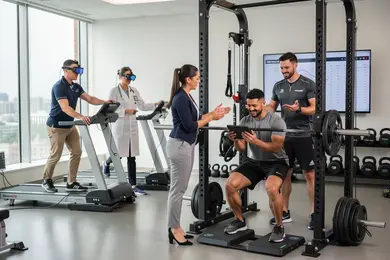
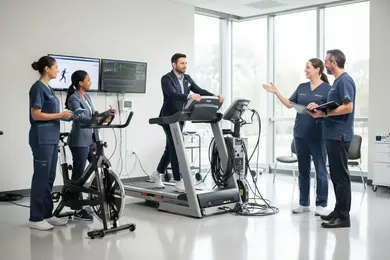
Clinical exercise physiology stands out among exercise science career paths with broad mobility due to its integration of healthcare and exercise expertise, allowing professionals to operate beyond conventional fitness roles. Unlike specializations centered solely on performance enhancement or athletic training, which mostly confine practitioners to sports or gym environments, clinical exercise physiology opens doors in medical and rehabilitation settings such as hospitals and outpatient clinics. This specialization demands proficiency in exercise testing, physiological monitoring, and medical terminology, which employers in health systems require to ensure patient safety and evidence-based practice.
Graduates often face longer education and certification processes but gain access to roles involving cardiac rehab, chronic disease management, and preventative care programs. For example, a certified clinical exercise physiologist can seamlessly shift from cardiac rehab to diabetes management without obtaining additional degrees, unlike peers focused strictly on fitness. To navigate these opportunities, programs that include clinical internships and training in data analysis and interdisciplinary teamwork are essential. These competencies make a measurable difference for students aiming to bridge exercise science specializations in the health and fitness industries.
Those evaluating pathways should consider practical implications: clinical roles tend to offer greater job stability and higher wages-median annual earnings are $58,160-with employment growth projected at 9% through 2034. Conversely, fitness-only tracks may limit long-term options.
For a comparative lens on roles within related fields, reviewing the athletic director salary and career paths offers insight into distinct professional demands and market trends.
What degree levels in exercise science best support flexible career and graduate school options?
Employers in sports performance frequently mandate a bachelor's degree combined with certifications, making this level the primary gateway into roles such as strength and conditioning coaching, where salaries typically span from $60,527 to $84,575 annually. This functional degree level offers the broadest flexibility for career mobility, aligning with the practical realities faced by those targeting immediate workforce entry. Individuals aiming to strategically pivot careers-like transitioning from personal training to strength and conditioning-often find the bachelor's degree in exercise science essential for tangible salary increases and credential validation. This illustrates the value of exercise science degree levels for career flexibility in the field.
Advancing to a master's degree broadens professional horizons, particularly for specialized clinical or research roles in areas like physical therapy prerequisites, occupational therapy, applied biomechanics, and sports nutrition. While more demanding in time and investment, these programs extend employability into multidisciplinary health systems and academic environments by deepening theoretical and practical knowledge. For those focused on independent research or university faculty positions, doctoral-level education opens access to grant-funded projects and leadership roles but narrows immediate job prospects due to its research intensity and prolonged training requirements.
Practical decision-making hinges on weighing immediate employability against long-term specialization ambitions. Working professionals may prefer bachelor's or master's degree tracks that balance applied skills with recognized certifications. For a detailed perspective on environmental science as a parallel model, see what can you get with an environmental science degree.
The best exercise science degrees for graduate school options emphasize interdisciplinary knowledge critical for evolving health and performance demands, influencing hiring preferences and job market navigation.
How do exercise science specializations differ in typical job roles, work settings, and advancement potential?
Specializing within exercise science drastically shapes job roles, work environments, and advancement possibilities, making alignment with personal career goals essential. Clinical exercise physiology places professionals primarily in hospitals or rehabilitation centers, managing chronic illness patients where advancement usually requires certification and often a master's degree. By contrast, strength and conditioning specialists typically operate in sports teams or private gyms, with career growth dependent on networking and certifications rather than advanced formal education. This distinction highlights differences in typical daily tasks and salary structures, with clinical roles offering higher median wages but demanding more rigorous credentialing.
Corporate wellness positions, including health education specialists and community health workers, are expanding rapidly. Employment in these roles is projected to grow 7% from 2022 to 2032, outpacing many occupations according to the U.S. Bureau of Labor Statistics. Such roles prioritize preventive health in diverse workplaces like insurance firms and large employers. For professionals pursuing exercise science career paths and job roles that emphasize leadership or program outcomes over clinical certification, this sector offers broader mobility but generally lower pay than clinical tracks.
Workload variations are significant: kinesiology specialists may focus on research or academia, whereas clinical exercise physiologists engage in patient assessments and rehab. Choosing a specialization means weighing tradeoffs between stability, income, educational investment, and industry growth. Those targeting corporate leadership might favor health promotion, while others aiming for patient impact may accept slower growth in clinical fields.
Students exploring advanced degrees should consider practical program value and workforce outcomes. For those contemplating a strategic pivot or advancement, comparing credentials is critical. For example, nonclinical pathways often bypass complex licensure but demand outcome-driven leadership capabilities. Evaluating options like a MLIS degree similarly requires matching educational rigor, cost, and career objectives.
Which exercise science concentrations align with the highest earning potential and salary growth?
Cardiac and pulmonary rehabilitation concentrations represent the exercise science specialties with highest salary growth, driven by escalating clinical demand and the necessity for precise therapeutic interventions. With about 21,500 exercise physiologists employed nationally and a projected 10% job growth from 2023 to 2033, this subfield outpaces others in job creation and stability. Healthcare employers favor candidates possessing specialized clinical certifications, which create a higher threshold for entry but significantly enhance earning potential and career advancement opportunities within multidisciplinary medical teams.
Compared to general fitness or health coaching roles, which often require entrepreneurial approaches to match income levels, cardiac rehabilitation positions provide a more structured and well-compensated career path. However, accessing these roles usually entails advanced certifications or degrees, increasing upfront investment but opening doors to leadership and clinical responsibilities. Graduates should weigh the practical implications of this tradeoff against their career goals.
Prioritizing accredited cardiac rehabilitation programs incorporating clinical training and hospital internships remains critical for meeting employer expectations and leveraging the field's robust labor demand. For professionals considering broader healthcare transitions, exploring online MSN PMHNP programs can complement their clinical expertise and diversify career options.
What are the common admission requirements for exercise science programs with versatile specializations?
Admission requirements for exercise science programs reflect a balance between academic rigor and practical readiness, especially for those pursuing tactical strength, conditioning, or first responder performance pathways. Candidates typically need a high school diploma with a GPA between 2.5 and 3.0, plus completion of foundational courses in biology, chemistry, anatomy, and often physics. These prerequisites ensure applicants can grasp the applied human physiology central to the field.
Beyond academics, programs tied to military or emergency responder careers demand documented practical experience such as athletic participation, military service, or fitness instruction. Without these, candidates risk underdeveloped situational skills that classroom learning alone cannot build. This delineates a critical tradeoff: prioritizing theoretical background without parallel hands-on exposure narrows employability in specialized sectors.
Employment growth for fitness trainers and instructors, including tactical specialists, is projected at 14%, underscoring the importance of demonstrating sustained physical preparedness and professional engagement through certifications or internships. Employers assess these factors heavily, making early strategic planning vital for those targeting competitive roles in military or public safety fitness.
Prospective students must therefore anticipate dual thresholds-academic prerequisites and experiential credentials-to ensure program access that translates to tangible workforce mobility across diverse exercise science specializations.
How do online exercise science programs compare to campus-based options for career mobility?
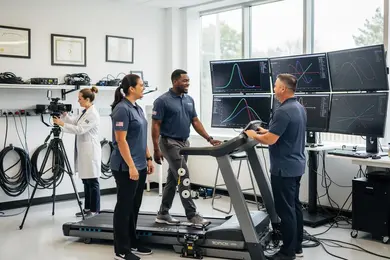
Online and campus-based exercise science programs offer comparable theoretical foundations but diverge sharply in practical training opportunities, a critical factor for career success in data-driven sport science roles. Positions emphasizing real-time performance analytics and biomechanical assessments demand hands-on experience with specialized lab equipment and live data integration, typically accessible only through campus curricula.
Those aiming for roles such as at Olympic training centers or professional sports organizations must demonstrate applied competencies cultivated through structured internships, elite athlete collaborations, or faculty-led research projects. These practical elements create employer connections and validate essential skills, which online programs rarely embed directly.
Online study suits professionals already working in the field seeking credential updates or flexible upskilling. Yet, candidates pursuing initial entry into competitive sectors often face delays securing independent practicums needed for verified experience. Career mobility in strength and conditioning or advanced sports analytics hinges on tangible, supervised practice; the National Strength and Conditioning Association confirms increasing demand for such applied expertise across professional, collegiate, and Olympic domains.
Prospective students should critically evaluate program offerings for embedded internships, lab access, and employer pipelines rather than relying solely on academic prestige when selecting an educational path aligned with workforce realities.
What core coursework and labs prepare students for multiple exercise science career pathways?
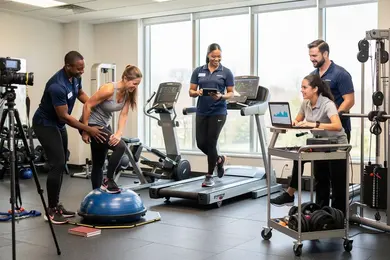
Exercise science programs demand strategic tradeoffs between broad biological foundations and applied clinical proficiency. Rigorous coursework and labs in anatomy, biomechanics, physiology, and motor learning equip students with the mechanical and biological understanding essential for both rehabilitation and fitness sectors. Laboratories involving cadaver dissection, motion and metabolic analysis, plus exercise prescription, provide applied skills directly transferrable to clinical assessment and rehabilitation.
Students focusing on physical therapy or rehabilitation benefit from integrating clinical pathology and therapeutic modalities into their studies. This combination develops acute injury recognition and intervention skills, qualifying graduates to enter outpatient clinics, sports medicine centers, or rehabilitation facilities with immediate job readiness. However, pursuing these areas typically requires longer, more expensive programs aligned with professional licensure demands.
Those aiming for corporate wellness or strength and conditioning fields gain value by adding coursework in nutrition, psychology, and program design, enabling them to create customized training regimens and client assessments. This diversification addresses workforce demand for adaptable professionals amid evolving health promotion and injury prevention priorities.
The labor market confirms tangible value for these pathways; physical therapy roles reported a median wage near $99,710 annually. Still, students must weigh program intensity, time investment, and cost against desired career trajectories. Emphasizing lab integration and interdisciplinary training enhances employability, but realistic alignment with workforce conditions remains critical.
How do accreditation and program quality impact exercise science graduates' employment and licensure?
Licensure eligibility and employer preference in exercise science hinge heavily on program accreditation and practical training quality. Graduates lacking accredited credentials face immediate barriers, such as being barred from certification exams required by state and professional boards, which restricts access to roles in clinical, corporate, or community health.
For example, wellness coordinators in lifestyle medicine-a field expected to grow 7% from 2022 to 2032-must hold credentials tied to recognized accredited programs, signaling proven competence to employers. Candidates from programs without strong clinical practicum or national standards alignment often struggle to demonstrate the applied skills employers demand.
Students considering an exercise science pathway should verify accreditation from bodies like the Commission on Accreditation of Allied Health Education Programs (CAAHEP) to ensure their degree meets licensure prerequisites and industry screening criteria. Without this, even experienced applicants may be filtered out in hospital or corporate hiring processes. Additionally, program content matters: curricula integrating current exercise physiology, nutrition, and behavior science reduce remedial certification prep time and hasten labor market entry.
In practical terms, prioritizing accredited programs with rigorous clinical components directly affects licensure timelines, workforce readiness, and long-term earning potential. This becomes critical as employers weigh credential authenticity alongside specialized knowledge in an increasingly competitive wellness sector.
What certifications complement exercise science specializations and expand long-term career options?
Specialized certifications in exercise science decisively shape career trajectories by aligning qualifications with sector-specific employer demands and practical workforce realities. For instance, a Certified Strength and Conditioning Specialist (CSCS) credential significantly improves access to competitive roles within collegiate or professional sports programs, where technical competence in advanced athlete monitoring and programming is mandatory.
Conversely, certifications such as Certified Exercise Physiologist (CEP) open pathways in cardiopulmonary rehabilitation, a domain expanding due to demographic aging, thereby supporting sustainable career options beyond general fitness settings. This contrasts with more rigorous licenses in physical or occupational therapy, which involve extended clinical training and are less accessible for professionals seeking quicker entry into healthcare-oriented exercise roles.
Employers increasingly expect certifications that incorporate clinical hours or comprehensive health coaching capabilities to integrate exercise prescriptions in chronic disease management. Certifications from established governing bodies, such as the American College of Sports Medicine (ACSM), carry more weight in these contexts versus low-cost, minimal-substance certificates that may hinder long-term progression and compensation.
Workforce data indicate that 41% of degree holders in recreation and fitness often pursue educational or research roles, where advanced academic credentials combined with specialized certifications are crucial for stable employment. Consequently, choosing certifications requires careful alignment with intended career sectors:
How is the job outlook for major exercise science specializations in the U.S. labor market?
Employment growth in clinical allied health roles tied to exercise science is set to outperform broader labor market averages, driven largely by demographic shifts such as an aging population. Practical opportunities for physical therapists and athletic trainers are expected to expand by roughly 13-14% through 2033, translating into tens of thousands of job openings. This reflects escalating demand for rehabilitation services and preventive care outside of traditional fitness roles.
In contrast, graduates without advanced clinical certifications face a more constrained labor market, largely confined to entry-level positions in fitness and wellness sectors where job growth is slower and increasingly affected by automation and market saturation. This divergence underscores the necessity of evaluating the substantial time and cost investment required for postgraduate clinical credentials like occupational therapy or physical therapy. These credentials lead to more stable employment and broader geographic mobility but demand rigorous, accredited education and licensure.
For prospective students, the choice is less about initial degree content and more about the strategic trajectory: pursue healthcare-focused accredited programs versus general kinesiology or personal training certificates. Employers prioritize candidates with verifiable clinical experience and competencies, reflecting the practical skill sets necessary to meet evolving healthcare regulations and patient needs.
Other Things You Should Know About Exercise Science
Programs with a strong research focus provide valuable analytical skills but may limit immediate job placement outside academia or clinical research. If your goal is broad career mobility, prioritize programs that balance research with applied practice and internships. Pure research tracks might delay entry into roles like fitness management or rehabilitation, so weigh your long-term priorities against how much research experience you want.
Longer programs, such as bachelor's plus master's paths, often open more career doors but require significant time and financial investment. Accelerated programs may speed entry into the workforce but sometimes reduce exposure to key specializations or certifications valued by employers. Select a program length aligned with your current career goals and readiness for further education, as overcommitting early can limit immediate job opportunities.
Yes. Employers often favor specializations that align with recognized credentials such as ACSM, NSCA, or NASM, because they signal job-ready skills. For clinical or rehabilitation roles, a state license or board certification may also be required, which can expand mobility across hospitals, clinics, and wellness settings.
References
- Exercise Science | York College of Pennsylvania https://www.ycp.edu/academics/programs/exercise-science
- What can I do with an Exercise Science degree? https://www.coloradomesa.edu/iris/explore-majors/what-can-i-do-with-an-exercise-science-degree.html
- Three Up-and-Coming Careers for Health Science and Exercise Science Majors - La Sierra University Blog https://blog.lasierra.edu/three-up-and-coming-careers-for-health-science-and-exercise-science-majors/
- University of Central Arkansas | UCA https://uca.edu/exss/careerprospects/
- ESSA's career guide for Accredited Exercise Physiologists https://www.essa.org.au/Web/Web/Resources/Tools-and-templates/ESSA-AEP-Guide.aspx
- Exploring Careers in Health and Exercise Sciences: From Personal Training to Public Health - UNCF https://uncf.org/the-latest/improve-human-health-by-studying-public-health-and-nutrition
- Exercise science program accredited by national organization | Lipscomb University https://lipscomb.edu/news/exercise-science-program-accredited-national-organization
- Exercise Sciences https://www.caahep.org/committees-on-accreditation/exercise-science
- Top 20 Careers With a Master’s in Exercise Science | PLNU https://www.pointloma.edu/resources/health-sciences/top-20-careers-masters-exercise-science
- Exercise science: What exactly is it? https://www.scienceforsport.com/exercise-science/