2027 Online Exercise Science Degrees With Corporate Wellness Career Alignment

Co-Founder and Chief Data Scientist
Professionals seeking to pivot into corporate wellness roles from traditional exercise science backgrounds often confront a critical barrier: aligning their academic credentials with evolving industry expectations while managing full-time employment. The National Center for Education Statistics reports a 12% increase in adult enrollment in online health-related bachelor's programs since 2023, signaling a shift toward flexible learning models that accommodate working practitioners.
This growth highlights a broader trend where accessibility and program adaptability directly affect career mobility and timely certification. Understanding the trade-offs among program structures and career alignment is essential for making strategic educational investments.
This article evaluates current online exercise science degrees tailored for corporate wellness careers, offering insights to navigate program selection aligned with workforce demands and professional goals.
Key Things You Should Know
- Online exercise science degrees offer a cost-efficient alternative with median tuition 35% below in-person programs, but this often limits applied lab exposure, impacting readiness for corporate wellness roles demanding hands-on skills.
- Employers increasingly prioritize certifications linked to corporate wellness outcomes, not just degrees; 72% of surveyed HR managers (2024 SHRM) view program alignment with wellness ROI measurement as critical for hiring.
- Completion time variability in online formats, ranging 2 to 4 years, directly affects career pivot windows and earning potential, with those extending study beyond 3 years seeing 15% lower early-career wages per LinkedIn Workforce Report.
What is an online exercise science degree and how does it align with corporate wellness?
Graduates with an online exercise science degree often confront the challenge of converting theoretical knowledge into measurable corporate wellness outcomes. Employers value these credentials when candidates demonstrate the ability to design and assess health programs that impact workforce productivity and reduce insurance liabilities.
For example, a corporate wellness coordinator at a midsize tech company might employ biometric screenings and activity monitoring to tailor ergonomic and exercise interventions for sedentary staff, directly cutting costs related to health claims.
Such roles require more than foundational anatomy, physiology, biomechanics, and nutrition expertise; they demand fluency in health risk evaluation and financial justification of wellness initiatives. Employers also expect certifications like CPR or health coaching alongside the degree, making supplemental credentials a significant consideration.
Those seeking corporate wellness career paths with an exercise science degree should anticipate a learning curve tied to discipline and asynchronous online study habits, as well as the need for real-world internships.
Pragmatically, an online exercise science degree program's accreditation and integration of practical elements can shape employability. The growing demand for specialized wellness staff, projected between 6% and 14% growth, makes it imperative to strategically select programs that balance academic rigor with applicable skill sets. Prospective students can explore registered options by reviewing online exercise science programs to align educational investments with career objectives.
How do online exercise science programs compare to campus-based options for corporate wellness careers?
Choosing between online exercise science degree vs campus programs for corporate wellness presents distinct tradeoffs centered on practical experience. Employers prioritize candidates who demonstrate competency with population health data analysis and workplace health interventions, skills cultivated more consistently through campus-based programs offering in-person labs and structured internships.
Conversely, best online exercise science programs for corporate wellness careers provide flexibility but require students to proactively secure local employer partnerships to gain comparable applied experience.
For example, a working professional enrolled in an online exercise science degree who arranges an internship at a regional health promotion firm will likely outperform peers limited to virtual coursework when evaluated by employers. Campus options tend to suit recent graduates or those lacking workplace familiarity, as they embed hands-on training and network-building critical for wellness director roles.
The job market supports strategic investment in direct engagement: Health Promotion, Public Health & Wellness roles earn a median income of $73,740 with a projected 9% growth rate, according to Willamette University. Students motivated by scheduling or geographic limits must compensate for the lack of campus resources by integrating community projects or applied research aligned with corporate wellness demands.
Those assessing educational pathways should consider how realistic employer visibility and verified competencies impact long-term career trajectories, whether enrolled in on-campus or online formats.
Prospective students exploring digital options might also compare pathways in related fields, such as via computer science degree online, to weigh skill applicability and market demand nuances.
Which accredited online exercise science degrees best support corporate wellness career pathways?
The most effective accredited online exercise science degrees for corporate wellness careers integrate applied kinesiology, behavioral science, and workplace health principles with a clear focus on employer priorities. Programs aligned with corporate wellness pathways tend to embed occupational health modules emphasizing ergonomic risk assessment, injury prevention in industrial settings, and employee behavior modification—skills directly applicable to wellness roles in diverse business environments.
Degrees narrowly centered on biomechanics or clinical rehabilitation frequently miss the mark for those targeting corporate wellness positions, reducing graduates' readiness for roles such as wellness coordinators or employee health analysts. For example, manufacturing sector wellness professionals require expertise in injury prevention protocols tied to workplace safety, whereas corporate office health initiatives prioritize chronic disease management and nutrition coaching on a larger scale.
Employers increasingly expect candidates to complement exercise science knowledge with certifications in health coaching or program administration. While fitness trainers earn an average of $44,190 with a projected 14% job growth, corporate wellness roles demand broader competencies and typically offer elevated advancement opportunities.
Prospective students should prioritize programs regionally accredited or endorsed by bodies like CAAHEP, which align closely with recognized corporate wellness certification organizations to meet employer expectations for data-driven program design and measurable outcomes.
For those considering advanced interdisciplinary education related to workforce health analytics, exploring options such as online data science doctorate programs may provide complementary skills beneficial for leadership roles in health program evaluation and innovation.
What admission requirements do online exercise science programs typically have for working adults?
Flexible admission requirements for exercise science degrees designed for professionals often balance formal academic credentials with relevant work experience, reflecting employer expectations for practical readiness rather than rigid academic benchmarks alone.
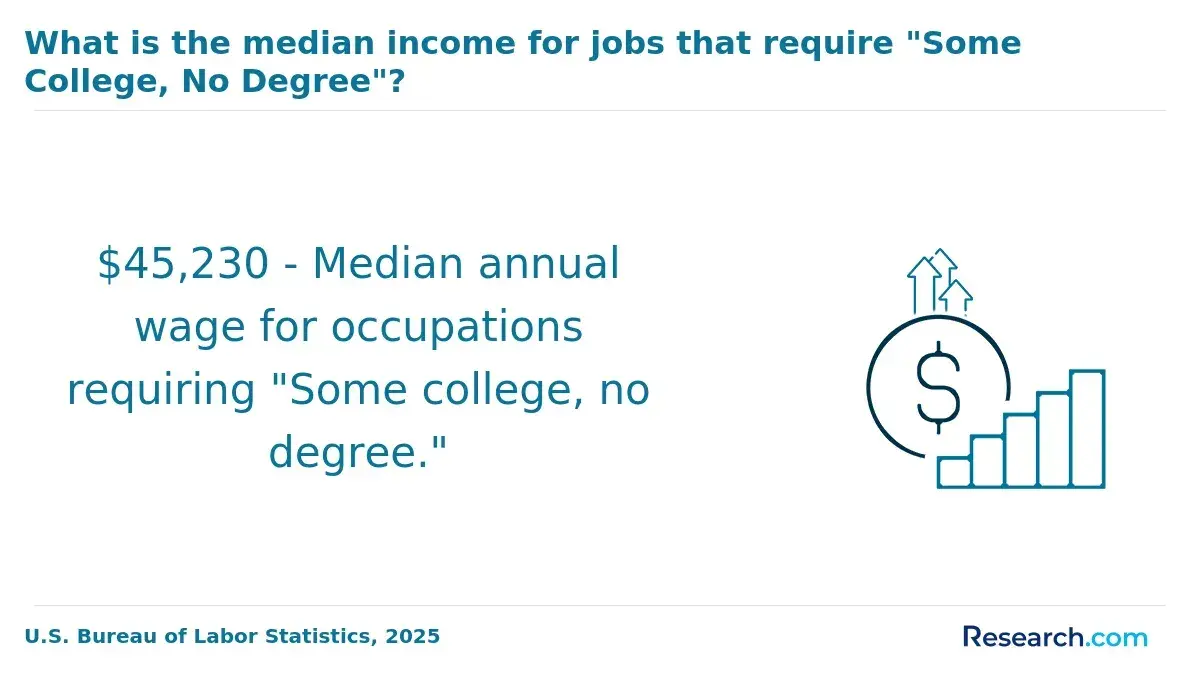
Working adults typically face a tradeoff: programs may accept candidates with some college credits or an associate degree instead of requiring a full bachelor's degree, easing transitions but potentially limiting access to more advanced specialties that demand deeper foundational coursework.
Applicants often submit transcripts showing prerequisite courses in biology or kinesiology, complemented by letters of recommendation from supervisors in fitness or rehabilitation roles. Standardized tests like the GRE may be waived for those with demonstrable experience, aligning with the realities of career changers and established professionals. A personal statement capturing career goals tied to corporate wellness commonly factors into admission decisions to assess fit beyond academic metrics.
Managing course load flexibility is crucial for students balancing employment, especially since some programs require on-site clinical practicums, which can complicate scheduling and geographic accessibility. For working adults, choosing programs that integrate experiential learning with flexible delivery models is a strategic imperative.
Salary and job outlook data reinforce this pathway's practical value. Graduates entering recreational therapy roles in corporate wellness earn an average of $65,350 with a projected 4.3% job growth through 2033, making careful navigation of admission criteria an investment with quantifiable returns.
For those weighing how to fund or prioritize study, comparing costs against alternatives like the cheapest master in data science reveals differences in market demand and salary trajectories worth evaluating when pivoting careers.
How long do online exercise science degrees take and what do they cost?
Choosing an online exercise science degree demands careful evaluation of the financial and temporal investments against realistic career outcomes. Bachelor's programs typically span four years, with master's degrees requiring an additional two years, while certificate options may take under one year.
Public in-state tuition ranges roughly from $7,000 to $12,000 annually, contrasted with $20,000 to $40,000 or more at private or out-of-state institutions. Although online formats reduce costs tied to commuting and housing, they rarely offer substantially lower tuition fees.
Accelerated or hybrid models allow working professionals to complete bachelor's degrees in 18-24 months, but these compressed timelines bring intensified coursework that can challenge balancing job duties, potentially impacting mastery of practical skills prized by employers.
Salary prospects grow significantly with specialized roles, moving from entry-level $35,000-$40,000 salaries to $60,000-$80,000+ in clinical exercise science positions, which can offset upfront program expenses within a few years. Candidates should weigh costs against these earnings trajectories and the opportunity cost of extended study.
Employers often prefer applicants with certifications tailored to corporate wellness or clinical niches, influencing degree selection. Budgeting must consider exam fees, continuing education, and internships alongside tuition. Strategic planning in coursework and enrollment timing can ease financial burdens and improve alignment with evolving workforce demands.
What core courses and specializations prepare students for corporate wellness roles?
Employers in corporate wellness expect candidates to combine technical knowledge with applied certifications, reflecting a workforce preference for credential stacking. Core coursework emphasizes human anatomy, exercise prescription, nutrition, and data interpretation that align interventions closely with workplace health goals.
However, without certifications such as ACSM, NSCA, NASM, or ACE integrated within a 4-year degree pathway, entry into relevant roles often experiences delays, particularly where emergency response and client assessment expertise are prioritized.
Specializations like stress management and ergonomics cater to distinct workplace environments, ranging from high-stress industries to manufacturing, highlighting the need for domain-specific skill sets that broad Exercise Science generalist programs may lack. For example, a graduate targeting corporate roles in ergonomics without tailored coursework or certification may struggle to meet employer requirements for injury prevention.
Students balancing rigorous coursework alongside time-bound credential acquisition face the tangible tradeoff of program duration versus labor market readiness. Employers emphasize practical proficiency, often provided through embedded practicum or capstone experiences that integrate certification standards. Graduates bypassing this integration risk slower hiring timelines and limited upward mobility.
Ultimately, the value of Exercise Science education in corporate wellness hinges on a curriculum calibrated for immediate workforce applicability, blending theoretical foundations with professional certification to meet evolving occupational health demands.
What corporate wellness jobs can you pursue with an exercise science degree?
Corporate wellness roles tied to an exercise science degree demand far more than foundational knowledge in physiology. Employers seek professionals who can integrate wellness initiatives within complex, diverse workplaces, demonstrating business acumen alongside clinical expertise. For instance, a wellness coordinator may analyze employee health data to develop targeted fitness and nutrition plans that align with organizational productivity goals while reducing healthcare costs.
Employment in this sector is projected to grow up to 14% through 2033, driven by corporate commitments to preventative health as a cost-saving measure, according to NutritionEd.org. This trend heightens demand for skills in health assessment, exercise prescription, behavior coaching, and especially program evaluation with measurable ROI.
Effective corporate wellness professionals collaborate across HR teams, insurers, and service vendors. They must navigate logistical challenges such as adapting programs for remote teams and diverse employee populations, requiring proficiency in digital tools and data analytics. For example, a corporate health consultant might design scalable online fitness programs that accommodate hybrid workforces.
Students pursuing exercise science degrees should consider coursework or certificates in health promotion, public health, or business to close gaps between academic training and employer expectations. Practical internships or partnerships with corporate wellness providers substantially enhance readiness to meet evolving workforce demands.
What salary ranges and job outlook can exercise science graduates expect in corporate wellness?
Exercise science graduates targeting corporate wellness roles face a competitive but stable job market with median salaries near $73,740, according to Willamette University career data. Realistically, entry-level wellness coordinators earn $45,000 to $60,000, while senior wellness directors and program managers in large organizations may surpass $100,000 annually. These figures depend heavily on factors such as organization size, geographic location, and role seniority.
Advancing beyond mid-level positions requires more than a basic exercise science degree. Employers increasingly prioritize skills in program management, data analytics, ROI analysis, and behavior change strategies. For instance, a wellness specialist aiming to become a director must develop competencies in corporate communications, budgeting, and health policy implementation to meet evolving workplace expectations.
Graduates should anticipate ongoing education or certifications to remain competitive, especially because salary growth and leadership opportunities heavily rely on demonstrating measurable health initiative outcomes. Without these qualifications, career advancement often plateaus.
Planning for a strategic pivot from personal training or general exercise science roles into wellness leadership demands a clear understanding of these operational tradeoffs and workforce requirements. The sector's 9% projected growth aligns with broader health promotion trends but requires practical upskilling to capitalize on available job opportunities.
Which certifications and professional credentials strengthen corporate wellness employment prospects?
Prioritizing certifications that align directly with employer demands is essential when targeting corporate wellness roles. Credentials such as Certified Corporate Wellness Specialist (CCWS), Certified Health Education Specialist (CHES), and Certified Strength and Conditioning Specialist (CSCS) demonstrate applied expertise in program design and outcome measurement valued in workplace settings.
For example, CSCS credential holders are distinctively competitive for positions focused on injury prevention and ergonomic wellness, critical in manufacturing or physically intensive environments.
Nutritional certifications like Certified Nutrition Specialist (CNS) and Registered Dietitian (RD) complement exercise science by addressing dietary factors integral to chronic disease management and metabolic health. Given a median salary of $66,450 and steady growth projections noted by the Bureau of Labor Statistics, these credentials add interdisciplinary depth and stability within wellness teams.
The ACSM Certified Wellness Coach (CWC) combines behavioral coaching with exercise expertise, offering measurable engagement outcomes that increasingly influence hiring decisions in service industries emphasizing sustained employee health improvements.
Beyond credential content, candidates must weigh renewal fees, continuing education demands, and national accreditation for smooth verification during hiring. Aligning certifications with specific industry needs prevents credential mismatch and career stagnation. For instance, technology and finance sectors may favor exercise science combined with occupational health or motivational interviewing credentials to differentiate applicants competitively.
How can prospective students evaluate the quality and accreditation of online exercise science programs?
Regional accreditation is a non-negotiable benchmark for online exercise science programs, directly influencing eligibility for certifications that some states mandate for exercise physiologists. Choosing a program without this credential risks limiting licensure options and diminishes credibility with employers in corporate wellness settings.
Beyond regional accreditation, specialized accreditation through bodies like the Commission on Accreditation of Allied Health Education Programs (CAAHEP) or kinesiology-specific review adds practical rigor, particularly for clinical or applied exercise science tracks. Programs lacking these credentials often present fewer hands-on opportunities, a critical gap given the field's growing reliance on experiential training.
Employment data underscores the importance of selecting programs aligned with labor market realities. Reports show exercise physiologists earn an average $59,620 annually, with job growth between 4% and 14% projected through 2033. Programs embedding internships or corporate wellness projects help bridge academic content to these upward trends, offering distinct advantages over generic degrees.
Practical skill acquisition hinges on effective course delivery models. Synchronous labs, virtual simulations, and partnerships with clinics ensure application of knowledge, mitigating the risks posed by purely asynchronous or theory-heavy approaches. Technical challenges and limited advising can derail progress, making platform usability and support essential factors in program evaluation.
Other Things You Should Know About Exercise Science
Most credible online exercise science programs incorporate a practical internship or practicum component, even if coursework is fully online. This requirement ensures students gain hands-on experience with wellness assessments, program design, and client interaction, which employers in corporate wellness prioritize. Programs lacking this element may leave graduates at a disadvantage when applying for roles demanding applied skills. Prospective students should prioritize programs with built-in internships or partnerships offering supervised practical training to ensure workforce readiness.
Yes, many 2027 online exercise science programs require a capstone in the final term, usually 3 to 6 credit hours. For corporate wellness, the project often includes an employee wellness assessment, program design, and outcomes report tied to health promotion standards.
In 2027, online exercise science degrees provide a solid foundation for careers in corporate wellness. They offer coursework in behavior change, fitness training, and health promotion. While valuable, combining the degree with certifications and experience enhances leadership opportunities in the corporate wellness field.
Not all online programs align their curricula with the content and skills covered in major certification exams like ACSM or NASM, which are often prerequisites for corporate wellness positions. Graduates from programs explicitly designed to prepare students for these certifications demonstrate higher pass rates and better employment outcomes. It is advisable for students to select online degrees that include targeted exam preparation or recommend exam-aligned coursework, maximizing the return on investment and easing the path to credential attainment.
References
- Top 20 Careers With a Master’s in Exercise Science | PLNU https://www.pointloma.edu/resources/health-sciences/top-20-careers-masters-exercise-science
- Exercise Science Careers: Paths with Degrees https://www.fitnessmentors.com/exercise-science-careers/
- Home Health Foundation - Family of Agencies https://merrimackvalleyhospice.org/online-exercise-science-degree-careers-supporting-movement
- Corporate Wellness Training https://learnerspoint.org/corporate-wellness-training-certification
- The Gold-Standard Wellness Certification https://www.wellnessalliance.org/cwp-certification/the-gold-standard-wellness-certification
- Exercise science: What exactly is it? https://www.scienceforsport.com/exercise-science/
- Online Exercise Science Degrees: Top School Review https://www.edumed.org/online-schools/exercise-science-degrees/
- Online Exercise Science Program https://stmary.edu/online-programs/exercise-science.html
- ESSA's career guide for Accredited Exercise Scientists https://www.essa.org.au/Web/Web/Resources/Tools-and-templates/ESSA-AES-Guide.aspx
- Exercise Science Degree Careers, Jobs and Salaries - Peak Physical Therapy and Sports Performance https://peaktherapy.com/blog/exercise-science-degree-careers-jobs-and-salaries/