2027 Online Exercise Science Degrees for Movement-and-Health Career Paths

Co-Founder and Chief Data Scientist
Balancing demanding work schedules with the need for advanced credentials presents a significant barrier for many aspiring exercise science professionals. Traditional on-campus degree programs often require fixed attendance, limiting accessibility for adult learners seeking career shifts or advancement.
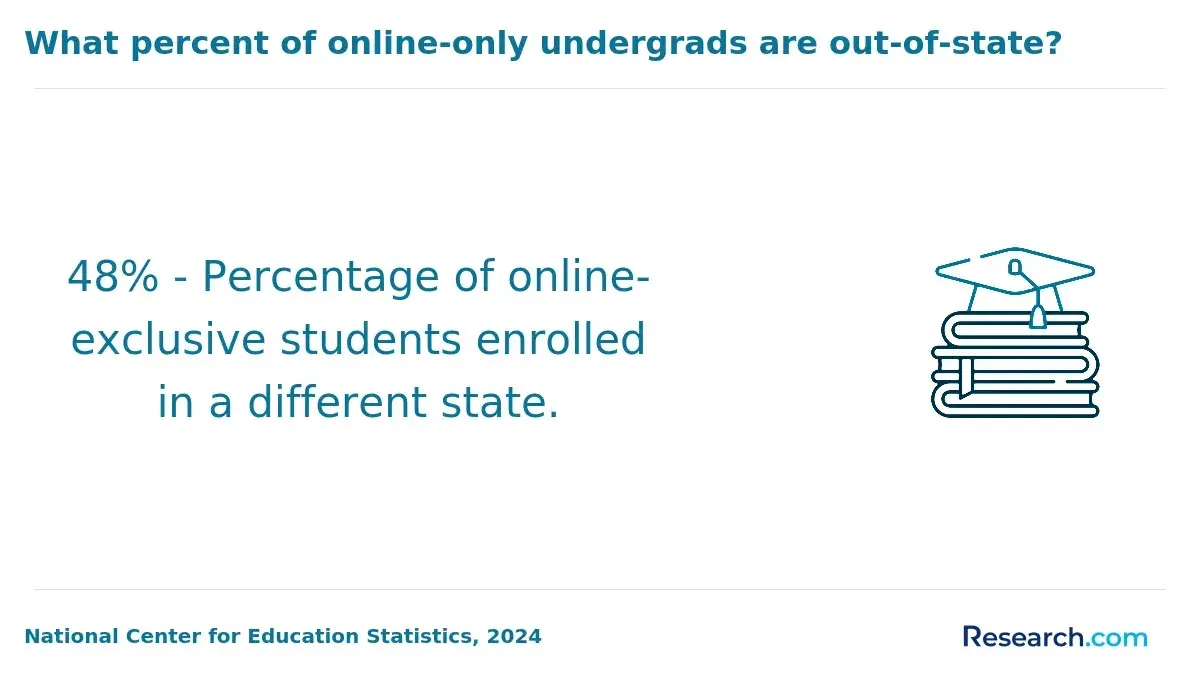
The National Center for Education Statistics reports a 12% rise in fully online undergraduate enrollments since 2023, a shift driven primarily by working adults demanding flexible study options. This trend signals a restructuring of how exercise science education meets workforce realities, emphasizing scheduling adaptability without compromising curriculum rigor. This article examines current online exercise science degrees tailored to movement and health careers, focusing on how program design, accreditation, and delivery formats address these evolving professional and educational demands.
Key Things You Should Know
- Over 28% of exercise science bachelor's grads from 2022 remained underemployed two years post-degree, per National Center for Education Statistics, pressuring candidates to weigh internships versus accelerated programs for timely workforce entry.
- Employers prioritize certifications like ACSM over degree prestige; data from a 2024 SHRM survey shows 62% of fitness employers favor hands-on credentialing, affecting curriculum choices and graduate marketability.
- Rising program costs, averaging $17,800 annually according to College Board 2024 data, compel students to evaluate ROI rigorously, especially since research shows median entry-level salaries plateau near $43K nationally.
What is an online exercise science degree and how does it prepare you for movement-and-health careers?
The value of an online exercise science degree lies in blending rigorous theoretical foundations with practical competencies that employers demand. While the digital format allows flexibility for working professionals, students must navigate and secure local clinical placements independently, a significant logistical challenge.
For example, a candidate targeting cardiac rehabilitation must not only master cardiovascular pathophysiology but also complete supervised clinical hours to ensure safe, effective client programming. This requirement highlights a key tradeoff: online learners gain schedule adaptability but must handle externships and hands-on training without direct institutional coordination.
Employers in hospitals, wellness centers, and community health settings increasingly prefer candidates who demonstrate measurable skills in client assessment and exercise prescription beyond having a bachelor's degree. The rapid 445% growth in exercise science bachelor's degrees from 2002-03 to 2016-17 reflects market interest but also intensifies competition, requiring pragmatic choices about program fit and experiential opportunities.
Failure to complete applied components can disqualify students from critical certifications like ACSM or NSCA, significantly narrowing professional avenues. This analysis underscores the need to critically assess how an online exercise science degree prepares you for health and fitness professions by balancing flexible access with the demanding realities of hands-on learning. Prospective students should also consult exercise science online degree rankings for program options aligned with these career constraints and opportunities.
Are online exercise science degrees as credible and respected as campus-based programs?
Employers in healthcare and rehabilitation emphasize hands-on experience over whether an exercise science degree was earned online or on campus, with clinical practicum proving essential for employability. Online exercise science degree credibility compared to campus programs hinges on accreditation status and the program's ability to integrate supervised practical hours.
Graduates lacking in-person clinical exposure often encounter challenges in meeting certification criteria and securing competitive roles. Respect and accreditation of online exercise science degrees depend heavily on recognition by industry authorities such as the American College of Sports Medicine or the Commission on Accreditation of Allied Health Education Programs.
Hiring managers view these credentials as indicators of practical readiness, particularly for patient assessment and intervention skills that cannot be fully developed remotely. Current labor market data reveals increased demand, with 31,066 exercise physiology bachelor's degrees completed in the U.S. during 2021-22, amounting to 1.5% of all bachelor's degrees.
This volume intensifies competition, placing online graduates without validated clinical experience at a disadvantage compared to campus-trained candidates in medical and sports performance settings. Prospective students should assess how online programs facilitate local internships, lab access, or hybrid models partnering with physical facilities to satisfy both employer expectations and certification standards. For those considering a shift within exercise science, exploring options for sports degrees online may offer practical pathways aligned with workforce demands.
How do you choose an accredited online exercise science program that employers will trust?
Accreditation is the most tangible signal employers use to validate online exercise science degrees employers recognize. For instance, programs that meet standards from bodies such as the Commission on Accreditation of Athletic Training Education (CAATE) or the National Strength and Conditioning Association (NSCA) ensure graduates have met rigorous curriculum and practical requirements valued in healthcare and rehabilitation fields.
Choosing a program without such accreditation risks limiting access to employment in specialized roles like athletic training or physical therapy assistance. Particularly for remote learners, the integration of clinically supervised practicum is a practical necessity rather than a supplementary feature.
Employers emphasize demonstrated hands-on skills, so programs must maintain partnerships with local facilities to provide these real-world experiences, supporting trusted online programs in exercise science for career advancement. Tuition is a significant factor but requires a tradeoff analysis: costs typically range from $420 to $1,750 per credit hour.
Higher-priced programs often include certifications or direct licensure tracks with measurable returns on investment in competitive salary negotiations. Conversely, affordable programs can be strategically effective if they maintain strong accreditation and practical training components.
Graduates should review job placement transparency and current labor market alignment, particularly in expanding areas like exercise physiologist roles for aging populations. Programs evidencing strong employer partnerships offer more reliable outcomes than those relying solely on brand reputation. For professionals considering diverse advanced education options, comparing these factors alongside other fields may be useful; for example, fields like data science offer online doctorate pathways-see data science doctorate online for a contrast in accessible credentials and outcomes.
What concentrations and coursework are typically offered in online exercise science bachelor's and master's programs?
Online exercise science degree concentrations differ significantly in how they prepare students for the workforce, requiring careful alignment with career goals and local demand. For example, kinesiology tracks focus on anatomy and motor learning, positioning graduates for roles like physical therapy assistants or wellness coaches, whereas clinical rehabilitation concentrations emphasize therapeutic modalities and patient assessment, targeting healthcare environments.
These program variations have direct workforce implications, including geography-driven job availability-as seen in metro areas like San Antonio, TX; University, FL; and Bloomington, IN-and dictate licensure pathways and employer expectations. Coursework in exercise science bachelor's and master's programs commonly covers exercise physiology, nutrition, and motor control, with graduate levels adding research methods and exercise prescription for chronic disease management.
However, all levels face a practical hurdle: fulfilling lab or internship requirements remotely can be challenging but is often essential for certification eligibility. Prospective students should rigorously evaluate how programs accommodate these practical components, as they impact employability and credential attainment.
The decision between sports performance versus clinical exercise concentrations involves tradeoffs in coursework focus and post-degree credentialing. Sports-centric paths emphasize biomechanics and strength training relevant to athletic conditioning, while clinical tracks demand advanced clinical knowledge and often require additional certifications.
For those weighing program options or a strategic pivot, consulting regional needs and program delivery methods is critical to ensure alignment with career objectives and licensure mandates. For students researching pathways balancing affordability and outcomes, data such as the affordable data science degree rankings provide a model for comparing program value within broader STEM-related disciplines.
What admission requirements and prerequisite classes do online exercise science programs usually expect?
Meeting prerequisite coursework and academic standards before entering online exercise science programs shapes both completion time and workforce preparedness. Without foundational classes such as anatomy, physiology, general biology, chemistry, and often physics or statistics, students risk delays and difficulty mastering advanced subjects like biomechanics and exercise physiology.
For example, a student missing chemistry prerequisites may struggle in specialized clinical roles such as cardiac rehabilitation, limiting employability in key segments of the field. Applicants with associate degrees or prior relevant credits often bypass some prerequisites, but professionals pivoting from unrelated fields should expect added coursework either pre-admission or early in their program timeline.
Programs may also request standardized test scores, though some adopt test-optional policies that reflect current admissions trends. Practical challenges arise for adult learners balancing coursework with professional or personal commitments, alongside requirements like background checks or health clearances for necessary internships.
These experiential components remain essential for translating theory into workplace competency. The economic return is significant: exercise physiologists reported a median annual salary of $58,160 as of May 2024, according to AffordableCollegesOnline citing the Bureau of Labor Statistics. This underscores how upfront academic rigor directly impacts long-term career trajectories in this sector.
How long do online exercise science degrees take and what do they usually cost?
Choosing between an associate and a bachelor's degree in exercise science fundamentally hinges on the balance between workforce readiness and professional scope. An associate degree can often accelerate entry into technical roles within about two years at community colleges costing roughly $5,000 to $15,000 total, but positions may be limited and upward mobility slower.
Conversely, a bachelor's degree, typically a four-year commitment with tuition ranging from $8,000 to $30,000 annually at accredited institutions, aligns better with growing employer demands for clinical and research qualifications. Program duration can be affected by clinical practicum requirements that often necessitate access to local facilities, extending completion time and adding logistical considerations.
Accelerated tracks and transfer credits can mitigate these hurdles but require careful planning to ensure all hands-on components are fulfilled. Employment projections anticipate a 10% growth for exercise physiologists through 2033, favoring candidates who possess evidence-based skills and certification preparedness, usually best supported by bachelor's programs. Decisions to prioritize shorter, lower-cost paths risk limited practical exposure and narrower job prospects, whereas comprehensive bachelor's programs offer broader career flexibility and competitive advantage in a steadily expanding labor market.
What exercise science careers can you pursue with an online degree, and what do they involve day to day?
Online exercise science degrees can open pathways to several roles-fitness trainers, health coaches, physical therapy assistants, and wellness coordinators-each with distinct operational demands and employer expectations. For instance, fitness trainers must tailor and modify workout plans dynamically, often requiring certifications such as NASM or ACSM beyond the degree itself to remain competitive in a market growing at 14% through 2033 according to the Bureau of Labor Statistics.
Meanwhile, physical therapy assistants confront additional hurdles including state licensure, which online programs rarely cover comprehensively without supplementary clinical hours or in-person mentorship. Graduates should anticipate balancing theoretical knowledge with practical skill acquisition through internships or part-time roles.
Hiring managers highly value demonstrated hands-on experience over purely academic credentials, especially for clinical or rehabilitation settings. Wellness coordinators, contrasting with trainers, usually engage in organizational health program design and implementation, requiring strong communication and data tracking skills rather than direct client coaching.
Geography further complicates employment realities: Urban trainers may face intense client loads with high diversity, whereas corporate wellness roles typically follow standard office hours with group-focused activities. Understanding these nuances helps align educational choices with long-term professional viability rather than abstract goals.
What salary ranges and earning potential can exercise science graduates expect in movement-and-health roles?
The salary spectrum for exercise science graduates varies sharply depending on role specificity, credentials, and location. While starting salaries in roles like fitness trainers or entry-level exercise physiologists typically range from $40,000 to $50,000, advancement into clinical or rehabilitation settings pushes median incomes toward $60,000 to $70,000.
Positions with specialized certifications or graduate degrees-particularly in program management or research-can surpass $80,000 annually. Sector differences introduce further complexity.
For example, sports performance coaches linked to collegiate or professional teams might earn above $90,000, though these roles demand extensive experience and networking, making them less accessible to many graduates. Conversely, community health and non-profit jobs often offer $35,000 to $45,000, reflecting limited budgets and funding cycles.
The cost of education significantly impacts net earnings. Public university attendance averaged $19,370 annually, while private institutions approached $45,920.
Prospective students must weigh this cost against generally modest wage growth in the field and consider program quality, certification preparation, and employer alignment to optimize return on investment. Employers prioritize candidates with clinical competence, data-informed program design capabilities, and compliance knowledge.
Holding certifications such as ACSM or advanced degrees increases negotiating leverage. Without these qualifications, graduates may remain in lower-paying roles despite degree completion. Strategic upskilling aligned with market expectations remains essential for accessing higher-tier compensation and sustainable career progression.
Which certifications and licenses commonly align with exercise science degrees in fitness, clinical, and rehab settings?
Licenses and certifications tied to exercise science degrees distinctly shape career options and earning potential, and they vary based on the employment setting. In fitness roles, credentials like the Certified Strength and Conditioning Specialist (CSCS) and Certified Personal Trainer (CPT) from recognized bodies such as the ACSM or NASM serve as primary qualifiers for jobs focused on athletic performance or personalized training.
Employers prioritize these qualifications due to their emphasis on exercise physiology and client safety. In clinical or hospital environments, requirements become more stringent. State-specific licensure and advanced credentials-such as the ACSM Certified Clinical Exercise Physiologist (CEP)-are often essential for working under physician supervision with patients experiencing cardiac or metabolic conditions.
This affects job eligibility and insurance compliance, frequently influencing compensation scales. Rehabilitation roles introduce additional certifications like Certified Rehabilitation Exercise Specialist (CRES) or licensure for kinesiologists, with direct impact on billing privileges and clinical authority in certain states.
Professionals without these credentials may face limited access to public healthcare employment or restricted scope of practice. Given the high tuition costs associated with completing degrees, online programs offering lower per-credit rates and credit transfers, such as St. Mary's University's $429 rate with up to 90 transfer credits, can reduce financial barriers for those pursuing necessary licensure upgrades or certifications.
How can working adults succeed in online exercise science programs while balancing jobs and family?
Successfully completing online exercise science programs as a working adult requires disciplined scheduling that directly accounts for fluctuating work hours and family responsibilities. Prioritizing asynchronous coursework allows study during off-shift periods such as early mornings or weekends, while flexible modular content and deadlines accommodate variable job demands that traditional term structures often fail to address.
For instance, a retail employee working evenings can strategically use early mornings for theory modules and weekends for practical assignments, coordinating childcare or partner support to protect dedicated study time. This illustrates the tradeoff between balancing immediate work obligations and sustained educational progress.
Industry certification-particularly ACSM, NSCA, or NASM credentials-is increasingly a non-negotiable requirement embedded in exercise science curricula. Preparing for these exams alongside coursework demands proactive allocation of focused hours, as employers in personal training, strength and conditioning, and clinical exercise roles prioritize certified graduates.
Selecting programs offering integrated exam prep or virtual labs can reduce external study burdens. Peer networks accessed through discussion boards or virtual sessions reinforce accountability, which helps maintain steady progress amid competing priorities. Employers value applicants demonstrating self-regulation and resilience, traits bolstered by active engagement with cohort communities.
Other Things You Should Know About Exercise Science
By 2026, some online exercise science programs may offer alternatives to hands-on laboratory work, such as virtual labs or simulations. However, these programs typically also partner with local facilities to ensure students can fulfill any necessary practical components required for accreditation.
Focusing on a niche, such as sports performance, rehabilitation, or wellness coaching, can significantly influence employability. Generalist degrees may limit you to entry-level roles, while specialized tracks align with employer needs in medical, athletic, or corporate wellness sectors. Select concentrations based on targeted career outcomes and local job market demand rather than broad academic interest alone.
Online coursework offers flexibility but integrating mandatory clinical hours creates scheduling constraints. Students must navigate variable site availability and hours that can conflict with their personal or work commitments. Effective programs provide clear clinical timelines and prompt support for placement logistics; failing to vet this before enrolling can extend program length and increase stress.
Yes. Many programs require a criminal background check before students enter practicum, internship, or fieldwork courses. Some also require immunization records, CPR certification, and proof of health insurance before placement approval by the host site.
References
- Exercise science: What exactly is it? https://www.scienceforsport.com/exercise-science/
- Online Degree vs. Traditional: Choosing the Right Path https://beal.edu/online-degree-vs-traditional/
- Online Exercise Science Degrees: Top School Review https://www.edumed.org/online-schools/exercise-science-degrees/
- Clinical Exercise Physiologists in the Workforce https://acsm.org/cep-in-the-workforce/
- Exercise Science Degree Programs Lead to Rewarding Careers in Health and Fitness https://www.carrollcc.edu/articles/exercise-science-degree-programs-lead-to-rewarding-careers-in-health-and-fitness/
- Careers in Exercise Science – Jobs, Salaries, and Growth Opportunities https://www.pickmyuni.com/student-resources/careers-in-exercise-science-123
- Best Online Master's Programs in Exercise Science https://www.onlineu.com/degrees/masters-exercise-science
- How to Choose the Best Personal Trainer Certification Program https://www.nasm.org/resource-center/blog/how-to-choose-the-best-personal-trainer-program
- Online Exercise Science Program https://stmary.edu/online-programs/exercise-science.html
- ESSA's career guide for Accredited Exercise Physiologists https://www.essa.org.au/Web/Web/Resources/Tools-and-templates/ESSA-AEP-Guide.aspx