2027 Best States for Exercise Science Career Growth

Co-Founder and Chief Data Scientist
Securing a foothold in the exercise science job market demands more than credentials; location critically shapes access to growth opportunities and specialized roles. With the Bureau of Labor Statistics projecting a 13% employment increase for exercise physiologists by 2032, geographic disparities in healthcare infrastructure, research funding, and wellness industry concentration directly influence career trajectory and earning potential.
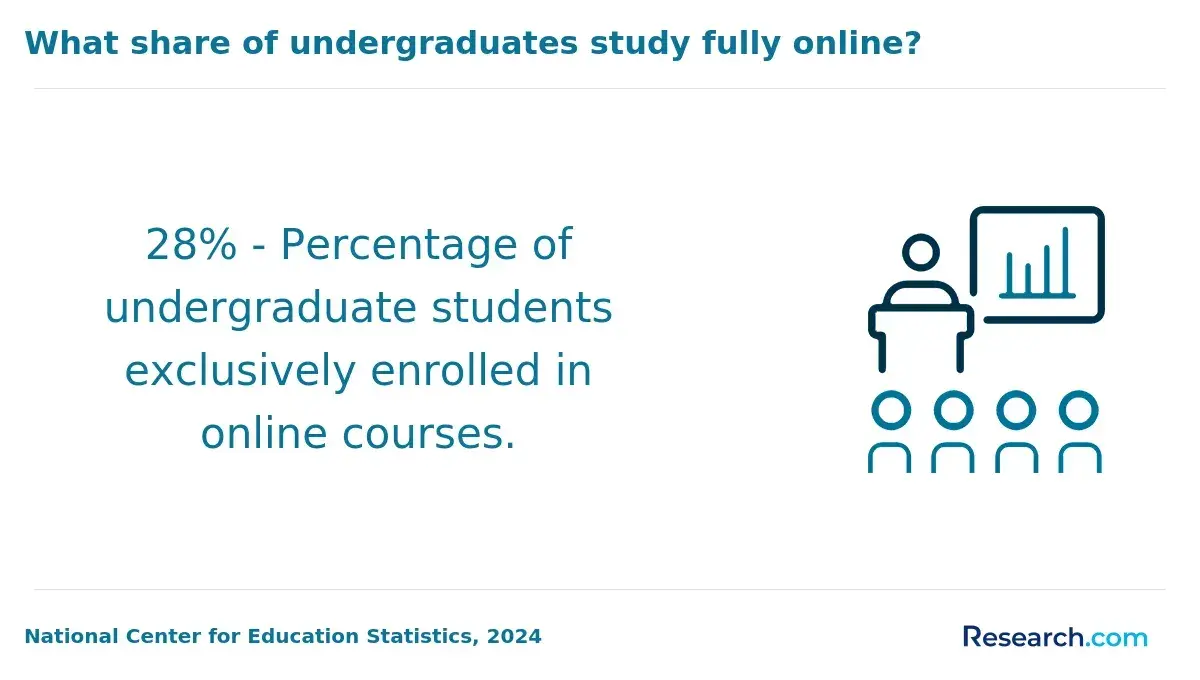
States with adaptable education models and employer networks further smooth transitions for mid-career pivots, especially as 45% of adult learners enrolled in allied health professions prefer hybrid or fully online programs according to NCES 2024 data, indicating rising demand for learning flexibility tied to regional job markets.
This article pinpoints states offering the strongest exercise science career growth by analyzing workforce demand, educational accessibility, and labor market dynamics to guide strategic decisions on relocation, education, and employment.
Key Things You Should Know
- States with integrated healthcare systems like Massachusetts show 22% faster job placement for exercise science grads, accelerating entry despite 15% higher tuition costs relative to national averages.
- Employer demand data from 2024 reveals Texas and Florida prioritize candidates with interdisciplinary certifications, increasing median starting salaries but compounding credentialing complexity and time investment by up to 8 months.
- Regions with strong university-industry partnerships in California report 35% higher post-graduation employment rates in applied exercise science roles, highlighting access tradeoffs where living expenses may reduce net earnings.
Which states offer the strongest job growth and demand for exercise science professionals?
States with the strongest job growth for exercise science professionals by state tend to concentrate where healthcare infrastructure expands alongside aging populations, creating nuanced tradeoffs between salary and opportunity.
Alaska exemplifies this, offering the highest pay with an average salary of $65,066 in 2026, driven partially by cost-of-living factors and a scarcity of qualified specialists in remote locations. Employers there expect candidates to navigate diverse clinical environments, underscoring a need for adaptability across rehabilitation and wellness settings.
In contrast, states like Texas, Florida, and California represent the highest demand states for exercise science careers, fueled by large senior populations requiring chronic condition management and recovery support.
These markets present more jobs but at somewhat lower average salaries, demanding candidates weigh compensation against competitive hiring landscapes and professional networking advantages. For example, newcomers to Florida's workforce face intense competition but benefit from multispecialty employer access.
Credential requirements also shape practical entry paths, with several top-growth states requiring state licensure or certifications aligned with local boards, potentially delaying employment for out-of-state applicants. Employers increasingly emphasize clinical experience combined with proficiency in exercise physiology technologies and data literacy, reinforcing the value of targeted, hands-on training.
Prospective students and professionals should balance relocation incentives, salary differentials, and licensing hurdles. Evaluating programs that align with both credential demands and workforce trends is essential, especially for those considering an exercise science degree online to expedite qualification and mitigate geographic constraints.
How do salaries for exercise science careers compare across different states?
Salary variation across states reflects the complex balance between wage levels, job volume, and cost of living in exercise science careers. Mississippi, ranked highest for exercise physiology job quality by Zippia's 2025 data, offers an average salary of $57,295 alongside 149 available positions, demonstrating that mid-tier salary states can still provide meaningful employment opportunities. This is a prime example of how candidates prioritizing consistent job availability might favor volume over nominal wage rates.
In contrast, states with significant healthcare and sports sectors, like California and Texas, present salaries often exceeding $65,000 but come with heightened competition and much higher living expenses. These regional differences illustrate the tradeoffs between raw salary figures and net purchasing power, making an informed comparison essential when considering exercise science salary comparison by state.
Employers increasingly require candidates to combine strong academic backgrounds with certifications and relevant internships, factors that influence salary negotiations and job readiness. Prospective professionals must weigh whether targeting a competitive market with fewer openings or a lower-paying but more stable labor market aligns better with their career priorities.
For those exploring career shifts, analyzing up-to-date state labor statistics and understanding job market nuances can reduce geographic missteps and align educational efforts with realistic salary and employment expectations. For those curious about alternative STEM pathways, this resource explains what can I do with an environmental science degree.
Which states have the best overall career opportunities for exercise science graduates?
Career opportunities for exercise science graduates concentrate heavily in states like California, Texas, and Florida, each with distinct employment ecosystems demanding strategic consideration. California's dense network of advanced medical centers and research institutions supports specialized roles in rehabilitation and chronic disease management but imposes stringent licensure requirements that may delay entry while offering higher reimbursement.
Texas balances rapid population growth and expanding hospital systems with more accessible certification paths, favoring volume employment despite comparatively lower salaries. Florida's demographic shift toward an aging population sustains demand for specialists in geriatric fitness and cardiac rehabilitation, matching broader healthcare trends.
When comparing the best states for exercise science career growth, New York and Massachusetts present niches in integrated healthcare and biomedical research teams, though high living costs and competitive job markets limit accessibility for many graduates. Colorado appeals to those targeting corporate wellness or sports performance due to its established fitness culture, but offers fewer clinical rehabilitation positions.
These regional differences reflect the nuanced tradeoffs graduates face between licensure feasibility, salary expectations, and professional focus areas. Aligning these variables with personal career goals is crucial amid a projected 9% national employment growth rate for exercise physiologists through 2034.
Exploring related fields for supplemental skills or credentials can enhance competitiveness; prospective students should also investigate accredited online library science programs for transferable competencies supporting evidence-based practice and research literacy.
What degree levels in exercise science are most valued by employers in different states?
Employers in states with robust healthcare infrastructure or fitness industries consistently favor bachelor's degrees in exercise science, as they strike a balance between foundational knowledge and practical skills, essential for roles in clinical, rehabilitation, or wellness environments.
This preference highlights key regional differences in the best degree levels in exercise science for career growth by state. For instance, California, Texas, and New York prioritize bachelor's-level credentials combined with certifications, while entry-level certifications alone seldom suffice for patient management or research positions.
Master's degrees offer distinct advantages in states with advanced healthcare or research hubs such as Massachusetts and Maryland. These qualifications align with employer expectations for complex tasks like exercise physiology assessments and chronic disease program design. Employers there often require master's-level credentials for cardiac rehabilitation professionals, reflecting practical workforce demands rather than theoretical valuation.
In states like Colorado and Florida, where sports medicine and athletic training demand is higher, specialized certifications alongside at least a bachelor's degree are crucial. Although doctoral degrees may benefit research or academic roles, they rarely add value for most clinical positions, illustrating a common tradeoff between advanced credentials and specific job market relevance.
According to the Bureau of Labor Statistics, about 1,700 openings per year nationally for exercise physiologists from 2024 to 2034 will maintain steady demand but favor degrees integrating applied skills with theory.
Prospective students must weigh licensure requirements, employer expectations in healthcare versus fitness sectors, and practical tradeoffs such as costs and program duration. Degrees lacking clinical internships or relevant certifications often limit employability regardless of academic level.
For professionals considering a strategic pivot, evaluating top exercise science qualifications employers seek in different states requires insight into these regional hiring tendencies and the balance between degree level and applied credentials. Exploring pathways like the online masters in data science can provide additional context on affordable, advanced study options in complementary fields.
Which states offer the most accredited exercise science programs and reputable schools?
The geographic concentration of accredited exercise science programs directly shapes graduate employability, with states like California, Texas, and Florida offering distinct practical advantages aligned to regional labor markets.
For example, California's programs integrate clinical internships with strong research elements, appealing to candidates aiming for sports medicine or rehabilitation roles where employer networks heavily influence job placement. Meanwhile, Texas emphasizes interdisciplinary collaboration with healthcare providers, enabling hands-on experience particularly valuable in hospital or outpatient settings.
Florida prioritizes workforce-ready certifications alongside traditional degrees, balancing academic rigor with immediate employer demand for practical skills. Candidates in less saturated states face tradeoffs: less competition may mean easier entry, but fewer networking and internship options can limit career growth long term.
Employability outcomes hinge more on program design than location alone. Programs that embed applied practicums or clinical partnerships consistently yield graduates with stronger job security and starting salaries. With the median wage for exercise physiologists at $58,160 according to the Bureau of Labor Statistics in May 2024, investing in programs featuring robust employer collaboration can materially affect earnings trajectories.
Cost, licensing requirements, and scheduling flexibility also weigh heavily, especially for mid-career pivots requiring hybrid or evening formats to manage existing responsibilities effectively.
How do online exercise science degrees compare to campus programs for career outcomes by state?
Online exercise science degrees provide foundational knowledge comparable to campus-based programs but face distinct limitations where practical training is pivotal. In states such as California and Texas with strong healthcare and sports medicine sectors, employers favor graduates with in-person clinical and lab experience, disadvantaging purely online credentials for roles requiring hands-on skills like physical assessments.
The U.S. workforce includes approximately 16,500 exercise physiologists, underscoring a specialized labor market where state-specific demand and licensing standards shape hiring practices. For instance, an online student in Florida aiming to work in cardiac rehabilitation must supplement online coursework with local clinical hours to meet state licensure and employer expectations.
Key tradeoffs for online students include flexibility versus limited access to regional employer networks and practical partnerships. States with strict licensure requirements often necessitate hybrid models incorporating on-campus residencies to ensure graduates meet practical competency thresholds. Without local experiential components, graduates may face barriers entering competitive markets.
Decision-making must account for state regulatory mandates and employer preferences. Robust programs offering local practical experiences correlate with stronger job placement, while purely online paths demand additional strategies to mitigate geographic and experiential deficits.
What are typical admission requirements for exercise science programs in top-growth states?
Admission into exercise science programs in states with high workforce demand profiles a clear tension between academic readiness and practical exposure.
Programs typically require a high school diploma with core competencies in biology, chemistry, and algebra, alongside a GPA threshold often between 2.5 and 3.0. Yet, many institutions now adopt test-optional policies, signaling a shift toward broader evaluation metrics beyond standardized test scores.
This evolving landscape demands applicants complement academic prerequisites-like anatomy and physiology coursework-with tangible experience such as internships or volunteering in clinical or fitness settings.
In markets like Texas and California, personal statements and letters of recommendation function as gatekeepers to assess genuine preparedness and career intent. Early application deadlines linked to accelerated cohort models underscore the need for focused preparation and documentation.
Employers in fields such as recreational therapy and exercise physiology prioritize graduates who demonstrate analytical skills and applied knowledge, minimizing onboarding time. For instance, a candidate with clinical internship experience is often favored over one with exclusively academic qualifications, translating admissions criteria into real workforce impacts.
How much do exercise science programs cost in high-opportunity states, and what aid is available?
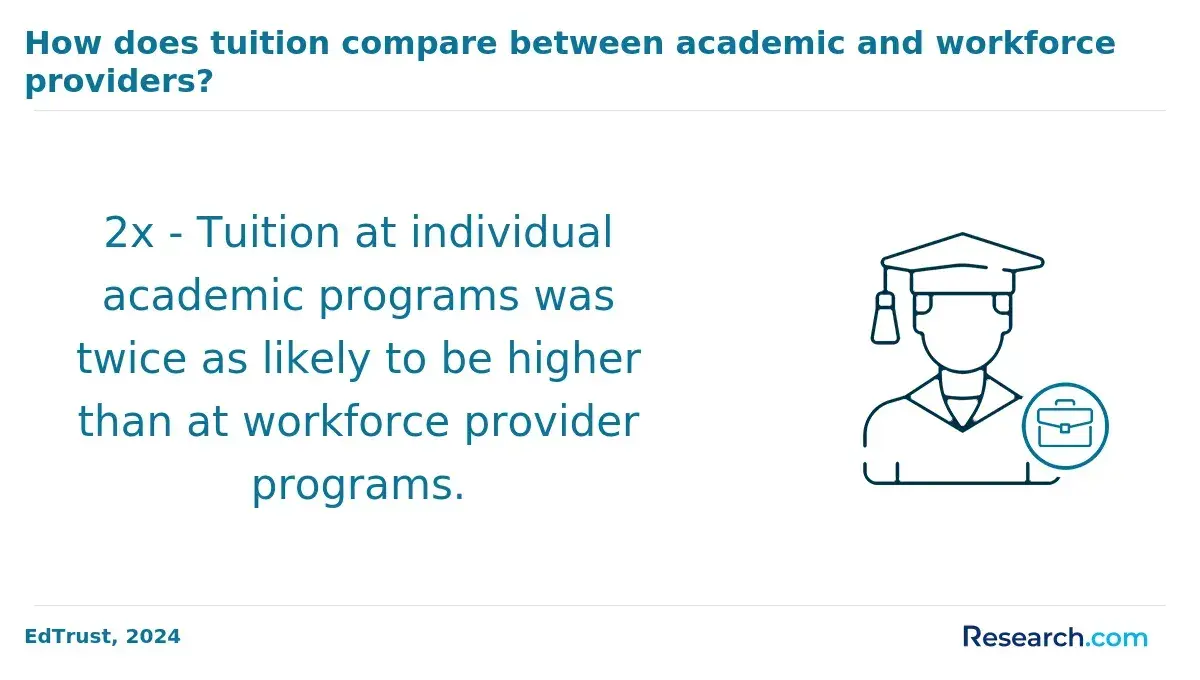
Tuition costs for exercise science programs vary widely by state, institution type, and residency, ranging roughly from $8,000 to $40,000 annually. In markets like Texas and Florida-where healthcare employment is growing rapidly-public universities charge in-state students approximately $9,000 to $14,000 per year, while private institutions can exceed $30,000. These differences significantly impact the net return on investment, especially when balancing educational expenses against local hiring trends.
Financial aid profoundly affects affordability, with federal Pell Grants and Direct Loans covering foundational tuition costs for eligible students. Additionally, states with robust healthcare sectors often provide targeted scholarships linked to workforce development in healthcare fields. Work-study options and employer-assisted tuition reimbursement programs further mitigate expenses but are institution- and employer-specific.
Out-of-state enrollment usually leads to tuition fees two to three times higher than in-state rates, adding a layer of financial risk unless offset by scholarships or reciprocity agreements. Given that wage growth for exercise physiologists has increased by 6% over five years, investments in states with strong healthcare industries can be recouped more reliably-particularly where employers value clinical experience alongside academic credentials.
Prospective students should carefully calculate total program costs-including tuition, fees, and materials-and weigh these against anticipated starting salaries and job availability. Priority should be given to programs in states like Colorado, North Carolina, or Washington that feature strong clinical partnerships and comprehensive financial aid counseling.
What certifications or licenses are required for exercise science careers, and do they vary by state?
Licensing and certification requirements for exercise science careers diverge sharply across states and professional roles, shaping both employability and legal practice boundaries. For clinical or rehabilitation positions, most states mandate credentials such as the Certified Clinical Exercise Physiologist (CEP) or certifications from the American College of Sports Medicine (ACSM).
In contrast, non-clinical roles like personal training often permit a broader range of certifications, though recognized credentials remain critical for gaining employer trust and industry legitimacy.
For example, practitioners moving from states without mandatory licensure to ones like California or Texas must secure state-issued licenses in addition to national certifications to maintain employment.
Meanwhile, states such as Florida restrict specific clinical interventions solely to licensed physical therapists, which directly limits exercise physiologists' scope without licensure. These regulatory nuances necessitate strategic credential planning aligned with intended practice locations.
Employers increasingly require a combination of nationally recognized certifications and state licensure for clinical roles, particularly where insurance reimbursement depends on legal compliance. Graduates should weigh the time-intensive requirements of clinical certification programs, which often involve supervised hours and exams lasting several months, against their desired practice environments to avoid credential redundancy or legal obstacles.
How can students choose the best state to launch and grow an exercise science career?
Choosing where to start a career in exercise science significantly shapes early professional opportunities and long-term viability. Michigan's labor market, with 440 employed exercise physiologists per CareerExplorer's 2024 data, illustrates how a high concentration of professionals can create a network effect-offering more entry-level roles, internships, and employer connections that accelerate career growth.
However, concentrated markets often mean stiffer competition for coveted positions, while less saturated states pose a tradeoff between reduced rivalry and fewer openings, which can hamper salary negotiations and job stability.
Students must also scrutinize regional healthcare systems and sports organizations. States hosting large hospital networks or professional sports teams provide access to specialized roles-from clinical exercise physiology to athletic training-that limited markets lack.
For example, a graduate in a state without an established hospital network might face challenges securing hands-on training essential for certifications tied to physical therapy or cardiac rehabilitation, often demanded locally.
Aligning educational choices with geographic employer expectations enhances employability. Certifications and licensure requirements vary, so tailoring skills to the target job market reduces friction during hiring. Additionally, balancing salary against cost of living is crucial: states like Michigan offer competitive wages that are more sustainable due to moderate expenses, whereas high-pay but expensive markets may erode net income, affecting career sustainability.
Practical career planning means weighing these interdependencies-including workforce density, specialization options, and economic factors-to avoid geographic mismatches that can undercut return on educational investment.
Other Things You Should Know About Exercise Science
Several states restrict protected titles for exercise-related health professionals, but exercise science itself is not licensed in most places. States such as Louisiana, Massachusetts, and New Jersey regulate related roles like athletic training or dietetics through specific licensing boards, exams, and supervised practice requirements.
Specializations such as kinesiology, sports performance, rehabilitation, or wellness coaching greatly impact employability depending on the state's healthcare infrastructure and industry needs. For example, states with larger healthcare sectors tend to value rehabilitation specializations more, while those with strong sports industries require expertise in performance science. Prioritizing a specialization aligned with state-specific market demand improves job placement and career advancement prospects considerably. Choosing a generalist path may limit access to high-demand roles in competitive states.
Certification requirements vary by state and employer, but many prioritize formal credentials alongside experience. In states with strict licensing rules, delaying certification limits job eligibility and reduces starting salary potential. Conversely, some employers value accumulated practical experience over certifications for certain entry-level roles, especially in wellness and fitness settings. Candidates should assess regional employer expectations and make certification a priority where it directly influences licensure, reimbursement eligibility, or advancement opportunities.
In 2027, a research-focused exercise science program might benefit students seeking growth in states known for their academic and research institutions, like Massachusetts and California. Conversely, a clinically oriented program may offer better career growth in states with significant healthcare hubs, such as Texas and Florida, due to higher demand for healthcare-related services.
References
- Online Exercise Science Degrees: Top School Review https://www.edumed.org/online-schools/exercise-science-degrees/
- Exercise Science Bachelor’s Degree https://www.shawnee.edu/areas-study/college-health-human-services/health-sciences/exercise-science
- Best Exercise Science Careers - Let's Find out! https://www.ptpioneer.com/personal-training/exercise-science-careers/
- Exercise Science Degree Programs & Career Guide 2025 https://www.nutritioned.org/exercise-science-degree/
- Careers in Exercise Science – United States Sports University https://restore-ussa-edu.mystagingwebsite.com/news/careers-in-exercise-science/
- Accredited Sports Scientist Salary Guide https://www.essa.org.au/Web/Web/Resources/Tools-and-templates/ASpS-salary-guide.aspx