2027 Online Exercise Science Degrees With Strong Strength and Conditioning Training

Co-Founder and Chief Data Scientist
Many aspiring strength and conditioning professionals confront a critical bottleneck: accessing accredited programs that provide rigorous, hands-on training without sacrificing career or family obligations. Nearly 40% of adult learners postpone enrollment due to inflexible schedules and location-bound coursework, according to the National Center for Education Statistics, reflecting a structural mismatch between traditional program delivery and professional realities.
This gap hinders timely credentialing and workforce entry in a field where practical experience and evidence-based methodology are non-negotiable. This article evaluates online exercise science degrees offering strong strength and conditioning training, focusing on program accessibility, curriculum robustness, and alignment with employer expectations to guide informed program choices.
Key Things You Should Know
- Only 42% of 2024 online exercise science programs with strength and conditioning emphases meet NSCA certification prerequisites, forcing many candidates into costly post-degree credentialing windows that delay workforce entry.
- Employers increasingly favor online graduates demonstrating internship-aligned S&C practicum hours, raising barriers for programs not offering integrated, supervised fieldwork; this gap narrows immediate employability despite degree completion.
- Median annual tuition rises 7.4% on average for fully online programs accredited in 2024, pressuring non-traditional students to weigh accelerated hybrid models that reduce total cost but compress learning time, impacting mastery depth.
What is an online exercise science degree with a strength and conditioning focus?
Choosing an online exercise science degree with a strength and conditioning focus demands evaluating how well programs integrate science with hands-on skill development essential for certification, such as NSCA Certified Strength and Conditioning Specialist. Many programs combine asynchronous instruction with synchronous labs or practicums, which require students to coordinate local placements or manage scheduling challenges alongside work and studies.
Employers expect graduates from the best online exercise science programs for strength and conditioning training to demonstrate proficiency in evidence-based programming, data analysis, and individualized athlete or patient plans. Programs that incorporate virtual coaching simulations, video assessments, or regional internships stand out by bridging gaps commonly found in fully remote deliveries.
Practical flexibility and alignment with certification prerequisites are critical when comparing options because delays in clinical hours or lack of employer-recognized practicums can stall career progress. This is especially true for career changers needing timely credentialing support.
In 2024, public and nonprofit institutions dominate the top-ranked online bachelor's offerings, confirming the increasing legitimacy of online pathways in this traditionally hands-on field. For those assessing value beyond convenience, exploring comprehensive program outcomes and workforce impact through resources such as exercise science online degree rankings provides a data-driven foundation for informed decisions.
How do online strength and conditioning-focused exercise science programs compare to campus options?
Deciding between online strength and conditioning exercise science programs vs campus programs hinges primarily on the availability of hands-on training and immediate industry engagement. While online curriculums provide solid theoretical foundations, they generally lack the direct access to supervised labs and real-time coaching feedback that campus-based programs systematically integrate.
These experiential components are critical given the 12% job growth projected for strength and conditioning specialists between 2022 and 2032, fueling employer demand for candidates with verified applied experience. The comparison of online and on-campus exercise science degrees with strength training focus reveals distinct tradeoffs.
Campus students benefit from structured internships and mentorship opportunities with athletic organizations, accelerating their workforce entry and certification attainment. Conversely, online students must proactively secure field placements and certifications outside the curriculum, which can delay skill development and complicate employer verification of practical competencies.
This disparity particularly impacts those targeting collegiate strength and conditioning roles, where employer preference frequently favors candidates with immediate, applied credentials. Working professionals may accept these challenges for the flexibility online programs offer, but should account for variability in quality when arranging external practical hours.
The overall decision involves weighing structured support and networking against flexible pacing and self-directed experience acquisition. Prospective students interested in navigating this balance can explore options such as a sports management degree online, which may offer alternative pathways aligned with industry demands and personal constraints.
Which accredited schools offer strong online strength and conditioning exercise science degrees?
Employers in collegiate and professional sports prioritize graduates from online accredited strength and conditioning programs that offer supervised practicum opportunities and clear alignment with certification timelines such as CSCS by the National Strength and Conditioning Association. Schools like East Texas Baptist University, the University of Florida, and Oklahoma State University stand out because they integrate biomechanics, physiology, and evidence-based training with practical, in-person components, addressing the critical workforce need for hands-on competency.
For example, the University of Florida combines remote modules with local field experiences, providing a crucial bridge between theory and real-world application that boosts graduate employability. Prospective students should weigh logistical challenges including program flexibility, employer networking embedded within curricula, and how well the institution's design supports credentialing pathways.
Without a structured practicum, graduates may face underemployment or additional costly certifications. Working professionals require programs that balance rigor with scheduling flexibility to avoid long workforce gaps. Among the top schools for online exercise science degrees with strength training, direct faculty-industry partnerships and annually updated curricula enhance the likelihood of graduates being hired by reputable sports performance centers or rehabilitation clinics.
Considering program cost versus return on investment is essential. For those seeking financially accessible options, consulting resources like the cheapest MLIS degree online listings can provide useful comparative insight, even though they target different fields.
What coursework and hands-on training are included in strength and conditioning-oriented curricula?
Strength and conditioning coursework in online exercise science programs must balance theoretical rigor with essential hands-on training to prepare students for workforce expectations. Employers expect graduates to demonstrate competency in applied anatomy, biomechanics, and program design, but these skills depend heavily on supervised internships and practicums that are often limited or absent in fully online formats.
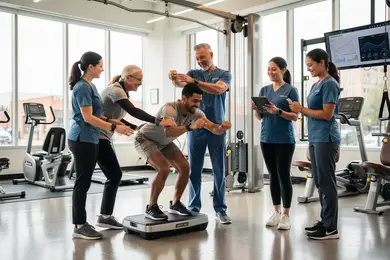
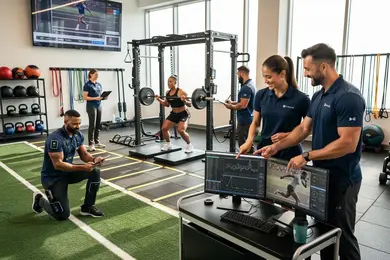
Hands-on training opportunities in strength and conditioning curricula typically involve athletic internships where students implement periodized programs and conduct performance tests using specialized equipment. These real-world experiences develop critical skills in athlete monitoring and rehabilitation collaboration, enabling smooth transitions into roles such as collegiate strength coaches who manage complex workloads.
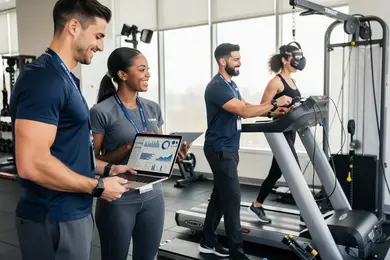
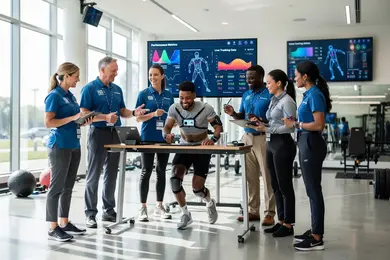
Laboratory exposure to physiological assessments like VO2 max and lactate threshold evaluation further differentiates candidates, as these data interpretation skills align closely with job requirements for performance specialists and physical therapists in sport contexts.
Cost remains a decisive factor-OnlineU's 2026 analysis found the most affordable online exercise science bachelor's degrees cost less than $7,000 per year, presenting an attractive option versus traditional campus tuition. However, the lack of on-site labs requires students to secure local partnerships or hybrid options to fulfill credentialing demands and practical experience standards. For professionals weighing further education, exploring online master data science programs can provide complementary analytics skills increasingly valued in athlete performance analysis and high-level coaching decisions. More details are available at online master data science.
What are typical admission requirements for online exercise science and strength and conditioning programs?
Admission to online exercise science and strength and conditioning programs is more than a formality; it signals readiness for the scientific rigor and practical demands of the field. Candidates face baseline requirements including a high school diploma or equivalent, prerequisite courses in biology, chemistry, and mathematics, and a GPA typically between 2.5 and 3.0. Advanced tracks often require a bachelor's degree paired with letters of recommendation that attest to academic and professional competence.
A critical, often overlooked challenge is balancing remote coursework with hands-on learning, especially for strength and conditioning students who need supervised practicum or local internships. Schools may mandate access to training facilities or clinical sites, which adds realistic constraints to an online format.
This requirement directly correlates with workforce outcomes: clinical exercise physiologists with master's degrees earn roughly $12,000 more annually than strength and conditioning specialists, a factor that can influence admission competitiveness and candidate preparedness. Beyond academics, programs heavily weight practical experience. For example, applicants must document certifications and fieldwork in fitness or rehabilitation. Strength and conditioning tracks emphasize proven athletic or coaching backgrounds, matching employer demand for professionals fluent in sport-specific protocols.
How long do these online exercise science degrees take, and what do they cost?
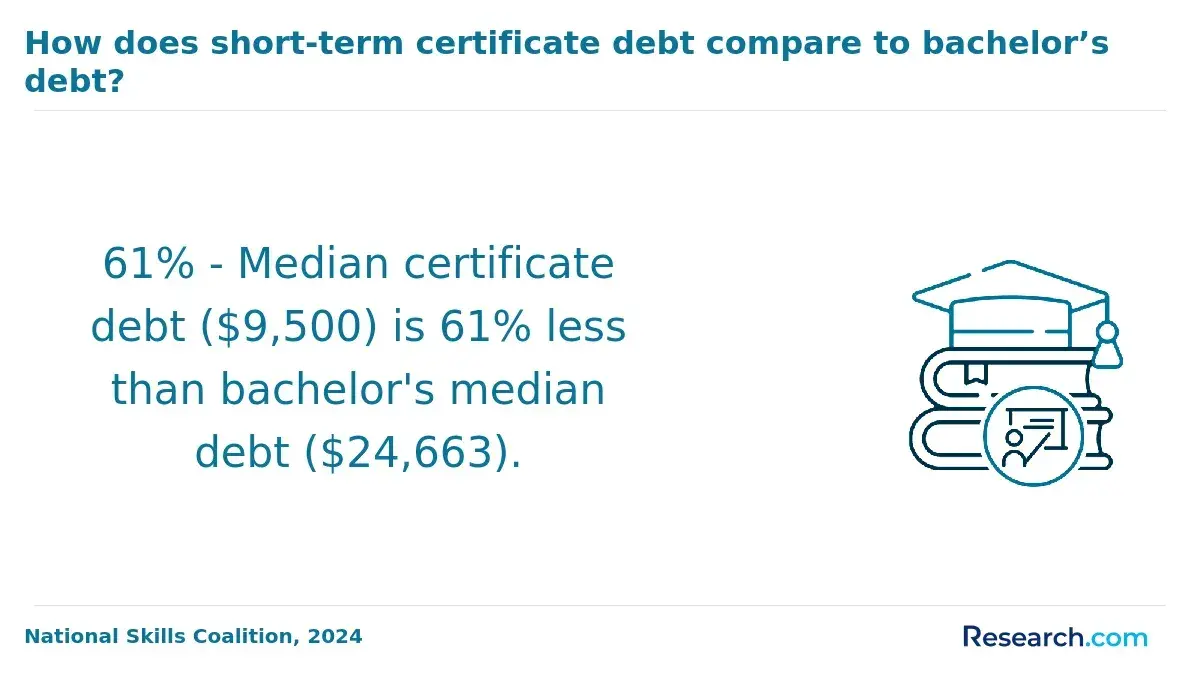
Completing a bachelor's degree in exercise science with a focus on strength and conditioning demands a commitment of 3 to 4 years full-time, with part-time options extending up to 6 years depending on course load. This timeline often extends further for those pursuing clinical rehabilitation or high-performance sport roles that require internships or practicum hours embedded in the curriculum.
Associate degrees offer a faster alternative at approximately 2 years but with limited depth and fewer pathways into specialized roles. The cost of these programs varies sharply based on institutional type and residency.
Public universities generally charge $120-$400 per credit for in-state students, summing to $15,000-$40,000 for a bachelor's degree. Private institutions commonly exceed $500 per credit, pushing total tuition beyond $50,000. These figures exclude additional expenses such as certification exam fees, which can range from $400 to $1,000-an important consideration as employers prioritize candidates pairing degrees with specialized credentials.
For example, data from Concordia-St. Paul reveals that personal trainers incorporating nutrition certifications can earn roughly 21% more, indicating that supplementary certifications in nutrition or sport-specific conditioning directly impact employability and salary. This underscores the strategic tradeoff: investing more time and money beyond the degree often yields measurable workforce benefits, while relying solely on academic credentials may limit upward economic mobility in competitive markets.
What careers can graduates pursue with an online strength and conditioning exercise science degree?
Graduates with an online strength and conditioning exercise science degree face distinct hiring expectations shaped by specialized employer demands and credentialing landscapes. Personal trainer roles, projected to grow 14% by 2032, hinge on more than a degree; success requires certificates and demonstrated client assessment capabilities.
Clinics hiring clinical exercise physiologists, expected to grow 11%, prioritize candidates credentialed with state licensure and practical experience managing chronic diseases such as cardiovascular conditions or diabetes. In practice, strength and conditioning coaches must compensate for limited entry-level opportunities by securing internships that deepen expertise in biomechanics and sport-specific program design.
These roles, often embedded in collegiate or professional sports settings, demand advanced applied knowledge beyond personal training skills. Rehabilitation specialists combine strength training with physical therapy techniques, relying heavily on networking within healthcare systems and collaboration with licensed therapists to build credibility and professional footholds.
Prospective students must weigh the tradeoffs between degree completion time and credential accumulation needed for job readiness. The labor market rewards those who strategically integrate internships or apprenticeships within their online exercise science curriculum to bypass novice status and secure more advanced roles.
What certifications do strength and conditioning specialists commonly need after graduation?
Securing reputable certifications remains the gatekeeper for strength and conditioning specialists aiming for collegiate or professional roles. The Certified Strength and Conditioning Specialist (CSCS) from the National Strength and Conditioning Association (NSCA) stands as the primary credential, but its requirement of a bachelor's degree limits accessibility for some entrants.
Employers often supplement their criteria with certifications like the Performance Enhancement Specialist (PES) or Certified Personal Trainer (CPT) to verify athletic training and coaching capabilities. Advanced positions, especially those involving clinical populations or tactical units, increasingly demand graduate-level education paired with certifications such as the Strength and Conditioning Coach Certified (SCCC) or Tactical Strength and Conditioning Facilitator (TSAC-F).
Candidates must balance the time and expense of certification exams, recertification fees, and mandated practical experience hours necessary to maintain credential validity. Continuing education units (CEUs) ensure professionals stay current amid evolving biomechanical and physiological training standards, typically requiring 2-3 years of ongoing study or applied experience.
Without these updates, staying competitive in a rapidly shifting industry is difficult. Financially, those with master's-level exercise science expertise alongside recognized certifications report annual earnings between $60,000 and $80,000+, demonstrating the value of investing in advanced credentials despite initial barriers.
What salary ranges and job outlook can strength and conditioning graduates expect?
Salary outcomes for strength and conditioning graduates vary widely based on work setting, certification, and experience. Entry-level positions typically range from $40,000 to $70,000, but roles within professional sports organizations or collegiate programs can exceed $90,000, with senior strength coaches surpassing six figures.
For example, an assistant strength coach at a Division I university might start near $45,000, while a senior coach for a pro team could earn significantly more. This underscores the practical impact of employer type and geographic location on compensation.
The job market demands more than academic credentials; hands-on experience and professional certifications such as the CSCS are often prerequisites for competitive hiring and salary growth. Internships or apprenticeships are critical for developing practical skills, especially since online Exercise Science programs must ensure supervised fieldwork to maintain employability.
Public school positions, while accessible, generally offer lower pay ceilings ($40,000 to $55,000) compared to private or professional sports organizations, which expect longer hours and substantial travel. Growth projections by the U.S. Bureau of Labor Statistics estimate a 13% increase in coaching and scouting jobs through 2032, fueled in part by increased use of sports analytics and exercise science.
Emerging roles in rehabilitation strength coaching and tech-enabled performance analysis represent niche opportunities with upward salary potential. Professionals shifting careers should anticipate modest initial incomes and prioritize continuous skill development tied to measurable athlete outcomes and network expansion within sports sectors.
How can students evaluate and choose a reputable online strength and conditioning program?
Choosing an online strength and conditioning program requires critical evaluation of accreditation and verifiable outcomes rather than surface features. Accreditation from recognized regional or specialized bodies ensures the curriculum meets professional benchmarks and supports eligibility for certifications and employer recognition.
Programs with graduate employment rates exceeding 80% within six months demonstrate strong alignment with workforce demands and should weigh heavily in decision-making. Curriculum content must reflect evolving industry requirements, integrating technology like remote coaching platforms, data analytics, and hybrid training methodologies.
Concordia-St. Paul's projection of 45,000 new fitness trainer jobs between 2022 and 2032 illustrates the expanding demand for professionals capable of navigating tech-heavy environments. Flexibility in delivery mode-synchronous versus asynchronous-practicum availability, and internship partnerships directly influence employability.
Lacking hands-on experience in this practice-driven field reduces market readiness. Faculty with active industry roles or leadership in research enhances instruction relevancy. Similarly, institutional support including career counseling and exam prep are vital for transitioning effectively into professional roles.
Consider a professional pivoting from general fitness to collegiate strength and conditioning: prioritizing programs with National Strength and Conditioning Association-recognized certifications and collegiate internships offers practical advantage. Conversely, those targeting corporate wellness should focus on programs emphasizing tech-enabled client management and performance monitoring.
Other Things You Should Know About Exercise Science
An ideal online exercise science degree in 2027 should offer a strong blend of theoretical knowledge and practical training. Look for programs with access to virtual labs, case studies, interactive modules, and even optional in-person workshops or internships for hands-on experience.
Look for preparation toward the NSCA-CSCS, NSCA-CPT, or ACSM-EP certifications. The strongest programs align coursework with anatomy, biomechanics, exercise physiology, and programming, and include at least one supervised practicum or internship to support certification eligibility and hands-on coaching skills.
Some employers remain cautious about online exercise science degrees, especially if the program lacks recognized accreditation or minimal practical training. Graduates should actively highlight completed internships, certifications, and practical experiences on their resumes to offset any bias. Networking and obtaining endorsements from well-regarded field professionals also help validate online credentials in traditional strength and conditioning hiring contexts.
Pursuing certifications like CSCS right after graduation is advantageous for quickly entering the job market, as many employers list them as minimum qualifications. However, if your program integrates practical training and clinical hours, you might gain more from initial work experience to contextualize certification knowledge. The strongest approach balances certification achievement with supervised practice to build both credentials and applied expertise within the first two years post-graduation.
References
- The UK's Professional Body for Strength and Conditioning | UKSCA https://www.uksca.org.uk/salaries
- CSCS Certification Alternatives for Career Growth https://blog.teambuildr.com/certifications-to-consider-that-is-not-the-cscs
- Strength & Conditioning Certification Guide 2026 https://ironcoaching.app/blog/strength-and-conditioning-certification
- National Strength and Conditioning Association (NSCA) https://www.nsca.com/
- TAKE YOUR CAREER TO THE NEXT LEVEL https://www.ncsf.org/strength-coach/
- What is the Job Outlook for an Athletic Trainer? https://learn.neumann.edu/neuperspectives/what-is-the-job-outlook-for-an-athletic-trainer
- Guide to Strength and Conditioning Career Development - CoachMePlus https://coachmeplus.com/snc-career-development/
- Strength and Conditioning Salary Guidelines | IUSCA https://www.iusca.org/salary-guidelines
- How to choose what certifications are right for you https://engineeredbodies.ca/2016/10/23/how-to-choose-what-certifications-are-right-for-you/
- Strength and Conditioning Degree 2026 - [Tuition & Duration] https://www.ptpioneer.com/personal-training/strength-and-conditioning-degree/