2027 Exercise Science Salary by State Report

Co-Founder and Chief Data Scientist
When a licensed kinesiologist considers relocating between states, the variation in salary can complicate decisions that impact family stability and career growth. With workforce demand for exercise science professionals projected to rise by nearly 11 percent over the next decade, according to the U.S. Bureau of Labor Statistics, income disparities across states influence not only hiring appeal but also retention and professional development opportunities.
Simultaneously, adult learners face challenges balancing part-time schedules with program requirements, as the National Center for Education Statistics reports a 25% increase in non-traditional student enrollments seeking flexible credentials.
This article breaks down state-by-state exercise science salary trends to guide smarter career planning and geographic mobility decisions.
Key Things You Should Know
- Median 2026 exercise science salaries vary by over 25%, with states like California exceeding $65K annually, forcing candidates to weigh cost-of-living adjustments against raw pay in workforce negotiations based on regional demand data from the U.S. Bureau of Labor Statistics.
- Employers in states with aging populations, such as Florida and Arizona, report 15% higher job openings, prioritizing candidates with certifications linked to clinical rehab, reshaping credential emphasis toward applied therapeutics, according to 2024 Health Industry Reports.
- Programs offering accelerated bachelor's-to-master's pathways reduce tuition costs by 20%, yet concentrated availability in only 12 states delays nationwide professional entry, influencing timing and opportunity costs critical for career pivots per National Postsecondary Enrollment data.
What is the average exercise science salary by state, and which states pay the most?
Salary variations in exercise science by state reveal clear regional workforce dynamics that prospective professionals must weigh carefully. States with the highest exercise science pay, including California, Massachusetts, and New York, typically exceed $70,000 annually due to robust healthcare systems and sports research infrastructures.
In contrast, states like Mississippi and Arkansas show averages near or below $43,000, reflecting fewer specialized roles and limited funding. This disparity forces graduates focused on clinical rehabilitation or sports performance research to consider relocation for access to advanced positions and higher income potential. Entry-level roles in lower-paying states are often restricted to wellness or fitness coaching, which may slow professional progression.
Employers in high-paying regions demand advanced certifications and specialized expertise, driving ongoing education investments for candidates seeking competitiveness. The top national earners in exercise science approach $98,500, underscoring how niche specializations or advanced skills increase earning power substantially.
For those evaluating changes or advancements in the field, understanding this landscape goes beyond salary alone—it involves balancing compensation against cost of living and career growth opportunities. Additionally, those interested in administrative roles in athletics may benefit from insights into the athletic director salary and career paths, which often intersect with exercise science expertise.
How do entry-level and experienced exercise science salaries compare across different states?
Salary disparities in entry-level exercise science salaries by state directly influence both initial career choices and long-term professional trajectories. In markets like Washington and the District of Columbia, where average salaries range from $66,700 to $66,800, candidates benefit from robust opportunities in clinical, research, and sports sectors. Entry-level salaries there often exceed $50,000, aligned with demand from sports franchises and medical research institutions.
By contrast, states such as Hawaii show weaker compensation, with entry-level salaries typically under $35,000, creating practical barriers for new graduates managing living expenses or education debt.
These regional differences extend into advanced career stages, where experienced exercise science salary differences across states become more pronounced. Seasoned professionals in higher-paying regions can expect $80,000 or more, often linked to leadership or specialized clinical roles. Meanwhile, experienced practitioners in lower-wage states usually encounter stagnated salary ceilings around $45,000, limiting incentives to remain or relocate.
Experts and workforce planners must emphasize targeted skill development and advanced certifications to match these geographic realities. This approach helps candidates mitigate income volatility and align with market demand, especially when considering cost-of-living tradeoffs and professional mobility.
For those exploring educational options that expedite entry into the field, an accelerated bachelor's degree computer science online can provide a comparative example of how program format impacts time, cost, and career flexibility.
Which exercise science careers offer the highest earning potential in each state?
Exercise physiologist positions consistently command the highest salaries across U.S. states, with a national average of $60,932 reported by Salary.com as of early 2025. This figure notably exceeds broader exercise science careers nationwide, where pay reflects less specialized roles. States with substantial healthcare industries—such as California, Texas, and New York—often offer salaries above $70,000, propelled by demand from hospitals, sports medicine, and rehabilitation centers.
The variability in exercise science careers with the highest salaries by state underscores a critical tradeoff: professionals must navigate local industry focus and credentialing requirements. For instance, physical therapy assistants with exercise science backgrounds in Illinois and Ohio can reach top-tier wages by integrating into multidisciplinary rehab teams. Likewise, a move into Florida's senior care sector demands targeted certifications to remain competitive amid a crowded job market.
Emerging roles like sports performance analysts in Washington and Colorado blend exercise science expertise with data analytics skills, illustrating how workforce needs are evolving beyond traditional clinical functions.
Employers emphasize applied research or clinical experience, especially in an aging population context. Prospective students should assess licensure and ongoing education demands carefully while weighing regional salary potential to align educational investments with long-term career returns.
Those considering advanced study may explore options such as master of library science online programs for complementary skills, though these pathways serve specific niche roles rather than broad clinical practice.
What degree in exercise science do you need for common careers and salary ranges?
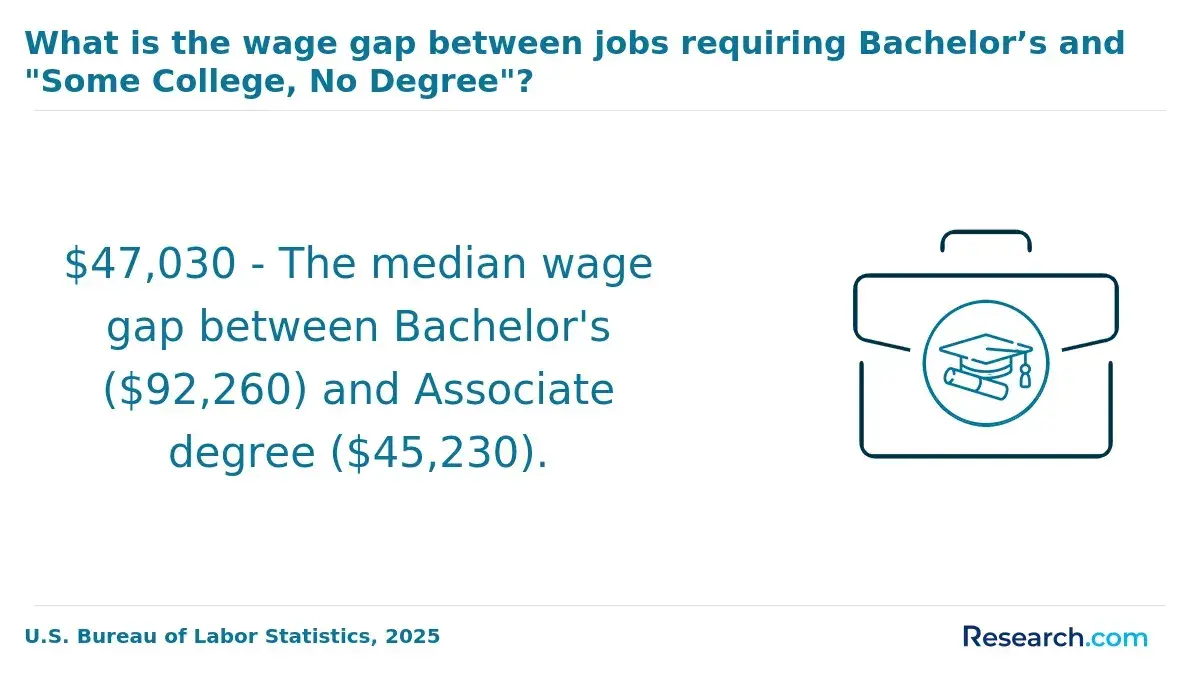
Entry-level roles in exercise science typically require a bachelor's degree, which suffices for community-focused, non-clinical work such as fitness trainers or wellness coaches. Salaries at this junction start near $53,201 annually, reflecting the foundational threshold for new graduates nationwide. However, state-level variations in exercise science degree requirements by state influence where and how candidates can access these roles.
Professionals aiming for clinical or hospital-based positions—like clinical exercise physiologists or cardiac rehab specialists—must pursue master's degrees, which broaden both theoretical understanding and clinical aptitude.
Advancing beyond entry roles requires integrating education with practical experience. Positions in physical therapy support, research assistance, or sports performance analysis demand master's or higher qualifications, with salary potential climbing above $80,000 annually as one gains expertise.
Additionally, doctoral degrees unlock opportunities in specialized research, academic leadership, and policy advising, where compensation can reach $163,285, illustrating the stark earning disparity linked to educational attainment.
This educational progression heavily informs career mobility: a bachelor's graduate focused on fitness instruction faces limited advancement without graduate study, whereas hospital-based or research careers practically mandate a master's degree.
Certifications play a supplementary role but rarely substitute formal degrees for licensed or clinical jobs. Employers consistently value hands-on experience, making internships pivotal in employability assessments.
For those considering an accelerated pathway to clinical specialties, options like accelerated PMHNP programs online illustrate a model where graduate education is compressed to meet workforce demands efficiently. Aligning degree level with career goals remains critical to navigating the complex exercise science careers and salary ranges in the US.
How does the job outlook for exercise science professionals vary by state and region?
Job prospects for exercise science graduates differ sharply by state, influenced by regional healthcare resources, population demographics, and industry focus. For instance, states like California, Florida, and Texas benefit from aging populations and large urban healthcare markets that push demand for rehabilitation and preventive care roles.
Florida's sizable senior demographic specifically amplifies openings in wellness and rehabilitation, a factor critical when assessing job market entry points or relocation decisions.
In contrast, rural areas and states with constrained healthcare funding, such as Mississippi and West Virginia, offer fewer positions with slower wage growth, limiting opportunities for career advancement and salary increases. Nationally, exercise science graduates with a bachelor's degree earn an average salary near $62,500, with top earners reaching about $83,500.
However, states like Massachusetts and Washington report salaries up to 15% above this average, largely due to specialized clinical and research roles.
Key considerations for employment strategy include:
- Targeting healthcare hubs or states that prioritize public health investment to leverage higher wage potential and role diversity.
- Acquiring skills aligned with evidence-based interventions and integrated care models, which employers increasingly require.
- For those focusing on athletic training or corporate wellness, prioritizing states with prominent sports industries or corporate wellness programs like Colorado and Illinois.
Relocation and specialization decisions fundamentally impact earning potential and sector accessibility, underscoring the importance of aligning educational pathways with explicit labor market demands and regional economic realities.
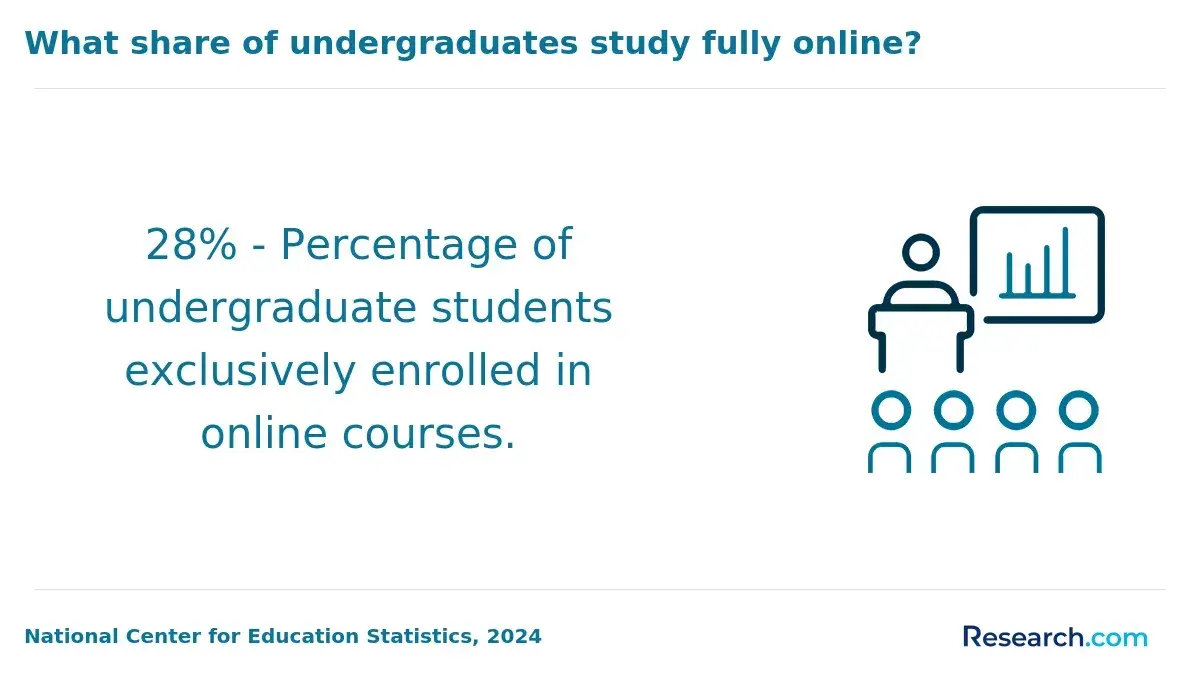
How do online exercise science programs compare to campus-based options for career outcomes?
Degree paths in exercise science that lean exclusively on online formats tend to fall short in delivering the practical skills and recognized credentials most employers in healthcare and sports performance demand. Campus-based programs offer a distinct advantage by embedding supervised internships, lab work, and clinical practicums-elements that influence employer confidence and entry-level salaries.
For instance, in Richmond, CA, where exercise science salaries exceed the national average by over 25%, employers typically prioritize graduates with hands-on experience linked to accredited certifications. Candidates relying on online programs often face challenges demonstrating equivalent proficiencies, limiting their competitiveness for specialized roles or metropolitan market premiums.
Prospective students must weigh these tradeoffs carefully. Campus graduates benefit from integrated career services and employer networks, increasing placement rates in clinical or research positions. Online learners pursuing remote or general wellness roles should actively seek local internships or hybrid options to supplement their practical exposure.
Key decision factors include:
- Industry-specific certification requirements and regulatory standards
- Regional salary variations and employer expectations
- Availability of hybrid or adjunct clinical opportunities
Intentional integration of applied components with online study is crucial to maintaining market relevance and achieving measurable salary growth in a competitive employment landscape.
What accreditation should exercise science programs have, and why does it affect salary?
Accreditation status significantly shapes employment prospects and salary potential in exercise science, directly affecting which roles candidates can access and how employers value their credentials. Programs accredited by the Commission on Accreditation of Allied Health Education Programs (CAAHEP) or comparable bodies deliver curriculum rigor and clinical experiences that align with industry hiring standards.
This alignment routinely translates into measurable salary advantages—typically a 10-15% premium—for graduates holding certifications such as the Certified Clinical Exercise Physiologist (CEP), a credential favored by medical fitness centers, hospitals, and research employers.
Graduates from non-accredited programs face tangible drawbacks: longer job searches, restricted eligibility for specialized positions, and lower starting wages, especially in states with strict licensure rules. This highlights a real-world tradeoff between accessibility and long-term return on investment in education.
As the Bureau of Labor Statistics forecasts 9-10% growth in exercise physiologist employment over the next decade, producing 1,600-1,700 annual job openings, demand increasingly favors candidates from accredited institutions who can demonstrate verified competencies.
Candidates should weigh these factors against personal and financial considerations, verifying institutional accreditation prior to enrollment. Doing so mitigates hiring risks, reduces barriers to advanced certifications, and positions professionals to take advantage of growth sectors within healthcare, wellness, and sports science.
What core courses and specializations in exercise science lead to better-paying roles?
Choosing a specialization within exercise science significantly influences earning potential and job placement. Applied physiology and clinical assessment pathways typically lead to higher salaries—median wages reach approximately $59,620 for exercise physiologists and $65,350 for recreational therapists, surpassing the $44,190 median for fitness trainers.
These roles demand proficiency in human anatomy, biomechanics, cardiovascular physiology, and pathology, which employers value for roles in hospitals, rehabilitation centers, and clinical settings.
Conversely, focusing on coaching or general fitness instruction often results in lower compensation, reflecting less stringent clinical certification requirements and limited diagnostic responsibilities. Professionals aiming for leadership or research roles benefit from deeper expertise in sports nutrition, biomechanics, or health informatics, which broadens career options and enhances marketability.
Students should consider the tradeoff between extended training time and costs for certifications against a typical $21,000+ salary increase. Prioritizing programs with clinical internships or healthcare partnerships is a practical strategy to improve workforce readiness and long-term earning capacity. Without such practical exposure, graduates often face entry-level positions with restricted growth.
What are typical tuition, fees, and total program costs for exercise science degrees?
The financial impact of pursuing an exercise science degree varies widely and directly affects career timing and debt burden. Public in-state undergraduate programs generally cost between $6,000 and $12,000 annually, while out-of-state tuition can exceed $20,000. Private institutions frequently charge $25,000 to $45,000 per year.
Graduate programs, such as master's degrees, range from $15,000 to $40,000 annually, with additional costs for books, equipment, and clinical placements typically adding $1,000 to $3,000 yearly.
Considering the full program length is essential: a bachelor's degree typically spans four years, resulting in an aggregate tuition cost between $24,000 and $180,000. For example, an out-of-state public university student may confront $80,000 to $100,000 in tuition alone, excluding living expenses.
These figures should inform budgeting and return-on-investment calculations, especially since working while enrolled may influence workforce entry timing.
Advanced clinical professions achievable after exercise science, such as family medicine physicians or surgeons, command national median incomes upwards of $290,000. However, these careers require substantial further education, clinical training, and licensing that extend well beyond exercise science programs.
Professionals must weigh upfront educational expenses against potential income differentials and career goals across related medical fields.
What certifications or licenses do exercise science professionals need in different states?
Licensing and certification in exercise science create a complex landscape shaped by state regulations and employer demands, affecting practical work options and compensation trajectories. Clinical roles in states like California, New York, and Texas heavily favor the American College of Sports Medicine (ACSM) Certified Exercise Physiologist credential, necessary for participation in cardiac rehabilitation and often linked to higher earnings.
By contrast, states such as Florida and Illinois prioritize certifications entailing supervised clinical hours to align with Medicare reimbursement standards.
Fitness-centered roles in states like Arizona and Colorado emphasize certifications from organizations like the National Strength and Conditioning Association, focusing more on athletic performance without formal licensing but requiring ongoing education. Professionals must carefully navigate state-specific scopes of practice rules that restrict work with specialized populations unless they hold additional licenses, such as physical therapy.
The difference in wages is notable: median national pay hovers around $58,160, while those with clinical certifications in licensing states can reach the top 10%, earning $77,980 or more.
Prospective candidates should evaluate regional certification requirements against their targeted employer type and setting before committing, since inappropriate credential choices can limit access to hospital and rehabilitation positions that demand regulatory compliance for reimbursement and liability.
Thoroughly auditing state boards and employer criteria remains essential for strategic credential alignment with career objectives in exercise science.
Other Things You Should Know About Exercise Science
In 2027, California offers the highest average salary for exercise science professionals. This is primarily due to a high demand for fitness and wellness experts, as well as opportunities in diverse areas such as sports performance, rehabilitation, and health promotion.
Clinical exercise science roles often require the ACSM Clinical Exercise Physiologist certification, plus a bachelor’s degree in exercise science or a related field. Employers in cardiac rehab or hospital settings may also require CPR/AED training and state-specific healthcare onboarding before hiring.
Programs focused on research prepare graduates for academic, clinical trial, or advanced scientific roles but often have fewer direct pathways into entry-level applied jobs. Applied training programs emphasize practical skills, internships, and certifications that employers in healthcare and fitness industries prioritize. Your choice depends on career goals: prioritize applied training if your aim is immediate employability in rehabilitation, strength conditioning, or wellness coaching roles. Choose research-focused programs only if planning to pursue graduate study or specialized research positions.
Higher salaries often correspond with roles in clinical exercise testing, cardiac rehabilitation, or sports performance analytics that demand intense workloads, irregular hours, and certification maintenance. Positions in corporate wellness or entry-level fitness roles generally have steadier, lower-intensity workloads but come with a tradeoff of slower salary growth. Professionals must weigh personal capacity for workload against financial goals, understanding that higher earnings usually involve higher stress and time commitment in specialized exercise science careers.
References
- Exercise Science Degree Programs & Career Guide 2025 https://www.nutritioned.org/exercise-science-degree/
- Study Sports Science in Poland - Study in Poland https://studyinpoland.biz/programs/study-sports-science-in-poland/
- Online Exercise Science Degrees: Top School Review https://www.edumed.org/online-schools/exercise-science-degrees/
- Online Exercise Science Program https://stmary.edu/online-programs/exercise-science.html
- Bachelor of Science in Exercise Science, Fitness, and Nutrition Management (Completion Degree) https://catalog.bryanuniversity.edu/bachelor-of-science-in-exercise-science-fitness-and-nutrition-management-completion-degree
- Kinesiology and Exercise Science Salaries https://teach.com/online-ed/healthcare-degrees/online-bachelors-kinesiology-exercise-science/how-much-do-kinesiologists-make/
- Accredited Sports Scientist Salary Guide https://www.essa.org.au/Web/Web/Resources/Tools-and-templates/ASpS-salary-guide.aspx
- Exercise Science Degree Careers, Jobs and Salaries - Peak Physical Therapy and Sports Performance https://peaktherapy.com/blog/exercise-science-degree-careers-jobs-and-salaries/
- Best Exercise Science Careers + Salary Outlook | HealthGrad https://www.healthgrad.com/physical-health/exercise-science/
- Clinical Exercise Physiologists in the Workforce https://acsm.org/cep-in-the-workforce/