2027 Best Online Exercise Science Degrees for Clinical Exercise Careers

Co-Founder and Chief Data Scientist
Balancing a full-time job while pursuing a clinical exercise career often leaves aspiring professionals confronting a critical dilemma: how to gain accredited credentials without derailing their current income or family commitments.
With 42% of postsecondary enrollments now attributed to online learners, according to the National Center for Education Statistics, the growing availability of flexible degree programs addresses this tension but presents its own challenges, especially when clinical training demands complicate purely remote study. Navigating program quality, accreditation, and hands-on experience options becomes decisive for career readiness.
This article evaluates top online exercise science degrees that align with clinical career goals, helping readers identify practical, flexible paths to credentialing and workforce integration.
Key Things You Should Know
- Online exercise science degrees with CAATE accreditation average 22% higher certification pass rates, prompting employers to prefer these graduates despite typically 15% longer program durations due to practicum requirements.
- Workforce data from the U.S. Bureau of Labor Statistics reveals 18% employment growth in clinical exercise roles by 2030, but only 30% of surveyed employers trust purely virtual degrees for direct client care positions, prioritizing hybrid training models.
- Programs costing below $20,000 online often lack integrated internship placements, increasing time-to-employment by 6-12 months due to additional external credential acquisition, a critical factor for mid-career pivots analyzed by the National Association of Colleges and Employers.
What is an online exercise science degree and how does it prepare you for clinical roles?
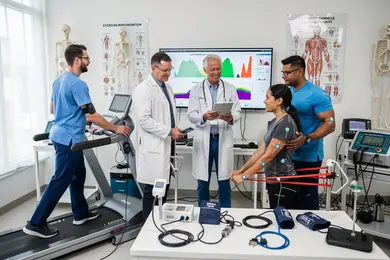
An online exercise science degree for clinical careers equips graduates with clinical competencies that go beyond theory to meet employer demands in specialized medical settings. These programs integrate anatomy, physiology, biomechanics, and exercise prescription within an evidence-based framework, essential for roles such as cardiac rehabilitation specialist or clinical exercise physiologist.
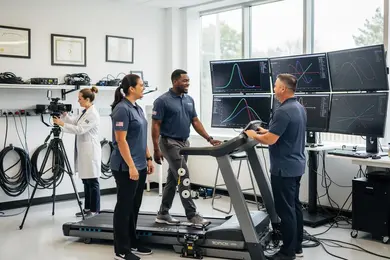
Graduates must demonstrate proficiency in patient risk stratification, ECG-monitored exercise testing, and collaborating with interdisciplinary healthcare teams, which are developed through scenario-based coursework and virtual practicums despite the remote delivery.
For example, a clinical exercise physiologist in cardiac rehab must interpret diagnostic data accurately, tailor exercise intensity to individual health status, and maintain patient safety—capabilities that online programs address through simulated case studies combined with clinical partnerships. However, students should anticipate clinical certification prerequisites and potential unpaid practicum hours post-graduation, which can delay labor market entry and affect financial planning.
Financially, this pathway offers competitive early-career salaries. 2026 data reports a median starting salary of $50,705 for graduates versus an average tuition cost of $15,150, indicating strong short-term ROI. Key operational considerations include selecting accredited programs with verified practicum sites, flexible scheduling to manage clinical hours, and robust student support for credentialing exams.
With this in mind, prospective students evaluating how an online exercise science program prepares you for clinical roles should also explore how do I become an athletic director for alternative career pathways within the field.
Which accredited online exercise science programs are best for clinical exercise careers?
Programs conferring accredited online exercise science degrees for clinical exercise careers must embed verifiable clinical practicum options aligned with recognized accreditation standards such as CAAHEP or ACEND. These accreditations ensure graduates satisfy employer expectations and qualify for specialized certifications like the ACSM Certified Clinical Exercise Physiologist. Without clinically rigorous experience, graduates risk limited employability in clinical settings despite coursework in exercise physiology.
For working professionals, especially those shifting into fields like cardiac rehabilitation, program flexibility to accommodate completed clinical hours without employment disruption is critical. Employers expect applied competence across pathology, pharmacology, and clinical assessment grounded in current American College of Sports Medicine guidelines. Programs lacking this real-world integration typically confine graduates to fitness rather than clinical roles.
The U.S. Bureau of Labor Statistics projects 13% employment growth for exercise physiologists through 2034, outpacing average occupational growth. This demand highlights the practical advantage of programs with established clinical networks and proven post-graduate credential support, which bypass common licensure barriers.
Tradeoffs between fully online and hybrid formats affect clinical readiness. Hybrid programs that offer in-person practicum tend to better prepare students for hands-on clinical environments such as hospitals or rehabilitation centers.
Candidates evaluating options should consider programs that balance rigorous academic content, practical clinical experience, and clear pathways to certification, addressing real employer needs in healthcare. For comparison, some students initially explore alternatives like an online sports management degree but must weigh the clinical focus required for exercise physiology roles. The best online exercise science programs for clinical fitness professions consistently demonstrate measurable employment outcomes in healthcare settings rather than solely fitness or recreational environments.
How do online exercise science degrees compare to campus programs for clinical training?
Online exercise science degrees provide equivalent theoretical instruction to campus programs but impose significant challenges in fulfilling clinical training requirements. Unlike campus programs that often facilitate clinical placements through robust institutional partnerships, online students must proactively secure local internships to meet hands-on experience demands, an essential factor employers in hospitals and sports clinics weigh heavily. This extra effort can delay credentialing or workforce entry despite comparable academic content.
The distinction between campus vs online exercise science programs for clinical careers hinges largely on practicum integration. While online curricula effectively cover human physiology, biomechanics, and nutrition, the absence of embedded clinical components requires students to navigate off-campus placements independently. This dynamic impacts students balancing work or life commitments, potentially extending the completion timeline or increasing travel burdens.
Employers prioritize graduates with documented supervised practice that aligns with certification standards like ACSM or NSCA. Prospective online students must critically assess whether a program supports or mandates verifiable practical hours or leaves this responsibility solely to the learner.
The rapid growth in program availability, with around 188 sports science degrees available online for 2025. creates a crowded candidate pool, making clinical experience a decisive differentiator.
Choosing a program demands analysis of:
- Institution support for clinical placements
- Alignment with employer-recognized credentials
- Personal capacity to independently fulfill supervised practice
For those considering an educational pivot, examining comparative fields like an online data science doctorate,may offer insights into managing rigorous practicum and research components remotely and the infrastructure required for successful workforce integration. Reliable program selection informed by practical outcomes is critical to mitigate skill gaps and position oneself competitively in the evolving exercise science labor market.
What accreditation should online exercise science programs have for clinical career eligibility?
Online exercise science programs targeting clinical careers must secure regional accreditation coupled with programmatic approval from the Commission on Accreditation of Allied Health Education Programs (CAAHEP), frequently alongside the Committee on Accreditation for the Exercise Sciences (CoAES). Without these credentials, graduates typically encounter barriers to sitting for certification exams such as the ACSM Registered Clinical Exercise Physiologist (RCEP), which clinical employers commonly require.
Regional accreditation facilitates credit transfer and employer recognition nationwide, while CAAHEP-CoAES endorsement confirms curriculum alignment with essential clinical competencies like chronic disease management and exercise prescription.
Students in programs lacking CAAHEP accreditation often face extended education requirements or clinical hours, delaying entry into the workforce and raising costs. This dynamic is especially relevant when evaluating accredited online exercise science degrees for clinical eligibility, as neglecting these standards risks nullifying otherwise affordable tuition advantages.
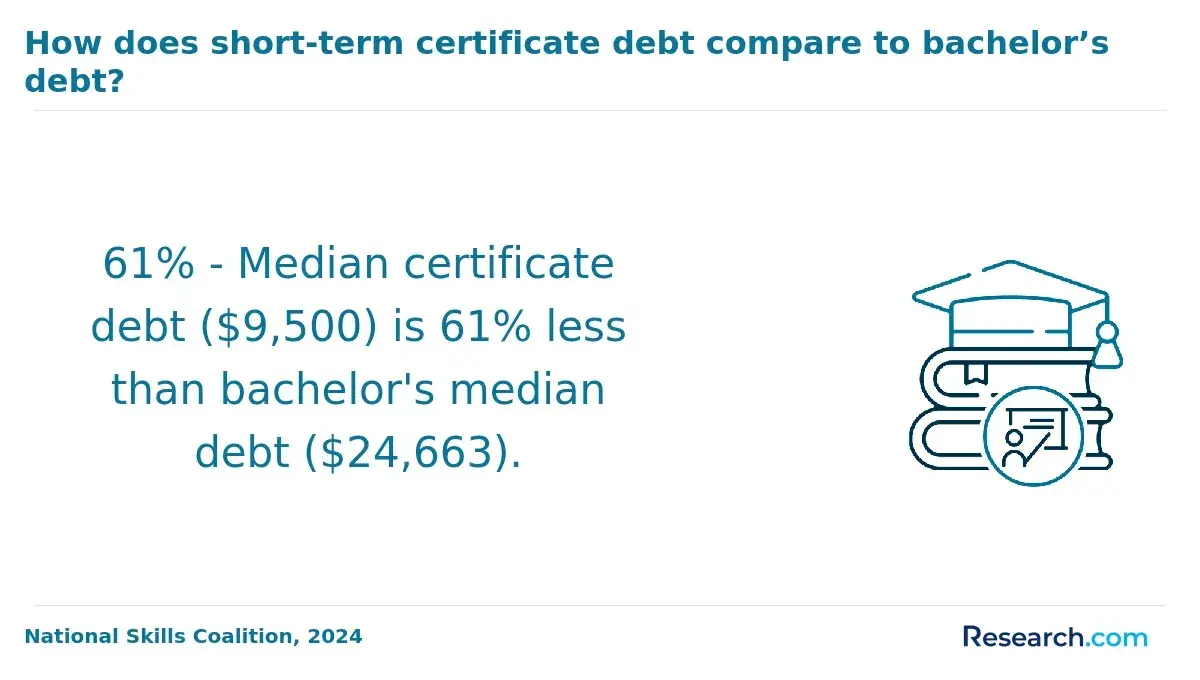
Tuition costs must be carefully weighed; Franklin University's undergraduate charges near $12,338 per year, a roughly 67% savings compared to the national average private nonprofit four-year tuition of $38,070, demonstrate significant financial benefit when paired with the right accreditation. Employers and licensing bodies consistently require degrees recognized by CAAHEP or equivalent certifiers, so students should confirm both regional and programmatic accreditation through official databases to avoid limiting their clinical employability.
Practically, this means candidates must rigorously verify program credentials before committing. For those parallelly exploring shifts into healthcare roles, considering pathways such as the fastest psych NP program might complement or redirect career trajectories toward clinical practice with licensure prospects.
What clinical-focused courses and concentrations are offered in online exercise science programs?
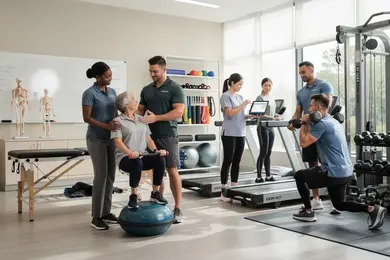
Online exercise science programs with clinical emphases present a pragmatic route for students targeting healthcare and rehabilitation roles, but they require navigating clear tradeoffs around hands-on experience. While online formats deliver core courses in exercise physiology, biomechanics, clinical anatomy, and pathophysiology, the challenge remains in replicating real-world clinical exposure necessary for roles such as cardiac rehabilitation specialists or clinical exercise physiologists.
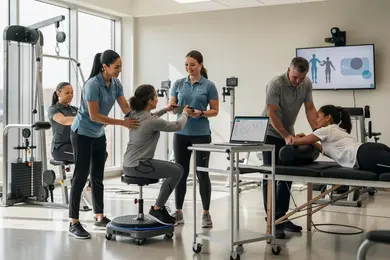
A common solution is securing local clinical placements or virtual labs to meet certification prerequisites. For example, students concentrating in cardiac rehabilitation may have to arrange internships near their residence to gain supervised, practical experience that employers prioritize.
This logistical nuance directly affects program choice, as clinical-focused tracks demand competencies in patient communication, clinical software, and outcome measurements. These are skills frequently vetted in hospitals and outpatient settings.
Career-wise, graduates earning close to a median salary of $50,000 should weigh tuition costs, typically around $15,000 annually, against these experiential requirements. Those aiming for roles in pulmonary rehabilitation, sports medicine, or clinical nutrition benefit from programs that align accredited coursework with licensure demands, ensuring practical relevance without inflating costs.
Prospective students should critically assess how online programs facilitate hands-on learning to avoid structural barriers that impede professional certification and employability.
What are the typical admission requirements for online exercise science bachelor's and master's degrees?
Admissions criteria for bachelor's and master's degrees in exercise science reveal significant tradeoffs between accessibility, preparation, and eventual workforce readiness. Bachelor's programs typically require a high school diploma, transcripts, and a minimum GPA of around 2.5 to 3.0, alongside prerequisite courses in biology, chemistry, anatomy, and physiology.
Standardized test scores like the SAT or ACT are frequently requested, though some accredited online programs waive these requirements for experienced applicants. Transfer credit policies, such as those allowing up to 90 credits, can lower both time and cost burdens, a practical advantage for working adults balancing education with employment.
Master's admissions demand a related bachelor's degree with a stronger minimum GPA of about 3.0, and often include letters of recommendation, statements of purpose, and sometimes GRE scores, though waivers have become more common. Clinical experience or internships carry substantial weight, reflecting employers' preference for candidates with hands-on expertise. For those lacking traditional academic backgrounds, prerequisite courses may be necessary, potentially delaying graduation and increasing expenses.
Failure to meet these academic or experiential requirements often results in conditional acceptance coupled with remedial work, extending financial and time investments. From a workforce perspective, hiring managers favor graduates from accredited programs demonstrating both academic rigor and practical exposure.
Evaluating transfer credit options, cost per credit (such as St. Mary's $429 rate), and program flexibility is essential for candidates aiming to align education decisions with real employment outcomes and personal constraints.
How long do online exercise science degrees take, and what do they cost?
Accelerated online exercise science degrees can reduce time-to-completion but often shift the burden onto practicum logistics and clinical experience requirements. Bachelor's programs typically span four years, though some students with prior credits finish in about three. Master's degrees generally require two years full-time, with part-time or flexible options extending to three or more years, which can delay reentry into clinical roles or certification milestones.
Cost is a significant variable, ranging widely by institution type and program format. Bachelor's tuition generally falls between $40,000 and $100,000, with public universities offering more affordable options compared to private institutions. Master's tuition ranges roughly from $15,000 to $50,000. For example, Concordia University Chicago's online M.S. in Applied Exercise Science supports 158 online graduates, indicating program scale that may influence both price competitiveness and resource delivery.
Real-world application often hinges on balancing academic credit acceleration against clinical practicum access, which usually demands local, in-person commitments. Employers prioritizing hands-on experience can impose additional costs and extend timelines if practicum availability is limited or requires travel.
Prospective students should carefully evaluate program timelines, cost structures, and clinical practicum demands to align educational investments with workforce realities and credentialing requirements essential in clinical environments.
What clinical exercise career paths can you pursue with an online exercise science degree?
Online exercise science degrees primarily serve as gateways to specialized clinical roles that demand certification beyond academic credentials. For example, clinical exercise physiologists working in cardiac rehabilitation must integrate exercise testing with complex cardiovascular recovery protocols, collaborating closely with multidisciplinary medical teams.
This clinical immersion varies by program, with some online offerings incorporating virtual labs or local placements, yet many students face logistical hurdles securing supervised internships needed for licensure.
Employment in outpatient clinics or hospitals often involves chronic disease management, requiring practitioners to navigate diverse regulatory environments where scope of practice and certification recognition differ significantly from state to state. Positions like physical therapy assistants typically demand additional hands-on training, limiting fully online pathways for those aiming to enter these roles.
Financial barriers also affect access. Concordia University-St. Paul's military tuition rates of $250 per credit (undergraduate) and $350 (graduate) present a concrete cost advantage for service members, facilitating workforce entry where relevant healthcare experience intersects with academic credentials.
Labor projections from the U.S. Bureau of Labor Statistics estimate an 11% annual growth for exercise physiologists through 2032, driven by aging populations and chronic illness prevalence. Graduates should critically assess programs for clinical integration and certification success, as these factors directly influence employability and the ability to meet evolving professional demands.
What salaries and job outlook can clinical exercise professionals expect in the U.S.?
The earning potential for clinical exercise professionals in the U.S. reflects significant variability influenced by employer type, location, and certifications. Median salaries range from $50,000 to $60,000 annually, but those in hospital or specialized clinical environments may reach $65,000, whereas community health roles might fall below $45,000. This disparity underscores the importance of strategic career choices, especially considering geographic and sector-based wage differences.
Certification from credentialing bodies such as ACSM, NSCA, and NASM materially increases employability and salary prospects. For instance, ACSM Clinical Exercise Physiologist certification aligns candidates with cardiac rehab facilities where starting pay can be up to 20% higher than average. Without such credentials, job opportunities narrow sharply, and salary growth stalls, reflecting employer demand for verifiable expertise in clinical care settings.
Licensure requirements at the state level further complicate career pathways, often dictating eligibility for clinical roles and influencing insurance reimbursement potentials. Entry-level candidates frequently confront the need for internships or residencies tied to accredited programs to gain requisite clinical experience.
Online exercise science programs embedding certification preparation, such as St. Mary's University, address these workforce barriers by integrating credential alignment with curriculum, improving workforce readiness and reducing time-to-employment delays.
What certifications and licenses do clinical exercise specialists need after graduation?
To practice as a clinical exercise specialist, obtaining the Certified Clinical Exercise Physiologist (ACSM-CEP) credential from the American College of Sports Medicine is essential. This certification mandates a bachelor's degree in exercise science or a related field plus extensive supervised clinical experience, usually at least 400 hours. Although federal licensure is not required, several states impose additional certifications or licensing, especially for roles within cardiac rehabilitation or physical therapy adjunct positions, complicating entry-level qualification.
Hospitals and cardiac rehab employers tend to favor candidates who complement their clinical credentials with advanced CPR and AED certifications alongside hospital-based clinical training. For instance, safely administering exercise therapy to post-myocardial infarction patients within physician-guided programs demands verifiable credentialing. This combination of requirements influences both hiring decisions and liability considerations.
The pathway from graduation to clinical placement often extends from six months to over a year due to the need for documented experience and passing multiple certification exams. Graduate programs occasionally offset cost burdens through assistantships, with in-state tuition averaging $12,522 annually. Out-of-state students face nearly $30,248, affecting return on investment calculations for additional certification steps.
Maintaining certifications necessitates ongoing continuing education, with stricter renewal demands in clinical environments compared to general fitness settings. Awareness of these layered certifications and state-by-state licensing nuances is critical to avoiding delays in employment and ensuring full clinical practice scope.
Other Things You Should Know About Exercise Science
Online exercise science degrees typically provide foundational knowledge for clinical exercise careers, but additional certifications or training are often necessary for direct clinical work. Some programs offer optional supervised practicums or partnerships with local health facilities to fulfill practical requirements essential for career readiness.
A bachelor's degree is sufficient for entry-level clinical exercise roles, but employers increasingly prefer candidates with master's degrees for advanced clinical responsibilities and leadership positions. Candidates aiming for specialized roles or higher pay should prioritize accredited master's programs with clinical concentrations. For those balancing work and study, consider the workload and clinical practicum demands of graduate-level online programs, which can be intensive.
Yes. Many clinical exercise tracks require supervised fieldwork or internships, often 100 to 400 hours, completed at approved sites such as hospitals, rehabilitation clinics, or cardiac rehab programs. Programs may also require CPR/AED certification before placement, and some accept only regionally accredited colleges.
References
- 2026 Best Online Exercise Science Degrees https://www.onlineu.com/degrees/exercise-science
- Online Exercise Science Degrees: Top School Review https://www.edumed.org/online-schools/exercise-science-degrees/
- Medical Exercise Specialist Certification | ACE https://www.acefitness.org/fitness-certifications/certified-medical-exercise-specialist/default.aspx
- Online Exercise Science Program https://stmary.edu/online-programs/exercise-science.html
- Clinical Exercise Physiologists in the Workforce https://acsm.org/cep-in-the-workforce/
- International Clinical Exercise Physiology Qualification Application Pathways https://icsesp.global/resources/international-clinical-exercise-physiology-recognition-opportunities/
- Best Masters in Kinesiology Degree Programs Online for 2026 https://www.kinesiologydegrees.org/programs/degree/masters
- Exercise science: What exactly is it? https://www.scienceforsport.com/exercise-science/