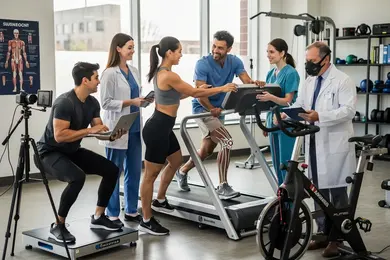
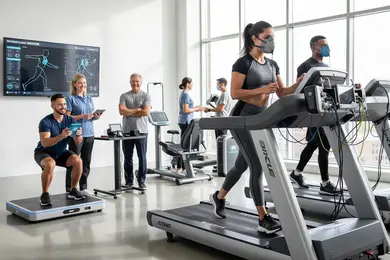
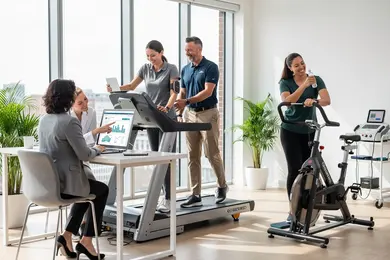
2027 Wellness Coordinator Roles You Can Target With an Exercise Science Degree

Co-Founder and Chief Data Scientist
Securing a wellness coordinator role that leverages an exercise science degree demands more than theoretical knowledge; it requires navigating a competitive labor market where practical experience and adaptable skills often outweigh credentials alone.
Despite expanding online and hybrid programs that cater to adult learners, whose enrollment surged over 12% since 2022 according to the National Center for Education Statistics, many candidates struggle to align education with employer expectations for program management, behavior change facilitation, and cross-disciplinary coordination. This divergence complicates timely career transitions, especially for those balancing ongoing work commitments or reskilling under uncertain labor demands.
This article identifies specific wellness coordinator roles aligned with an exercise science background and examines pathways to match job requirements with effective training choices to optimize employment outcomes.
Key Things You Should Know
- Employment projections show a 10% growth for wellness coordinators with exercise science degrees through 2031, but 62% of employers prioritize candidates with additional certifications, creating a credentialing tradeoff impacting job readiness.
- Healthcare sector employers increasingly demand data analytics skills in wellness coordination; 54% of organizations surveyed report exercise science graduates lacking proficiency, limiting hiring unless supplementary training is obtained.
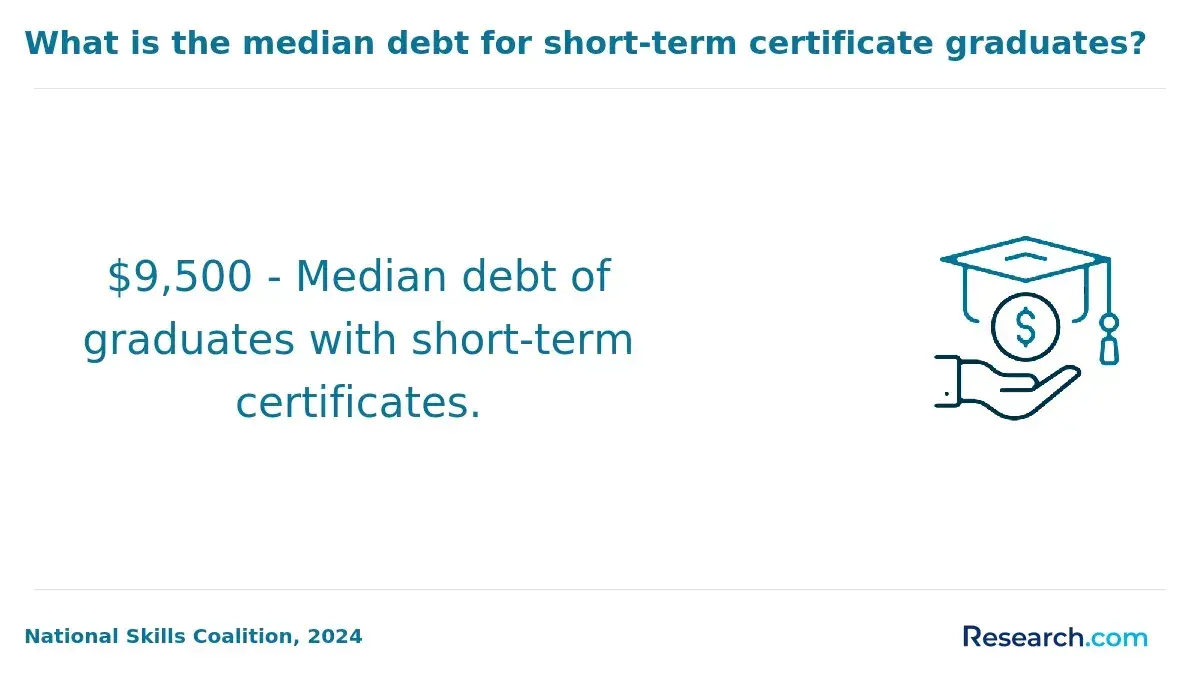
- Average degree completion time of 4+ years combined with rising tuition, up 4.5% annually per NCES data, raises cost-benefit concerns for candidates targeting entry-level coordination roles with sub-$60K median salaries.
What does a wellness coordinator do, and how does exercise science prepare you?
Wellness coordinator job responsibilities with an exercise science degree extend beyond program management to include applying specialized knowledge in human physiology, biomechanics, and exercise prescription to create tailored health interventions. The degree provides a foundation for analyzing fitness assessments and customizing activities for diverse populations, including aging adults and individuals with chronic conditions.
How exercise science skills enhance wellness coordinator roles is evident in settings like corporate wellness programs, where coordinators design low-impact routines that fit within employees' schedules, boosting participation and adherence. In community health environments, biomechanics expertise helps develop inclusive initiatives that reduce injury risk and improve engagement.
However, employers often expect practical skills in communication, data collection, and program management, which degree programs may not adequately cover.
Practical experience through internships or certifications is critical to bridging this gap and improving employability. Salary data from My Next Move (O*NET) shows fitness and wellness coordinators earn a median wage of $61,340, with wide variations depending on location, sector, and program size. Students evaluating options should consider these variables alongside the technical demands of the role.
Those researching educational pathways can evaluate alternatives such as online exercise science programs to balance accessibility with career objectives and preparedness.
What wellness coordinator job titles can you pursue with an exercise science degree?
Success in wellness coordinator careers with an exercise science degree requires navigating roles with distinct operational demands and employer expectations. For example, a Corporate Wellness Specialist in a business environment must leverage advanced data analysis to design cost-effective health interventions, balancing workforce productivity gains against healthcare expenditures.
In contrast, a Fitness Coordinator operates more directly with clients, emphasizing individualized fitness plans and certification credentials to meet personalized wellness needs.
Exercise science degree job titles in wellness coordination often include Health Promotion Coordinator, who typically manages broad public health campaigns through agencies or insurers, requiring expertise in community engagement and health communication.
Employee Wellness Managers blend leadership and program delivery, coordinating diverse teams to meet measurable objectives while negotiating certification costs with salary potential. Community Wellness Directors play a strategic role, managing multi-site programs with responsibilities like grant acquisition and public partnership development.
These roles illustrate that practical career advancement demands understanding the tradeoffs between certifications, direct client interaction, and strategic oversight. The "Bright Outlook" status for these positions highlights strong growth, but candidates should critically assess organizational needs and personal skill alignment.
The decision to pursue specialized credentials or broader leadership tracks depends on whether one's goal centers on operational program design or scaling wellness initiatives at higher organizational levels. Those exploring alternate pathways might consider related allied health credentials or ASN program offerings as complements or alternatives.
How does an exercise science degree qualify you for wellness coordinator positions?
Positions as wellness coordinators demand more than basic fitness knowledge; holders of an exercise science degree bring critical expertise in physiology, nutrition, and biomechanics that employers require for crafting targeted wellness programs. This specialization is key to evaluating health metrics and applying data-driven strategies, a necessity for effectively managing diverse groups, from sedentary office workers to active elders.
For instance, a coordinator in a corporate wellness context must blend ergonomics and stress reduction with fitness planning, skills nurtured through a curriculum emphasizing behavior change and applied physiology. This illustrates how exercise science degree career opportunities in wellness coordination hinge on practical, evidence-based program design rather than generic health advice.
The skills from exercise science for wellness coordinator jobs extend beyond theory to compliance with safety and health standards, a differentiation hiring managers increasingly prioritize.
According to Lionel University, citing May 2024 BLS data, fitness trainers earn a median wage of $46,180 annually with a projected employment growth of 12% over the next decade, underlining demand for professionals who can systematically coordinate multi-faceted wellness initiatives rather than simply lead exercise classes.
Achieving relevancy in the field often involves gaining certifications in CPR, wellness coaching, and proficiency with health tracking software, which complement the degree's foundation. These qualifications support communicative adaptability across populations and reinforce measurable health outcomes, key for competitive positioning in this evolving sector focused on productivity and prevention.
Prospective students weighing an exercise science path should consider associated costs and practical returns on investment. For reference, candidates might consult studies on computer science degree cost as a comparative benchmark to assess financial commitment across disciplines when planning career pivots.
What exercise science courses best align with wellness coordinator skills and duties?
Wellness coordinator roles demand focused competencies often acquired through specific exercise science courses that develop wellness coordinator competencies. Programs emphasizing applied exercise physiology, cardiovascular health, and chronic disease prevention align most closely with employer expectations in corporate and clinical settings.
For example, exercise physiology coursework covering metabolic responses facilitates personalized plan design, a primary coordinator responsibility for employee health optimization.
Kinesiology and biomechanics classes provide critical skills to analyze movement and reduce injury risk in workplace wellness programs, while nutrition education enhances the ability to integrate diet with physical activity effectively. Behavioral psychology courses support long-term client engagement through motivational techniques, reflecting real-world adherence challenges.
Practical components such as fitness assessment labs and prescription workshops are essential, particularly for coordinators working in hospital-affiliated programs where clinical exercise testing certification can be a decisive advantage. Students face tradeoffs between corporate-focused population health strategies and clinical content aimed at rehabilitation or medical settings.
The exercise physiology sector's projected 10.3% growth through 2032, supporting a workforce of 16,500, suggests rising demand for graduates with concrete skills in physiologic assessment and intervention. Prospective students weighing options should also consider programs tied to healthcare partnerships, which may improve employability in medically oriented wellness careers involving complex lifestyle interventions.
Readers exploring related educational pathways may find it useful to compare offerings in fields beyond exercise science, for instance, reviewing affordable alternatives like a library degree as part of broader workforce planning strategies.
Key exercise science classes for wellness coordinator career readiness combine theory, lab work, and applied health behavior knowledge to meet these nuanced employer demands.
Are online exercise science programs as effective as campus options for wellness careers?
Quality, not modality, dictates the value of an exercise science program for wellness careers. Online degrees must integrate verified accreditation and hands-on experiences, such as internships or in-person practicums, to be competitive with campus-based options. Employers typically expect at least a bachelor's degree supported by real-world skill application, especially in roles requiring client interaction and exercise assessment.
According to data from My Next Move (O*NET), fitness and wellness coordinators usually require a solid educational foundation combined with practical experience.
For example, a candidate seeking a hospital wellness coordinator position cannot rely solely on theoretical online modules; they need documented competency through supervised exercise testing and client evaluations. Without embedded experiential learning, purely online coursework risks diminishing employability in healthcare and corporate wellness settings where proven clinical or coaching experience weighs heavily.
Prospective students should prioritize programs that:
- Hold accreditation from recognized bodies like CAAHEP or CAATE
- Include mandatory, facilitated hands-on training
- Maintain employer connections and job placement support
- Clarify post-graduation licensing or certification eligibility based on state regulations
Working professionals pivoting careers can benefit from the flexibility of online options but must supplement with local internships or supervised practice to meet industry standards. This nuanced approach balances academic rigor with practical demands, ensuring credentials translate into workforce readiness rather than theoretical knowledge alone.
What accreditation should exercise science programs have for wellness coordinator careers?
Programs aspiring to prepare wellness coordinators must secure accreditation from federal or recognized accreditation bodies to avoid limiting graduate employability and wage potential.
Accreditation by entities such as the Commission on Accreditation of Allied Health Education Programs (CAAHEP) or recognition by the National Commission for Certifying Agencies (NCCA) ensures curricula align with workforce competencies and real-world job demands. Employers tend to prioritize candidates from accredited programs because these programs typically include validated clinical experiences and evidence-based training necessary for effective wellness program management.
For instance, a wellness coordinator in a hospital setting must implement exercise protocols that mitigate patient risk while promoting health outcomes. Programs lacking proper accreditation often feature outdated methods or insufficient internship placements, creating gaps that hinder eligibility for positions offering the higher pay scale within the industry.
Current labor market data indicates that wellness program coordinators with exercise science-related training can expect hourly wages between $29.38 and $39.72, translating to annual salaries roughly from $61,100 to $82,600. These figures reinforce that program accreditation materially influences career trajectory by validating the candidate's readiness to meet employer expectations in increasingly competitive settings.
What certifications do wellness coordinators commonly need beyond an exercise science degree?
Wellness coordinator roles in large organizations increasingly demand specialized certifications beyond an exercise science degree to secure and advance in positions. Employers often require credentials such as the Certified Health Education Specialist (CHES), necessary in public health and corporate wellness settings to validate expertise in health promotion strategy design and execution.
The National Commission for Health Education Credentialing and the National Wellness Institute certifications further enhance legitimacy in behavior change and program oversight.
Functional competence in fitness is typically demonstrated through certifications like Certified Personal Trainer (CPT) from recognized bodies including NASM or ACE. These credentials ensure coordinators can safely conduct individual assessments and develop tailored exercise programs, addressing employer focus areas such as injury reduction and improved workforce attendance.
For those overseeing comprehensive workplace wellness initiatives, the Worksite Wellness Specialist (WWS) certification delivers focused knowledge on compliance and health promotion within regulatory frameworks, meeting employer standards for risk management.
Market realities emphasize that candidates with combined skills in data analytics, behavioral health, and emergency certifications (CPR and First Aid) stand out, reflecting employers' priorities for integrated health solutions and on-site readiness. Average corporate wellness coordinator salaries range from $55,000 to $75,000 annually, with senior roles in large employers surpassing six figures, highlighting how multi-certification portfolios materially affect career trajectory and compensation.
What are typical salary ranges for wellness coordinators with exercise science backgrounds?
Salary prospects for wellness coordinators with exercise science backgrounds vary widely, typically ranging from $35,000 to $55,000 annually, influenced by employer type, geography, and experience.
For example, positions in metropolitan healthcare systems or corporate wellness programs often pay toward the upper limit due to larger budgets and workforce scale. Conversely, nonprofit or local government roles usually offer lower salaries but may provide better work-life balance.
Employers increasingly require applied skills beyond foundational exercise science knowledge. Candidates demonstrating competencies in program development, wellness data analytics, and cross-department collaboration have a competitive advantage. Entry-level professionals often need supplemental certifications or practical experience to achieve mid-to-upper salary tiers.
Geographic mobility poses a significant tradeoff. Rural or underserved areas often offer salaries 10-20% below national averages, making relocation a practical but personal consideration weighed against cost of living and lifestyle preferences. Additionally, private sector roles frequently include performance bonuses, whereas community-based jobs emphasize stability and flexibility over financial incentives.
Strategic sector selection critically shapes advancement opportunities. For instance, insurance wellness departments and employee assistance programs tend to offer faster salary growth compared to clinical or educational sectors, which provide steadier but slower increments.
What is the job outlook for wellness coordinators in corporate, clinical, and community settings?
The demand for wellness coordinators skilled in exercise science expertise reflects a labor market that values multi-dimensional competencies beyond technical knowledge. Salaries typically range from $61,048 to $70,811 annually, but securing these wages requires integrating data management, behavioral health strategies, and program evaluation.
In corporate environments, coordinators face pressure to produce interventions that demonstrably reduce healthcare costs and enhance workforce productivity.
This often involves implementing biometric screenings, leveraging remote engagement platforms, and ensuring compliance with evolving workplace health policies. Those unable to adapt to technological integration or evidence-based behavioral approaches risk stalling their advancement.
Conversely, clinical coordinators operate within multidisciplinary teams focusing on rehabilitation and chronic illness management. Although clinical roles may grow more slowly, they offer greater job stability and credentialing pathways but demand navigating insurance requirements and documentation protocols alongside exercise science expertise.
Community wellness coordinators prioritize underserved populations through public health initiatives requiring grant writing, cultural competence, and flexible program delivery. While salaries can be lower than corporate roles, these positions provide broader leadership opportunities in population health. Prospective professionals must weigh salary against impact potential and job scope.
How can you choose a reputable exercise science program tailored to wellness coordination?
Programs in exercise science designed for wellness coordination must align tightly with employer needs and deliver concrete career pathways. Graduates typically fill roles like employee assistance program wellness coordinators or corporate fitness program coordinators, demanding proficiency in designing, implementing, and assessing wellness initiatives.
Colorado Mesa University's employment data confirms these roles dominate post-graduation outcomes, emphasizing the importance of hands-on experience through internships with corporate fitness centers or employee assistance programs.
Accreditation by recognized health promotion bodies is a non-negotiable indicator of program quality and alignment with industry standards, directly impacting graduate employability. The National Association for Health and Fitness Professionals' recent report links higher placement rates in wellness coordinator roles to programs offering comprehensive coursework and practical skill development.
Key curriculum elements should include behavioral health, program management, and data analysis, reflecting employer expectations for managing complex wellness programs. Additional certifications in wellness program management can enhance marketability, as many employers require these credentials alongside degrees.
Choosing between large universities and smaller colleges involves tradeoffs. Larger institutions may offer broader networks and extensive resources, while smaller colleges frequently provide personalized mentorship and targeted public health partnerships.
Professionals targeting high-stakes corporate wellness roles benefit more from embedded industry internships, whereas community-focused coordinators may prioritize programs with strong local health collaborations. Program flexibility, such as asynchronous or hybrid formats, should also be weighed carefully given its impact on timely completion and access to necessary practical placements.
Other Things You Should Know About Exercise Science
A bachelor's degree provides foundational knowledge but often limits progression beyond entry-level wellness coordinator roles. Employers in larger organizations prioritize candidates with advanced certifications or relevant master's degrees that emphasize leadership, program management, or clinical applications. For sustained career growth, plan to supplement your degree with practical experience and targeted credentials aligned with wellness strategy oversight and data-driven program evaluation.
Yes. Many hospital wellness coordinator postings require current CPR and first aid certification, often from the American Heart Association or Red Cross. Employers also commonly expect an exercise science degree, experience with employee wellness programs, and familiarity with HIPAA rules for handling health information.
Employers focus on applied skills like fitness assessment techniques, data analysis, and exercise prescription tailored to diverse populations. Programs offering structured internships or practicum experiences increase readiness for workplace challenges, making candidates more competitive. Prioritize programs that balance theory with hands-on learning, as purely academic credentials without practical exposure often fall short in meeting employer expectations for wellness coordinators.
Choosing between additional certifications and advancing education depends on your career path and timeline. Certifications offer rapid specialization and are cost-effective, ideal for immediate workforce entry or role switching. However, pursuing a master's degree provides broader expertise and access to leadership roles but requires significant time and financial commitment. Evaluate your target employers' preferences and long-term goals carefully; some sectors value certifications enough to bypass graduate degrees, while others require the advanced degree for progression.
References
- Exercise Science Degree Careers, Jobs and Salaries - Peak Physical Therapy and Sports Performance https://peaktherapy.com/blog/exercise-science-degree-careers-jobs-and-salaries/
- Wellness Careers: Paths, Skills, and Opportunities https://www.shms.com/en/news/wellness-careers/
- Occupation Profile for Fitness and Wellness Coordinators | CareerOneStop https://www.careeronestop.org/Toolkit/Careers/Occupations/occupation-profile.aspx
- What Can You Do With an Exercise Science Degree? https://willamette.edu/academics/college/exercise-health-science/career-options
- Worksite Wellness: A Powerful Career Path for Exercise Science Professionals https://exercisescienceguides.com/worksite-wellness-a-powerful-career-path-for-exercise-science-professionals/
- Online Exercise Science Degrees: Top School Review https://www.edumed.org/online-schools/exercise-science-degrees/