2027 Exercise Science Roles Growing Fastest in Wellness and Sports Performance

Co-Founder and Chief Data Scientist
Professionals in exercise science face a growing challenge balancing advanced credentialing demands against increasingly unpredictable work schedules in wellness and sports performance sectors. As the U. S. Department of Education reported a 26% surge in adult enrollment in online health-related degree programs since 2023, this shift reflects a broader need for flexible education that accommodates mid-career pivots and upskilling without disrupting income streams.
However, program quality and employer recognition vary widely, affecting career mobility. This article examines which exercise science roles are expanding fastest, evaluates educational pathways that align with workforce trends, and offers actionable insights to optimize decisions for timely career advancement.
Key Things You Should Know
- Projected 18% growth in exercise science roles by 2031, per Bureau of Labor Statistics, concentrates demand on professionals with specialized credentials, forcing early credentialing decisions to align with high-demand niches like sports performance.
- Employers increasingly favor candidates with hands-on clinical or biomechanical analysis experience; lacking applied internships often limits access to top-tier wellness and elite sports organizations, creating clear workforce stratification.
- Rising tuition for advanced certifications, averaging 15% increases since 2022 in accredited programs, delays entry for cost-sensitive candidates, impacting timely upskilling and complicating transitions for mid-career professionals.
Which exercise science careers in wellness and sports performance are growing the fastest?
Preventive health roles within exercise physiology present the clearest growth trajectory in exercise science careers in wellness and sports performance. The U.S. Bureau of Labor Statistics projects a 9% expansion in employment for exercise physiologists from 2024 to 2034, driven by healthcare's pivot toward integrating clinical exercise testing and rehabilitation for chronic disease management like cardiovascular conditions and diabetes.
This dynamic shifts demand toward candidates with clinical certification or state licensure, underlining the necessity for accredited, specialized programs that align with employer credential expectations. Contrastingly, strength and conditioning coaches targeting athlete performance see expansion fueled by professional and collegiate sports' focus on injury prevention and analytics, though these roles typically require postgraduate credentials and intensive internships, elongating time-to-employment and raising educational costs.
Wellness coaches servicing corporate and community programs also grow but face highly variable pay scales that depend on certification rigor and geography, influencing both entry-level access and career sustainability. Students and professionals weighing these fast growing exercise science roles in sports and wellness industries must consider practical tradeoffs: formal clinical credentials offer job security and integration into healthcare teams but demand rigorous certification pathways, while performance coaching allows quicker entry with less stability.
Understanding these distinctions is essential when aligning educational choices with realistic workforce outcomes. For deeper context on associated roles and compensation, examine sports analytics salary data, which illustrates comparable tradeoffs in adjacent sports-related careers.
What education and degree level do you need for high-demand exercise science roles?
Entry into many high-demand exercise science careers typically requires at least a bachelor's degree in exercise science or a closely related field combined with specialized certifications. For roles such as strength and conditioning coaches and fitness specialists, employers increasingly prioritize candidates who demonstrate practical expertise validated by credentialing bodies, reflecting a workforce trend toward credential inflation and the need for hands-on experience.
For instance, strength and conditioning coaches face projected job growth of around 20% through 2028, but must secure recognized certifications beyond their degree to compete for advanced positions. Positions demanding advanced clinical skills or research, such as clinical exercise physiologists, typically require a master's degree emphasizing physiology, biomechanics, and applied exercise prescription.
These graduate programs often include internship placements, addressing employer requirements for supervised clinical practicums and practical experience. Without these credentials, candidates with only bachelor's degrees often encounter barriers in sectors focused on injury prevention and sports performance enhancement, where outcome-driven skills are critical.
Tradeoffs between faster workforce entry with a bachelor's degree and the time and financial investment of graduate education impact career trajectory decisions. Professionals aiming for leadership or academic paths must weigh program curricula alignment with certification standards and practical training.
Those assessing the best education paths for high-demand exercise science careers should carefully consider employment outcomes and program quality, including clinical exposure. Prospective students might also explore related fields like animal science degrees online as comparative examples of how degree requirements and certifications influence workforce integration.
How do salaries and earning potential compare across top exercise science career paths?
Salary disparities within exercise science careers hinge largely on specialization and technical skills, with sport performance analysts commanding some of the highest compensation due to their integration of advanced data analysis. These roles often offer average annual salaries near $75,000, with top-tier professionals earning up to $118,500, driven by demand in elite athletic organizations and professional sports.
Such positions illustrate the premium placed on hybrid expertise that blends exercise science with analytics, demonstrating the earning potential in top exercise science jobs. Contrastingly, traditional roles like exercise physiologists and fitness trainers tend toward moderate salaries, typically ranging from $40,000 to $60,000, influenced heavily by certification levels and regional employment markets.
Clinical exercise physiologists in healthcare environments generally earn between $55,000 and $70,000 but face stricter credentialing and less workplace flexibility. Deciding between these career pathways demands weighing the necessity of technical competencies-statistics, biomechanics software, data visualization-against the time and financial investment required to acquire them.
This tradeoff affects the exercise science career salary comparison, where data-centered positions yield higher returns but require ongoing education and adaptation to evolving technologies. For those aiming to deepen their technical qualifications, developing a PhD in data science online may further increase employability and employ a strategic edge within this competitive field.
What is the job outlook for exercise science professionals in wellness and sports performance?
Job prospects for exercise science professionals specializing in wellness and sports performance reflect a targeted demand for candidates who blend clinical expertise with data fluency and behavior change skills. Employers increasingly seek individuals who can analyze biometric data to craft customized interventions for high-stress or sedentary populations.
The job outlook for exercise science professionals in North America is thus nuanced, favoring those prepared to navigate diverse environments such as private wellness firms and large healthcare organizations. For example, a wellness coordinator within a corporate setting must balance client engagement with digital health program analytics, highlighting the importance of applied health behavior coursework alongside traditional exercise prescription skills.
Prospective students should weigh the tradeoffs of accelerated certifications, which offer quicker workforce entry but limited clinical depth, against comprehensive degrees that require longer training yet open doors to research and advanced clinical roles.
These tradeoffs have tangible workforce implications: graduates from programs lacking real-world experience and alignment with employer expectations risk underemployment or wage stagnation despite sector growth. Median wages for exercise physiologists were $58,160 in May 2024, with the top 10% surpassing $79,830, underscoring the competitive pay linked to specialized expertise and adaptability.
Those evaluating this pathway should also reconsider common assumptions about academic requirements in related fields, such as whether do you need a masters to be a librarian, as this reflects broader trends in credential valuation and workforce entry strategies.
Which exercise science degree concentrations best prepare you for these emerging roles?
Choosing an exercise science degree concentration requires weighing market demand against practical entry barriers and credentialing timelines. For instance, tactical strength and conditioning graduates with a master's degree can expect salaries near $70,000, benefiting from direct connections to military and first responder physical readiness standards.
However, this path entails meeting stringent physical fitness tests and security clearances, adding hurdles beyond academics. Clinical exercise physiology concentrations often leverage growing aging populations and workplace wellness programs, preparing students to collaborate with healthcare teams in rehabilitation contexts.
Yet, navigating insurance regulations and clinical protocols imposes operational complexities that extend beyond typical coursework. Sport and performance psychology offers growing appeal through enhanced mental resilience training for athletes, though it frequently requires additional graduate licensure for clinical application, delaying workforce entry.
Programs that embed hands-on internships, certification preparation such as CSCS or ACSM, and partnerships with military or athletic organizations provide tangible job placement advantages. Selecting a concentration aligned with clear employer expectations and credentialing pathways is critical for measurable returns in salary and career longevity. Graduates should deliberate tradeoffs between immediate workforce readiness and longer credentialing periods based on their professional goals and the specific labor market dynamics outlined in government and industry data.
What core courses and skills do exercise science programs emphasize for sports performance careers?
Specializing in sports performance through exercise science requires more than foundational knowledge; it demands practical expertise in interpreting biomechanical data and physiological responses to optimize individual and team outcomes. Graduates face competitive environments where competencies in mental performance and sports psychology increasingly differentiate candidates, given that roles such as sports psychologists earn salaries ranging from £35,000-£100,000 annually (UCEN Manchester).
This emphasis reflects employers' preference for professionals who integrate cognitive techniques with physical training to enhance consistency and injury prevention. Core curriculum covers biomechanics, exercise physiology, motor learning, and sports nutrition, but advancing beyond theory necessitates hands-on skills in technologies like motion capture and physiological monitoring.
Candidates equipped to analyze complex data and adjust interventions dynamically hold an edge in diverse settings, from collegiate athletics to professional teams supporting rehabilitation efforts. Effective collaboration with interdisciplinary teams-coaches, dietitians, therapists, and medical specialists-is vital, especially where converting biomechanical insights into practical treatment plans impacts recovery and performance timelines.
Ethical practice and certification readiness also influence employability, requiring prospective students to prioritize programs offering substantial clinical exposure aligned with workforce expectations. UCEN Manchester serves as a relevant reference in the UK context, but U.S. candidates should scrutinize localized accreditation and labor market alignment when selecting exercise science pathways.
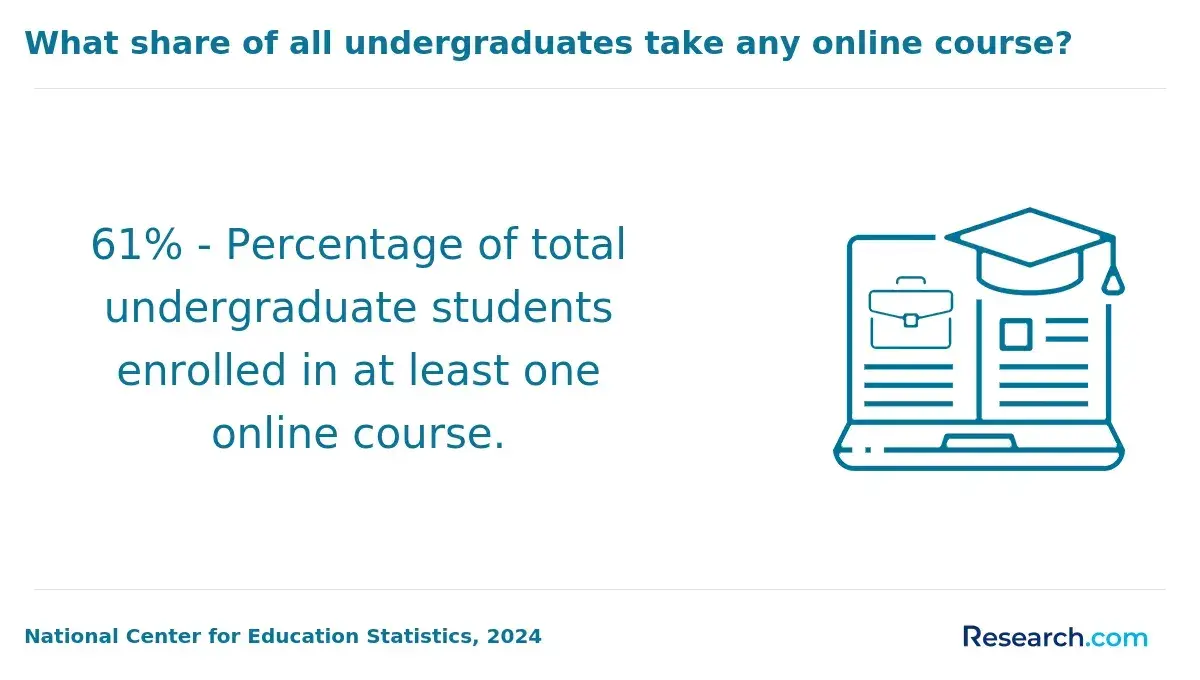
How do online exercise science programs compare with campus-based options for career preparation?
Online exercise science programs provide theoretical knowledge comparable to campus-based options but consistently fall short on guaranteed practical training, which remains a decisive factor for employers. Securing in-person internships or supervised clinical experience is essential, especially for roles demanding specialty certifications or manual skill assessments.
For example, fitness trainers aiming to join the top 10% income bracket-earning over $82,050 annually, according to CSP Global citing BLS data-must demonstrate verified hands-on competence typically facilitated more directly in campus programs. Working adults balancing jobs often favor online formats for scheduling flexibility but face the challenge of independently arranging local internships to build competitive portfolios.
Recent graduates or career changers without existing professional networks often benefit more from campus settings offering structured clinical rotations and direct mentorship, which translates into tangible job readiness. Employers increasingly filter candidates based on documented applied experience, reflecting the technical demands within the field. A hybrid approach-combining online coursework with verified, local practical experience-can effectively bridge this gap, aligning academic credentials with employment expectations.
What accreditation and program quality indicators should you check for exercise science degrees?
Accreditation serves as a practical gatekeeper for exercise science degrees aligned with employer expectations and industry standards in the U.S. Programs accredited by CAAHEP or recognized regional bodies provide verified curriculum rigor and clinical placements essential for meeting certification prerequisites like ACSM Certified Exercise Physiologist or NSCA Certified Strength and Conditioning Specialist. Students entering programs lacking these credentials risk delayed job market entry due to additional costly training requirements.
Graduate employment data further sharpens program evaluation. For example, programs with placement rates exceeding 75% within six months indicate a sound connection to labor market needs. Incorporating nutrition coursework is increasingly valuable, given the rising demand for expertise in sports nutrition and metabolic health.
This interdisciplinary approach reflects salary realities; in Australia, nutrition professionals earn median weekly wages of $1,667 full-time, demonstrating the economic advantage of combined skills-a trend mirrored in select U.S. sectors. Neglecting these benchmarks frequently results in prolonged job searches and underemployment within competitive wellness and sports performance roles.
Which professional certifications strengthen your job prospects in exercise science fields?
Certification choices within exercise science deeply shape employability depending on target sectors. The Certified Strength and Conditioning Specialist (CSCS) credential remains essential for roles centered on athlete performance and injury prevention, especially within professional sports and collegiate programs that demand updated, evidence-based skills.
For instance, a candidate aiming for a strength coach position in a university athletic department would prioritize CSCS to meet employer expectations. Conversely, those pursuing clinical or rehabilitative careers benefit more from the Certified Exercise Physiologist (CEP) credential, typically through the American College of Sports Medicine.
Its focus on exercise testing and prescription for chronic diseases aligns with jobs in cardiac rehab or specialized fitness settings, highlighting that the choice between CSCS and CEP should correspond directly to intended responsibilities. Advanced specializations in data analytics and biomechanics augment competitiveness in research-heavy environments.
Sport and exercise scientists with these skills can command higher salaries, averaging around $113,000, with top roles exceeding $150,000 (Sacred Heart University data). However, candidates must consider the cost and time investment of certifications and continuing education against their actual employment goals.
How can you strategically choose an exercise science program aligned with your career goals?
Selecting an exercise science program requires assessing how well the curriculum and practical opportunities align with your intended career trajectory within wellness or sports performance. For example, students pursuing clinical exercise physiology positions must prioritize accredited programs emphasizing exercise testing, rehabilitation, and professional certifications such as ACSM or NSCA, while those targeting corporate wellness or fitness technology roles benefit from programs blending business analytics and digital health coursework.
Program reputation depends heavily on faculty expertise, research contributions, and verified graduate employment rates within specialized niches, as general degree titles often necessitate additional certifications or graduate studies for roles in biomechanics or performance labs. Geographic considerations also influence access to internships and networking-proximity to professional sports teams, wellness hubs, or research centers significantly affects opportunities.
Institutional scale affects resources: larger universities may offer broader electives and labs, whereas smaller colleges can provide more individualized mentorship but limited specialization. Financial investment decisions must weigh evolving workforce demands against program outcomes, favoring evidence-based tracks that adapt to industry innovation over traditional, theory-heavy curricula.
Other Things You Should Know About Exercise Science
Workload in wellness-focused exercise science roles tends to be more predictable and consistent, often aligning with regular business hours and structured client sessions. In contrast, sports performance roles demand irregular hours, including evenings, weekends, and travel for games or competitions. Candidates should weigh lifestyle flexibility against career ambitions since sports performance positions require adaptability to fluctuating schedules and sometimes higher physical and mental demands.
Employers prioritize hands-on experience because it directly correlates with job readiness, especially in sports performance. Programs with integrated internships, practicum, or fieldwork components produce graduates who handle real-world athlete needs more effectively. When choosing a program, prioritize those that embed extensive applied learning over purely theoretical coursework to avoid gaps between academic training and employer expectations.
Clinical exercise physiologists and some cardiac rehabilitation roles often require state licensure or supervised-practice approval, especially in hospital settings. Employers may also expect ACSM or NSCA certification, plus a bachelor's degree in exercise science, kinesiology, or a related field before hiring.
Prioritizing work experience before certifications often leads to better outcomes since practical knowledge deepens understanding and relevance of certifications. Immediate certification may boost credentials but can be less impactful without a solid foundation of applied skills. For career advancement, it is strategic to secure entry-level roles, gain domain experience, then pursue certifications aligned with actual job demands to enhance employer appeal and effectiveness.
References
- Exercise Science Careers: Paths with Degrees https://www.fitnessmentors.com/exercise-science-careers/
- What Can You Do With an Exercise Science Degree? https://willamette.edu/academics/college/exercise-health-science/career-options
- Exercise Physiologist Career https://explorehealthcareers.org/careers/sports-medicine/exercise-physiologist/
- What does a career in Exercise Science look like? https://www.lmc.edu/about/news-center/articles/2025/what-does-a-career-in-exercise-science-look-like.htm
- Exercise science: What exactly is it? https://www.scienceforsport.com/exercise-science/
- Top 20 Careers With a Master’s in Exercise Science | PLNU https://www.pointloma.edu/resources/health-sciences/top-20-careers-masters-exercise-science
- Online Exercise Science Program https://stmary.edu/online-programs/exercise-science.html
- Fighting for Professional Relevance: Programmatic Accreditation Must Lead the Way https://acsm.org/fighting-for-professional-relevance/
- Three Up-and-Coming Careers for Health Science and Exercise Science Majors - La Sierra University Blog https://blog.lasierra.edu/three-up-and-coming-careers-for-health-science-and-exercise-science-majors/
- Exercise Science: The Field of the Future https://www.sxu.edu/academics/programs/master-science-exercise-science/exercise-science-field-of-the-future.html