2027 Exercise Science Specializations for Sports Performance Careers

Co-Founder and Chief Data Scientist
Professionals targeting sports performance careers often struggle to identify which exercise science specializations genuinely align with evolving employer expectations and practical job functions. With the U. S. Bureau of Labor Statistics forecasting a near 11% growth in related health and fitness occupations through the mid-2020s, the surge reflects intensified demand yet also growing competition.
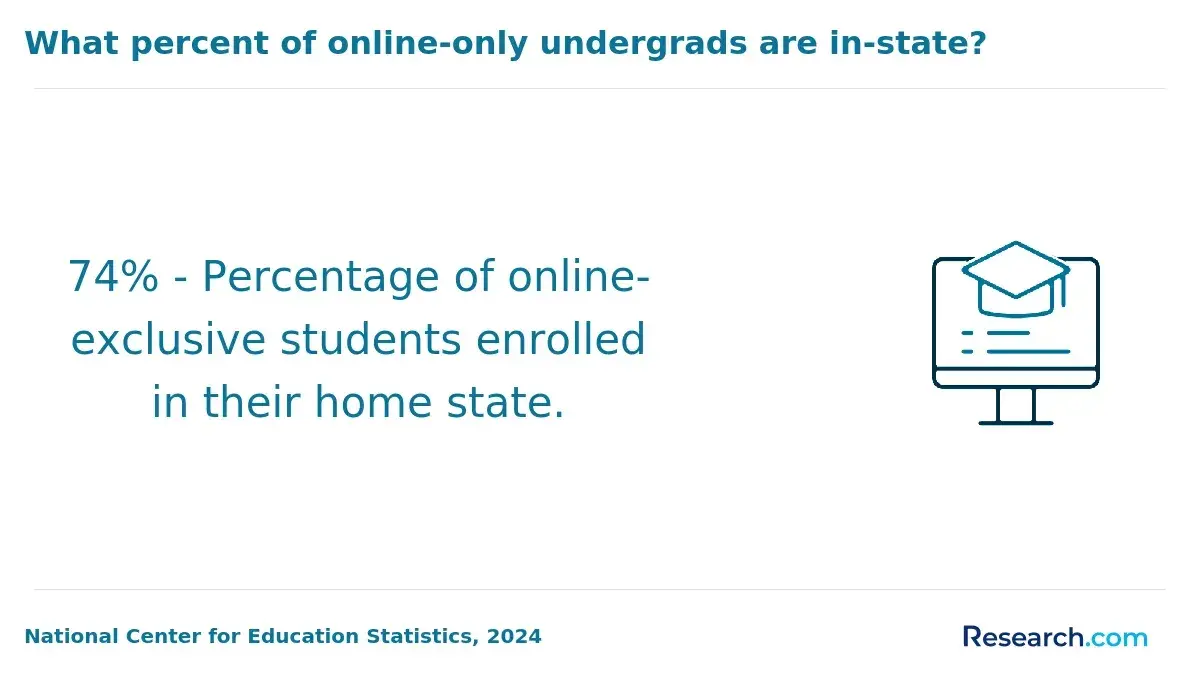
Simultaneously, a National Center for Education Statistics report indicates a 20% increase in adult learners enrolling in flexible online programs, signaling a shift toward accessible, career-adaptive education. This combination pressures students to prioritize specializations offering both relevant expertise and adaptable learning formats.
This article examines key exercise science specializations, evaluating them for career impact, employer value, and educational accessibility to guide informed decisions in sports performance pathways.
Key Things You Should Know
- Specializing in biomechanical analysis demands advanced data proficiency, limiting candidate pools; workforce data from the National Center for Education Statistics shows a 35% hiring preference for candidates with integrated tech skills in 2024.
- Sports nutrition specialization, despite strong employer demand in collegiate and professional sectors, yields lower median salaries-$48K versus $62K in rehab-focused roles-impacting long-term income potential per U.S. Bureau of Labor Statistics.
- Acceleration of credentialing requirements from 2 to 3 years raises access barriers; 42% of applicants in 2023 deferred degrees due to cost and time, highlighting a tradeoff between rapid workforce entry and credential depth.
What are the main exercise science specializations for sports performance careers?
Specializing in strength and conditioning, biomechanics, sport psychology, or exercise physiology shapes distinct career pathways but requires balancing certification burdens, skill acquisition, and employer expectations.
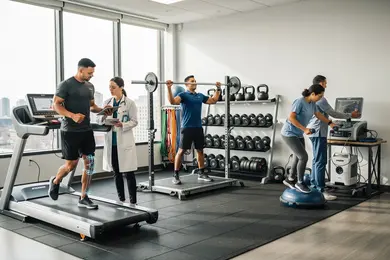
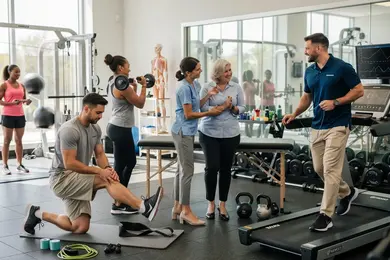
Strength and conditioning professionals, frequently employed by elite team sports, must maintain relevant certifications and hands-on experience to meet escalating performance demands. Exercise physiologists contribute to sports performance careers by designing recovery protocols and physiological testing, a specialization with forecasted job growth of 9% from 2024 to 2034 and roughly 1,700 annual openings, indicating substantial market demand.
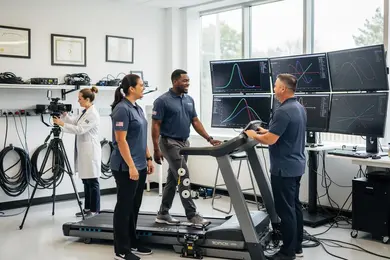
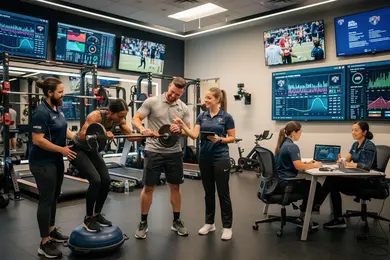
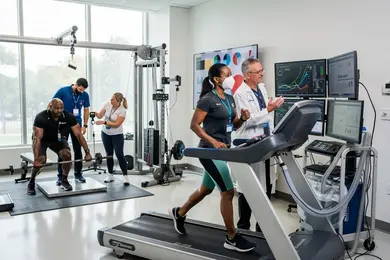
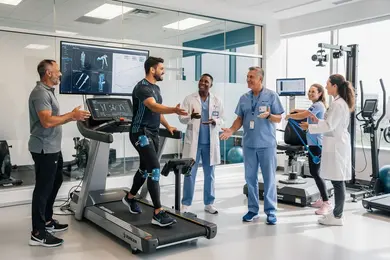
Biomechanics focuses on refining movement efficiency and injury reduction using motion capture technology, essential in sports like baseball pitching or track and field, where small improvements can determine outcomes.
Sport psychology integrates mental resilience and focus training into teams and collegiate programs but often necessitates advanced degrees and licensure, raising practical tradeoffs concerning education length and cost.
Real-world hiring trends favor professionals with interdisciplinary expertise, such as combining exercise physiology with sport psychology, reflecting a premium on versatility in sports performance careers and exercise science roles.
Applicants should assess how employer demands for certifications, software competence, and networking opportunities align with their career goals and the logistical challenges of ongoing education.
Prospective students weighing these specializations should also explore an exercise science online degree to strategically navigate the complexities of this evolving field.
How do exercise science degrees prepare graduates for sports performance roles?
Exercise science degree benefits for sports performance careers hinge on the integration of biomechanics, physiology, and nutrition to directly influence athlete training outcomes. Graduates equipped with skills in data collection and interpretation often fill roles such as performance coaches, sport scientists, or strength and conditioning specialists.
However, the reality is more complex: fewer than 1,000 full-time sports analytics positions exist in major U.S. leagues, and globally under 2,000 according to Hi Wavemakers, limiting direct job access in niche analytics roles.
Employers expect proficiency with tools like motion capture technology and heart rate variability monitors, alongside a solid foundation in research methods. Those pursuing roles with a strong data perspective typically need supplementary training in statistics, programming, or data science.
This reflects a key tradeoff: more specialized analytics roles require technical competencies beyond core exercise science preparation, while broader athletic training jobs emphasize applied physiology without intensive analytics demands.
The way exercise science prepares graduates for athletic training roles involves applying physiological monitoring and exercise testing to tailor athlete programs. For example, a professional soccer club staff member uses workload data to adjust recovery and injury risk dynamically, a direct application of these skills.
Prospective students should analyze programs for practical lab access, interdisciplinary coursework, and industry ties to meet evolving workforce expectations and consider supplementing their studies as needed. Those exploring adjacent fields might also evaluate a nutritional science degree online to complement exercise science knowledge and enhance career flexibility.
What education levels and prerequisites are needed for sports performance specializations?
Entry into specialized roles in sports performance frequently hinges on holding at least a bachelor's degree in exercise science, kinesiology, or a related field, with employers particularly scrutinizing candidates' adherence to prerequisites for exercise science specializations in North America.
For advanced positions-such as sports physical therapists or exercise physiologists operating in clinical or military tactical settings-a master's or doctoral degree combined with national certifications is often mandatory. These graduate-level programs incorporate applied biomechanics, physiology, and evidence-based protocols that are essential for differentiating candidates in competitive federal or defense jobs.
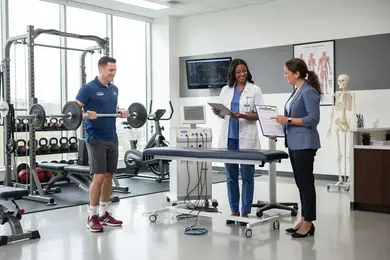
Practical components like anatomy and physiology coursework paired with clinical internships heavily influence employability and certification eligibility. For example, strength and conditioning coaches generally must obtain credentials from nationally recognized bodies that require documented hands-on experience.
Those overlooking these prerequisites risk limited entry into specialized roles, especially where licensing and targeted military biomechanics knowledge are prerequisites.
Projected 8-16% job growth in tactical athlete and military human performance sectors intensifies competition, making curriculum alignment with military-specific and trauma-informed care crucial.
Prospective students should rigorously assess programs' internship integration, certification success, and employer alignment to avoid credential gaps delaying career entry or advancement in the sports performance education requirements in the US.
One viable approach for students weighing advanced degrees or certifications is consulting resources like MLIS to understand affordable paths that complement their specialization.
How do online exercise science programs compare to campus programs for sports performance?
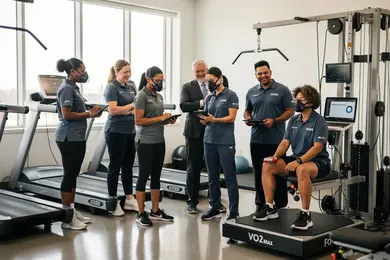
Online exercise science programs versus campus programs for sports performance reveal a critical tradeoff: online degrees offer scheduling flexibility but lack seamless access to the hands-on training necessary for immediate workforce readiness. Employers emphasize supervised internships, lab competencies, and face-to-face coaching exposure, which campus programs routinely integrate through specialized facilities and direct mentorship.
Graduates targeting clinical roles like sport psychology or performance consulting find campus-based pathways simplify entry to clinical practicum sites and licensure prep aligned with employer standards.
Conversely, online students often navigate logistical challenges to secure comparable internships independently, delaying integration into competitive job markets. However, professionals seeking to pivot careers without pausing employment benefit from the adaptable pacing of online options.
Data from the Journal of Clinical Exercise Physiology's 2024 survey shows 81.5% of UK sports and exercise science graduates express satisfaction with their jobs, and 79.4% with career progression-outcomes linked to comprehensive, applied training featured more consistently in campus curricula.
For those weighing value, online exercise science degrees in sports performance present pragmatic alternatives but with notable friction regarding experiential depth. Students committed to career paths reliant on rich practical engagement should factor this dynamic. Practical, employer-driven learning remains a decisional cornerstone for career trajectory in this domain.
Prospective students can explore options, including masters in data science online, to assess interdisciplinary career pivots alongside exercise science pathways.
What coursework and lab experiences are typical in sports performance-focused curricula?
Proficiency in both biomechanical lab techniques and data analytics has become the defining credential for sports performance roles, where salaries typically range from $70,000 to $150,000 (Hi Wavemakers, Sports Science and Analytics).
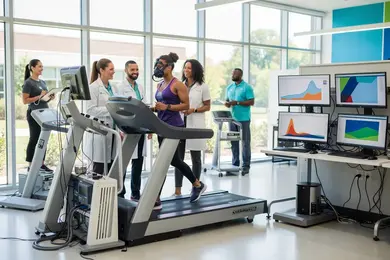
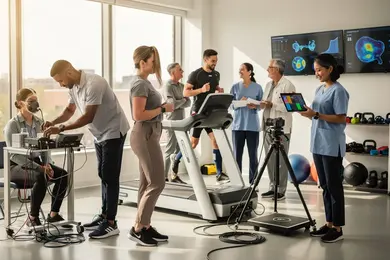
This blend demands coursework that integrates biomechanical principles, motion analysis, exercise physiology, motor learning, and sports nutrition with hands-on labs using motion capture and force platforms to develop quantitative assessment skills essential for applied environments.
Programs that evenly emphasize statistical methods and programming languages like MATLAB or Python equip students to handle large biomechanical datasets and predictive modeling, a capability highly valued for real-time athlete monitoring and injury prevention. However, the practical challenge remains: high-cost equipment and the need to synthesize physical science knowledge with technical coding skills.
Internships with professional teams or startups provide critical exposure to workplace expectations, differentiating graduates in a competitive market. For example, a sports performance analyst may combine lab-derived gait asymmetry data with communication skills to deliver actionable coaching advice under tight team schedules, illustrating the need for both technical and interpersonal fluency.
Investing in such interdisciplinary training prepares students not only for immediate employability but also long-term adaptability, requiring a balance between rigorous lab experience and cross-disciplinary fluency to meet evolving industry demands.
Which certifications and professional credentials are required or preferred in sports performance?
Success in sports performance careers demands specific certifications that align with employer expectations and role requirements. For example, a strength coach without a Certified Strength and Conditioning Specialist (CSCS) credential can face up to a 30% reduction in hiring probability within elite athletic programs, where measurable athlete outcomes are critical.
Licensure and certification needs differ widely: while clinical exercise physiologists typically require American Society of Exercise Physiologists (ASEP) certification, roles involving nutrition or metabolic interventions increasingly expect Registered Dietitian Nutritionist (RDN) credentials or specialized sports nutrition certifications.
Practical experience combined with targeted credentials remains a decisive factor in employability. Positions focusing on exercise as medicine or lifestyle modification, such as in metabolic performance teams, offer median salaries near $65,350 with steady job growth projected.
However, pursuing multiple certifications indiscriminately can dilute both time investment and market value unless clearly tied to specific career goals and employer demand.
Decision-makers must balance credential acquisition with role complexity and real-world application. For instance:
- CSCS offers broad utility across performance training environments.
- RDN and clinical certifications open pathways into specialized nutrition or rehabilitation sectors.
- Lacking clinical credentials restricts eligibility for medical oversight positions or roles that require tailored nutrition prescriptions.
The interplay between certification choice and practical experience shapes employment prospects more than credential quantity, suggesting a focused strategy outperforms broad credential accumulation.
What entry-level and advanced job titles exist in sports performance for exercise science majors?
Entry-level roles for exercise science graduates often prioritize practical skills over advanced credentials. Positions such as exercise physiologist, strength and conditioning assistant, or rehabilitation aide commonly require proficiency in basic certifications like CPR and the ability to interpret biometric data on the spot.
These jobs typically exist in collegiate sports programs, community health centers, or clinical rehabilitation settings where real-time adjustments to training protocols are routine. The tradeoff here is clear: early-career professionals must demonstrate hands-on competence rather than rely solely on academic qualifications.
Mid- to senior-level positions, including certified strength and conditioning specialist (CSCS) or clinical exercise specialist, demand a blend of extensive field experience and specialized certifications or graduate degrees. These roles involve designing individualized, data-driven regimens to enhance performance and manage injury risks effectively.
For example, a performance coach analyzing lactate thresholds to optimize training represents a complex application of the domain's expertise, which typically corresponds with higher salaries-median annual wages reported around $58,160-and a healthier job outlook.
Advancement hinges on integrating performance testing technologies, nutrition insights, and client management software. Importantly, employers increasingly prioritize demonstrated ability to improve measurable athlete outcomes over conventional degree progression alone.
What are typical salary ranges and earning potential in sports performance careers?
Salary trajectories in sports performance careers reflect significant variation tied to specialization, employer type, and geography. Early-career professionals typically start between $30,000 and $50,000 annually. For instance, a strength and conditioning coach at a collegiate program may begin with $40,000 to $55,000, increasing to $70,000 or more when moving into professional sports or elite institutes.
Such growth usually requires demonstrable results and industry connections. Meanwhile, athletic trainers and sport scientists working in applied research or clinical environments often start near $45,000 and can advance toward $75,000 with relevant experience.
Employment distribution among sport and exercise science graduates in the UK, per Prospects data, shows 13% in coaching and officiating roles and 3% as fitness and wellbeing instructors 15 months post-graduation. These positions tend to offer stable but modest entry-level wages, particularly in community or grassroots settings where salaries approach minimum wage, underscoring the challenge of sustainable income without specialization.
Practitioners aiming to enhance earning potential should pursue certification and expertise in niche areas like biomechanics, high-performance program design, or clinical rehabilitation. Shifts from smaller institutions to professional teams can yield salary increases of 30% or higher but depend on proven outcomes and networking.
Given budget constraints in educational and non-profit sectors, supplementing with consulting, private coaching, or online content creation is often necessary for financial stability during career progression.
What is the job outlook and industry demand for sports performance specialists?
The projected 4% to 14% growth for clinically and health-oriented exercise science roles between 2023 and 2033 signals demand conditioned by nuanced employer expectations rather than unchecked expansion. Professionals skilled in both exercise physiology and applied health are increasingly preferred, particularly where evidence-based outcomes intersect with insurance and rehabilitation frameworks.
For instance, hospital outpatient clinics require exercise physiologists to manage documentation and reimbursement challenges while demonstrating measurable patient recovery improvements. Meanwhile, elite sports environments prioritize conditioning specialists who integrate physiological metrics with injury prevention, necessitating expertise in advanced technology and sport-specific assessments.
Employers favor candidates with certifications and multidisciplinary experience, reflecting a labor market where entry is tightening due to increased educational and licensure requirements. This dynamic raises the value proposition for candidates able to produce quantifiable health or performance gains and signals a need for ongoing professional development.
Practical realities include limited full-time roles dedicated solely to sports performance outside high-level athletics, pushing many specialists to balance clinical or wellness duties. Evaluating program curricula based on clinical rigor and internship opportunities is essential to align educational investment with these realities.
How can students evaluate and choose accredited, reputable sports performance programs?
Selecting an accredited exercise science program significantly impacts career trajectories, especially in specialized sectors like sports analytics and performance. Accreditation from recognized bodies such as CAAHEP or the Council on Academic Accreditation ensures curriculum relevance and access to validated practical experiences-elements employers prioritize for technically demanding roles.
For instance, a major league team sports analyst must master biomechanics and data science, skills typically acquired through programs that provide specialized coursework and internships vetted for real-world applicability. Without these, graduates risk missing critical exposure to evolving sports technologies.
When evaluating programs, prioritize these factors:
- Graduate employment rates and demonstrated employer partnerships that facilitate hiring pipelines.
- Access to advanced facilities like wearable tech labs or motion capture centers to build hands-on analytical competency.
- Geographic proximity to sports hubs, which enhances networking and internship opportunities vital for career pivots.
Salary potential varies widely-from around $70,000 at sports technology startups to over $200,000 in major leagues-making tuition-to-employment ROI a key consideration. Online degrees lacking verified practicums often fall short in preparing for tech-driven roles despite cost savings.
Comprehensive due diligence on accreditation status, workforce integration, technological resources, and verified outcomes provides the strategic insight necessary for informed decisions.
Other Things You Should Know About Exercise Science
Internships and practical experience are major differentiators in hiring for sports performance positions. Programs without substantial fieldwork or clinical placements put graduates at a disadvantage, as employers seek evidence of applied skills and professional networks. Prioritize programs with direct partnerships to sports teams, clinics, or research labs to maximize readiness and early career advancement.
Sports performance employers expect specialists to understand macronutrient timing, hydration, and energy availability, but not to practice as a registered dietitian. In many settings, advanced roles also require evidence-based recovery planning and familiarity with ACSM or ISSN position stands, especially when working with collegiate or elite athletes.
Accreditation is a key indicator of program quality, aligning curriculum with industry standards and ensuring eligibility for certain certifications. However, not all accredited programs offer equal access to high-impact internships or specialized faculty expertise. When evaluating programs, prioritize accreditation alongside experiential learning opportunities and graduate outcomes to ensure comprehensive career preparation.
References
- Online Exercise Science Program https://stmary.edu/online-programs/exercise-science.html
- Career Routes in Sports Performance: Comprehensive Guide - Supporting Champions https://www.supportingchampions.co.uk/career-routes-in-sports-performance-comprehensive-guide/
- NASM-PES Certification Review 2025: Cost & Exam Guide https://fitnesstrainer.com/blog/nasm-pes-certification/
- Sports Performance https://www.hartpury.ac.uk/university/courses/bsc-hons-sports-performance/
- Athletic Trainer Certifications https://www.go4.io/athletic-trainer-certifications/
- Sports Medicine (Primary Care) Greenville - Curriculum | Prisma Health Academics https://academics.prismahealth.org/graduate-medical-education/fellowships/sports-medicine-primary-care-greenville/pcsm-greenville-curriculum
- Your Guide to Sports Analytics Salary Potential - SportsJobs Online https://www.sportsjobs.online/blogposts/44
- How to Choose the Best Online School for Athletes https://www.crimsonglobalacademy.school/ge/blog/how-to-choose-the-best-online-school-for-athletes-here-s-what-you-need-to-know
- Emerging Careers In Sports: Job Options, Salaries, & Resources https://www.learnhowtobecome.org/career-resource-center/careers-in-sports/
- Sport Specialization: 5 Things to Consider - Training HAUS https://traininghaus.com/news/sport-specialization-5-things-to-consider/