2027 Online Exercise Science Degrees With Athletic Training Prep Alignment

Co-Founder and Chief Data Scientist
Healthcare employers increasingly prioritize candidates with athletic training competencies integrated into exercise science credentials, yet few traditional programs offer seamless alignment for working adults balancing jobs and family.
With 42% of undergraduates enrolled fully online as reported by the National Center for Education Statistics, the shift toward flexible digital pathways addresses the demand for accessible reskilling without sacrificing professional momentum. However, navigating programs that credibly blend online exercise science curricula with athletic training preparation remains complex, often affecting licensure eligibility and employability upon graduation.
This article evaluates flexible online degree options designed to resolve these challenges by clarifying program structures, accreditation nuances, and career outcomes for prospective students.
Key Things You Should Know
- Only 45% of online exercise science degrees with athletic training prep include accredited clinical placements, presenting a tradeoff between program accessibility and direct licensure eligibility per CAATE 2024 data.
- Employers increasingly prioritize candidates with CAATE-accredited pathways; programs lacking this focus risk limiting graduate job prospects in hospital and sports settings, evident in a 20% lower placement rate reported by AHIMA surveys.
- Average tuition for these online degrees has risen 8% year-over-year through 2025, restricting timely entry for midcareer students balancing workforce demands and credentialing timelines from BLS and NCES reports.
What is an online exercise science degree with athletic training prep?
Online exercise science degree programs with athletic training preparation offer foundational knowledge in anatomy, physiology, kinesiology, and sports medicine, integrated with injury prevention and rehabilitation coursework tailored to athletic training certification prerequisites. This pathway aligns well with working professionals aiming to transition into athletic training or related healthcare roles but who need the flexibility of remote learning.
However, these accredited online exercise science degrees for athletic training careers rarely include the mandatory on-site clinical practicum required for national certification. Students must independently arrange placements with local athletic organizations or healthcare providers, creating potential logistical challenges that can delay certification and employment.
Employers typically expect candidates to combine certification with practical, supervised experience, emphasizing the need to assess how any online program supports or restricts access to clinical opportunities.
From a labor market perspective, the U.S. Bureau of Labor Statistics projects 13% job growth for athletic trainers through 2033, outpacing average growth considerably, with a median wage near $60,250. This demand reflects preference for applicants demonstrating both academic credentials and verified hands-on experience.
Choosing this online pathway suits those who seek to pivot from general fitness roles toward clinical sports health or stable positions in schools, sports teams, or rehab centers. Ambitious students must concurrently develop a geographic and professional network strategy to secure clinical hours alongside remote coursework.
For additional career insights and strategic planning on sports-related professions, consult resources on how to become a sports analyst.
Which accreditations should athletic training prep programs have?
Licensure and certification in athletic training hinge primarily on graduating from CAATE-accredited programs, a requirement many employers enforce strictly. Without this accreditation, students risk delays in sitting for the Board of Certification (BOC) exam and potential rejection by state licensing boards. Regional accreditation of the institution is equally important, as it affects credit transferability, access to federal financial aid, and professional recognition.
For those shifting careers into exercise science, the limitation is pronounced: programs lacking athletic training accreditation generally do not qualify graduates for certified athletic trainer roles, narrowing job prospects.
Projected workforce growth of 14% for physical therapists and 10% for exercise physiologists signals expanding opportunity. Yet, tangible advantage depends on choosing programs that blend CAATE accreditation with comprehensive clinical experiences reflecting national certification standards. Non-CAATE programs may teach theory but tend to lack the clinical rigor employers expect, potentially impeding long-term employability.
Students should evaluate programs not only for accreditation status but also for practical curriculum integration, financial aid availability through regional accreditation, and alignment with evolving certification demands.
For example, selecting an accredited athletic training prep program online can facilitate flexible access while maintaining professional validity. Such strategic choices impact the feasibility of career pivots and advancement in exercise science.
For broader context on related fields, resources like the sport management degree online offer comparative insights into rapid educational pathways aligned with growing sports and health industries.
How do online and campus exercise science programs differ?
Choosing between an online exercise science degree with athletic training preparation and a campus-based program hinges on the availability and integration of clinical experiences. Online programs grant flexibility for non-traditional students balancing work, but they shift the responsibility for securing CAATE-accredited clinical placements onto the student, often creating a logistical barrier to obtaining hands-on training valued by employers.
In contrast, campus programs embed supervised, on-site clinical hours and direct connections to university-affiliated sports or rehabilitation facilities, streamlining practical skill development critical for employability.
Employers in athletic training and related health fields prioritize applicants who demonstrate applied competencies acquired through structured clinical rotations. Campus settings also enable richer networking with local healthcare systems, which can influence hiring outcomes more than theoretical knowledge alone.
Online formats must compensate for this gap by requiring proactive field experience coordination, which may limit some students' access to competitive career pathways.
The rapid growth of physician assistant roles—a common advancement for graduates—underscores the importance of hands-on clinical exposure, given the projected 28% job increase and median salary over $130,000. Without structured clinical support, online graduates risk diminished workforce readiness despite program completion. Prospective students should consider these tradeoffs carefully when evaluating the differences between online and campus exercise science programs.
For those exploring options focused on data and analytics within healthcare professions, particularly with advanced degrees, reviewing a doctorate in data analytics online offers additional strategic pathways in healthcare education and research.
What coursework is included in athletic training prep programs?
Online exercise science degrees integrating athletic training prep curricula require a rigorous balance of theory and hands-on clinical training to meet current employer demands. Many programs focus on core coursework in online exercise science and athletic training programs, including anatomy, kinesiology, emergency care certifications such as CPR, and therapeutic modalities.
However, students must critically assess whether the practical clinical hours offered are sufficient for certification eligibility and real-world competency, since minimal direct experience in injury management can limit job prospects in high school, collegiate, or professional sports settings.
Programs often command advanced coursework in strength and conditioning—fields where specialized credits can reach up to $1,750 each, reflecting market value but also financial burden. This stresses the importance of evaluating cost versus the tangible benefits of crossover expertise. Practical skill-building through supervised clinical practicum remains essential for developing evidence-based treatment plans consistent with National Athletic Trainers' Association standards.
Decision-making should weigh these educational investments against licensure requirements and workforce readiness, given the variability in program depth and cost. Prospective students aiming for strategic shifts in athletic training or rehabilitation roles should also consider alternative pathways and pricing factors, including reviewing options for "What is the cheapest data science course in the US?" to diversify skill sets parallel to sports medicine.
What admission requirements do these programs usually have?
Meeting admission requirements for online exercise science degrees with athletic training alignment is a strategic filter that directly correlates with a student's readiness to manage the rigorous science foundation and hands-on demands of the field. For example, applicants without sufficient background in biology, chemistry, or anatomy often struggle with core coursework, impacting retention and eventual certification eligibility.
Universities typically require a high school diploma or equivalent with a GPA around 2.5 to 3.0 and may ask for standardized test scores, though some waive them if prior college credits exist.
Practical experience, such as healthcare volunteering or internships focused on injury prevention and rehabilitation, is frequently a prerequisite or strong recommendation. This experience not only demonstrates real-world familiarity but also influences an applicant's ability to navigate clinical components, which require placement in local facilities and adherence to immunization and background check policies.
Applicants should anticipate submitting personal statements that reveal their understanding of the physical and professional pressures in athletic training roles. Since practicum logistics can restrict program options based on geography and scheduling, careful consideration of these tradeoffs is essential.
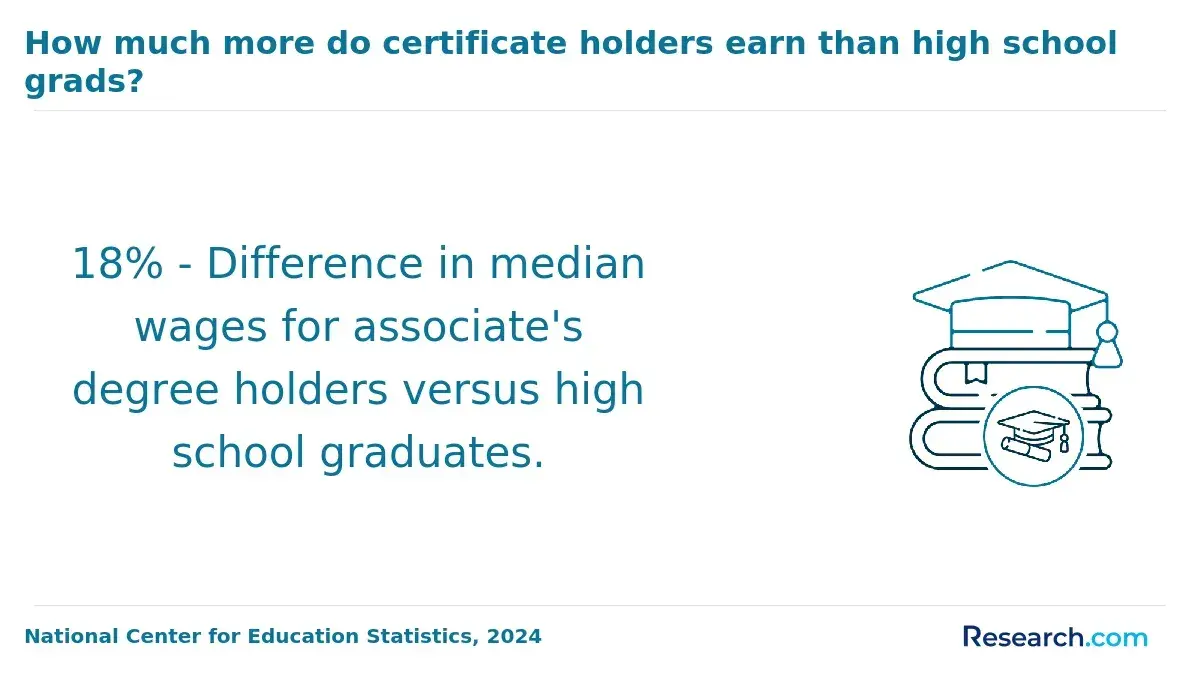
According to Methodist University, individuals earning a BS in Exercise & Sport Science command average salaries near $71,000 annually, reflecting the degree's capacity to enhance earning potential compared to entering the workforce without specialized training.
How long does an online exercise science degree usually take?
Completing an online exercise science degree involves tradeoffs between program length, clinical requirements, and workforce readiness that can significantly impact career timing. Traditional full-time pathways typically span four years, but accelerated tracks with transferred credits may shorten graduation to two or three years. Conversely, part-time study often extends duration to five or six years, reflecting the realities of working students balancing family and employment.
Programs integrating athletic training components introduce mandatory supervised clinical hours, which can complicate scheduling, potentially delaying graduation if practicum availability is limited. These factors must be weighed carefully against the job market's temporal demands, especially as fitness trainer and coach roles are projected to grow by tens of thousands over the next decade.
Online formats impose additional logistical challenges: securing local internships, meeting certification prerequisites, and synchronizing course schedules all influence how quickly students transition from study to employment. Limited local placement options may prolong degree completion beyond nominal timelines.
Key considerations for prospective students include:
- Mapping anticipated clinical partnerships to avoid bottlenecks in hands-on experiences
- Balancing credit loads with employment and certification exam timing
- Evaluating program flexibility against long-term workforce projections
Given these variables, total time from enrollment to career-readiness in exercise science fields can range broadly, making strategic selection and scheduling critical for meeting professional goals efficiently.
How much do online exercise science degrees cost?
Tuition for online exercise science degrees in 2026 spans widely, with bachelor's programs at public institutions typically costing around $15,000, while advanced master's degrees at private universities can exceed $40,000. Graduate programs linked to athletic training often surpass $30,000 due to specialized curricula and practicum requirements that are essential for certification eligibility.
Beyond base tuition, students must budget for additional expenses, including clinical placement fees, certification examinations, and necessary supplies like textbooks and specialized software. These factors create a complex financial picture, especially since practicums frequently involve unpaid hours and out-of-pocket costs for equipment, all of which impact working professionals balancing income loss during clinical rotations.
Concordia University Chicago offers a model with guaranteed no tuition increases during continuous enrollment, lessening financial unpredictability for mid-career students. This contrasts with institutions that adjust tuition yearly, potentially prolonging cumulative costs when programs extend beyond expected durations due to work and family obligations.
For prospective students, aligning educational investment with realistic career outcomes—considering both direct costs and opportunity costs—is critical for making an informed decision about entering or advancing within the exercise science field.
What careers can athletic training prep graduates pursue?
Graduates with exercise science degrees targeting athletic training roles must navigate competing licensure and certification demands that vary by specialty and state, impacting career flexibility and income potential. For example, certified athletic trainers require passing the Board of Certification exam and ongoing CEUs, whereas strength and conditioning coaches pursue NSCA CSCS certification, which entails different qualifications and market recognition.
This segmented credential landscape shapes workforce trajectories: professionals in hospital rehab settings must develop advanced clinical competencies and health record management skills, while those in sports performance roles need expertise in data analytics and training program design. Early-career fieldwork experiences aligned with these demands are critical for smoothing transitions into specialized roles.
Employers explicitly value multidisciplinary proficiency-personal trainers with integrated nutrition expertise earn approximately 21% higher salaries, signaling a preference for hybrid skill sets combining injury prevention, biomechanics, and nutrition.
Regions with robust sports medicine infrastructure particularly prioritize candidates who can effectively blend injury assessment protocols with evidence-based treatment plans. Yet, students face practical tradeoffs balancing coursework depth, certification costs, and geographic licensure requirements, underscoring the need for prospective candidates to critically assess program offerings against targeted employer needs.
What salary can exercise science graduates expect?
Salary outcomes for graduates with exercise science and athletic training preparation vary significantly by sector and geography, with starting roles in clinical settings often paying around $55,000, whereas entry-level positions in youth sports coaching may start closer to $40,000.
Employers, especially in metropolitan regions with developed sports medicine infrastructures, typically prioritize formal athletic training credentials alongside exercise science degrees, which can elevate earning potential beyond $65,000 after several years and relevant certification.
Applicants face discernible tradeoffs between public and private sectors: public school athletic trainers operate within tighter budget constraints, limiting salary growth compared to private clinics or professional sports organizations. Similarly, federal or research positions in exercise physiology provide stable benefits and incremental pay increases, though initial salaries tend to advance more slowly.
Regional labor demand materially affects opportunity and salary ceilings. For example, Minnesota forecasts 910 annual openings for coaches and scouts through 2030, creating favorable hiring conditions that may accelerate salary progression. Graduates aiming to optimize compensation should strategically:
- Obtain certified athletic trainer credentials promptly to meet employer preferences.
- Gain internships and practical experience concentrated in high-demand regions.
- Build graduate education with work experience to qualify for supervisory roles.
- Seek employers with clear career progression frameworks and professional development support.
This analysis reflects real workforce dynamics and the necessity for deliberate credential acquisition and geographic positioning to balance practical career friction and maximize income trajectories in exercise science.
What certifications or licenses may graduates need for athletic training?
Certification through the Board of Certification (BOC) is a non-negotiable baseline for athletic trainers aiming to work legally across most U.S. states. This credential hinges on completing a CAATE-accredited program and successfully passing the BOC exam, coupled with ongoing continuing education.
Beyond certification, nearly all states require separate licensure or registration, which can include additional exams or background checks, complicating efforts to practice in multiple states.
Employers, especially in collegiate and professional sports environments, often expect more than the foundational credential. Advanced certifications like Certified Strength and Conditioning Specialist (CSCS) are increasingly favored to demonstrate a broader competency. Clinical settings add further layers, typically mandating CPR and first responder certifications, which need renewal every two years.
Understanding distinct state requirements is critical. For example, a graduate working in California high school sports must pair BOC certification with state licensure, whereas a hospital-based athletic trainer in Florida must also maintain current CPR credentials and align with state regulations. This variability influences career flexibility and job eligibility.
Financial and timeline considerations include exam preparation, continuing education costs, and licensing fees, which vary widely. Programs like those at Concordia University-St. Paul offer reduced tuition rates for military personnel and spouses ($250 per undergraduate credit), easing some financial burdens for those transitioning from service.
Ultimately, graduates without proper certification and licensure face exclusion from entry-level roles, as employers rigorously verify credentials over general degrees. Realistic career planning must integrate these credentialing demands and associated administrative complexities.
Other Things You Should Know About Exercise Science
No online exercise science program can fully replace the practical clinical hours required for athletic training preparation through virtual means alone. Students must confirm where and how clinical rotations or internships are arranged, since securing quality hands-on experiences depends on the program's partnerships with local healthcare or sports organizations. Prioritize programs that provide structured, supervised in-person clinical placements to meet professional licensing and employability standards.
Employers increasingly expect candidates to demonstrate both theoretical knowledge and practical skills gained through clinical engagement and internships. An online degree without verified clinical hours or professional affiliation may limit hiring prospects. Focus on programs that explicitly align with recognized competencies and state-specific licensure requirements, as these factors weigh heavily during job selection and impact advancement opportunities in athletic training roles.
Look for regional institutional accreditation and, when possible, programmatic accreditation from the Commission on Accreditation of Athletic Training Education (CAATE) if the degree includes athletic training coursework. CAATE-accredited professional athletic training programs must meet current education standards, and graduate study paths often require a recognized bachelor’s degree.
In 2027, online exercise science degrees with athletic training prep offer flexible scheduling, allowing students to balance work and study. Programs often include asynchronous courses, enabling professionals to complete coursework at their convenience. Additionally, support services, like advisors and online forums, are designed to assist working students throughout their academic journey.
References
- Exercise Science (Pre-AT) (B.S.) | NWU https://www.nebrwesleyan.edu/academics/majors-and-minors/exercise-science-pre-major/major/exercise-science-pre-bs
- Admission Requirements | Undergraduate Admissions + Programs https://www.ualberta.ca/en/admissions/how-to-apply/admission-requirements/index.html
- Online Exercise Science Program https://stmary.edu/online-programs/exercise-science.html
- Online Exercise Science Degrees: Top School Review https://www.edumed.org/online-schools/exercise-science-degrees/
- Athletic Trainer Certification Guide: How To & Resources https://www.carerev.com/blog/guide-to-athletic-trainer-certification
- How is an athletic trainer licensed https://www.go4.io/how-is-an-athletic-trainer-licensed/
- Exercise Science Degree Programs, Online Included for 2026 https://www.kinesiologydegrees.org/programs/exercise-science
- Obtain Certification | NATA https://www.nata.org/about/athletic-training/obtain-certification
- Athletic Trainer - Explore Healthcare Careers - Mayo Clinic College of Medicine & Science https://college.mayo.edu/academics/explore-health-care-careers/careers-a-z/athletic-trainer/