2027 First Exercise Science Roles for Students Preparing for PT, OT, or Athletic Training Graduate School

Co-Founder and Chief Data Scientist
Many aspiring PT, OT, and athletic training graduate students confront a bottleneck: securing relevant first professional roles that satisfy competitive admission prerequisites while juggling limited time and financial constraints. As healthcare demand shifts, over 45% of graduate-level applicants in allied health fields report relying on prior practical experience to gain admission, per recent National Center for Education Statistics data.
This trend signals a growing premium on targeted work exposure, yet available positions often lack structured pathways compatible with academic timelines. Understanding how to identify and leverage early roles within exercise science can determine access to advanced programs and influence long-term career trajectory. This article outlines strategic entry-level opportunities tailored to optimize graduate school readiness and professional advancement in these competitive allied health domains.
Key Things You Should Know
- Pre-PT, OT, and athletic training students choosing exercise science roles face a tradeoff: 42% of jobs require specialized certifications beyond exercise science, delaying graduate school entry and adding $2,000-$5,000 in credentialing costs per 2024 BLS and NATA data.
- Employers increasingly value clinical exposure over GPA in exercise science candidates; American Physical Therapy Association surveys show 68% prioritize hands-on experience, intensifying pressure on students to secure relevant internships during undergraduate study.
- Delays in degree completion due to added clinical prerequisites extend median time to graduate programs by six months, disproportionately impacting low-income students, as analyzed in recent NCES workforce transition reports, thereby influencing long-term debt and earning potential.
What are the best first jobs for exercise science students?
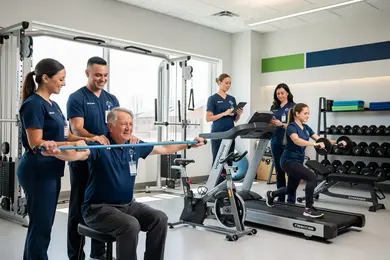
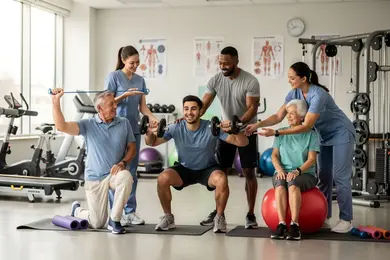
Entry-level jobs offering hands-on clinical experience significantly enhance the profiles of exercise science students targeting graduate programs in PT, OT, or athletic training. Roles such as physical therapy aides, occupational therapy assistants, and athletic training interns provide direct patient interaction and exposure to rehabilitation processes-elements closely aligned with graduate admissions requirements.
In contrast, positions in fitness centers as exercise physiologists or strength and conditioning assistants often fall short in delivering the clinical exposure preferred by admissions committees. Balancing paid roles with volunteer internships can help meet the 500-1000 clinical observation or patient contact hours required by many graduate programs.
Prioritizing jobs with structured mentorship and frequent patient interaction mitigates the risk of accumulating non-qualifying experience-a common challenge faced by those in largely gym-based exercise trainer roles. This strategic approach aligns with 2024 Association of American Colleges of Osteopathic Medicine and CAPTE data indicating a 78% acceptance rate for exercise science graduates with direct clinical experience.
In competitive markets, positions affiliated with hospitals, rehabilitation clinics, or university sports medicine departments not only boost employability but also strengthen letters of recommendation, a major admission factor. Despite potentially lower initial pay, these opportunities offer better alignment with top first roles for exercise science graduates preparing for pt ot or athletic training. For those exploring adjacent fields, evaluating different sports analytics jobs can provide valuable context on sector demand and skill transferability.
Which exercise science roles fit PT, OT, and AT school prep?
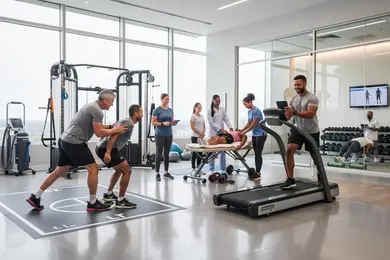
Positions aligned with exercise science career options for physical therapy, occupational therapy, and athletic training serve as foundational experiential platforms but carry distinct operational realities. Exercise physiologist roles within sports medicine and rehabilitation settings offer practical patient assessments and therapeutic exercise administration, closely paralleling clinical reasoning required for PT and OT admissions.
With a median annual wage of $56,580 and a projected 9% growth through 2034, these jobs reflect sustained demand yet may require balancing hands-on duties with certifications like CPR. Effective preparation for occupational therapy hinges on roles involving fine motor skill rehabilitation, adaptive equipment use, and cognitive-motor coordination, typically found in therapy assistant positions.
These roles emphasize functional independence strategies essential for OT curricula. Meanwhile, athletic training school candidates benefit most from engaging in musculoskeletal injury prevention, emergency care, and performance enhancement as athletic training aides or fitness specialists, which sharpen injury evaluation skills critical for AT licensure.
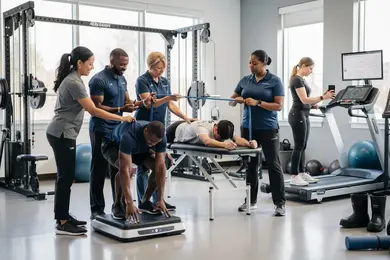
Each track requires navigating variable schedules and occasionally part-time commitments. Students evaluating the best early roles in exercise science for PT, OT, and AT graduate preparation should prioritize positions within multidisciplinary clinics or collegiate sports programs to maximize exposure and practical relevance.
Facilities that blend physical therapy, OT, and athletic training functions pose tradeoffs in workload but enhance interdisciplinary understanding. For those considering broader education options alongside early career roles, pursuing a sports management online degree can offer complementary administrative and leadership skills.
What degree is required for these exercise science careers?
Entry into physical therapy (PT), occupational therapy (OT), or athletic training graduate programs fundamentally requires a bachelor's degree in exercise science or a closely related field. Employers expect this credential for initial roles such as rehabilitation aides or fitness specialists, where foundational knowledge in anatomy, kinesiology, and biomechanics is essential.
In practice, the healthcare and social assistance sectors dominate demand for health-related bachelor's degrees, comprising 42% of U.S. job openings in this area, which directly shapes the employment landscape for graduates. This aligns with the core exercise science degree requirements for physical therapy graduate programs and highlights the bachelor's degree as a strategic threshold for workforce access and graduate school readiness.
Choosing an undergraduate program demands attention to accreditation status and course alignment with graduate prerequisites. For instance, students targeting occupational therapy graduate school should prioritize coursework in human development, psychology, and motor behavior.
Employers and clinical sites also typically require at least a bachelor's degree for hands-on internships or technician roles, critical components for meaningful practical experience. Failure to meet these requirements often results in extended timelines, additional credentialing, or weaker graduate applications.
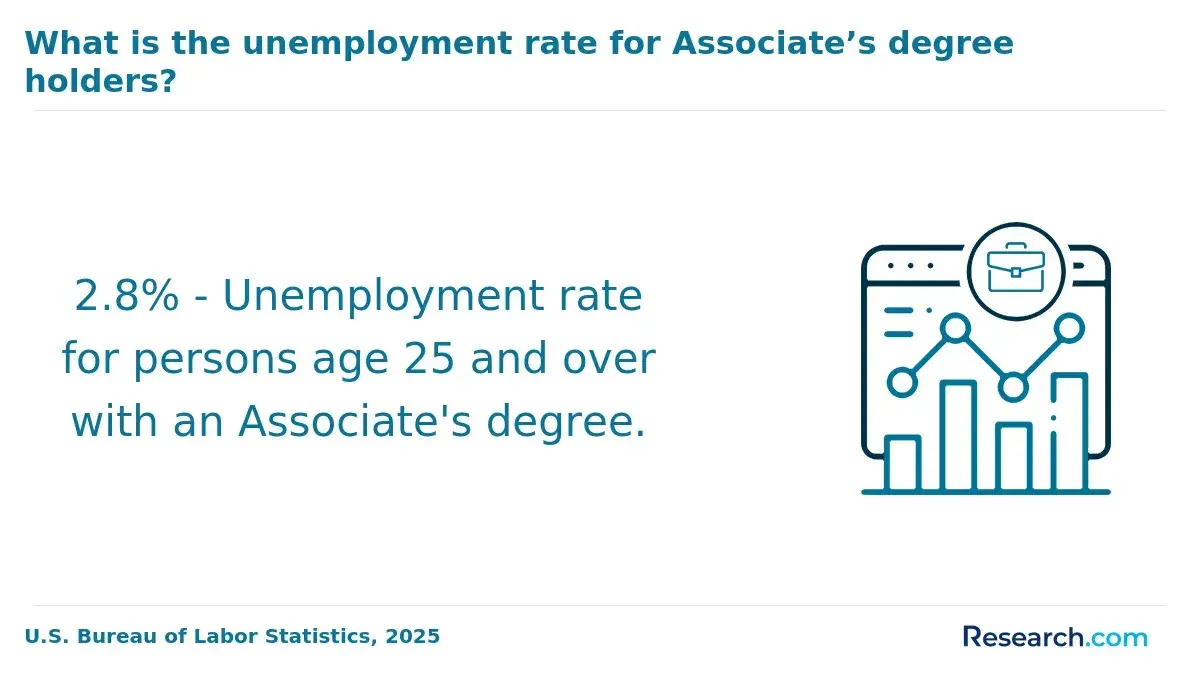
While associate degrees or certificates may offer entry into supportive healthcare roles, they lack the curriculum depth and competitive differentiation needed for PT, OT, or athletic training graduate pathways. To navigate this landscape effectively, students should consider pathways such as a master of library science if pursuing alternative career pivots or interdisciplinary academic ambitions related to health sciences. Understanding educational qualifications for exercise science careers in the United States involves recognizing that the bachelor's degree remains the pivotal credential driving both employer selection and graduate study access, rather than shorter or less comprehensive programs.
How do accredited exercise science programs differ online and on campus?
The gap between accredited exercise science programs online versus on campus hinges on clinical immersion versus theoretical grounding, a distinction critical for physical therapy (PT), occupational therapy (OT), and athletic training aspirants. On-campus pathways embed students in rigorous, supervised practicum environments, providing direct exposure to labs and clinical simulations that align closely with employer expectations for hands-on competencies before graduate school.
Conversely, differences between online and campus exercise science courses are most evident in clinical placement logistics. Online students must independently secure local internships to fulfill practical requirements, a complex task that can delay program completion and restrict the quality of mentorship, especially in underserved regions.
The 43% surge in accredited Doctor of Physical Therapy programs between 2014 and 2024 has intensified competition, amplifying the premium placed on verifiable clinical experience. Employers and graduate programs commonly prioritize candidates with controlled onsite practicum exposure, which online learners must proactively replicate through challenging independent arrangements.
For working professionals, online study's flexible scheduling offsets logistical burdens of clinical placement management but demands rigorous advanced planning. Students evaluating accredited exercise science programs online versus on campus should consider geographic access to quality fieldwork and employer market demands requiring verified hands-on skills.
Practical outcomes hinge on demonstrating clinical competence acquired through accredited programs rather than coursework alone. For those assessing flexible options in related fields, examining cost-efficiency and delivery models via resources like data science masters online programs can offer comparative tuition insights across disciplines.
What coursework should exercise science students expect?
Selecting coursework in exercise science involves navigating complex practical tradeoffs tied to graduate school prerequisites and workforce realities. Students should focus on foundational sciences like human anatomy, physiology, biomechanics, and kinesiology with lab components that directly prepare for clinical decision-making in physical therapy, occupational therapy, or athletic training programs.
The inclusion of supervised labs and internships not only reinforces hands-on skills but also signals readiness to graduate admissions committees and employers prioritizing clinical competence. Given the significant financial implications-such as the median educational debt of $142,500 for entry-level Doctor of Physical Therapy graduates contrasted with median salaries near $97,720-academic choices must be sharply aligned with both transferability and employment outcomes.
Prioritizing coursework in research methods and statistics enhances analytical capabilities essential for evidence-based practice, a key hiring criterion. Practical specialization depends on career targets: occupational therapy aspirants benefit from psychology and sensory integration courses, while athletic training students require trauma care and emergency response training.
This focus reduces unnecessary academic costs and better prepares students for licensure requirements. Nutrition, injury prevention, and therapeutic exercise remain relevant across focus areas. Ultimately, informed course selection mitigates financial risk and optimizes employability by integrating clinical exposure with targeted knowledge for the evolving healthcare workforce.
What admission requirements do exercise science programs usually ask for?
Admission requirements for exercise science programs funneling into physical therapy, occupational therapy, or athletic training graduate schools are stringent and multifaceted. Meeting minimum prerequisites in biology, anatomy, physiology, chemistry, physics, and statistics-often with a GPA threshold between 3.0 and 3.5-is essential because these graduate fields demand strong foundational science knowledge.
Applicants should be prepared for competitive GRE scores, although some programs have recently shifted away from this requirement. More critically, accumulating extensive clinical observation or direct patient care experience-ranging from 50 to over 200 hours-is frequently a decisive factor.
Without such hands-on exposure, applications risk outright rejection. Letters of recommendation and personal statements remain core components, but some programs add interviews or situational judgment assessments to evaluate communication skills and ethical reasoning.
These added layers reflect employer expectations for well-rounded candidates who combine technical competence with interpersonal capabilities. Considering labor market dynamics, occupational therapists earn a median annual wage of $96,200 with projected job growth of 14% through 2034, indicating rising competition at the graduate admission level.
Students must also navigate procedural requirements like immunizations and background checks, which affect clinical placements and timelines. Planning undergraduate coursework and gaining relevant experience early are indispensable strategies for managing the operational and financial demands embedded in this competitive admissions landscape.
How long does an exercise science degree take, and what does it cost?
The timeline and investment for an exercise science degree require strategic evaluation beyond traditional expectations. A standard bachelor's program typically spans four years, but academic or work obligations can extend this, increasing overall cost and delaying graduate school entry.
Tuition ranges broadly, roughly $40,000 to $120,000, heavily influenced by public versus private institutions and residency status. Public in-state options offer tangible savings, sometimes halving tuition compared to private schools.
Students targeting physical therapy, occupational therapy, or athletic training graduate programs must consider that their undergraduate credits are foundational but rarely sufficient on their own. Additional coursework or certifications are often required to meet competitive admissions and licensure requirements.
Integrated internships and fieldwork within the degree can reduce time-to-practice by enhancing clinical experience and strengthening applications. The athletic training field, in particular, represents an instructive case: employment rose 23% from 2013 to 2024, with a forecasted 15% growth through 2034, reflecting a tightening labor market and heightened admission standards.
Aspiring professionals must balance academic performance with relevant hands-on experience to remain competitive. Effective financial planning involves anticipating these variables to avoid underestimating both time and cost. Aligning program selection with career specialization and realistic workload capabilities better positions students for measurable outcomes in allied health professions.
Which certifications strengthen exercise science graduate school applications?
Graduate applications in exercise science fields benefit most from certifications that align directly with targeted career outcomes. The Certified Strength and Conditioning Specialist (CSCS) credential highlights applied expertise in athletic performance programming, which is often a prerequisite for physical therapy or strength coaching roles.
Meanwhile, the National Athletic Trainer Association Board of Certification (NATA-BOC) credential is essential for candidates focused on athletic training programs, validating competence in clinical patient care and injury prevention. Additional baseline certifications like CPR/AED and First Aid are necessary but do not differentiate applicants significantly.
The choice to prioritize NATA-BOC or CSCS should be informed by the specific graduate program's expectations and the applicant's desired long-term trajectory, as balancing clinical hours and credential costs is critical. Prospective students need to plan their credential acquisition proactively to maximize clinical readiness, employment prospects, and professional maturity.
What salaries do entry-level exercise science jobs offer?
Entry-level salaries in exercise science vary notably by setting and credential status, ranging roughly from $38,000 to $50,000 annually. Clinical rehabilitation roles tied to physical therapy (PT) or occupational therapy (OT) services command the higher end due to specialized skills and credential demands, whereas positions such as athletic training support or wellness coaching generally start lower.
For example, a graduate targeting hospital network employment should prioritize certifications aligned with clinical responsibilities to access better pay and greater job complexity. Certification through organizations like the American College of Sports Medicine (ACSM) or National Strength and Conditioning Association (NSCA) materially influences earnings.
Data from a 2024 Burning Glass Institute report shows certified graduates earn 12-18% more in the initial three years, equating to $4,500-$7,000 additional annual income. This differential affects not only immediate income but also accelerates skill acquisition and career progression by enabling access to hands-on roles involving patient rehabilitation and performance evaluation.
Employers in specialized outpatient facilities and urban centers often embed certification requirements into salary structures, reflecting the premium placed on demonstrated competencies. Geographic pay disparities persist, with urban areas paying about 10-15% more than rural counterparts. Thus, pursuing certifications immediately before or after graduation is a strategic decision impacting long-term career trajectories and practical workforce integration.
What job outlook do exercise science careers have in the U.S.?
Employment growth for exercise science graduates is notably concentrated in corporate wellness and preventive health roles, with a 21% rise in such positions over five years surpassing broader health sector trends. This shift reflects employers prioritizing cost-saving through prevention, making these roles strategic entry points for candidates aiming toward physical therapy, occupational therapy, or athletic training graduate programs.
However, corporate wellness jobs demand more than exercise prescription skills. Candidates must demonstrate proficiency in data analytics related to health outcomes and effective interdisciplinary communication, especially when working within tech, insurance, or manufacturing employer contexts.
Early career experience in wellness coordination or health risk assessment enhances candidacy for advanced study and professional advancement. Geographic disparities complicate job access; urban centers offer more openings, while rural areas lag, creating practical relocation considerations.
Additionally, certifications beyond a bachelor's degree-such as in health coaching or wellness management-meaningfully strengthen marketability in these competitive corporate environments. Prospective students should weigh regional workforce data and the skill set required to succeed in corporate settings before committing to exercise science programs. Early immersion in workplace wellness roles delivers practical advantages but requires balancing specialization tradeoffs and geographic constraints to optimize long-term career paths.
Other Things You Should Know About Exercise Science
Research experience strengthens graduate school applications, but it is not always mandatory. Programs in physical therapy and occupational therapy often prioritize clinical exposure and hands-on skills over research. Students should weigh the time commitment of research against gaining practical patient interaction, especially since clinical experience is more directly relevant to program expectations and employer preferences.
Exercise science students should focus on broad-based knowledge to build a strong foundation in anatomy, physiology, and human movement. Specializing can occur later when they enter graduate programs for PT, OT, or athletic training, as this allows them to tailor their education to specific interests and career goals.
Yes. PT and OT programs often expect documented direct patient contact, and athletic training programs may require supervised clinical observation or healthcare experience. Many schools ask for 50 to 100 hours, while competitive applicants often submit 100 or more hours, recorded and verified by a licensed supervisor.
Internships that provide direct clinical or applied experience outweigh certifications with limited practical application. While certifications can demonstrate commitment and basic competencies, internships expose students to real employer workflows and patient interactions, which are essential for both graduate admissions and job readiness. Prioritize securing internships with measurable responsibilities over accumulating multiple certifications with marginal influence on graduate school decisions.
References
- Online Certificate in Exercise Physiology | Lipscomb University https://lipscomb.edu/academics/programs/exercise-physiology-graduate-certificate-online
- Online Exercise Science Program https://stmary.edu/online-programs/exercise-science.html
- Bachelor of Science in Exercise Science, Fitness, and Nutrition Management (Completion Degree) https://catalog.bryanuniversity.edu/bachelor-of-science-in-exercise-science-fitness-and-nutrition-management-completion-degree
- Online Exercise Science Degrees: Top School Review https://www.edumed.org/online-schools/exercise-science-degrees/
- Exercise science: What exactly is it? https://www.scienceforsport.com/exercise-science/
- Exercise Science Degree Careers: The complete list https://traineracademy.org/blog/exercise-science-careers/
- Advanced Certificate in Exercise Science | St. Thomas Aquinas College https://stac.edu/program/advanced-certificate-in-exercise-science/
- Exercise Science Degree Programs Lead to Rewarding Careers in Health and Fitness https://www.carrollcc.edu/articles/exercise-science-degree-programs-lead-to-rewarding-careers-in-health-and-fitness/
- Exercise Science | York College of Pennsylvania https://www.ycp.edu/academics/programs/exercise-science
- What Can You Do with an Exercise Science Degree? https://www.cune.edu/news/what-can-you-do-exercise-science-degree