2027 Exercise Science Specializations for Rehabilitation Support Careers

Co-Founder and Chief Data Scientist
Facing a growing backlog of patients requiring specialized rehabilitation, many exercise science professionals struggle to select focused specializations that align with evolving employer standards and reimbursement requirements. With 38% of exercise science undergraduates now opting for online or hybrid programs, according to the National Center for Education Statistics, accessibility and flexibility play crucial roles in the timing and feasibility of retraining or advancing qualifications.
This shift reflects workforce demands favoring adaptable credentials capable of addressing diverse rehabilitation needs, from neurological recovery to orthopedic support. This article details key exercise science specializations tailored for rehabilitation careers and guides readers in matching these options to practical job market realities.
Key Things You Should Know
- Specializing in neuromuscular rehabilitation demands advanced certifications beyond basic exercise science, delaying entry by 18-24 months but increasing median salaries by 15%, per recent Bureau of Labor Statistics data.
- Employers in integrated health systems prioritize candidates with dual credentials in exercise science and clinical biomechanics, citing 40% higher job placement success over generalist degrees, according to 2024 AHWP surveys.
- Rising tuition costs for specialized tracks, averaging 20% above traditional programs in 2025-26, create access barriers disproportionately affecting mid-career pivoters balancing workforce reentry and credential time-to-completion.
What exercise science specializations most directly support careers in physical rehabilitation?
Specializing in clinical exercise physiology, biomechanics, or neuromuscular rehabilitation directs candidates toward roles with clearer clinical demand compared to broader exercise science specializations for physical rehabilitation careers. For instance, cardiac rehabilitation exercise physiologists manage customized post-myocardial infarction protocols, balancing patient safety and recovery to reduce secondary cardiac events.
Biomechanics experts analyze movement for optimized therapy, critical in sports medicine or trauma, while neuromuscular rehabilitation professionals focus on restoring motor functions after neurological injuries. These focused fields align more closely with employer priorities in healthcare and outpatient rehab settings.
The U.S. Bureau of Labor Statistics anticipates a 9% employment growth for exercise physiologists through 2034, with a median annual wage of $58,160 in 2024. This steady growth signals real workforce opportunities rooted in chronic disease management and an aging population.
However, students should weigh tradeoffs between general fitness tracks and specialized programs emphasizing rehabilitation biomechanics, as the latter better satisfy clinical certification and interdisciplinary collaboration demands. Securing clinical internships, especially within cardiac or neuromuscular settings, significantly influences employability and readiness in this competitive pool of top exercise science fields supporting rehab professions.
Practical challenges include navigating licensure requirements and ongoing certification maintenance. Graduates benefit from understanding how their role fits within multidisciplinary teams comprising physical therapists and physicians.
For those pivoting or advancing in this space, selecting education programs with direct patient-centered focus reduces competition versus broader paths such as becoming a sports analyst.
Which degrees in exercise science best prepare students for rehabilitation support roles?
Degrees in exercise science that emphasize rehabilitation sciences, kinesiology, or therapeutic exercise align most closely with employer demands for rehabilitation support roles. Graduates trained in biomechanical assessment, neuromuscular physiology, and clinical exercise prescription are better prepared to handle the complexities of fall-prevention strategies, a key area of need given that 36% of adults 65 and older experienced falls last year, driving over 3 million annual emergency visits.
Programs lacking rehabilitation focus, especially those weighted toward sports performance without relevant clinical exposure, often leave candidates ill-equipped for chronic condition management and geriatric care.
The best exercise science degrees for rehabilitation careers consistently include significant clinical practicum hours. These real-world experiences cultivate essential skills in patient interaction and multidisciplinary teamwork, critical to addressing workforce shortages in rehab settings.
Additionally, advanced certifications, such as Certified Exercise Physiologist or clinical rehabilitation technician credentials, enhance employability by validating skills prioritized by employers targeting fall-prevention and rehabilitation.
Top academic programs in exercise science for rehab support guide students to assess degree options through graduate employment metrics and clinical placement opportunities.
This mitigates risks of delayed workforce entry or mismatch with entry-level role expectations in outpatient clinics, skilled nursing facilities, or community health organizations. Prospective students are also wise to examine flexible options like the online ASN pathways if seeking parallel or complementary healthcare certifications.

How do rehabilitation-oriented exercise science careers differ from physical therapy and occupational therapy?
Exercise science careers focused on rehabilitation present a distinctly narrower scope than physical therapy or occupational therapy roles, with significant implications for licensure, service autonomy, and clinical responsibilities.
Those pursuing rehabilitation exercise science careers vs physical therapy roles encounter a clear tradeoff: they gain quicker access to the workforce but remain limited to exercise-based interventions without authority to diagnose medical conditions or manage acute injury care independently.
In real-world workforce settings, exercise science professionals often support interdisciplinary teams, particularly as demand rises due to neurological conditions. For example, the 75% global increase in Parkinson's disease cases since 2005 has amplified the need for specialized exercise regimens centered on motor control and endurance, administered after medical diagnosis by licensed therapists.
This delineation reflects the differences between occupational therapy and exercise science in rehabilitation-where occupational therapists provide comprehensive assessments and direct treatment, exercise scientists maintain long-term motor function support primarily in community and wellness environments.
Employers in long-term and rehabilitation care increasingly appreciate exercise science practitioners for their cost-effective, specialized exercise programming but expect students to plan strategically; formal licensure as a physical or occupational therapist remains essential for advanced clinical roles and insurance reimbursement.
For those seeking educational pathways combining flexibility with workforce entry, programs such as an MLIS degree online illustrate how targeted credentials support focused career pivots across fields.
What courses and clinical experiences are included in rehab-focused exercise science programs?
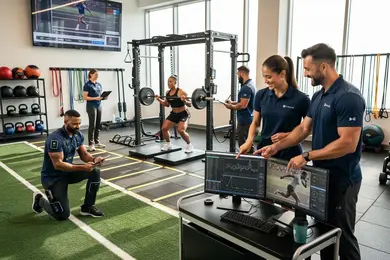
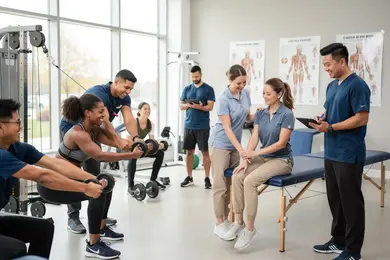
Students pursuing rehab-focused exercise science coursework and clinical training must navigate a curriculum that directly shapes their applied competencies for a demanding rehabilitation workforce. Core subjects include human anatomy, kinesiology, biomechanics, and exercise physiology, integrated with patient movement assessment and evidence-based therapeutic exercise plans tailored to musculoskeletal and neurological conditions.
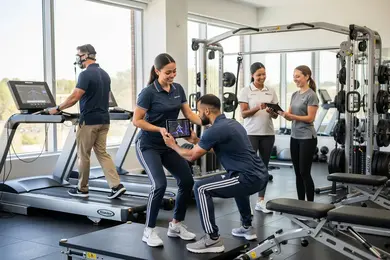
Hands-on clinical experiences in rehab exercise science programs are vital but vary in clinical site quality and patient diversity. Minimum requirements typically mandate 400 supervised hours, often in orthopedic clinics or post-surgical rehab centers.
For context, over 1 million joint replacements occur annually in the U.S., with 90% of those patients engaging in structured rehabilitation, emphasizing a workforce need for skills in post-surgical recovery and functional restoration. Graduates encounter real-world pressures to adapt interventions across patient populations-from elderly hip replacement cases to younger athletes recovering from ACL repair.
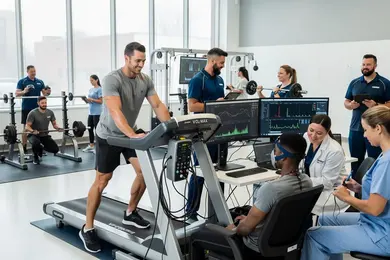
Practical training also addresses pain management, interdisciplinary communication, and documentation using rehabilitation technologies such as electrical stimulation and therapeutic ultrasound. However, program effectiveness hinges on the breadth of clinical exposure; limited variety can restrict readiness for diverse settings and reduce job competitiveness.
For professionals evaluating pathways to pivot or advance, understanding the balance between rigorous academic preparation and breadth of applied clinical opportunities is essential. For those comparing educational investments, considering options like the cheapest online data science masters highlights how cost-effective study paths are increasingly relevant.
How do online and campus-based exercise science programs compare for rehabilitation training?
Programs in exercise science differ sharply in their approach to preparing students for rehabilitation-focused roles, with campus-based options offering indispensable hands-on clinical practice that online programs often cannot match.
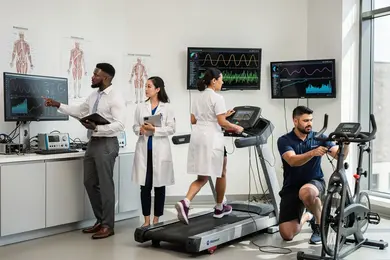
Real-time patient interaction and use of rehabilitation equipment under supervision are key experiences that many employers in clinical and hospital environments demand. For example, students focusing on metabolic rehabilitation for diabetes-a field with a workforce need tied to over 38 million Americans diagnosed with diabetes and 96 million with prediabetes-gain critical applied skills in campus labs designed to mirror complex case management scenarios.
Online programs provide flexibility and emphasize theoretical knowledge through virtual simulations and case studies. While this suits learners balancing external commitments, the lack of direct clinical hours can delay readiness to meet employer standards for internships and supervised practice.
Professionals aiming for quick skill application benefit from campus programs that integrate practicum experiences and foster networking within healthcare systems, whereas online students must proactively seek local externship opportunities to close this gap.
Key factors when choosing include:
- Access to structured clinical environments for competency in chronic disease rehabilitation.
- Employer preference for documented supervised clinical hours.
- Balancing work-life needs versus immediate applied skill acquisition.
Ultimately, effective career progression in rehabilitation depends on securing sufficient clinical training that aligns with healthcare industry expectations and workforce demands, especially within metabolic rehabilitation fields highlighted by the U.S. Centers for Disease Control and Prevention.

What admission requirements and prerequisites do rehab-oriented exercise science majors typically have?
Admission to rehab-oriented exercise science programs hinges on more than meeting basic prerequisites; it demands demonstrated science competency and clinical exposure that aligns with workforce realities.
Core prerequisites in biology, chemistry, anatomy, physiology, and kinesiology ensure candidates can engage with specialized topics such as musculoskeletal function and neurology vital for rehabilitation practice. Programs generally require these courses to be completed before enrollment, minimizing attrition linked to academic unpreparedness.
Beyond academics, relevant volunteer or clinical experience signals professional readiness and familiarity with patient populations like stroke or orthopedic survivors-a key factor in employer assessments. While some programs still review standardized test scores, this requirement increasingly yields to qualitative evaluation via personal statements or interviews focused on professional commitment.
Prospective students must weigh prerequisite gaps carefully: delaying enrollment to complete foundational sciences can extend study time but markedly improves employability versus candidates lacking these essentials.
Given the projected rise in U.S. cancer survivors to 22.5 million by 2032, programs incorporating rehabilitation for chronic illness and cancer recovery orient students toward sectors with growing demand.
How long do rehabilitation support degree pathways take, and what do they cost?
Choosing between associate and bachelor's degrees in exercise science reflects a critical balance of cost, time, and career flexibility. Associate programs generally require about two years and $6,000 to $15,000 in public tuition, offering quicker entry into roles like ergonomic assessment support within manufacturing environments.
In contrast, a bachelor's degree demands four years with public in-state tuition running $20,000 to $60,000 or more, granting broader qualifications for clinical exercise physiologist positions in healthcare settings.
Employers increasingly expect candidates to supplement academic credentials with certification exams that add $300 to $1,000 in fees, alongside extensive unpaid clinical hours-often 500 or more-which represent opportunity costs.
These factors influence practical readiness and wage potential, as shorter, lower-cost paths frequently come with limited upward mobility. Conversely, longer, pricier programs consolidate comprehensive skills and credentials but carry heightened upfront expenses and potential debt.
The projected 14% employment growth for fitness trainers signals rising demand for expertise in occupational and corporate wellness, placing a premium on workers who combine certification and hands-on experience. Professionals targeting specialized, injury-prevention roles face tradeoffs between affordability and industry expectations, requiring strategic planning around program length, costs, and practical experience.
What entry-level and advanced job roles can exercise science graduates pursue in rehabilitation settings?
Graduates of exercise science entering rehabilitation often start in roles such as rehabilitation aides or physical therapy assistants, where adherence to therapy protocols and foundational kinesiology knowledge is expected, but technical expertise is limited by supervisory oversight.
Advancement beyond these entry points depends on acquiring specialized certifications and developing skills in designing tailored rehabilitation plans and leveraging advanced patient data. Employers increasingly value candidates who integrate wearable technology and digital health tools into rehabilitation regimens, as these elements enhance patient adherence and enable remote monitoring.
For instance, a clinical exercise physiologist adept with telehealth platforms can manage hybrid care models that combine in-person sessions with remote assessments, improving recovery efficiency while addressing patient accessibility challenges. However, this shift demands fluency in evolving tele-exercise reimbursement policies and regulatory standards, which can affect job stability and career mobility.
In practical terms, exercise science professionals aiming for rehabilitation program coordination or research analyst roles must balance clinical understanding with technological fluency.
The wearable device market, having surpassed $60 billion, underscores the market's trajectory toward data-driven recovery, favoring graduates who can navigate both exercise physiology principles and digital health ecosystems. Those who neglect either side risk stagnation in niche rehabilitation roles constrained by limited scope and slower progression.
What salary ranges and job outlook should rehabilitation support professionals with exercise science expect?
Salaries for rehabilitation support professionals with exercise science backgrounds vary widely by specialization and employer context. Entry-level roles in hospital or outpatient rehab settings typically start between $45,000 and $55,000 annually, constrained by tighter budgets and general clinical duties.
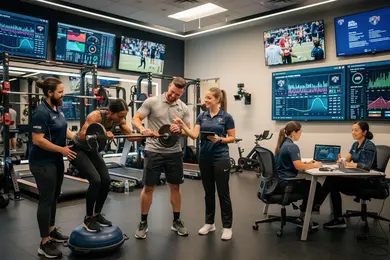
However, those embedded in sports medicine or return-to-play environments frequently earn over $70,000, as professional and collegiate sports organizations place premium value on performance-focused rehabilitation expertise endorsed by the National Strength and Conditioning Association.
Workforce expansion prospects favor professionals who combine early specialization with targeted credentials, such as strength and conditioning certifications or sport-specific rehabilitation programming. The U.S. Bureau of Labor Statistics projects a 10% to 12% employment growth for related roles over the next decade, outpacing many allied health occupations.
Professionals without internships or niche certifications often face slower advancement confined to generalist positions where employer funding and reimbursement limits reduce salary growth. Conversely, aligning credentials with performance metrics and interdisciplinary collaboration in robust markets can secure more structured career pathways and salary increases tied to measurable athlete outcomes.
Key decision factors for prospective students and professionals include:
- Prioritizing specialized internships or certifications to improve employability and salary progression.
- Understanding how credential alignment influences job placement in higher-paying sports rehabilitation versus general clinical roles.
- Focusing on continuous professional development, especially in data-driven program implementation and interdisciplinary teamwork, to meet employer expectations for sustainable career growth.
How do accreditation, certifications, and state regulations affect rehabilitation support careers in exercise science?
Employers in rehabilitation support prioritize candidates from accredited Exercise Science programs because such credentials ensure adherence to nationally recognized curriculum and clinical standards.
For instance, healthcare facilities often require graduation from Commission on Accreditation of Allied Health Education Programs (CAAHEP)-accredited programs to minimize onboarding time and guarantee baseline competencies.
Certifications markedly influence both job accessibility and earning potential. Licensed or certified professionals-such as those holding certifications from the American College of Sports Medicine (ACSM) or Certified Rehabilitation Exercise Specialist credentials-are positioned for greater autonomy and higher starting salaries.
In contrast, professionals in states with restrictive licensure laws face limited roles confined to technician-level duties, reducing both scope and compensation.
Consider a recreational therapist attempting community-based rehabilitation: without meeting specific state licensure mandates, their career trajectory and remuneration stagnate irrespective of academic credentials. The U.S. Bureau of Labor Statistics projects 4.3% job growth in this field over the next decade, paired with a median salary near $65,350, but these figures hinge on navigating accreditation and certification barriers effectively.
Thus, practical educational choices demand scrutiny of program accreditation, certification pathways, and state-specific practice laws-decisions that fundamentally shape employability and long-term professional stability in exercise science rehabilitation roles.
Other Things You Should Know About Exercise Science
Hands-on clinical experience is critical and often weighs more heavily with employers than theoretical coursework alone. Students with substantial practicum or internship hours demonstrate practical competence and familiarity with patient interaction, key for rehabilitation roles. Prioritize programs with integrated clinical rotations or partnerships with healthcare facilities to ensure you meet employer expectations and gain job-ready skills.
A degree in exercise science provides foundational knowledge but rarely qualifies graduates alone for many rehabilitation support roles, especially those requiring patient contact or treatment planning. Additional certifications, such as Certified Exercise Physiologist or specialized rehab-focused credentials, are often required or strongly preferred by employers. Plan to pursue these certifications post-degree to enhance your qualifications and improve employment prospects.
Rehabilitation support workers must follow HIPAA privacy rules when handling patient records and protect any identifiable health information. They also need informed consent for exercise activities, must report safety concerns, and work only within supervisor-directed duties approved by the licensed rehabilitation team.
References
- Online Exercise Science Program https://stmary.edu/online-programs/exercise-science.html
- International Clinical Exercise Physiology Qualification Application Pathways https://icsesp.global/resources/international-clinical-exercise-physiology-recognition-opportunities/
- Master of Clinical Exercise Science and Rehabilitation https://www.vu.edu.au/courses/master-of-clinical-exercise-science-and-rehabilitation-amep
- Exploring Careers in Health and Exercise Sciences: From Personal Training to Public Health - UNCF https://uncf.org/the-latest/improve-human-health-by-studying-public-health-and-nutrition
- The Essential Guide to Earning a Rehabilitation Science Degree https://blog.cuw.edu/essential-guide-rehabilitation-science-degree-2163-6/
- Occupational Therapy vs Physical Therapy vs Speech Therapy https://otpotential.com/occupationaltherapy-vs-physicaltherapy-vs-speechtherapy
- What can you do with a Diploma of Clinical Exercise Science qualification https://www.think.edu.au/blog/what-can-you-do-with-a-diploma-of-clinical-exercise-science-qualification
- Occupational Therapy vs. Physiotherapy - Key Differences https://www.activeplus.co.nz/blog/physiotherapy/occupational-therapy-vs-physical-therapy-key-differences.html
- Exercise Science Degree Careers, Jobs and Salaries - Peak Physical Therapy and Sports Performance https://peaktherapy.com/blog/exercise-science-degree-careers-jobs-and-salaries/
- Physical, Occupational, Exercise Therapist - What's the difference? https://venturerehab.ca/difference-between-physical-occupational-exercise-therapist/