2027 Online Exercise Science Degrees for Stable Exercise and Wellness Careers

Co-Founder and Chief Data Scientist
Balancing full-time work, family obligations, and the urgent need to upskill creates a daunting barrier for many aiming to enter or advance in exercise science careers. When 45% of adult learners cite scheduling flexibility and geographic accessibility as decisive factors in choosing degree programs, the rigid structures of traditional on-campus study frequently exclude experienced professionals seeking timely certification or degree completion. This bottleneck restricts employer pipelines and constrains workforce mobility in a sector facing growing demand for qualified specialists.
This article examines the emerging landscape of online exercise science degrees, focusing on program design, accessibility, and career stability to guide strategic enrollment decisions.
Key Things You Should Know
- Over 28% salary variance exists between online exercise science graduates with and without clinical internship credits, revealing employer preference for hybrid models combining remote study and hands-on experience per NCES 2024 data.
- Healthcare employers in 2025 increasingly prioritize applicants with ACSM certification eligibility, which many online-only programs delay due to insufficient lab-based course hours, challenging graduates' immediate employability.
- Median tuition for accredited online exercise science degrees rose by 6.8% since 2023, outpacing inflation and forcing candidates to weigh program affordability against accelerated workforce entry and credential timing gaps.
What is an online exercise science degree and how does it prepare you for wellness careers?
Online exercise science degree programs in the United States prepare students by combining core disciplines such as anatomy, physiology, biomechanics, and nutrition with practical training. However, remote delivery can limit hands-on experience, making integrated internships or practicum options essential to meet employer expectations.
For example, graduates working in cardiac rehabilitation must adeptly apply exercise physiology within clinical safety protocols, a skill rarely mastered through coursework alone but developed with case-based learning and in-person practice.
The projected workforce growth of 6% to 14% in exercise-related jobs through 2026 reflects expanding demand for professionals like personal trainers and athletic trainers, whose roles increasingly require proficiency with client assessment software and chronic disease management plans.
Still, an online exercise science degree alone may not ensure employability due to industry-specific certifications or state licensing requirements, which are often mandatory. Candidates should anticipate these additional steps to fully align their qualifications with regulatory standards.
Practical readiness is a significant differentiator in this field. Programs that address real-world employer priorities—such as collaboration within multidisciplinary healthcare teams and adaptation to evolving exercise modalities—position graduates more competitively.
Understanding these nuanced workforce needs helps students evaluate how an online exercise science degree prepares students for wellness careers beyond foundational knowledge.
For those assessing the economic viability of this pathway, consulting data like the sports data analyst salary reveals the importance of aligning education with specialized skills and market demands.
Are online exercise science degrees respected and accredited like campus-based programs?
Accreditation remains the decisive factor when evaluating an online exercise science degree accreditation standards, rather than the delivery format itself. Employers, particularly in clinical rehabilitation and fitness sectors, seek graduates from regionally accredited institutions with programs that integrate supervised practical experiences.
For instance, a candidate applying to a rehabilitation center will be prioritized if their degree included a verified clinical practicum—even if completed through local partnerships—because hands-on skills directly impact job readiness.
Students must confirm their chosen program incorporates internships or clinical practicums; these elements are integral to eligibility for certifications like ACSM or NASM, which substantially influence employability. Skipping practical training greatly narrows career opportunities and delays entry into the field.
Choosing less costly online options, such as Franklin University with its reported 67% lower tuition compared to national averages, can expand access but should not overshadow program quality or clinical experience availability.
Hiring managers value credible credentials tied to rigorous academic and operational standards. Balancing cost, accreditation, and hands-on training defines the real-world worth of any online sports or exercise science degree.
Prospective students weighing their options might also consider programs related to a sports management degree online, depending on their career trajectory.
Recognition of online exercise science programs compared to campus alternatives hinges on these practical and accreditation benchmarks, influencing graduates' labor market outcomes and long-term professional trajectory.
How do online and on-campus exercise science programs compare for labs, training, and cost?
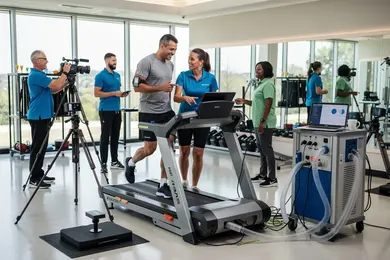
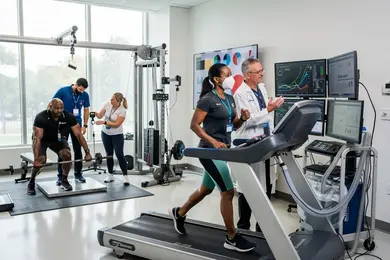
The distinction between online vs. on-campus exercise science program lab experiences underscores a significant operational tradeoff impacting skill acquisition and job readiness. On-campus programs provide uninterrupted access to specialized lab equipment critical for clinical proficiency, such as metabolic carts and EMG technology. This hands-on training aligns closely with employer expectations for immediate competency in patient assessment and biomechanical analysis roles.
Conversely, online exercise science programs compensate for the lack of physical labs through virtual simulations or brief in-person intensives. This structure can disrupt seamless practical learning and necessitates additional clinical hours post-graduation, potentially delaying workforce entry.
Cost comparison of online and on-campus exercise science degrees reveals a complex balance. Online programs often reduce tuition and eliminate housing or commuting expenses, appealing to working professionals seeking flexible schedules.
However, off-campus students should budget for optional in-person residencies or local lab access, which might offset nominal savings. Extended program durations in some online formats also contribute to indirect costs through deferred earnings.
For example, a full-time professional aiming to become a clinical exercise physiologist would benefit from online theoretical coursework combined with at least 150-200 supervised in-person clinical hours to meet certification standards and employer requirements. This strategy preserves affordability without sacrificing essential competencies or delaying career progression.
Prospective students evaluating exercise science pathways may also explore adjacent fields, such as online doctorate data science, for interdisciplinary leverage in health analytics and research applications.
What exercise science degree levels and specializations can you earn fully online?
Fully online exercise science degree programs present distinct tradeoffs between accessibility and the requirement for local practical experience. Associate degrees typically target foundational skills in kinesiology and fitness, often funneling students into technician or coaching positions without advanced certification.
Bachelor's degrees, the most common fully online option, encompass extensive coursework in anatomy, physiology, biomechanics, nutrition, and exercise prescription, which qualify graduates for a wider range of roles in wellness and rehabilitation.
The choice of specialization directly impacts employability; for example, a focus on clinical exercise physiology steers graduates toward cardiac rehabilitation and chronic disease management roles that often require master's-level certification.
Online students must navigate arranging hands-on internships or lab components locally, as most programs rely on these to fulfill practical experience requirements. This logistical hurdle remains the primary challenge in fully remote study.
Median starting salaries for these online graduates range from $36,000 to $55,000, comparable to on-campus peers. Combining bachelor's or master's degrees with certifications such as ACSM or NSCA significantly enhances job prospects in competitive wellness sectors.
Prospective students should weigh the cost against outcomes carefully; for detailed financial expectations, consult resources like the MLIS degree cost database for analogous insights on affordability.
Fully online exercise science specializations must be aligned with targeted career goals, considering employment hierarchy, credential demands, and real-world experience obligations.
What courses, labs, and practicum experiences are typically included in online exercise science programs?
Effective exercise science programs must reconcile theory with measurable hands-on experience to meet employer expectations in clinical, athletic, or wellness sectors. Core coursework consistently includes human anatomy, physiology, kinesiology, biomechanics, exercise physiology, nutrition, and motor learning, establishing foundational knowledge crucial for diverse career paths.
The most significant differentiation among online programs lies in practicum opportunities, which range from on-site internships at medical or athletic facilities to telehealth coaching and remote fitness assessments. These placements are essential for developing applied competencies, yet coordinating them remotely can be a logistical hurdle requiring local partnerships.
For example, a student aiming for strength and conditioning roles benefits immensely from a collegiate athletic department internship, while one pursuing rehabilitation experience typically needs outpatient physical therapy settings.
Program choices must consider how practicum structure impacts job readiness and certification eligibility. The absence of rigorous practicum experiences often limits employability in specialized exercise science roles linked to performance optimization or healthcare.
Tuition variance—from $420 to $500 per undergraduate credit and as high as $1,750 for graduate credits in strength and conditioning, according to EduMed's review—correlates with program scope and practicum quality.
Students should scrutinize practicum coordination logistics and lab access, particularly virtual labs substituting traditional EMG tracking and metabolic testing, to align educational investment with tangible skill development and workforce integration.
What admission requirements and prerequisites do online exercise science programs usually have?
Pursuing an online exercise science degree requires careful navigation of baseline academic and practical prerequisites, which often impact timelines and costs more than anticipated. For candidates transitioning from non-science fields, prerequisite courses in biology, anatomy, physiology, and occasionally chemistry extend study duration and delay market entry—a critical factor given the field's strong demand forecasted at 39% employment growth by 2030.
Working professionals must budget for these preparatory requirements before full program admittance, as skipping them risks admission denial or weaker workforce readiness.
Admission protocols typically require official transcripts, standardized test scores if needed, letters of recommendation, and a statement of purpose. Students should note that immunization records and background checks are common when internships or clinical placements are part of the curriculum to meet liability and client-safety mandates. However, the geographic constraints of some clinical components limit the claim of fully online flexibility, affecting students based remotely or out-of-state.
Prospective enrollees benefit from programs offering pathway advising or bridge courses tailored to career changers. Balancing these academic demands with practical certification and licensure timelines is essential since many employers expect hands-on experience aligned with state requirements.
Understanding these operational realities helps candidates optimize preparation strategies and better align their educational investment with labor market entry.
How much do online exercise science degrees cost, and what financial aid is available?
Choosing an online exercise science degree requires weighing upfront tuition costs against long-term career outcomes and debt management. Tuition ranges from approximately $15,000 to $40,000, with public universities usually offering lower per-credit rates for in-state students compared to private institutions. Beyond sticker price, additional expenses like technology fees and materials can substantially affect the overall investment.
Financial aid strategies significantly influence net costs. For example, federal Pell Grants provide up to $7,395 annually to eligible undergraduates without repayment obligations, while Direct Subsidized and Unsubsidized Loans offer relatively low interest rates but add to cumulative debt.
Many students also pursue scholarships targeted at athletic training and exercise science majors or tap employer tuition reimbursement programs that commonly cover 50% or more of course costs if aligned with job responsibilities. Veteran benefits under the GI Bill remain a vital option for qualifying candidates.
With a median salary of $46,010 for strength and conditioning specialists and a projected job growth of 12% from 2022 to 2032, cost-effective program selection is essential. Graduates should factor in potential income alongside debt burdens to avoid delayed financial stability.
For instance, a working adult using employer assistance might prioritize a more expensive but accelerated program, balancing higher tuition with faster skill acquisition to re-enter the workforce swiftly.
What jobs can you get with an online exercise science degree in fitness and wellness fields?
Graduates with an online exercise science degree often encounter a professional landscape demanding both clinical insight and applied health promotion skills. Many take roles as wellness coordinators in community health settings, where they develop and execute preventive programs aimed at reducing chronic disease incidence. In these environments, understanding how to align exercise prescriptions with public health guidelines is essential.
Job opportunities also include health educator positions in nonprofit or public health departments, focusing on behavior change models. Corporate wellness specialists represent a growing segment, tasked with crafting physical activity initiatives that mitigate employer healthcare expenditures, blending fitness expertise with organizational objectives.
Directional shifts in workforce demand suggest about 7% growth in these community and clinical roles through 2032, per NutritionEd projections, driven by healthcare's increasing emphasis on prevention rather than treatment. However, graduates must navigate real-world hurdles such as certification mandates—often in health coaching or personal training—and the typical requirement for hands-on experience via internships or practicums.
Compensation varies substantially: entry-level public health roles frequently start near $40,000 annually, while corporate wellness jobs may exceed $60,000, reflecting tradeoffs between stability and pay. Familiarity with data-driven assessment tools and interdisciplinary communication sharply affects employability, especially in specialized settings like outpatient clinics or rehabilitation centers.
What are typical salaries and job outlook for exercise science and wellness professionals?
Wages in exercise science fluctuate substantially by role and setting, with median salaries typically between $45,000 and $70,000 annually. Clinical exercise physiologists are generally paid $50,000 to $65,000, reflecting their specialized expertise, while wellness coordinators and fitness trainers often earn closer to $45,000.
Hospital and research roles demand advanced credentials and usually offer higher compensation, illustrating how employers value technical proficiency tied to real-world impact.
Employment in exercise science-related fields is forecasted to grow at 11% through 2034, outpacing many sectors. This growth stems from increased demand for preventive care and therapeutic exercise among aging populations. Yet, balancing supply and demand is becoming complicated as more candidates graduate from programs, with many now requiring coursework in statistics and data analysis to meet employer expectations for evidence-based practice.
Success in this field increasingly depends on quantitative fluency and tech skills, not just physical training ability. For example, a wellness program coordinator who uses wearable device data to fine-tune corporate health initiatives commands better pay and opportunities than one relying on generic fitness plans.
Those entering without competencies in data literacy or biometric interpretation frequently encounter wage stagnation and limited upward mobility. Prospective students should prioritize programs that align curriculum with these evolving workforce needs to maintain career relevance and advancement potential.
Do exercise science careers require certification or licensure, and how do online programs help you qualify?
Certification requirements shape who gains access to exercise science roles, with national credentials often mandatory for positions like certified exercise physiologists and clinical exercise specialists. While licensure is relatively rare, it can be essential for clinical or rehabilitation-focused jobs in certain states, especially where medical supervision or prescribed exercise plans are involved.
Employers emphasize verifiable credentials as a proxy for safety compliance and professional competence. This creates a reality where candidates lacking recognized certifications face steep obstacles in the labor market.
Online exercise science programs can structurally address these credential demands by aligning coursework with certification exam content and practical competencies. For example, some programs charge significantly less than national private-college averages, lowering financial barriers for students seeking these qualifications.
This affordability, combined with integrated exam preparation, can streamline the path toward certification while accommodating working professionals through flexible schedules.
To illustrate, a mid-career healthcare worker aiming to pivot into clinical exercise physiology might maintain full-time employment while completing an online program that prepares for certification exams. However, they must carefully assess state-specific licensure and clinical hour requirements, which are often outside the scope of generic online curricula.
Understanding the nuanced interaction between program rigor, credential relevance, and regulatory demands enables more informed decision-making around educational investments in exercise science.
Other Things You Should Know About Exercise Science
Yes. Many online exercise science programs require 100 to 400 supervised hours in practicum, internship, or fieldwork placements. These hours are usually completed in approved settings such as fitness centers, rehabilitation clinics, or wellness programs under a qualified supervisor.
Employer acceptance hinges on program accreditation and graduate competencies more than delivery mode alone. Online degrees from regionally accredited institutions that incorporate real-world experiential learning receive comparable consideration. However, employers in clinical or specialized research settings may prefer candidates with documented hands-on proficiencies or hybrid learning experiences that strengthen applied capabilities.
A broad degree offers flexibility across wellness, fitness, and healthcare roles but risks dilution of expertise in specific job markets. Specialized degrees-such as biomechanics or pediatric exercise science-require deeper investment and may limit opportunities outside that niche but position graduates as preferred candidates for focused career paths. Students should weigh market demand, personal interest, and intended work settings before selecting a pathway.
References
- Exercise Physiologist Career https://explorehealthcareers.org/careers/sports-medicine/exercise-physiologist/
- Exercise Science | Columbia College https://www.columbiasc.edu/academics/undergraduate/exercise-science
- Online Exercise Science Degrees: Top School Review https://www.edumed.org/online-schools/exercise-science-degrees/
- Exercise science: What exactly is it? https://www.scienceforsport.com/exercise-science/
- ESSA's career guide for Accredited Exercise Physiologists https://www.essa.org.au/Web/Web/Resources/Tools-and-templates/ESSA-AEP-Guide.aspx
- Online Science Courses with Lab that Transfer: A Helpful Guide - Prereqcourses https://www.prereqcourses.com/online-science-courses/
- What Can You Do With an Exercise Science Degree? https://willamette.edu/academics/college/exercise-health-science/career-options
- 2026 Best Online Exercise Science Degrees https://www.onlineu.com/degrees/exercise-science
- Online Exercise Science Program https://stmary.edu/online-programs/exercise-science.html
- Best Exercise Science Careers - Let's Find out! https://www.ptpioneer.com/personal-training/exercise-science-careers/