2027 Online Exercise Science Degrees With Sports Performance Career Alignment

Co-Founder and Chief Data Scientist
Balancing a full-time job with pursuing an exercise science degree often confronts aspiring professionals with a critical logistical barrier: rigid class schedules limit timely skill acquisition and delay career progression. This challenge grows more acute as the Bureau of Labor Statistics projects a 13% increase in demand for exercise physiologists and related roles over the next decade, intensifying competition for jobs requiring both knowledge and applied certifications.
Meanwhile, with online higher education enrollment rising by nearly 8% in 2024 according to the National Center for Education Statistics, flexibility has become a decisive factor for working adults seeking career mobility. This article examines online exercise science degrees aligned with sports performance careers, providing actionable insights to navigate program selection for immediate employability and long-term advancement.
Key Things You Should Know
- Accelerated online exercise science degrees reduce time-to-completion by up to 30%, yet risk limited hands-on practicum, constraining readiness for sports performance roles requiring applied biomechanical skills (National Center for Education Statistics, 2024).
- Employers increasingly prefer candidates with hybrid learning backgrounds; 63% of sports performance facilities surveyed in 2024 rated purely online exercise science credentials as less competitive against blended or in-person programs (Labor Market Information Institute).
- Rising program costs, averaging 15% higher for accredited online exercise science degrees in 2024, impose financial tradeoffs; students must weigh upfront debt accumulation against potential labor market entry timelines and certification prerequisites.
What is an online exercise science degree with a sports performance focus?
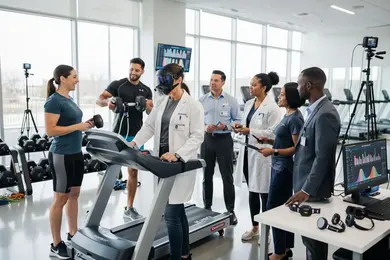
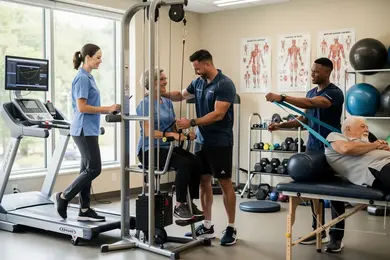
Online exercise science degree programs with a sports performance specialization require students to balance theoretical knowledge and practical application, a tradeoff that influences workforce readiness. Without direct supervision, students must proactively seek community placements or internships to gain hands-on experience necessary for competency in evidence-based training and athlete assessment.
For example, a remote student collaborating with a collegiate track team needs both biomechanics expertise and real-time data analysis skills tailored to individual performance needs. Such integration is critical as employers increasingly prioritize candidates who can deliver adaptable conditioning programs across youth, amateur, and professional contexts.
Employment projections indicate faster-than-average growth for roles like personal trainers (14%), exercise physiologists (13%), and athletic trainers (6%), reflecting sustained demand in sports medicine and rehabilitation fields. However, state licensure and certification complexities, especially for athletic trainers, add a layer of decision-making that affects program choice and professional strategy.
Programs offering the best online exercise science programs for sports performance careers pivot on this balance of flexible delivery with rigorous experiential learning. The most suitable candidates align their practical skill development with regulatory requirements, minimizing friction from the online format. Detailed comparisons of such offerings can be found via sports science degree online.
How do online exercise science programs compare to campus-based options for sports performance?
Online exercise science degree programs offer the theoretical foundation comparable to campus-based options but fall short in critical hands-on skill development essential for athletic careers, particularly in sports performance roles.
Employers in clinical and athletic environments emphasize advanced credentials coupled with practical experience, which many online formats lack due to limited access to supervised internships and direct mentorship. For example, strength and conditioning coaches working with elite athletes generally require on-site certifications or supervised practicum that online programs rarely provide.
Campus-based exercise science programs typically incorporate face-to-face practicum placements, allowing immediate feedback and real-world application that align with professional accrediting bodies. This integration significantly supports job-market readiness.
In contrast, students pursuing online exercise science degree benefits for sports performance must independently secure local internships or certified workshops, creating logistical challenges and variable quality of training which impacts employability in fields requiring biomechanical and physiological assessment.
Employers tend to recognize online degrees more favorably when supplemented by employer-aligned certifications and measurable field experience. Neglecting this integration often results in stalled progress or suppressed salaries.
Prospective students should carefully assess these tradeoffs, as a hybrid model combining remote coursework with structured in-person training commonly yields the strongest alignment with industry expectations and long-term returns.
Those interested in an educational pivot might also explore related options, such as an accelerated bachelor's degree computer science online, to complement exercise science expertise with data analytics skills increasingly valuable in performance optimization and research contexts.
Which U.S. schools offer accredited online exercise science degrees aligned with sports performance careers?
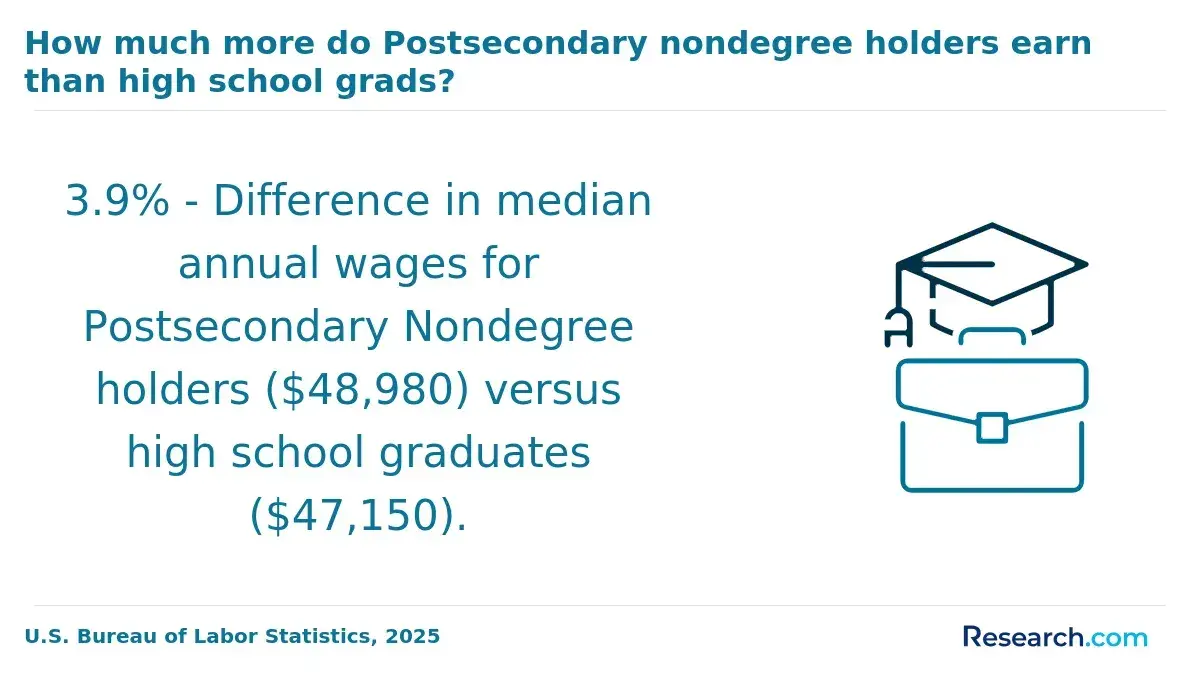
Graduates aiming for sports performance careers must weigh specialization against flexibility in accredited online exercise science programs in the U.S. that integrate applied training with academic theory. Methodist University Online's BS in Exercise & Sport Science shows a notable median annual income near $68,000, suggesting economic advantage when programs align closely with sports performance employer demands.
Examples of relevant online degrees with sports performance focus include:
- The University of Florida's BS in Applied Physiology and Kinesiology, emphasizing strength and conditioning coach certification, essential for collegiate athletics positions.
- California University of Pennsylvania's BS in Exercise Science, designed to meet employer needs through practical internship experiences within affiliated sports venues.
- Wayne State College's BS in Exercise Science, combining exercise physiology with sports management to prepare students for roles as certified personal trainers or rehabilitation specialists.
Career-oriented students must evaluate clinical versus performance-based curricula tailored to occupational goals, such as athletic training or exercise physiology.
Hands-on internships and professional certifications remain critical to employment prospects in sports performance fields; their absence may severely restrict job opportunities. Program format also influences feasibility: fully asynchronous courses maximize convenience for working professionals, while hybrid models better facilitate mentorship and practicums.
Verification of accreditation through agencies like the Commission on Accreditation of Allied Health Education Programs (CAAHEP) or those recognized by the National Strength and Conditioning Association (NSCA) is vital to ensure industry credibility.
Prospective candidates considering a strategic career pivot or enhancement in this sector should also explore related pathways such as online PhD data science programs that complement sports performance analytics and research.
What courses and concentrations are included in online exercise science programs for sports performance?
Specialized tracks within online exercise science courses for sports performance shape practical skills to meet employer expectations rooted in measurable athletic outcomes. Foundational coursework in human anatomy, kinesiology, exercise physiology, biomechanics, and motor learning establishes essential scientific literacy, but without accompanying applied concentrations, graduates may face challenges meeting the nuanced demands of sports-centric roles.
Programs that emphasize sports performance concentrations in exercise science programs-such as strength and conditioning, sports nutrition, injury prevention, and rehabilitation-prepare students to translate theory into actionable training regimens and recovery protocols.
For example, mastering data from movement analysis and physiological assessments directly informs tailored athlete programming, a critical skill valued in collegiate and professional sports settings.
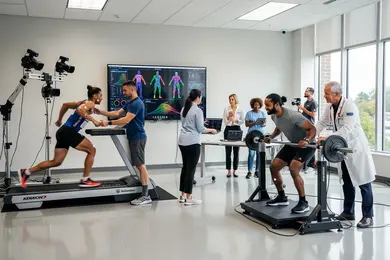
Hands-on experience is not optional. Many curricula integrate virtual or local internships, requiring practical use of precise assessment tools like VO2 max testing or electromyography. These experiences enhance employability by aligning candidate competencies with workforce needs for data-driven injury risk management and performance enhancement strategies.
According to Concordia University-St. Paul's 2025 Exercise Science career guide, exercise physiologists have a median annual income of $58,160 and the occupation's 9% employment growth through 2034 reflects steady openings, about 1,700 yearly.
For students balancing work and study, exploring a master of data science online may complement their analytical skillset, enabling crossover expertise in performance analytics and sports data interpretation.
What admissions requirements and prior experience do online exercise science programs expect?
Acceptance into online exercise science programs depends heavily on prior academic and practical experience, influencing both admissions success and time-to-completion. Most programs require a high school diploma with college-level prerequisites in biology, anatomy, physiology, and chemistry, ensuring essential scientific literacy.
Applicants bringing documented experience in healthcare, athletic or personal training often receive stronger consideration, especially when programs include clinical internships. For instance, a personal trainer shifting toward athletic performance analysis must confirm their certifications meet specific experiential criteria to avoid delays or gaps in practical readiness.
Minimum GPA standards, typically between 2.5 and 3.0, reflect employers' preference for consistent academic performance and readiness for research-focused coursework involving data analysis. Those without relevant experience should anticipate longer program durations due to mandatory internships or practicum hours after admission, a factor that can affect entry into the workforce.
Labor market data from Maryville University's 2024 exercise science careers analysis projects 11% growth in athletic trainer employment through 2034, with a median wage of $60,250, indicating increased competition for limited program seats and employer demand for candidates with both academic rigor and field experience.
Prospective students should verify program partnerships with local sports or healthcare organizations to secure practical placements critical for career launch.
How long do online exercise science degrees take and what do they typically cost?
Degree duration in exercise science programs affects not just completion time but career readiness and employment prospects. Traditional bachelor's degrees typically require four years, with accelerated options compressing this to three by increasing coursework intensity or transfer credits, which demands 20-25 weekly study hours-challenging for full-time workers balancing job and study commitments.
Associate degrees, while quicker at two years, restrict access to advanced roles in sports performance due to their limited curriculum depth. Graduate degrees extend training by two years post-bachelor's, targeting specialized credentials or research-focused roles but add financial and time investments.
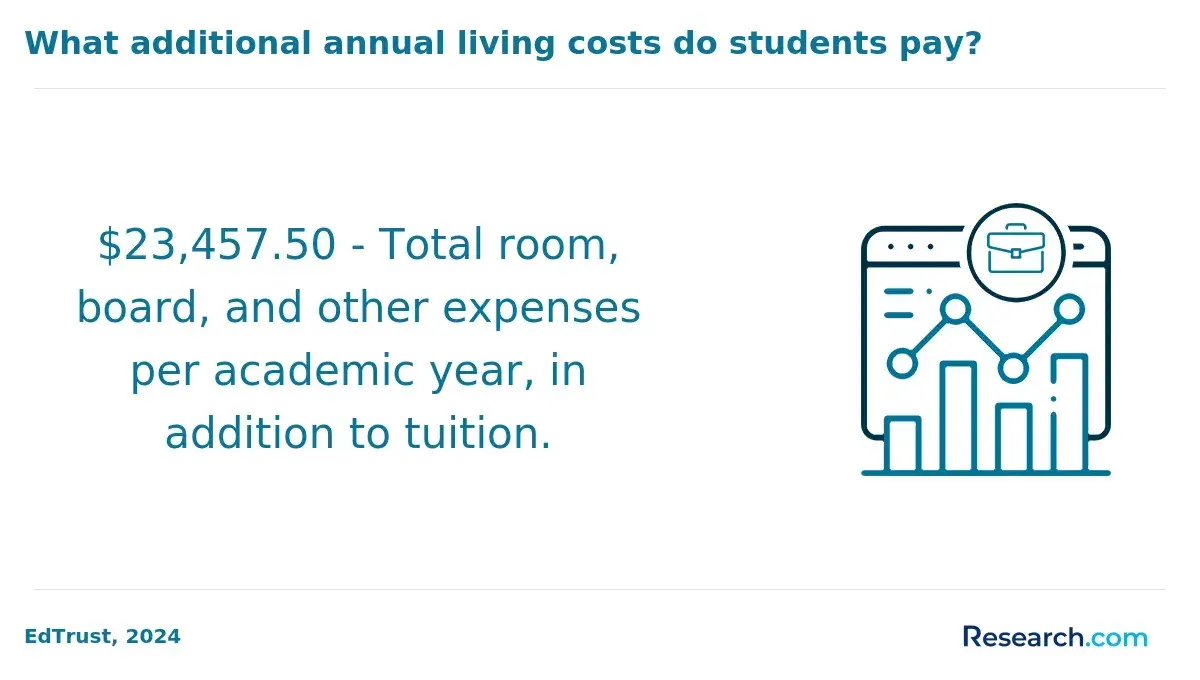
Cost considerations are equally nuanced. Most online bachelor's tuition ranges between $15,000 and $40,000, with public institutions offering lower rates for in-state students. Additional expenses often include certification exams and clinical practicums, which are critical for hands-on experience employers prioritize.
Workforce data from Methodist University Online reveals a steady demand for fitness trainers, with 73,700 annual openings through 2033. Prioritizing programs that balance credit load (under 40 credits per year) and quality clinical placements aligns with employer expectations for practical skills, increasing employability.
Effective decision-making involves assessing one's ability to sustain intense study alongside practical experiences, acknowledging that shorter programs may increase burnout risk, while longer pathways often afford deeper skill development and stronger professional positioning.
What sports performance and allied health careers can you pursue with this degree?
Graduates with an online exercise science degree in 2026 face a labor market that demands both specialized knowledge and applied credentials. Positions such as strength and conditioning specialists on professional sports teams require the ability to integrate biomechanics and physiology into customized training plans.
Similarly, performance analyst roles within NCAA athletic departments depend heavily on proficiency with wearable tech and motion capture data to improve outcomes.
Careers in allied health, like clinical exercise physiology, involve navigating licensing and clinical internship requirements while managing cardiovascular and musculoskeletal rehabilitation programs. These pathways necessitate strong competencies in exercise testing and chronic disease management.
Employers prioritize certifications such as the CSCS and relevant graduate credentials, raising the bar for entry-level roles. Candidates without these face a more competitive landscape and may need to invest additional time and resources in credentialing. Data literacy is a non-negotiable skill, as professionals must interpret performance metrics and adjust interventions in real time.
Key points affecting employability include:
- Mandatory credentialing tailored to sector (sports vs. clinical).
- Growing demand for sport scientists in major leagues and collegiate programs.
- Critical role of internships and licensing in allied health.
- Technological fluency as a baseline expectation.
Practical decisions about curriculum and certification pathways must reflect these workforce realities to optimize long-term career viability.
What salaries and earning potential can sports performance professionals expect with an exercise science degree?
Starting salaries for sports performance professionals with an exercise science degree in the U.S. generally range from $40,000 to $55,000 annually. However, these figures mask important variables tied to specialization, geography, and credentialing.
Professionals targeting clinical or collegiate performance roles typically progress to mid-career salaries between $60,000 and $80,000, while senior-level managers or specialists can surpass $90,000. Metropolitan areas and employers tied to professional sports or research institutions naturally offer higher pay but bring intensified competition.
Career paths that include physical therapy or clinical exercise require additional certification but offer clearer financial upside. Conversely, entry-level roles in commercial fitness or youth coaching may offer lower pay yet serve as practical entry points where gaining hands-on experience and crucial certifications like CSCS can improve longer-term earning potential.
Without advanced credentials, salary growth often stalls near $60,000, which must be factored against the cost and time investment for further certification.
Employment outcomes in the UK similarly indicate a roughly 90% placement rate within 15 months for sport and exercise science graduates, largely in professional or technical roles, suggesting consistency in workforce absorbability across advanced economies.
U.S. students should prioritize internships and credentials that align explicitly with employer demands to strengthen initial salary offers and advancement potential.
Key considerations for prospective students include:
- Weighing the expense of specialized certifications against realistic salary increments.
- Targeting regions with active sports markets or university programs for better opportunities.
- Building practical experience to complement academic credentials and enhance job stability.
What certifications and professional credentials align with sports performance career pathways?
Employers in sports performance demand credentials that demonstrate applied coaching skills fused with scientific understanding, placing the Certified Strength and Conditioning Specialist (CSCS) credential at the forefront of career viability within collegiate and professional team environments.
Without CSCS certification, strength and conditioning coaches risk significant career stagnation, as most top-tier programs require it for hiring or promotion. Meanwhile, Certified Athletic Trainer (ATC) certification enters a different operational sphere focused on clinical rehabilitation, often intersecting with injury management roles in professional medical teams or university settings.
In more specialized contexts-such as military or elite athlete development-niche certifications like Performance Enhancement Specialist (PES) and Tactical Strength and Conditioning Facilitator (TSAC-F) offer targeted skill sets but typically supplement, rather than replace, foundational qualifications like CSCS.
A practical example: a performance scientist at a professional soccer club would need CSCS certification combined with expertise in biomechanics or data analytics to keep pace with evolving performance technology demands.
Key workforce implications include:
- CSCS aligns directly with functional coaching authority and scientific literacy valued by employers across competitive sports.
- ATC's clinical focus, while valuable, limits applicability due to educational prerequisites and NCAA eligibility restrictions.
- Supplementary graduate certifications in nutrition or exercise physiology enhance roles focused on athlete wellness but do not substitute for core coaching credentials.
Salary data from NSCA Coach Issue 10.4 (2024) places full-time sport scientists with recognized certifications between $70,000 and $100,000 annually in the U.S. and UK, underlining the market's preference for verified expertise combined with experience and education.
How can prospective students evaluate and choose a reputable online exercise science program?
Selecting an exercise science program without scrutinizing accreditation and curriculum rigor can severely limit professional outcomes. Regionally accredited institutions with specialized kinesiology program approval ensure relevant coursework that balances foundational knowledge-like anatomy and physiology-with advanced sports performance labs and clinical practicums.
This depth directly impacts eligibility for certifications and licensure, which employers rigorously require for roles commanding higher salaries.
The quality of faculty extends beyond credentials; programs led by active clinicians or researchers offer real-time industry insights and networking advantages critical for niche areas such as rehabilitation or athletic performance.
Students should weigh program delivery models that guarantee hands-on experiences through internships or partnerships with local clinics and sports organizations, not just online theoretical content. Without practical exposure, graduates often face gaps in applied skills demanded by the job market.
Workforce data from NutritionEd's 2026 Exercise Science Degree & Career Guide illustrates a stark wage divide: seasoned clinical exercise physiologists can earn $60,000-$80,000+, contrasting sharply with $35,000-$40,000 entry-level salaries. This underscores the importance of tracking graduate placement and career trajectories to validate institutional claims and return on investment.
Operational realities also include cohort diversity and class size, which shape mentorship quality and professional networking potential. Evaluating technological resources for online biomechanical labs or simulation exercises is necessary, given the field's technical demands. Transparent tuition and accessible financial aid remain practical gating factors, as inflated costs coupled with limited experiential learning reduce long-term career flexibility.
Other Things You Should Know About Exercise Science
Employer respect for online exercise science degrees varies based on program accreditation and clinical or field experience components. Degrees from properly accredited institutions that require hands-on internships or practicum placements have higher acceptance among sports performance employers. Candidates should prioritize programs with mandatory supervised practical experiences, as purely theoretical online degrees without applied elements often face skepticism in competitive job markets.
Specialized sports performance tracks offer concentrated training relevant to athletic development but may limit exposure to general exercise science applications like rehabilitation or wellness programming. A broader curriculum provides versatility for diverse roles but may dilute focus, making graduates less competitive for niche sports performance roles. Students aiming squarely at athletic training or coaching should prioritize specialized tracks for deeper expertise and employer-preferred skill sets.
A strong program includes exercise physiology, biomechanics, strength and conditioning, motor learning, and program design. For sports performance alignment, look for at least 18 to 24 upper-division credits in these areas, plus practical labs or supervised fieldwork tied to human performance.
References
- ESSA's career guide for Accredited Exercise Physiologists https://www.essa.org.au/Web/Web/Resources/Tools-and-templates/ESSA-AEP-Guide.aspx
- Exercise Science | UW-Eau Claire https://www.uwec.edu/academics/programs/undergraduate/exercise-science
- Exercise Science Degree Careers, Jobs and Salaries - Peak Physical Therapy and Sports Performance https://peaktherapy.com/blog/exercise-science-degree-careers-jobs-and-salaries/
- Jobs in Sport Management – Career Paths & Requirements https://etacollege.com/qualification-requirements-for-jobs-in-sport-management-and-related-fields/
- Online Exercise Science Program https://stmary.edu/online-programs/exercise-science.html
- Allied Health Professionals Careers https://explorehealthcareers.org/careers/allied-health-professions/
- Online Exercise Science Degrees: Top School Review https://www.edumed.org/online-schools/exercise-science-degrees/
- Career Routes in Sports Performance: Comprehensive Guide - Supporting Champions https://www.supportingchampions.co.uk/career-routes-in-sports-performance-comprehensive-guide/
- Sports Medicine Careers https://www.sportsmed.org/about-us/sports-medicine-careers
- Exercise Science Jobs | Career Information https://www.nutritioned.org/exercise-science-jobs/