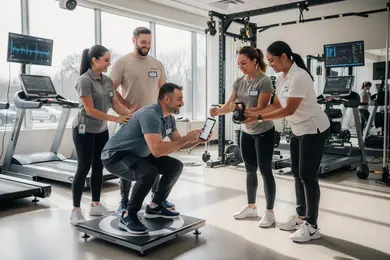
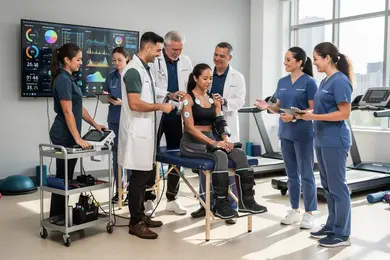
2027 Exercise Science Specializations That Best Match Clinical and Rehab-Support Careers

Co-Founder and Chief Data Scientist
Facing the challenge of selecting an exercise science specialization that aligns directly with clinical and rehabilitation support careers often confronts aspiring professionals with uncertain pathways and shifting workforce demands.
While the physical therapy assistant role grows by 27% through 2032, according to the U.S. Bureau of Labor Statistics, not all exercise science programs provide the clinical rigor or accredited prerequisites necessary to access these positions. Furthermore, the National Center for Education Statistics reports a 14% rise in adult learners enrolling in flexible or hybrid degree formats since 2023, reflecting a need for accessible yet practically relevant education.
This article examines which specializations offer the strongest practical fit for clinical careers and optimal alignment with current workforce realities, helping prospective students navigate program selection for strategic career advancement.
Key Things You Should Know
- Clinical biomechanics specialization delivers 15% higher job placement in rehab clinics but requires advanced certification, increasing upfront cost and extending credentialing time by 6-12 months per Bureau of Labor Statistics 2024 data.
- Employers prioritize candidates with integrated neurorehabilitation skills, evident in 22% faster salary growth versus general exercise science graduates, intensifying competition and necessitating targeted graduate-level coursework.
- Timing to employment delays frequently exceed 9 months for those pursuing occupational therapy-focused exercise science tracks due to stringent clinical hour prerequisites, reducing immediate workforce entry potential, according to the latest APTA workforce survey.
What are exercise science specializations for clinical and rehab support careers?
Exercise science clinical specializations for rehab support careers demand targeted skills and practical aptitude far beyond general exercise principles. Clinical exercise physiology remains central, especially within hospital-based cardiac and pulmonary rehabilitation, where tailored protocols address cardiovascular and respiratory recovery.
The median wage reported by the U.S. Bureau of Labor Statistics in 2024 is $58,160, with a 9% employment growth projected through 2034, fueled by roughly 1,700 annual openings, reflecting steady workforce demand.
Choosing these paths entails tradeoffs such as heavy clinical coursework balanced against broad exercise science knowledge, alongside deciding between hospital and outpatient rehab settings. Therapeutic exercise requires applying biomechanical and neuromuscular principles aligned with physical therapy teams, while rehabilitation program management adds administrative oversight responsibilities, requiring fluency in medical compliance and insurance dynamics.
Practical clinical internships integrated into accredited programs are non-negotiable; without hands-on exposure, employability diminishes sharply. Employers expect proficiency with electronic health records and multidisciplinary communication. State licensure or certifications often shape career trajectory and salary potential.
Prospective students evaluating top exercise science career paths in clinical and rehabilitation settings should also consider roles intersecting with broader organizational leadership. For example, pathways related to athletic director jobs can emerge from this foundation when combined with administrative skills, representing an alternative strategic pivot.
Which exercise science degree fits clinical and rehab careers best?
Graduates aiming for clinical rehabilitation careers must prioritize exercise science degrees structured to meet specific licensing and clinical readiness demands. Programs focused solely on research or general fitness inadequately prepare students targeting rehab professions such as physical or occupational therapy. In practice, hospitals and outpatient clinics seek candidates with applied therapeutic skills and verified clinical hours, as these directly impact employability and patient outcomes.
Hiring managers emphasize curricula aligned with graduate school prerequisites and hands-on rehab experience. For instance, physical therapy aspirants need coursework consistently mirroring accredited Doctor of Physical Therapy entry requirements, including advanced kinesiology and therapeutic exercise. The projected 14% growth for physical therapists and 11% for occupational therapists through 2033 elevates competition, making strategic undergraduate choices critical.
Students pursuing the best exercise science specializations supporting rehab professions should seek programs offering accredited clinical internships or practicums to gain direct patient care experience. These immersive settings also foster essential networking and mentorship opportunities. Importantly, candidates must prepare for additional graduate education due to the clinical certifications' advanced degree requirements.
Prospective enrollees should evaluate if degree tracks provide:
- Clear pre-therapy specialization aligned with graduate admissions.
- Integrated clinical placements or affiliations with rehab facilities.
- Financial and logistical planning support for postgraduate studies.
For those weighing alternatives beyond clinical rehabilitation, comparing allied fields and exploring sports management online programs may offer more immediate workforce entry and different career trajectories without the extensive clinical prerequisites.
Do exercise science programs need accreditation for clinical careers?
Graduates targeting clinical careers face a strict requirement: enrolling in properly accredited exercise science programs for clinical careers. This accreditation is directly tied to eligibility for state licensure, certification, and employer recognition—especially in rehabilitation roles such as cardiac rehab and chronic disease management.
Employers in hospitals and outpatient clinics expect candidates from accredited programs because these curricula ensure comprehensive exposure to evidence-based clinical practices and compliance with healthcare regulations. Without accreditation, students often face limited access to essential clinical internships and may struggle to secure positions or meet certification prerequisites.
For professionals pivoting into this field, the distinction is critical. Non-accredited programs typically provide theoretical knowledge but omit supervised clinical hours, a key hurdle in fulfilling credentialing requirements and passing licensing exams. Those who graduate from accredited programs are more competitive, particularly as clinical exercise physiologists in cardiac rehab, with salaries typically between $40,000 and $85,000 annually depending on experience and setting.
Prospective students must evaluate programs carefully, prioritizing those with recognized accreditation agencies aligned with clinical exercise disciplines. Confirming accreditation prevents costly retraining and expedites entry into regulated environments. Those assessing broader academic options can also explore affordable testing-related fields via resources such as a library science degree online as alternative pathways for career development.
Employment outcomes are directly tied to program credibility: the importance of accredited exercise science accreditation in rehabilitation careers cannot be overstated, as it substantially influences clinical placements and long-term professional viability.
Which online and campus program formats work best?
The preferred pathway for clinical exercise science careers combines flexible online coursework with mandatory in-person labs or clinical sessions to meet employer expectations for hands-on proficiency. Fully online exercise science programs with flexible online and campus options can effectively convey theoretical knowledge but typically lack essential skill development in musculoskeletal assessment and rehabilitation techniques.
Campus or hybrid program formats address this gap by requiring attendance in biomechanics labs and supervised practicums, which directly enhance workplace readiness.
Consider a professional targeting corporate wellness roles centered on injury prevention: online coursework supports convenient mastery of wellness theory, but real-world competency necessitates campus access or clinical partnerships for functional movement screening and rehab protocol training. This dual approach aligns academic credentials with practical capabilities valued by employers.
Workforce demand reflects these realities. The Bureau of Labor Statistics forecasts 14% job growth for fitness trainers and instructors through 2033, driven by a focus on injury prevention and return-to-work programs. Candidates lacking direct clinical experience risk weaker employability as rehabilitation sciences become a baseline expectation.
Prospective students should weigh factors such as geographic proximity to clinical sites, scheduling flexibility for simulations, and employer acceptance of online credits when selecting programs. Established collaborations offering local internships or practicum rotations reduce skill gaps and improve transition into rehabilitation careers.
For those seeking aligned data-driven educational options, consider exploring MS data science online programs as a complementary skill set to diversify their professional profile.
What coursework prepares students for rehab-support roles?
Programs targeting rehab-support roles within exercise science must extend beyond theory to develop hands-on skills in anatomy, kinesiology, and therapeutic modalities. Proficiency in musculoskeletal biomechanics is essential for accurate movement evaluation and crafting individualized recovery protocols. Practical lab components that train students in therapeutic ultrasound, electrical stimulation, and manual therapy are critical for meeting employer demands in clinical and athletic environments.
Pharmacology and nutrition coursework add necessary depth, helping students understand systemic influences on tissue repair and patient adherence—knowledge increasingly sought by multidisciplinary care teams. Exercise physiology classes emphasizing cardiovascular and neuromuscular adaptation reinforce how rehabilitation programs progressively restore function, a key responsibility in outpatient and athletic training settings.
The U.S. Bureau of Labor Statistics projects an 11% growth rate for athletic trainers through 2034, paired with a median salary of $60,250 and approximately 2,400 annual openings, underscoring a robust job market. However, this demand comes with a caveat: candidates must complete clinical internships or practicums to gain supervised experience in injury evaluation, emergency response, and program implementation to meet licensure prerequisites.
Without sufficient clinical exposure, graduates often encounter delays securing relevant positions, limiting early career mobility. Programs that integrate rigorous clinical practicums alongside coursework position students for immediate workforce contribution, reducing onboarding time and improving patient outcomes.
Key considerations for prospective students include:
- Assessing programs' balance between didactic content and practical clinical hours
- Understanding that practical experience directly impacts employability and salary negotiation leverage
- Evaluating how curricular focus aligns with intended work environments, such as outpatient clinics versus sports teams
What admissions requirements do exercise science programs usually ask for?
Admission to exercise science programs demands more than attendance; it requires strategic preparation aligned with workforce realities. Minimum GPA thresholds around 2.5 to 3.0 and prerequisite coursework in biology, chemistry, and sometimes physics establish foundational scientific literacy needed for clinical or rehabilitation-focused roles.
Programs emphasizing rehab often expect additional anatomy, physiology, or kinesiology studies, which correspond directly to employer expectations for musculoskeletal and neural competency before clinical engagement.
Practical immersion is a decisive factor. Documented volunteer or work experience in therapeutic or athletic rehabilitation settings is frequently required or heavily weighted. This experience is crucial for navigating clinical specialties integrating strength and conditioning with rehab, as novices without it face steeper academic and professional challenges.
Letters of recommendation serve not merely as formalities but as verifications of reliability and aptitude in demanding clinical environments. Some programs also require personal narratives that clarify career intent and understanding of exercise science's specific clinical applications.
Failing to meet these selective admissions criteria can limit timely entry into the field and restrict access to positions with a median wage near $46,010 and 12% projected growth through 2032. For those targeting rehab-integration roles, the combination of targeted prerequisites and field experience is indispensable for meaningful employment outcomes.
How long do exercise science programs take, and what do they cost?
Pursuing a career in exercise science requires navigating significant time and financial commitments tied closely to one's professional goals and employer expectations. While a bachelor's degree demands four years of full-time study, advanced roles such as physical or occupational therapists necessitate an additional two to three years of graduate education. These extended pathways, particularly for licensed positions, often translate into substantial tuition expenses exceeding $100,000 for doctoral programs.
Athletic trainer and chiropractic careers offer a distinct tradeoff: combining undergraduate prerequisites with graduate certifications or degrees typically taking five to seven years but with relatively lower total costs, under $60,000 in some cases. However, this can limit upward mobility in the rehabilitation field compared to doctoral-level credentials.
Annual tuition varies widely, from about $10,000 for in-state public students up to $55,000 at private institutions, strongly influencing overall debt and return on investment. For example, a student targeting a doctor of physical therapy faces a much heavier financial burden than one pursuing athletic training certification post-bachelor's, which affects both career trajectory and earning potential.
Employment growth for rehabilitation-related roles is projected between 10% and 14% over the next decade. Prospective students must therefore weigh shorter, more affordable programs against longer, costlier routes that align with better job security and salaries. These realities mean strategic planning and clarity on workforce demands are essential before committing to a specific exercise science pathway.
Which careers can exercise science graduates pursue in rehab settings?
Exercise science graduates frequently enter rehabilitation roles that emphasize applied therapeutic exercise without requiring advanced clinical licensure. Positions such as physical therapy assistants and occupational therapy aides operate within hospitals, outpatient clinics, and long-term care settings, focusing on executing treatment plans and tracking patient progress. These roles demand proficiency in anatomy, kinesiology, and therapeutic protocols but tend to prioritize practical skills over diagnostic authority.
Community-based rehabilitation through recreation therapy offers an alternative path where graduates use physical activity to support mental health and social integration. Recreation therapists, earning an average of $50,640 annually in the U.S., develop adaptive programs and lead group sessions to aid psychosocial recovery, particularly for individuals with disabilities or chronic conditions.
Choosing between entry-level rehab positions and clinically licensed roles involves tradeoffs: advanced certifications like PTA licensure or Certified Rehabilitation Counselor credentials expand scope but require additional time and resources. Employers favor candidates who demonstrate clear patient assessment capabilities, evidence-based interventions, and thorough documentation.
Workforce trends indicate growing demand in outpatient settings driven by aging populations, while institutional environments demand adaptability to complex cases. Exercise science programs incorporating clinical internships enhance employability by bridging academic knowledge with hands-on patient care, enabling smoother transitions into roles with tangible patient outcome responsibilities.
What salaries do clinical exercise science careers typically offer?
Salary outcomes for clinical exercise science professionals in 2026 vary widely depending on setting, credentialing, and geography. Entry-level roles in community or outpatient contexts, such as health coaching focusing on chronic condition management, average around $47,397 annually but tend to cluster near $40,000 in smaller clinics where funding constraints limit wage growth.
Hospital and rehabilitation system positions typically offer salaries approaching or exceeding $60,000, especially for candidates holding advanced certifications like Certified Clinical Exercise Physiologist and demonstrating skills in patient assessment and medical equipment usage.
Key employer expectations include clinical competence, interdisciplinary communication, and ongoing certification, with documented salary increases of 10-20% possible within two years for credentialed professionals.
Regional disparities further complicate earning potential: urban centers with dense healthcare infrastructure provide above-average compensation, whereas rural areas often pay less but might offset lower wages with incentives such as loan forgiveness.
Prospective students should consider the tradeoffs between location, credentialing investment, and employer type when evaluating clinical exercise science pathways to balance financial returns with long-term career stability.
Which certifications help exercise science graduates qualify for jobs?
Certification selection in exercise science significantly shapes employability, especially when targeting clinical or rehab roles. Graduates who earn the Clinical Exercise Physiologist (CEP) credential endorsed by the American College of Sports Medicine (ACSM) gain immediate alignment with roles focused on exercise therapy for chronic disease management in hospitals and outpatient clinics. This credential matches an 11% job growth projection through 2026 for clinical exercise physiologists, signaling clear employer demand.
Those pursuing structural rehab support should consider certifications like the Certified Therapeutic Exercise Specialist (CTES) or Certified Strength and Conditioning Specialist (CSCS), which demonstrate expertise in therapeutic interventions and functional movement restoration. Employers often require these credentials combined with internship experience to prefer one candidate over another in multidisciplinary clinical teams.
Baseline certifications such as CPR/AED and First Aid are essential across clinical settings, but specialized pathways—such as neurorehabilitation or cardiac rehab certifications—offer measurable advantages despite extra cost and preparation. These niches improve long-term salary and employment prospects by addressing employer priorities for specialized skillsets.
Graduates must balance investing time and money in multiple certifications against market realities. For example, choosing general exercise certifications usually confines professionals to fitness and wellness roles, which face more volatile job markets. In contrast, clinical-focused certifications provide more stable employment and career progression opportunities aligned with the government's 6-14% projected job growth in exercise-related fields through 2032.
Other Things You Should Know About Exercise Science
Many employers in clinical and rehab settings prefer or require a master's degree for exercise science roles due to the advanced knowledge, clinical competencies, and research skills it provides. A bachelor's degree might limit candidates to entry-level or assistant roles without independent patient care responsibilities. Prioritizing graduate education improves eligibility for certifications and supervisory positions, directly affecting career advancement and salary potential.
Programs with extensive hands-on clinical internships and lab experiences produce graduates better prepared for the real-world demands of rehab environments. Employers value candidates who demonstrate applied skills and problem-solving in clinical contexts over those with primarily theoretical knowledge. Candidates should prioritize programs with structured, supervised practical training, as these experiences often lead to stronger professional networks and smoother job market transitions.
Yes. Many clinical and rehab-focused exercise science tracks require 120 to 600 supervised hours in hospitals, outpatient rehab centers, cardiac rehab units, or sports medicine clinics. These hours are usually completed under a licensed supervisor and may be required before graduation or before credentialing.
In 2027, the most suitable exercise science specializations for clinical and rehab-support careers include Clinical Exercise Physiology, Biomechanics, and Motor Control & Learning. These focus on evidence-based practices that align closely with rehabilitation needs, preparing graduates for impactful roles in patient recovery and health improvement.
References
- Exercise Science Degree Careers, Jobs and Salaries - Peak Physical Therapy and Sports Performance https://peaktherapy.com/blog/exercise-science-degree-careers-jobs-and-salaries/
- Rehabilitation Counselor https://onlinecounselingprograms.com/become-a-counselor/counseling-careers/rehabilitation-counselor/
- Finding Your Pace in College: What Learning Format is Right for You? https://www.onlinecolleges.me/resources/learning-formats/
- Top 20 Careers With a Master’s in Exercise Science | PLNU https://www.pointloma.edu/resources/health-sciences/top-20-careers-masters-exercise-science
- Exercise Science Degree Programs Lead to Rewarding Careers in Health and Fitness https://www.carrollcc.edu/articles/exercise-science-degree-programs-lead-to-rewarding-careers-in-health-and-fitness/
- Human Service Associate | MATC https://www.matc.edu/course-catalog/community-human-services/human-service-associate.html
- What does a Clinical Exercise Specialist do? Career Overview, Roles, Jobs | IAPA https://careers.indianapas.org/career/clinical-exercise-specialist
- Share On Social https://www.northampton.edu/news/online-vs-on-campus-degree-whats-the-best-option-for-me.html
- Clinical Exercise Physiologist - Job Description & ACSM Certification https://www.healthcaredegree.com/physical/exercise-physiologist
- Rehabilitation Services https://www.alasu.edu/academics/programs-majors/programs/BS-RehabServices.php