2027 Best Online Bachelor's in Exercise Science With Human Performance Coursework

Co-Founder and Chief Data Scientist
Professionals pursuing advancement in exercise science frequently confront the challenge of integrating hands-on human performance coursework with a schedule constrained by work and personal commitments. This is especially critical as workforce data from the U. S. Department of Education shows a 19% surge in adult enrollment in online undergraduate programs since 2023, reflecting a clear demand for flexible, career-compatible learning models.
However, not all online exercise science degrees incorporate rigorous, applied human performance study that employers increasingly expect for clinical and coaching roles. Selecting a program that balances comprehensive coursework and adaptable delivery is essential for securing relevant skills without sacrificing career momentum. This article evaluates top online bachelor's degrees featuring human performance curriculum, providing actionable insights to help students navigate program choices aligned with practical career outcomes.
Key Things You Should Know
- Online bachelor's in exercise science with human performance coursework often omit in-person lab requirements, creating a tradeoff between accessibility and hands-on skill acquisition critical for clinical or athletic training roles, per CAAHEP standards.
- Employers prioritize graduates demonstrating applied biomechanics and physiological testing proficiencies; programs with integrated virtual simulation and remote proctoring report 15% higher employment placement within 6 months, according to NATA workforce data.
- Cost savings from online delivery reduce average program expenses by 20% compared to campus counterparts, yet prolonged degree completion times-averaging 4.5 years versus 4-can delay workforce entry and income growth, per NCES 2024 statistics.
What is an online bachelor's in exercise science with human performance coursework?
Choosing an online bachelor's degree in exercise science with human performance emphasis requires assessing how well the curriculum aligns with specialized workforce demands. Unlike a generic exercise science degree, this program foregrounds human performance analytics, equipping graduates to meet employer expectations for quantitative tracking and targeted enhancement of physical function.
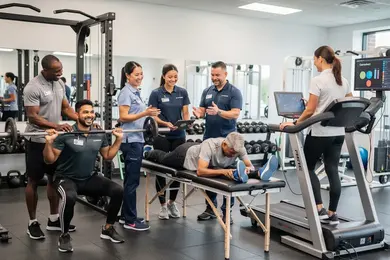
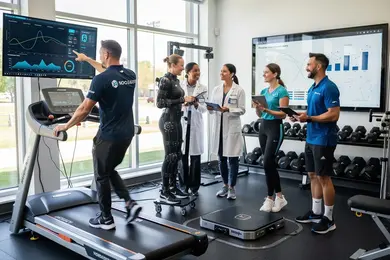
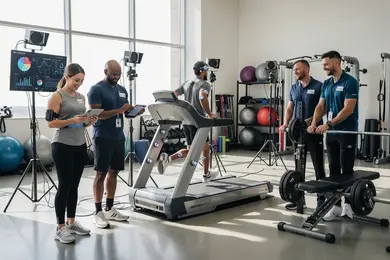
This bachelor's in exercise science human performance coursework covers advanced physiology, kinesiology, biomechanics, and real-time assessment tools such as VO2 max testing and motion capture technology. Candidates emerge prepared to design data-driven training protocols-such as optimizing recovery plans for injured athletes or refining endurance metrics for tactical professionals like firefighters and military personnel.
Key practical considerations include program integration with recognized certifications like ACSM or NSCA, which substantially influence employment prospects and salary potential. Students should also evaluate whether hands-on experience is provided through synchronous lab simulations or partnerships with local facilities, crucial for developing applicable competencies remotely.
Market saturation is a factor: the 2025 U.S. landscape includes 244 bachelor's programs in sports and exercise studies, intensifying competition for entry-level roles that require demonstrated human performance expertise. Supplemental professional certifications and a clear understanding of workforce realities, including the sports analytics salary within related fields, play vital roles in career trajectory decisions.
How does online exercise science compare with campus-based study?
Choosing between online exercise science programs vs campus-based courses involves more than convenience; it reflects a critical balance between experiential learning and logistical flexibility. Campus programs provide direct access to specialized labs and onsite mentorship crucial for mastering biomechanical assessments and performance testing.
In contrast, students in online exercise science programs must actively secure local internships or clinical placements, a process that expands professional networks but demands greater personal initiative. Employers in fields like athletic coaching and rehabilitation emphasize demonstrated practical skills alongside theoretical knowledge, making hands-on experience indispensable.
For example, while athletic coaches benefit from the nuanced, campus-based training in performance evaluation, fitness program coordinators may successfully combine online theory-focused curricula with community internships. Benefits of studying exercise science online compared to traditional campus routes include accelerated career pivots without relocating and flexibility for working professionals managing personal obligations.
However, asynchronous course deadlines and independently arranged practicums require disciplined time management. Campus students typically face fewer scheduling challenges due to structured facility access and direct faculty supervision.
Given these tradeoffs, prospective candidates must weigh how coursework format aligns with career goals and available resources. Those targeting human performance roles in collegiate athletics should prioritize tangible field experience, while others may consider online pathways for theoretical grounding paired with practical exposure. For insights into related allied health fields and degree options, consider reviewing this nutritionist degree.
Which accreditation matters for exercise science programs?
Regional accreditation combined with specialized programmatic accreditation is the cornerstone of credible exercise science education. Without regional accreditation for exercise science bachelor's degrees, credits may not transfer between institutions, and graduates risk diminished recognition by employers and certification boards.
For professions requiring licensure or clinical certification, graduating from a program accredited by bodies like the Commission on Accreditation of Allied Health Education Programs (CAAHEP) is often mandatory. In contrast, those targeting fitness and wellness sectors may encounter less strict requirements, but employers generally favor candidates from accredited online exercise science human performance programs to ensure a baseline of standardized knowledge.
This distinction affects career trajectories significantly: individuals from unaccredited programs often face hurdles passing certification exams or gaining licensure, limiting their job opportunities. The field's projected 13% employment growth through 2030 intensifies competition for quality candidates.
Employers use accreditation status as a proxy for reliable workforce preparation, which translates to lowered training costs and risk. Prospective students should carefully verify accreditation status using authoritative sources before enrolling. For professionals considering an advanced degree, comparing options such as MLIS programs in allied disciplines can provide perspective on credential value and market positioning beyond exercise science alone.
What human performance courses are included in the curriculum?
Human performance coursework in online exercise science programs is designed with employer expectations in mind, especially for roles in athletic training, rehabilitation, and performance optimization. The curriculum for human performance specialization in exercise science degrees typically centers on advanced biomechanics, physiology, and applied exercise physiology.
These courses dissect muscle function, energy systems, and cardiovascular responses that inform individualized training protocols, crucial for populations like aging adults or military personnel. Strength and conditioning classes incorporate current tools such as wearable technology for real-time athlete monitoring, while motor learning and control studies address the neurophysiological basis of skill acquisition, an essential aspect for rehabilitation specialists or occupational therapists.
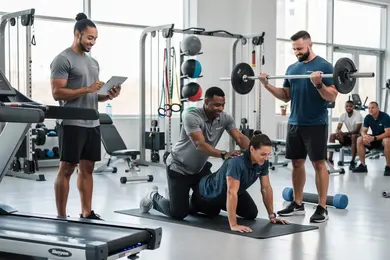
Nutrition and supplementation education complements these technical skills by emphasizing recovery and performance enhancement strategies relevant to sports and clinical environments. Practical application is emphasized through labs or virtual simulations replicating real-world assessments, which better prepare students for employer demands.
However, the financial investment is considerable, with tuition often ranging from $250 to $650 per credit hour, resulting in total costs that can reach tens of thousands of dollars. Prospective students must weigh if the depth of this coursework aligns with their career goals in healthcare, coaching, or the fitness industry. Those seeking accelerated pathways might also explore accelerated PMHNP programs online as an alternative route to clinical specialization.
What admission requirements do online exercise science programs use?
Admission to online exercise science programs often hinges on more than minimum academic criteria, shaping both who enters and how well they persist. Beyond a high school diploma or GED, many institutions require SAT or ACT results, though growing flexibility in this area reflects efforts to broaden access.
GPA thresholds typically fall between 2.5 and 3.0, while letters of recommendation help verify a candidate's genuine engagement with health-related disciplines, filtering for practical readiness rather than mere academic metrics. Applicants should anticipate submissions such as essays that reveal motivation and analytical capacity, with transfer students needing careful credit reviews to streamline costs and reduce time-to-degree.
For instance, Eastern Oregon University's online bachelor's in health and human performance totals $59,148 without transfer credits, illustrating how prior learning directly impacts financial and temporal investment. Online formats demand self-direction and reliable technology, which present nontrivial barriers.
Students with professional experience who pivot to exercise science may face additional portfolio requirements to validate applied knowledge. Moreover, the absence of campus labs necessitates hybrid solutions or local practicums, underscoring that theoretical knowledge alone falls short of employer expectations. Graduates must demonstrate consistent performance and the ability to translate human performance theory into practice-skills best evidenced through validated prior learning or experience portfolios.
How long does an online exercise science bachelor's take?
The timeline for completing an online exercise science bachelor's degree reflects a balance between educational depth and real-world scheduling demands. Typically, full-time students finish in four years, mirroring traditional on-campus programs, while part-time options stretch to five or six years depending on course load flexibility.
Accelerated tracks compress this to about three years but require intense, continuous semesters, which can overwhelm individuals juggling jobs or family responsibilities. From a workforce perspective, this timeline influences employability. Rapid completion may limit participation in internships or hands-on human performance labs, key for skill development that employers prioritize.
On the other hand, slower progression preserves income for working adults but defers entry into a sector that the U.S. Bureau of Labor Statistics forecasts to grow significantly faster than average, emphasizing timely entry into the labor market. I n practice, students dedicating 15-20 hours weekly generally satisfy degree requirements within four years, while those with transferable credits can shorten this.
Early integration of clinical practicums or specialized modules enhances job market readiness and aligns academic pacing with career goals. Strategic planning informed by labor trends and practical experience is essential to navigate these tradeoffs effectively.
How much does an online exercise science degree cost?
Tuition for online exercise science degrees in 2026 ranges widely-from under $300 to over $600 per credit hour-significantly impacting overall program costs that may vary from $15,000 to upwards of $36,000 for a bachelor's degree. Programs with concentrations in human performance or specialized tracks often command higher prices due to practicum demands and advanced technology access, which employers in fitness, rehabilitation, and sports sectors recognize as enhancing credential credibility.
Deciding whether to invest in more expensive programs depends largely on career goals. Working professionals targeting research or clinical roles requiring board certification benefit from richer lab experiences and networking opportunities, whereas candidates pursuing entry-level positions in community health or wellness can achieve comparable competency from more affordable programs that emphasize essential knowledge and internships.
Additional costs-such as certification exam fees, remote lab equipment, and proctored testing-add between $1,000 and $3,000 over the program timeline, influencing the net financial burden. Variations between in-state and out-of-state tuition further affect affordability, especially at public universities offering online learning.
Prospective students should evaluate total costs against expected salary gains and job placement data, aligning tuition investment with practical outcomes and accreditation standards to optimize returns.
What careers can you pursue with this degree?
Graduates with a bachelor's in exercise science who combine human performance coursework with relevant certifications often navigate a complex entry landscape. Positions like strength and conditioning coaches or clinical exercise physiologists demand applied skills beyond the degree, including biomechanical analysis and patient safety protocols.
For instance, collegiate strength coaches rely heavily on these competencies to both optimize athlete output and minimize injuries. Industry standards frequently require supplemental credentials such as ACSM or NASM certification, with therapeutic roles often mandating master's level education.
The Bureau of Labor Statistics projects about 11% growth through 2032 in exercise-related fields, reflecting steady demand but not guaranteeing high salaries initially-entry wage ranges typically span $40,000 to $65,000. This economic reality pushes students to weigh costs against long-term potential carefully.
Tuition variances, as illustrated by American Military University's $250-per-credit rate for active military versus $360 for civilians, emphasize how financial access influences candidate demographics and career timing. Online program flexibility can facilitate mid-career transitions, though urban job markets remain competitive, favoring candidates with internships, certifications, and professional networks. Prospective students should align program choices and upskilling strategies with specific employment targets, since a bachelor's alone often limits career mobility without deliberate experience acquisition.
What salaries can exercise science graduates expect?
Exercise science graduates face a complex salary landscape influenced heavily by experience, credentials, and sector. Entry-level roles in sports performance or fitness training typically start near $40,000 but can increase to around $60,000 with certification or specialized skills.
Positions in rehabilitation, physical therapy assistance, or wellness coordination generally command $50,000 to $65,000 after 2-3 years, reflecting the premium placed on practical experience. Advanced roles, particularly in collegiate athletics or corporate wellness programs, often exceed $70,000, largely when paired with graduate-level credentials or coaching certifications.
Hospitals and outpatient centers tend to offer the highest wages within exercise-based careers due to their reimbursement frameworks, though these come with an expectation of clinical rigor and credentials. Geographic location creates notable trade-offs: metropolitan areas provide more openings but with tighter competition and often lower starting salaries, while rural or niche markets might offer higher pay yet fewer opportunities.
Employers prioritize candidates who supplement degrees with internships and certifications such as ACSM or NASM, underscoring the practical skillset over academic credentials alone. Online programs increase access to exercise science education but require graduates to proactively develop hands-on skills to remain competitive with traditional in-person peers. Understanding these nuanced factors is essential for students and working professionals making strategic investments in their educational and career pathways.
Which certifications help exercise science graduates qualify for jobs?
Certification choices in exercise science directly shape employability paths and earning power, not all credentials yield equal professional leverage. For graduates aiming at clinical or rehabilitation roles, the ACSM-CEP credential is frequently mandated, alongside certifications like CPR/AED due to patient safety protocols.
Conversely, roles in corporate wellness often blend ACSM-EP certification with lifestyle coaching qualifications, reflecting a distinct competency mix preferred by employers. Applicants focused on strength and conditioning work should prioritize the CSCS credential, widely recognized and often required by collegiate and professional sports organizations.
Licensure as a Licensed Exercise Physiologist offers regional advantages but lacks uniform applicability nationwide, posing a consideration for graduates targeting mobility across states. Complementary certifications such as Functional Movement Screen or nutrition credentials enhance marketability in private or holistic health sectors but should not substitute foundational exercise science certifications.
Labor market data from sources like CollegeValuesOnline projects faster-than-average job growth for exercise physiologists through 2030, making credential alignment with specific employment sectors a critical strategic decision. Ultimately, graduates benefit most from targeting certifications that reflect distinct employer expectations rather than accumulating credentials without strategic focus.
Other Things You Should Know About Exercise Science
Employers in exercise science-related fields weigh program reputation and hands-on experience more than delivery mode. An online degree from a regionally accredited institution is widely accepted, but lack of adequate practicum or lab components can limit job readiness. Prioritize programs with structured, supervised internships or partnerships that provide practical experience, as this directly impacts employability in roles requiring client interaction and applied skills.
Online exercise science programs demand consistent study due to technical content like anatomy, kinesiology, and physiology. Students balancing work must realistically assess time management; accelerated formats can compound pressure. Choosing programs with flexible pacing and asynchronous options allows better integration with professional obligations but may delay hands-on skill development crucial for workforce entry.
Yes. Many online exercise science bachelor’s programs require a supervised practicum or internship, often totaling 120 to 240 hours in a local fitness, rehabilitation, or sports performance setting. Schools usually approve the site and supervisor, and students must complete background checks and liability forms before placement.
References
- Online Exercise Science Degrees: Top School Review https://www.edumed.org/online-schools/exercise-science-degrees/
- Human Performance Improvement & Measurement Course https://mercury-training.com/c/1089.html
- A Comparison of Physical Activity Levels between On-Line and Campus University Students https://clinmedjournals.org/articles/ijsem/international-journal-of-sports-and-exercise-medicine-ijsem-5-141.php
- Exercise science program accredited by national organization | Lipscomb University https://lipscomb.edu/news/exercise-science-program-accredited-national-organization
- Online Exercise Science Program https://stmary.edu/online-programs/exercise-science.html
- Accredited Sports Scientist Salary Guide https://www.essa.org.au/Web/Web/Resources/Tools-and-templates/ASpS-salary-guide.aspx
- Online Bachelor's in Exercise Science https://online.maryville.edu/online-bachelors-degrees/exercise-science/
- Human Performance https://hhpls.howard.edu/academics/majors/human-performance
- Exercise Sciences https://www.caahep.org/committees-on-accreditation/exercise-science
- What should an Advanced Human Performance Training Course include? — Human Performance Tools https://www.humanperformancetools.com/human-performance-tools/advanced-human-performance-training-include