2027 Online Exercise Science Degrees With Exercise and Health Promotion Concentrations

Co-Founder and Chief Data Scientist
Professionals aiming to enter or advance in exercise science often confront a critical barrier: balancing rigorous coursework and clinical practicum with demanding work schedules or family commitments. This challenge intensifies as workforce data from the National Center for Education Statistics reveal a sustained 12% annual growth in enrollment for fully online health-related degree programs, highlighting a shift toward remote learning as a practical necessity rather than a convenience.
Such trends reflect wider systemic constraints on learners who require adaptable pacing and access without sacrificing academic rigor or professional relevance. This article evaluates fully online exercise science degrees featuring exercise and health promotion concentrations to guide informed decisions amid these competing demands.
Key Things You Should Know
- Enrollment data from the National Center for Education Statistics shows exercise science degrees with health promotion concentrations average 20% longer completion times due to integrated practicum demands, increasing opportunity costs for working students.
- Employer surveys by the American College of Sports Medicine in 2024 indicate 65% prefer graduates with health promotion specialization for entry-level roles, intensifying pressure to select focus areas aligned with workforce demand.
- Cost analyses reveal specialized exercise science curricula with health promotion components typically incur 15-25% higher tuition due to required certifications, representing a critical tradeoff between upfront investment and differentiated employability.
What is an online exercise science degree with an exercise and health promotion concentration?
An online exercise science degree with health promotion concentration is a strategic choice for professionals balancing work and study, offering focused training in human movement sciences alongside community health strategies. Unlike traditional settings, these programs rely heavily on self-discipline due to limited hands-on experience, which can affect readiness for clinical environments.
Graduates often fill roles in hospitals, rehabilitation centers, or corporate wellness, where they create targeted exercise programs for populations such as cardiac patients or employees needing obesity risk reduction. This specialization reflects employer demand for health outcomes tied to chronic disease prevention. Job outlook remains positive, with a 2024 median U.S. wage of $54,130 for exercise physiologists and growth driven by public health needs.
Key considerations when choosing from exercise science and health promotion online programs include accreditation aligned with credentialing bodies and availability of internships-even virtual-to ensure competitive employability. Without these, candidates risk reduced opportunities against peers who possess clinical certifications.
The online format suits those seeking flexibility but requires awareness of its practical limitations. Prospective students should also explore related career paths, including roles detailed for a sport analyst.
How do online exercise science programs compare to campus-based options for flexibility and outcomes?
Flexibility in online exercise science programs primarily benefits working professionals or those juggling other commitments, allowing access to coursework unconstrained by location or fixed timing. This online exercise science program flexibility benefits those needing asynchronous study options, but it requires proactive arrangements for local internships, which are critical for clinical skill development.
Campus-based programs often integrate hands-on lab work and structured practicums, making them preferable for students needing robust, in-person clinical experience.
Employers increasingly prioritize demonstrated competencies and certifications over whether a degree was earned online or on campus, yet practical experience remains non-negotiable for roles involving clinical applications. The tradeoff is clear: online students must self-navigate field placement logistics, while campus students benefit from prearranged internships aligned with employer expectations.
The U.S. Bureau of Labor Statistics anticipates 7% growth in health education and community health worker roles through 2032, translating to about 15,000 annual openings. Students should weigh their access to local opportunities, time management capacity, and institutional support in employer networking when comparing campus versus online exercise science degree outcomes.
For instance, a full-time worker pivoting into health promotion might choose online study for flexibility, provided the program supports field placements; conversely, a recent graduate aiming for clinical roles may find campus programs more advantageous for hands-on training and cohort collaboration.
Additional perspective on related environmental health education career outcomes is available at what can you get with an environmental science degree.
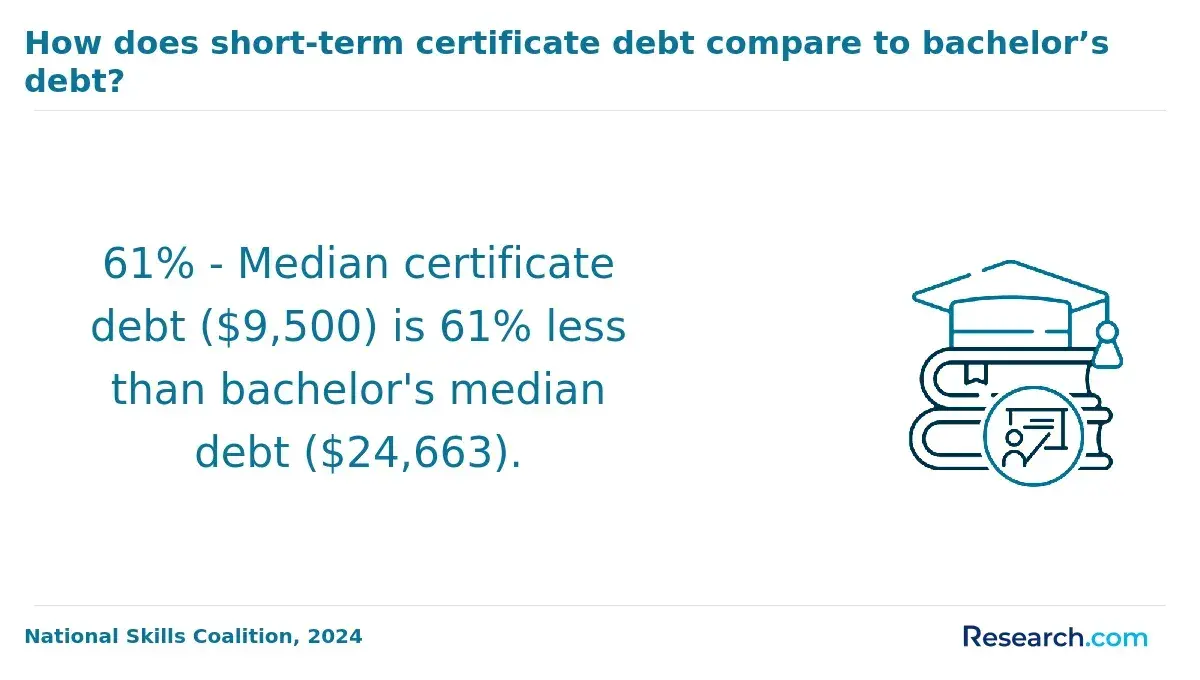
Are online exercise science degrees with health promotion concentrations properly accredited and recognized?
Accredited online exercise science degrees with a health promotion focus must be scrutinized for regional accreditation and adherence to standards from bodies like the Commission on Accreditation of Allied Health Education Programs (CAAHEP). Without this rigor, graduates face restricted employability and limited eligibility for critical certifications such as the Certified Health Education Specialist (CHES).
Employers across healthcare, fitness, and public health increasingly prioritize candidates from recognized online exercise science programs in health promotion, making accreditation a practical filter rather than a mere formality.
Access has grown as about 89% of U.S. institutions now offer fully online degree options, but this expansion brings risk: some programs lack recognized accreditation from the U.S. Department of Education or Council for Higher Education Accreditation. Such credentials often hold little weight in clinical or corporate wellness environments where compliance and accountability are tightly enforced.
Practicum or internship availability near a student's location is a critical consideration since supervised field experience is mandatory for credible certification paths. For example, a registered dietitian seeking to transition into health promotion needs verified clinical or community placements only accredited programs can reliably provide. Absence of accessible hands-on components can dramatically diminish a program's real-world value.
Evaluating these degrees should include understanding how limited employer trust in unaccredited programs restricts upward mobility into specialist or managerial roles.
For those comparing pathways, resources such as best online library science programs provide insight into online offerings backed by credible accreditation frameworks.
What courses and specializations are typically included in exercise and health promotion online programs?
Programs offering exercise and health promotion courses online must move beyond foundational theory to address employer demand for applied skills in diverse settings. Core coursework typically covers anatomy, physiology, kinesiology, and biomechanics, establishing a critical framework for designing safe and effective training protocols.
However, specializations in health promotion increasingly integrate behavioral change theories and wellness program management, preparing students to develop targeted interventions that impact population health outcomes.
Practical application is essential; for example, a graduate working in corporate wellness needs both exercise science expertise and strategic program evaluation skills to improve employee engagement and health metrics. This scenario reflects the growing importance of motivational interviewing and chronic disease management, which employers prioritize as frontline competencies.
Students should anticipate coursework in nutrition for fitness, exercise prescription tailored across populations, and injury prevention to mitigate the physical risks associated with active lifestyles. Workforce projections signal a 14% job growth for fitness trainers and instructors by 2032, significantly outpacing many fields and underscoring the value of applied knowledge and client communication abilities.
Choosing an online exercise science degree specializations in health promotion that exclude behavioral science components or lack real-world application can leave graduates underprepared for evolving multidisciplinary roles in healthcare, commercial fitness, and public health agencies.
For those balancing cost and quality, identifying programs aligned with career realities is critical-prospective students can consult rankings such as the best library schools as a model for evaluating affordability alongside academic rigor.
What admission requirements do online exercise science and health promotion programs usually have?
Online exercise science and health promotion programs demand applicants demonstrate readiness for science-intensive curricula and meet specific academic standards, which often include a high school diploma and a GPA threshold near 2.5 to 3.0.
Transfer credits can accelerate completion time, an important factor for working professionals seeking efficiency. Employers increasingly expect candidates to have foundational knowledge in biology, anatomy, and chemistry, typically verified by prerequisite courses in biology with labs and general chemistry; some programs also require statistics or math.
In practice, candidates should be prepared for requirements beyond academics, including technical capabilities like video-enabled devices and high-speed internet for online learning. Programs that include practicum or internship phases often impose background checks and immunization proof, adding layers of complexity for professionals balancing work and study.
For individuals switching to exercise science without strong science backgrounds, bridge courses or conditional admissions are crucial pathways. These mechanisms help close competency gaps that otherwise hamper employability in community wellness roles. Given a projected 7% job growth in health educator positions through 2033, such preparatory steps are essential for aligning education with evolving labor market needs.
Admission nuances often reflect the tension between accommodating diverse learner profiles and maintaining the scientific rigor employers require. Candidates must weigh how well a program's prerequisites and practical demands fit their existing knowledge and logistical capacity, especially when local field experiences must be independently arranged without on-campus support.
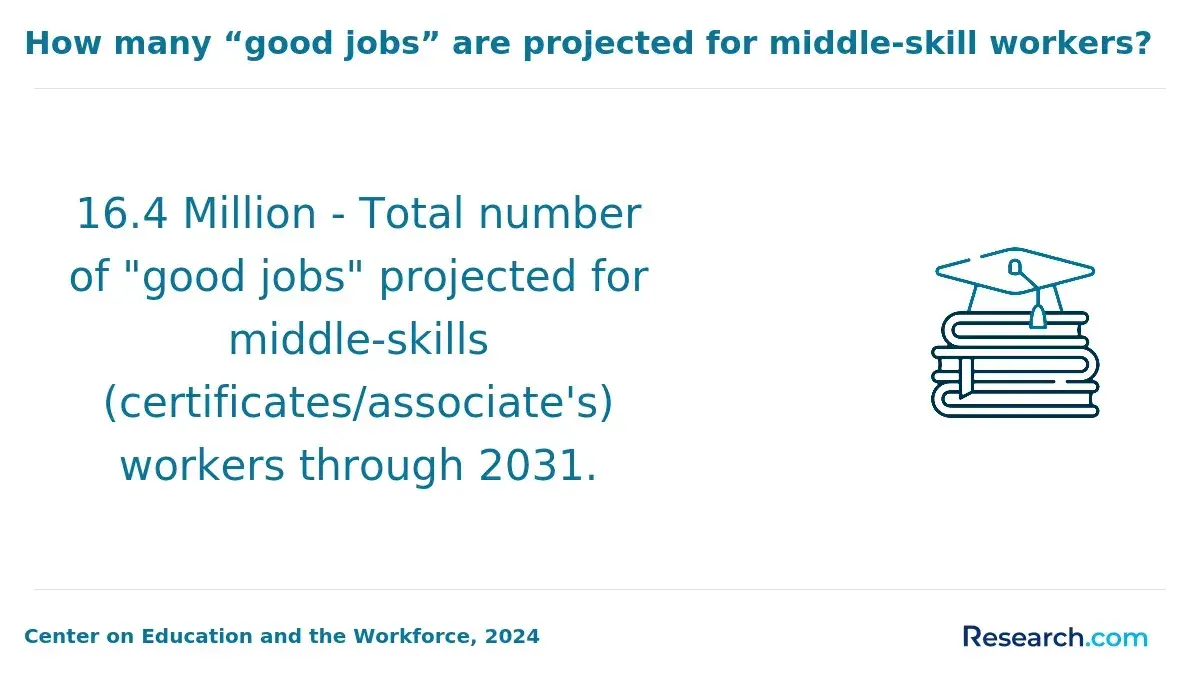
How long do online exercise science degrees take and what do they cost to complete?
Choosing an exercise science degree involves balancing time, cost, and practical workforce outcomes. A standard bachelor's requires about four years, but accelerated tracks or credit transfers can reduce this to two or three years. This decision impacts not only educational debt but also how quickly graduates enter roles such as wellness coordinators or community health advocates.
Public institutions typically charge $10,000 to $25,000 for in-state tuition, while private programs may exceed $40,000, often reflecting differences in resources and networking opportunities. Some programs price tuition per credit at $300 to $600, which may benefit part-time students but delay full-time workforce entry.
Health promotion concentrations add another layer of complexity, as unpaid practicum or internship hours extend the completion timeline and require juggling work commitments. Candidates must realistically assess their ability to manage these experiential requirements.
Financial considerations go beyond tuition: certification exam fees, textbooks, and technology needs for online platforms further increase expenses. Graduates employed in hospital settings can expect a median wage of $77,560, compared to $64,930 overall for health education specialists, illustrating how employer type influences earnings potential.
- Shorter programs help reduce debt and accelerate access to income but may limit breadth of specialization.
- Longer paths support deeper focus but risk delaying wage progression.
- Practical experience requirements often affect working students disproportionately, impacting retention and job readiness.
What careers can graduates of exercise science and health promotion programs pursue?
Hiring patterns in exercise science reveal a clear division between clinical and health promotion roles, each demanding distinct qualifications and skill sets. Clinical positions-like cardiac rehabilitation specialists-require advanced certifications, clinical exercise testing expertise, and often state licensure.
Conversely, corporate wellness coordinators prioritize communication skills and program management over medical credentials. This split impacts employability: clinical roles typically necessitate additional credentialing, while health promotion careers favor proficiency in behavior change strategies.
Public health and nonprofit job openings further emphasize analytical abilities, grant writing, and policy literacy. Here, combining exercise science knowledge with community health or epidemiology skills enhances competitiveness. Allied health roles such as physical therapy assistants usually call for specialized training beyond a bachelor's degree.
Salary benchmarks show median wages near $48,000 for health promotion specialists and around $50,000 for exercise physiologists. Regional differences and employer type influence these figures, reinforcing the importance of credentialing like ACSM or NASM certifications for upward mobility and sustained employability.
Choosing an online program can reduce initial educational expenses by roughly 30%, which may free funds to pursue certifications aligned with desired career tracks, a practical consideration given employers' rising credential expectations.
- Clinical roles demand rigorous certification and licensing
- Health promotion favors program development and communication skills
- Public health jobs require data and policy expertise
- Online programs offer cost savings that may facilitate certification costs
What salary ranges and earning potential are common in exercise and health promotion careers?
Salary outcomes for exercise and health promotion careers reveal a significant gap shaped by education, experience, and location. Entry-level roles such as fitness trainers or health educators typically start between $40,000 and $50,000, but those without practical experience frequently earn less, limiting early financial returns on educational investments.
Mid-career professionals holding a BS in health & human performance - exercise science or relevant certifications can expect salaries around $55,000 to $75,000, often contingent upon their internship experiences and local job market dynamics.
For example, a health promotion specialist earning $60,000 in a midsize city could recoup an approximate $59,220 tuition cost from programs like Eastern Oregon University's online BS in Health & Human Performance within a decade. However, this calculation excludes opportunity costs and living expenses.
Those pursuing more advanced or clinical paths face additional tuition and certification expenses but typically gain access to salary ranges above $80,000, particularly in urban environments where pay scales are higher despite costlier living.
Employers emphasize real-world skills acquired through internships, making program design and geographic targeting crucial for candidates aiming to exceed the median starting salary. Candidates should weigh program costs against realistic earnings timelines, credential requirements, and local labor demand since delay in securing suitable roles can extend underemployment and affect long-term ROI substantially.
What certifications or licenses align with exercise science and health promotion degrees?
Employers in fitness and healthcare prioritize certifications that directly validate practical competencies over generic degree credentials. For example, Certified Strength and Conditioning Specialist (CSCS) certification correlates with a median salary above that of general fitness trainers, influencing hiring in collegiate programs and professional sports. Degree holders without such certifications often struggle to demonstrate specialized skills demanded by these competitive roles.
Licensure and certification requirements vary significantly by state and job setting. Clinical exercise physiologists typically must secure state licensure or certifications such as Registered Clinical Exercise Physiologist to meet regulatory standards and access reimbursement pathways like Medicare. This regulatory landscape means candidates must carefully align their credential choices with both employer expectations and local legal mandates.
Failure to strategically select credentials may dilute employability, particularly for those targeting specialized markets like cardiac rehabilitation or medical integration. Some candidates, for example, optimize their career trajectory by prioritizing Certified Health Education Specialist (CHES) over fitness-specific credentials when community health roles are the objective.
- Certified Personal Trainer (CPT) credentials from bodies like NSCA or ACSM enable immediate employability in general fitness assessment and programming.
- Clinical certifications such as Certified Exercise Physiologist (CEP) address healthcare integration roles requiring regulatory alignment.
- Cost and time invested in certification must weigh against targeted job markets and reimbursement realities.
How can students choose a reputable online exercise science and health promotion program?
Accreditation by recognized entities such as the Commission on Accreditation of Allied Health Education Programs (CAAHEP) or the National Commission for Certifying Agencies (NCCA) is a non-negotiable benchmark when selecting an online exercise science and health promotion program. Without it, graduates may face barriers to certification, licensure, and ultimately, employment.
Beyond accreditation, students must interrogate program outcomes rigorously. Metrics like graduate employment rates within six months and average starting salaries offer a clearer picture of employer valuation and market demand. For example, an aspiring health promotion consultant should confirm that their program provides access to real-world projects or partnerships with clinical facilities, ensuring opportunities to hone client assessment skills essential for workplace success.
Curriculum relevance to emerging trends, such as chronic disease management and telehealth, is increasingly critical as the global health and wellness market is projected to exceed $7 trillion by 2030. Programs failing to integrate these areas risk ill-preparing graduates for shifting employer expectations.
Cost considerations must be weighed against instructional quality and career service support. Working professionals especially need flexible scheduling combined with curricula delivering tangible skill gains. Engaging with alumni or current students across diverse sectors-clinical, corporate wellness, or community health-provides practical insight into the program's strengths and limitations, supporting an informed, strategic education investment.
Other Things You Should Know About Exercise Science
Employers in exercise science value hands-on experience alongside formal education. Online degrees can be respected if the program includes practical components like internships or lab work, either virtually supervised or locally arranged. Programs lacking these experiential elements may limit graduate competitiveness in entry-level roles or internships that require in-person skill demonstration.
Many programs require 150 to 300 supervised practicum or internship hours before graduation. Students usually complete the experience at an approved fitness, wellness, or clinical site, with faculty and site supervisor oversight. Some schools also require CPR/AED certification before placement.
Not all online exercise science programs meet prerequisites for certifications like the Certified Exercise Physiologist or Certified Health Education Specialist. Students must verify program alignment with credentialing body requirements early, as gaps in coursework or practical hours can delay or prevent certification eligibility. Prioritizing programs recognized by credentialing organizations avoids costly additional training.
References
- ESSA's career guide for Accredited Exercise Physiologists https://www.essa.org.au/Web/Web/Resources/Tools-and-templates/ESSA-AEP-Guide.aspx
- What can I do with a Fitness & Health Promotion degree? https://www.coloradomesa.edu/iris/explore-majors/what-can-i-do-with-a-fitness-health-promotion-degree.html
- Exercise Physiologist https://acsm.org/certification/get-certified/exercise-physiologist/
- Exercise Science Degree Programs Lead to Rewarding Careers in Health and Fitness https://www.carrollcc.edu/articles/exercise-science-degree-programs-lead-to-rewarding-careers-in-health-and-fitness/
- Online Exercise Science Program https://stmary.edu/online-programs/exercise-science.html
- 38 high paying fitness jobs & careers in the wellness industry | Endeavour https://www.endeavour.edu.au/about-us/blog/high-paying-fitness-jobs-careers
- Edumed https://edumed.org/
- Kinesiology Online Master's: See & Compare Top Programs https://www.edumed.org/online-schools/kinesiology-degrees/masters/
- Exercise Science Degree Programs & Career Guide 2025 https://www.nutritioned.org/exercise-science-degree/
- A Comparison of Physical Activity Levels between On-Line and Campus University Students https://clinmedjournals.org/articles/ijsem/international-journal-of-sports-and-exercise-medicine-ijsem-5-141.php