2027 Best Online Exercise Science Programs for Professionals Seeking Sports Performance Careers

Co-Founder and Chief Data Scientist
Professionals aiming to transition into sports performance roles face a critical dilemma: balancing the need for rigorous scientific training with the constraints of full-time employment and geographic immobility. Recent data from the National Center for Education Statistics shows a 15% surge in adult enrollment in online degree programs since 2023, reflecting a broader trend toward flexible learning pathways.
This shift matters because sports performance careers demand both current certifications and deep, evidence-based knowledge that few traditional programs accommodate on a practical schedule. This article evaluates online exercise science programs designed to bridge that gap, pinpointing options that maximize career mobility and real-world applicability for working professionals.
Key Things You Should Know
- Employer surveys from the U.S. Bureau of Labor Statistics show 62% of sports performance positions require hands-on clinical internships, creating tradeoffs between fully online programs and hybrid formats for credential relevance.
- Graduates with programs emphasizing biomechanics and data analytics report 15% higher placement rates in elite collegiate and professional sports organizations, indicating evolving employer priority on quantitative skills over generalist knowledge.
- Average online program costs rose 9% between 2023-2025 per National Center for Education Statistics, with accelerated hybrid tracks reducing total time-to-employment by 20%, affecting cost-benefit calculations for career changers.
What are the best online exercise science programs for sports performance-focused professionals?
Fewer than 20 online sports science degrees existed nationally in 2025, emphasizing the niche yet demanding nature of top online exercise science programs for sports performance professionals. Graduates must demonstrate mastery of biomechanics, strength and conditioning, and applied physiology closely mapped to elite and clinical contexts-elements often overlooked in purely theoretical curricula.
Programs that incorporate applied laboratory techniques through virtual simulations or local internships provide essential practical skills, especially for rehabilitation specialists working with injured athletes. The availability of practicum components directly influences employability, as professional sports employers increasingly require competency in performance analytics software and individualized athlete monitoring.
Choosing from top accredited online exercise science degrees for sports career prospects entails weighing tradeoffs between fully remote study and the time-intensive in-person clinical hours vital for certification readiness.
Completion and certification pass rates serve as critical benchmarks in this evaluation. Graduates of programs accredited by bodies like the Commission on Accreditation of Allied Health Education Programs (CAAHEP) or the National Strength and Conditioning Association (NSCA) typically have stronger job market positioning.
Students should also consider long-term workforce conditions, including realistic salary expectations, which vary widely depending on roles. For example, those progressing into leadership may ask how much do athletic directors make, reflecting the importance of aligning education with career trajectories and labor market valuations.
How do online exercise science degrees compare to campus-based programs for sports careers?
Online exercise science degrees often deliver academic content comparable to traditional campus programs but fall short in providing consistent hands-on training, a critical element for roles in athletic training, coaching, and sports therapy. Employers favor candidates with demonstrable practical experience, typically gained through internships or supervised lab work, which campus programs facilitate more directly through embedded practicum sites and on-site facilities.
While a few programs like Concordia University Chicago's rank highly among online offerings, the overall supply of well-rounded online exercise science degree benefits for sports careers remains limited.
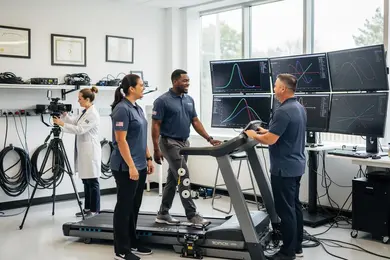
Students pursuing online degrees face the challenge of independently securing local internships, which can affect timely access to essential lab technologies such as motion analysis systems and metabolic carts. This limitation slows the acquisition of practical skills often required by employers, as workforce studies show a growing emphasis on certifications tied to applied competencies alongside degree credentials.
Professionals balancing work and study may accept this tradeoff for flexibility but should plan to supplement their education with verified fieldwork or post-degree certifications recognized by sports performance organizations.
Compared to campus exercise science programs for athletes, online paths demand more proactive engagement to build practical experience locally, impacting readiness and employability. Those evaluating educational options are advised to review program structures carefully and consider external opportunities to bridge hands-on skill gaps. For more details on parallel degrees and cost considerations, the accredited online animal science degree resource offers useful comparative insights.
What accreditation should online exercise science programs have for sports performance roles?
Accreditation acts as a gatekeeper for online exercise science programs targeting sports performance careers, where regional institutional approval combined with specialized recognition-such as from CAAHEP or CoAES-is non-negotiable for eligibility in competitive job markets. Employers in collegiate and professional sports environments require evidence of consistent practical training aligned with accredited curricula, making program selection a decisive factor for graduates' employability.
Consider a master's candidate committed to becoming a certified exercise physiologist working with elite athletes: programs that meet Commission on Accreditation of Allied Health Education Programs standards provide applied physiology and kinesiology training tailored to high-performance demands.
The University of Florida's 30-credit Applied Physiology and Kinesiology online master's program, costing $17,572.50 in tuition, is a concrete example balancing affordability with strong labor market growth projected at 9% through 2034, as noted by the U.S. Bureau of Labor Statistics.
Prospective students assessing accredited online exercise science programs for sports performance must also prioritize clinical placement support. The absence of supervised practical hours jeopardizes timely certification and reduces competitive advantage among professionals expected to demonstrate measurable performance outcomes in interdisciplinary teams.
For those evaluating educational pathways that intersect with rigorous accreditation requirements, it is also prudent to weigh cost-efficiency alongside program quality-just as one would compare the cheapest online computer science degree options-to ensure sustainable investment in career-impacting credentials.
Which exercise science degree levels best support sports performance career pathways?
Choosing the right degree level in exercise science directly affects entry into specific workforce segments. A bachelor's degree best supports entry-level careers in sports performance by providing essential training in human physiology, biomechanics, and strength conditioning-skills critical for exercise physiologists and strength coaches.
These roles offer a median annual wage near $50,280 and are projected to rise by 13% through 2030, making them accessible to those holding a bachelor's degree combined with relevant certifications, particularly in athletic or collegiate performance environments.
Master's programs become strategically necessary when practical specialization is required, such as in clinical sports performance or rehabilitation within hospital settings. Employers increasingly expect master's credentials to handle complex caseloads and integrate research-informed methods. This degree often yields higher starting salaries and opens leadership pathways in sports science labs or professional teams.
Prospective students seeking best online exercise science degrees supporting athletic career paths might also consider exploring associated affordable options such as the cheapest master's in data science, which may enhance interdisciplinary skills.
Doctoral degrees cater mainly to research leadership, university faculty posts, or elite program directorships where advanced grant writing and experimental design predominate. The investment in time and resources for a doctoral path must be balanced with its narrow immediate employability outside academia and select institutes.
For working professionals and students assessing exercise science degree programs for sports performance careers, matching the degree to realistic career demands optimizes educational investment and practical outcomes.
What core courses and specializations do online exercise science programs typically include?
Core coursework in online exercise science programs-including human anatomy, exercise physiology, kinesiology, and biomechanics-provides foundational expertise crucial for roles in sports performance.
Employers expect this baseline knowledge alongside practical skills developed in specialized tracks such as strength and conditioning, rehabilitation science, or sports psychology. For example, those focusing on strength and conditioning gain applied competence in designing targeted training regimens aligned with the demands of professional sports teams. This specialization typically enhances employability in competitive athletic environments.
Programs emphasizing rehabilitation science integrate physical therapy principles for exercise prescriptions, catering to clinical settings like rehab centers or hospitals. Conversely, sports psychology trains students to apply mental performance strategies-an increasingly valued skill set for supporting elite athletes in high-pressure scenarios.
Prospective students should weigh the relationship between tuition investment and program comprehensiveness; institutions charging approximately $575 per credit, as seen with Concordia University Chicago's online master's, often offer a broad curriculum addressing theoretical and applied dimensions. However, substantial practicum or internship components remain essential for actualizing employment prospects, as robust industry affiliations facilitate placement in relevant work environments.
Without applied experience, graduates may encounter barriers despite strong academic credentials. This confluence of rigorous core courses, strategic specialization, and hands-on practice affects readiness and market differentiation in the competitive landscape of exercise science careers.
What admission requirements and prior experience do online exercise science programs expect?
Admission to online exercise science programs often hinges on applicants meeting both academic and practical criteria, reflecting workforce demands rather than institutional convenience. Bachelor's degrees usually require a high school diploma or equivalent, alongside minimum GPA standards around 2.5 to 3.0 or standardized test scores, aimed at gauging readiness for scientific coursework.
Graduate programs build on relevant undergraduate credentials and prerequisite coursework in areas such as kinesiology and human physiology, sometimes requiring professional experience in fitness or healthcare contexts.
Non-science students face significant hurdles, frequently needing to complete foundational courses before admission-delaying progress and increasing costs. For working adults, fully asynchronous formats, like PennWest Global Online's 100% online exercise science curriculum, offer scheduling flexibility but demand disciplined independent study, especially when translating complex lab work remotely.
Clinical internships are a non-negotiable component, necessitating local partnerships or self-arranged placements. This often creates logistical challenges, particularly for remote learners without easy access to suitable facilities.
Employers in sports performance and related fields emphasize candidates with recognized certifications such as ACSM or NSCA alongside degrees. Prospective students must carefully weigh programs that not only align with career objectives but also facilitate credit transfers, certification preparation, and practical training arrangements to avoid post-graduation credential gaps and workforce entry delays.
How long do online exercise science programs take and what do they cost?
Choosing an online exercise science program involves balancing completion speed, cost, and employment readiness-a decision with practical consequences for workforce entry and long-term growth. Associate degrees typically require about two years, aimed at entry-level roles or transfer pathways, while bachelor's degrees, often preferred for sports performance occupations, take four years but may be accelerated to three through continuous enrollment or transfer credits.
Tuition varies widely: public universities tend toward $15,000-$30,000 total for online bachelor's degrees, whereas private institutions may exceed $40,000. Expenses beyond tuition, such as textbooks and clinical practicum fees, can affect budgeting. Employers prioritize demonstrable applied skills over institutional prestige, emphasizing programs that integrate hands-on learning or certifications with theoretical knowledge.
Some tradeoffs to consider:
- Accelerated programs expedite entry but may limit immersive clinical experiences critical for certain certifications.
- Lower-cost online options reduce upfront investment but might require costly onsite practicum components.
- Programs must balance emerging sports technology proficiency alongside core exercise science fundamentals to match employer expectations in a competitive labor market.
Professionals targeting specialized roles in athletic training or rehabilitation must verify credentialing pathways that include accredited degrees coupled with clinical hours to avoid employability gaps. According to the Bureau of Labor Statistics, exercise physiologist employment is projected to grow 10% from 2023 to 2033, with about 1,600 annual openings, underscoring growing demand but also signaling where candidate differentiation relies on relevant experience and certification alignment.
What sports performance and exercise science careers can these online degrees lead to?
Employment outcomes for online degrees in sports performance and exercise science hinge heavily on hands-on experience and credentialing beyond the degree itself. Employers prioritize candidates who demonstrate applied skills through internships, virtual labs, or local practicums rather than purely theoretical knowledge.
For example, strength and conditioning coaches must often acquire certifications from recognized bodies to legally and professionally lead sport-specific training programs, especially in collegiate or military settings. Without such credentials, even a degree holder faces limited advancement.
Exercise physiologists, working in clinical or wellness environments, leverage cardiovascular and metabolic assessments to support rehabilitation or chronic disease management. The distinct demands between specializations underscore that performance-focused programs emphasizing biomechanics and nutrition differ significantly from general exercise science preparing graduates for roles like rehabilitation aides or health coaches.
Job market data forecasts a 39% growth in fitness trainer roles from 2020 to 2030, often located in gyms or community centers with less clinical oversight. Salaries vary markedly by specialization and setting; for instance, NCAA strength coaches earn higher wages but require competitive experience and prep certifications. Students balancing work should weigh programs that combine remote coursework with in-person practicums to maintain employer confidence and ensure practical competence.
- Internships and practicum opportunities significantly boost hireability.
- Certification is critical for strength and conditioning coaching roles.
- Career trajectories vary sharply by specialization and experience.
What salary ranges and job outlook exist in sports performance and exercise science fields?
Salary ranges for sports performance and exercise science professionals reveal distinct earning ceilings tied to certification and workplace setting. Entry-level roles in the U.S. typically offer $40,000 to $55,000 annually, but reaching $70,000 or more requires advanced credentials or specialized positions.
For instance, athletic trainers in professional sports organizations command higher pay, often supplemented by performance bonuses, compared to those in rehabilitation clinics. The median wage hovers around $53,000 for exercise physiologists, while sports scientists' incomes vary based on sector and credentials.
Job growth projections estimate a 9% increase over the next decade, driven by an aging population's demand for preventive care and intensified focus on athletic optimization. Yet, competition remains fierce at elite levels such as Division I programs, where measurable outcomes are essential to maintain roles.
Program choices must prioritize eligibility for certification exams, which hinge on completing standard 120 credit hour bachelor's degrees. Lack of recognized credentials significantly limits upward mobility. Additionally, state licensure differences influence not only salary but geographic employment options; for example, athletic trainer requirements in California differ sharply from Texas.
Professionals advancing toward high-level performance coaching should anticipate ongoing education investments and strategic networking to penetrate top-tier markets. These factors critically affect long-term earnings and career stability beyond baseline salary data.
How do certifications and licensure work for sports performance and exercise science professionals?
Certification and licensure requirements in sports performance and exercise science critically shape career trajectories, with employer priorities and state laws dictating necessary credentials. For example, collegiate strength and conditioning coaches must obtain the Certified Strength and Conditioning Specialist (CSCS) credential and actively maintain continuing education to remain competitive.
This contrasts with personal trainers in commercial gyms, who generally need only certification from bodies recognized by the National Commission for Certifying Agencies (NCCA) and rarely face state licensure demands.
Employers emphasize verifiable hands-on experience alongside certification, underscoring the importance of periodic credential renewal to keep pace with evolving standards. Typically, candidates pursue a bachelor's degree in exercise science, kinesiology, or related fields before sitting for national exams like the CSCS or Certified Exercise Physiologist (CEP). Ongoing education every 2 to 4 years is a practical necessity for sustained employability and access to higher salary ranges.
Neglecting advanced certifications or licensure narrows employment options, especially in settings focused on legal accountability and outcome-based performance. Compensation analysis from BestColleges shows that top-performing fitness instructors and trainers with solid credentials earn upwards of $75,940 annually, reflecting the labor market's favorable stance toward recognized expertise and continuous professional development.
Other Things You Should Know About Exercise Science
Online exercise science programs vary in how they handle practical training, which is critical for sports performance roles. Programs offering strong partnerships with local facilities or requiring in-person internships provide more relevant hands-on experience. When choosing, prioritize programs with mandatory fieldwork or lab components, as purely theoretical online courses limit exposure to real-world physical assessment and conditioning techniques valued by employers.
Employers increasingly accept online exercise science degrees if the program is accredited and includes practical experience components. However, many employers still favor candidates who demonstrate applied skills through internships or certifications. Candidates should supplement their online degree with certifications and documented field experience to compensate for perceptions that online learning can lack practical rigor.
Balancing coursework with job and personal commitments poses a significant challenge for working professionals. Exercise science demands both theoretical learning and physical practice, which can strain time management when fieldwork or internships require scheduled hours. Programs with flexible clinical placement options and asynchronous coursework better support working students; prioritizing these features reduces dropout risk and improves skill acquisition.
Yes. Many online exercise science programs require 150 to 600 supervised internship hours, often completed with strength coaches, athletic trainers, or sports performance staff. Some schools also require a formal site agreement and faculty approval before placement, and the internship is usually finished in the final year.
References
- Exercise Science Degree Careers, Jobs and Salaries - Peak Physical Therapy and Sports Performance https://peaktherapy.com/blog/exercise-science-degree-careers-jobs-and-salaries/
- What Can You Do with an Exercise Science Degree? https://www.cune.edu/news/what-can-you-do-exercise-science-degree
- Sports Science Jobs 2026 | Sports Scientist Careers & Salary https://sportsprojobs.net/sports-science-jobs/
- Become a Certified Performance & Sport Scientist | NSCA https://www.nsca.com/certification/cpss/
- Exercise Science Careers: Paths with Degrees https://www.fitnessmentors.com/exercise-science-careers/
- Kinesiology vs. Exercise Science vs. Sport Performance https://www.pointloma.edu/resources/health-sciences/kinesiology-vs-exercise-science-vs-sport-performance
- Performance and Sports Science Master's Degree | King's College https://www.kings.edu/programs/graduate/performance-sports-science.html
- ESSA's career guide for Accredited Sports Scientists and Accredited High Performance Managers https://www.essa.org.au/Web/Web/Resources/Tools-and-templates/career-guide-asps-ahpm.aspx
- 50 Best Sports Science Masters Degree Programs (Campus) - Sports Management Degree Guide https://www.sports-management-degrees.com/best-masters-sports-science/
- Building Trust in Qualified Exercise Professionals: The Power of Alignment, Professional Competencies and Academic Accreditation https://acsm.org/building-trust-certified-pros/