Rural Pharmacist Career Path and Community Impact

Co-Founder and Chief Data Scientist
A rural pharmacy job can offer close relationships with patients and a broad role in local health care, but getting there requires a substantial investment in education and a clear understanding of state practice rules. This guide is for prospective Pharm.D. students and career changers weighing that investment. It explains what rural pharmacists do, how to qualify, where jobs exist, and how to assess pay, training costs, and day-to-day fit before choosing a program or accepting a position.
Key Things You Should Know
- To practice as a rural pharmacist, you generally need a Doctor of Pharmacy (Pharm.D.) from an appropriately accredited professional program and a state pharmacist license; rural service is a career setting, not a separate license.
- Rural roles can combine dispensing, medication counseling, vaccinations, and coordination with local clinicians, but permitted services and staffing vary by state and employer.
- The U.S. median annual pay for pharmacists was $140,910 in May 2025; that national figure is not a rural salary estimate, so compare actual offers with local costs and educational debt.
What does a rural pharmacist do for community health?
A rural pharmacist helps patients obtain and use medications safely, often while coordinating with a small network of clinics, hospitals, and other care providers. Depending on the setting, work may include checking prescriptions for interactions, explaining treatment plans, administering authorized immunizations, managing inventory, and helping patients resolve insurance or access problems. Clinical services, including testing or medication management, depend on state law, training, and employer arrangements.
The community impact is practical: a pharmacist may spot a medication problem, help a patient understand a new prescription, or coordinate a refill when travel to another pharmacy is difficult. A smaller local workforce can also mean more on-call demands, limited backup, and less time for clinical services than a job advertisement suggests. Career changers considering pharmacy programs for career changers should first ask whether they want the pharmacist's regulated patient-care responsibilities or a different pharmacy-support role.
How do you become a pharmacist in the United States?
For a U.S.-educated applicant, the route runs from undergraduate prerequisites through a professional Pharm.D. program to state licensure. A pre-pharmacy track or science bachelor's degree is preparation for admission, not a pharmacist qualification. Requirements vary by school and licensing jurisdiction.
Use this sequence to identify which requirements you have completed and which ones to confirm before enrolling:
- Compare Pharm.D. programs' prerequisite courses, grades, application procedures, and policies on unfinished coursework; a bachelor's degree is not required by every program.
- Complete an Accreditation Council for Pharmacy Education (ACPE)-accredited professional Pharm.D. program, including supervised introductory and advanced pharmacy practice experiences.
- Meet the intended state board's requirements for intern registration, examinations, background checks, and any other licensing conditions.
- Apply for pharmacist licensure and begin practice only after the state issues the license.
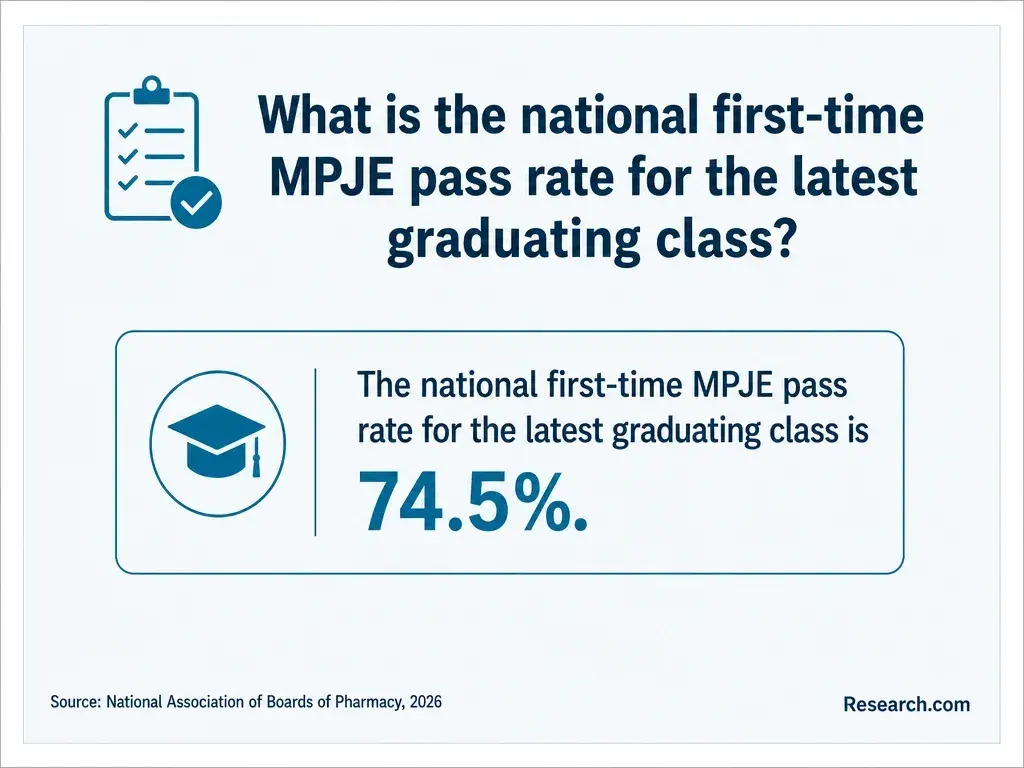
The North American Pharmacist Licensure Examination (NAPLEX) assesses pharmacy practice knowledge, but passing it alone does not issue a license. Jurisprudence testing differs by jurisdiction; do not assume your state uses the Multistate Pharmacy Jurisprudence Examination (MPJE), particularly as some jurisdictions began moving to the Uniform MPJE (UMPJE) in 2026. A fast-track Doctor of Pharmacy program may shorten the academic schedule, but it does not remove experiential education or state licensing requirements.
What education and licensure are required for rural pharmacy practice?
A rural pharmacist normally holds the same state pharmacist license required elsewhere in that state. ACPE accredits professional pharmacy education programs; it does not license pharmacists. Institutional accreditation is a separate designation, and permission to offer distance education in a state is not the same as eligibility for that state's pharmacist license.
Before committing to a school, check its current ACPE professional-program status and ask the pharmacy board where you intend to work whether your education and experiential record meet its rules. Schools set their own prerequisite and transfer policies: the receiving program decides how prior credits apply, even when both institutions are accredited. Applicants with previous coursework can use pharmacy programs that accept transfer credits as a starting point, then obtain a school-specific evaluation in writing.
Postgraduate residency is not a general requirement for rural community pharmacist licensure. Employers may prefer it for clinical or hospital positions. Board certification is a separate specialty credential, not a substitute for a state license; internationally educated pharmacists may also face a different certification and licensing pathway.
Look for a professional Pharm.D. program listed in ACPE's current program directory, and read its specific accreditation status rather than relying on a college's general accreditation statement. ACPE status is essential to evaluate, but graduation still does not automatically confer licensure: the state board determines licensing eligibility and requirements.
Accreditation narrows the search; it does not identify the best rural-career fit. Compare programs on access to community, ambulatory, and rural practice experiences; who arranges rotations; travel expectations; published NAPLEX outcomes; and the full cost of attendance. A rural rotation may be available without being guaranteed to every student.
If admission flexibility matters, use information on how competitive pharmacy school admission is to frame questions, but verify each school's current requirements and do not mistake a minimum GPA for an admission guarantee.
Sometimes. A school may accept certain online undergraduate prerequisites while restricting online laboratory courses or requiring particular grades and course recency. Its current admissions policy - not the course provider's description - determines whether the credit counts.
Some Pharm.D. programs deliver academic coursework online or in hybrid form, but students must still satisfy hands-on training and in-person experiential requirements. Live classes, campus visits, introductory pharmacy practice experiences (IPPEs), and advanced pharmacy practice experiences (APPEs) can limit where you live or how much you work.
An online pharmacy program comparison is most useful when you verify each program's current ACPE status, state authorization, in-person schedule, and rotation-placement responsibilities directly with the school. Do not assume a rotation near home or at your current workplace will be approved.
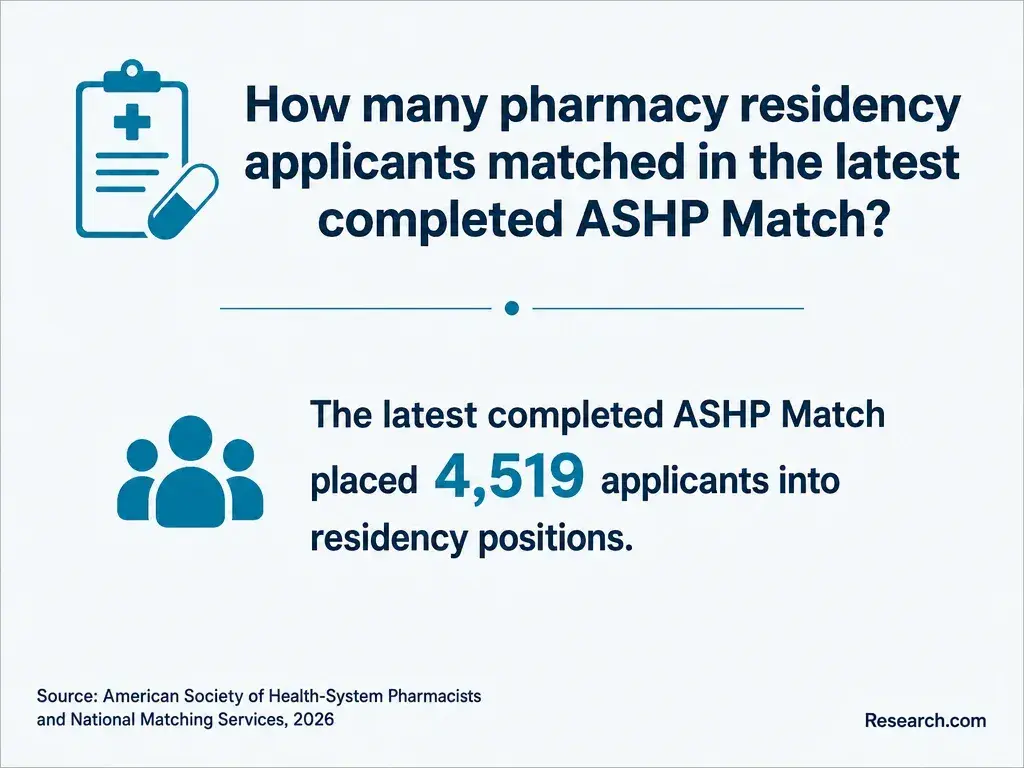
A Pharm.D. builds on undergraduate prerequisites with professional study of how drugs work, how to select and monitor therapy, medication safety, patient communication, pharmacy law, and the systems used to deliver care. Coursework, simulations, and supervised practice develop different skills: discussing a patient case in class is not the same as independently treating a patient.
IPPEs introduce supervised practice, while APPEs provide more advanced rotations across required and elective settings. For a prospective rural pharmacist, useful preparation includes explaining medications in plain language, working across care settings, managing limited resources, and recognizing when a patient needs referral. Science graduates exploring online Pharm.D. options for science graduates should compare completed prerequisites against each school's rules; a related degree does not replace the professional curriculum.
Time depends on the prerequisites you already have, the Pharm.D. program's calendar, and the state licensing process. Many professional Pharm.D. curricula span four academic years after prerequisites; some follow accelerated calendars. Completing a bachelor's degree first may lengthen the route, but it is not universally required. Rural practice itself adds no separate degree or license timeline.
Compare calendars alongside clinical-placement schedules, not just advertised graduation dates. An accelerated program may compress breaks and reduce opportunities to work, while licensing applications and exam scheduling can add time after graduation. Broad doctoral degree timeline options are not interchangeable with the professional Pharm.D. requirements for pharmacist licensure.
Rural pharmacists may work in independent or chain community pharmacies, critical access or other hospitals, health-system outpatient pharmacies, and clinics with pharmacist services. Openings and duties differ considerably by region; a job titled "clinical pharmacist" may involve a different mix of patient visits, dispensing, and travel from a similarly titled role elsewhere.
This comparison shows the work most likely to distinguish common rural settings. Use it to decide which employers and rotation sites to investigate.
| Setting | Typical emphasis | Question to ask an employer |
| Community pharmacy | Prescriptions, counseling, access, and pharmacy operations | What staffing and clinical-service time are available? |
| Hospital pharmacy | Medication use for inpatients and coordination with clinicians | Are on-call shifts or additional clinical experience expected? |
| Clinic or ambulatory care | Ongoing medication management within the authorized care model | Which services and collaborative arrangements are in place? |
Telepharmacy can expand access where permitted, but remote supervision and dispensing rules vary by state. Pharmacy technician jobs are a separate occupation and do not ordinarily require a Pharm.D. Listings for fastest online pharmacy degree programs should therefore not be treated as a shortcut to pharmacist licensure; check which occupation the credential actually prepares you for.
The Bureau of Labor Statistics reports median annual pay of $140,910 for U.S. pharmacists in May 2025. That is a national figure across practice settings, not a rural-specific rate or a prediction of an individual offer. Rural compensation may differ with employer, location, experience, call duties, and benefits.
Compare offers using total compensation and the work required: base pay, bonuses or loan-repayment eligibility, health and retirement benefits, scheduling, travel, and staffing support. Then weigh those terms against tuition, fees, prerequisite costs, rotation travel, living expenses, and borrowing.
An online Pharm.D. cost comparison can help identify questions, but advertised tuition alone cannot establish total cost. Ask each school's aid office how current federal loan rules apply to your start date; borrowing rules changed for many new graduate and professional students beginning July 1, 2026.
What is the job outlook for pharmacists serving rural areas?
The Bureau of Labor Statistics projects 5% employment growth for U.S. pharmacists from 2025-2035, with about 12,500 openings per year. Those projections cover pharmacists nationwide; they do not show how many openings will be rural or whether a particular community can sustain a pharmacy. Search local employer postings and ask about turnover, staffing, and service expansion before treating national growth as a local hiring forecast.
Rural pharmacy may fit you if you value continuity with patients, broad responsibilities, and collaboration across a small care network. It may be less appealing if you need a narrow specialty role, extensive onsite support, or predictable coverage. Before enrolling, compare actual program costs and rural rotation access; before accepting a job, confirm its scope, staffing, and compensation. If the pharmacist pathway is more training than your goal requires, explore lower-cost pharmacy degree pathways while checking carefully which roles - not pharmacist licensure - they qualify you to pursue.
Other Things You Should Know About PharmD
Possibly. Federal, state, and employer programs have different site, service, and loan-eligibility rules. Check a specific program's current terms before counting repayment as part of a job offer.
Yes, where state ownership and permitting rules allow it. Ownership also brings financing, staffing, reimbursement, and business-management responsibilities beyond clinical practice.
Not necessarily. State rules govern where and how a pharmacist may supervise remote services, and an employer may require onsite work or travel. Confirm the permitted model before accepting a position.
Ask who provides pharmacist coverage during absences, which clinical services are actually operating, how after-hours calls are handled, and what training is available. The answers reveal more about daily practice than the job title alone.
- Practice outcomes for the first decade of Rural Pharmacy Education (RPHARM) Program graduates - PMC https://pmc.ncbi.nlm.nih.gov/articles/PMC11342594/
- NHSC Rural Community Loan Repayment Program | hrsa.gov https://nhsc.hrsa.gov/loan-repayment/nhsc-rural-community-loan-repayment-program
- How to Become a Pharmacist: A Step-by-Step Guide | MCPHS https://www.mcphs.edu/admission-and-aid/blog/how-to-become-a-pharmacist
- How to Become a Pharmacist | School of Pharmacy https://pharmacy.llu.edu/about-us/school-news/how-become-pharmacist
- 6 FAQs About Becoming a Pharmacist | creighton.edu https://www.creighton.edu/blog/6-faqs-about-becoming-pharmacist
- Pharmacist License Requirements by State | Harbor Compliance https://www.harborcompliance.com/pharmacist-license