2027 Industries Hiring Graduates With a Neurodiagnostic Technology Degree
Audited and Verified:
Our Editorial and Data Verification Process
Research.com uses government datasets, official education statistics and primary institutional information to support its career and degree guides. Our review process checks factual accuracy, occupational definitions, source dates and the requirements associated with the credentials discussed.
How This Article Was Fact-Checked
Our editorial team verifies salary estimates, employment projections, education requirements and program information against original data providers and official organizations. Salary figures are checked against the relevant occupational definitions and reporting periods. Information about licensure, accreditation and required in-person training is reviewed separately.
Fact-checked and verified on:

Co-Founder and Chief Data Scientist
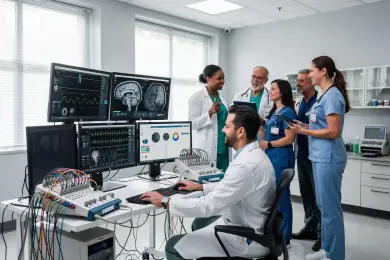
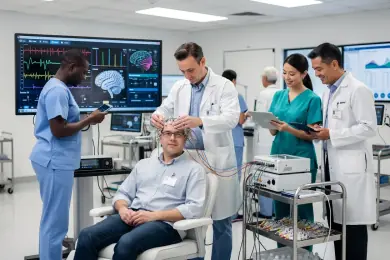
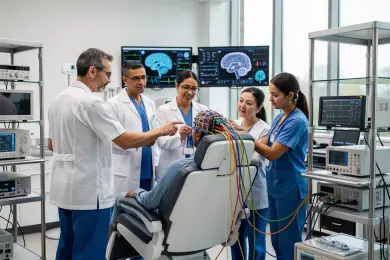
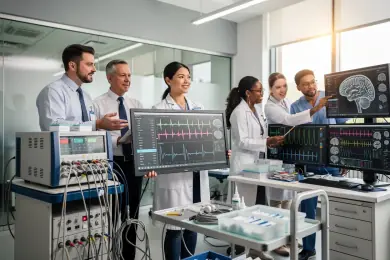
A recent graduate with a neurodiagnostic technology degree faces a broad and evolving job market. While many expect roles primarily in clinical settings, the reality shows a diversity of industries eager to hire skilled graduates. Healthcare facilities, research institutions, and specialized diagnostic companies increasingly value neurodiagnostic expertise.
Employment projections indicate that jobs related to neurodiagnostic technology are expected to grow by 8% over the next decade, reflecting rising demand for neurological assessment and monitoring. This article explores the industries hiring graduates with a neurodiagnostic technology degree, highlighting career opportunities and where graduates typically work to help readers navigate their job search effectively.
Key Benefits of Industries Hiring Graduates With a Neurodiagnostic Technology Degree
- Diverse industries employing neurodiagnostic technology graduates offer broader career paths and greater employment flexibility, accommodating shifts between healthcare, research, and biomedical sectors.
- Growing demand for neurodiagnostic technology skills supports sustained career growth, with a 15% projected job increase in related fields over the next decade, enhancing professional stability.
- Cross-industry work cultivates transferable skills such as data analysis, patient care, and technology integration, expanding graduates' expertise and employability across multiple professional settings.
What Industries Have the Highest Demand for Neurodiagnostic Technology Majors?
Demand for graduates with a neurodiagnostic technology degree varies significantly across several key industries, each valuing specific skills related to diagnostic testing and neurological assessment. Employment in healthcare-related occupations is expected to grow steadily, reflecting the sector's ongoing need for specialized diagnostic professionals.
Below are the primary industries actively recruiting neurodiagnostic technology majors.
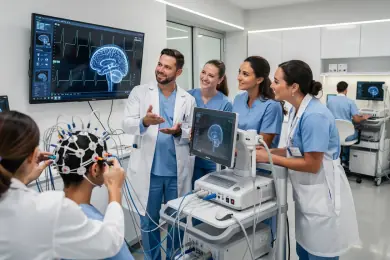
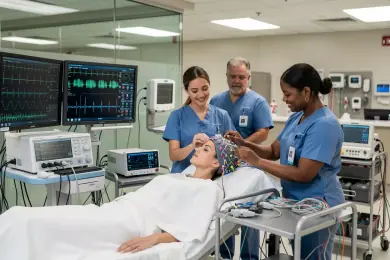
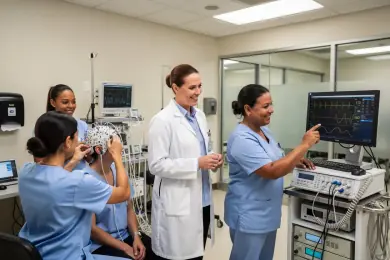
- Hospitals and Healthcare Systems: These institutions form the backbone of demand, requiring neurodiagnostic technologists to perform critical tests like EEGs and nerve conduction studies. Their expertise supports neurological departments in diagnosing and managing conditions such as epilepsy and sleep disorders, directly influencing patient treatment plans.
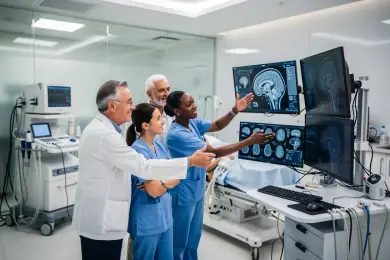
- Medical Research Institutions: Research centers employ neurodiagnostic technologists to assist in studying brain function and neurological diseases. Professionals in this setting help collect and analyze diagnostic data, contributing to advances in treatment and innovative diagnostic tools.
- Rehabilitation Centers and Outpatient Clinics: These facilities increasingly use neurodiagnostic technology to monitor patient recovery and tailor therapy plans after brain injuries or neurological impairments. Long-term patient tracking drives demand for specialists knowledgeable in various diagnostic modalities.
- Biomedical and Medical Device Companies: Device manufacturers hire neurodiagnostic technology graduates to aid in the design and testing of diagnostic equipment. Their clinical experience ensures devices meet user needs and regulatory standards, supporting technological innovation in the field.
Students interested in combining healthcare knowledge with technology may also explore an online pharmacy degree, which can complement a background in neurodiagnostic technology for expanded career opportunities.
Which Industries Have the Strongest Job Outlook for Neurodiagnostic Technology Graduates?
Job outlook for fields like neurodiagnostic technology is assessed using industry growth trends, workforce demand, and projected hiring needs. For example, the U.S. Bureau of Labor Statistics forecasts a 12% employment growth for neurodiagnostic technologists and technicians through, which outpaces the average for all occupations. This growth is fueled by an aging population and expanding healthcare requirements.
Below are key industries with strong demand for neurodiagnostic technology graduates.
- Healthcare Facilities: Hospitals and specialty neurology clinics are primary employers due to rising cases of neurological disorders such as epilepsy and stroke. These settings need skilled professionals to perform electroencephalograms (EEGs) and other critical diagnostic procedures.
- Research and Academia: Universities and neuroscience research centers require neurodiagnostic technologists to support clinical trials and brain research. Increased funding for neuroimaging and brain mapping advances fuels growth in this sector.
- Rehabilitation Centers: The success of neurological rehabilitation therapies for patients recovering from brain injuries and strokes drives demand for neurodiagnostic assessments that personalize treatment and monitor progress.
- Medical Device Industry: Companies developing and manufacturing neurodiagnostic monitoring and diagnostic equipment seek experts for product testing, validation, and customer support amid rapid technological innovation.

What Entry-Level Jobs Are Available for Neurodiagnostic Technology Graduates?
Entry-level roles provide neurodiagnostic technology graduates with crucial opportunities to apply theoretical knowledge in real-world clinical settings. According to the American Society of Neurodiagnostic Technologists, nearly 70% of recent graduates find positions within six months, underscoring steady demand.
Below are common positions that help graduates build essential skills and gain hands-on experience.
- Neurodiagnostic Technologist: These professionals conduct routine neurophysiological tests such as EEGs and evoked potentials under supervision. The role emphasizes accurate data collection and equipment operation, ensuring graduates develop technical proficiency and familiarity with clinical protocols.
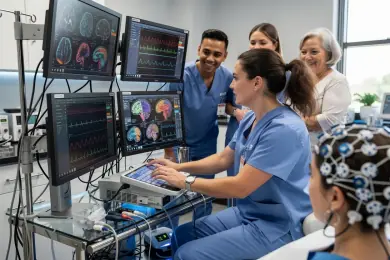
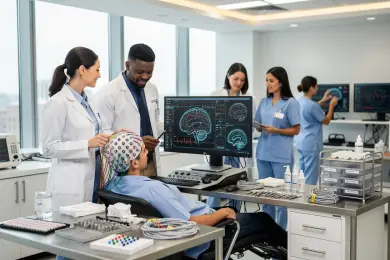
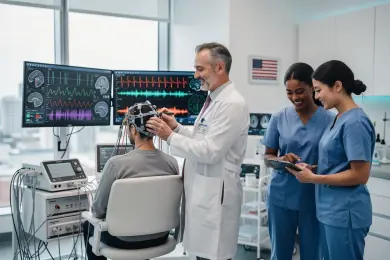
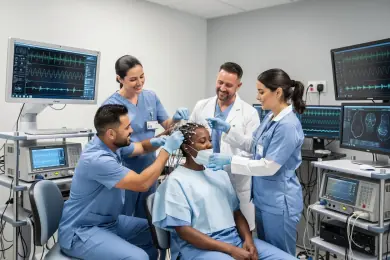
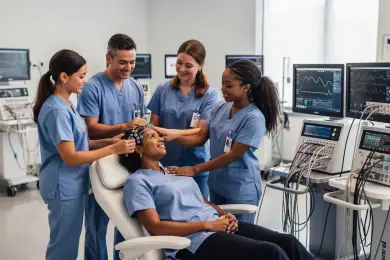
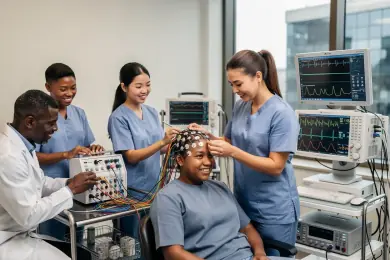
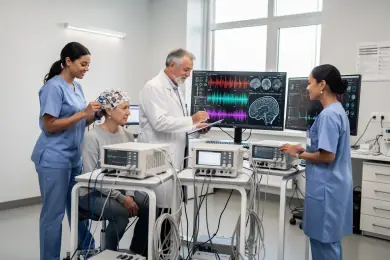
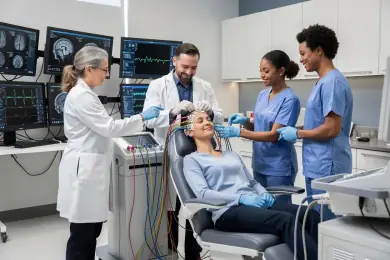
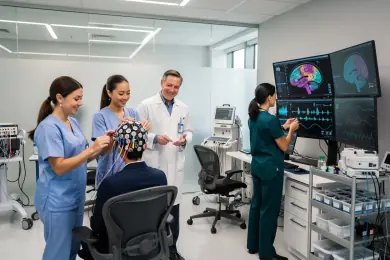
- EEG Technician: Focused on recording brain electrical activity, EEG technicians prepare patients, position electrodes, and monitor test quality. This position enhances attention to detail and patient communication skills critical for neurological assessments.
- Polysomnographic Technologist: Working primarily in sleep clinics, these technologists perform comprehensive sleep studies by monitoring brain waves, respiration, and muscle activity. This role expands expertise in multi-parameter physiological monitoring and promotes teamwork within interdisciplinary care settings.
- Clinical Neurophysiology Assistant: Serving as support to neurophysiologists, assistants manage test data and prepare environments for examinations. This entry-level work offers exposure to clinical workflow and data handling essential for diagnostic processes.
A neurodiagnostic technology degree graduate shared that transitioning to entry-level employment felt both exciting and daunting. "At first, mastering the equipment and ensuring precise electrode placement was challenging," he recalled. "Learning to balance technical accuracy with patient comfort took time, but the daily hands-on exposure was invaluable." He emphasized that initial roles provided a foundation that boosted confidence and helped navigate complex neurological testing early in his career.
Industries that are easier to enter generally feature high volumes of entry-level positions, accept a wide range of educational backgrounds, and demand minimal specialized experience. According to the U.S. Bureau of Labor Statistics, healthcare support occupations, including neurodiagnostic technology roles, are expected to grow by 11% through 2032, indicating strong entry-level opportunities.
Several sectors align well with these conditions, making them attractive for recent graduates.
- Hospitals and Health Systems: These organizations consistently require neurodiagnostic testing to support patient care, often offering numerous entry-level openings and valuing foundational skills over extensive experience.
- Outpatient Care Centers: By providing diagnostic services outside traditional hospital settings, these centers frequently have standardized procedures and a need for technicians who can quickly adapt, making it easier for new graduates to start.
- Long-Term Care and Rehabilitation Facilities: These centers depend on ongoing neurological assessments as part of treatment plans, providing opportunities for graduates to apply their training directly with less competition from highly specialized candidates.
- Research Institutions: Academic and private research organizations seek individuals skilled in monitoring and data collection to assist in clinical studies, often welcoming recent graduates to support their projects.
- Medical Device Companies: Roles within these companies may involve technical support or device testing, where hands-on knowledge from neurodiagnostic technology programs is highly relevant and valued for entry-level employment.
These industries benefit from a steady need for neurodiagnostic services, openness to training less experienced staff, and the practicality of applying core skills across multiple settings, making them strong starting points for graduates launching their careers.
Starting salaries for neurodiagnostic technology graduates vary widely by industry, influenced by factors such as specialized skill demand, funding availability, and workforce shortages. Entry-level wages typically range from $50,000 to $70,000 depending on the sector, with device manufacturing roles often earning about 10% more than the average.
Below are several top paying employer sectors for neurodiagnostic technology entry-level positions.
- Hospital Settings Hospitals offer competitive starting salaries, generally between $55,000 and $65,000. These settings demand high technical expertise and critical healthcare functions, motivating better compensation for neurodiagnostic technology graduates.
- Medical Device Manufacturing Companies in this sector typically start graduates at $60,000 to $70,000, driven by the research-intensive environment and substantial revenues associated with developing neurodiagnostic technologies.
- Academic and Research Institutions Entry-level roles here pay around $50,000 to $60,000, often supplemented by access to research funding and grants, especially for positions involved in clinical trials or innovative neurodiagnostic research.
- Imaging and Diagnostics Private imaging providers offer salaries in the $55,000 to $65,000 range, reflecting the need for precision and rapid diagnostic services that require advanced technical skills.
For graduates exploring career paths, these industries combine technical complexity with high demand, resulting in the best starting salaries. Those interested in expanding their qualifications might benefit from pursuing an RN to BSN online program to enhance their professional opportunities.

Employer expectations for graduates with a Neurodiagnostic Technology degree differ based on industry demands, but consistently highlight the need for a blend of hands-on skills and professional readiness. A recent survey by the American Society of Neurodiagnostic Technologists found that over 85% of employers prioritize a balance of technical proficiency and interpersonal capabilities.
The following skills represent the core competencies most valued across healthcare and related fields.
- Technical Expertise: Mastery of neurodiagnostic equipment and procedures, such as EEGs and nerve conduction studies, is essential. Graduates must reliably operate sophisticated devices and interpret complex neurological data to support accurate patient diagnoses and effective treatment planning.
- Effective Communication: A clear explanation of procedures to patients is critical for their comfort and cooperation. Additionally, professionals facilitate seamless information exchange with neurologists and interdisciplinary teams, which enhances collaboration and patient care continuity.
- Analytical Problem-Solving: The ability to quickly assess unusual neurological signals and troubleshoot challenges under pressure ensures timely and precise diagnostic outcomes. Graduates need to think critically to manage unpredictable clinical scenarios efficiently.
- Attention to Detail: Recognizing subtle variations in test results and maintaining thorough documentation directly influence clinical accuracy. Precision in record-keeping and observation helps prevent diagnostic errors and improve patient safety.
- Professionalism and Ethics: Protecting patient confidentiality and adhering to safety protocols builds trust within healthcare environments. Demonstrating responsibility and ethical behavior supports compliance and fosters long-term patient and employer confidence.
When asked about industry expectations, a professional with a Neurodiagnostic Technology degree reflected on the real-world application of these skills. She emphasized how navigating emotionally charged patient encounters requires both technical knowledge and compassion. "There were moments when I had to explain complex procedures to anxious patients, making sure they felt secure," she recalled.
She also described the intensity of interpreting ambiguous test results, noting that quick yet thoughtful decisions often made a difference in patient outcomes. Her experience highlights how the combination of precise technical skills and interpersonal sensitivity shapes success in neurodiagnostic roles.
Certifications are highly valued across several industries employing graduates with a Neurodiagnostic Technology degree, as they ensure adherence to compliance, technical proficiency, and professional standards. According to workforce data, over 70% of employers prioritize credentialed technologists to guarantee patient safety and regulatory compliance.
These expectations stem from federal, state, and accreditation bodies emphasizing quality and consistency. Below are key industries where certifications play a crucial role.
- Healthcare: Hospitals and specialized neurological clinics require certifications to confirm that technologists perform diagnostic procedures like EEGs and evoked potentials safely and accurately. Compliance with medical regulations and clinical protocols is a major driver, and certified technologists are often seen as more trustworthy and employable.
- Rehabilitation Centers: These facilities value certification as proof of proficiency in monitoring neurological recovery and providing therapeutic support. Credentials assure both patients and employers that practitioners can effectively contribute to rehabilitation efforts in line with industry standards.
- Research Institutions: Certifications demonstrate a technologist's ability to handle advanced neurodiagnostic equipment accurately while following strict ethical guidelines. Research environments demand technically skilled and ethically responsible professionals, making certifications essential for employability.
Workplace flexibility has expanded significantly across many industries, driven by digital tools and shifting workforce expectations. Recent studies show that nearly 60% of professionals now engage in remote or hybrid work arrangements. This trend opens up varied opportunities for neurodiagnostic technology graduates seeking adaptable career paths.
Below are several industries that commonly offer remote, hybrid, or flexible working options for these professionals.
- Telehealth and Remote Patient Monitoring: This sector relies heavily on digital platforms to conduct neurological assessments and collaborate with healthcare providers. Because data collection and preliminary analysis often occur off-site, neurodiagnostic technology job opportunities in telehealth support remote interpretation and consulting, enabling flexible scheduling.
- Medical Research and Clinical Trials: Research institutions follow workflow phases-data gathering, analysis, and reporting-that fit well with remote or hybrid models. Graduates involved in neurological data management or trial support can work efficiently in decentralized teams by using cloud-based systems and virtual meetings.
- Healthcare Technology Development: Companies designing neurodiagnostic devices need specialists for testing and troubleshooting both on-site and remotely. Flexible project timelines and collaboration with international teams allow for intermittent remote work and adaptable schedules.
- Education and Online Training: Increasingly, academic institutions and online providers hire experts to deliver virtual lectures, supervise remote labs, or create e-learning content. This work often offers significant location independence, accommodating various flexible work arrangements for neurodiagnostic technology graduates.
- Health Informatics: Organizations focusing on neurological data management handle large datasets and electronic health records remotely. Telemedicine initiatives also support hybrid or fully remote roles, making this sector highly suitable for professionals seeking flexible work environments.
Prospective students interested in flexible study options relevant to these careers may explore self-paced degrees that prepare graduates for remote and hybrid roles in neurodiagnostic technology.
Promotion opportunities for neurodiagnostic technology graduates are often shaped by industry growth, organizational structures, and the demand for experienced professionals. Studies indicate that over 70% of career advancements occur within an employee's current organization, highlighting the value of internal promotion.
The following industries notably provide the strongest promotion opportunities for those pursuing neurodiagnostic technology careers with the highest advancement potential.
- Healthcare Systems: Expanding neurological diagnostics departments in hospitals and large medical centers fosters leadership pipelines. The complexity of patient care encourages the development of advanced skills, creating pathways to supervisory and clinical specialist roles.
- Academic Medical Centers: These institutions emphasize continuous education and often promote from within to sustain clinical excellence. Employees demonstrating expertise and leadership potential can advance to coordinator or director positions overseeing clinical and research programs.
- Diagnostic Laboratories: With structured tiers ranging from technician to senior technologist and management, these labs support career ladders reinforced by training and quality control responsibilities.
- Rehabilitation Clinics: Growth in patient volume and service offerings leads to expanded neurodiagnostic teams and increased chances for advancement into supervisory roles focused on patient outcomes and team management.
- Medical Equipment Companies: These firms combine technical expertise with product training and clinical support to create promotional tracks blending clinical knowledge with business skills.
For those interested in related growth areas, pursuing a HIM degree can complement neurodiagnostic technology skills and open additional pathways within healthcare information management and administration.
Evaluating the best industry for a neurodiagnostic technology degree involves assessing key factors like career interests, preferred work environments, long-term growth potential, and alignment with personal strengths. Some professionals find that working in fast-paced settings suits their skills, while others thrive in more structured environments, which directly impacts job satisfaction.
In fact, recent workforce data shows that 67% of healthcare workers report greater fulfillment when their roles align with preferred conditions. Considering the top sectors hiring neurodiagnostic technology professionals helps focus choices on fields that best match individual preferences and abilities.
Graduates should compare industries by examining advancement opportunities, stability, workplace flexibility, and professional development paths. Researching industry expectations, such as certification requirements and continuing education, ensures preparedness for evolving demands.
Aligning choices with clear career goals maximizes both job security and satisfaction. For those seeking growth through further education, exploring programs like the BSN to MSN bridge can also complement neurodiagnostic technology careers effectively.
What Graduates Say About Industries Hiring Graduates With a Neurodiagnostic Technology Degree
- Riggs: "Starting my career in the neurodiagnostic technology field was both exciting and eye-opening. I found that hospitals and research institutions are eager to hire graduates who demonstrate adaptability and attention to detail. This industry has honed my critical thinking skills in ways I never expected, which has been invaluable in my growth as a healthcare professional."
- Curtis: "The journey through neurodiagnostic technology education gave me a unique perspective on the healthcare landscape, especially regarding how essential precise diagnostics are to patient care. Choosing to work in clinical neurophysiology allowed me to develop strong technical and interpersonal skills that are crucial when collaborating with diverse medical teams. This career path truly shaped my ability to stay calm and focused under pressure."
- Waylon: "After graduating with a neurodiagnostic technology degree, I quickly realized how broad the opportunities are across hospitals, private clinics, and research centers. The field has challenged me to advance my analytical skills and stay updated with evolving technologies. Having this career foundation has made me confident in pursuing advanced certifications and long-term professional goals."
Other Things You Should Know About Neurodiagnostic Technology Degrees
Employers usually expect the Registered Electroencephalographic Technologist credential, or R. EEG T., from ABRET. Some positions also prefer a Basic Life Support certification and documented clinical EEG training, especially for hospital-based roles that involve inpatient monitoring and emergency neurodiagnostic testing.
Yes, many industries hiring neurodiagnostic technology graduates offer opportunities to engage in clinical research and development. This may include testing new diagnostic equipment, refining neurodiagnostic techniques, or analyzing neurological data for medical studies. These roles typically require strong technical skills and attention to detail, as well as a good understanding of neurophysiology.
Industries that employ neurodiagnostic technologists generally encourage ongoing education to keep pace with technological advances and evolving standards. Graduates often pursue additional certifications, attend workshops, or enroll in specialized courses to maintain competence and improve their expertise. Staying current ensures accuracy in diagnostic procedures and adherence to healthcare regulations.
Interprofessional collaboration is crucial for neurodiagnostic technologists as it facilitates comprehensive patient care, allows for skill enhancement, and creates opportunities for growth. Working closely with neurologists, surgeons, and other healthcare professionals, technologists contribute to accurate diagnostics and effective patient care strategies in 2027.
- The Benefits of a Career in Neurodiagnostics - Neuro Pathway https://myneuropathway.com/blog/the-benefits-of-a-career-in-neurodiagnostics/
- 7 Incredible Benefits of a Career as an EEG Tech - SpecialtyCare https://specialtycareus.com/eeg-tech-career/
- Careers Blog: The Journey of a Neurodiagnostic Technologist | Ochsner Health https://www.ochsner.org/careers-blog-the-journey-of-a-neurodiagnostic-technologist/
- 15 Reasons to Become a Neurodiagnostic Tech (EEG Tech) https://mccollege.edu/electroneurodiagnostic-technologist/about-the-eeg-tech-career/15-reasons-to-become-a-neurodiagnostic-tech-eeg-tech/
- Open Neurodiagnostic Careers71 Open Positions https://jobs.myneuropathway.com/job-board
- Exploring Med Tech Jobs with The Best Opportunities for Growth | Meet Recruitment https://www.meetlifesciences.com/media-hub/blog/exploring-medtech-jobs-with-the-best-opportunities-for-growth/
- Neurodiagnostic Technicians Career Guide | healthcareers.app https://healthcareers.app/blog/neurodiagnostic-technicians-your-complete-career-guide-to-a-high-demand-healthcare-specialty
- Neurodiagnostic Tech Career Guide https://www.trustedhealth.com/allied-career-guide-old/neurodiagnostic-tech
- Career Opportunities https://www.baptistu.edu/neurodiagnostic-technology/career-opportunities
- EEG Careers - Neurodiagnostic Technology Institute https://neurodiagnostictechnologyinstitute.com/careers/