2027 Highest-Paying Jobs You Can Get With a Neurodiagnostic Technology Degree
Audited and Verified:
Our Editorial and Data Verification Process
Research.com uses government datasets, official education statistics and primary institutional information to support its career and degree guides. Our review process checks factual accuracy, occupational definitions, source dates and the requirements associated with the credentials discussed.
How This Article Was Fact-Checked
Our editorial team verifies salary estimates, employment projections, education requirements and program information against original data providers and official organizations. Salary figures are checked against the relevant occupational definitions and reporting periods. Information about licensure, accreditation and required in-person training is reviewed separately.
Fact-checked and verified on:

Co-Founder and Chief Data Scientist
Choosing a career path in neurodiagnostic technology hinges on understanding the true financial value of its credentials. Many candidates grapple with whether earning an advanced degree or obtaining professional licensure substantially elevates salary prospects compared to entry-level certification.
Studies show licensed neurodiagnostic technologists earn up to 20% more annually than those without certification, highlighting the wage premium tied to credentialing. Additionally, comparing the return on investment of a neurodiagnostic technology degree against alternative healthcare pathways reveals significant variations influenced by industry and location.
This article examines these factors-degree level, certification, geography-to guide readers in making informed, financially sound career decisions.
Key Things to Know About the Highest-Paying Jobs You Can Get With a Neurodiagnostic Technology Degree
- Graduate degrees in Neurodiagnostic Technology typically yield a wage premium up to 20%-boosting earning potential beyond associate-level qualifications in most regional markets.
- Professional licensure and certification can increase salaries by 15% to 25%-signaling advanced expertise and elevating employability in hospital and research settings.
- Compared to certificate-only pathways, Neurodiagnostic Technology degrees offer higher lifetime returns-especially when factoring in greater job stability and advancement opportunities.
What Exactly Does a Neurodiagnostic Technology Degree Qualify You to Do in Today's Job Market?
A neurodiagnostic technology degree signals specialized expertise recognized by the U.S. Bureau of Labor Statistics and leading professional associations, qualifying graduates to conduct diagnostic brain and nervous system tests in support of neurologists.
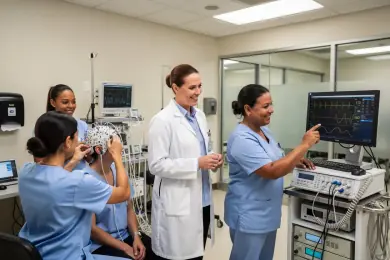
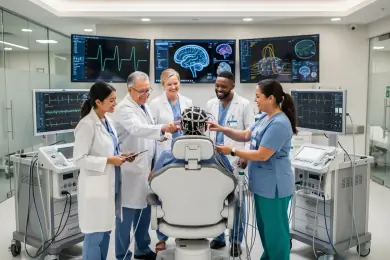
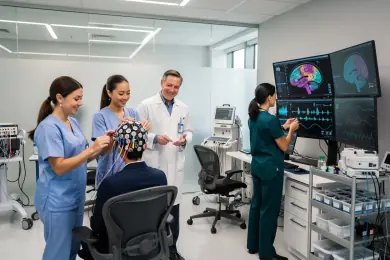
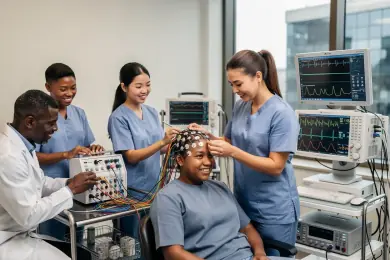
Employers value these degree holders highly for their ability to administer and interpret procedures such as electroencephalograms (EEGs), nerve conduction studies, and evoked potentials with precision and under clinical guidance. This credential is often a prerequisite for competitive neurodiagnostic technology degree job opportunities nationwide.
Core competencies that distinguish degree-credentialed neurodiagnostic technologists from those with only on-the-job training or alternative certifications include:
- Technical Skillset: Expertise in advanced neurodiagnostic equipment operation, signal processing, and troubleshooting enhances data quality vital for diagnosis.
- Analytical Ability: Skill in identifying abnormal neurological patterns and collaborating with healthcare teams improves diagnostic accuracy and patient outcomes.
- Interpersonal Communication: Effective engagement with patients, particularly vulnerable populations, and teamwork boost clinical workflow efficiency.
It is critical to understand that this degree does not grant independent authority to diagnose or treat neurological conditions-licensed physicians maintain this responsibility.
Additionally, state licensure and credentials such as the Registered Neurodiagnostic Technologist (R.N.T.) certification are generally required for full clinical practice. Many employers in this credential-gated field prefer or mandate formal degrees and certifications rather than permitting open-entry hiring.
Among the highest-paying career paths for neurodiagnostic technology degree holders are roles in epilepsy monitoring, intraoperative neurophysiological monitoring, and clinical research. Advanced degree levels-bachelor's, master's, and doctoral-correlate strongly with salary premiums.
Prospective students should weigh these financial factors carefully, especially when comparing this degree's return on investment against other options like an RN to BSN online program or allied health fields. Such insight enables mid-career professionals, military veterans, and career changers to chart financially sound neurodiagnostic technologist career paths in the United States.
Which Neurodiagnostic Technology Jobs Command the Highest Salaries Right Now?
Neurodiagnostic technology highest paying jobs united states reflect a mix of specialized skills, advanced certifications, and workplace environments. According to recent data from the U.S. Bureau of Labor Statistics (BLS) and industry salary surveys, a ranked overview shows median, 75th-percentile, and top-decile earnings across key roles accessible to Neurodiagnostic Technology degree holders.
- Epilepsy Monitoring Technologists: Employed primarily in epilepsy centers and neurology clinics, these specialists have median salaries around $70,000 annually, climbing past $90,000 at the 75th percentile, and exceeding $100,000 in top-paying markets.
- Neurodiagnostic Technologists (Standard Roles): Median compensation is near $60,000 per year, with experienced or certified professionals reaching $85,000 or more.
- Intraoperative Neurophysiological Monitoring (IONM) Technologists: These advanced technologists supporting surgical teams typically earn median wages in the $80,000 range, with upper-tier salaries surpassing $110,000.
- Neurodiagnostic Field Service Engineers: Combining technical and clinical knowledge, median pay is approximately $65,000, rising above $90,000 for seasoned experts in high-demand regions.
In several positions, neurodiagnostic technology degree holders compete with candidates who hold nursing degrees, cardiovascular technology certifications, or biomedical engineering credentials.
The wage advantage for neurodiagnostic technology graduates is most notable when paired with professional certifications such as CNCT (Certified Neurodiagnostic Technician) or CNIM (Certified Neurophysiologic Intraoperative Monitoring) or when the degree includes bachelor-level coursework enhancing clinical and technical skills.
- Degree Level Impact: Earnings increase significantly with higher academic qualifications-from associate to bachelor's and master's degrees-often unlocking supervisory or specialized roles.
- Occupational Specializations: Expertise in IONM or epilepsy monitoring generally commands higher salaries than general EEG technician positions.
- Industry and Employer: Hospital neuroscience departments and specialty clinics tend to pay more than outpatient or research settings.
- Geographic Market: Urban centers and regions with strong demand for neurological services report elevated salaries due to competition and cost of living differences.
Prospective students and career changers analyzing top neurodiagnostic technologist salaries by specialization can better align educational investments with financial goals. Those considering degree advancement or credential upgrades may also explore RN to BSN online programs as a parallel pathway to enhance earning potential and career flexibility.

How Does Degree Level-Bachelor's vs. Master's vs. Doctoral-Affect Neurodiagnostic Technology Earning Potential?
The level of education plays a critical role in salary outcomes within neurodiagnostic technology, with bachelor's, master's, and doctoral degrees offering distinct compensation brackets. Data shows bachelor's degree holders typically earn between $60,000 and $70,000 annually in entry-level positions such as EEG technologists or polysomnographic specialists, where technical expertise is paramount and advanced credentials may not be mandatory.
- Master's Degree Premium: Holding a master's degree can boost earnings by 15% to 25% compared to bachelor's holders. These degrees are often prerequisites for supervisory roles, clinical specialization, and lab management-positions requiring deeper clinical knowledge and leadership abilities mandated by employers and licensing bodies.
- Doctoral Degree Advantage: Doctorate holders-whether professional doctorates like clinical neurodiagnostics or research-oriented PhDs-can command salaries 30% to 50% above bachelor's graduates. These advanced degrees qualify professionals for high-level roles such as neurophysiology researchers, university faculty, and expert clinical consultants, where innovation and extensive expertise are essential.
- Certification Boost: Professional licenses like CNIM or Registered EEG Technologist certification significantly enhance income potential-sometimes exceeding the financial impact of additional degrees alone.
- Return on Investment: Graduate education involves tuition and lost wages during study periods-typically two years for a master's and three to five years for a doctorate. Prospective students must weigh these costs against expected salary increases to determine the financial feasibility of advanced degrees.
- Credentialing Pathways: Those with a relevant bachelor's can efficiently pursue a master's to access top-paying specialties, whereas career changers might need foundational coursework first. Research and academic career aspirants usually require doctoral credentials to reach peak earning potential.
A neurodiagnostic technology professional who completed advanced degrees reflected on the journey: "Balancing work and graduate school was tough, especially with the long commute and demanding clinical hours."
"At times, I questioned if the sacrifices were worth it, but seeing the salary jump and the ability to take on leadership responsibilities made it clear. The advanced training didn't just boost my paycheck-it opened doors to roles I never imagined. It wasn't easy, but it was profoundly rewarding."
Salaries for neurodiagnostic technology graduates fluctuate widely depending on the industry and employer type, with certain sectors offering notably higher pay due to regulatory complexity, operational scale, and workforce demand.
Private and public hospitals-especially large urban medical centers-lead in compensation, driven by the need for cutting-edge diagnostic services and compliance costs. Within these institutions, roles like neurodiagnostic technologist or epilepsy monitoring technician often exceed average salary benchmarks.
- Government and Military: Federal, state, and military medical facilities provide competitive wages complemented by strong benefits and job stability. Advanced certifications or experience can yield even greater financial rewards.
- Private Diagnostic Clinics: Specialized clinics and laboratories can offer above-average salaries, sometimes enhanced by performance incentives, favoring techs proficient in multiple neurodiagnostic modalities and adaptable to dynamic scheduling.
- Nonprofit Research Institutions: While budget constraints exist, research centers employing neurodiagnostic technologists in clinical research roles offer salaries linked to grant funding and project involvement, with higher pay for those holding graduate degrees.
- Self-Employment and Contracting: Experienced technologists may earn premium hourly rates through consulting or contract roles, especially in niche areas like intraoperative monitoring or underserved regions-though entrepreneurship requires risk tolerance and business skills.
The interplay of degree level, certifications such as CNIM or R. EEG T., and specific job titles significantly influences income. Graduates holding bachelor's or master's degrees paired with credentials typically see 15-30% higher earnings than entry-level peers. Geographic markets with aging populations and expanding neurological care further elevate salaries due to talent shortages.
For those targeting the highest-paying industries for neurodiagnostic technology graduates, building relevant skills during education-through advanced certifications and cross-training-plus networking within specialized professional circles is essential.
Aligning credentials with employer demands across sectors enhances job prospects and earning potential. Many candidates explore options at accredited self-paced online colleges to advance credentials flexibly while working.
Salary potential for neurodiagnostic technology professionals varies significantly by geographic location, influenced by factors such as local demand, living costs, and the concentration of specialized healthcare institutions. Adjusting nominal wages to reflect regional cost-of-living differences offers a clearer picture of actual purchasing power across various markets.
- San Francisco Bay Area, California: Leading in median wages for neurodiagnostic technologists, this region commands premium pay driven by numerous top-tier hospitals and research centers, offsetting its notably high living expenses.
- Boston-Cambridge-Newton, Massachusetts: A hub for healthcare and academic excellence, wages here reflect the area's specialization in neurological diagnosis and research facilities.
- Seattle-Tacoma-Bellevue, Washington: This tech-centric region balances competitive salaries with a moderate cost of living, attracting numerous employers focused on both clinical and research neurodiagnostic roles.
- Houston-The Woodlands-Sugar Land, Texas: Marked by strong hospital networks and relatively low living costs, this area offers enhanced real wage value for neurodiagnostic professionals.
- Midwest Areas-Minneapolis-St. Paul, Minnesota and Cleveland, Ohio: Providing stable job markets, these cities offer wages above national averages paired with affordable housing and living expenses.
The nature of neurodiagnostic technology work-often requiring direct patient interaction and hands-on operation of technical equipment-limits complete remote employment possibilities. Nonetheless, roles oriented toward data analysis, telemonitoring, and consultative services are increasingly adaptable to remote or hybrid formats.
- Remote-Compatible Roles: Positions in data interpretation, technical support, and telehealth allow professionals to work from lower cost-of-living areas while maintaining competitive compensation.
- Location-Dependent Roles: Jobs involving patient care and equipment handling require onsite presence, with licensure and certification further restricting relocation options.
Choosing between relocating to a high-paying metropolitan area and pursuing remote neurodiagnostic work involves weighing cost-of-living differences against salary and career advancement opportunities. This decision benefits from a nuanced understanding of how geography impacts both compensation and lifestyle flexibility.
A neurodiagnostic technologist who built a career following graduation reflected on this balance: "Moving to a major metro area initially seemed necessary for better pay, but the high expenses were daunting. I explored remote-capable roles focusing on data monitoring, which gave me the freedom to live where costs are lower without sacrificing too much income."
"The transition was challenging-I had to gain new skills and adjust to a less conventional work setup-but ultimately, it aligned with my goals for financial stability and work-life balance."
Her experience underscores the importance of carefully analyzing local market conditions and personal priorities when deciding where to establish a neurodiagnostic technology career.

Professional certifications significantly enhance earning potential for neurodiagnostic technology graduates by verifying specialized skills and dedication valued in the field.
- Cueist Certification: Granted by the American Board of Neurophysiologic Monitoring (ABNM), it targets intraoperative neuromonitoring experts. Candidates must have two years of clinical experience and pass a challenging exam. Certification renews every three years through continuing education, with salary surveys showing a 10-15% wage increase for credential holders.
- Registered Neurodiagnostic Technologist (R.N.T.): Offered by the American Board of Registration of Electroencephalographic and Evoked Potential Technologists (ABRET), this credential mandates completion of an accredited neurodiagnostic technology program and practical experience. Exam fees are about $400, with recertification every five years requiring ongoing education. Holders typically earn roughly 12% more than non-certified peers.
- Board of Registered Polysomnographic Technologists (BRPT): Focused on sleep-related specialties, applicants need clinical experience and must pass an exam costing approximately $300. Recertification occurs every five years through continuing education, and certified polysomnographic technologists often see an 8-13% salary premium.
- Licensure and Accreditation: Some states require licensure involving educational and state exam prerequisites, which can enhance pay and credibility. It's crucial to confirm local and employer requirements.
- Accreditation Importance: Pursuing certifications accredited by recognized bodies-such as ANSI or NCCA-is vital to ensure employer acceptance and meaningful salary impact, as low-credibility providers may offer little advantage or harm career prospects.
Salaries for neurodiagnostic technology professionals typically increase steadily with experience, credentials, and expanded roles. Entry-level wages-often modest-reflect foundational skill-building and initial certifications. According to BLS data and industry surveys, five-year salaries improve as individuals attain certifications like Registered Neurodiagnostic Technologist (R. EEG T.) and gain workplace experience.
Significant salary growth often occurs around the ten-year career mark. At this stage, many professionals move into supervisory or management positions or specialize in areas such as intraoperative monitoring or neurocritical care. These transitions unlock higher wages and often coincide with advanced degrees or leadership training-factors linked to premium compensation brackets.
In senior roles, earnings peak through a combination of clinical expertise, leadership duties, and involvement in business development. Specialists in high-demand subspecialties-such as epilepsy monitoring or neurophysiological research-command top salaries. Research from the Georgetown Center on Education and the Workforce highlights that those balancing administrative and technical skills tend to outperform peers who remain in purely technical roles.
- Specialization: Earning certifications in niche practice areas with fewer qualified professionals yields substantial salary premiums.
- Leadership: Supervisory or managerial responsibilities accelerate compensation growth.
- Credentials: Graduate degrees and national licenses improve employability and income.
- Reputation Building: Active participation in professional associations and research supports higher salary ranges.
Setting accurate expectations means recognizing that initial earnings grow modestly over five years but rise significantly by ten years, with peak salaries reflecting advanced skills, leadership, and credentials. This underscores the importance of strategic career planning and continuing education in maximizing the return on investment of a neurodiagnostic technology degree.
Specializations within neurodiagnostic technology with the highest salary potential are strongly influenced by technical complexity and clinical demand. Top-paying neurodiagnostic technology concentrations in the United States include electrophysiology and epilepsy monitoring-fields where professionals perform advanced electroencephalogram (EEG) procedures and support pre-surgical assessments.
These roles require deep expertise and certification, driven by talent scarcity and the regulatory complexity associated with managing intricate neurophysiological data, which leads to premium compensation.
Intraoperative monitoring (IOM) is another high-paying specialization where technologists provide crucial real-time assessments during surgeries. The responsibility, specialized knowledge, and demanding work schedules contribute to the elevated wages in this area. Pediatric neurodiagnostics specialists, working with delicate cases in young patients, also command higher pay due to scarce expertise and additional skills required.
Students early in their academic planning should prioritize concentrations backed by labor market demand, growth projections, and employer preferences, avoiding choices based solely on general interest. Analyzing BLS wage data and accredited alumni outcomes helps align specialization with financial goals.
For those enrolled in broad programs, strategic post-graduate steps-like internships in high-demand fields and stacking advanced certifications such as CNIM-can enhance access to lucrative careers without the need for additional degrees.
- Certification: Advanced certifications in epilepsy monitoring and IOM significantly boost salary prospects because of employer preferences and industry standards.
- Experience: Clinical experience handling complex neurological cases increases pay by proving technical skill and reliability.
- Program ROI: Graduates from accredited online programs with in-demand specializations often report higher job placement rates and competitive starting salaries, reflecting strong return on investment.
Career changers looking for financially sound credentials may also consider related pathways such as MA to LPN programs, which provide alternative routes into healthcare fields with solid salary potential.
The job market for neurodiagnostic technology professionals is projected to grow by approximately 15% over the next decade-outpacing average occupational growth according to BLS projections.
This robust growth reflects broader labor market trends such as aging populations, increased incidence of neurological disorders, and advances in neurodiagnostic technologies that demand skilled operators. These factors contribute directly to the long-term earning stability for neurodiagnostic technologists in the United States.
Low automation risk characterizes most neurodiagnostic roles. The complexity of tasks requiring clinical judgment, technical expertise, and direct patient interaction shields these positions from being easily replaced by machines. Instead, technological advancements generally complement professionals, increasing demand for certified experts who can operate cutting-edge diagnostic equipment.
- Demographic Demand: An aging population fuels the need for neurological testing, thereby increasing opportunities for technologists proficient in diverse diagnostic procedures.
- Legislative Changes: Healthcare regulations and reimbursement updates favor credentialed neurodiagnostic staff, expanding employer demand and enhancing employment stability.
- Technology Integration: New tools raise certification standards-rewarding those with graduate degrees and specialized training who command higher salaries.
- Automation Risk: Low for patient-facing, technical roles essential to neurological diagnostics.
- Structural Headwinds: Niche occupations may face outsourcing, budget constraints, or credential inflation that limit job volume and make market entry more competitive.
- Credential Inflation: Increasing preference for advanced certifications and graduate degrees may reduce opportunities for those holding only entry-level credentials.
Candidates seeking to remain competitive in this evolving labor market should pursue appropriate certification, consider graduate-level education, and stay current with technological changes.
High-paying neurodiagnostic jobs with strong security often balance technical and clinical skills, while some top-wage roles carry risk tied to scarcity or market volatility. This distinction is important for aligning financial goals and risk tolerance over a career.
For professionals exploring an education pathway, comparing the return on investment between a neurodiagnostic technology degree and alternative credentials is vital. Understanding the wage premium linked to advanced licensure and certification can guide better enrollment decisions focused on income stability and growth.
For those also interested in related healthcare career financial outlooks, consider reviewing the PMHNP salary to gauge parallel trends in credential-gated fields.
Transitioning from clinical practice to department management necessitates a shift toward strategic oversight. A radiology technician degree serves as the foundation for pursuing mid-to-senior level roles that focus on clinical efficiency and patient safety. Below are the key requirements for advancing into executive imaging positions.
- Titles: Professionals who reach leadership in Neurodiagnostic Technology often hold positions such as Neurodiagnostic Manager, Clinical Neurophysiology Supervisor, Director of Neurodiagnostic Services, or Program Coordinator. Executive roles include Chief Neurodiagnostic Officer or Director of Operations-overseeing entire departments or service lines.
- Salary Premium: Management roles in healthcare technology earn substantially more than senior technologists, with median wages around $100,000 compared to $60,000 for experienced individual contributors. This 25% to 50% premium reflects added duties like budgeting, staffing management, compliance oversight, and strategic planning.
- Credentials and Experience: Leaders typically blend advanced neurodiagnostic certifications with graduate degrees-commonly a master's in healthcare administration or an MBA. Progression usually requires 5 to 10 years of clinical experience plus increasingly complex supervisory roles demonstrating operational management skills and interdisciplinary collaboration.
- Career Pathways: Advancement moves gradually from entry-level technologist to lead, supervisor, and then manager. Pursuing leadership workshops, quality improvement projects, and certifications such as CNIM accelerates growth. Building professional networks also plays a crucial role.
- Strategic Decisions: Aspiring leaders benefit from timing graduate education strategically-earning an MBA or master's degree after gaining clinical experience but before executive roles. Early acquisition of leadership, business, and financial skills enhances chances of securing high-compensation leadership positions and managing departmental resources effectively.
Mastering administrative competencies ensures long-term professional adaptability and career mobility. By combining clinical foundations with leadership training, practitioners qualify for high-level oversight roles that command significant salary premiums. This transition from technical tasks to strategic management remains a viable path for achieving maximum earning potential.
Technological breakthroughs in brain-computer interfaces, neuroimaging AI, and precision diagnostics are shaping new career paths within neurodiagnostic technology that promise strong salary growth over the next decade. Experts from the World Economic Forum and O*NET identify several emerging occupations poised to offer substantial compensation and demand.
- Neuroinformatics Specialists: These professionals merge neurodiagnostic knowledge with data science-analyzing complex neural datasets using machine learning and advanced visualization techniques. Degree programs are incorporating coding and computational skills to meet this need.
- Brain-Computer Interface Technicians: Specialists in this cutting-edge area enable direct communication between brains and devices, applicable in prosthetics and cognitive tools.
- Neurodiagnostic Robotics Integrators: This role combines robotics programming expertise with neurodiagnostic equipment operation to innovate automated testing processes.
- Advanced Neuroimaging Analysts: AI-powered scan interpretation drives demand for analysts certified in both artificial intelligence diagnostics and neuroimaging technology.
Current neurodiagnostic technology curricula are evolving-adding modular courses, collaborations with tech boot camps, and options for micro-credentials in data science, clinical informatics, and ethics-to build interdisciplinary competencies aligned with these emerging roles.
Entering these specialties involves balancing early adopter benefits against uncertainties in technology adoption and regulatory hurdles. Prospective candidates should assess each path's market longevity and readiness carefully.
- Market Intelligence: Tracking updates from professional bodies like the American Society of Neurodiagnostic Technologists, alongside labor market tools such as Lightcast, Burning Glass, and LinkedIn Economic Graph, helps identify developing high-pay opportunities.
- Certification Impact: Ongoing credentialing and advanced degrees consistently boost earning potential, emphasizing the value of continuous professional development.
What Graduates Say About the Highest-Paying Jobs You Can Get With a Neurodiagnostic Technology Degree
- Riggs: "Graduating with a neurodiagnostic technology degree truly opened doors I hadn't imagined before-especially in terms of salary. I found that holding professional licensure significantly boosted my earnings compared to peers without certification. It's a clear reminder that investing the time and effort to get certified pays off well in this field."
- Curtis: "Reflecting on my journey, the wage premium linked to neurodiagnostic technology credentials is unmistakable. The return on investment far exceeded other pathways I considered, making the degree not just an educational pursuit but a strategic career move. Plus, I learned that working in certain geographic regions can make a big difference in compensation, which shaped where I chose to build my career."
- Waylon: "As someone who approached this profession quite seriously, I noticed the type of industry you enter drastically affects salary potential-hospital settings offered different pay scales than private clinics. Additionally, securing professional certification elevated my role and pay grade far beyond what my degree alone provided. The combination of these factors proved invaluable in maximizing my career growth."
Other Things You Should Know About Neurodiagnostic Technology Degrees
In 2027, some of the highest-paying jobs with a neurodiagnostic technology degree include positions like Neurodiagnostic Technologist, Epilepsy Monitoring Technician, and Polysomnographic Technologist, with salaries often exceeding $70,000 annually depending on experience and location.
Internships and practicums are critical for neurodiagnostic technology students because they offer real-world clinical experience that employers value. Graduates with documented practicum placements often secure higher starting salaries-sometimes 10% or more above peers without such experience. Early hands-on work strengthens clinical skills and professional networks, increasing employability and negotiating power with hiring organizations.
The R. EEG T. credential from ABRET is the main salary booster for neurodiagnostic technologists. In some employers, CNIM or CLTM certification can also improve pay for advanced monitoring roles. Many hospitals require or strongly prefer ABRET credentials for higher-paying EEG and intraoperative neuromonitoring positions.
Graduates can improve their starting pay by researching average salaries for their region and specialization before interviewing. Highlighting certifications, clinical experience from internships, and any advanced training strengthens their position. Demonstrating knowledge of employer needs and articulating how their skills add value-coupled with a polite but firm negotiation approach-often results in better offers.
- Neurodiagnostic Tech Certification & Licensure Guide â Trusted Health https://www.trustedhealth.com/allied-career-guide/neurodiagnostic-tech/certification-guide
- The Global Demand for Neurodiagnostic Professionals: Opportunities Abroad - Neuro Pathway https://myneuropathway.com/blog/the-global-demand-for-neurodiagnostic-professionals-opportunities-abroad/
- Neurodiagnostic Technologist - Salary, How to Become, Job Description & Best Schools https://www.onlinedegree.com/careers/medical-healthcare/neurodiagnostic-technologist/
- EEG Jobs: Your Complete Guide to a Rewarding Career in Neurodiagnostics - SpecialtyCare https://specialtycareus.com/blog-eeg-jobs-career-opportunities/
- Neurodiagnostics Market Growth Analysis - Size and Forecast 2024-2028 | Technavio https://www.technavio.com/report/neurodiagnostics-market-industry-analysis
- Neurodiagnostic Technologist Career https://www.mymajors.com/career/neurodiagnostic-technologists/salary/
- Neurodiagnostic Technologist - Explore Healthcare Careers - Mayo Clinic College of Medicine & Science https://college.mayo.edu/academics/explore-health-care-careers/careers-a-z/neurodiagnostic-technologist/
- Neurodiagnostic Technologist https://explorehealthcareers.org/careers/allied-health-professions/neurodiagnostic-technologist/
- Neurodiagnostic Technologists — Career Path Guide https://jobcannon.io/careers/neurodiagnostic-technologists