2027 Does a Neurodiagnostic Technology Program Require In-Person Clinical Training?
Audited and Verified:
Our Editorial and Data Verification Process
Research.com uses government datasets, official education statistics and primary institutional information to support its career and degree guides. Our review process checks factual accuracy, occupational definitions, source dates and the requirements associated with the credentials discussed.
How This Article Was Fact-Checked
Our editorial team verifies salary estimates, employment projections, education requirements and program information against original data providers and official organizations. Salary figures are checked against the relevant occupational definitions and reporting periods. Information about licensure, accreditation and required in-person training is reviewed separately.
Fact-checked and verified on:

Co-Founder and Chief Data Scientist
Deciding if a neurodiagnostic technology program requires in-person clinical training often hinges on accreditation standards that mandate specific clock hours-commonly exceeding 500 hours-completed at approved clinical sites. Geographic constraints complicate placement, especially for students balancing work and family obligations in rural or underserved areas. Such clinical training directly influences eligibility for national licensure and certification, essential for career advancement. According to recent industry data, certified neurodiagnostic technologists earn a median annual salary of $63,000 nationwide, with higher wages linked to completed in-person clinical hours and proper credentialing.
This article explores these training requirements and their practical impacts-helping readers navigate clinical placement logistics, compliance, and career outcomes.
Key Things to Know About the Neurodiagnostic Technology Programs That Require In-Person Clinical Training
- Accreditation mandates require verified in-person clinical hours-typically 500 to 700-to ensure hands-on competence and adherence to professional standards set by bodies like ABRET and CAAHEP.
- Placement logistics often demand student flexibility to secure clinical sites, which may include travel to partner hospitals or clinics and coordination for background checks and health clearances.
- Geographic constraints can limit access to approved clinical locations, disproportionately affecting rural students and necessitating early planning to meet licensure eligibility upon graduation.
What Is In-Person Clinical Training in the Context of a Neurodiagnostic Technology Program, and Why Does It Matter for Prospective Students?
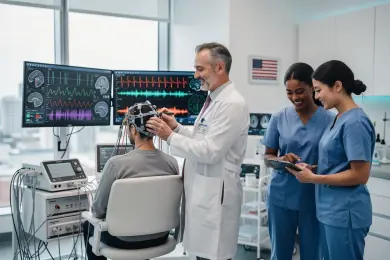
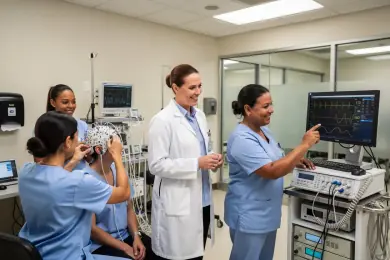
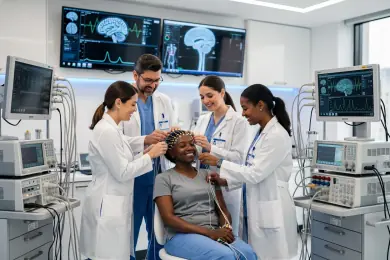
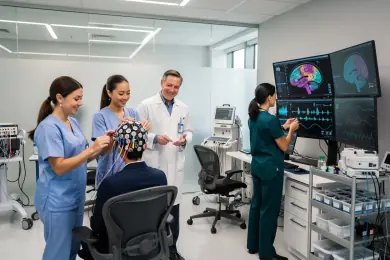
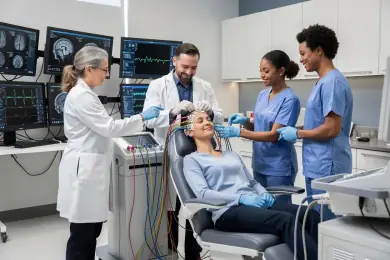
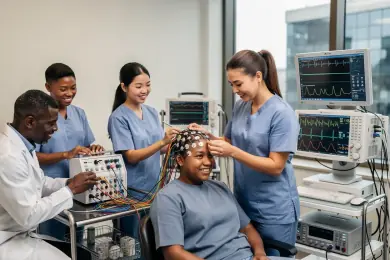
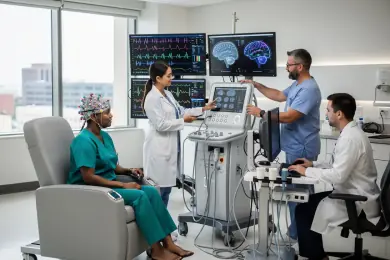
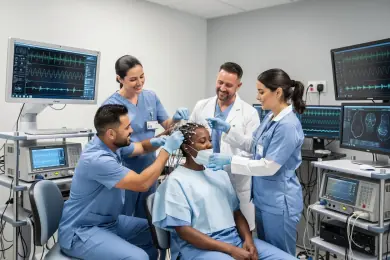
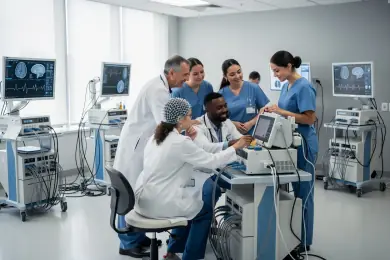
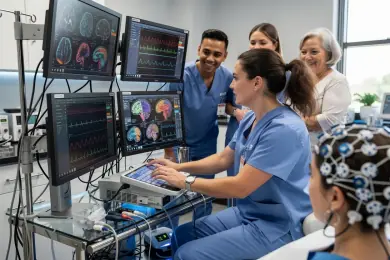
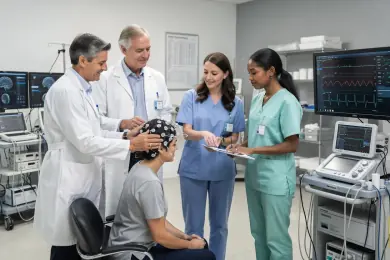
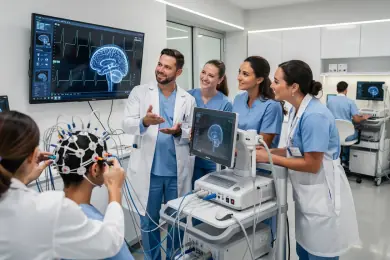
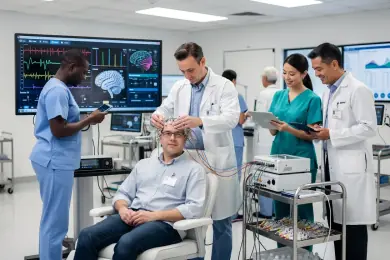
In-person clinical training within neurodiagnostic technology programs refers specifically to supervised, direct-practice hours completed at approved clinical, community, or institutional sites involving real patients and equipment. This component differs fundamentally from classroom lectures, simulation labs, or virtual practicums-important to highlight for prospective students who might mistake course-based or simulated experiences for the mandatory clinical hands-on experience in neurodiagnostic technology education. Accreditation organizations such as the American Board of Registration of Electroencephalographic and Evoked Potential Technologists (ABRET) and the Commission on Accreditation of Allied Health Education Programs (CAAHEP) define qualifying clinical hours as those earned through real-world patient care under expert supervision, reaffirming that this training is not merely preferred but professionally and often legally required for certification and licensure.
The in-person clinical training requirement carries significant implications because it sets limits and expectations that prospective students must weigh carefully before enrolling. These requirements constrain scheduling by requiring fixed shifts at healthcare facilities, demand geographic proximity to approved clinical sites, prohibit substitution with virtual or simulated hours, and tie directly to eligibility for board certification and state licensure across most states. This makes the clinical training component a critical factor-sometimes as impactful as tuition costs or faculty quality-in program selection decisions.
- Scheduling Constraints: Fixed, on-site clinical hours aligned with healthcare operations limit flexibility for students balancing work, family, or other commitments.
- Geographic Limitations: Students must secure placements within approved clinical sites often near their residence, which can restrict eligibility for some candidates.
- Non-Substitution Policy: Virtual or simulated clinical hours typically do not satisfy accreditation or licensing mandates.
- Accreditation and Licensing Impact: Completion of supervised clinical hours is mandatory before sitting for credentialing exams and obtaining state licensure.
- Placement Logistics: Many programs assist with clinical site placement, but students should clarify this process pre-enrollment.
- Personal Circumstances: Employment, caregiving duties, or mobility challenges may complicate fulfilling clinical training requirements and need thoughtful planning.
This overview introduces the important questions about how many hours are required, whether virtual alternatives exist, who coordinates site placements, how accreditation shapes these rules, and the challenges faced by working adults or those with geographic or personal barriers. Prospective and current students can also compare this with other options, such as an RN to BSN online with no clinicals pathway, which differs significantly in clinical training demands.
Is In-Person Clinical Training Legally or Professionally Required to Earn a Neurodiagnostic Technology Degree?
Clinical training for neurodiagnostic technology degrees includes legally mandated and professionally required in-person components governed by multiple regulatory layers. The Commission on Accreditation of Allied Health Education Programs (CAAHEP)-the primary accreditation body-mandates significant hands-on clinical hours to maintain program accreditation. These accreditation requirements ensure students gain essential practical experience, which is critical for competency. Programs that fail to meet these in-person clinical standards risk losing accreditation, thereby threatening their graduates' eligibility for licensure and certification.
- Licensing Board Mandates: State neurodiagnostic technology licensing boards establish eligibility rules for legal practice, commonly requiring minimum in-person clinical hours. These boards' standards govern whether graduates can work professionally, making it essential for students to confirm that their clinical training fulfills both quantitative and qualitative state-specific mandates. Students should note that requirements for in-person clinical training for neurodiagnostic technology degrees may vary slightly between states and often exceed accreditation minimums.
- Program-Level Policies: Individual educational institutions sometimes impose clinical training requirements that exceed accreditation and licensing standards. While some offer limited virtual clinical options, these are rarely sufficient for licensure eligibility. Students must verify program policies, especially if they intend to meet strict licensing conditions after graduation.
- Consequences of Non-Compliance: Missing mandated in-person clinical hours can lead to lost accreditation for a program and deny graduates licensure, making clinical training a non-negotiable component despite personal or employer preferences.
- Student Guidance: Prospective and current students should review three key documents before and during their clinical placement efforts:
- The accreditation body's published clinical standards
- The state neurodiagnostic technology licensing board's in-person clinical training requirements
- The specific program's clinical policies and student handbook
- Clinical Placement Considerations: Successfully navigating clinical placement involves selecting sites aligned with program and licensure mandates, completing background checks, and carefully documenting all clinical hours. These steps ensure students fulfill the necessary in-person clinical training requirements for neurodiagnostic technology programs.
Students balancing work, family, or geographic constraints may also explore flexible educational pathways such as RN to BSN online programs, though clinical components typically remain in-person.

How Many Hours of In-Person Clinical Training Does a Typical Neurodiagnostic Technology Program Require?
Accreditation Minimums: Accredited neurodiagnostic technology programs generally mandate around 400 clock hours of in-person clinical training as a baseline to ensure hands-on experience under supervision. This figure serves as the lowest acceptable standard rather than the typical requirement.
- Median Program Requirements: Nationally, most programs expect closer to 600 total clinical hours, divided between two core phases:
- Practicum: around 200-250 hours focused on supervised observation and limited patient contact to build foundational skills gradually.
- Internship or Residency: approximately 350-400 hours emphasizing higher-volume, independent clinical practice to prepare students for certification exams.
- Intensive Program Models: Some rigorous programs require upwards of 800 hours, reflecting a commitment to extensive hands-on training for stronger clinical proficiency and licensing exam competitiveness.
- Weekly Time Commitment: For a typical 600-hour clinical requirement spread over two semesters, students usually allocate 15-20 hours per week onsite, balancing clinical duties alongside coursework, supervision, and documentation.
- Program Selection Considerations: Prospective students should weigh the trade-offs between minimum-compliant programs-offering more flexible schedules-and higher-hour programs that may enhance clinical readiness. Factors like cost, reputation, and student support also influence optimal program choice.
A professional who successfully graduated from the neurodiagnostic technology degree recalled the clinical training as a challenging yet pivotal phase. He described navigating scheduling conflicts between required clinical hours and family commitments as "a tough balancing act that demanded early planning and some sacrifices." He emphasized the value of building relationships with clinical supervisors and peers, which provided critical support during intensive onsite hours. "Logging each hour was tedious," he admitted, "but it kept me accountable and focused on progress." His experience underscored that while clinical hour requirements are demanding, they also offered essential hands-on learning that boosted his confidence and readiness for certification exams.
Accreditation bodies continue to require that most neurodiagnostic technology clinical training occur through hands-on patient care in approved settings, with virtual or simulated experiences serving only as supplements. The temporary allowances made during the 2020-2022 COVID-19 emergency-such as telehealth supervision and remote case discussions-have mostly been revoked, though limited virtual components remain in certain programs and states.
Accreditation Policy: Authentic clinical hours involving real patient interactions at healthcare facilities remain mandatory; simulation labs-usually conducted on-campus-may count for a small fraction of hours but cannot replace live clinical placements.
Non-Substitutable Skills: Key competencies like direct client assessment, physical interventions, and crisis management require in-person training due to their need for immediate, hands-on response.
Virtual Training Allowed: Some states and accrediting bodies permit remote tasks such as supervision, documentation review, and case consultations, though permitted hours vary widely.
State Licensing Differences: Telehealth's role in clinical training differs substantially by jurisdiction, so students must verify how many clinical hours can be completed virtually under both accreditation standards and their target state's licensing rules.
Ongoing Changes: As telehealth expands into clinical practice, standards adapt cautiously, but in-person clinical hour requirements remain fundamentally intact for neurodiagnostic technology programs.
Student Guidance: Prospective students should clearly inquire about virtual clinical training allowances and their impact on licensure to navigate program choices effectively. For those seeking flexible learning options, exploring the cheapest self paced online college may be beneficial, bearing in mind the limited virtual clinical hour policies.
Clinical placement models in neurodiagnostic technology programs fall into two main categories: school-arranged and student-arranged. School-arranged placements rely on formal agreements between the program and approved clinical sites, allowing the institution to assign students directly to locations. Student-arranged placements require students themselves to locate, evaluate, and secure clinical sites, with final approval granted by the program. This difference heavily influences the student experience-particularly in preparation, location options, and placement security.
Students responsible for arranging their own placements must start the process several months ahead. They need to confirm that potential supervisors hold appropriate credentials and can provide the mandated supervision hours before clinical work begins. This preparation, often dependent on personal networks or local market conditions, can be stressful and time-intensive.
- Preparation Time: Student-arranged models demand extensive upfront effort; school-arranged programs typically simplify placement logistics.
- Geographic Flexibility: School affiliations often span multiple regions, whereas self-arranged placements may limit options, especially in rural or smaller markets.
- Placement Risk: Students arranging their own sites face greater chances of delays or failure to secure placements, potentially prolonging program completion.
- Program Support: Applicants should inquire about the existence of formal clinical site agreements, local placement success rates, and assistance offered when securing sites is challenging.
- Market Coverage: It's important to verify whether underserved or remote areas are included in the program's network to reduce placement barriers.
Evaluating these factors before enrollment can help students avoid obstacles that delay graduation or certification eligibility.
Reflecting on her own experience, a professional who built her career after completing a neurodiagnostic technology degree explained that navigating student-arranged placements required early and persistent outreach to potential sites. "It was overwhelming at times," she shared, "balancing site visits, verifying supervisor credentials, and gathering approvals well before clinical hours could begin." She emphasized how crucial program support and clear guidance were in reducing stress during this phase. Ultimately, her efforts paid off, but she advises prospective students to carefully assess how their program manages clinical placements and to build local connections early when required to self-arrange sites.

Specialized accreditation bodies focused on Neurodiagnostic Technology programs set strict standards that define the in-person clinical training students must complete. These standards specify quantitative thresholds-typically requiring between 1,200 and 1,500 clinical clock hours across diverse settings-and establish qualitative criteria, such as supervisory credentials and student-to-supervisor ratios. Supervisors must hold national certification and professional licensure relevant to neurodiagnostics, ensuring expert guidance. Programs are required to maintain low supervision ratios, often capping at two or three students per supervisor, to maximize individualized training.
Clinical experiences must take place in varied environments-hospitals, outpatient clinics, or specialized neurodiagnostic laboratories-allowing students exposure to multiple patient populations and diagnostic tools. These criteria safeguard rigorous, hands-on learning essential for professional competence.
Compliance with these standards is mandatory-programs failing to meet them risk losing their specialized accreditation. Loss of accreditation affects graduates' eligibility for national certification exams and state licensure, highlighting that these requirements are critical, not merely administrative.
It's important to distinguish this specialized accreditation from an institution's regional accreditation. The former specifically evaluates the Neurodiagnostic Technology program's clinical training and eligibility for licensure; the latter covers the institution generally and does not confirm clinical compliance.
Prospective and current students should verify program accreditation status using the accrediting body's online directory and request the latest self-study or site visit reports to assess compliance. Additionally, confirming with the relevant state licensing board that the program's accreditation meets local licensure requirements is essential for ensuring professional eligibility post-graduation.
Clinical training hours for neurodiagnostic technology programs must be completed in accredited and professionally approved clinical settings that meet specific standards set by accreditation bodies and professional associations. These standards ensure students gain hands-on experience under qualified supervision in diverse environments reflective of real-world neurodiagnostic practice.
- Healthcare Systems: Hospitals, medical centers, and specialized neurological clinics are the primary approved settings. They provide access to a wide range of procedures such as EEG, evoked potentials, and sleep studies, typically under the oversight of credentialed supervisors.
- Community Mental Health Centers: These sites offer clinical experience with psychiatric and behavioral health populations, often within multidisciplinary care frameworks.
- Schools and Educational Facilities: Programs sometimes accept schools serving students with special or developmental needs, where neurodiagnostic services are clinically delivered.
- Private Practices: Independent neurodiagnostic or neurology offices can qualify if they maintain accreditation standards and provide certified professional supervision.
- Government Agencies: Military hospitals, Veterans Affairs facilities, and other government-run institutions offer unique patient populations and specialized neurodiagnostic services.
- Nonprofit Organizations: Some nonprofits serving underserved communities qualify when they uphold clinical infrastructure and supervision requirements.
- Other Setting Categories: Research facilities and rehabilitation centers may also be approved if they provide hands-on neurodiagnostic procedures with credentialed clinical oversight.
Supervision requirements are central to these standards-clinical supervisors must hold appropriate credentials or licenses in neurodiagnostic technology, neurology, or related allied health fields. The setting type strongly influences the availability and qualifications of supervisors, affecting a program's acceptance of certain clinical sites. Programs with a broad acceptance of setting types allow greater flexibility for students, especially in rural or smaller markets where large hospitals are scarce. Conversely, programs limiting clinical hours to specific institutions can pose placement challenges.
Students should develop a prioritized list of preferred clinical settings based on their specialization goals-such as pediatric neurology or sleep disorders-and regional accessibility. Reviewing a program's list of approved clinical sites, consulting graduate placement outcomes, and contacting clinical coordinators are essential steps to identify feasible placement options that satisfy accreditation mandates.
Full-time working students pursuing a neurodiagnostic technology program often confront demanding scheduling conflicts during their in-person clinical training. According to the NACE First-Destination Survey and studies on adult learner completion rates, many underestimate the time commitment until they begin arranging clinical placements. Most accredited clinical sites operate during standard weekday business hours, which conflicts with typical 9-to-5 work schedules. Employer leave policies typically don't accommodate the sustained weekly hours clinical training requires-creating challenges that delay or complicate program completion.
Practitioner insights highlight several common scheduling conflicts for employed students:
- Limited Clinical Site Availability: Daytime-only placements are common, with few evening or weekend options suitable for full-time workers balancing work and neurodiagnostic technology clinical training requirements.
- Employer Leave Restrictions: Leave policies rarely permit the extended absences needed for clinical hours without risking job security or loss of income.
- Underestimated Time Commitment: Students often find the hours needed exceed initial expectations once clinical coordination begins, causing stress and logistical hurdles.
Some neurodiagnostic technology programs address these challenges through supportive accommodations:
- Extended Timelines: Spreading clinical hours over additional semesters to lighten weekly demands.
- Flexible Placement Partnerships: Collaborations with sites offering evening or weekend clinical hours.
- Employer Collaborations: Arrangements allowing clinical placements at students' workplaces when relevant, easing scheduling conflicts.
- Formal Leave Policies: Options to pause coursework during intensive clinical training phases without penalty.
Prospective and current students should inquire about key program details before enrollment or placement:
- Employment Rates: Percentage of students completing clinical training while employed full-time.
- Accommodation Options: Availability of scheduling flexibility and extended timelines.
- Placement Hours: Secured evening or weekend clinical sites local to the student.
- Completion Flexibility: Formal leave-of-absence policies for employment conflicts.
Understanding these factors allows students to realistically balance work and clinical training-avoiding surprises and aiding informed decisions. For those considering related fields, exploring online biology degrees may offer alternative pathways with flexible scheduling options.
Hybrid and online neurodiagnostic technology programs universally require in-person clinical training despite their remote delivery of academic content. This mandate reflects accreditation body standards and state licensing board regulations, which emphasize the demonstration of hands-on competencies in supervised clinical settings-competencies that cannot be replicated through online coursework or virtual simulations alone. The online delivery format serves primarily as a flexible modality for didactic instruction while clinical training remains fully in-person and site-based.
Students enrolled in online neurodiagnostic technology clinical training hours necessary to complete their clinical practicums at approved local facilities near their home, under the direct supervision of credentialed neurodiagnostic professionals. This model offers geographic flexibility but also raises challenges due to variability in site quality and supervisor qualifications across different markets.
Prospective students evaluating a hybrid neurodiagnostic technology program's clinical training infrastructure should consider these critical factors:
- Clinical Partnerships: Whether formal agreements exist with clinical sites in the student's geographic region to guarantee placement availability.
- Site Vetting and Supervisor Credentials: The rigor of site approval processes and supervisor qualification verifications to ensure consistent training quality.
- Coordination Support: The extent of administrative assistance in managing background checks, scheduling, and clinical hour documentation.
- Placement Success Rates: Availability of documented placement outcomes across diverse geographic markets-not only near the institution-to assess effectiveness in securing clinical experiences.
Ultimately, maintaining in-person clinical training requirements safeguards skill acquisition and patient safety, dimensions unmatched by theory coursework alone. Students balancing commitments should carefully assess program support structures to navigate these demands effectively.
For those interested in flexible degree options with similar considerations, reviewing programs like the online nutrition degree can provide valuable insight into the balance between remote learning and necessary in-person requirements.
Students entering neurodiagnostic technology programs need to begin clinical placement preparations several months ahead of their clinical semester-typically at least three to six months prior-to navigate the complex series of requirements and avoid delays.
- Site Identification: Early research and selection of eligible clinical sites are crucial, considering factors like location, capacity, and program compatibility.
- Application Submission: Students must submit thorough applications well before site deadlines, often providing detailed personal and academic documentation.
- Site Interviews and Agreements: Many clinical sites require interviews and formal agreements with supervisors, which can extend the timeline by several weeks.
- Background Checks and Health Screenings: These processes often involve lengthy turnaround times and may necessitate immunizations or medical clearances.
- Liability Insurance: Acquiring professional liability coverage is mandatory before logging clinical hours.
- Program Approval: Clinical sites and related documentation require official approval by the educational program prior to allowing clinical work.
Starting this process too late often results in filled clinical slots, delayed clearances, or administrative setbacks-forcing students to defer clinical semesters, extend their program timeline, and incur extra tuition costs.
A backward-planning approach from the expected clinical start date-allocating realistic timeframes for each critical step-is essential. Tailoring this schedule based on local program requirements and market conditions ensures smoother placement and timely completion of clinical training.
Background Checks: Comprehensive criminal screenings safeguard patient populations by identifying potential risks before clinical interaction. These often require fingerprint submission and can take two to eight weeks, so initiating early is critical.
Health Clearance and Immunizations: Compliance with healthcare facility infection control mandates documentation of immunizations such as MMR, hepatitis B, varicella, and seasonal flu. Students may need to retrieve medical records or receive catch-up vaccines. Certain sites impose additional criteria like drug screening or N95 respirator fit testing.
Professional Liability Insurance: Malpractice coverage shields both students and clinical sites from litigation arising from clinical errors. Coverage must be obtained through approved providers offering affordable student plans, which students should budget for accordingly.
HIPAA Training: Completion of privacy and security education is essential before students access patient information to understand legal responsibilities under HIPAA regulations.
Site-Specific Requirements: Clinical locations differ widely in expectations-hospital sites may mandate drug tests and respirator evaluations, whereas school-based sites often require fingerprinting and child abuse clearances. Contacting each clinical placement site for a comprehensive list of requirements-beyond program minimums-is necessary.
Pre-clinical prerequisites affect both scheduling and finances, with background checks and immunizations potentially delaying clearance. Early, proactive management of these elements will ensure timely and compliant clinical training participation.
What Graduates Say About the Neurodiagnostic Technology Programs That Require In-Person Clinical Training
- Lorraine: "One of the first things I realized about the neurodiagnostic technology program was how strict the accreditation mandates are-this ensures the quality of education but also means students must complete precise in-person clinical training hours. The required clock hours were intense but necessary for gaining hands-on experience, which I believe truly sets this program apart from purely online courses. Navigating placement logistics was challenging at times, but it pushed me to be proactive in finding clinical sites that matched both my educational needs and my schedule."
- Curtis: "Reflecting on my journey through the neurodiagnostic technology program, the geographic constraints of clinical placements were definitely the toughest part-finding a location close enough without sacrificing quality was a balancing act. The impact of completing clinical training in-person cannot be overstated, as it directly affected my eligibility for post-graduation licensure and certification; these experiences were crucial in preparing me for the professional requirements ahead. The program's rigorous accreditation requirements ensured that every step was meaningful and aligned with industry standards."
- Wesley: "Professionally speaking, the experience I gained through required in-person clinical training within neurodiagnostic technology was invaluable. The strict accreditation mandates reinforced a sense of accountability-knowing that completing the exact clock hours was essential for maintaining program integrity and certification eligibility. While placement logistics seemed daunting at first, they taught me to be resourceful and adaptable, skills that have been vital since graduating and entering the healthcare field."
Other Things You Should Know About Neurodiagnostic Technology Degrees
In 2027, geographic location significantly impacts the availability and quality of clinical training sites for neurodiagnostic technology programs. Urban areas may offer more diverse and advanced facilities compared to rural regions, affecting students' exposure to varied diagnostic procedures and equipment.
CAAHEP accreditation, through the Committee on Accreditation for Education in Neurodiagnostic Technology, requires supervised clinical education in EEG and related procedures. Programs must document direct patient-contact competencies, and many employers expect graduates to have completed those in-person hours before national certification eligibility.
In-person clinical training is essential for eligibility to take certification exams offered by organizations such as the American Board of Registration of Electroencephalographic and Evoked Potential Technologists (ABRET). Licensure in many states also depends on documentation of completed clinical hours that meet defined standards. Failure to fulfill these clinical requirements can delay or prevent certification and licensure, affecting employability and professional credibility.
Prospective students should assess the program's partnerships with accredited clinical sites and the diversity of clinical cases offered. Confirming that the program provides comprehensive support for securing clinical placements-including assistance with background checks, scheduling, and hourly documentation-is crucial. Additionally, verifying that the clinical training meets the required hour minimums set by accreditation and certification bodies helps ensure post-graduation eligibility.
- Neurodiagnostic Technology Training Program https://www.vumc.org/allied-health-education/neurodiagnostic-technology-training
- Neurodiagnostic Tech Career Guide & Job Description https://www.trustedhealth.com/allied-career-guide/neurodiagnostic-tech
- Become a Neurodiagnostic Technician: A Step-by-Step Guide - Neuro Pathway https://myneuropathway.com/blog/become-a-neurodiagnostic-technician-a-step-by-step-guide/
- Neurodiagnostic Clinical Rotation (Florida) - Health Sciences Education - Mayo Clinic College of Medicine & Science https://college.mayo.edu/academics/health-sciences-education/neurodiagnostic-clinical-rotation-florida/
- Our Program - Neurodiagnostic Technology Institute https://neurodiagnostictechnologyinstitute.com/our-program/
- Neurodiagnostic Technology https://www.baptistu.edu/neurodiagnostic-technology
- How to Become a Neurodiagnostic Technologist | Hospital Careers https://hospitalcareers.com/career-paths/how-to-become-a-neurodiagnostic-technologist
- Electroneurodiagnostic Technology - Institute of Health Sciences https://iohs.edu/medical-programs/neurodiagnostic-technology/
- Electroneurodiagnostic Technology - Institute of Health Sciences https://adm.iohs.edu/medical-programs/neurodiagnostic-technology/
- Neurodiagnostic Technology Program | Lurie Children's https://www.luriechildrens.org/en/for-healthcare-professionals/education/medical-education-training/training-programs/neurodiagnostic-technology-program/