2027 Can You Complete Neurodiagnostic Technology Clinicals Locally?
Audited and Verified:
Our Editorial and Data Verification Process
Research.com uses government datasets, official education statistics and primary institutional information to support its career and degree guides. Our review process checks factual accuracy, occupational definitions, source dates and the requirements associated with the credentials discussed.
How This Article Was Fact-Checked
Our editorial team verifies salary estimates, employment projections, education requirements and program information against original data providers and official organizations. Salary figures are checked against the relevant occupational definitions and reporting periods. Information about licensure, accreditation and required in-person training is reviewed separately.
Fact-checked and verified on:

Co-Founder and Chief Data Scientist
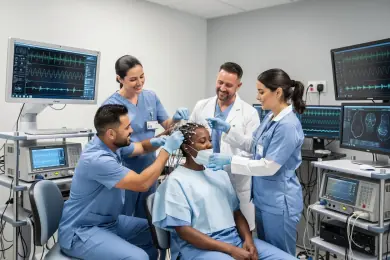
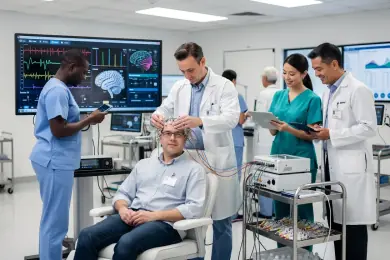
Recent graduates pursuing a neurodiagnostic technology degree often face the challenge of balancing job searches with completing supervised clinical hours. Many programs require between 720 and 960 clinical hours within healthcare facilities, which can complicate placement for those living in areas with limited hospital partnerships. According to the Bureau of Labor Statistics, employment in neurodiagnostic technology is projected to grow 7% through 2030, intensifying demand for qualified candidates who have completed hands-on training. This article explores whether students can complete neurodiagnostic technology clinicals locally and the key factors affecting these placement opportunities.
Key Things to Know About Completing Neurodiagnostic Technology Clinicals Locally
- Programs often assist in arranging clinical placements at nearby healthcare facilities to support local completion of supervised hours within students' communities.
- Completing clinicals locally offers flexibility, reducing relocation costs and travel time, promoting a balanced education and personal life.
- Students must verify state licensure requirements, site availability, and program approval policies to ensure clinical hours fulfill credentialing standards before enrolling.
Can You Complete Neurodiagnostic Technology Clinicals Near Your Home or Hometown?
Clinical placements for neurodiagnostic technology students are often available near their home or hometown, depending on the program's structure, partnerships with healthcare facilities, and the local availability of clinical sites. Access to local clinical opportunities can improve convenience, scheduling flexibility, and overall accessibility, supporting students who need to balance education with other commitments. Studies show that about 70% of allied health students benefit from clinical placements within reasonable commuting distances, highlighting the importance of local options.
Several key factors influence whether students can complete neurodiagnostic technology clinicals locally, including:
- School Affiliation Networks: Schools with established agreements with nearby hospitals or clinics typically offer local placement opportunities, facilitating smoother coordination and reducing student travel burdens.
- Geographic Location: Students in urban or suburban regions often find more clinical sites nearby, while those in rural or less populated areas may face limited local options, sometimes necessitating travel or temporary relocation.
- State and Regional Requirements: Certain states impose standards on clinical site approvals or demand that clinical hours be completed at accredited facilities, which may restrict local placements if nearby centers do not meet these criteria.
- Facility Availability: The capacity of local healthcare providers, along with the availability of qualified instructors, directly affects whether students can secure placements in their hometown or surrounding areas.
- Placement Coordination: Administrative processes, including approvals, scheduling, and compliance with safety policies, play a crucial role in determining how easily students can complete clinical requirements locally.
Students exploring local clinical opportunities for neurodiagnostic technology students should also consider related continuing education options, such as online PharmD programs, to complement their practical experience and broaden professional qualifications.
How Do Neurodiagnostic Technology Clinical Placements Work?
Clinical placements for neurodiagnostic technology programs are commonly arranged through collaborations between educational institutions and approved healthcare facilities. These hands-on experiences enable students to translate classroom theory into practical skills within professional settings. Placement structures, site availability, and scheduling logistics often influence whether students can complete their clinical hours nearby or need to explore other options; notably, students engaged in clinical experiences are over 70% more likely to be job-ready upon graduation.
The local neurodiagnostic technology clinical placement process typically includes several coordinated steps to ensure effective training opportunities:
- Partnership Networks: Schools collaborate with accredited hospitals, specialized neurology clinics, and other healthcare providers that meet educational and legal requirements to offer supervised clinical training near students' residences when possible.
- Placement Coordination: Programs oversee site approvals and student assignments, accounting for accreditation standards, state regulations, and the capacity of clinical environments to maintain quality education.
- Supervision and Scheduling: Licensed neurodiagnostic technologists or physicians supervise students to ensure safe practice. Schedules are arranged based on student availability, travel constraints, and site resources, often requiring flexibility.
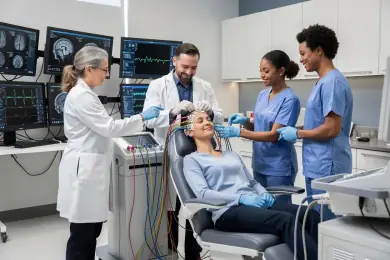
- Approved Training Environments: Clinical sites must comply with national accreditation bodies and state mandates, providing the necessary equipment and patient exposure for proficiency in EEG monitoring, evoked potentials, and other neurodiagnostic techniques.
- Regional Considerations: Geographic location and healthcare resource distribution can affect placement options. Students often seek programs offering clinicals near them, as reflected in common inquiries about how neurodiagnostic technology clinicals are arranged near me.
Prospective students exploring options may also consider earning an online healthcare administration degree to broaden their healthcare career pathways while completing clinical requirements locally or remotely.

What State Authorization and Licensing Rules Affect Local Clinicals?
State authorization policies, regional education standards, and professional licensing requirements significantly impact whether students pursuing neurodiagnostic technology programs can complete their clinical hours close to home. Variations in state regulations often determine eligibility for clinical placements, administrative approval procedures, and access to recognized training sites. As of 2023, over 35% of healthcare education programs reported difficulties in securing out-of-state clinical site approvals, highlighting challenges related to interstate clinical training.
Several key regulatory factors influence the feasibility of local neurodiagnostic technology clinical placements:
- State Authorization Agreements: Institutions must have official approval from the state where the clinical site is located. Without proper authorization, students cannot legally perform required clinical hours at local facilities outside their program's authorized jurisdiction.
- Professional Board Requirements: Licensing boards often mandate that clinical training occurs under supervision by credentialed professionals. These rules can exclude some local sites if suitable licensed staff are unavailable to oversee student work.
- Interstate Placement Restrictions: Students seeking clinical experiences outside their program's authorized states may need additional permits or waivers. These extra steps introduce administrative hurdles and sometimes make out-of-state clinicals impractical.
- Program Compliance Responsibilities: Accredited neurodiagnostic technology programs are obligated to verify that clinical sites comply with standards set by accrediting agencies. This oversight can limit the range of eligible local environments suitable for training.
- Documentation and Oversight: Formal agreements between education programs and healthcare facilities are necessary to permit student participation. Without these contracts, local sites cannot legally provide the required clinical hours.
A neurodiagnostic technology degree graduate shared that navigating these regulations "felt like a maze" early in their clinical search. They recalled needing to communicate frequently between their school, local hospitals, and state boards to confirm eligibility, noting that "waiting for approvals was stressful and delayed scheduling." This experience reinforced how critical understanding the regulatory landscape is for managing expectations and planning clinical training effectively.
Online neurodiagnostic technology programs often assist students in completing required clinical hours at healthcare facilities near their hometowns. By leveraging school partnerships and coordinating local placements, these programs increase accessibility and scheduling flexibility, offering convenience for online or hybrid learners. In fact, recent data shows that about 65% of students in healthcare distance education successfully secure local sites for practical experience.
The following factors influence the ability to arrange local clinical placements in such programs:
- School Partnerships: Many online neurodiagnostic technology programs establish agreements with hospitals or clinics in various regions to ensure approved clinical sites are available, supporting students regardless of location.
- Affiliation Agreements: Programs must complete formal legal contracts with healthcare facilities before students begin clinical hours, which can impact where and when placements occur.
- State Regulations: Rules differ across states, affecting whether students may complete clinical training locally and if programs can approve sites within certain jurisdictions.
- Quality and Accreditation Standards: Accredited programs require clinical experiences to meet strict supervision and curriculum criteria, influencing which local sites qualify for training.
- Student Support and Coordination: Some programs assist students in identifying potential placement facilities near their residence, subject to institutional approval, enhancing local clinical placement options.
Pursuing a self-paced bachelor's degree online in neurodiagnostic technology can thus offer viable options to fulfill clinical requirements close to home.
Most neurodiagnostic technology programs enable students to complete their clinical training close to home, with about 72% of accredited programs partnering with local healthcare providers for placements. This widespread collaboration helps accommodate student demand for accessible clinical experiences, especially as online and hybrid program options continue to expand. Below are some common types of facilities where students may fulfill their clinical requirements.
- Hospitals: These large institutions offer diverse neurological cases and advanced diagnostic tools, allowing students to gain hands-on experience under supervision in both inpatient and outpatient settings.
- Outpatient Clinics: Focused on routine neurological assessments, these centers support student learning in patient interaction and interpretation of diagnostic data within a controlled environment.
- Rehabilitation Centers: Providing care for patients recovering from neurological events, these facilities expose students to long-term monitoring and a patient-centered approach critical for therapeutic decision-making.
- Long-Term Care Facilities: These settings introduce students to neurodiagnostic monitoring of elderly or chronically ill populations, emphasizing evaluations that consider complex health conditions and extended care needs.
- Community Health Organizations: Smaller, specialty-driven sites enable students to work with specific neurological subspecialties or public health initiatives, promoting adaptability and diverse patient engagement.
When I spoke with a medical professional holding a Neurodiagnostic Technology degree, she reflected on her clinical rotations with a sense of growth and gratitude. She recalled the uncertainty of finding placements near her hometown but was relieved by the variety of options that eventually allowed her to train without relocating. "Each facility taught me different skills," she said, "from technical proficiency in hospital labs to compassionate communication in rehab centers." She emphasized how these experiences solidified her confidence and shaped her appreciation for the field, noting that real-world exposure was crucial in preparing her for a successful career.

Many neurodiagnostic technology programs offer adaptable clinical scheduling and varied placement locations to meet diverse student needs. With nearly 60% of healthcare students seeking local clinical sites to reduce commuting strain, flexible options have become increasingly important. The expansion of online healthcare education further supports the demand for accommodating clinical experiences near students' homes.
The following points highlight common ways programs provide flexibility in clinical schedules and locations:
- Local Placement Options: Programs often partner with healthcare facilities across multiple areas, enabling students to complete clinical hours close to where they live. This reduces long travel times and helps those with personal or work commitments manage their clinical experiences more easily.
- Alternative Scheduling: Evening and weekend shift options are frequently available, allowing students to fulfill required clinical hours without conflicting with daytime classes or jobs. Such scheduling flexibility helps balance academic and professional responsibilities.
- Partnership Diversity: Collaboration between educational institutions and a mix of large hospitals and smaller clinics widens placement possibilities. This network increases the likelihood of finding convenient clinical sites that fit students' geographic situations.
- Travel Considerations: While local placements are preferred, students may sometimes need to travel, especially in less populated regions. Programs typically inform students well in advance so they can plan accordingly if travel is necessary.
- Hybrid Program Support: For those enrolled in hybrid models combining online study with in-person training, coordinators often help arrange local clinical placements. This assistance ensures students can effectively manage both virtual coursework and hands-on clinical requirements.
Neurodiagnostic technology programs often coordinate closely with healthcare facilities to assign qualified preceptors and secure approval for clinical training sites near students' residences. About 60% of healthcare training programs now face increasing challenges in obtaining quality clinical placements due to higher demand and a shortage of available preceptors. Meeting accreditation standards requires careful planning and collaboration to ensure clinical experiences meet educational objectives.
Several key factors outline how preceptors and clinical site approvals typically function in neurodiagnostic technology programs:
- Preceptor Qualifications: Preceptors must hold active certification in neurodiagnostic technology or a related field and possess relevant clinical experience. These qualifications enable them to mentor students effectively and provide proper professional guidance throughout clinical rotations.
- Affiliation Agreements: Programs establish formal contracts or memoranda of understanding with clinical sites to define roles and responsibilities. These agreements ensure that sites comply with educational standards and legal requirements for student training.
- Site Evaluation: Clinical sites are assessed for appropriate equipment, patient volume, and learning opportunities before approval. This evaluation ensures students can meet required competencies within a structured and supportive environment.
- Supervision and Feedback: Approved sites and preceptors must provide direct supervision and regular feedback to students, maintaining high-quality training and regulatory compliance.
- Approval Timelines: Site and preceptor approvals demand advance planning, often several months ahead of clinical placement dates, allowing programs to confirm availability and complete necessary documentation.
- Student Coordination: Students typically submit site preferences or documentation and communicate with program coordinators to facilitate local clinical placements, supporting a smooth clinical training experience.
Students completing neurodiagnostic technology clinicals locally often face a variety of direct and indirect expenses that extend beyond tuition. Healthcare education data shows that non-tuition clinical-related costs can average between $500 and $1,200 per term for many students. These expenses can strain budgets, especially when factoring in transportation and necessary clinical supplies.
When budgeting for expenses related to neurodiagnostic technology clinical costs in your local area, consider the following common items:
- Transportation and Fuel: Regular commuting to clinical sites requires reliable transportation and fuel. Depending on the distance and frequency of travel, these costs often range from $50 to $150 monthly and can make up a significant portion of clinical placement expenses.
- Parking Fees: Many healthcare facilities enforce parking fees for students, which can be daily or monthly. Students should expect to pay between $20 and $60 each month, as free parking near clinical sites is typically limited or unavailable.
- Uniforms and Equipment: Clinical programs usually mandate specific attire like scrubs along with essential tools such as stethoscopes or neurodiagnostic equipment. Initial expenses for uniforms and supplies typically fall between $100 and $300.
- Immunizations and Background Checks: Compliance with healthcare regulations requires students to keep immunization records up to date and pass background screenings. These costs generally range from $50 to $150, depending on the facility's requirements.
- Onboarding and Liability Insurance: Orientation sessions, onboarding fees, and professional liability insurance often add $75 to $200 in additional expenses necessary for clinical site placement.
Students exploring options for fulfilling their supervised clinical hours may also find it helpful to research best online DNP programs that do not require clinicals, providing an alternative pathway. Considering these expenses is crucial for managing expenses related to completing neurodiagnostic technology clinicals near hometown facilities.
Students pursuing Neurodiagnostic Technology clinicals may find opportunities near their home or hometown, but local placements often come with logistical, administrative, and geographic challenges. Limited placement capacity and the need for close coordination with healthcare facilities and academic programs are common obstacles. Nearly 30% of healthcare training programs report difficulties securing adequate clinical placements, highlighting the competitive nature of these experiential learning opportunities.
Several factors can affect local clinical placement accessibility and scheduling:
- Limited Placement Sites: Many regions have a small number of approved facilities equipped to provide Neurodiagnostic Technology training, creating high demand among students and limiting available spots.
- Geographic Restrictions: Rural or less populated areas often lack nearby clinical sites, reducing options for students who must comply with state licensing and accreditation impacts on neurodiagnostic clinical placements.
- Scheduling Conflicts: Coordinating clinical hours between students, academic calendars, and healthcare providers can be complex, often resulting in clashes that delay completion of required hours.
- Qualified Supervisors: A shortage of experienced preceptors or clinical instructors in some regions restricts hands-on training availability, which can affect the quality and timing of placements.
- Approval Processes: Schools typically must verify and approve clinical sites, a process that can vary greatly and add administrative delays or limitations to local placement opportunities.
Students must balance coursework demands alongside these challenges, requiring flexibility and strong time management. For those considering advanced healthcare roles, learning how to be a nurse practitioner also involves navigating complex clinical placement processes that parallel those seen in Neurodiagnostic Technology programs.
Completing neurodiagnostic technology clinicals at nearby healthcare facilities allows students to gain practical skills and build valuable professional connections within their local medical community. Studies show that over 70% of healthcare employers prioritize candidates with clinical experience when making hiring decisions, highlighting the importance of local placements in enhancing job prospects.
These local clinical experiences can support employment readiness in several meaningful ways:
- Professional Networking: Engaging with healthcare professionals in local settings fosters relationships that may lead to job referrals and introductions to potential employers in the region.
- Workplace Familiarity: Hands-on experience with local protocols and equipment increases comfort and confidence, helping graduates adapt quickly to employer expectations.
- Employer Recognition: Supervisors and staff observing clinical performance firsthand can provide strong endorsements that influence hiring choices.
- Local Workforce Demand: Employers often prefer candidates who have demonstrated commitment through local clinical placements, valuing their familiarity with the organization's patient population and workflows.
- Team Communication: Exposure to interdisciplinary teams during clinicals enhances the ability to collaborate effectively with nurses, physicians, and other specialists.
- Practical Readiness: Experiencing real patient care locally equips students to meet job responsibilities promptly, reducing the need for extended training after hiring.
What Students Say About Completing Neurodiagnostic Technology Clinicals Locally
- Riggs: "Completing my neurodiagnostic technology clinical hours at local healthcare facilities has been incredibly rewarding. The program's partnerships with nearby hospitals make it feasible to gain hands-on experience without relocating, which fits well with my personal commitments. This direct exposure has not only helped me meet the program's requirements but has also boosted my confidence in real-world clinical settings."
- Curtis: "Coordinating local clinical placements for my neurodiagnostic technology studies proved more challenging than I expected due to limited availability at smaller clinics near my home. I considered relocating to a larger city to secure better opportunities, but with persistence and support from my advisors, I found suitable placements locally. This process taught me the importance of flexibility and proactive communication when balancing clinical education with personal life."
- Waylon: "Having the chance to complete neurodiagnostic technology clinical hours locally has significantly enhanced my readiness for a professional career. Being immersed in nearby healthcare settings allowed me to understand the nuances of patient care and team collaboration, which textbooks alone could never provide. Staying local also alleviated the stress of moving, giving me more focus on developing practical skills."
Other Things You Should Know About Neurodiagnostic Technology Degrees
Yes. Most neurodiagnostic technology programs require written approval from the program director or clinical coordinator before a local site can be used. The site must usually meet supervision standards, offer EEG or related neurodiagnostic cases, and comply with the school’s affiliation agreement.
Supervision quality depends on the availability of qualified neurodiagnostic technologists or clinical instructors at the local site. Accredited programs typically ensure that clinical sites have certified personnel capable of providing appropriate oversight and mentoring throughout the student's clinical experience.
Yes, clinical hours completed at approved local sites count toward eligibility for certification exams like the ABRET EEG or NCS credentials. Clinical experience must meet the specific program and certifying body standards to be considered valid.
Some local clinical settings may have a limited range of neurodiagnostic procedures available, potentially restricting exposure to the full scope of required skills. Students should verify with their program and clinical coordinator that their local site offers opportunities to meet all competency requirements.
- Flexibility in Healthcare – What Does a Flexible Schedule Really Mean? https://www.adfinitashealth.com/blogs/flexibility-in-healthcare-what-does-a-flexible-schedule-really-mean/
- Searching for a Clinical Site? https://www.asrt.org/main/career-center/clinical-site-search
- Clinical Trial Costing: Phase-By-Phase Budget Guide | Abacum https://www.abacum.ai/blog/clinical-trial-costing
- From Campus to Career: Teaching Recent Graduates About Benefits https://extensishr.com/resource/blogs/benefits-for-recent-graduates/
- The Pros and Cons of Hiring Locally | CA Global https://www.caglobalint.com/post/the-pros-and-cons-of-hiring-locally/
- Clinical Rotations with AMO | The U.S. Clinical Experiences that You Need https://www.amopportunities.org/clinical-rotations
- Clinical Trial Start-Up Costs: A Breakdown & Benchmarks | IntuitionLabs https://intuitionlabs.ai/articles/clinical-trial-start-up-costs
- Calculating Your Costs Per Visit https://www.aafp.org/pubs/fpm/issues/2004/0400/p41.html
- Can Graduates Expect Job Offers Right After Nursing School? https://nursingeducation.org/insights/job-offers-after-nursing-school/
- Neurodiagnostic Technologist - Explore Healthcare Careers - Mayo Clinic College of Medicine & Science https://college.mayo.edu/academics/explore-health-care-careers/careers-a-z/neurodiagnostic-technologist/