2027 Neurodiagnostic Technology Internship Requirements: Hours, Placements, and Supervision
Audited and Verified:
Our Editorial and Data Verification Process
Research.com uses government datasets, official education statistics and primary institutional information to support its career and degree guides. Our review process checks factual accuracy, occupational definitions, source dates and the requirements associated with the credentials discussed.
How This Article Was Fact-Checked
Our editorial team verifies salary estimates, employment projections, education requirements and program information against original data providers and official organizations. Salary figures are checked against the relevant occupational definitions and reporting periods. Information about licensure, accreditation and required in-person training is reviewed separately.
Fact-checked and verified on:

Co-Founder and Chief Data Scientist
A student preparing to enter a neurodiagnostic technology internship often faces uncertainty about how many hours to complete, where the placement will be, and what level of supervision is required. According to recent data, employment in neurodiagnostic technology is projected to grow 8% over the next decade, highlighting the importance of gaining adequate clinical experience.
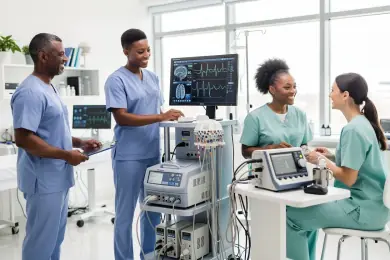
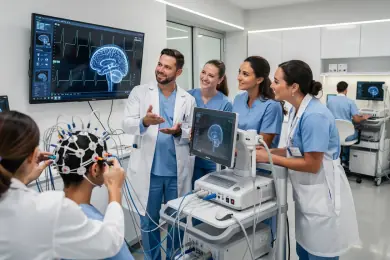
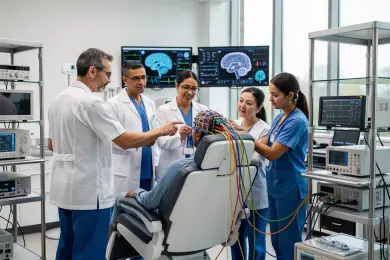
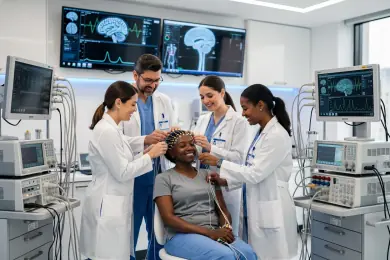
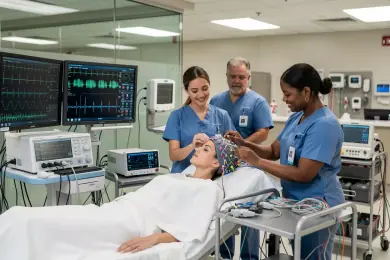
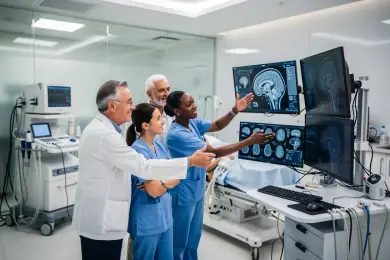
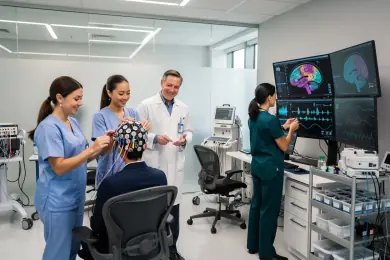
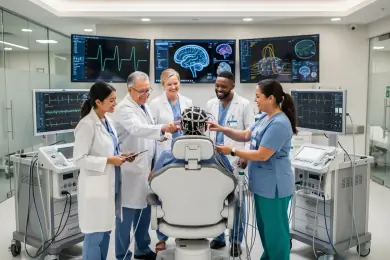
Internship programs typically place students in hospitals, clinics, or specialized diagnostic centers, where they work under the guidance of certified technologists or neurologists. This article clarifies internship hour requirements, placement procedures, and supervision standards to help students navigate these critical components effectively.
Key Things to Know About Neurodiagnostic Technology Internship Requirements
- Internship hours typically range from 480 to 600, requiring careful academic scheduling to balance coursework and clinical time over several months.
- Placement availability varies by region, with competitive sites in urban hospitals influencing where students complete clinical rotations.
- Supervision by certified neurodiagnostic technologists ensures skill proficiency, while structured evaluations provide essential feedback for professional development.
Do All Neurodiagnostic Technology Degrees Require an Internship?
Internships play a crucial role in most neurodiagnostic technology degree programs, offering hands-on clinical experience that helps students apply theoretical knowledge. Approximately 85% of accredited neurodiagnostic technology programs require an internship or clinical practicum to ensure graduates are practice-ready. Several factors influence whether an internship is mandatory within a program.
- Program Type: Certificate, associate, and bachelor's programs differ in their internship requirements. Associate and bachelor's degree programs are more likely to include internships as a core part of their curriculum, while some certificate programs might not require them.
- Accreditation Expectations: Programs accredited by agencies such as the Commission on Accreditation of Allied Health Education Programs (CAAHEP) typically mandate clinical internships to meet professional training standards, which are essential for eligibility in certification exams.
- Specialization Tracks: Within neurodiagnostic technology, specialties like EEG, intraoperative monitoring, or epilepsy monitoring may have tailored clinical experience demands that influence the necessity and structure of internships.
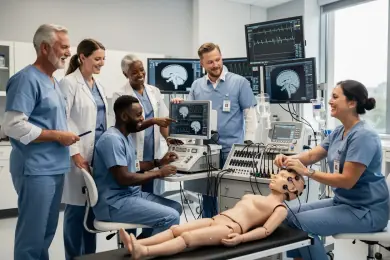
- Alternative Learning Options: Some programs offer extended practicum courses or simulation laboratories instead of traditional internships to fulfill clinical experience requirements, providing flexibility without compromising skill development.
Students seeking clear guidance should review how internship requirements align with their chosen degree path, accreditation status, and focus area, as these elements directly impact their eligibility to sit for credentialing exams and readiness for clinical roles. For those interested in related fields or broader healthcare education options, exploring the cheapest online DNP programs can provide insights into accessible advanced degree pathways.
What Requirements Must Be Met Before Starting a Neurodiagnostic Technology Internship?
Programs require specific prerequisites before students begin a neurodiagnostic technology internship to ensure they possess the necessary knowledge and professionalism. Research indicates that students maintaining a cumulative GPA between 2.5 and 3.0 have a higher likelihood of success during clinical training. Below are some common eligibility criteria students must meet prior to starting their internship.
- Minimum GPA: Most programs require a cumulative GPA typically ranging between 2.5 and 3.0. This academic standard helps ensure students have grasped foundational concepts necessary for effective clinical performance.
- Completed Coursework: Students must finish core courses related to neurodiagnostic technology such as neuroanatomy, physiology, and electrophysiology. These classes establish essential theoretical knowledge to interpret neurodiagnostic tests properly.
- Application Approval: Formal approval from the program's internship coordinator or clinical director is mandatory. This approval is usually contingent on consistent academic progress and demonstrated professionalism throughout earlier coursework.
- Background Checks: Passing background screenings and health checks is required to comply with healthcare facility policies and ensure patient safety. This includes verification of immunizations and adherence to confidentiality standards.
- Ethical Compliance: Students must demonstrate understanding and commitment to patient privacy and ethical guidelines relevant to healthcare settings. Maintaining confidentiality privileges is crucial in clinical environments.
These prerequisites streamline the placement process and foster a safe, effective learning environment that benefits both students and patients in neurodiagnostic technology internships.

How Many Internship Hours Are Required for Neurodiagnostic Technology Degrees?
Internship hours are a vital component of neurodiagnostic technology degrees, designed to provide critical hands-on experience that prepares students for clinical work. Most programs require between 480 and 960 hours, often translating from academic credits where one credit equals roughly 40 to 50 clinical hours. The exact number varies based on several factors that shape the internship structure and expectations.
- Program Type: Associate degree tracks usually mandate fewer hours, often between 480 and 600, while bachelor's programs commonly demand 800 hours or more to cover broader clinical skills and knowledge.
- Credit Equivalencies: Internship hours correlate with credit hours, where a 12-credit clinical course could equal 480 to 600 supervised practice hours, aligning practical training with academic standards.
- Accreditation Requirements: Accrediting bodies like CAAHEP establish minimum clinical hour standards to ensure programs meet national competence benchmarks and prepare students for certification.
- Scheduling Format: Programs offered full-time or part-time may differ in internship hour pacing, influencing how quickly students complete required clinical experiences.
A neurodiagnostic technology degree graduate shared that completing the internship hours felt both demanding and rewarding. He explained, "Balancing clinical hours with classes was tough, especially managing long days in the lab and hospital settings." He also noted the importance of consistent supervision and feedback during those hours, which helped build confidence. Reflecting on the process, he said, "Though it was stressful at times, the hands-on experience was essential-knowing I met the hour requirements gave me reassurance when sitting for board exams."
Internship sites are crucial for hands-on experience in neurodiagnostic technology programs, offering exposure to real-world procedures and equipment in diverse settings. Approximately 70% of clinical internship sites for neurodiagnostic technology students are based in hospital or clinical environments, reflecting the sector's importance in training. The following outlines typical environments where internships commonly occur.
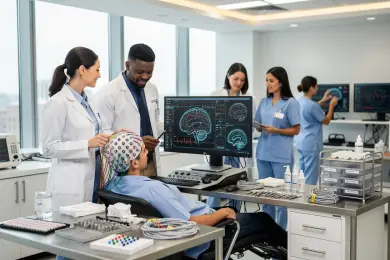
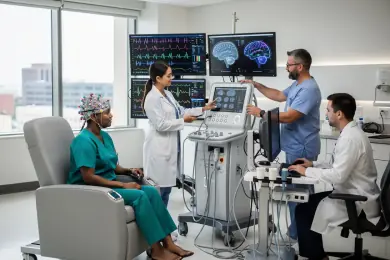
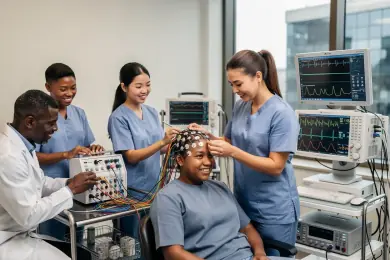
- Hospitals and Clinics: These remain the primary locations for internships, providing access to a wide range of neurological cases and advanced diagnostic tools. Students gain direct experience in acute care centers and specialized neurological clinics, essential for developing practical skills.
- Research Institutions: Internship placements also include laboratories and research centers where students contribute to studies on neurodiagnostic technologies. This setting allows exposure to innovative approaches and data analysis crucial for advancing the field.
- Government Agencies: Some internships take place within public health departments or federal health programs, enabling students to participate in large-scale health initiatives and policy-driven neurodiagnostic projects.
- Nonprofit Organizations: These agencies focus on patient care and neurological health advocacy. Internships here offer experience in community outreach and support services related to neurodiagnostic technology.
- Healthcare Corporations: Corporate internships often involve product testing, quality assurance, and technological development within medical device companies. Exposure to the business and technical sides complements clinical learning.
For students interested in further educational pathways, exploring the cheapest RN to BSN programs offers an affordable route to expand healthcare expertise.
Internship placements in neurodiagnostic technology programs are carefully structured to balance educational objectives with available clinical resources. Approximately 75% of programs utilize coordinated placement systems to ensure fair and efficient student distribution across clinical sites. These methods prioritize both student preferences and institutional partnerships. Below are common approaches schools use to assign internships.
- Faculty-Guided Matching: Program faculty evaluate student profiles, preferences, and site availability to directly assign placements, aiming to optimize learning outcomes and site suitability.
- Student Preference Ranking: Students submit ranked lists of their desired clinical locations. Placement coordinators then negotiate assignments based on both demand and site capacity, striving to accommodate preferences where possible.
- Centralized Coordination: Some institutions employ a centralized system pooling all internship opportunities, allowing a structured matching process similar to a lottery or algorithm-based assignment to ensure equity.
- Partnership-Based Assignments: Clinical affiliations with specific hospitals or centers often dictate placement options, with students assigned to partner sites that match program goals and scheduling constraints.
A neurodiagnostic technology degree student shared her experience with placement: "Although I ranked my preferred clinical sites, the final decision was primarily made by the program coordinator balancing many students' needs. It was challenging waiting to hear where I'd be assigned, especially since some top choices had limited spots. However, once placed, I appreciated that the site was well-prepared to support my learning, even if it wasn't my first pick. The process taught me about flexibility and trust in the program's judgment, which eased my initial anxiety."

The integration of remote work into healthcare education has expanded opportunities for virtual internships, especially within neurodiagnostic technology programs. Recent data indicates that about 60% of internships in allied health fields offered some form of remote or hybrid participation by 2023. This trend is closely linked to advances in telehealth and remote patient monitoring technologies, which are increasingly relevant to neurodiagnostic practice. Such developments have led programs to explore new ways of delivering practical training while meeting evolving student needs.
Virtual or remote internships often combine online theoretical lessons with occasional in-person clinical experiences, providing students with a flexible learning environment. Digital platforms facilitate effective communication among students, instructors, and clinical supervisors through video calls, secure messaging, and electronic documentation. This approach also allows access to a wider range of employers and clinical sites that might otherwise be inaccessible due to geographic constraints.
However, fully remote internships remain uncommon because hands-on experience is essential, making the availability of such placements dependent on each program's curriculum design and accreditation requirements.
Many students pursuing neurodiagnostic technology also work part-time jobs, making flexible internship options critical. According to the National Center for Education Statistics, nearly 43% of U.S. undergraduates hold part-time employment during their studies. These realities drive programs to offer adaptable internship arrangements that help students manage both clinical experience and work commitments. The following aspects highlight how part-time internships support working students:
- Scheduling Flexibility: Programs often allow students to fulfill clinical hours during evenings, weekends, or outside traditional work hours, accommodating those with employment obligations.
- Employer Accommodations: Clinical sites frequently collaborate with academic programs to adjust shifts, helping students meet required internship hours without excessive workload.
- Academic Workload Balance: Part-time internships enable students to maintain a reasonable course load while completing clinical practice, which can reduce burnout and improve learning outcomes.
- Program-Specific Policies: Despite flexibility, some neurodiagnostic technology programs mandate minimum weekly or total clinical hours, limiting the feasibility of very limited part-time participation.
These flexible options provide a practical pathway for students balancing work and study to fulfill clinical requirements while preserving financial stability. Prospective neurodiagnostic technology students should inquire directly with programs to understand the specific guidelines relating to part-time internship availability and structure.
Effective supervision is essential in neurodiagnostic technology internships to ensure students develop both competence and confidence. Studies show structured mentorship in healthcare internships can increase competency outcomes by up to 40%, highlighting the critical role of oversight. Below are key supervision elements that uphold clinical supervision standards for neurodiagnostic technology internships.
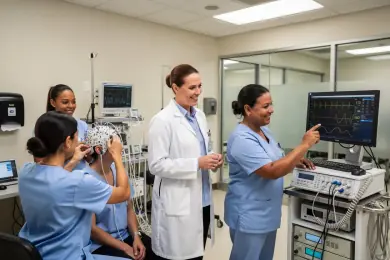
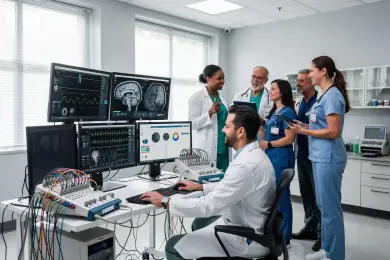
- Faculty Oversight: Academic supervisors maintain ongoing communication with interns and clinical mentors, reviewing performance and addressing challenges. This educational guidance ensures that learning objectives are aligned with professional standards throughout the internship.
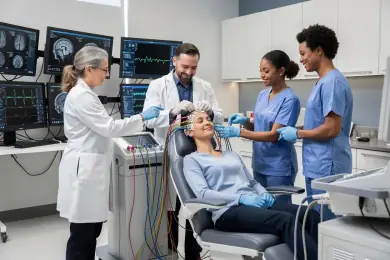
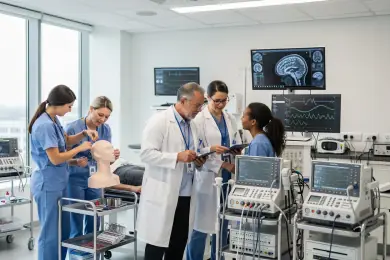
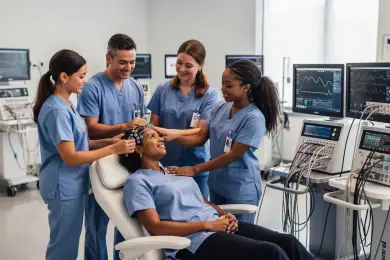
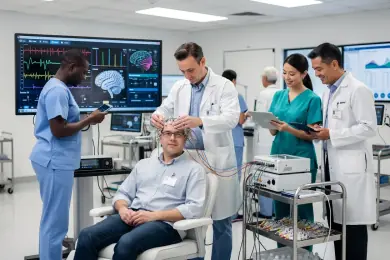
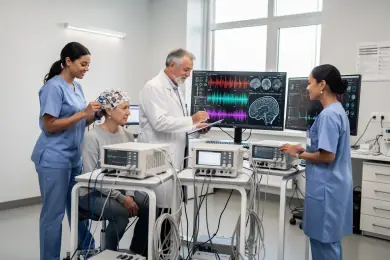
- Workplace Mentors: Experienced neurodiagnostic technologists or clinical supervisors provide hands-on instruction and direct observation during procedures like EEG and nerve conduction studies. Their immediate feedback is crucial for honing technical skills and enforcing patient safety.
- Performance Feedback: Interns receive frequent, structured feedback that highlights strengths and areas for improvement. Both formal evaluations and informal coaching support continuous clinical skill development and professional growth.
- Ethical and Legal Guidance: Supervision also emphasizes adherence to ethical and legal standards, with mentors fostering professional responsibility and decision-making necessary for future practice.
The integration of these supervision requirements supports a comprehensive educational experience, assuring that neurodiagnostic technology internship supervision requirements meet both academic and clinical expectations. Prospective students seeking to explore accredited programs with financial support options can learn more about the best medical billing and coding schools online as part of a broader healthcare education foundation.
Evaluating neurodiagnostic technology internships is essential to ensure students meet clinical competencies and are prepared for professional practice. Studies show that programs with rigorous evaluation methods report a 25% higher certification exam pass rate. Below are common criteria used to assess neurodiagnostic technology internship performance evaluation criteria.
- Supervisor Reviews: Clinical mentors provide detailed feedback on technical skills, patient interactions, and safety protocol adherence. These reviews include rating scales and narrative comments to offer a comprehensive view of each intern's capabilities.
- Faculty Assessments: Faculty members analyze students' progress through performance data and clinical logs, supporting an objective evaluation of clinical internship achievements.
- Reflective Assignments: Students complete written reflections that encourage critical analysis of their clinical experiences and growth. This self-assessment deepens understanding beyond technical skills and fosters professional development.
- Performance Benchmarks: Interns are measured against predefined clinical objectives, such as proficiency in neurodiagnostic procedures and ethical practice standards. Meeting these benchmarks is key for successful completion of the internship.
Programs emphasize these methods to ensure effective learning outcomes within clinical settings. Prospective students interested in related allied health fields can explore dietetics masters programs for additional avenues in healthcare education.
Internships in neurodiagnostic technology offer significant hands-on learning but can also be quite challenging. Around 65% of healthcare technology interns report moderate to high stress during clinical placements, highlighting the pressures students face. Below are some common obstacles encountered during neurodiagnostic technology internship challenges in the US.
- Balancing Schedules: Managing internship hours alongside coursework and personal responsibilities demands strong time management skills. Many students struggle to juggle these commitments, leading to increased stress and fatigue.
- Adapting to Workplace Standards: Meeting professional expectations, including strict protocols and patient care standards, requires quick adjustment. Students often find it difficult to assimilate into a clinical environment that demands precision and professionalism.
- Transportation and Financial Strain: Commute issues and unpaid internship hours add financial pressure. Transportation difficulties can disrupt consistency in attendance and increase overall stress during clinical placements.
- Technical Competence and Communication: Acquiring proficiency in clinical tasks and effectively communicating with patients and staff for the first time can be overwhelming. Developing these skills is essential but presents a steep learning curve for students navigating common obstacles during neurodiagnostic technology clinical placements.
Those seeking to continue their education while managing these challenges might explore direct entry MSN programs online, which offer flexible pathways to advance in allied health fields.
What Graduates Say About Neurodiagnostic Technology Internship Requirements
- Riggs: "During my neurodiagnostic technology degree internship, I completed over 1,000 hours across multiple hospital settings, which really expanded my understanding of different patient needs. The supervised nature of the internships allowed me to receive personalized feedback that was pivotal to developing my technical skills. Looking back, those hands-on experiences were crucial in securing my first position and shaping my confidence as a professional."
- Curtis: "I found the structured supervision during my neurodiagnostic technology internship to be incredibly valuable, especially when navigating complex diagnostic procedures for the first time. The variety in placements-from outpatient clinics to ICU units-gave me a comprehensive view of the field that no textbook could match. Reflecting on it now, that internship period truly bridged the gap between academic theory and day-to-day clinical practice for me."
- Waylon: "The internship in my neurodiagnostic technology program was challenging but rewarding, with a required set number of hours that pushed me to stay dedicated and organized. The direct mentoring I received helped me hone both technical skills and patient communication strategies, which are just as important in this profession. Today, I credit that internship experience for the ease with which I transitioned into a demanding work environment."
Other Things You Should Know About Neurodiagnostic Technology Degrees
Before a neurodiagnostic technology internship, students usually complete training in standard precautions, hand hygiene, PPE use, and patient exposure protocols. Many clinical sites also require current immunizations, CPR certification, and annual bloodborne pathogen instruction before direct patient contact begins.
Clinical supervision typically requires one qualified neurodiagnostic technologist or clinical instructor to oversee no more than two interns simultaneously. This ratio ensures adequate guidance and direct observation, allowing supervisors to provide timely feedback and ensure the quality of both training and patient care.
Interns must maintain detailed logs of completed clinical hours, types of procedures performed, and patient case information without violating privacy laws. These records are essential for program accreditation and certification eligibility, as they verify that training requirements and competencies have been met during the internship.
- The Ivy Neurological Sciences Internship Program https://www.tgen.org/education/the-ivy-neurological-sciences-internship-program/
- Open Neurodiagnostic Careers71 Open Positions https://jobs.myneuropathway.com/job-board
- Neuroscience Intern https://www.flolabs.international/internships/neuroscience-intern
- NeurotechEU Internship Program https://www.neurotecheu.uni-bonn.de/en/studying/neurotecheu-internship-program
- Neurodiagnostic Technologist https://explorehealthcareers.org/careers/allied-health-professions/neurodiagnostic-technologist/
- Neurodiagnostic Technologist - Explore Healthcare Careers - Mayo Clinic College of Medicine & Science https://college.mayo.edu/academics/explore-health-care-careers/careers-a-z/neurodiagnostic-technologist/
- Internships https://moralsocialbrain.com/internships/
- Become a Neurodiagnostic Technician: A Step-by-Step Guide - Neuro Pathway https://myneuropathway.com/blog/become-a-neurodiagnostic-technician-a-step-by-step-guide/
- Neurodiagnostic Technology Requirements https://www.southeasttech.edu/_showcase/test-pages/neurodiagnostic-technology/requirements.php
- Neurodiagnostic Technology Program | Aurora Health Care https://www.aurorahealthcare.org/education/neurodiagnostic-technology