2027 Best Online Neurodiagnostic Technology Degrees for Jobs
Audited and Verified:
Our Editorial and Data Verification Process
Research.com uses government datasets, official education statistics and primary institutional information to support its career and degree guides. Our review process checks factual accuracy, occupational definitions, source dates and the requirements associated with the credentials discussed.
How This Article Was Fact-Checked
Our editorial team verifies salary estimates, employment projections, education requirements and program information against original data providers and official organizations. Salary figures are checked against the relevant occupational definitions and reporting periods. Information about licensure, accreditation and required in-person training is reviewed separately.
Fact-checked and verified on:

Co-Founder and Chief Data Scientist
Choosing the right online neurodiagnostic technology degree is challenging-accreditation quality varies widely, curricula differ in rigor, and costs can outpace potential earnings. Nearly 40% of students in healthcare-related online programs report unclear guidance on clinical practicum requirements, complicating career readiness. Balancing affordability with strong student support and effective career placement is critical to avoid costly missteps. This article examines top online neurodiagnostic technology degrees-evaluating accreditation, curriculum depth, practical experience options, costs, and career outcomes-to empower prospective students. It offers a data-driven framework for assessing programs to ensure informed, confident decisions aligned with long-term career goals.
Key Things to Know About the Best Online Neurodiagnostic Technology Degrees for Jobs
- Accreditation standards ensure programs meet nationally recognized criteria-CAHEA and CAAHEP accreditation correlate with 95% certification exam pass rates among graduates.
- Curriculum rigor combines theoretical neuroscience with hands-on clinical training-programs requiring 500+ clinical hours better prepare students for acute care settings.
- Cost and return on investment vary widely-average tuition ranges from $15,000 to $40,000, with graduates seeing a median starting salary of $62,000, supporting favorable ROI within 3 years.
What Is a Neurodiagnostic Technology Degree, and What Can It Do for Your Career?
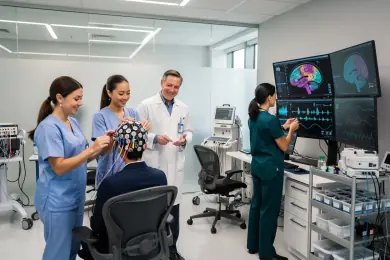
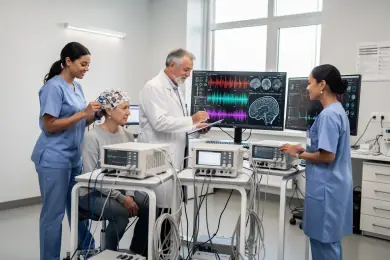
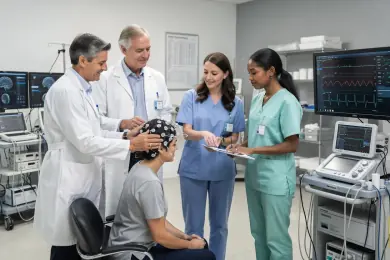
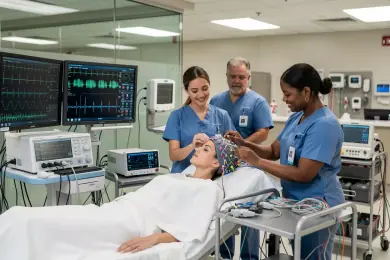
Neurodiagnostic technology-defined by accredited bodies such as the American Board of Registration of Electroencephalographic and Evoked Potential Technologists (ABRET)-is a specialized healthcare field focused on monitoring and recording brain and nervous system electrical activity to diagnose neurological disorders. This discipline emphasizes diagnostic testing that differs from radiologic technology or general medical lab work by concentrating heavily on neurological function rather than imaging or broad analysis.
Core learning areas in these programs include:
- Foundational knowledge: Anatomy and physiology of the nervous system, neurophysiology, and clinical neurodiagnostic procedures.
- Theoretical frameworks: Understanding neurological diseases and the principles of diagnostic technologies used in evaluation.
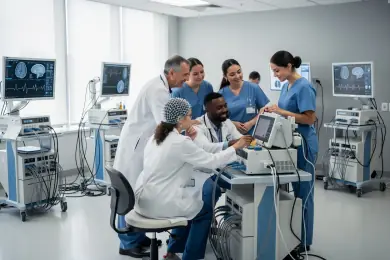
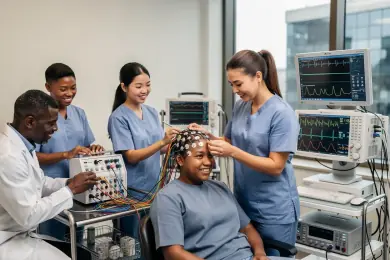
- Applied competencies: Skills in operating EEG, EP, and other neurodiagnostic equipment; patient care; data analysis and interpretation; plus adherence to safety and healthcare regulations.
Academic credentials vary and align with distinct career paths:
- Associate's degrees: Equip students primarily for entry-level technologist positions requiring direct clinical skills.
- Bachelor's degrees: Extend knowledge with leadership, research, and advanced clinical skill development.
- Master's and doctoral degrees: Prepare professionals for advanced clinical roles, education, management, and research within healthcare and academia.
This article centers on best online neurodiagnostic technology degree programs for career advancement-highlighting essential factors like accreditation, curriculum rigor, cost-effectiveness, real-world experience, and robust student support services tailored for working adults and career changers. Those seeking flexible education options may also explore short medical assistant programs that complement healthcare career goals.
Ultimately, online neurodiagnostic technology degree benefits for healthcare jobs depend on choosing programs grounded in outcomes data that match each student's ambitions and circumstances.
How Do Online Neurodiagnostic Technology Degree Programs Compare to Traditional Campus Programs?
Several critical factors distinguish online neurodiagnostic technology degree programs from traditional campus options-offering recent high school graduates, working adults, and military veterans a data-informed way to evaluate their choices. These comparisons draw on accreditation data, curriculum rigor, graduate outcomes, and employer perceptions to clarify which format best meets diverse learner needs.
- Curriculum Depth and Rigor: Accredited online programs generally replicate the academic standards and coursework of campus-based degrees, with oversight from bodies like the Commission on Accreditation of Allied Health Education Programs (CAAHEP), ensuring comparable competency benchmarks.
- Faculty Qualifications: Both modalities employ instructors with advanced degrees and clinical expertise; many online courses feature the same faculty who teach on campus, maintaining instructional consistency.
- Student-Faculty Interaction: Online students benefit from synchronous video lectures, discussion boards, and personalized feedback mechanisms-even though in-person interaction is limited, virtual office hours and small cohorts help sustain meaningful engagement.
- Peer Collaboration: Though spontaneous on-campus study groups are less frequent online, programs often use virtual teamwork and on-campus residency intensives to foster cohort connection and skill development.
- Clinical and Practicum Requirements: Essential hands-on training is required in both formats. Online students complete clinical hours at approved local sites, coordinated by program advisors to safeguard experience quality comparable to traditional settings-addressing a key concern in online neurodiagnostic technology degree program outcomes comparison.
- Employer Perception: Surveys consistently show employers value accredited online degrees on par with traditional degrees when graduates demonstrate clinical competence and certification. Employment rates and salaries are similar regardless of program delivery method.
- Structural Advantages: For working adults, caregivers, remote learners, and veterans, online programs eliminate geographic barriers and offer flexible schedules-allowing education without sacrificing quality.
- Addressing Limitations: Recognizing constraints like limited hands-on exposure or peer interaction, leading programs incorporate technology-enhanced simulations, cohort models, and brief on-campus intensives to enhance learning and community.
Students seeking affordable options with strong career outcomes may also explore the cheapest online MHA programs to complement their neurodiagnostic training and expand leadership potential.

What Are the Accreditation Standards That Define a Reputable Online Neurodiagnostic Technology Degree?
Accreditation is a key indicator of program quality for online neurodiagnostic technology degrees-employers and graduate schools prioritize candidates from accredited programs. Accreditation generally comes in two forms: regional and programmatic. Regional accreditation validates entire institutions through agencies like the Middle States Commission on Higher Education, New England Commission of Higher Education, and Southern Association of Colleges and Schools Commission on Colleges. These accreditors carry significant influence in hiring and further education decisions.
Programmatic accreditation targets specific neurodiagnostic technology curricula and training standards. The Commission on Accreditation of Allied Health Education Programs (CAAHEP) is the foremost accreditor in this field, ensuring programs meet industry expectations for faculty, coursework, and clinical experience.
Attending an unaccredited or low-quality program can severely limit career prospects. Students might be ineligible for professional licensure exams in many states, face difficulties transferring credits, and encounter skepticism from healthcare employers who favor accredited credentials.
Prospective students should confirm accreditation status using two trusted tools: the U.S. Department of Education's Database of Accredited Postsecondary Institutions and Programs, and the Council for Higher Education Accreditation (CHEA) Directory-which independently verifies recognized accreditors and accredited programs.
No matter the appeal of affordability or convenience, accreditation must remain a fundamental qualifier when choosing an online neurodiagnostic technology program-lack of recognized accreditation typically undermines long-term professional success.
Reflecting on his journey, a professional graduate shared that selecting an accredited program felt like navigating a complex labyrinth. "I remember worrying about whether my credits would transfer or if my certification eligibility was secure," he recalled. "It wasn't just about coursework-it was about building confidence that this degree would open doors, not shut them. Confirming accreditation gave me peace of mind amid the uncertainty and kept me focused during the toughest clinical rotations."
Online neurodiagnostic technology education is structurally limited to undergraduate certificates, associate degrees, and bachelor's degree-completion tracks, as master's and doctoral programs do not exist in this highly specialized technical discipline. Virtual pathways in this field are typically offered as hybrid associate programs that combine online didactic coursework with local clinical placements, or as 100% online bachelor's completion tracks tailored for already-credentialed technologists seeking clinical leadership or management roles.
Associate's Degrees: Ideal for recent high school graduates or those shifting careers, these programs provide foundational neurodiagnostic technology skills and clinical practice, typically over two years. They prepare students for technician roles with minimal prior healthcare experience required, including practical clinical components.
Bachelor's Completion Programs: Designed for working adults with an associate degree or military background, these pathways enhance prior knowledge with advanced theory, leadership, and management courses. Usually completed in two years, they open access to supervisory roles and improved earning potential, aligning well with those seeking bachelor's degrees in online neurodiagnostic technology programs.
Master's Degrees: Focused on professionals aiming for leadership, research, or specialized clinical roles, master's programs require a related bachelor's degree plus clinical experience. These programs, lasting roughly 18 to 24 months, emphasize advanced decision-making and technology skills, offering a pathway into higher-level positions and often attracting students exploring master's and doctoral neurodiagnostic technology online degrees.
Doctoral Programs: Less common but highly specialized, these degrees target experienced practitioners seeking research, academic, or executive leadership roles. They demand a master's degree and research background, with completion times spanning three to five years and serve those prepared to engage in advanced scholarly and administrative work.
Post-Baccalaureate Certificates: For professionals holding a bachelor's degree who want to transition quickly, these certificates provide core neurodiagnostic competencies in under a year-offering a concise alternative to full degrees. Some programs offer stackable credentials, enabling students to build from certificate to bachelor's and then master's with transferable credits, reducing both time and cost.
Enrollment and Completion Trends: According to IPEDS data, associate and bachelor's completion programs exhibit higher enrollment and completion rates-reflecting broader appeal-while graduate programs tend to have fewer enrollees but stronger retention due to experienced students. Student profiles vary: newcomers gravitate toward associate and certificate routes, working adults and veterans often pursue bachelor's completion or master's, and doctorate candidates typically have established professional backgrounds.
Those seeking accelerated options might explore fast-track LPN programs online as a comparative model for efficient healthcare career pathways.
Tuition for online neurodiagnostic technology degrees varies widely depending on the type of institution and residency status. Public colleges offering in-state tuition typically charge between $5,000 and $15,000 per year. Public out-of-state students can expect to pay significantly more-often two to three times the in-state rates, sometimes reaching $30,000 annually. Private nonprofit universities generally fall between $20,000 and $50,000 per year. For-profit schools usually have a broad range but tend to carry higher fees overall.
Additional costs beyond tuition include mandatory institutional fees, technology expenses needed for virtual learning, textbooks, and other supplies. Some programs also mandate brief onsite residencies or clinical practicums, which add travel and lodging costs to the overall investment.
Key federal financial aid options commonly available to neurodiagnostic technology students include:
- Pell Grants: Need-based awards that do not require repayment, mainly for undergraduates with demonstrated financial need.
- Federal Subsidized and Unsubsidized Loans: Loans with comparatively low interest rates; subsidized loans do not accrue interest while a student is enrolled.
- GI Bill Benefits: Educational benefits for qualified veterans and service members covering tuition, fees, and associated costs.
Microscholarships and merit-based awards are also available, offered by professional neurodiagnostic associations, state workforce development programs targeting healthcare training, and colleges themselves.
Rather than focusing solely on per-credit-hour rates, it is critical to consider the total program cost-including all fees and required travel-to get a clear picture of financial commitment. Utilizing resources such as the College Scorecard's net price calculator can help prospective students estimate true out-of-pocket expenses after aid, enabling more informed comparisons between programs.
When speaking with a professional who completed an online neurodiagnostic technology degree, she reflected on the financial journey: "Navigating tuition with the added fees and tech costs was more complex than I expected. I had to carefully apply for grants and loans, and I was grateful for the GI Bill support. The residency requirement meant extra travel expenses, which initially added stress-but knowing I had a clear plan for financing eased a lot of that uncertainty." Her experience underscores how planning and using available aid mechanisms can make the degree both accessible and worthwhile.

Program length for online Neurodiagnostic Technology degrees varies significantly by degree type and enrollment status. Associate degrees generally require around two years of full-time study, with some accelerated tracks trimming this to 18 months. Bachelor's degrees often take four years, but students leveraging transfer credits and flexible online pacing can finish in three years or less. Less common online master's and doctoral options typically last between 1.5 and 4 years, depending on clinical and research demands.
- Enrollment Status: Full-time students tend to complete programs more quickly than part-time learners, who may extend their studies over several additional years due to work and life commitments. Many programs accommodate working adults by offering part-time plans that balance flexibility with longer completion periods.
- Transfer Credits and Prior Learning: Accepting transfer credits from previous college work and awarding prior learning assessment (PLA) credits for relevant experience can significantly shorten degree timelines. This benefit is especially valuable for veterans and professionals pivoting to a new career.
- Accelerated and Year-Round Options: Some programs enable faster completion by offering accelerated formats or multiple enrollment terms throughout the year, including summer sessions, reducing downtime between terms.
- Competency-Based Progression: A few online Neurodiagnostic Technology programs allow students to advance upon mastering competencies rather than following a set schedule, supporting motivated learners who already possess relevant knowledge.
- Program Length Limits and Financial Aid: Institutions typically enforce minimum and maximum completion periods to maintain steady progress; surpassing these limits can jeopardize federal financial aid eligibility related to satisfactory academic progress (SAP) standards.
- Average Completion Data: Real-world data shows that associate degree students often take closer to 2.5 years on average, while bachelor's candidates frequently require 3 to 4 years, primarily influenced by part-time enrollment and credit transfer factors.
A comprehensive online Neurodiagnostic Technology program must deliver a robust curriculum aligned with standards from the American Board of Registration of Electroencephalographic and Evoked Potential Technologists (ABRET) and the Commission on Accreditation of Allied Health Education Programs (CAAHEP). This foundation ensures students gain critical knowledge in neuroanatomy, neurophysiology, and patient care, alongside specialized coursework in electroencephalography (EEG), evoked potentials, sleep studies, and intraoperative monitoring.
High-quality programs stand out by integrating:
- Structured Course Sequences: Students progress logically from basic sciences to advanced neurodiagnostic techniques, fostering cumulative skill development.
- Capstone or Integrative Learning: Practical, often virtual, clinical experiences challenge students to apply theory through case studies or simulated environments.
- Competency-Based Outcomes: Graduates demonstrate measurable skills including accurate data collection, technical troubleshooting, patient communication, and adherence to safety protocols.
- Workplace-Driven Skills: Educational outcomes translate directly into abilities for performing standardized diagnostic tests, interpreting results for healthcare teams, and maintaining professional ethics.
- Curriculum Updates: Leading programs routinely review and revise content every 3 to 5 years-incorporating emerging neurodiagnostic technologies, updated clinical guidelines, and evolving regulations.
- Industry Advisory Boards: Ongoing consultation with employers and practicing technologists ensures curricula remain relevant and responsive to workforce needs.
With the Bureau of Labor Statistics projecting a 12% job growth for neurodiagnostic technologists over the next decade, prospective students should request sample course sequences, syllabi, and outcomes maps from any program under consideration rather than relying solely on promotional materials. This careful review empowers applicants to select programs that meet professional standards and provide the practical skills necessary for career success.
Evaluating the best return on investment for working adults pursuing an online neurodiagnostic technology degree requires a careful look at tuition costs, graduate salaries, employment rates, and loan default rates. Programs offered by public universities often provide the highest ROI because they combine competitive tuition with strong employer networks that help graduates secure timely, full-time employment in hospitals, diagnostic labs, and neurophysiology clinics. Many students increase ROI further through employer tuition reimbursement programs and scholarships aimed at healthcare professionals.
- Cost Efficiency: Lower tuition rates at public institutions-especially for in-state students or those benefiting from state reciprocity agreements-make these programs accessible and financially manageable for working adults balancing education with other responsibilities.
- Employment Outcomes: High post-enrollment employment rates demonstrate programs with proven industry reputations, leading to greater job security and career growth.
- Salary Growth: Programs with graduates who show steady median earnings increases at six and ten years after enrollment indicate strong, sustainable career trajectories that underscore long-term economic value.
- Employer Support: Financial support options such as employer tuition reimbursement and scholarships reduce out-of-pocket costs, shortening the time needed to see returns on education investment.
- Program Accreditation and Curriculum Quality: Accredited programs featuring rigorous coursework and practical clinical experience better prepare students for certification exams and workplace demands.
- Student Support Services: Extensive online academic advising, career counseling, and flexible scheduling improve completion rates and outcomes, further bolstering ROI.
Prospective students should prioritize outcome transparency over institutional prestige or broad rankings. Assessing median earnings at six and ten years post-enrollment alongside employment and default rates provides a clearer measure of a degree's economic value. This approach benefits recent high school graduates, military veterans using education benefits, and working adults seeking career changes or advanced credentials.
Those interested in comparing programs and understanding the highest ROI online neurodiagnostic technology degrees for professionals can also explore resources on online ASN programs as a related guide to healthcare education investments.
Admissions requirements for top online Neurodiagnostic Technology programs vary widely-reflecting the diversity of institutions offering these degrees and the varying academic rigor expected. Prospective students should assess where their credentials fit best, as entry requirements for top online Neurodiagnostic Technology degrees differ significantly between open-enrollment community colleges and highly selective research universities. Understanding these distinctions helps applicants prepare competitive applications aligned with their career goals.
Minimum GPA: Competitive programs often require a GPA between 2.5 and 3.0 on a 4.0 scale for undergraduate admission; graduate programs generally expect at least a 3.0. Some institutions place greater emphasis on science prerequisites such as biology, chemistry, and physiology, prioritizing strong grades in these courses.
Standardized Tests: Many programs have adopted test-optional policies, especially after the COVID-19 pandemic, yet certain graduate programs still mandate GRE scores for admission to more competitive programs. When required, strong analytical and verbal scores can reinforce an applicant's readiness for rigorous coursework.
Letters of Recommendation: Graduate-level applicants usually need two or three recommendations from academic or clinical supervisors who can attest to technical skills, work ethic, and aptitude for Neurodiagnostic Technology roles.
Personal Statements: Applicants should present clear narratives expressing motivation, relevant experience, and career objectives-demonstrating their dedication and understanding of the profession's demands.
Professional Experience: Prior clinical or allied health work strengthens applications, with some advanced programs requiring documented clinical hours or internships before full acceptance.
Prerequisite Coursework: Many applicants without a Neurodiagnostic Technology background must complete foundational courses such as anatomy, physiology, medical terminology, and neurophysiology. Bridge courses or prerequisites are often mandated prior to matriculation.
Because admissions policies-including GPA minimums, test policies, and prerequisite expectations-can change annually, applicants should contact admissions advisors directly to confirm the most current requirements. This is essential to align applications with evolving criteria and optimize admission chances.
Working adults seeking career advancement may also explore related pathways such as the healthcare MBA for leadership roles across clinical and diagnostic technology fields.
Graduates of online neurodiagnostic technology degree programs open doors to multiple healthcare and research careers-each shaped by experience and additional credentials. Entry-level opportunities often include positions such as neurodiagnostic technologist, EEG technician, and sleep study technician. These roles focus on brain function monitoring and neurological disorder diagnosis under supervision in hospitals, outpatient clinics, or specialized laboratories.
- Advanced Clinical Roles: Further education, such as a master's degree or professional certification, can lead to titles like clinical neurophysiology specialist, neurodiagnostic supervisor, or epilepsy monitoring technologist. These specialists handle complex test interpretations, manage diagnostic procedures, and oversee clinical teams.
- Management and Leadership: Seasoned technologists frequently transition into supervisory or administrative roles, including department managers or program coordinators. These positions combine clinical knowledge with responsibilities like staff training, quality control, and protocol development within medical and research settings.
- Research and Academia: With graduate education, graduates may pursue neurodiagnostic research roles-investigating brain function and neurological conditions-or academic posts such as research assistants or instructors, educating future neurodiagnostic professionals.
- Career Transitions: The degree also facilitates career pivots for those from related healthcare fields-like respiratory or radiologic technology-via targeted upskilling and certification, broadening clinical expertise into neurodiagnostic specialties.
- Employment Sectors:
- Hospitals and medical centers
- Neuroscience clinics and epilepsy units
- Sleep disorder centers
- Research laboratories
- Telemedicine and home healthcare services
- Career Progression: Over five to ten years, technologists often advance into leadership or specialized roles, including lateral moves into subfields like event-related potentials or intraoperative monitoring. Many seek advanced practitioner certifications to increase clinical autonomy and influence patient care decisions.
Salaries for those with an online neurodiagnostic technology degree vary widely based on education, experience, work setting, and location. Median annual wages generally range from $60,000 to $70,000, though variations are common due to several influences.
- Degree Level: Holding a bachelor's degree often leads to higher pay than an associate or certificate credential, as employers value the broader knowledge and skills. Those with master's degrees or specialized training can earn 10-20% more than average.
- Experience: Entry-level salaries typically start near $50,000. Professionals with five to ten years in the field may earn above $75,000, reflecting the value of accumulated expertise and ongoing education.
- Industry Sector: Hospitals and neurological specialty clinics usually offer the most competitive wages. Outpatient centers and research organizations may pay less, though some government roles provide unique benefits.
- Geographic Market: Compensation tends to be higher in major metropolitan regions-especially across the Northeast, West Coast, and select Midwest cities-due to demand and living cost variations.
- Professional Certifications: Credentials such as those from the American Board of Registration of Electroencephalographic and Evoked Potential Technologists (ABRET) typically add a 10-15% salary premium, rewarding credentialed neurodiagnostic technologists.
- Career Advancement: Pursuing advanced credentials like the Registered Neurodiagnostic Technologist (R.N.T.) or subspecialty certifications in evoked potentials or polysomnography helps online graduates boost income potential and opens supervisory career paths.
- Future Outlook: Salary growth is expected at 3-5% annually over the next decade-reflecting inflation and sector expansion-making ongoing professional development essential to maximize gains.
- Data Verification: Candidates should consult updated sources such as the Bureau of Labor Statistics and current salary surveys regularly, as static pay figures may quickly become outdated amid changing labor market conditions.
What Graduates Say About the Best Online Neurodiagnostic Technology Degrees for Jobs
- Riggs: "Choosing a program with strong accreditation standards gave me confidence that my degree would be respected by employers in the healthcare field. The curriculum rigor was impressive-challenging but incredibly rewarding-which prepared me well for the real-world demands of a neurodiagnostic technology career. I truly believe investing in a quality program brought about the best return on investment I could ask for."
- Curtis: "What stood out most to me was the practical experience requirements-getting hands-on training through simulations and clinical hours made all the difference when I started job hunting. The online format was flexible, but the student support infrastructure was what kept me going during tough times-helpful advisors and accessible resources made the whole journey feel manageable. For anyone serious about a career in neurodiagnostic technology, these elements are indispensable."
- Waylon: "Reflecting on my time in the program, I appreciate how focused the curriculum was on real career outcomes rather than just theory. The coursework aligned seamlessly with industry expectations, which fast-tracked my employment prospects. Plus, the cost structure was reasonable compared to other options, making it a balanced choice for those wanting both quality education and financial sense."
Other Things You Should Know About Neurodiagnostic Technology Degrees
The top online neurodiagnostic technology programs emphasize both technical and clinical skills essential for accurate neurological testing. Graduates gain expertise in operating electroencephalography (EEG) machines, performing evoked potential studies, and understanding neuroanatomy and physiology. Strong communication skills and the ability to analyze complex data are also developed, preparing students for effective collaboration with healthcare teams.
Although the coursework is delivered online, reputable neurodiagnostic technology programs require students to complete in-person clinical practicum or internships. These experiences are often arranged at healthcare facilities near the student's location through partnerships established by the school. This practical training is mandatory to ensure students apply theory in real diagnostic settings under professional supervision, meeting certification standards.
Leading programs offer remote access to academic advising, tutoring, and career counseling tailored to neurodiagnostic technology students. Many also host virtual workshops, webinars, and professional networking events with alumni and industry experts. These resources help students stay connected and informed-critical for job placement after graduation in a specialized healthcare field.
Yes, if the program meets ABRET’s eligibility standards and includes the required clinical training. ABRET is the credentialing body for EEG and related neurodiagnostic certifications, and graduates usually need documented supervised experience before they can sit for the registry exam.
- Neurodiagnostic Technologist - Explore Healthcare Careers - Mayo Clinic College of Medicine & Science https://college.mayo.edu/academics/explore-health-care-careers/careers-a-z/neurodiagnostic-technologist/
- Tuition & Fees https://medicaleducation.ascension.org/indiana/st-vincent-neurodiagnostic-program/tuition-and-fees
- EEG Jobs: Your Complete Guide to a Rewarding Career in Neurodiagnostics - SpecialtyCare https://specialtycareus.com/blog-eeg-jobs-career-opportunities/
- Neurodiagnostic Career Options - Neuro Pathway https://myneuropathway.com/blog/neurodiagnostic-career-options/
- Neurovative University - Neurovative Diagnostics https://neurovativediagnostics.com/neurovative-university/
- Career Opportunities https://www.baptistu.edu/neurodiagnostic-technology/career-opportunities
- Neurodiagnostic Technology Admissions | Wake Tech https://www.waketech.edu/admissions-aid/credit/health-sciences/neurodiagnostic-technology
- Neurodiagnostic Technologist, AAS http://catalog.kellogg.edu/preview_program.php
- Neurodiagnostic Tech Certification & Licensure Guide â Trusted Health https://www.trustedhealth.com/allied-career-guide/neurodiagnostic-tech/certification-guide
- Our Program - Neurodiagnostic Technology Institute https://neurodiagnostictechnologyinstitute.com/our-program/