2027 Neurodiagnostic Technology Practicum Requirements Explained

Co-Founder and Chief Data Scientist
Students pursuing a Neurodiagnostic Technology degree often face a critical hurdle when securing and completing practicum placements that meet rigorous academic and professional standards. Navigating varied supervision requirements, mandatory practicum hours, background checks, and GPA criteria across different states and programs can complicate timely progression toward graduation and certification. With 78% of healthcare programs reporting increased challenges in arranging clinical sites due to rising demand, early comprehension of these expectations is vital. Understanding how practicum criteria impact clinical readiness and licensure eligibility enables students to plan effectively.
This article explains practicum requirements, highlights key regulations, and offers strategies to stay on track for career success.
Key Things To Know About Neurodiagnostic Technology Practicum Requirements
- Practicum training offers hands-on experience with clinical neurodiagnostic equipment-essential for developing technical skills and confidence before entering professional settings.
- Supervised clinical placements expose students to real patient cases-deepening understanding of diagnostic processes and improving decision-making abilities.
- Field experience through internships enhances professional networking opportunities-facilitating smoother transitions into employment within neurodiagnostic technology careers.
What Is A Practicum In Neurodiagnostic Technology Program?
A practicum in a Neurodiagnostic Technology program serves as an essential applied learning experience that connects classroom theory with real-world clinical practice. These practicums are typically integrated into U.S. higher education curricula as supervised clinical placements designed to build job-ready skills. Studies show that over 85% of employers in healthcare technology prioritize graduates who have substantial hands-on practicum experience, highlighting the value of these programs in workforce readiness.
Several key features define the practicum experience for neurodiagnostic technology students and differentiate it from other experiential learning formats:
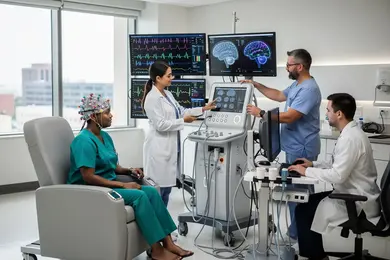
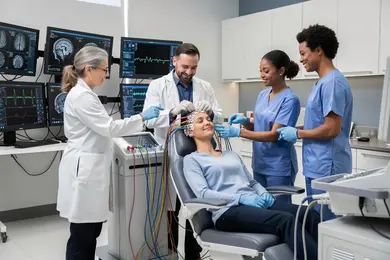
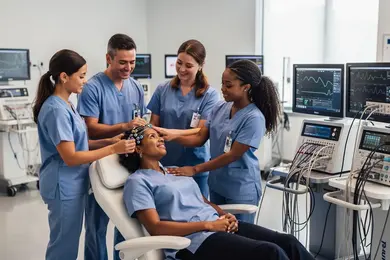
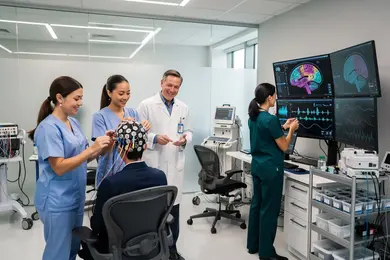
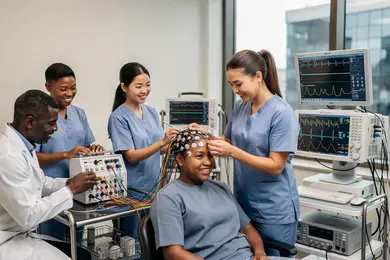
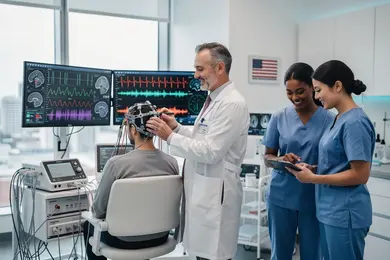
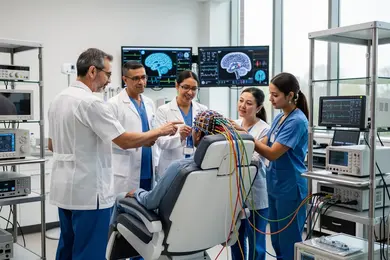
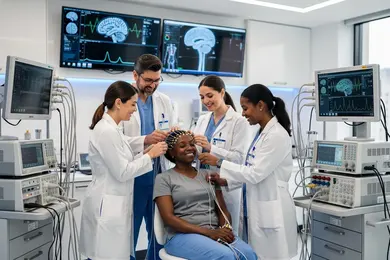
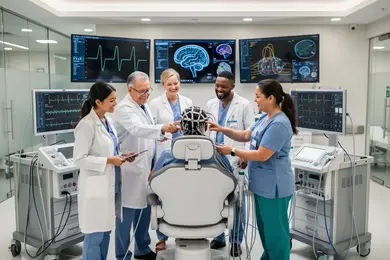
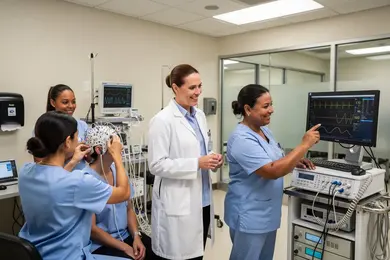
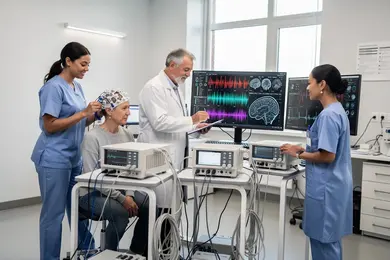
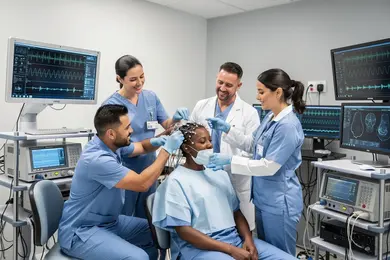
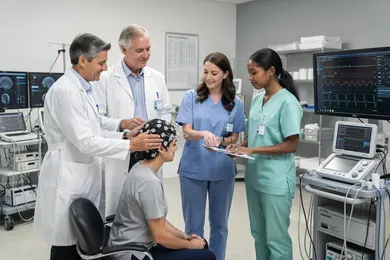
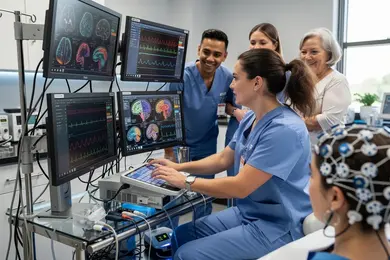
- Fieldwork Environment: Practicums occur mainly in clinical settings such as hospitals or specialized neurodiagnostic labs where students perform EEG tests and analyze neurophysiological data. This exposure helps build familiarity with equipment, patient interaction, and professional protocols.
- Structured Hours: Programs generally require between 400 and 600 supervised clinical hours, ensuring students gain adequate exposure and skill development while meeting accreditation standards. These hours may be distributed through multiple rotations or block placements during the program.
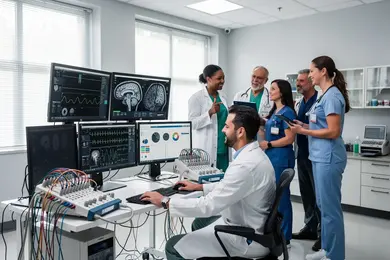
- Supervision and Feedback: Experienced neurodiagnostic technologists or licensed clinicians oversee students, offering continuous observation, constructive feedback, and formal evaluations. This oversight is crucial for upholding safety and professional competency standards.
- Academic Prerequisites: Entry into the practicum often requires students to finish foundational coursework and pass prerequisite exams, ensuring students are prepared to maximize their practical training. This sequence is a core component of practicum requirements for neurodiagnostic technology students.
- Certification Alignment: Completion of the practicum is mandatory for graduation and eligibility to take national certification exams, making it a critical step toward professional qualification and career advancement.
For students exploring clinical pathways, a well-designed practicum provides more than academic credit-it offers structured learning and professional mentorship that enhance employability. Those interested in healthcare education options may also consider exploring the easiest RN program to get into as a related pathway toward clinical careers.
What Are The Eligibility Requirements For Neurodiagnostic Technology Practicum?
Practicum eligibility standards in Neurodiagnostic Technology programs exist to ensure students are both academically and professionally ready for supervised clinical fieldwork. These requirements promote safety and competence, bridging theoretical learning with practical application. Research shows around 85% of healthcare education programs use such criteria to support student success and minimize placement disruptions.
Key eligibility factors that students must meet before beginning a Neurodiagnostic Technology practicum include the following:
- Minimum GPA: Students typically need to maintain a cumulative GPA between 2.5 and 3.0 in relevant coursework. This academic benchmark reflects the student's capability to manage clinical responsibilities and retain critical knowledge.
- Prerequisite Coursework: Completion of foundational courses such as anatomy, physiology, and neurodiagnostic instrumentation is mandatory. These requirements are essential to prepare students with the theoretical background necessary for clinical techniques and patient care.
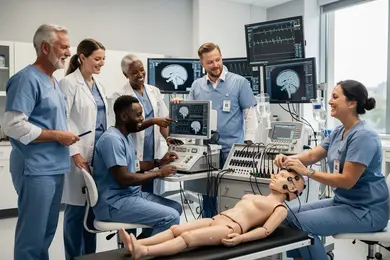
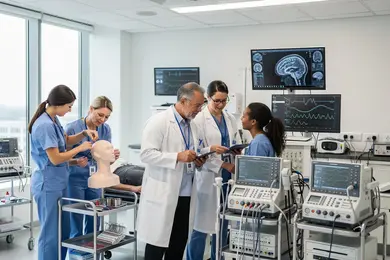
- Competency Demonstration: Programs often require evidence of proficiency in basic neurodiagnostic skills and safety protocols, usually through lab assessments or simulated exercises. This ensures students have mastered core techniques before direct patient interaction.
- Faculty Approval: Students must often secure endorsement from academic advisors or program directors, confirming they have met academic and professional standards. This approval serves as a gatekeeper for readiness and professional conduct expectations.
- Compliance and Health Clearances: Administrative prerequisites include criminal background checks, drug screenings, immunizations, health clearances, and sometimes proof of liability insurance. Additionally, students may need to complete site-specific onboarding to comply with clinical partner policies and ensure safe practice environments.
These eligibility requirements help uphold rigorous standards for practicum placements in neurodiagnostic technology programs, reinforcing student preparedness through both coursework and clinical hours for neurodiagnostic technology practicum. Students interested in healthcare administration costs related to their education can explore options such as the MHA degree cost to better understand financial planning for their career path.

How Many Practicum Hours Are Required For Neurodiagnostic Technology Program?
Practicum hour requirements in neurodiagnostic technology programs are designed to integrate academic knowledge with real-world clinical experience. These requirements differ widely based on institutional policies, state regulations, and accreditation standards. For instance, many certification boards emphasize a minimum of approximately 700 supervised clinical hours to ensure readiness for professional practice.
Several key factors shape how these practicum hours are established and fulfilled:
- Typical Hour Ranges: Programs generally demand between 600 and 1,000 total practicum hours, balancing time spent building foundational skills with advanced clinical practice exposure.
- Observation vs. Hands-On: While some hours involve observation and indirect tasks like preparing equipment or documenting cases, the majority consist of hands-on, supervised procedures where students actively apply diagnostic testing techniques.
- Phased Practicum Structure: Clinical training is often divided into rotations across various neurodiagnostic modalities or clinical areas, promoting comprehensive skill development and adaptability to different work environments.
- Supervision and Tracking: Detailed logs signed by clinical supervisors are required to verify hours and competency. Regular evaluations help ensure students meet skill expectations and progress satisfactorily through the practicum.
- Weekly Commitments and Duration: Students typically dedicate 10 to 20 hours per week over one or more semesters, enabling consistent clinical exposure that complements classroom learning.
A professional who completed a neurodiagnostic technology practicum described the experience as both demanding and rewarding. He noted the challenge of balancing steady weekly clinical hours with coursework but emphasized the value of close mentorship from experienced technologists. "Keeping careful logs and receiving constructive feedback helped me stay on track," he recalled. The phased rotations initially felt overwhelming, yet they ultimately provided confidence and versatility in handling different diagnostic procedures-an essential advantage when transitioning into the workforce.
What Courses Must Be Completed Before Starting Practicum?
Prerequisite coursework plays a crucial role in equipping students with the knowledge and skills needed for a successful practicum experience in neurodiagnostic technology. Academic programs require structured foundational training before allowing field placements to ensure students can apply theory safely and effectively. Studies indicate that approximately 85% of employers consider well-sequenced prerequisite curricula essential for new graduate competence during clinical practicum.
Core coursework before beginning a practicum typically includes:
- Foundational Theory: Courses cover neuroanatomy, neurophysiology, and basic neurodiagnostic principles to provide a solid understanding of nervous system functions, enabling accurate data interpretation under supervision.
- Professional Ethics: Training focuses on patient confidentiality, ethical behavior, and professional standards, preparing students to handle sensitive clinical environments with integrity and respect.
- Research and Assessment: Introductory classes in research methods and patient assessment teach critical evaluation of scientific evidence and clinical monitoring techniques, essential for informed decisions during practicum tasks.
- Communication Skills: Emphasis on clear verbal and written communication helps students effectively document findings and collaborate with patients, families, and healthcare teams-a key practicum competence.
- Technical Competencies: Field-specific skill development introduces students to practical neurodiagnostic procedures, enhancing readiness for hands-on clinical application.
Curriculum sequencing and eligibility requirements may differ among allied health, nursing, psychology, or counseling programs that incorporate neurodiagnostic technology practicum components. These variations ensure that students progressively acquire the targeted expertise and applied experience necessary to succeed in practicum settings. For further foundational knowledge in healthcare certification, students might explore topics like medical coding certification as part of their broader academic pathway.
How Does The Neurodiagnostic Technology Practicum Placement Process Work?
Practicum placements in Neurodiagnostic Technology programs are designed to connect classroom learning with supervised clinical experience in real healthcare settings. Institutions work closely with hospitals and diagnostic centers to provide these hands-on opportunities, ensuring students are fully prepared for professional practice. Studies show that over 85% of healthcare employers prefer hiring candidates who have completed significant clinical training, emphasizing the value of structured placements for career readiness.
The placement process involves several important stages:
- Eligibility Verification: Students must fulfill specific academic and health requirements, including prerequisite coursework and background checks, to qualify for practicum placement. Programs enforce these standards to maintain patient safety and meet accreditation criteria.
- Application and Matching: Candidates submit applications reflecting their preferences and qualifications, which faculty use to pair them with appropriate clinical sites. Orientation sessions often prepare students for practicum expectations.
- Institutional Coordination: Program coordinators communicate directly with clinical facilities to evaluate site availability, supervision quality, and learning opportunities, ensuring placements align with educational goals.
- Interview and Screening: Some sites conduct interviews or assessments to evaluate students' communication skills and professionalism before finalizing placements.
- Placement Confirmation and Onboarding: After placement approval, students complete documentation, health screenings, and attend orientation for site-specific rules and safety protocols, facilitating smooth integration.
- Ongoing Supervision and Evaluation: Students perform clinical duties under licensed technologists' guidance with regular feedback from faculty and supervisors to monitor progress and competency development.
A professional who completed her practicum as part of a Neurodiagnostic Technology degree recalls the challenge of navigating multiple application steps and coordinating schedules between the school and clinical site. She described the process as demanding yet rewarding-"the early paperwork and screenings felt overwhelming, but the structured support from faculty made a difference." Her practicum experience was pivotal in translating theory into practice, allowing her to gain confidence, build professional relationships, and ultimately secure a position in the field after graduation.

What Documents And Paperwork Are Required Before Practicum?
Documentation submitted before beginning a practicum in Neurodiagnostic Technology is vital to ensure students meet health, safety, and academic standards. These requirements support institutional compliance with regulatory guidelines and prepare students for clinical environments. Studies show that over 85% of healthcare programs mandate health clearances and background checks as essential components of student onboarding.
Common paperwork students need to complete before starting includes:
- Practicum Application: This form officially registers the student's intent to begin practicum work, providing details on academic progress and prerequisites. It acts as a checkpoint to confirm eligibility and readiness for placement.
- Institutional Approval: Academic advisors or program directors usually must sign off to verify that course requirements are met and the student is prepared for clinical participation. This approval often follows review of transcripts and progress reports.
- Medical Clearances and Immunizations: Documentation confirming current vaccinations, such as flu and hepatitis B, plus a recent physical exam, is typically required. These safeguards help maintain patient safety and meet healthcare facility standards.
- Background Checks and Liability Waivers: Criminal history screenings are conducted to ensure compliance with legal and institutional policies. Students also sign waivers acknowledging potential risks and responsibilities linked to clinical activities.
- Confidentiality and Consent Forms: Students must agree to protect patient privacy under HIPAA regulations and adhere to practicum conduct standards. Consent agreements clarify expectations around supervision and professional behavior during placements.
- Site-Specific Paperwork: Depending on the practicum site, additional documents-such as orientation confirmations, safety training certificates, or proof of insurance-may be required to comply with facility policies and accreditation criteria.
What Background Checks, Immunizations, Or Clearances Are Needed?
Pre-practicum compliance requirements in neurodiagnostic technology programs serve to protect both students and the vulnerable populations they'll encounter during field-based learning. These health, safety, and legal clearances minimize risks and ensure adherence to regulatory and ethical standards. Research indicates that over 85% of healthcare educational programs have enhanced their screening and clearance protocols to meet increasing compliance demands.
Essential prerequisites for practicum placement include the following:
- Criminal Background Checks: Nearly all programs mandate a thorough criminal history review to verify student eligibility. This typically involves fingerprint-based FBI checks aimed at safeguarding patient safety and limiting institutional liability.
- Immunizations and Health Screenings: Students must provide up-to-date vaccination records, often including influenza, hepatitis B, and MMR. Tuberculosis testing or clearance is commonly required to reduce infection risks in clinical environments.
- CPR Certification and Drug Screening: Current cardiopulmonary resuscitation certification from recognized entities is usually required. Drug testing and occupational health approvals may also be necessary depending on practicum site policies.
- Child Abuse and Vulnerable Population Clearances: For placements involving minors or at-risk adults, specific screenings related to child abuse or elder mistreatment are often mandated to comply with legal and ethical guidelines.
- Institutional and Regional Variations: Requirements vary widely based on clinical site, hospital, or state regulations. Students should verify site-specific policies as some facilities impose stricter or additional clearance procedures.
What Should Students Expect During Neurodiagnostic Technology Practicum Placement?
Practicum placements in Neurodiagnostic Technology programs provide essential hands-on experience by bridging academic theory with supervised clinical practice. These placements allow students to develop professional skills in real healthcare settings, a factor that 85% of employers cite as crucial when hiring graduates in related fields. As experiential learning increasingly shapes higher education, neurodiagnostic technology practicum daily responsibilities become a key element in preparing students for their future careers.
During these placements, students should anticipate the following:
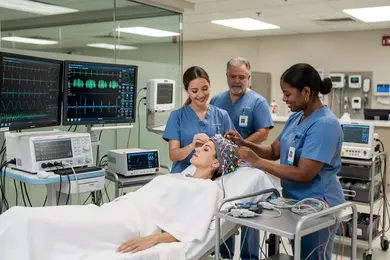
- Clinical Responsibilities: Students engage directly in neurodiagnostic procedures like EEG monitoring, patient data collection, and equipment setup and maintenance. These tasks reinforce classroom knowledge and contribute to patient care while under careful supervision.
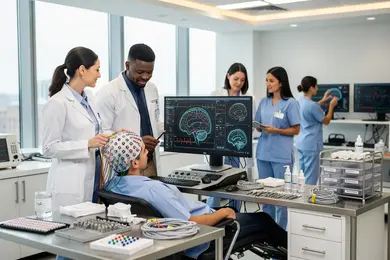
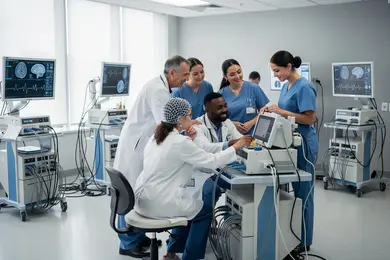
- Supervision and Mentorship: Certified neurodiagnostic technologists or clinical instructors closely oversee students, providing continuous feedback and professional guidance. This supervision fosters skill refinement and models best practices, integral to effective neurodiagnostic technology practicum supervision and evaluation.
- Professional Conduct: Adherence to ethical standards, patient confidentiality, punctuality, and workplace etiquette is mandatory. Demonstrating professionalism supports trust-building and smooth integration into multidisciplinary healthcare teams.
- Performance Evaluation: Regular assessments-often including direct observation, procedure documentation reviews, and self-reflection-measure competence, accuracy, and compliance with safety protocols. These evaluations help identify strengths and areas needing improvement.
- Skill Development: Exposure to diverse clinical cases enhances critical skills like waveform interpretation and troubleshooting equipment issues. This development sharpens problem-solving abilities tailored to complex clinical environments.
- Communication Skills: Effective interaction with patients, staff, and supervisors is emphasized to ensure clarity in instructions, precise documentation, and collaborative team engagement.
Participating in such practicums often serves as a cornerstone for career readiness and professional confidence. Students exploring further education or career paths may also consider options like health information management programs online to complement their clinical training and broaden their expertise.
How Are Practicum Students Supervised And Evaluated?
Supervision and evaluation within practicum experiences are fundamental to supporting student development, ensuring academic accountability, and preparing students for professional roles in clinical settings. These processes commonly involve structured oversight by trained professionals who guide, observe, and assess students' application of theoretical knowledge. Studies show that experiential learning programs, including neurodiagnostic technology practicum supervision methods, can increase student confidence and performance by up to 35% compared to classroom instruction alone.
Key components of effective supervision and evaluation include:
- Supervisor and Mentor Roles: Experienced neurodiagnostic technologists provide daily guidance, demonstrate clinical procedures, and offer immediate feedback. They help students bridge theoretical concepts with practical skills, while modeling professionalism in clinical environments.
- Communication and Feedback: Regular dialogue between students and supervisors tracks progress and addresses challenges early. Feedback is dispensed during routine check-ins, post-procedure reflections, and informal discussions to encourage continuous improvement.
- Assessment Techniques: Evaluation involves direct observation, competency checklists, reflective journals kept by students, and formal performance reviews. These combined methods assess technical ability, critical thinking, and compliance with safety protocols.
- Faculty and Site Coordinator Oversight: Faculty advisors and site coordinators ensure practicum experiences align with academic standards and accreditation requirements. They review documentation and assessments periodically to verify learning objectives are achieved.
- Variations Across Institutions: While supervision and evaluation frameworks vary by program structure and accrediting bodies, all emphasize comprehensive skill development and readiness for entry-level neurodiagnostic technology roles.
Neurodiagnostic technology practicum students benefit greatly from these structured supervisory methods, which foster critical skills and professional behaviors necessary for certification or graduation. For those pursuing a career in related healthcare fields, understanding how these active evaluation criteria support workforce readiness is essential. Students interested in accelerating their educational timeline may consider programs like the accelerated nutrition degree options, which also incorporate practical learning components.
How Does Practicum Help With Licensure Or Certification Requirements?
Practicum experiences play a critical role in bridging theoretical study with the practical skills required for licensure or certification in Neurodiagnostic Technology-related fields. These placements provide supervised, hands-on training that meets regulatory standards, ensuring students are work-ready. A 2023 survey by the Commission on Accreditation of Allied Health Education Programs found that over 85% of employers in the neurodiagnostic sector prefer candidates who have completed accredited practicum experiences, underscoring their importance in credentialing.
Key practicum components include:
- Clinical Hours: Students must complete a mandated number of supervised fieldwork hours, gaining essential clinical exposure to perform neurodiagnostic procedures proficiently before seeking certification.
- Competency Evaluation: Regular assessments using standardized tools verify that students meet established benchmarks, confirming their readiness to carry out professional duties safely and effectively.
- Supervision Requirements: Licensed specialists or certified instructors oversee fieldwork, ensuring compliance with ethical guidelines and accreditation criteria while providing instructive feedback.
- Documentation & Verification: Educational programs maintain detailed records of practicum activity-including hours logged and evaluations given-that licensure boards review to determine candidate eligibility for exams.
- Discipline-Specific Standards: Various fields such as healthcare, counseling, and education integrate practicum prerequisites uniquely; for neurodiagnostic technology, completion supports eligibility for certifications like Registered EEG Technologist (R.EEG T.).
What Do Students Say About Their Neurodiagnostic Technology Practicum Experience?
- Riggs: "My practicum experience in neurodiagnostic technology was both challenging and rewarding. Initially, I ran into some issues with eligibility requirements related to background checks and immunization records, which delayed my placement by a few weeks. However, once on site, the hands-on training far exceeded my expectations, and my supervisors provided constructive feedback that helped me grow professionally."
- Curtis: "Reflecting on my practicum, I found that the reality of the clinical environment was different from what I had anticipated-much busier and fast-paced than I expected. The supervision was thorough, with regular evaluations and clear goals set by my instructors, which really helped me stay focused. Though some days felt overwhelming, I appreciate how these experiences prepared me for a real-world career in neurodiagnostic technology."
- Lilian: "During my neurodiagnostic technology practicum, I was impressed by the supportive approach of the clinical team-my preceptor always ensured I understood each procedure before performing it. The evaluation process was formal, with both written and verbal assessments that encouraged me to reflect on my skills and knowledge. I did face some delays in placement due to required certifications, but overall the experience was invaluable and motivating."
Other Things You Should Know About Neurodiagnostic Technology Degrees
As of 2027, neurodiagnostic technology practicums primarily require on-site clinical experiences, ensuring students acquire hands-on training with live patients in real healthcare settings. Some programs may incorporate virtual simulations for supplementary training, but they cannot replace the essential requirements of in-person practicum hours.
Most neurodiagnostic technology programs have approved clinical sites where students may be placed to ensure standardized quality and supervision. While students may express preferences, final site placement is generally determined by the program coordinators based on availability and educational fit.
Students often encounter the need to quickly adapt to clinical environments and revise technical skills under time constraints. Managing patient variability, operating complex diagnostic machines, and adhering to strict safety and ethical standards are also common hurdles during practicum experiences.
Completion of a verified number of clinical practicum hours is a key eligibility criterion for national certification exams in the neurodiagnostic technology field. Accrediting bodies require documented clinical experience to ensure candidates have adequate hands-on training before sitting for certification.
References
- Immunization Requirements in Healthcare Higher Education https://blog.verifiedcredentials.com/immunization-requirements-in-healthcare-higher-education
- Academic Credit https://medicaleducation.ascension.org/indiana/st-vincent-neurodiagnostic-program/curriculum
- Neurodiagnostic Technology Requirements https://www.southeasttech.edu/_showcase/test-pages/neurodiagnostic-technology/requirements.php
- Neurodiagnostic Technology Program | Lurie Children's https://www.luriechildrens.org/en/for-healthcare-professionals/education/medical-education-training/training-programs/neurodiagnostic-technology-program/
- Neurodiagnostic Technologist - Explore Healthcare Careers - Mayo Clinic College of Medicine & Science https://college.mayo.edu/academics/explore-health-care-careers/careers-a-z/neurodiagnostic-technologist/
- What is a Counselling Practicum and Why It Matters? - Yorkville https://www.yorkvilleu.ca/blog/macp/what-is-a-counselling-practicum-and-why-it-matters/
- Neurodiagnostic Technology Training Program https://www.vumc.org/allied-health-education/neurodiagnostic-technology-training
- Neurodiagnostic Technology Certification: Steps to Success - Neuro Pathway https://myneuropathway.com/blog/neurodiagnostic-technology-certification-steps-to-success/
- iprospectcheck.com: Verifying that you are not a robot... https://iprospectcheck.com/healthcare-background-checks/
- Practicum vs. Internship in Counseling Programs: What’s the Difference? https://www.nec.edu/news/practicum-vs-internship-counseling-programs