2027 Which Neurodiagnostic Technology Specializations Have the Best Job Outlook?
Audited and Verified:
Our Editorial and Data Verification Process
Research.com uses government datasets, official education statistics and primary institutional information to support its career and degree guides. Our review process checks factual accuracy, occupational definitions, source dates and the requirements associated with the credentials discussed.
How This Article Was Fact-Checked
Our editorial team verifies salary estimates, employment projections, education requirements and program information against original data providers and official organizations. Salary figures are checked against the relevant occupational definitions and reporting periods. Information about licensure, accreditation and required in-person training is reviewed separately.
Fact-checked and verified on:

Co-Founder and Chief Data Scientist
Graduates and professionals in neurodiagnostic technology often face a critical challenge-selecting a specialization that ensures strong job growth and rewarding career paths. With certain concentrations offering up to 18% faster salary increases than the industry average, the stakes for informed decision-making are high. Geographic accessibility and credentialing, such as certification in EEG or nerve conduction studies, also markedly influence employment opportunities and advancement potential.
This article evaluates the neurodiagnostic technology specializations with the best job outlook, analyzing demand trends, compensation trajectories, and key qualifications. Readers will find clear, data-driven guidance to align their specialization choices with sustainable career success.
Key Things to Know About the Neurodiagnostic Technology Specializations With the Best Job Outlook
- Specializations emphasizing credentials like CNIM certification increase job volume-employers prioritize measurable competencies linked to improved patient outcomes.
- Advancement potential is strongest in intraoperative monitoring-practitioners often transition to clinical education and leadership roles rapidly.
- Compensation trajectories favor those with multi-modality expertise-salaries rise 15% faster for technologists skilled across various neurodiagnostic procedures.
Which Neurodiagnostic Technology Specializations Are Currently Showing the Strongest Employment Growth in the United States?
The U.S. Bureau of Labor Statistics (BLS) indicates strong labor market momentum for neurodiagnostic technology specializations, driven by an aging population, advances in medical device technology, and evolving healthcare policies focusing on patient safety. Several specialization tracks show above-average employment growth, offering promising career opportunities across the United States.
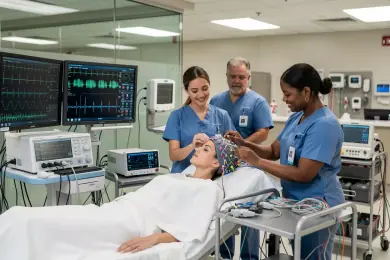
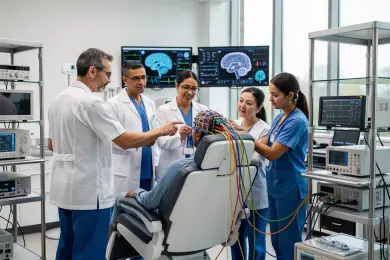
- Electroencephalography (EEG) Technologists: EEG remains critical for diagnosing epilepsy and neurological disorders. Demand increases as the elderly require more neurological assessments, supported further by continuous improvements in EEG devices that enhance diagnostic efficiency.
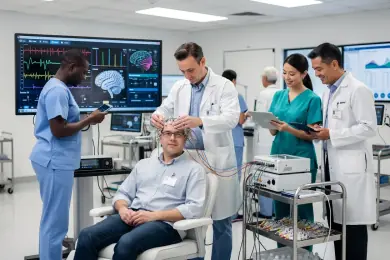
- Intraoperative Neurophysiological Monitoring (IONM) Specialists: The rise in complex neurosurgeries requiring real-time nerve monitoring, especially for spinal and brain operations, boosts employment prospects. Heightened surgical safety standards intensify the need for skilled IONM professionals who manage sophisticated monitoring systems during operations.
- Polysomnographic Technologists: As awareness grows around sleep health and conditions like sleep apnea, job growth accelerates in this field. The aging demographic and increasing prevalence of sleep disorders fuel opportunities in hospitals and sleep centers nationwide.
- Evoked Potential (EP) Technologists: EP specialists, who assess sensory neural pathways during diagnostics or surgery, benefit from technological integration with neurosurgery and rehabilitation, maintaining steady growth in clinical demand.
- Neurodiagnostic Technologists with Advanced Certifications: Professionals holding multiple certifications or combining EEG and IONM skills enjoy above-average hiring advantages. Employers increasingly seek these versatile technologists for well-resourced hospitals and specialized research facilities.
These trends reveal not only raw job volume growth but also the quality of opportunities-considering advancement prospects, salary trajectories, and geographic accessibility. Such factors are crucial for students and professionals deciding where to focus their neurodiagnostic technology specialization.
For those evaluating concentration choices, exploring nursing schools with high acceptance rates can also offer strategic insight into allied health pathways supporting these careers. The following sections will delve deeper into each specialization's outlook and how to strategically position yourself for success in this expanding field.
What Does the Bureau of Labor Statistics Project for Neurodiagnostic Technology Specialization Employment Over the Next Decade?
The Bureau of Labor Statistics (BLS) projects an 8% employment growth for neurodiagnostic technology specializations between 2022 and 2032, outpacing the 5% national average across all occupations. This steady increase highlights expanding opportunities for EEG technologists and neurophysiologic monitoring specialists as demand for neurological diagnostic services rises nationwide.
Students and professionals evaluating neurodiagnostic technology specialization job growth projections in the United States should consider these figures when planning their career paths.
- Employment Growth: Roles directly connected to neurodiagnostic technology are expected to grow faster than many other fields, reflecting increasing healthcare needs.
- Key Demand Drivers: Several factors support this outlook:
- Population Aging: A growing elderly population elevates incidences of epilepsy and neurodegenerative diseases-resulting in higher demand for specialized diagnostic testing.
- Advances in Technology: Hospitals and outpatient clinics are increasingly adopting sophisticated neurodiagnostic techniques, pushing service expansion.
- Workforce Turnover: As experienced technologists retire, vacancies create intensified hiring demand nationwide.
- Variation by Specialization: Neurophysiologic intraoperative monitoring specialists show particularly strong prospects with an estimated 10% growth due to the rise in real-time surgical monitoring to minimize patient risk.
- Quality of Opportunities: Advanced certifications correlate with better pay and career advancement, while geographic factors influence the availability of positions-urban centers with large hospitals tend to offer more openings, though rural areas have critical needs.
- Limitations: National projections represent averages and may vary locally, emphasizing the importance of targeted networking and ongoing skill development to stay competitive.
Prospective students who want to maximize their career potential should explore specialized tracks within neurodiagnostic technology that align with these growth areas, secure relevant credentials, and engage in robust professional networking. For those considering pathways into healthcare fields, reputable options such as an online nursing school can complement neurodiagnostic expertise and broaden employment possibilities.
This approach aligns well with the employment outlook for neurodiagnostic technologists over the next decade and the evolving demands of the healthcare sector.

How Do Emerging Technologies and Industry Disruptions Shape Job Demand Across Neurodiagnostic Technology Specializations?
Emerging technologies and ongoing industry disruptions are reshaping job demand across neurodiagnostic technology specializations by transforming how neurological conditions are detected, monitored, and analyzed. As advanced imaging systems, AI-assisted EEG interpretation, and digital monitoring tools become more widely adopted, demand is increasing for neurodiagnostic technologists who can operate complex equipment and integrate data-driven insights into clinical workflows.
Artificial Intelligence Integration: The growing use of AI-powered tools for interpreting intricate neurological data, such as EEG and MEG, has expanded roles for neurodiagnostic technologists skilled in data analysis and machine learning. Emerging positions like AI-Assisted Neurodiagnostic Specialists and Clinical Data Analysts demand a blend of clinical testing expertise and advanced digital competencies. Research from the World Economic Forum indicates that AI adoption is accelerating demand for hybrid roles combining healthcare knowledge with technical analytics.
Digital Health Transformation: The rise of telehealth and remote monitoring technologies extends neurodiagnostic services into patients' homes, creating opportunities for specialists adept at portable EEG systems and patient-facing management tools. Roles such as Tele-Neurodiagnostic Coordinator and Remote Monitoring Specialist are becoming common, with employers valuing candidates who can navigate mobile diagnostics and virtual care platforms. The McKinsey Global Institute forecasts strong growth in telehealth-related jobs, favoring flexible and tech-savvy professionals.
Neuroinformatics and Big Data: Expanding neuroscience databases require experts who can manage and interpret large-scale datasets while understanding neurodiagnostic processes. Job titles like Neuroinformatics Technologist and Clinical Data Curator highlight this niche, where combining clinical background with informatics expertise fosters career acceleration. Workforce reports emphasize that such hybrid proficiency unlocks higher advancement and compensation prospects.
A professional who recently completed a neurodiagnostic technology degree shared that adapting to rapid tech changes was initially daunting but crucial. "Learning to use AI-based diagnostic software alongside traditional EEG techniques felt overwhelming at first. I spent extra hours mastering data analytics tools and collaborating with IT teams to understand workflow integration."
He noted that embracing these new skills opened doors to specialized roles he hadn't anticipated, adding, "Staying adaptable and continuously upskilling became my best strategy for building a resilient career in this evolving field."
Employers most often seek candidates for entry-level neurodiagnostic technology positions with specific job titles tied to distinct specializations-this focus strengthens hiring outcomes and career growth. Using precise titles instead of generic terms like "neurodiagnostic tech" enhances interview prospects and aligns applicants with clear career pathways.
- EEG Technician: Specialists in electroencephalography conduct EEG tests to monitor brain electrical activity and assist in diagnosing neurological disorders. Commonly employed in hospitals and epilepsy centers, this role provides a solid foundation for advancement into neurodiagnostic technologist or clinical neurophysiologist assistant positions.
- Evoked Potential (EP) Technician: Focused on recording electrical signals elicited by sensory stimuli, EP technicians work mainly in surgical and neurology departments. Entry experience here paves the way toward intraoperative neurophysiological monitoring (IONM)-a rapidly expanding area with competitive salaries.
- Polysomnographic (Sleep) Technician: Tasked with conducting overnight sleep studies to diagnose disorders like sleep apnea, sleep technicians are found in sleep clinics and hospitals. Though more specialized, this role offers upward mobility into advanced sleep therapy and respiratory care coordination.
- Neurodiagnostic Technologist Trainee: Trainee positions demand wide-ranging knowledge across EEG, EP, and nerve conduction studies. Typically located in larger medical centers, they allow new graduates to explore multiple certifications and versatile career options.
- Intraoperative Monitoring (IONM) Assistant: Supporting senior technologists in surgical settings by managing equipment and ensuring data integrity, this entry role fast-tracks progression to specialized senior positions due to early development of complex skills.
Focus job searches on these in-demand neurodiagnostic technology entry-level specializations to capitalize on the best-paying neurodiagnostic technology entry positions for recent graduates. Pursuing relevant certifications aligned to these roles further enhances competitiveness, as employers value verified technical expertise.
The smartest early-career choices prioritize specializations with robust demand and advancement potential-boosting salary trajectories and geographic flexibility. Building a professional network and committing to ongoing education remain crucial strategies for lasting success in this evolving field. For those considering accelerated paths into healthcare, exploring accelerated LPN programs can also complement their career toolkit.
Salary progression for the leading neurodiagnostic technology specializations reveals patterns shaped by experience, certification, and workplace setting. Early career earnings generally start at foundational levels, with advancements tied closely to acquiring specialized skills and credentials. Location also influences pay-urban and specialized healthcare centers often offer higher wages, though living costs impact net income.
The top five growing fields and their typical salary ranges demonstrate these trends:
- Epilepsy Monitoring Technology: Entry-level salaries usually fall between $50,000 and $60,000, rising to $65,000-$75,000 mid-career, with senior specialists reaching $80,000 to $95,000.
- Intraoperative Neurophysiological Monitoring (IONM): This field starts high, from $55,000 to $65,000, expanding to $75,000-$85,000 in mid-career, and exceeding $95,000 for seasoned professionals with advanced credentials.
- Polysomnography: Starts slightly lower at $45,000-$55,000 but offers steady growth to $60,000-$70,000 mid-career and $75,000-$85,000 at senior levels.
- Neurodiagnostic Technology in Critical Care: Initial wages range from $52,000 to $62,000, advancing to $70,000-$80,000 by mid-career, and senior experts earn between $85,000 and $100,000.
- Evoked Potentials Monitoring: Starts between $48,000 and $58,000 with mid-career salaries climbing to $65,000-$75,000 and senior roles reaching $80,000 to $90,000, especially those involving research or teaching.
Among these, IONM and critical care roles offer stronger early remuneration with consistent growth, while polysomnography and evoked potentials provide moderate starts but solid long-term increases. Salary scaling is influenced by credentials and geographic factors, so examining location-specific demand is essential for realistic expectations.
A professional who built her career following a neurodiagnostic technology degree shared her perspective on salary trajectories: "Starting out, it was challenging to balance learning complex procedures while seeking certification to enhance my credentials. Early pay felt modest, but each certification and specialized experience noticeably boosted my opportunities.
The path required patience and continuous growth, but I looked ahead to the senior-level roles that offer the financial and leadership rewards worth the effort. Knowing the salary progression helped me stay motivated during the tough early years and allowed me to plan strategically for advancement." Her reflections underscore how deliberate credentialing and experience develop sustainable career momentum in these dynamic fields.

Geographic location significantly influences job outlook and earning potential across neurodiagnostic technology specializations due to differences in healthcare infrastructure, hospital density, and access to advanced neurological care services. Regions with major medical centers, research hospitals, and higher investment in neurology and brain health services typically offer more job opportunities and higher compensation for neurodiagnostic technologists.
Regional Demand: The Northeast, particularly Boston and New York City, experiences strong growth for intraoperative monitoring specialists due to a concentration of hospitals and advanced surgical centers. On the West Coast, metros like San Francisco and Seattle favor neurophysiology technologists working with innovative research hospitals and biotech companies.
Salary Variation: Median wages are generally higher in urban areas with dense healthcare sectors. Cities such as Denver and Minneapolis report elevated pay levels, supported by expanding neurology clinics and investments in specialized diagnostic services from educational institutions.
Economic Drivers: Job growth benefits from multiple factors including:
- Robust research universities creating tech innovation hubs
- State policies promoting wider access to medical services
- Population trends fueling neurological care demand, especially aging demographics in the Midwest and South
Work Arrangement Influence: Remote monitoring technology increasingly allows EEG technologists to work beyond geographic limits, though many specialties-like intraoperative monitoring-still require presence near hospital clusters or patient locations.
Location Strategy: Students and professionals can maximize career potential by:
- Focusing on metro areas aligned with their specialization's demand
- Considering relocation to states offering advantageous licensure and training
- Utilizing remote work opportunities where feasible to broaden job access
Industries hiring candidates with neurodiagnostic technology specializations at the highest rates right now are primarily hospitals and large healthcare systems, where EEG and other brain monitoring procedures are used in neurology, emergency care, and intensive care units. In addition, outpatient neurology clinics, epilepsy centers, long-term care facilities, and sleep disorder centers are actively expanding hiring due to growing demand for diagnostic and monitoring services across neurological and chronic condition care.
Healthcare Facilities: Hospitals and outpatient clinics dominate employment for neurodiagnostic technology specialists, fueled by an aging population and increasing neurological disorders like epilepsy, stroke, and neurodegenerative diseases. Roles span from entry-level neurodiagnostic technologists performing routine EEGs and EMGs to senior clinical neurophysiologists leading specialized diagnostic labs. Compensation typically meets or slightly surpasses the broader neurodiagnostic technology median, especially in metropolitan regions with high demand and living costs. Career advancement often involves earning certifications in specialized testing techniques or moving into management positions.
Research Institutions: Academic and private research centers contribute significant specialized job openings tied to neurodiagnostic technology, driven by expansions in neuroscience research and innovations in neuroimaging and neurostimulation. These roles focus on executing experimental protocols and data analysis, often collaborating with neuroscientists and physicians. Although entry-level salaries may lag behind clinical medians, advanced research coordination and lab leadership positions offer competitive pay and development in cross-disciplinary skills, enhancing expertise in cutting-edge technologies for long-term career resilience.
Medical Device Companies: The medical technology sector hires neurodiagnostic technologists to support product development, clinical trials, and training focused on devices such as EEG machines and neural monitors. Starting points typically include technical support or clinical educator roles, progressing to product management or regulatory affairs. Salaries frequently exceed clinical medians, reflecting commercial priorities and technical expertise value. Experience here strengthens innovation skills and broadens opportunities across clinical and industrial settings.
Rehabilitation and Specialty Clinics: Increasing integration of neurodiagnostic assessments into treatment at neurological rehabilitation facilities-such as stroke recovery and pain management centers-creates demand for technologists who conduct diagnostic testing and patient monitoring, contributing to interdisciplinary care teams. Compensation parallels healthcare facility averages, with career pathways emphasizing patient interaction and applied interpretation, cultivating clinical insight and enhanced job satisfaction for those driven by direct patient impact.
Cross-Industry Experience: Professionals combining clinical, research, and industry expertise typically gain stronger job security and higher earning potential. Versatile skill sets in advanced neurodiagnostic techniques, data analysis, and technology integration protect against sector-specific downturns and open leadership and consulting roles. Candidates should balance market demand with personal values to sustain professional growth, as engagement often correlates with lasting career momentum.
Advanced certifications and graduate credentials can significantly strengthen job prospects in neurodiagnostic technology specializations by demonstrating higher competency in neurophysiological testing, patient monitoring, and clinical interpretation support. Credentials such as Registered EEG Technologist (R. EEG T.), Certified Nerve Conduction Studies Technologist (CNCT), and advanced training in polysomnography or neurophysiology often improve employability and open pathways to senior or supervisory roles in neurodiagnostic labs and hospitals.
Certification Value: Obtaining advanced certifications from recognized bodies such as the American Board of Electrodiagnostic Technologists (ABRET) significantly enhances employability across multiple neurodiagnostic technology specializations. Credentials like Registered Electroencephalographic Technologist (R. EEG T.) and Registered Polysomnographic Technologist (RPSGT) demonstrate validated expertise that often results in higher starting salaries and faster advancement. Such advanced certifications for neurodiagnostic technology specialists create measurable hiring advantages in competitive job markets.
Specialization-Specific Credentials: Some certifications cater to niche tracks, such as Registered Evoked Potential Technologist (R. EP T.) for those focused on evoked potential studies, or board certifications in intraoperative neurophysiological monitoring (IONM) for clinical roles within surgical settings. While requiring focused training, these credentials typically unlock premium compensation and specialized, high-demand roles in advanced clinical environments.
Graduate Credentials Boosting Neurodiagnostic Technology Job Prospects: Pursuing graduate degrees-like master's programs in clinical neurophysiology or related health sciences-is a strategic move for professionals targeting leadership or academic roles. Such credentials provide a deeper research and clinical decision-making foundation valued in advanced positions offering higher pay. Candidates should balance the considerable time and financial investment against local employer preferences and projected returns.
Cost-Benefit Evaluation: Weigh tuition and exam fees against anticipated salary increases and promotion potential. Many employers offer tuition assistance or recognize credentials with defined pay scales. Networking with professionals and verifying state-specific licensure requirements strengthens alignment with career objectives and regional regulations.
Regulatory Variation: Licensing and credential requirements differ by state and employer type. Confirming standards early with governing bodies and prospective employers is essential to avoid costly credentialing errors and to maintain competitive advantage over time.
Students and professionals can explore tailored ultrasound tech programs that often intersect with neurodiagnostic technology training pathways, supporting broader skill development.
Remote and hybrid work trends have notably reshaped the job outlook for neurodiagnostic technology specialization graduates. Specializations such as evoked potentials (EP) monitoring and advanced neurophysiological data analysis have the highest share of remote-eligible positions due to their focus on digital data interpretation rather than requiring constant onsite presence.
This dynamic aligns with the broader impact of remote and hybrid work on neurodiagnostic technology job outlook.
- Talent Scarcity: Employers face significant shortages in specialized neurodiagnostic roles, prompting them to offer flexible work options to attract skilled professionals from diverse geographic areas. This is especially true in emerging subfields demanding advanced certifications and technical expertise.
- Workflow Digitization: The adoption of digitized neurodiagnostic tools enables remote signal review, teleconferencing with clinical teams, and asynchronous reporting. These advances expand remote and hybrid roles-particularly in EEG and EP specializations.
- Productivity Research: Workforce surveys by SHRM and Owl Labs reveal that remote and hybrid workers often experience higher productivity, encouraging employers in neurodiagnostic technology to support flexible scheduling where clinical demands permit.
Financially, location-independent neurodiagnostic technologists can earn metropolitan-level salaries while living in lower-cost areas. For example, maintaining an $80,000 salary from a high-cost city while residing remotely in a less expensive region increases disposable income substantially.
Such financial benefits reinforce the growing appeal of remote-ready roles for neurodiagnostic technology graduates.
- Job Search Strategy: Graduates should prioritize openings explicitly identified as remote or hybrid and research employers known for digital integration in clinical neurodiagnostics.
- Application Positioning: Demonstrating proficiency with digital collaboration tools, strong self-management, and remote communication skills helps candidates stand out in evolving work environments.
- Credential Importance: Earning advanced certifications and gaining familiarity with telehealth platforms enhance prospects for securing remote or hybrid neurodiagnostic technology positions.
Those considering specialization choices within neurodiagnostic technology can explore pathways supported by robust job outlooks by consulting resources related to ADN to FNP programs, which also reflect broader trends in remote healthcare education and workforce development.
Specialization depth plays a critical role in long-term career growth for neurodiagnostic technology professionals by strengthening expertise in advanced testing modalities and improving accuracy in complex neurological assessments. Technologists who develop deeper specialization in areas like EEG, intraoperative monitoring, or sleep studies often gain access to higher-level clinical responsibilities, supervisory roles, and increased demand in specialized diagnostic centers and hospital systems.
- Specialization: Focusing deeply in one area within neurodiagnostic technology can markedly increase earning potential and job prospects compared to a generalist route. Expertise in niche fields is highly valued as demand for specialized skills grows faster than average, with salary premiums supported by BLS and industry data.
- Intraoperative Monitoring: This subfield benefits from expanding surgical applications, leading to robust wage increases and job openings.
- Epidemiological EEG Analysis: Specialized EEG work related to epilepsy and seizure disorders remains a stable niche with strong compensation.
- Sleep Disorder Diagnostics: Growing emphasis on sleep medicine and insurance support fuels demand for sleep technology specialists.
- Neuroimaging Coordination: Emerging roles that combine neurodiagnostic testing with imaging technologies are showing rapid growth.
Timing: Early-career professionals and students should consider specialization during graduate studies, certification efforts, or through focused clinical experiences-early commitment often expedites credentialing and employment but might limit broader skill development.
Trade-Offs: A concentrated specialty may narrow job options within neurodiagnostic technology, while broader knowledge improves versatility but can reduce competitive advantage in high-paying niches.
Alignment: The strongest career trajectories arise when specialization choices balance market demand with personal interests and aptitudes-passion aligned with growth areas drives both job satisfaction and momentum.
Public and private sector career paths in neurodiagnostic technology differ in growth potential based on work environment, funding, and advancement structure. While public sector roles in government hospitals and academic medical centers often provide stable employment, standardized progression, and research exposure, private sector positions typically offer faster salary growth, more specialized clinical opportunities, and greater access to advanced neurodiagnostic technologies.
Growth Trajectories: Private sector roles in neurodiagnostic technology often expand rapidly due to investments in innovative medical technology and partnerships with research organizations. Emerging biotech companies and health tech startups focused on neurology are quickly building specialized teams.Public sector growth is steadier but benefits from consistent funding streams within government agencies and academic health centers.
Compensation Structures: Starting salaries and wage escalation tend to be higher in private sector neurodiagnostic positions, driven by competitive market forces. Public sector jobs usually offer more stable pay with less fluctuation and include valuable benefits such as pensions and expansive healthcare coverage that add to total package value.
Advancement Timelines: Career progression in the private sector is often tied to success in projects and innovation, allowing for faster promotions in dynamic environments. Conversely, public sector careers typically follow formal evaluation cycles and established timelines, leading to slower but more predictable advancement.
Job Security and Stability: Positions in government and affiliated non-profits tend to offer greater long-term job security owing to union protections and government backing, appealing especially to those prioritizing employment stability.
Hybrid Pathways: Increasingly, public-private partnerships in research and neurotechnology development establish hybrid roles that combine public mission-driven goals with the agility of private innovation, opening new career avenues for qualified specialists.
Professional Values: Choosing between public and private sectors should center on individual priorities-whether mission orientation, compensation, job security, or autonomy-as no single path guarantees superior opportunities universally.
What Graduates Say About the Neurodiagnostic Technology Specializations With the Best Job Outlook
- Riggs: "Completing the online neurodiagnostic technology degree opened my eyes to the incredible job volume in this field-it feels like opportunities are everywhere. What truly impressed me was the quality of opportunity available, with many positions offering advanced training and specialization options. Knowing that my credentials give me a measurable hiring advantage makes me confident in my career path."
- Curtis: "Reflecting on my experience, I appreciate how this specialization offers excellent advancement potential if you're willing to grow your skills. The compensation trajectories are quite promising-the more you learn, the more you can earn, which motivated me to keep pushing forward. Plus, the geographic accessibility meant I could find a role near home without compromising on quality or salary."
- Waylon: "My journey through neurodiagnostic technology was defined by learning about the critical credentials and competencies that set graduates apart in the hiring process. The career paths emphasize merit and continual development, which aligns well with my professional goals. I'm especially enthusiastic about how the field's quality of opportunities keeps expanding as technology advances."
Other Things You Should Know About Neurodiagnostic Technology Degrees
In 2027, specializations like EEG technologists, sleep disorder specialists, and intraoperative neuromonitoring technologists are expected to have the best job outlook in neurodiagnostic technology. This growth is driven by advancements in neurological research and increased demand for diagnostic services in healthcare.
Internships provide hands-on exposure to advanced neurodiagnostic equipment and protocols-experiences that coursework alone cannot fully replicate. Early career roles allow students to develop practical skills, build professional relationships, and gain familiarity with specialty areas showing rapid job growth. These real-world experiences improve employability by demonstrating technical competence and commitment to prospective employers in competitive sectors.
Joining professional associations such as the American Society of Neurophysiological Monitoring or the American Clinical Neurophysiology Society offers access to specialized training, certification resources, and job listings. Attending conferences and local chapter events enables networking with industry leaders and peers-connections that can lead to mentorship and job referrals. Online forums and social media groups dedicated to neurodiagnostic technology also provide platforms for knowledge exchange and career advice.
The Registered Electroencephalographic Technologist credential from ABRET is the main hiring signal for EEG roles, and the Registered Polysomnographic Technologist and evoked potential credentials can help in sleep and intraoperative monitoring settings. Many employers require or strongly prefer certification within 12 to 24 months of hire.
- Career Growth in Neurodiagnostics: How to Advance, Specialize, and Lead in the Field - Neuro Pathway https://myneuropathway.com/blog/career-development-in-neurodiagnostics/
- DataPoints: Job growth over the next decade https://www.ccdaily.com/2024/09/datapoints-job-growth-over-the-next-decade/
- The Impact of Emerging Technologies on Skilled and Unskilled Labor https://infomineo.com/industries/technology-telecommunication/emerging-technologies-and-workforce-evolution/
- EEG Jobs: Your Complete Guide to a Rewarding Career in Neurodiagnostics - SpecialtyCare https://specialtycareus.com/blog-eeg-jobs-career-opportunities/
- Neurodiagnostic Tech Certification & Licensure Guide â Trusted Health https://www.trustedhealth.com/allied-career-guide/neurodiagnostic-tech/certification-guide
- Private vs. Public Sector: How to Pick What’s Right for You https://cathcarttechnology.com/insights/private-vs-public-sector-how-to-pick-whats-right-for-you/
- Neurodiagnostic Technologist - Explore Healthcare Careers - Mayo Clinic College of Medicine & Science https://college.mayo.edu/academics/explore-health-care-careers/careers-a-z/neurodiagnostic-technologist/
- Neurodiagnostic Technologists — Career Path Guide https://jobcannon.io/careers/neurodiagnostic-technologists
- Neurodiagnostic Technologist https://explorehealthcareers.org/careers/allied-health-professions/neurodiagnostic-technologist/
- Remote and Hybrid Work are Best for Mental Health According to New Workplace Insights Survey https://www.aseonline.org/News/Articles/remote-and-hybrid-work-are-best-for-mental-health-according-to-new-workplace-insights-survey