2027 Neurodiagnostic Technology Clinical Hours Requirements: What Counts and How to Complete Them
Audited and Verified:
Our Editorial and Data Verification Process
Research.com uses government datasets, official education statistics and primary institutional information to support its career and degree guides. Our review process checks factual accuracy, occupational definitions, source dates and the requirements associated with the credentials discussed.
How This Article Was Fact-Checked
Our editorial team verifies salary estimates, employment projections, education requirements and program information against original data providers and official organizations. Salary figures are checked against the relevant occupational definitions and reporting periods. Information about licensure, accreditation and required in-person training is reviewed separately.
Fact-checked and verified on:

Co-Founder and Chief Data Scientist
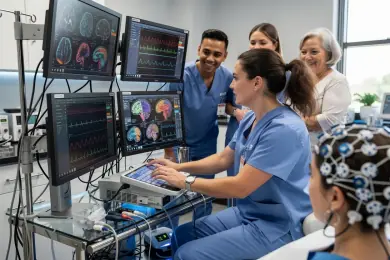
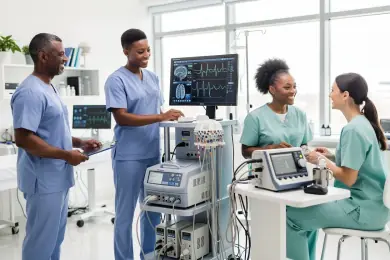
What precisely qualifies as clinical hours in neurodiagnostic technology programs often puzzles prospective students preparing to meet graduation and certification benchmarks. Unlike purely academic coursework, these supervised hours require hands-on field experience in settings such as hospitals, sleep centers, or epilepsy monitoring units.
Recent data shows that over 85% of neurodiagnostic technology graduates identify clinical practicum completion as essential to securing employment within six months. Understanding which activities count toward these requirements and how to efficiently schedule and document these experiences is critical.
This article clarifies what counts as clinical hours and outlines typical pathways students follow to fulfill neurodiagnostic technology clinical hour requirements.
Key Things to Know About Neurodiagnostic Technology Clinical Hours Requirements
- Clinical hours provide supervised hands-on experience, allowing students to directly apply classroom theory to real-world neurodiagnostic technology procedures and improve competency.
- Placement in approved hospitals or clinics is essential, as training environments must meet accreditation standards, influencing where and how students complete required hours.
- Strict documentation, supervision by credentialed technologists, and performance evaluations ensure students meet clinical benchmarks for successful neurodiagnostic technology certification.
What Are the Clinical Hours Requirements for Neurodiagnostic Technology Programs?
Students in neurodiagnostic technology programs are generally required to complete between 1,200 and 1,800 clinical hours as part of their training. Studies indicate that approximately 85% of learning effectiveness in medical technology fields comes from hands-on clinical practice, underscoring the vital role of experiential learning. Clinical training allows students to translate classroom knowledge into real-world skills, enhancing their ability to perform neurodiagnostic procedures accurately. These clinical hours requirements for neurodiagnostic technology programs ensure students gain sufficient practical experience before entering the workforce.
Clinical hour requirements are typically embedded within program completion criteria, meaning students must fulfill these hours to graduate and proceed to certification exams. This integration guarantees that graduates develop the applied competency needed for professional environments and patient care. Completing mandated clinical hours also helps students build confidence in equipment handling, patient interactions, and data interpretation. Overall, this hands-on experience is essential for workplace readiness and professional success in neurodiagnostic technology.
For those exploring accelerated DNP programs or similar healthcare education paths, understanding clinical training obligations is crucial for planning and success. More information about such pathways can be found at accelerated DNP programs.
What Counts as Clinical Hours in Neurodiagnostic Technology Programs?
Clinical hour requirements in neurodiagnostic technology programs serve to bridge textbook learning with practical skills essential for certification and employment. Research highlights that students engaged in active clinical practice retain up to 75% more knowledge than those relying on classroom instruction alone. These experiences ensure students acquire hands-on competencies while working closely with patients and technology. Below are some common activities that qualify as clinical hours.
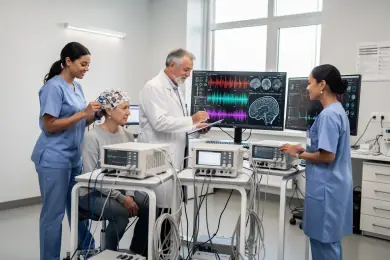
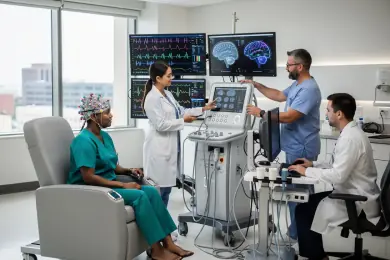
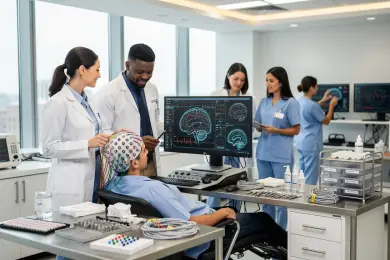
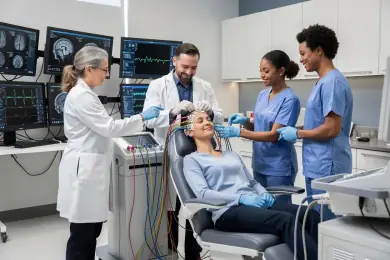
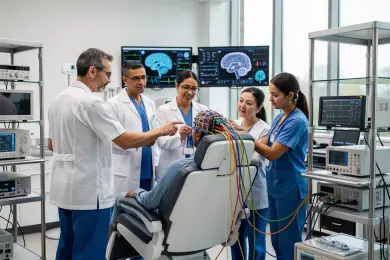
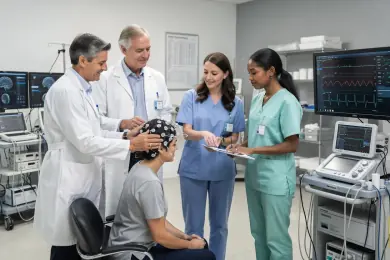
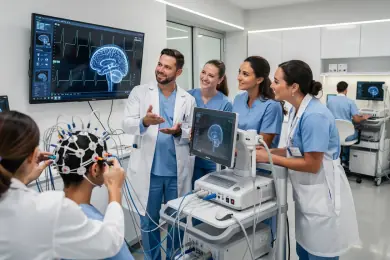
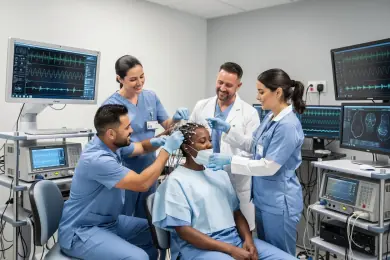
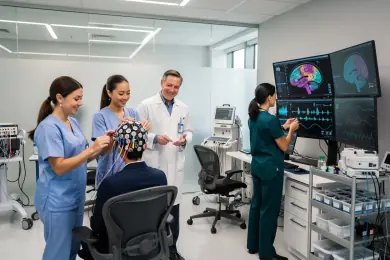
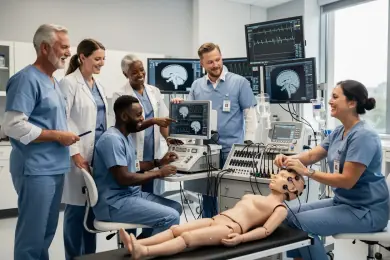
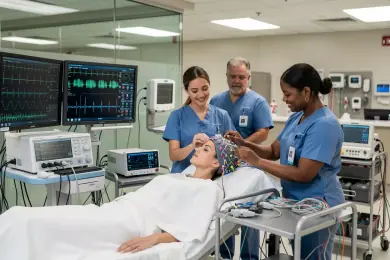
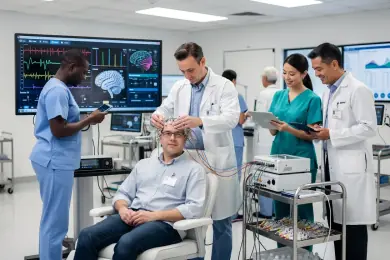
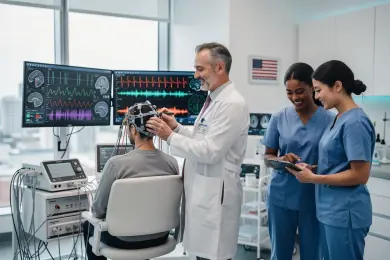
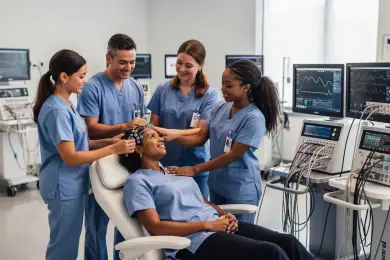
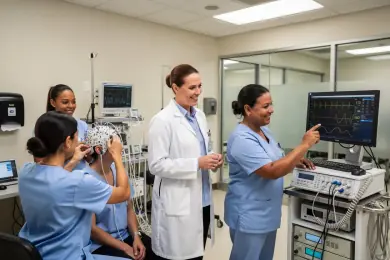
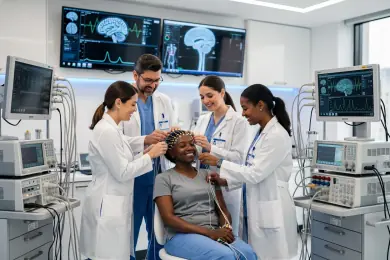
- Electroencephalogram (EEG) Procedures: Performing EEGs involves placing electrodes on the scalp to monitor and record brain electrical activity. This direct patient interaction and technical skill development are vital aspects of clinical training.
- Evoked Potential Studies: These tests evaluate the brain's electrical responses to sensory stimuli such as visual or auditory signals, helping students learn how to conduct and interpret neurophysiological data accurately.
- Intraoperative Monitoring Assistance: Assisting during surgeries provides exposure to real-time neurophysiological monitoring that protects nervous system function, enhancing critical thinking and adaptability in high-stakes environments.
- Polysomnography Testing: Monitoring sleep patterns involves analyzing brainwaves, breathing, and heart function overnight. This activity offers experience with multifaceted data collection methods and patient care over extended periods.
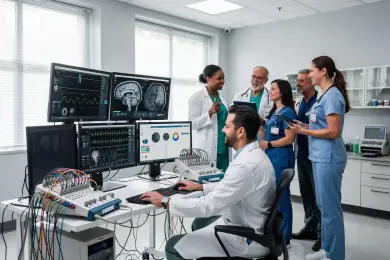
- Documentation and Equipment Operation: Recording patient data precisely and mastering neurodiagnostic equipment under supervision ensures adherence to safety standards and prepares students for professional responsibilities.
A Neurodiagnostic Technology degree graduate shared that earning clinical hours was both demanding and rewarding. He noted, "Balancing meticulous documentation with hands-on testing was challenging at first, especially handling live patient data." He recalled moments feeling nervous before complex cases but emphasized how supportive instructors helped build confidence. The real-world encounters, he said, "turned theoretical lessons into skills I now rely on daily." This firsthand experience sheds light on what counts as clinical hours and how pivotal they are in shaping competent technologists.

Do Clinical Hour Requirements Vary by State?
State regulatory bodies and licensure standards significantly influence the clinical training requirements for neurodiagnostic technology programs across the U.S. Research shows that minimum clinical hours can vary by as much as 20% between states, reflecting differing educational and professional criteria. These variations affect both the duration and intensity of clinical experiences required for program completion.
- Required Clinical Hours: Different states set varying minimum hours that students must complete, often exceeding national recommendations. This leads to extended hands-on training in some regions compared to others.
- Approved Clinical Settings: States may limit the types of facilities or environments where clinical hours can be earned, impacting where students can gain practical experience.
- Scope of Practice Limitations: Some states impose restrictions on the neurodiagnostic procedures students are permitted to perform during training, which can alter the total hours required to achieve competency.
- Licensure vs. Certification: States that mandate licensure often require more stringent clinical hour thresholds than those recognizing voluntary certification, influencing program requirements and student workload.
- Continuing Education Impact: Ongoing clinical practice or continuing education requirements tied to state licensure renewal can shape how initial clinical hours are structured within degree programs.
Clinical placements play a vital role in healthcare education, with over 60% of training relying on hands-on experience to build proficiency. For neurodiagnostic technology students, these opportunities bridge classroom learning with practical skills. Common clinical settings offer diverse experiences that shape professional competence.
- Hospitals: Acute care hospitals provide exposure to various neurological conditions and advanced diagnostic tools, allowing students to refine technical abilities and enhance patient communication.
- Epilepsy Centers: Specialized clinics focusing on seizure disorders offer students intensive practice with procedures such as video EEG monitoring and intracranial recordings, supporting expertise in complex diagnostics.
- Neurology Clinics: Outpatient environments where students assist in routine neurodiagnostic tests, gaining valuable insight into ongoing patient care and neurological evaluation.
- Sleep Centers: Centers dedicated to polysomnography help students understand sleep-related disorders like sleep apnea, emphasizing skills in sleep neurodiagnostics through real patient cases.
- Neurosurgical Units: These hospital units expose students to intraoperative monitoring and collaborative surgical care, enhancing knowledge of critical neurological interventions.
Each clinical setting enriches student learning by focusing on specific diagnostic approaches and patient care contexts. Together, these environments ensure a well-rounded clinical education essential for success in neurodiagnostic technology careers.
Clinical placements provide vital supervised training for neurodiagnostic technology students, bridging classroom theory with real-world application. Studies show that about 70% of practical skill development occurs through hands-on placement experiences, highlighting the value of carefully managed assignments. The following outlines common approaches to assigning these essential clinical hours.
- Program Coordinated Assignments: Most neurodiagnostic technology clinical placement regulations and standards involve formal partnerships between educational institutions and healthcare facilities. Program coordinators actively place students in approved hospitals or clinics that meet program requirements, ensuring students complete necessary supervised clinical hours.
- Student Preferences: Some programs solicit input from students regarding their preferred clinical sites. Site assignments are then made balancing student rankings with site capacity, aiming to align experiences with individual interests when possible.
- Geographic Proximity: Assignments often consider students' residence to reduce travel burdens. Placing students near home or accessible locations supports timely completion of clinical hour requirements and eases commuting challenges.
- Clinical Site Capacity: Availability at approved sites restricts how many students can be accommodated simultaneously, shaping placement schedules. Agreements between programs and clinical centers establish limits consistent with quality training standards.
Students pursuing neurodiagnostic technology degrees can explore options like a healthcare administration degree online California to further complement their clinical expertise and career opportunities.

Clinical hours for neurodiagnostic technology programs generally cannot be completed entirely online or wholly on a part-time basis due to the essential hands-on skills required. Approximately 35% of allied health programs have introduced hybrid learning models, allowing some coursework to be completed online, but the clinical training itself must remain in-person. This is because mastering patient interaction and equipment handling demands real-time, supervised practice. The blend of online theory with in-person application ensures students gain the necessary competencies while accommodating different learning needs.
Some programs do provide flexibility by permitting part-time completion of clinical hours or scheduling during evenings and weekends. Despite this, the clinical experience requires direct patient contact and must take place in environments such as hospitals or neurodiagnostic labs. Hybrid options usually cover didactic lessons rather than the clinical portion, emphasizing the irreplaceable value of supervised, hands-on training. This structure safeguards the rigor and quality of the learning essential for professional certification and practice.
When I spoke with a professional holding a Neurodiagnostic Technology degree about the possibility of online or part-time clinical hours, she reflected on her own experience. She described how, although the theoretical courses were offered online, the clinical placements demanded her full, in-person presence at a hospital. "It was challenging balancing my schedule," she noted, "but being there onsite was crucial for me to build confidence with the equipment and patients." She appreciated the flexibility in scheduling some shifts outside typical hours, which helped her manage personal commitments. Her takeaway was that while online learning helped with study flexibility, the clinical hours required immersive, hands-on practice that can't be replicated remotely.
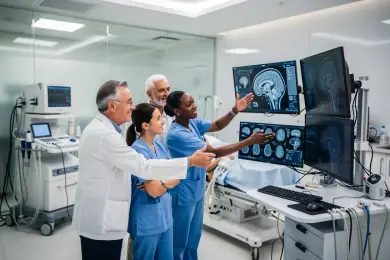
During clinical hours in Neurodiagnostic Technology programs, supervision is typically provided by experienced neurodiagnostic technologists or board-certified neurophysiologists. This supervision is essential to ensure student safety, proper skill development, and adherence to professional standards. Supervisors oversee student performance directly, helping to bridge the gap between theoretical knowledge and practical application in clinical environments. Studies have shown that around 80% of effective clinical learning depends on the quality of supervision and professional oversight during hands-on training.
Supervision during clinical training plays a vital role in guiding students through complex procedures while offering immediate feedback to improve competence. It allows for ongoing assessment, helping instructors identify both strengths and areas needing improvement. Quality supervision fosters a supportive environment where students progressively take on more responsibility, ensuring they are well-prepared for independent practice and certification. This structured oversight ultimately protects patient safety and builds confidence as students advance toward professional roles in healthcare settings.
Tracking clinical hours is essential for verifying that neurodiagnostic technology students complete the required hands-on experience to meet both program and certification standards. Accurate documentation supports educational accountability and helps maintain compliance, with studies showing that well-kept records can improve compliance rates by up to 20% in healthcare education. Below are common methods used to track clinical hours effectively within neurodiagnostic technology clinical hours requirements and completion processes.
- Digital Logging Systems: These platforms allow students to record clinical hours electronically, often in real time. Features such as supervisor approvals and automatic updates increase accuracy and transparency throughout the program.
- Supervisor Verification Forms: Clinical instructors use these forms to review and confirm the hours students report. This added verification ensures that logged hours meet program criteria and are legitimate.
- Attendance Documentation: Clinical sites maintain daily attendance records to verify students' time on-site. This administrative support reinforces the integrity of clinical hour tracking by confirming presence during shifts.
- Progress Reports: Students submit periodic reports detailing their clinical experiences, hours completed, and skills gained. Faculty review these summaries to monitor milestones and provide feedback within the neurodiagnostic technology clinical hours tracking methods.
Prospective students interested in maximizing their career potential after completing neurodiagnostic technology programs might also explore the highest paying jobs with a biology degree as a complementary career pathway.
Clinical training in neurodiagnostic technology can be demanding due to the need for intensive hands-on experience combined with academic study. Studies show that up to 75% of healthcare students report significant stress from balancing clinical hours with coursework. These pressures make navigating the clinical hours requirements and completion process especially challenging for students. Below are common obstacles faced during clinical training.
- Balancing Academic and Clinical Responsibilities: Students often struggle to manage coursework deadlines alongside lengthy clinical shifts, which requires strong time-management skills. This difficulty can impact both academic performance and clinical proficiency.
- Adjusting to Professional Environments: Transitioning from classroom theory to real-world clinical settings involves adapting to workplace culture, working with patients, and collaborating with healthcare teams. This shift may initially be intimidating, affecting students' confidence during clinical hours.
- Managing Complex Scheduling: Clinical rotations frequently involve inconvenient hours such as early mornings, evenings, or weekends. Such schedules can disrupt personal lives, cause fatigue, and complicate maintaining consistent clinical hour requirements.
- Handling Emotional Stress: Exposure to patients with neurological disorders and critical health situations can be emotionally taxing. Developing resilience and coping skills is essential to manage the emotional demands of clinical training.
For students seeking flexible educational options in related healthcare fields, programs such as a health information management associate degree online offer alternative pathways that may complement neurodiagnostic technology training.
Success in neurodiagnostic technology clinical training relies heavily on thorough preparation and the ability to adapt to varied patient care scenarios and equipment. Research shows that students participating in experiential learning score 20% higher in readiness assessments, underlining the importance of practical exposure. Incorporating effective strategies can enhance performance and confidence during hands-on clinical hours.
- Effective Communication: Building clear communication skills is essential for interacting well with patients and healthcare teams. This leads to accurate information exchange and lowers the risk of clinical errors, which is crucial for best practices in neurodiagnostic technology clinical training environments.
- Time Management: Organizing clinical hours and assignments helps students meet program requirements efficiently. Prioritizing tasks reduces stress and ensures completion of necessary clinical experiences within deadlines tied to managing neurodiagnostic technology clinical hours.
- Professionalism: Demonstrating reliability, punctuality, and ethical conduct earns trust from supervisors and colleagues. Maintaining a professional demeanor supports positive evaluations and fosters long-term success in clinical settings.
- Active Learning: Engaging proactively by asking questions and seeking constructive feedback deepens understanding of neurodiagnostic procedures. This approach reinforces skills and promotes continuous improvement during clinical training.
For those seeking accelerated advancement, exploring 1 year MHA programs online can complement neurodiagnostic technology clinical experience with enhanced healthcare management knowledge.
What Graduates Say About Neurodiagnostic Technology Clinical Hours Requirements
- Riggs: "Completing the clinical hour requirements in neurodiagnostic technology was definitely challenging but incredibly rewarding. Although I had to manage costs for travel and some equipment, the hands-on experience made it worthwhile. The real-world skills I gained during clinical hours have been a cornerstone of my confident practice as a professional."
- Curtis: "Looking back, the clinical hours required for neurodiagnostic technology taught me invaluable lessons about patient care and technical precision. The financial investment was significant, but the mentorship I received and the proficiency I developed during those hours have shaped my career path in ways textbooks never could. It truly bridged the gap between theory and practice."
- Waylon: "The structured clinical hour requirements provided a clear roadmap for my growth in neurodiagnostic technology. Although juggling the cost of fulfilling these hours meant careful budgeting, the impact on my career has been profound, equipping me with not only expertise but also a strong professional network. These experiences have made me a more effective and empathetic healthcare provider."
Other Things You Should Know About Neurodiagnostic Technology Degrees
Yes, neurodiagnostic technology programs typically require students to maintain detailed and accurate records of their clinical hours. This documentation often includes log sheets signed by supervising clinicians and may require submission through an institutional system. Proper record-keeping ensures compliance with certification and accreditation bodies.
Typically, previous healthcare experience does not reduce the mandated clinical hours in 2027 for neurodiagnostic technology programs. Clinical hour requirements are standardized to ensure comprehensive and consistent training for all students in the essential skills needed for neurodiagnostic procedures.
Students are generally expected to perform a range of neurodiagnostic procedures, including electroencephalography (EEG), evoked potentials (EP), and occasionally intraoperative monitoring, depending on the program. These hands-on experiences are essential for developing proficiency and meeting competency standards required for certification.
Yes. Hours completed in a hospital outpatient neurodiagnostic lab usually count if the site provides supervised EEG, evoked potential, or sleep-study experience aligned with program objectives. Many programs require direct patient contact, preceptor sign-off, and documented procedures before accepting those hours toward completion.
- Neurodiagnostic Technology | Wake Tech https://www.waketech.edu/programs-courses/credit/neurodiagnostic-technology
- Trusted Academy https://trustedacademy.com/
- Neurodiagnostic Technology Program | Aurora Health Care https://www.aurorahealthcare.org/education/neurodiagnostic-technology
- Neurodiagnostic Technology Program | Lurie Children's https://www.luriechildrens.org/en/for-healthcare-professionals/education/medical-education-training/training-programs/neurodiagnostic-technology-program/
- Become a Neurodiagnostic Technician: A Step-by-Step Guide - Neuro Pathway https://myneuropathway.com/blog/become-a-neurodiagnostic-technician-a-step-by-step-guide/
- Neurodiagnostic Technologist - Explore Healthcare Careers - Mayo Clinic College of Medicine & Science https://college.mayo.edu/academics/explore-health-care-careers/careers-a-z/neurodiagnostic-technologist/
- METC neurodiagnostic technologist trainees learn about brain disorders, care > Joint Base San Antonio > News https://www.jbsa.mil/News/News/Article/2576418/metc-neurodiagnostic-technologist-trainees-learn-about-brain-disorders-care/
- Neurodiagnostic Technologist, AAS http://catalog.kellogg.edu/preview_program.php
- Neurodiagnostic Tech Certification & Licensure Guide â Trusted Health https://www.trustedhealth.com/allied-career-guide/neurodiagnostic-tech/certification-guide
- Electroneurodiagnostic (END) Training Program https://www.arapahoe.edu/workforce-community-programs/apprenticeships/electroneurodiagnostic-end-training-program