2027 Neurodiagnostic Technology Degree Jobs That Do Not Require Licensure
Audited and Verified:
Our Editorial and Data Verification Process
Research.com uses government datasets, official education statistics and primary institutional information to support its career and degree guides. Our review process checks factual accuracy, occupational definitions, source dates and the requirements associated with the credentials discussed.
How This Article Was Fact-Checked
Our editorial team verifies salary estimates, employment projections, education requirements and program information against original data providers and official organizations. Salary figures are checked against the relevant occupational definitions and reporting periods. Information about licensure, accreditation and required in-person training is reviewed separately.
Fact-checked and verified on:

Co-Founder and Chief Data Scientist
What career options exist for individuals with a neurodiagnostic technology degree who prefer to avoid the time and expense of licensure? Numerous jobs in medical equipment sales, technical support, clinical research, and healthcare administration increasingly welcome candidates without a license. With the Bureau of Labor Statistics projecting a 14% growth rate for neurodiagnostic technologists through 2030, demand for skilled professionals continues to rise. Many of these roles leverage transferable skills gained from neurodiagnostic technology programs, providing valuable alternatives to traditional clinical positions.
This article explores non-licensed job opportunities in neurodiagnostic technology and outlines what graduates can expect in these alternative career paths.
Key Benefits of Neurodiagnostic Technology Degree Jobs That Do Not Require Licensure
- The absence of licensure requirements enables faster workforce entry, reducing typical onboarding times by up to 30% for neurodiagnostic technology graduates.
- Jobs without licensing barriers exist across healthcare, research, and medical device sectors, providing broader employment flexibility and diverse career pathways.
- Non-licensed roles allow graduates to develop transferable skills and gain early professional experience, supporting sustained career advancement over time.
What jobs can you get with a neurodiagnostic technology degree without licensure?
Graduates with a neurodiagnostic technology degree have diverse opportunities to work in roles that do not require professional licensure. Employment for neurodiagnostic technologists and related healthcare technicians is projected to grow by about 10% over the next decade, underscoring steady demand in positions accessible without formal licensing.
Below are common career paths available to those holding this degree without obtaining licensure.
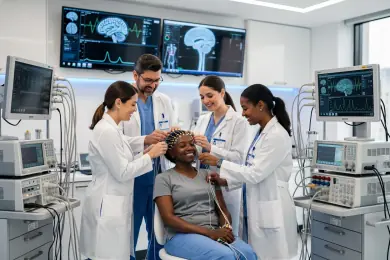
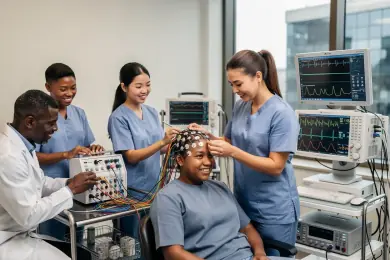
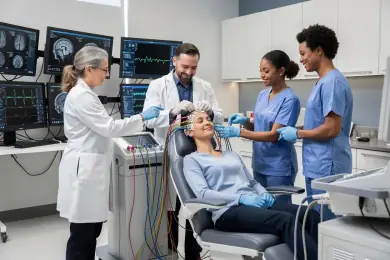
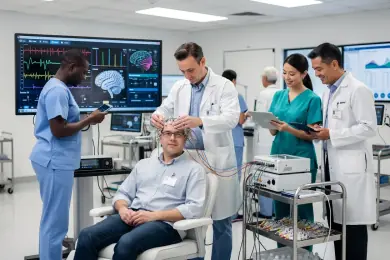
- Neurodiagnostic Technician Assistant: This role involves setting up and maintaining diagnostic equipment, assisting patients during procedures, and preparing data for review. A neurodiagnostic technology degree equips individuals with essential skills in patient interaction and equipment handling needed to excel without the necessity for licensure.
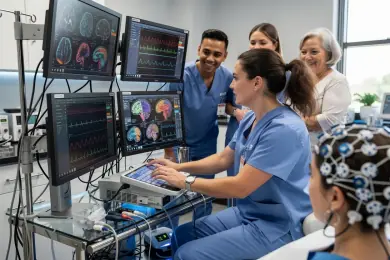
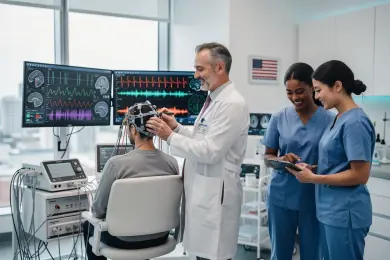
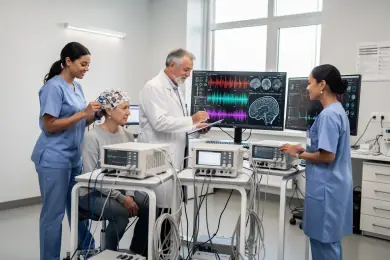
- EEG Monitoring Technician: EEG monitoring technicians focus on recording electrical brain activity and monitoring patients, often in outpatient or research settings. The degree provides technical training for EEG setups and safety, supporting effective performance in these roles without licensing requirements.
- Clinical Support Technician: Clinical support technicians assist licensed technologists by managing records, reviewing preliminary data, and maintaining lab equipment. Their neurodiagnostic technology background ensures they understand core principles needed for this supportive position that does not require licensure.
- Research Assistant: Specializing in neuroscience or neurology research, these assistants help with study design, data collection, and operating specialized equipment. The degree's technical and neurophysiological foundation allows them to contribute meaningfully without holding a professional license.
- Product Specialist: Employed by neurodiagnostic equipment manufacturers, product specialists use their clinical knowledge to train healthcare professionals and troubleshoot devices. Their education in neurodiagnostic technology prepares them for these roles, which typically do not require professional licensure.
Those interested in advancing their healthcare career paths can explore online DNP programs without clinicals to build on their expertise without the clinical hours traditionally required in nursing doctoral tracks.
Which industries hire neurodiagnostic technology graduates without licensure?
Many industries value the transferable knowledge and analytical skills that Neurodiagnostic Technology graduates bring, often without requiring professional licensure. Approximately 20% of these graduates find employment in roles where licensure is not mandatory, reflecting a growing trend of opportunities based on expertise rather than credentials.
Below are several key industries that commonly hire Neurodiagnostic Technology graduates without licensure.
- Healthcare Technology Industry: Companies in this sector focus on developing and manufacturing neurodiagnostic equipment. Graduates contribute by applying their understanding of neurophysiological monitoring in product development, testing, and technical support, helping improve device functionality and training users effectively.
- Clinical Research Organizations: These organizations conduct neurological studies that require precise data management. Neurodiagnostic Technology graduates assist by handling equipment and analyzing brain activity data, advancing research on neurological disorders without the need for formal licensure.
- Medical Equipment Sales and Training: This sector hires graduates to educate healthcare professionals and clients on using and maintaining complex neurodiagnostic devices. Employers prioritize practical technical knowledge to enhance customer engagement and demonstrate device applications.
- Educational and Training Services: Graduates may work as instructors or curriculum developers, designing technical programs and teaching future technologists. Their academic background supports workforce development without necessitating clinical licensure.
- Hospital Administration and Informatics: Roles in this field involve managing neurodiagnostic data systems and ensuring technical compliance, optimizing workflows through practical expertise rather than clinical credentials.

What entry-level jobs are available without neurodiagnostic technology licensure?
Many sectors offer entry-level jobs that rely on foundational knowledge and practical skills rather than licensure. Recent employment data indicates that nearly 40% of neurodiagnostic technology graduates secure such positions within six months after finishing their degree.
Below are several roles ideal for those starting without professional licensure.
- Neurodiagnostic Technician Assistant: This support role involves preparing patients for neurodiagnostic procedures and maintaining essential equipment. Graduates apply their understanding of neuroanatomy and electrophysiology to assist licensed technologists and manage patient care effectively.
- EEG Monitoring Aide: These aides observe patients during continuous EEG recordings, ensuring data accuracy and recognizing equipment issues. Their degree-based training offers the technical skills needed to maintain high-quality monitoring without interpreting results.
- Data Management Assistant: Working mainly in research labs, these assistants organize and process neurophysiological data and help maintain research databases. The degree equips them to handle neurological information accurately, supporting research efforts without direct clinical involvement.
- Electroneurodiagnostic Equipment Specialist: Focused on the upkeep and calibration of diagnostic devices, specialists ensure equipment reliability critical to patient testing. This role emphasizes technical expertise over patient interaction or licensure requirements.
A graduate shared that initially navigating the job market without a license felt daunting but also motivating. He recalled spending extra time mastering equipment handling and data systems to demonstrate competence. "It was challenging not having the official credentials, but my practical knowledge opened doors to roles where I could still contribute meaningfully," he explained. The experience highlighted the importance of leveraging degree-based skills and patience during the early career phase.
Salary levels for non-licensed neurodiagnostic technology roles can vary widely due to factors like industry demand, technical expertise, leadership responsibilities, and the overall business impact of the position. Bachelor's-level professionals without licensure often observe median salaries near $70,000, reflecting how specialized knowledge leads to solid earning potential.
Below are some of the top salary career options for neurodiagnostic technology graduates without certification.
- Neurodiagnostic Technologist Assistant: These professionals support licensed technologists by assisting with EEG and evoked potential testing. Their technical background in neurodiagnostic technology enables them to perform complex neurophysiological procedures effectively, with salaries typically ranging from $55,000 to $75,000.
- Clinical Applications Specialist: Focusing on training healthcare staff in neurodiagnostic equipment, these specialists leverage both academic knowledge and practical experience. Without requiring licensure, they command pay between $70,000 and $90,000 due to their role bridging medical technology and clinical teams.
- Field Service Engineer: Responsible for maintaining and troubleshooting diagnostic devices, this position demands strong technical skills gained through neurodiagnostic technology education. Annual earnings usually range from $65,000 to $85,000, reflecting the critical nature of equipment reliability.
- Data Analyst: Specialists in interpreting neurological test data, data analysts apply both clinical insight and data science skills acquired during their degree. Their compensation often falls between $60,000 and $80,000, spotlighting the value of data-driven decision-making in healthcare.
Graduates seeking lucrative positions without licensure can explore these paths, understanding how technical specialization enhances their career potential. For additional educational options that may complement your neurodiagnostic technology studies, consider exploring nurse practitioner programs.
Employers hiring neurodiagnostic technology graduates without licensure frequently emphasize practical skills and adaptability over formal credentials. A 2023 survey showed that more than 60% of employers prefer candidates who combine technical ability with strong interpersonal traits.
The following skills are particularly valued when licensure is not part of a candidate's qualifications.
- Technical Proficiency: Being skilled in operating EEG devices, evoked potential equipment, and related diagnostic tools enables immediate contribution in both clinical and research settings. This hands-on expertise helps ensure precise data collection and supports patient care without requiring formal licensure.
- Attention to Detail: Careful analysis of neurological data involves detecting subtle irregularities, which reduces errors and improves the reliability of test results. Employers appreciate graduates who can maintain high accuracy, especially when working as part of a supervised team.
- Communication Skills: Clear verbal and written communication is essential for collaborating with neurologists, technologists, and patients. Effective communication facilitates accurate information sharing and promotes a cooperative work environment while also easing patient interactions during procedures.
- Problem-Solving: The ability to quickly troubleshoot equipment issues and adapt testing protocols enhances workflow continuity. Candidates who can handle unexpected challenges are seen as valuable assets in dynamic clinical settings.
- Organizational Ability: Maintaining detailed records and coordinating testing schedules support regulatory compliance and smooth daily operations. Well-organized technologists improve clinic efficiency and reliability, even without professional licensure.

Certifications can sometimes replace licensure in certain neurodiagnostic technology careers, especially in roles where state licensing is not legally required. While licensure grants formal legal permission to practice under state regulations, certification is a voluntary process that validates a professional's expertise through organizations like the American Board of Registration of Electroencephalographic and Evoked Potential Technologists (ABRET).
According to a National Board for Certification in Neurodiagnostic Technology (NBCNT) survey, over 85% of employers prefer candidates with professional certification, emphasizing the value of credentials even when licensure is not mandatory. This preference highlights how certifications can be a key factor in hiring for non-licensed neurodiagnostic technology jobs with professional certification.
Certifications may suffice in roles such as neurodiagnostic technologist assistants, technical support staff, or positions within academic and research settings where direct patient care and legal accountability are limited. However, certifications do not provide the same legal authority as licensure and cannot be substituted in jurisdictions or facilities that require licensure to perform specific clinical procedures.
It's important for professionals to confirm the regulatory requirements for their intended workplace. For students exploring pathways that allow entry into the field without licensure, pursuing accelerated degrees combined with relevant certifications can offer viable career options in neurodiagnostic technology.
Remote work has surged across various fields, with a 2023 study showing a 40% increase in remote job postings since 2020. Advances in digital tools and widespread virtual collaboration enable neurodiagnostic technology graduates to access multiple remote roles that do not require professional licensure.
Here are some common positions suited for their expertise.
- Neurodiagnostic Technologist Assistant: These professionals support licensed technologists remotely by preparing and reviewing EEG or EMG data. Their tasks often include initial data processing, maintaining quality standards, and documentation, leveraging their technical skills without engaging in direct patient care.
- Clinical Research Data Coordinator: Graduates can assist research teams by organizing neurological datasets, coding information, and maintaining databases. Their understanding of neurophysiological signals helps ensure accuracy during data analysis for studies conducted remotely.
- Medical Device Technical Support Specialist: This role involves providing remote guidance on the use of neurodiagnostic equipment, troubleshooting issues, and aiding software testing. Knowledge gained in neurodiagnostic technology is essential in explaining device functions and resolving user difficulties.
- Health Information Technician (Neurology Focus): Remote positions in medical documentation require skills in neurodiagnostic terminology to accurately code and maintain clinical records. These administrative roles support neurology clinics and diagnostic labs by ensuring data integrity.
Reflecting on this topic, a professional with a Neurodiagnostic Technology degree shared her experience navigating remote opportunities without licensure. She explained how initially it felt daunting to find positions where her skills were valued despite the absence of certification.
Through persistence, she discovered roles emphasizing data management and technical troubleshooting that matched her background perfectly. "I realized the importance of highlighting my hands-on knowledge and attention to detail," she said, "which helped me connect with employers looking for remote support staff. It was rewarding to contribute to patient care indirectly while working from home." Her story illustrates how graduates can successfully adapt their expertise to meet remote job demands outside traditional licensure pathways.
Job competitiveness in neurodiagnostic technology can be significantly affected by the absence of professional licensure. Employers often prioritize candidates with recognized credentials, making it harder for non-licensed applicants to secure positions. Research shows that over 70% of neurodiagnostic technology roles prefer or require licensure or certification, underscoring a substantial barrier.
Here are key challenges these candidates commonly face.
- Employer Preference: Healthcare facilities largely favor licensed or certified candidates as a demonstration of verified skills and knowledge. This preference results in non-licensed graduates frequently being overlooked despite having comparable educational backgrounds.
- Regulatory Restrictions: Many states or institutions legally require licensure for neurodiagnostic technologists to perform specific procedures. Non-licensed applicants are often limited to fewer roles, which narrows job opportunities and restricts practical experience.
- Experience Requirements: Employers usually seek prior clinical or technical experience, which non-licensed graduates may lack due to limited opportunities to work independently. This creates a catch-22 situation: experience is necessary to get hired, yet the job is required to gain that experience.
- Institutional Credentialing: Hospitals and diagnostic centers implement strict credentialing policies favoring licensed professionals. These internal processes can delay or prevent hiring decisions for non-licensed applicants, further reducing access to job openings.
These obstacles collectively challenge the employment prospects of non-licensed neurodiagnostic technology graduates, requiring many to consider additional credentials or alternative healthcare roles where licensure is less critical.
Career limitations do exist for non-licensed neurodiagnostic technology professionals, particularly in roles requiring formal regulatory approval. Workforce studies reveal that nearly 30% of neurodiagnostic technologist positions nationwide mandate state licensure or certification as a minimum entry requirement, highlighting significant job restrictions without licensure in neurodiagnostic technology careers.
These requirements often create a barrier to accessing advanced responsibilities, especially in jurisdictions with stricter occupational regulations. Despite this, many non-licensed graduates find employment opportunities in healthcare settings that do not require licensure, such as supportive technical roles, though their scope of practice is generally narrower.
The nature of these career limitations involves restricted access to certain regulated functions, slower progression in clinical or supervisory tracks, and capped earning potential. Non-licensed professionals often rely heavily on accumulating practical experience and alternative credentials to enhance their qualifications and credibility.
These constraints are primarily regulatory rather than reflective of competence, and many non-licensed neurodiagnostic technologists contribute effectively under indirect supervision. Students interested in entering the field without licensure might also explore related paths like online associate radiology tech programs to broaden their qualifications and employment options.
Deciding whether to skip licensure is a pivotal step for neurodiagnostic technology graduates that affects their long-term career trajectory. About 65% of job listings in this field require licensure or certification, reflecting its significance in employment outcomes.
Considering key factors can help students align their choices with future opportunities and challenges.
- Career Goals: Licensure often serves as a gateway to advanced clinical or specialized neurodiagnostic technology roles. Graduates targeting technical or support positions may find skipping licensure more feasible, though this could narrow future options.
- Industry Requirements: Employers and regions vary in their licensure mandates, making it crucial to research local norms. Awareness of these requirements ensures graduates meet employer expectations and avoid unforeseen career limitations without licensure.
- Long-Term Growth: Licensed professionals generally access more promotion and leadership roles, fostering sustained career advancement. Forgoing licensure might restrict climbing the professional ladder despite initial job entry.
- Job Accessibility: The time and cost involved in obtaining licensure can delay workforce entry. Graduates needing immediate employment might postpone licensure while gaining practical experience and evaluating their career direction.
Students should also explore related fields or credentials if they seek alternative paths. For instance, an online nutrition degree might complement or pivot their expertise. Overall, assessing these factors within the context of neurodiagnostic technology career limitations without licensure can guide informed decisions.
What Graduates Say About Neurodiagnostic Technology Degree Jobs That Do Not Require Licensure
- Riggs: "Choosing not to pursue licensure allowed me to jump straight into the workforce and gain practical experience earlier than I expected. Many neurodiagnostic technology jobs don't require licensure, which made the transition smoother and less stressful. It's rewarding to know I can build a meaningful career without the pressure of additional certification hurdles."
- Curtis: "I didn't seek licensure because I valued hands-on skills and on-the-job learning more than formal credentials. This approach gave me flexibility and allowed me to adapt quickly to different clinical settings. Plus, working in a role that doesn't require licensure means I can focus more on patient care and less on administrative requirements."
- Waylon: "Starting my career without licensure opened doors to several entry-level neurodiagnostic technology positions that prioritized experience and dedication. It's satisfying to contribute to patient diagnostics in a meaningful way while avoiding the lengthy and costly licensure process. Having a job that doesn't require licensure has given me confidence and room to grow professionally."
Other Things You Should Know About Neurodiagnostic Technology Degrees
Employer preference usually centers on ABRET credentials: the Registered EEG Technologist (R. EEG T.) for EEG roles and the CLTM for long-term monitoring. Many hospitals and epilepsy monitoring units require at least one year of supervised clinical experience and 30 to 40 completed EEG studies before applying.
Not having licensure may limit advancement opportunities within clinical neurodiagnostic roles, particularly those that require independent decision-making or supervisory responsibilities. However, individuals without licensure can still progress by gaining specialized experience, certifications, or transitioning into technical support, education, or research roles.
Yes, continuing education is beneficial for neurodiagnostic technology professionals without licensure because it helps maintain and expand skills relevant to the field. Engaging in ongoing training can improve job performance, open pathways to certification, and increase employability, even when formal licensure is not required.
- Advanced Neurological & Sleep Diagnostics You Can Trust https://ndxlabs.com/
- The Skills You Need to Succeed in Neurodiagnostics - Neuro Pathway https://myneuropathway.com/blog/the-skills-you-need-to-succeed-in-neurodiagnostics/
- Neurodiagnostic Technologist https://explorehealthcareers.org/careers/allied-health-professions/neurodiagnostic-technologist/
- Neurodiagnostic Technologist - Explore Healthcare Careers - Mayo Clinic College of Medicine & Science https://college.mayo.edu/academics/explore-health-care-careers/careers-a-z/neurodiagnostic-technologist/
- Remote cEEG & EEG Monitoring Jobs — Next Gen Neuro https://www.teamngn.com/careers
- Neurodiagnostic Tech Salary Guide (+ EEG & Polysomnography) - Trusted Health https://www.trustedhealth.com/allied-career-guide/neurodiagnostic-tech/salary-guide
- [Hiring] Continuous Monitoring Technologist @NEUROVATIVE DIAGNOSTICS LLC https://remotive.com/remote/jobs/medical/continuous-monitoring-technologist-4284166
- Open Neurodiagnostic Careers71 Open Positions https://jobs.myneuropathway.com/job-board
- Guide to Neurodiagnostic Tech Certifications - AAET, ABRET https://www.medicaltechnologyschools.com/neurodiagnostic-technologist/neurodiagnostic-certification
- Neurodiagnostic Technology Institute - Neurodiagnostic Technology Institute https://neurodiagnostictechnologyinstitute.com/