2027 Entry-Level Jobs With a Neurodiagnostic Technology Degree
Audited and Verified:
Our Editorial and Data Verification Process
Research.com uses government datasets, official education statistics and primary institutional information to support its career and degree guides. Our review process checks factual accuracy, occupational definitions, source dates and the requirements associated with the credentials discussed.
How This Article Was Fact-Checked
Our editorial team verifies salary estimates, employment projections, education requirements and program information against original data providers and official organizations. Salary figures are checked against the relevant occupational definitions and reporting periods. Information about licensure, accreditation and required in-person training is reviewed separately.
Fact-checked and verified on:

Co-Founder and Chief Data Scientist
What job opportunities exist for graduates with a neurodiagnostic technology degree? Many recent graduates face uncertainty when exploring entry-level careers in this specialized healthcare field. The Bureau of Labor Statistics projects a 7% growth in neurodiagnostic technologist employment through 2032, reflecting steady demand. Common beginner roles include neurodiagnostic technologist assistants, EEG technicians, and clinical support staff in hospitals or diagnostic centers. These positions provide foundational experience in patient monitoring and diagnostic testing.
This article examines practical entry-level jobs available to neurodiagnostic technology graduates and outlines what to expect when launching a career in this evolving industry.
Key Benefits of Entry-Level Jobs With a Neurodiagnostic Technology Degree
- Entry-level jobs provide hands-on experience with EEG, polysomnography, and other neurodiagnostic tools, enhancing practical skills highly valued by employers.
- These roles often serve as stepping stones, offering clear pathways for career progression within clinical and research settings.
- Early positions help graduates build professional networks and strengthen resumes, improving job prospects in a field expected to grow 11% through 2031.
What entry-level jobs can you get with a neurodiagnostic technology degree?
About 70% of graduates with a neurodiagnostic technology degree secure jobs within six months, reflecting strong demand for entry-level neurodiagnostic technology jobs across healthcare settings. These roles provide vital hands-on experience that builds the technical foundation necessary for career growth.
Below are common starting positions that illustrate neurodiagnostic technician career opportunities for new professionals.
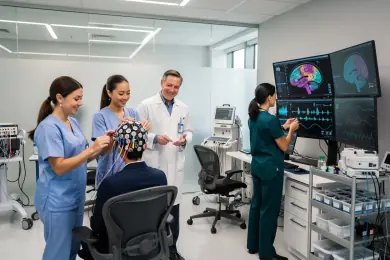
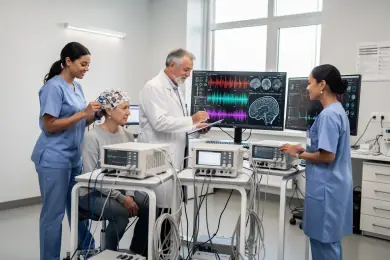
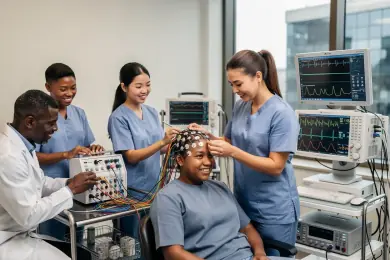
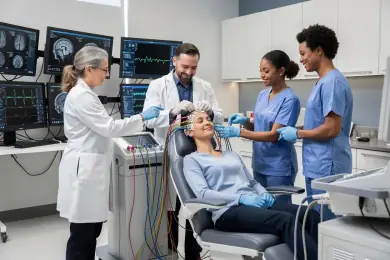
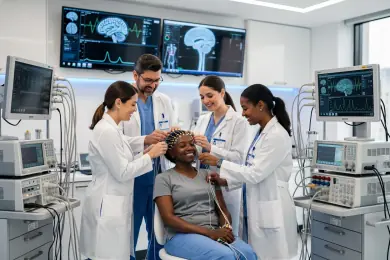
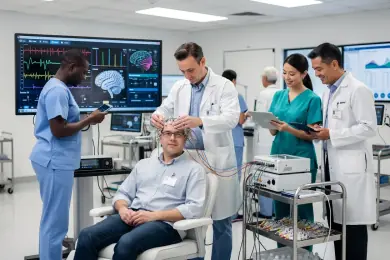
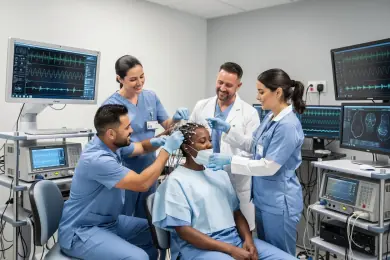
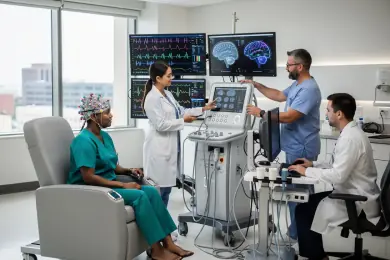
- EEG Technologist: Responsible for performing electroencephalogram tests, EEG technologists collect and analyze brainwave data to assist neurologists in diagnosing neurological conditions. This role develops proficiency in both test administration and patient communication, essential for advancing clinical skills.
- Polysomnographic Technologist: Specialists in sleep studies, these technologists monitor brain activity and physiological functions during overnight tests to identify sleep disorders. This position offers diverse clinical experience that complements neurodiagnostic expertise and fosters a deeper understanding of patient care.
- Clinical Neurophysiology Technologist: Working on diagnostic procedures such as nerve conduction studies and evoked potentials, these technologists enhance their technical skills and diagnostic judgment. This role is ideal for broadening expertise relevant to a neurodiagnostic technician career.
- Neurodiagnostic Technician in Rehabilitation: In outpatient or rehabilitation clinics, technicians support therapeutic interventions by monitoring neurological functions. This hands-on involvement in patient care strengthens teamwork and paves the way for specialized certifications.
To strengthen hiring prospects in these positions, graduates benefit from building diverse procedural skills and certifications. Exploring related fields like pharmacy through options such as pharmacy school online can also expand healthcare career opportunities.
Which industries hire the most neurodiagnostic technology graduates?
Neurodiagnostic technology graduates find employment across multiple healthcare sectors, leveraging their specialized skills in brain and nervous system diagnostics. More than 60% of these graduates secure positions within hospital systems, reflecting the strong demand for their expertise in clinical settings.
Below are some key industries that commonly hire neurodiagnostic technology degree holders.
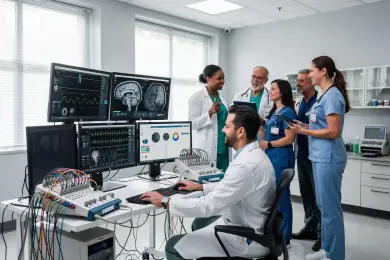
- Healthcare Facilities: Hospitals and outpatient clinics represent the largest employers, requiring technologists to conduct procedures like EEGs and evoked potentials. These roles are crucial for diagnosing neurological conditions such as epilepsy and brain injuries, ensuring timely and accurate patient care.
- Specialized Neurological Centers: These centers focus on advanced neurodiagnostic testing and research, employing graduates to support neurologists with detailed data analysis and patient monitoring in clinical environments that emphasize targeted brain and nervous system assessments.
- Rehabilitation Centers: Graduates contribute by monitoring brain activity during recovery from neurological trauma or surgery. They assist in administering EEGs and sleep studies to guide therapeutic interventions, a growing field as long-term neurological rehabilitation expands.
- Research Institutions: Academic and medical research centers offer roles that blend technical testing with data management, enabling graduates to contribute to innovative clinical trials and neuroscience advancements by interpreting complex neurophysiological data.
- Government and Veterans' Healthcare: These agencies provide specialized neurological evaluation services for unique patient populations, including veterans, employing neurodiagnostic technologists to conduct comprehensive assessments and ongoing monitoring.
A neurodiagnostic technology degree graduate shared that entering the job market involved balancing excitement with uncertainty. He described navigating the interview process for hospital roles as intense, emphasizing the importance of demonstrating both technical proficiency and patient interaction skills. "It wasn't just about knowing the procedures," he explained, "but showing you can stay calm and attentive during critical diagnostics." This firsthand perspective highlights the varied challenges graduates face when joining industries that demand precision and care.

Which entry-level neurodiagnostic technology jobs pay the highest salaries?
Entry-level salaries in neurodiagnostic technology vary significantly depending on the job's complexity and the setting in which the technologist works. Some roles require specialized technical skills and carry greater responsibility, leading to higher starting pay.
Below are some of the top-paying entry-level positions in this field.
- IONM Technologist: Intraoperative neurophysiological monitoring technologists play a vital role during surgeries by continuously observing the nervous system to protect against nerve injury. Their critical function and the high-pressure environment typically produce starting salaries between $50,000 and $65,000.
- EEG Technologist: These specialists record and analyze brain waves to aid in neurological diagnoses. Because their work demands precise interpretation of brain activity, entry-level EEG technologists often earn from $45,000 to $60,000 annually.
- EP Technologist: Evoked potential technologists measure neural responses to sensory stimuli, assessing the integrity of neural pathways. Managing sophisticated equipment and the technical skill required supports wages in the range of $42,000 to $58,000 for beginners.
- EMG Technologist: Electromyography technologists focus on evaluating muscle and nerve function by recording electrical activity. Though essential, their roles demand slightly less extensive training, resulting in starting pay generally between $40,000 and $55,000.
- Polysomnographic Technologist: These technologists monitor sleep disorders through neurodiagnostic assessments. This position usually offers entry salaries of $38,000 to $52,000, reflecting the specialized yet less acute nature of the work.
Employers assessing entry-level neurodiagnostic technology graduates look beyond academic success to practical abilities and interpersonal skills essential for clinical environments. Surveys reveal that nearly 65% of hiring managers notice deficiencies in graduates' hands-on skills despite strong academic backgrounds.
The following qualities are especially valued in this field.
- Attention to Detail: Precise data recording and analysis are critical for neurodiagnostic technologists, as small errors can impact patient diagnoses. This skill ensures reliable test results and maintains patient safety during complex procedures.
- Effective Communication: Clear and compassionate dialogue helps technologists support patients who may feel nervous or uncertain. Strong communication also fosters teamwork with neurologists and healthcare staff, improving overall patient care.
- Technical Aptitude: Entry-level professionals must quickly learn to operate and troubleshoot sophisticated equipment like EEG and EMG machines. Adaptability to evolving technologies enhances operational efficiency in clinical settings.
- Problem-Solving: The ability to navigate unexpected clinical challenges allows technologists to maintain workflow and testing accuracy. Efficient problem-solving supports a safe and productive environment.
The combination of these practical skills with key certifications and internship experience for Neurodiagnostic Technology graduates greatly improves workplace readiness. Prospective students seeking relevant programs can explore a variety of nursing programs no TEAS required, which may offer comparable streamlined admissions applicable in allied health fields.
Employers in the neurodiagnostic technology field often prioritize candidates who have completed internships, as these opportunities provide valuable hands-on experience. A 2022 survey by the American Society of Neurodiagnostic Technologists found that about 67% of employers prefer hiring graduates with internship or clinical practicum experience.
This practical exposure helps hiring managers gauge candidates' skills and familiarity with clinical settings, making internships a key factor in entry-level hiring decisions. However, this is not the sole criterion considered during recruitment.
Graduates without internships can still secure positions by emphasizing strong academic performance, relevant coursework, and skills demonstrated through projects or volunteer experiences. Employers look for transferable abilities such as problem-solving, teamwork, and technical proficiency with diagnostic equipment.
Hiring preferences vary widely based on the employer's needs, job complexity, and regional demand, so some managers may offer on-the-job training to promising applicants. Therefore, while internships enhance employability, other factors also play significant roles in hiring new neurodiagnostic technology professionals.

Certifications can significantly enhance a Neurodiagnostic Technology degree by verifying particular skills and boosting the competitiveness of new graduates in the job market. Data from ABRET reveals that certified technologists have a 25% greater chance of employment within their first year than those without certifications.
Several key credentials stand out for aspiring neurodiagnostic technologists.
- Registered Electroencephalographic Technologist (R.EEG T.): This credential affirms competence in conducting and interpreting EEG tests, a core task for many entry-level roles. Employers seek this certification as it confirms the graduate's ability to effectively monitor and assess brain activity.
- Certified Neurophysiologic Intraoperative Monitoring Technologist (CNIM): Recognized for validating skills in intraoperative monitoring, CNIM is highly regarded by employers hiring technologists for surgical environments. It demonstrates readiness to manage critical, patient-focused neurophysiologic tasks during operations.
- Registered Evoked Potential Technologist (R.EP.T.): Focused on evoked potential evaluations, this certification supports work in healthcare settings that require detailed analysis of sensory nerve responses, broadening early career opportunities.
- Certified Epilepsy Technician (CET): This specialized credential highlights expertise in epilepsy and neurophysiology, appealing to clinics and labs focused on epilepsy monitoring and treatment.
- Neurodiagnostic Technologist (NDT) Certification: Covering multiple neurodiagnostic modalities, this certification assures foundational clinical skills sought by employers looking for versatile entry-level technologists.
When I asked a professional with a Neurodiagnostic Technology degree about which certifications helped her find work, she reflected on how challenging it was to stand out initially. "Without certification, I found it difficult to get interviews," she recalled. Earning the R.EEG T. credential opened doors by proving I had the practical knowledge employers wanted," she shared.
Additionally, she emphasized the confidence gained through certification, mentioning, "It wasn't just about getting hired-it helped me feel prepared and competent from day one." Her experience illustrates how certifications serve not only as job market advantages but also as essential milestones in early professional growth.
Early preparation in neurodiagnostic technology significantly improves graduates' chances of securing entry-level jobs, as 78% of healthcare employers prefer candidates with hands-on experience or relevant project involvement. This practical readiness helps students stand out in a competitive field.
Below are key strategies to build career readiness while still in college.
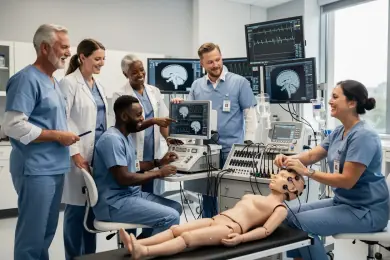
- Gain Practical Experience: Engaging in clinical observations or volunteering in neurodiagnostic settings exposes students to real-world workflows and equipment, reinforcing classroom learning and making candidates more attractive to employers.
- Develop Technical and Soft Skills: Mastery of neurodiagnostic equipment operation and understanding patient care principles are essential. Equally important are communication and teamwork skills, which facilitate effective interaction with healthcare teams and patients.
- Participate in Academic Projects: Taking part in neurodiagnostic research or technology-related projects enables students to apply theory in practice and showcase problem-solving skills that entry-level employers value.
- Utilize Campus Resources: Career services, workshops, and networking events provide guidance on resume writing, interview preparation, and job searching. Building relationships with faculty and professionals offers valuable mentorship and insight into career pathways.
By integrating these methods, students pursuing a neurodiagnostic technology degree can position themselves as confident, work-ready candidates immediately upon graduation.
The entry-level job market for neurodiagnostic technology graduates is moderately competitive, reflecting a steady demand alongside an increasing number of qualified candidates. Recent statistics show that about 85% of graduates find employment in their field within the first year after completing their programs.
This positive hiring trend highlights encouraging opportunities, though competition remains a factor to consider. Exploring entry-level neurodiagnostic technology job opportunities requires an understanding of the dynamics shaping this market.
Several elements contribute to the competition among neurodiagnostic technology graduate hiring trends. The volume of applicants has grown as more students enroll in accredited neurodiagnostic programs, raising the number of candidates for similar roles.
Employers tend to prioritize candidates with strong technical skills, attention to detail, and familiarity with modern neurodiagnostic equipment. Additionally, competition varies by geography and job role, with metropolitan medical centers often attracting more applicants compared to less populated or underserved regions.
Graduates seeking to navigate this job market effectively should focus on building relevant clinical experiences and technical competencies. Gaining practical exposure during training can set individuals apart, given that many entry-level roles still welcome recent graduates. For those exploring related career paths, biology degree jobs may offer alternative opportunities.
Remote work has expanded rapidly in healthcare fields like Neurodiagnostic Technology, with remote job postings growing over 50% in the last three years. This surge creates new opportunities for entry-level professionals to start careers in flexible settings while gaining valuable experience.
Below are some common remote-friendly roles for graduates with a Neurodiagnostic Technology degree.
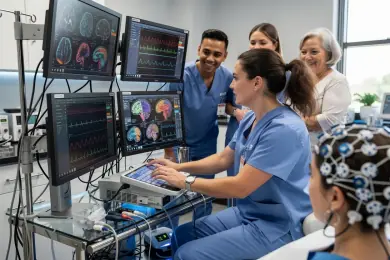
- Remote Neurodiagnostic Technologist: This role involves analyzing electroencephalogram (EEG) and other neurophysiological data through digital platforms. Technologists review recordings, prepare reports, and collaborate with neurologists remotely to support accurate diagnostics, making it ideal for those seeking remote neurodiagnostic technologist jobs early in their career.
- Remote Clinical Data Coordinator: Responsible for managing neurological patient data, this position ensures compliance with clinical protocols and privacy regulations. It helps graduates develop data interpretation and regulatory skills essential for neurodiagnostic practice.
- Remote Technical Support Specialist: This job focuses on troubleshooting neurodiagnostic equipment software and assisting healthcare facilities remotely. It enhances technical knowledge and problem-solving abilities while supporting frontline practitioners.
- Remote Research Assistant: Assisting in neurodiagnostic studies, this role collects and analyzes neurophysiological data for academic or clinical research. It provides exposure to cutting-edge developments and sharpens analytical skills.
Entry-level telehealth neurodiagnostic positions like these reflect growing demand as telehealth services expand. Graduates looking for flexible options may also explore related fields, including those outlined in radiology tech programs online that complement neurodiagnostic technology skills.
Promotion speed for neurodiagnostic technology graduates depends heavily on factors such as individual performance, experience, and the organizational structure of their employer. Entry-level technologists typically receive their first promotion within two to four years.
Industry statistics reveal that over 40% of professionals in neurodiagnostic technology experience a role advancement or increased responsibilities within their initial three years of employment, reflecting the average promotion timeline for neurodiagnostic technology entry-level jobs.
Advancement is influenced by demonstrated technical skills, ability to manage complex cases, and consistent job performance. Technologists who hone specialized abilities like advanced EEG interpretation or neurophysiological monitoring often see faster career progression.
Taking on extra duties such as mentoring or participating in research can also accelerate promotion. However, timelines vary widely depending on whether one works in a large hospital with a defined career ladder or a smaller clinic that may offer quicker advancement due to fewer layers of hierarchy. For those exploring career options, comparing programs on Capella vs WGU RN to BSN may offer additional insights into structuring educational pathways effectively.
What Graduates Say About Entry-Level Jobs With a Neurodiagnostic Technology Degree
- Riggs: "Starting my career in neurodiagnostic technology was exciting yet challenging. I focused on applying to onsite positions because hands-on experience was crucial for me to build confidence and skills. Choosing a role with supportive mentorship made a huge difference, and I can already see how this entry-level job is paving the way for advanced certifications and future growth."
- Curtis: "When I was searching for an entry-level neurodiagnostic technology job, I seriously considered the work environment and schedule flexibility. Hybrid roles appealed to me because they balance clinical exposure with remote learning opportunities, which helped me stay sharp and adaptable. This early experience has truly enhanced my professional network and set a solid foundation for my career development."
- Waylon: "Reflecting on my first job in neurodiagnostic technology, I realized the importance of location and team culture in the hiring process. I chose an onsite position that emphasized patient interaction and interdisciplinary collaboration. This entry-level role has significantly accelerated my understanding of complex diagnostic procedures and positioned me well for leadership roles down the line."
Other Things You Should Know About Neurodiagnostic Technology Degrees
The most relevant credential is the ABRET Registered EEG Technologist (R. EEG T.) exam, which requires an approved neurodiagnostic education pathway and documented clinical EEG experience. Some employers also prefer Basic Life Support certification and training in long-term EEG monitoring or evoked potentials.
Yes, many entry-level neurodiagnostic technology roles involve physically demanding tasks such as standing for extended periods, assisting patients with positioning, and handling delicate equipment. Technologists must also exhibit dexterity and attention to detail to ensure the quality of diagnostic recordings and patient safety.
In 2027, entry-level neurodiagnostic technologists often pursue development opportunities such as specialized certifications, workshops, and seminars in areas like EEG, evoked potential studies, and intraoperative neuromonitoring to stay updated with technological advancements and to enhance their skillsets.
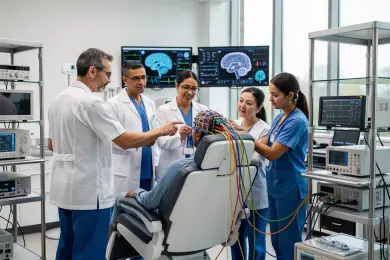
Teamwork plays a critical role in the day-to-day responsibilities of neurodiagnostic technologists. Entry-level professionals must communicate effectively with medical staff, patients, and supervisors to perform tests accurately and ensure comprehensive neurological care. Collaboration often enhances diagnostic outcomes and improves patient comfort during procedures.
- 15 Reasons to Become a Neurodiagnostic Tech (EEG Tech) https://mccollege.edu/electroneurodiagnostic-technologist/about-the-eeg-tech-career/15-reasons-to-become-a-neurodiagnostic-tech-eeg-tech/
- Remote cEEG & EEG Monitoring Jobs — Next Gen Neuro https://www.teamngn.com/careers
- Exploring the Role and Career Path of Neurodiagnostic Technologists - Neuro Pathway https://myneuropathway.com/blog/exploring-the-role-and-career-path-of-neurodiagnostic-technologists/
- Neurodiagnostic Technologists — Career Path Guide https://jobcannon.io/careers/neurodiagnostic-technologists
- Neurodiagnostic Tech Career Guide https://www.trustedhealth.com/allied-career-guide-old/neurodiagnostic-tech
- Neurodiagnostic Technologist - Explore Healthcare Careers - Mayo Clinic College of Medicine & Science https://college.mayo.edu/academics/explore-health-care-careers/careers-a-z/neurodiagnostic-technologist/
- Neurodiagnostic Technologist https://explorehealthcareers.org/careers/allied-health-professions/neurodiagnostic-technologist/
- Open Neurodiagnostic Careers71 Open Positions https://jobs.myneuropathway.com/job-board
- NEURODIAGNOSTIC TECHNOLOGIST Job | Allied Health Jobs at Froedtert https://jobs.froedtert.com/job/146871/NEURODIAGNOSTIC-TECHNOLOGIST
- EEG Jobs: Your Complete Guide to a Rewarding Career in Neurodiagnostics - SpecialtyCare https://specialtycareus.com/blog-eeg-jobs-career-opportunities/