2027 Career Planning for Online Students

Co-Founder and Chief Data Scientist
Choosing an online program is also a career decision: the wrong fit can cost time, money, and momentum. NCES reported in 2024 that more than half of U. S. postsecondary students took at least one distance education course, making career planning essential for online learners.
This guide is for students comparing majors, credentials, costs, and job paths. You'll learn how to connect long-term goals with programs, experience, networking, resumes, and realistic salary expectations so you can make a smarter enrollment and career decision.
Key Things You Should Know
- Start with the target role, not the school: compare required credentials, licensure rules, skills, salary range, and hiring demand before choosing a major or certificate.
- Cost matters beyond tuition: College Board's 2024 pricing report lists average published in-state tuition and fees at public four-year colleges at $11,610, so online students should compare total cost, transfer credit, aid, and time to completion.
- Online students need intentional experience: internships, project portfolios, virtual networking, and career services can close the "experience gap" that employers may notice on an entry-level resume.
How can online students create a realistic career plan aligned with their long-term goals?
A realistic career plan connects three things: the work you want to do, the credential employers expect, and the amount of time and money you can invest. For online students, this matters because flexible learning can make it easier to enroll quickly, but it can also make it easier to drift without a clear outcome.
Begin by defining your "career direction," not just your dream job title. A career direction is a cluster of roles that use similar skills, such as data analysis, health administration, cybersecurity, teaching, accounting, human services, or digital marketing. This gives you room to adjust if one role requires more education, licensure, or experience than expected.
Use this sequence to turn a broad goal into a workable plan:
- Choose one primary career field and two backup roles that use related skills.
- Review job postings in your state or target metro area to identify required degrees, certificates, software skills, licenses, and experience levels.
- Map the shortest credible education path, such as a certificate, associate degree, bachelor's degree, master's degree, or employer-funded training.
- Estimate your weekly study time and compare it with work, caregiving, commute, military, or health responsibilities.
- Set 90-day milestones, such as completing a prerequisite, building a portfolio project, attending a virtual career event, or applying for internships.
The best plan is flexible but specific. For example, a student interested in business might compare bookkeeping, payroll, accounting assistant, operations coordinator, and business analyst pathways before deciding whether a bachelor's degree, certificate, or graduate program is necessary. Graduate students should be especially careful with cost and ROI; if affordability is the deciding factor, comparing what is the cheapest online master's degree program can help narrow options before applying.
A common mistake is planning backward from a school advertisement instead of forward from job requirements. Avoid programs that promise broad outcomes without showing curriculum alignment, employer partnerships, career services, licensure disclosures, or graduate outcome data.
What tools and resources can online learners use for career exploration and assessment?
Career exploration tools help online learners test assumptions before committing to a major. The goal is not to find a perfect match from one quiz; it is to compare your interests, strengths, constraints, and local labor market realities.
Useful tools fall into several categories. Use more than one because each answers a different career-planning question:
- Interest assessments: These identify work themes, such as investigative, social, conventional, artistic, enterprising, or realistic tasks.
- Skills inventories: These help you see whether your current strengths match the technical, communication, analytical, or service skills in a target field.
- Labor market databases: These show typical wages, education requirements, projected employment, and industries hiring for specific occupations.
- Job posting reviews: These reveal what employers are asking for now, including software, certifications, portfolios, schedule flexibility, and experience.
- Informational interviews: These help you hear what a job is actually like from someone doing it.
- College career platforms: Many online programs offer resume tools, mock interviews, internship boards, alumni directories, and employer events.
The table below shows how to use common career exploration resources without over-relying on any single one. This matters because online learners often have to make decisions without regular face-to-face advising.
| Resource type | What it helps you learn | Best use | Limitation to watch |
| Career assessment | Interests, values, and work preferences | Narrowing broad fields | Results are suggestions, not prescriptions |
| Labor market data | Wages, outlook, education level, and industries | Checking whether a path is economically realistic | National data may not match your local market |
| Job postings | Current employer expectations | Identifying skills and keywords for your resume | Postings may list "wish list" qualifications |
| Informational interviews | Daily work, stressors, advancement, and culture | Testing fit before enrolling | One person's experience may not represent the field |
| School career services | Employer access, coaching, and internships | Turning a program into a job search plan | Quality varies widely by institution |
When reviewing job postings, save at least 10 examples for each target role and highlight repeated requirements. If most postings ask for SQL, Excel, state licensure, clinical hours, a teaching credential, or a portfolio, your program should help you build that requirement before graduation.
How should online students choose a major or program that fits their desired career path?
Choosing a major or program should start with the career outcome you want and the credential level required to reach it. A major is the subject you study; a program is the full academic package, including courses, format, accreditation, faculty, support services, transfer rules, and career preparation.
Many students compare online colleges by convenience first, but the stronger approach is to compare fit. A flexible program is only valuable if it leads toward the role, license, graduate school admission, or promotion you need.
Use the following decision points before selecting a major:
- If your target career is licensed, such as nursing, teaching, counseling, accounting, or social work, confirm whether the program meets requirements in your state.
- If your target career is skills-based, such as web development, data analytics, digital marketing, or project coordination, prioritize portfolios, applied projects, industry tools, and employer-recognized credentials.
- If you are undecided, choose a broad major with transferable skills, such as business, communication, psychology, information systems, public health, or liberal studies, and use electives strategically.
- If you already have credits, prioritize transfer-friendly programs so you do not repeat courses unnecessarily.
- If you want graduate school later, check prerequisites, GPA expectations, research opportunities, and faculty recommendations.
The table below compares common credential options by career use. It can help you decide whether you need a short program, a full degree, or a stackable pathway.
| Credential option | Typical fit | Career value | When it may not be enough |
| Short certificate | Career changers or workers adding a specific skill | Fast way to build job-ready skills | Roles requiring a degree or license |
| Associate degree | Students seeking entry-level work or transfer | Lower-cost foundation and possible workforce entry | Fields where bachelor's degrees are standard |
| Bachelor's degree | Students pursuing professional entry-level roles | Broad qualification for many business, tech, education, and public-sector jobs | Advanced clinical, research, leadership, or licensure roles |
| Master's degree | Professionals seeking specialization, licensure, or advancement | Can support promotion or entry into regulated professions | When experience or certification matters more than graduate coursework |
| Bootcamp or nondegree training | Learners targeting a specific technical skill | Focused and often portfolio-based | Employers requiring accredited college credit |
Avoid choosing a major only because it sounds practical. "Practical" depends on your location, goals, experience, and willingness to build skills outside class. A business degree without internships may be less marketable than a narrower program with strong projects, employer connections, and measurable technical skills.
What's the best way to compare online and campus programs for career preparation?
Online and campus programs can both prepare students well, but they do it differently. The right choice depends on your schedule, learning style, need for hands-on training, access to local employers, and comfort with independent study.
The comparison below summarizes the career-preparation trade-offs that matter most. Use it to identify which format supports your target career rather than assuming one format is automatically better.
| Factor | Online program | Campus program | Career planning takeaway |
| Schedule | Often flexible, asynchronous, or evening-based | More fixed class and lab times | Online works well for working adults; campus may help students who need structure |
| Networking | Virtual events, discussion boards, alumni platforms | In-person clubs, fairs, and faculty access | Online students must be more intentional about outreach |
| Hands-on learning | May use simulations, local placements, or remote projects | Often easier access to labs and campus facilities | Check clinical, lab, fieldwork, or practicum requirements before enrolling |
| Employer access | May be national or remote-work focused | Often tied to regional employers | Choose based on where you want to work after graduation |
| Learning pace | May offer accelerated, part-time, or self-paced options | Usually follows term schedules | Flexibility helps only if you can stay on track |
Students who work unpredictable hours may benefit from online self-paced degrees, but self-paced does not mean effortless. It requires strong time management, clear deadlines, and regular contact with advisors.
To compare programs fairly, ask each school the same career-focused questions:
- What career services are available to fully online students, not just campus students?
- Does the program include projects, labs, practicums, internships, or capstones aligned with my target role?
- What employers recruit from this program or attend virtual hiring events?
- Can I complete required fieldwork near where I live?
- What percentage of students complete the program, and how long do they typically take?
- Are courses taught by faculty with current industry or professional experience?
One red flag is a program that markets flexibility but cannot explain how online students gain experience, feedback, or employer exposure. Convenience should support career readiness, not replace it.
How do accreditation and program quality affect career outcomes for online graduates?
Accreditation is a quality-review process that affects credit transfer, financial aid eligibility, graduate school admission, professional licensure, and employer trust. For online students, it is one of the first things to verify because a low-quality or unrecognized program can create problems long after enrollment.
Institutional accreditation applies to the college or university. Programmatic accreditation applies to specific fields, such as nursing, counseling, social work, education, business, engineering, public health, or dietetics. Some careers require graduation from a program with specific accreditation before you can sit for a licensing exam or complete supervised practice.
Before enrolling, verify these quality signals:
- The institution is accredited by an agency recognized by the U.S. Department of Education or the Council for Higher Education Accreditation.
- The program discloses whether it meets licensure or certification requirements in your state.
- Credits are transferable to institutions you may attend later.
- The curriculum includes current tools, methods, laws, or professional standards used in the field.
- Student support includes advising, tutoring, library access, disability services, technology support, and career coaching for online learners.
- Outcome information is specific, such as completion rates, exam pass rates, placement data, or employer partnerships where available.
Quality also affects how employers interpret your degree. Many employers care less about whether the program was online and more about whether the institution is accredited, the curriculum is relevant, and you can show evidence of skills. However, regulated fields are stricter, and requirements may vary by state licensing board.
A common mistake is assuming that "accredited" always means "approved for my career." For example, an institution may be accredited, but a nursing, teaching, counseling, or social work program may still lack the specific approval needed for licensure in your state. Always confirm with the licensing board, not only the admissions office.
What internship, job-shadowing, and work experience options exist for online students?
Online students can gain experience through internships, remote projects, apprenticeships, job shadowing, volunteer work, clinical placements, practicums, part-time jobs, and employer-sponsored projects. The best option depends on your field and whether your career requires supervised hours, technical proof, client interaction, or industry contacts.
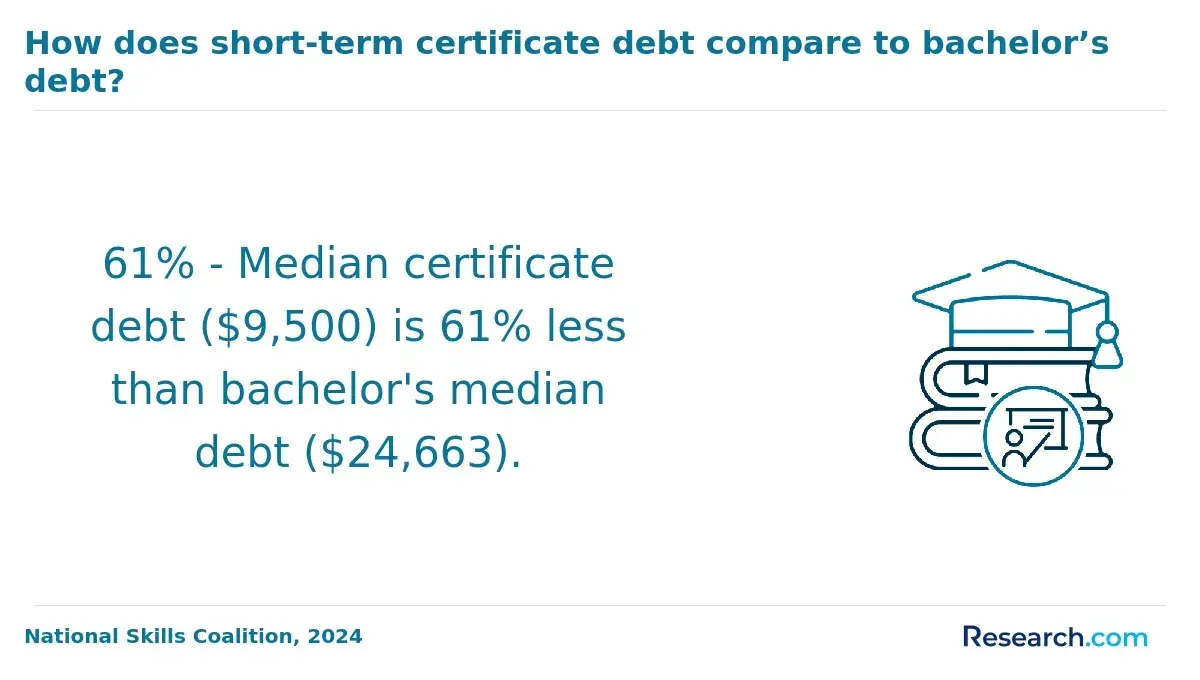
Shorter credentials can also help students test a field before committing to a degree. For learners who need a faster route into work or a specific skill upgrade, short certificate programs may be useful when they align with real job requirements and recognized employer needs.
Consider the experience options below based on your career goal:
- Business, marketing, and communication: Look for remote internships, nonprofit projects, campus-affiliated consulting teams, social media campaigns, sales support, or operations projects.
- Technology and data: Build GitHub projects, data dashboards, cybersecurity labs, help desk experience, open-source contributions, or cloud certification projects.
- Healthcare and human services: Confirm clinical, practicum, externship, or field placement requirements early because some must be completed in person.
- Education: Ask about student teaching, observation hours, school partnerships, background checks, and state authorization rules.
- Criminal justice and public service: Explore local agencies, court observation, emergency management volunteer roles, victim services, or municipal internships.
- Creative fields: Build a portfolio with client-style projects, freelance samples, case studies, and measurable outcomes.
Online students should start experience planning early, ideally before the halfway point of the program. Some internships require prerequisite courses, background checks, immunizations, faculty approval, or minimum GPA requirements. Waiting until the final term can limit choices and delay graduation.
If you cannot complete a traditional internship, build experience through project evidence. A strong portfolio can include a case study, spreadsheet model, lesson plan, policy brief, usability test, data visualization, marketing audit, grant proposal, coding project, or process improvement plan. The key is to show what problem you solved, what tools you used, and what result you produced.
How can online learners build professional networks and career connections virtually?
Networking is not just collecting contacts; it is building professional familiarity before you need a job. Online learners can network effectively, but they need a plan because casual hallway conversations and campus events may be less frequent.
Use virtual networking channels that match your field and comfort level. The goal is to build repeated, low-pressure contact with people who can share advice, refer opportunities, or help you understand hiring expectations.
- Attend virtual employer events, webinars, and alumni panels hosted by your school.
- Join professional associations with student memberships in your target field.
- Participate in LinkedIn groups, Slack communities, Discord servers, or forums where professionals discuss real work problems.
- Ask faculty which employers, alumni, or community partners are open to informational interviews.
- Follow companies you may want to work for and comment thoughtfully on job-relevant posts.
- Create a short outreach message that asks for advice, not a job.
A simple outreach message can be direct: "I'm an online student studying health administration and exploring entry-level coordinator roles. I saw your work in clinic operations and wondered if you would be open to a 15-minute conversation about skills new graduates should build." This approach works because it is specific, respectful, and easy to answer.
AI tools are changing networking and hiring. Many employers use applicant tracking systems, skills-based screening, recorded interviews, or automated scheduling. That means online students should make their profiles easy to understand: clear job targets, measurable projects, relevant keywords, and proof of tools used. Avoid using AI-generated messages that sound generic; personalization still matters.
What admission, time commitment, and cost factors should online students consider?
Admissions, time commitment, and cost determine whether a program is realistic. A strong career plan can fail if the program requires more prerequisites, more weekly hours, more fieldwork travel, or more debt than the student can manage.
College Board's 2024 pricing report lists average published tuition and fees for in-district public two-year colleges at $4,050 for the academic year. This does not mean every online option is cheap, but it shows why students should compare community colleges, transfer pathways, and public university options before assuming a private or accelerated program is the best fit.
Before enrolling, review the following factors together, not separately:
- Admissions requirements: Check GPA minimums, transcripts, placement tests, prerequisites, essays, resumes, recommendations, and professional experience requirements.
- Time commitment: Ask how many hours per week students typically spend per course and whether courses are asynchronous, synchronous, accelerated, or self-paced.
- Total cost: Compare tuition, fees, books, technology, course materials, proctoring, travel for fieldwork, equipment, and lost work hours.
- Financial aid: Confirm FAFSA eligibility, scholarships, employer tuition assistance, military benefits, payment plans, and satisfactory academic progress rules.
- Transfer credit: Ask for an official transfer evaluation before committing when possible.
- Completion risk: Consider whether the program's pace fits your life for the full duration, not just the first term.
Students searching for cheap online colleges should still check accreditation, support, and career alignment. The lowest tuition is not always the lowest total cost if credits do not transfer, courses are unavailable when needed, or students must extend enrollment.
The table below summarizes cost factors that online students commonly overlook. These items can change the true price of a program and should be part of your ROI estimate.
| Cost factor | Why it matters | Question to ask |
| Fees | Online, technology, lab, graduation, and proctoring fees can add up | What is the full cost per term after fees? |
| Transfer credits | Accepted credits can reduce time and tuition | How many of my credits apply to the major, not just electives? |
| Course availability | Limited course rotations can delay completion | Are required courses offered every term? |
| Fieldwork travel | Clinical, practicum, or student teaching placements may require local travel | Can I complete placements near my home? |
| Work schedule impact | Lost work hours can be a real cost | Are any live sessions, labs, or internships required during work hours? |
Avoid borrowing based on best-case assumptions. If you are unsure about the field, start with transferable general education courses, a lower-cost certificate, or an associate-to-bachelor's pathway before taking on larger debt.
What are typical entry-level roles, salaries, and job outlooks for online program graduates?
Online program graduates enter many of the same roles as campus graduates, but outcomes depend on field, credential level, experience, location, employer demand, and whether the role requires licensure. Salary data should be used as a planning benchmark, not a promise.
The table below uses U.S. Bureau of Labor Statistics May 2024 median wage data and current occupational projections where available. It includes roles commonly connected to online programs and shows why students should compare both pay and preparation requirements.
| Career area | Common entry-level roles | Typical education path | Median wage context | Career planning note |
| Business and administration | Administrative services assistant, operations coordinator, project assistant | Certificate, associate, or bachelor's degree depending on role | BLS reported a May 2024 median wage of $79,050 for business and financial occupations overall | Internships, Excel, CRM tools, and process improvement examples can strengthen applications |
| Information technology | Help desk technician, junior systems support, cybersecurity analyst trainee | Certificate, associate, bachelor's degree, or certifications | BLS reported a May 2024 median wage of $105,990 for computer and mathematical occupations overall | Employers often expect demonstrable projects, labs, or certifications in addition to coursework |
| Healthcare administration | Medical office coordinator, patient services representative, health information technician | Certificate, associate, or bachelor's degree | Pay varies widely by setting, credential, and patient-facing responsibility | HIPAA knowledge, EHR familiarity, and healthcare terminology are important |
| Education | Instructional aide, substitute teacher, teacher candidate, training assistant | Associate or bachelor's degree; licensure for public school teaching | Wages vary by state, district, grade level, and licensure status | Confirm student teaching and state licensure approval before enrolling |
| Human services and psychology | Case aide, behavioral health technician, community support specialist | Certificate, associate, or bachelor's degree; advanced roles may require graduate education | Pay varies by agency, funding source, and supervised practice requirements | Graduate school may be needed for counseling, clinical, or licensed roles |
| Marketing and communication | Marketing assistant, content coordinator, social media specialist | Certificate, associate, or bachelor's degree | Pay depends heavily on portfolio, industry, and measurable campaign experience | Work samples and analytics results often matter as much as the major title |
Job outlook should be interpreted by occupation, not by degree name. For example, a bachelor's in business can lead to many roles with different growth rates, while a cybersecurity-focused program may target a narrower but more technical set of jobs. Review the exact occupational title you want, then compare required skills against the program curriculum.
AI and automation are reshaping entry-level work. Routine tasks in administration, coding, marketing, finance, and customer support may be automated, but employers still need workers who can interpret information, communicate with clients, manage tools, check quality, and solve messy problems. Online students should graduate with evidence of applied judgment, not only course completion.
How can online students prepare resumes, LinkedIn profiles, and job search strategies effectively?
A strong job search strategy turns your online education into visible evidence of readiness. Employers may not care that your program was online if your resume, LinkedIn profile, portfolio, and interview answers clearly show relevant skills and experience.
Prepare your materials around target roles instead of listing every course you completed. The best resumes connect education to employer problems: improving processes, supporting customers, analyzing data, managing records, writing content, troubleshooting systems, coordinating projects, or serving clients.
Use this job-search sequence during your final year or final two terms:
- Select two target job titles and collect 15 to 20 postings for each.
- Create a keyword list from repeated requirements, including software, credentials, tasks, and soft skills.
- Revise your resume so the top third matches the target role and highlights relevant projects or experience.
- Update LinkedIn with a clear headline, professional photo, skills section, project descriptions, and a short career-focused About section.
- Build a simple portfolio if your field values proof of work, including projects, case studies, writing samples, dashboards, code, lesson plans, or campaign results.
- Practice interview stories using the situation, task, action, and result format.
- Apply consistently, track responses, and revise materials based on employer feedback.
Common resume mistakes include using a generic objective, hiding relevant coursework, listing tools without proof, forgetting remote collaboration skills, and failing to quantify results where appropriate. If you worked while studying online, frame that as evidence of time management, persistence, and self-direction.
Your LinkedIn profile should not simply repeat your resume. Use it to show career direction. A strong headline might say "Online B.S. in Information Systems student | Help desk and cybersecurity lab experience | CompTIA Network+ candidate" rather than "Student at University." Specificity helps recruiters and alumni understand how to help you.
For applications, quality matters more than volume. Customize the resume summary, skills section, and first few bullets for each role type. Keep a spreadsheet with employer name, role, date applied, contact, follow-up date, and outcome. This turns the job search into a manageable process instead of a stressful guessing game.
Other Things You Should Know About
Start before enrolling if possible. At minimum, begin during your first term by identifying target roles, checking job requirements, and meeting with career services. Waiting until graduation can make it harder to gain experience or choose useful electives.
Many employers accept online degrees from accredited institutions, especially when the program is relevant and the applicant can show skills, experience, and strong communication. Regulated fields may require specific program approval or licensure eligibility, so always verify requirements.
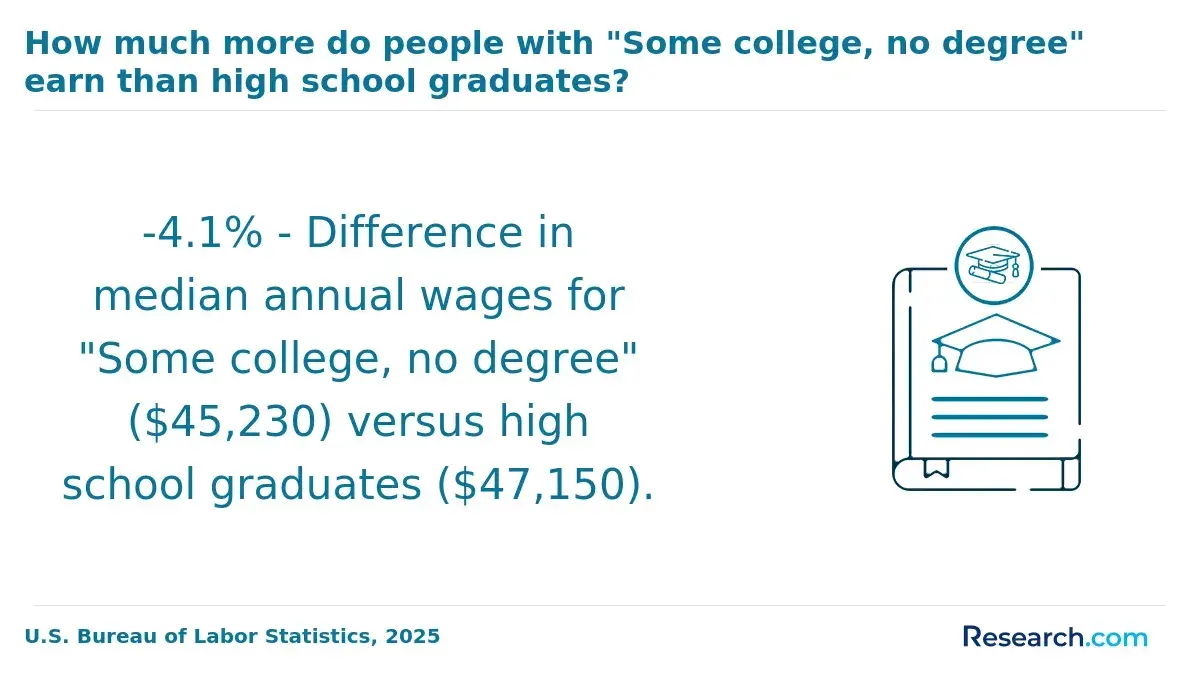
A certificate can be better for quick skill-building or career testing, while a degree is often better for roles requiring broader education, advancement, or licensure. The right choice depends on the target job, employer expectations, cost, and your existing education.
The biggest mistake is choosing a program before confirming career requirements. Students should check accreditation, licensure rules, job postings, total cost, transfer credit, and experience opportunities before committing.
References
- How To Set Realistic Career Goals https://haywardhawk.com/hayward-talk/how-to-set-realistic-career-goals/
- Choosing a Major, Plus How to Choose a Career https://www.fastweb.com/college-search/articles/how-to-choose-a-career-and-a-college-major
- How to Choose the Right Online College https://www.straighterline.com/blog/goodie-how-to-choose-the-right-online-college
- How to Choose a Major in College – Tips to Consider https://www.umassglobal.edu/blog-news/choose-a-major-college-tips-consider
- Untitled https://mdp.omu.edu.ly/journals/index.php/mjes/citationstylelanguage/get/acs-nano
- Tuition/cost are important, but so are online options https://www.ccdaily.com/2023/02/tuition-and-cost-are-important-but-so-are-online-options/
- Six Factors to Consider When Choosing an Online Course | MyEducator https://www.myeducator.com/choosing-online-course/
- How to Create a Career Development Plan That Works https://www.cesarritzcolleges.edu/en/news/how-to-create-a-career-development-plan/
- Role of Career Planning in Achieving Long-Term Career Goals https://rcademy.com/career-planning-in-achieving-long-term-career-goals/
- Your work experience options: shadowing, internship and much more https://targetjobs.co.uk/careers-advice/internships/your-work-experience-options-shadowing-internship-and-much-more