2027 High School Resume: Examples, Skills, and Tips for Students

Co-Founder and Chief Data Scientist
A high school resume can be the difference between looking "interested" and looking prepared. Students use it for jobs, internships, scholarships, college applications, and recommendation letters. The need is real: the U.S. Bureau of Labor Statistics reported 20.3 million employed youth ages 16 to 24 in July 2024, making student resumes part of a competitive early-career market.
This guide is for students, parents, and counselors who want a practical resume that highlights school achievements, activities, skills, and potential, even when paid work experience is limited.
Key Things You Should Know
- A strong high school resume should fit on one page, use simple formatting, and focus on measurable achievements from school, activities, volunteering, projects, sports, and part-time work.
- Students do not need paid experience to write a resume; leadership roles, coursework, awards, service hours, technical skills, and project outcomes can all show readiness.
- Common App reported more than 1.4 million first-year applicants in the 2023-24 cycle, so a clear resume can help organize accomplishments for colleges, scholarships, and recommenders.
What Is a High School Resume?
A high school resume is a one-page summary of a student's education, skills, activities, work experience, volunteer service, awards, and projects. Unlike an adult resume, it does not need a long employment history. Its job is to show what the student has done, what they are good at, and how they might contribute to a school, employer, club, scholarship program, or internship.
The best high school resumes are specific. Instead of saying "hardworking student," a better resume says "maintained a 3.8 GPA while volunteering 60 hours at a local food pantry" or "organized weekly practice schedules for a 22-member debate team." Specific details help readers understand scale, responsibility, and impact.
Students may use a resume in several situations. The same core document can be adapted for different goals, but each version should emphasize the most relevant information:
| Resume Use | What the Reader Usually Looks For | Best Evidence to Include |
| Part-time job | Reliability, communication, availability, customer service potential | Work experience, volunteering, school attendance, teamwork, leadership |
| College application | Academic commitment, initiative, leadership, sustained involvement | GPA, coursework, activities, awards, projects, service, leadership roles |
| Scholarship | Achievement, need fit, service, goals, character | Awards, community service, essays, academic record, career interests |
| Internship or program | Skill match, curiosity, maturity, project readiness | Technical skills, coursework, projects, clubs, competitions |
| Recommendation request | Memorable details that help the recommender write specifically | Achievements, goals, responsibilities, examples of effort or growth |
A resume is not a replacement for an application, transcript, or essay. It is a supporting document that makes the student's story easier to understand quickly.
Why Do Students Need a High School Resume?
Students need a high school resume because opportunities often require proof of readiness before students have a long work history. A resume helps translate school and extracurricular experience into evidence that adults can evaluate quickly.
For jobs, a resume can help a student stand out from other applicants who only submit a basic application form. For college and scholarship applications, it helps students track accomplishments accurately and avoid forgetting meaningful activities. For recommendation letters, it gives teachers and counselors concrete details to reference.
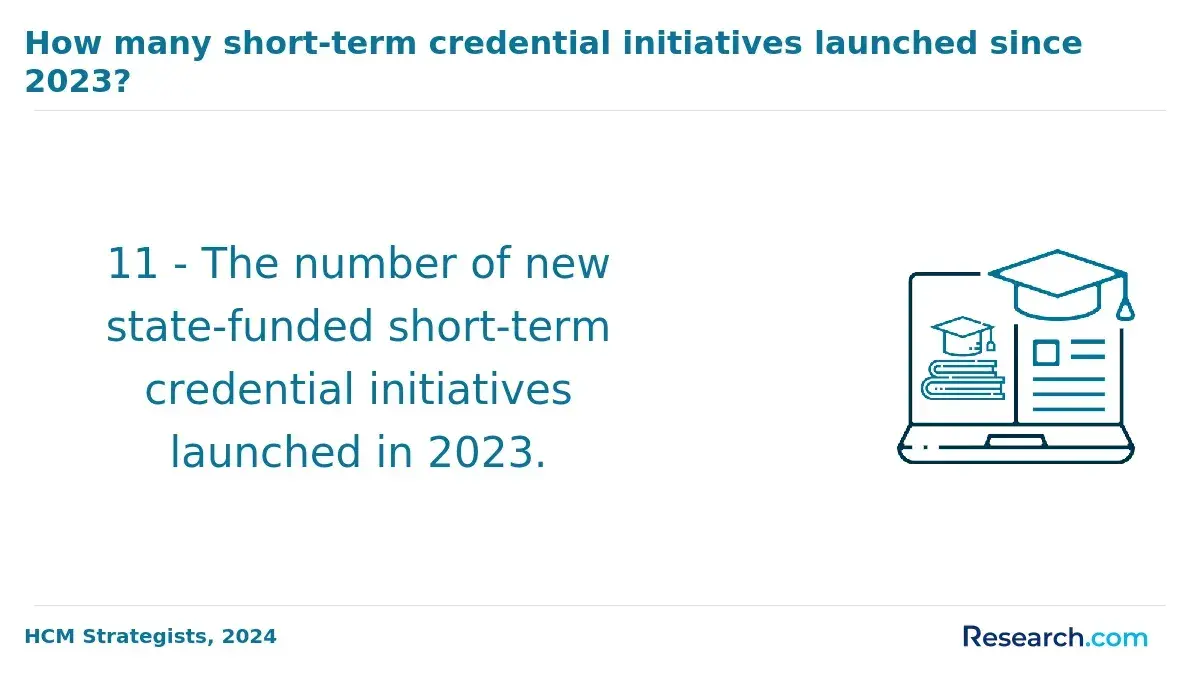
A resume is especially useful when a student is making decisions about work, college, and future training. Some students may apply for jobs immediately after graduation, while others may compare college options, apprenticeships, certificates, or online degrees. In each case, a resume helps clarify what the student has already built and what they need to strengthen next.
The value of a resume depends on the goal. Students should think about who will read it and what decision that person is trying to make.
| Student Goal | Resume Priority | What to Avoid |
| Getting a first job | Show reliability, availability, people skills, and willingness to learn | Using vague traits without examples |
| Applying to college | Show sustained involvement, academic choices, leadership, and contribution | Listing every activity without explaining impact |
| Applying for scholarships | Connect achievements to service, goals, and fit | Submitting a generic resume that ignores the scholarship's mission |
| Seeking internships | Highlight coursework, projects, technical skills, and curiosity | Overstating skills or using unsupported claims |
The main decision is not whether a student has "enough" experience. The better question is whether the resume presents the student's strongest evidence in the right order for the opportunity.
What Should a High School Resume Include?
A high school resume should include the information a reader needs to understand the student's background quickly. Most students should use a simple structure: contact information, education, experience or activities, skills, awards, and optional sections such as projects or certifications.
The table below summarizes the most common sections and when they are worth including. Students should not add a section just to fill space; each section should strengthen the application:
| Section | What to Include | When It Matters Most |
| Contact information | Name, city and state, phone number, professional email | Always |
| Education | School name, expected graduation date, GPA if strong, relevant coursework | Always |
| Experience | Paid work, babysitting, tutoring, family business work, informal jobs | Jobs, internships, work-study programs |
| Activities | Clubs, sports, arts, student government, academic teams | College, scholarships, leadership roles |
| Volunteer service | Organization, role, hours if meaningful, responsibilities | Scholarships, college applications, service programs |
| Skills | Software, languages, tools, communication, leadership, customer service | Jobs, internships, technical programs |
| Awards and honors | Academic honors, competition placements, recognition, certificates | College, scholarships, selective programs |
| Projects | Research, coding, design, writing, entrepreneurship, capstone work | STEM, arts, business, internships |
Students should include a GPA only if it helps their case or is required. If the GPA is not a strength, the resume can emphasize relevant coursework, improvement, projects, or strong grades in subjects related to the opportunity.
Contact information should be professional. A school email may expire after graduation, so students applying to jobs or colleges should consider using a simple personal email based on their name.
How Do You Write a High School Resume with No Experience?
Writing a high school resume with no experience is not about hiding the lack of paid work. It is about broadening the definition of experience. Employers and colleges know that many students are early in their careers; they want evidence of responsibility, effort, learning, and follow-through.
Students with no paid work experience should build the resume around school, service, projects, and activities. The most effective approach is to turn responsibilities into bullet points that show action and results:
- Start with education, including expected graduation date, relevant coursework, GPA if useful, and academic honors.
- Add activities such as clubs, sports, music, student government, academic teams, or community groups.
- Include volunteer work, family responsibilities, tutoring, babysitting, lawn care, pet sitting, or informal work if it shows reliability.
- Describe projects from classes, competitions, or personal learning, especially if they produced a presentation, product, event, portfolio, or measurable result.
- Use action verbs such as organized, assisted, created, led, trained, prepared, presented, supported, tracked, designed, or improved.
A student planning a practical, affordable education path after graduation can also use the resume to prepare for community college, certificate programs, apprenticeships, or easy associate degrees. The resume becomes a record of strengths that can support advising, placement, and scholarship conversations.
Here is how a student can rewrite basic experience into stronger resume language:
| Basic Version | Stronger Resume Version |
| Helped at church events | Assisted with setup, guest check-in, and cleanup for monthly community events serving 80+ attendees |
| Member of soccer team | Balanced 10+ hours of weekly practice and games while maintaining academic eligibility |
| Did a science project | Designed and presented a biology experiment comparing plant growth under three lighting conditions |
| Babysat neighbors | Provided after-school childcare for two children, including homework support, snack preparation, and safety supervision |
The key is honesty. Students should never exaggerate titles, hours, skills, or results. A simple responsibility described clearly is stronger than an inflated claim that cannot be explained in an interview.
What Skills Belong on a High School Resume?
The best skills for a high school resume are skills the student can prove through school, work, activities, or projects. A skills section should not be a random list of positive traits. It should help the reader quickly see whether the student fits the role or opportunity.
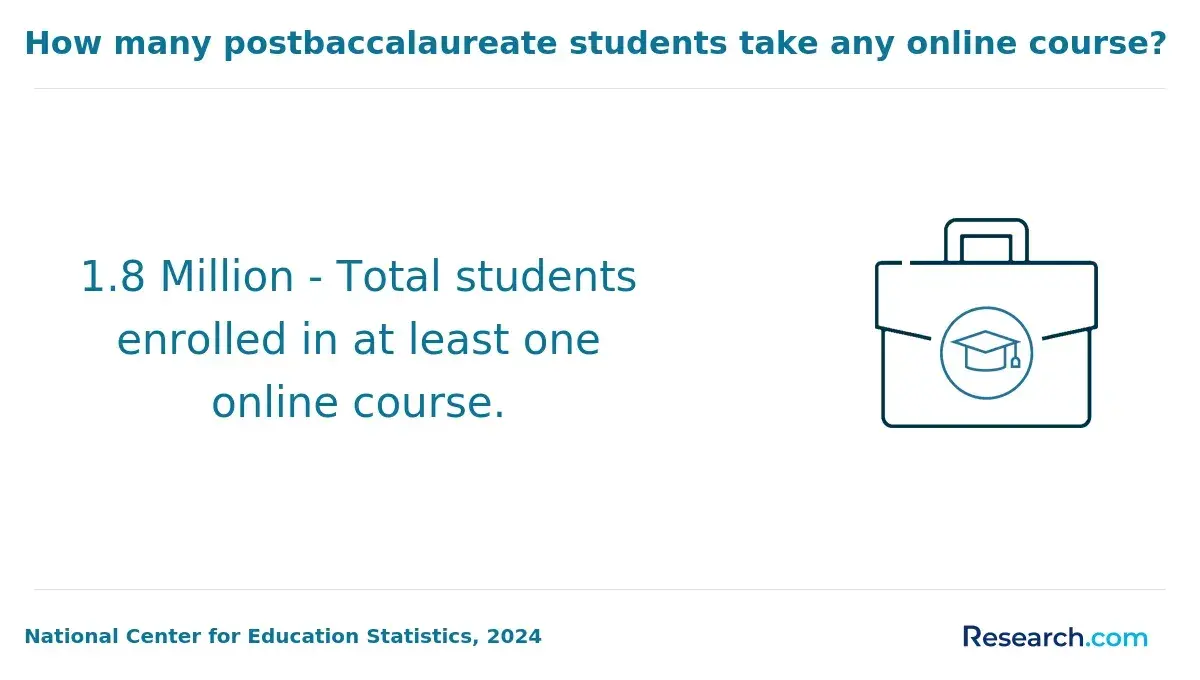
Employers and colleges continue to value durable skills such as communication, teamwork, and problem-solving, while also paying closer attention to digital skills. AI tools have made this even more important: students should be able to show that they can use technology responsibly, verify information, and complete original work.
Students can group skills into categories so the resume is easier to scan. The examples below are useful when they match real experience:
- Communication skills: Public speaking, writing, customer interaction, email etiquette, presentation delivery, peer tutoring
- Leadership skills: Team captain duties, club officer work, event planning, mentoring younger students, organizing volunteers
- Technical skills: Google Workspace, Microsoft Office, spreadsheets, Canva, coding languages, video editing, data entry, basic troubleshooting
- Workplace skills: Punctuality, cash handling, inventory support, food safety awareness, scheduling, customer service
- Academic skills: Research, note-taking, lab procedures, citation practices, problem-solving, quantitative reasoning
- Language skills: Bilingual communication, translation support, conversational ability, reading or writing fluency
Students should be careful with soft skills. Instead of listing "teamwork" alone, the resume should connect that skill to evidence, such as "collaborated with five classmates to create a history presentation selected for school showcase."
For jobs, skills should match the posting. For college applications, skills should support the student's academic interests and contribution to campus life. For scholarships, skills should connect to the program's values, such as service, leadership, creativity, or persistence.
How Do You Format a High School Resume?
A high school resume should be clean, readable, and usually one page. The best format is reverse chronological or hybrid: list the most recent and relevant experiences first, but group them under clear categories such as Education, Experience, Activities, Volunteer Service, Skills, Awards, and Projects.
Formatting matters because many employers and programs review resumes quickly. Some organizations also use applicant tracking systems, so students should avoid designs that are hard for software to read:
- Use a simple font such as Arial, Calibri, Times New Roman, or Georgia in a readable size.
- Keep margins reasonable and avoid crowding the page.
- Use consistent dates, punctuation, and capitalization.
- Place the strongest section near the top after education.
- Use bullet points for responsibilities and achievements, not full paragraphs.
- Save and send the resume as a PDF unless the employer or school requests another format.
- Name the file professionally, such as Firstname-Lastname-Resume.pdf.
The table below compares common formats. Students should choose the format that makes their strongest evidence easiest to find:
| Format | Best For | Limitations |
| Reverse chronological | Students with paid work, steady volunteering, or recent leadership roles | Can make limited experience look thin |
| Functional | Students trying to emphasize skills over dates | Can feel vague if not supported by examples |
| Hybrid | Most high school students because it combines skills, activities, and experience | Requires careful organization to avoid repetition |
| Creative or visual | Art, design, media, or portfolio-based opportunities | May not work well with online application systems |
A resume should look polished, but design should not distract from content. For most students, a simple document with strong bullet points is more effective than a colorful template with weak details.
What Are the Best High School Resume Examples?
The best high school resume examples are not one-size-fits-all. A resume for a retail job should look different from a resume for a college application, scholarship, internship, or STEM summer program. The content should change based on what the reader needs to decide.
Students can use the examples below as models. Each one shows how to position experience honestly while making the student's strengths clear:
| Student Type | Best Resume Emphasis | Example Bullet Point |
| Student applying for first job | Reliability, service, schedule flexibility, communication | Assisted customers during school fundraiser by explaining products, processing orders, and tracking payments |
| College-bound student | Academic rigor, leadership, sustained activities, service | Served as junior class treasurer and helped coordinate fundraising plan for prom committee |
| Student-athlete | Discipline, teamwork, time management, leadership | Completed 12-hour weekly training schedule while maintaining honors-level coursework |
| STEM-focused student | Projects, coursework, competitions, software, problem-solving | Built a Python calculator for chemistry lab conversions and presented results to class |
| Creative student | Portfolio, performances, publications, design tools, collaboration | Designed promotional graphics for school theater production using Canva and coordinated printing deadlines |
| Service-focused student | Volunteer hours, community impact, responsibility, empathy | Prepared and distributed weekend meal bags through local pantry serving families in the school district |
Students should treat these examples as patterns, not scripts. A strong bullet point usually includes an action, a task, and a result or context. Numbers help when they are accurate, but students should not invent metrics just to sound impressive.
Keeping a resume updated in high school also makes future applications easier. The same habit of tracking achievements can help later with internships, transfer applications, scholarships, graduate school planning, or even comparing options such as a one-year masters degree after college.
A practical example for a student with no paid job might include education at the top, followed by activities, volunteer service, projects, and skills. A student with a part-time job might place work experience above activities, especially if applying for another job.
How Do You Tailor a High School Resume for College Applications?
To tailor a high school resume for college applications, students should emphasize academic direction, intellectual curiosity, leadership, contribution, and sustained commitment. Colleges do not need a resume that repeats every small activity. They need a clear picture of what the student cared about and how they used their time.
College Board's 2024 pricing data shows average published tuition and fees of $11,610 for in-state students at public four-year institutions and $43,350 at private nonprofit four-year institutions for 2024-25. Because college is a major investment, students should use the resume not only for admission, but also for scholarships, honors programs, and advising conversations that may affect affordability and fit.
Before sending a resume to a college, students should revise it for the type of program and campus they are applying to. These steps help make the resume more relevant:
- Review the college's application instructions to confirm whether a resume is accepted, optional, or discouraged.
- Place academic information near the top, including relevant coursework, honors, dual enrollment, AP, IB, or career and technical education courses when applicable.
- Emphasize depth over volume by highlighting activities with long-term involvement, leadership, or measurable contribution.
- Connect projects and activities to intended majors when the connection is real, such as coding projects for computer science or tutoring for education.
- Remove job-focused details that do not support the college application unless they show responsibility, leadership, or financial contribution.
- Give the same resume to recommenders so they can write with specific examples.
Students thinking far ahead about professional school or graduate study do not need to plan every step now. Still, learning to document achievements early can help later when evaluating college majors, career pathways, and questions such as what masters degrees are worth it.
The best college resume is honest, concise, and aligned with the rest of the application. If the essay focuses on community leadership, the resume should make that leadership easy to see. If the application emphasizes a future major, the resume should show preparation without pretending the student has already chosen a lifelong path.
How Do You Tailor a High School Resume for Jobs?
To tailor a high school resume for jobs, students should focus on reliability, schedule fit, customer service, communication, safety, and trainability. Employers hiring students often understand that applicants may be new to the workforce. What they need to know is whether the student can show up on time, follow instructions, work with others, and handle responsibility.
The BLS reported a median hourly wage of $16.30 for retail salespersons in May 2024, a common entry-level role for students. This figure is not a promise for any specific student, but it gives useful context: part-time jobs can provide income and experience, yet students should also weigh transportation, scheduling, school workload, and safety.
Students should customize the resume for each job posting. A grocery store, summer camp, restaurant, tutoring center, and office assistant role will value different details:
- Retail or grocery: Emphasize customer interaction, organization, dependability, cash handling readiness, and ability to stand or move during shifts.
- Restaurant or food service: Emphasize teamwork, fast-paced work, cleanliness, communication, and willingness to learn safety procedures.
- Childcare or camp: Emphasize responsibility, patience, leadership, safety awareness, tutoring, and experience with younger children.
- Tutoring or academic support: Emphasize subject strength, communication, grades, coursework, and peer mentoring.
- Office or administrative work: Emphasize typing, spreadsheets, email, organization, data entry, and attention to detail.
A job resume should usually include availability if the employer asks for it, but students do not need to list personal details such as age, photo, full address, or family information. They should also use a professional email and make sure voicemail is set up.
Even if advanced academic options such as the easiest PhD without dissertation are far in the future, the same basic habit applies now: keep records of responsibilities, accomplishments, and skills so future applications are easier to complete accurately.
Students should bring a printed copy to interviews when appropriate. They should also be ready to explain every item on the resume with a short example.
What Are the Most Common High School Resume Mistakes?
The most common high school resume mistakes come from trying to sound more experienced than the student really is. A good resume does not need to be inflated. It needs to be clear, relevant, and accurate.
The table below shows common problems and better alternatives. Use it as a final review before submitting a resume:
| Mistake | Why It Hurts | Better Alternative |
| Using an unprofessional email address | It can make the application look careless | Create a simple email based on the student's name |
| Writing vague bullet points | Readers cannot see what the student actually did | Use action verbs and include context, scale, or outcome |
| Listing too many activities | The strongest accomplishments get buried | Prioritize relevant, sustained, or high-impact activities |
| Exaggerating titles or skills | It can create problems in interviews or reference checks | Describe real responsibilities honestly |
| Using a cluttered template | It may be hard to read or scan in application systems | Choose simple formatting with clear headings |
| Including private personal information | It can be unnecessary and risky | Use name, city and state, phone, and email only |
| Submitting the same resume everywhere | It may miss what the reader values most | Tailor the order and bullet points for each opportunity |
| Forgetting to proofread | Errors can suggest lack of attention to detail | Ask a teacher, counselor, parent, or trusted adult to review it |
Students should also avoid relying too heavily on AI resume tools. AI can help brainstorm wording, but students must check accuracy, remove exaggerated language, and make sure the final resume sounds like them. A resume that is polished but unrealistic can backfire during an interview.
A final quality check is simple: if someone asks, "Tell me about this bullet point," the student should be able to answer confidently with a real story.
Other Things You Should Know About
Most high school resumes should be one page. A second page is rarely necessary unless a program specifically asks for a detailed activities list, portfolio summary, or scholarship record.
Include GPA if it is strong, required, or relevant to the opportunity. If GPA is not a strength, focus on coursework, projects, improvement, awards, work habits, or experience.
Yes. A student can use school activities, volunteer work, leadership roles, family responsibilities, coursework, projects, sports, arts, awards, and technical skills as resume evidence.
A simple hybrid format is usually best. It lets students highlight education, skills, activities, service, projects, and any work experience without making limited paid experience look like a weakness.
References
- 5+ High School Resume Examples for 2026 https://resumegenius.com/resume-examples/high-school-resume-example
- High School Student Resume Examples & Guide https://resume.io/resume-examples/high-school-student
- What career is right for me? | ASVAB Career Exploration Program https://www.asvabprogram.com/media-center-article/64
- How to Write a High School Resume https://www.princetonreview.com/college-advice/high-school-resume
- 5 Common Resume Mistakes Students Make and How to Avoid Them https://vault.com/blogs/resumes-cover-letters/5-common-resume-mistakes-students-make-and-how-to-avoid-them