2027 Steps to Become a Dentist: Career Guide for Students and Graduates

Co-Founder and Chief Data Scientist
Becoming a dentist is a high-investment decision: it usually requires college, four years of dental school, licensing exams, and sometimes residency. The payoff can be strong, but the path is demanding. The U.S. Bureau of Labor Statistics reported a median annual wage of $179,210 for dentists in May 2024, making dentistry financially attractive for students who are prepared for the academic and clinical commitment.
This guide explains the steps, requirements, costs, timelines, specialties, and school-selection factors so you can decide whether dentistry is the right career path.
Key Things You Should Know
- Most U.S. dentists complete about eight years of education after high school: an undergraduate degree or equivalent prerequisites plus a four-year DDS or DMD program from a CODA-accredited dental school.
- Licensure is state-based, but typical requirements include graduating from an accredited dental program, passing the Integrated National Board Dental Examination, completing an accepted clinical exam or pathway, and meeting state jurisprudence or background requirements.
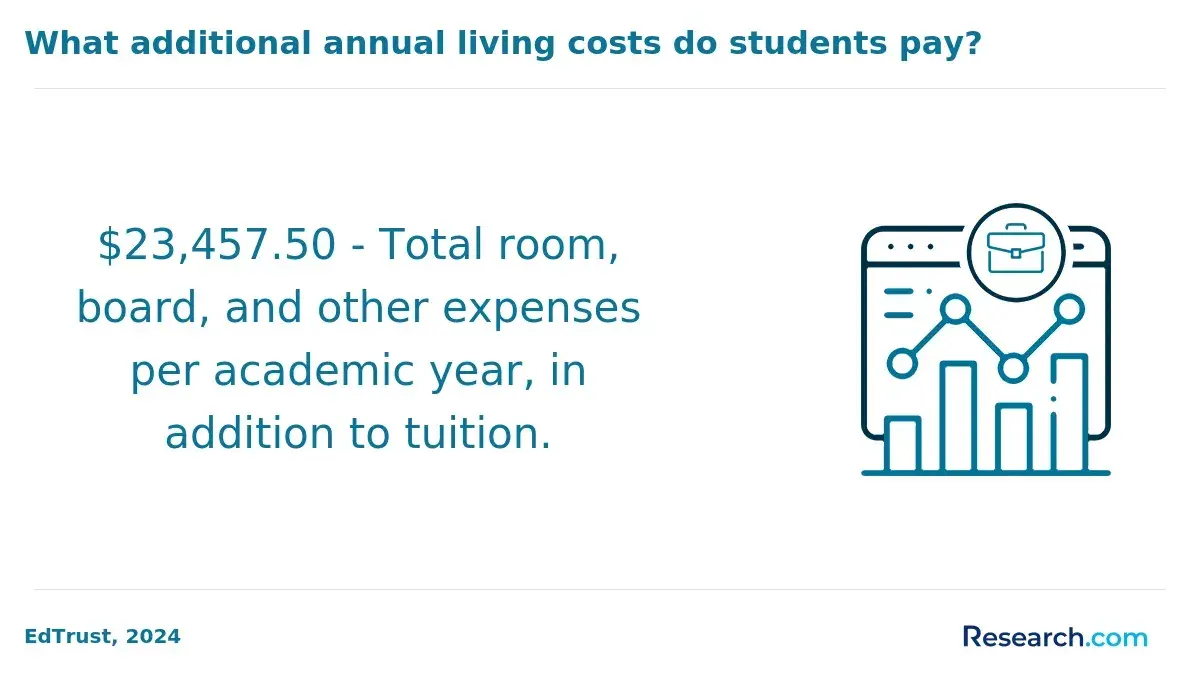
- The career has strong earning potential, with BLS reporting a $179,210 median annual wage for dentists in May 2024, but students should weigh that against tuition, living costs, and federal graduate loan rates such as the 9.08% Direct PLUS rate for 2024-2025.
What are the main steps to become a licensed dentist in the United States?
The main path to becoming a licensed dentist in the United States is structured, sequential, and regulated. Dentistry is not a career you can enter through experience alone because dentists diagnose disease, perform procedures, prescribe medication, interpret imaging, and are responsible for patient safety.
At a high level, the path usually follows these steps:
- Complete college coursework, usually through a bachelor's degree with biology, chemistry, physics, math, and English prerequisites.
- Build a competitive dental school application through strong grades, Dental Admission Test preparation, shadowing, volunteering, research, service, and leadership.
- Apply through ADEA AADSAS or directly to schools that use a different process, then complete interviews and school-specific requirements.
- Earn a Doctor of Dental Surgery or Doctor of Dental Medicine degree from a Commission on Dental Accreditation-accredited dental school.
- Pass the Integrated National Board Dental Examination and any state-required clinical, jurisprudence, ethics, or background checks.
- Apply for state licensure before practicing independently, then maintain continuing education and license renewal requirements.
- Optional: complete a general practice residency, advanced education in general dentistry program, or specialty residency if your career goals require advanced training.
A common mistake is treating "pre-dental" as a single required major. It is not. Dental schools generally care more about completing prerequisites, performing well academically, demonstrating commitment to patient care, and showing readiness for a rigorous professional program.
Students who want a healthcare role sooner should understand that dentistry is not a short training path; if speed matters more than independent diagnosis and surgical care, short term certificate programs may fit better than dental school.
Another mistake is assuming admission to dental school is the finish line. Licensure comes after graduation, and requirements vary by state. Before enrolling, students should check whether the program is CODA-accredited and whether the clinical examination route they plan to use is accepted by the state where they hope to practice.
What education and degree do you need to start a career in dentistry?
To start a career in dentistry, you typically need strong undergraduate preparation followed by a professional dental degree. In the United States, the two professional degrees are the DDS, or Doctor of Dental Surgery, and the DMD, or Doctor of Dental Medicine. They are equivalent degrees; the difference is mainly the naming convention used by the dental school.
Most dental schools expect applicants to complete at least 90 undergraduate credits, and many successful applicants hold a bachelor's degree before matriculation.
A science major can help because it overlaps with prerequisites, but it is not mandatory. Humanities, business, public health, psychology, engineering, and other majors can work if the student completes the required science sequence and proves academic readiness.
The table below compares common education options before and during dental training so readers can see which path fits which goal:
| Education stage | Typical credential | Best fit | Key limitation |
| Pre-dental undergraduate study | Bachelor's degree or prerequisite coursework | Students preparing for DDS or DMD admission | Does not qualify someone to practice dentistry |
| Dental school | DDS or DMD | Students who want to become licensed general dentists | High cost, competitive admission, and intensive clinical requirements |
| Postgraduate residency | Certificate, master's, or specialty training depending on program | Dentists pursuing specialty practice or deeper hospital-based training | Adds years of training and may delay full-time earnings |
| Dental hygiene or assisting | Associate degree, certificate, or license depending on role and state | Students who want patient-facing oral healthcare work without becoming dentists | Scope of practice is more limited than dentistry |
Students deciding between dentistry and another career should be honest about motivation. If the main goal is a quick credential, dental school is usually the wrong fit. Researching the fastest degree to get can help students compare shorter education paths before committing to a long professional doctorate.
Dentistry is best suited for students who enjoy science, manual precision, patient communication, ethical decision-making, and lifelong learning. It may be a poor fit for students who dislike close patient contact, struggle with sustained academic pressure, or want a low-cost, low-risk route into healthcare.
How do dental school admission requirements, GPA, and prerequisite courses typically work?
Dental school admission is competitive because schools are evaluating whether applicants can handle a demanding biomedical curriculum and clinical patient care. Requirements vary, but most schools review undergraduate GPA, science GPA, Dental Admission Test scores, prerequisite completion, shadowing, service, personal statements, recommendation letters, interviews, and professionalism.
The most common prerequisite courses are listed below. Exact course titles and lab rules differ by school, so applicants should verify requirements directly with each program before applying:
| Common prerequisite area | Typical expectation | Why it matters |
| General biology | Lecture and lab sequence | Builds the foundation for anatomy, physiology, microbiology, and pathology |
| General chemistry | Lecture and lab sequence | Supports dental materials, pharmacology, and biomedical science |
| Organic chemistry | Usually one or two terms with lab | Helps prepare students for biochemistry and molecular concepts |
| Physics | Lecture and lab sequence | Supports biomechanics, imaging principles, and scientific reasoning |
| Biochemistry | Often required or strongly recommended | Connects chemistry with human disease and metabolism |
| English or writing | One or more composition courses | Supports patient documentation and professional communication |
Applicants should approach admissions as a multi-year project rather than a last-semester task. Strong candidates usually prepare across several dimensions:
- Maintain a strong overall and science GPA, especially in upper-level biology and chemistry courses.
- Prepare for the DAT early enough to retake it if needed, while avoiding rushed testing before prerequisite knowledge is solid.
- Shadow general dentists and, when possible, specialists to confirm that the day-to-day work matches your expectations.
- Document volunteer work, leadership, employment, research, or service experiences that show maturity and commitment.
- Ask for recommendation letters from faculty and dentists who know your work well, not from people with only a superficial connection.
One red flag is taking prerequisites at a school without checking whether dental programs will accept those credits, especially for lab science courses.
Students trying to reduce undergraduate costs can explore a cheapest accredited online college for general education or degree completion, but they should confirm that target dental schools accept the specific online, hybrid, or transfer science courses they plan to use.
How long does it take to become a dentist from college through residency?
The typical timeline to become a general dentist is about eight years after high school: four years of undergraduate study and four years of dental school. The timeline can be shorter for students who enter dental school after three years of college, and longer for students who complete gap years, postbaccalaureate coursework, a master's program, military service, or residency.
The table below summarizes common timelines. Use it to compare the shortest realistic path with paths that improve competitiveness or lead to specialization:
| Path | Typical length after high school | Who it fits | Trade-off |
| Traditional general dentist path | About 8 years | Students who complete college and dental school without major delays | Requires early planning and strong academic performance |
| Accelerated or early-entry route | About 7 years in some programs | Highly prepared students in structured combined programs | Less flexibility to change majors, schools, or career goals |
| Postbaccalaureate or master's before dental school | About 9 to 10 years | Applicants strengthening academics or science preparation | Adds cost but may improve readiness |
| General practice residency or AEGD | About 9 years | Graduates seeking supervised advanced general training | Often useful but not always required for general practice |
| Dental specialty route | About 10 to 14 years | Dentists pursuing orthodontics, oral surgery, pediatric dentistry, or another specialty | Higher specialization but longer training and delayed full independent practice |
Cost planning should begin before the first dental school application. Federal graduate loan rates can materially affect repayment: for loans first disbursed in the 2024-2025 award year, Direct Unsubsidized Loans for graduate students carried an 8.08% interest rate, while Direct PLUS Loans carried a 9.08% rate. That means students should compare total attendance cost, scholarship opportunities, living expenses, and repayment options rather than focusing only on tuition.
Students with military backgrounds or active-duty obligations may also have unique benefits, transfer-credit questions, and scheduling needs. Comparing online colleges for military can be useful when completing undergraduate prerequisites or a bachelor's degree before dental school, as long as dental school course-acceptance rules are checked in advance.
What is taught in dental school, and what does the clinical training involve?
Dental school combines biomedical science, laboratory simulation, clinical skills, ethics, patient management, and supervised treatment. The goal is not only to teach students how to perform procedures but also to train them to diagnose oral disease, prevent complications, communicate clearly, and make safe clinical decisions.
The curriculum usually moves from foundational science and simulation to direct patient care. The table below shows how the training commonly develops across the four years of dental school:
| Dental school stage | What students commonly study or practice | What it prepares students to do |
| Early didactic and lab training | Anatomy, physiology, biochemistry, microbiology, dental materials, occlusion, tooth morphology, and simulation labs | Understand oral and systemic health while developing hand skills before treating patients |
| Preclinical simulation | Restorations, crowns, impressions, radiographic technique, infection control, and procedure sequencing | Practice safely on mannequins, typodonts, or digital simulation systems |
| Clinical patient care | Exams, treatment planning, periodontal therapy, operative dentistry, prosthodontics, endodontics, oral surgery, pediatric dentistry, and emergency care | Provide supervised treatment for real patients across a range of needs |
| Practice readiness | Ethics, jurisprudence, risk management, interprofessional care, practice management, and case completion | Prepare for licensure, employment, residency, or practice ownership |
Clinical training is where students learn that dentistry is both technical and relational. A successful procedure still requires informed consent, anxiety management, pain control, cultural competence, accurate records, and follow-up care.
Technology is changing dental education and practice. Students increasingly encounter digital radiography, intraoral scanning, CAD/CAM restorations, 3D printing, cone-beam CT, teledentistry workflows, and AI-supported imaging tools.
These technologies do not replace clinical judgment, but they raise the importance of data literacy, privacy awareness, and the ability to explain treatment options clearly to patients.
How do dental licensing exams and state licensure requirements work?
Dental licensure is controlled by state boards, so requirements differ depending on where you plan to practice. However, most states share several core expectations: graduation from a CODA-accredited dental school, successful completion of national board testing, a state-accepted clinical assessment or alternative pathway, and compliance with legal, ethical, and background requirements.
Prospective dentists should understand the major licensure components before choosing a school or residency because clinical exam rules and portability options can affect where they can work after graduation:
- National board examination: The Integrated National Board Dental Examination assesses whether candidates can apply biomedical, clinical, and behavioral knowledge to dental practice.
- Clinical competency pathway: States may accept regional clinical exams, portfolio assessments, postgraduate training, or other approved pathways depending on their rules.
- Jurisprudence or ethics exam: Many states require candidates to show they understand state dental laws, scope of practice, infection control, prescribing rules, and professional obligations.
- Background and documentation review: Boards often review transcripts, exam results, professional conduct disclosures, CPR certification, and sometimes fingerprinting or background checks.
- Continuing education: Licensed dentists must renew their licenses periodically and complete continuing education, often including infection control, opioid prescribing, ethics, or medical emergency topics.
A common mistake is assuming that passing one exam automatically permits practice anywhere in the country. Dental licensure portability has improved in some areas, but it is not universal. If you know where you want to live, review that state board's requirements before graduation, not after.
Graduates who move states later may apply for licensure by credentials or endorsement if they meet experience and documentation rules. This can be easier than initial licensure, but it still depends on the receiving state's regulations.
What are the differences between general dentists and dental specialists?
General dentists provide broad oral healthcare, including exams, diagnosis, fillings, crowns, preventive counseling, simple extractions, dentures, periodontal maintenance, and referrals. Dental specialists complete additional residency training after dental school and focus on a defined area of care.
The table below compares general dentistry with several recognized specialty paths so students can see how training length and work focus differ:
| Career path | Typical additional training after dental school | Main focus | Best fit |
| General dentist | Optional residency in many states | Comprehensive routine and restorative care | Students who want broad practice, patient continuity, and flexible employment settings |
| Orthodontist | Residency, commonly 2 to 3 years | Tooth movement, bite correction, aligners, and braces | Dentists interested in long-term treatment planning and growth patterns |
| Oral and maxillofacial surgeon | Residency, often 4 to 6 years | Surgery involving teeth, jaws, facial trauma, pathology, and anesthesia | Dentists drawn to surgical care and hospital-based training |
| Pediatric dentist | Residency, commonly 2 years | Dental care for children, adolescents, and patients with special healthcare needs | Dentists who enjoy behavior guidance and family-centered care |
| Periodontist | Residency, commonly 3 years | Gum disease, implants, and supporting tooth structures | Dentists interested in surgical and chronic disease management |
| Endodontist | Residency, commonly 2 to 3 years | Root canal therapy and dental pain diagnosis | Dentists who like precision procedures and complex diagnosis |
Specialization can offer deeper expertise and, in some fields, higher earning potential, but it also adds time, cost, competition, and opportunity cost. Students should not choose a specialty only because it sounds prestigious. The better question is whether the procedures, patient population, residency culture, and lifestyle fit your strengths.
If you like oral healthcare but are unsure about a doctorate-level commitment, compare adjacent roles first. Some online certificate programs that pay well can lead to other healthcare or technical careers, though dental hygiene and dental assisting rules still vary by state and often require hands-on training.
What salary can dentists expect, and how does pay vary by specialty and location?
Dentistry can be financially rewarding, but pay varies widely by specialty, ownership model, region, schedule, payer mix, and years of experience. The BLS reported a median annual wage of $179,210 for dentists in May 2024. Readers should use that figure as a national benchmark, not as a guaranteed starting salary.
The table below summarizes the main pay drivers. It does not promise income; it shows why two dentists with the same degree may have very different earnings:
| Factor | How it can affect pay | Decision point for students |
| Specialty | Some specialists may earn more because they perform complex procedures and complete additional residency training | Balance earning potential against extra training time, residency competitiveness, and debt |
| Location | Rural, shortage-area, and high-cost metropolitan markets can have different compensation patterns | Compare salary with cost of living, loan repayment options, and lifestyle preferences |
| Practice model | Associates, dental service organizations, public health clinics, academic roles, and owners often have different compensation structures | Decide whether you prefer stability, ownership risk, mission-driven care, or operational responsibility |
| Experience and productivity | Clinical speed, case complexity, patient base, and business systems can influence income over time | Look for mentorship and strong clinical training early in your career |
| Benefits and loan support | Public health, military, nonprofit, and shortage-area roles may offer benefits or repayment support that changes total compensation | Evaluate total financial value, not just base pay |
Dental students should also think about cash flow after graduation. A higher-paying job is not automatically the best job if it offers weak mentorship, unrealistic production pressure, limited clinical variety, or poor ethical alignment. Early-career dentists often benefit from environments that improve diagnosis, treatment planning, communication, and procedural confidence.
Location matters, but it should be evaluated carefully. A city with high average fees may also have higher rent, payroll costs, competition, and student loan pressure. Conversely, underserved communities may offer meaningful patient care, broader procedure mix, and potential loan repayment programs, but may require geographic flexibility.
What is the current job outlook and demand for dentists in the U.S.?
The job outlook for dentists is steady rather than explosive. BLS projects employment for dentists to grow 5% from 2024 to 2034, about as fast as the average for all occupations. For students, this suggests dentistry remains a viable career, but school choice, debt management, clinical competence, and location strategy still matter.
Demand is supported by several practical forces: an aging population that keeps more natural teeth, ongoing need for restorative and preventive care, growth in implant and cosmetic services, and access gaps in rural and underserved communities. At the same time, competition can be stronger in saturated urban markets.
Several trends are shaping the profession:
- Dental service organizations: DSOs continue to create associate dentist roles, especially for new graduates who want employment without immediately buying a practice.
- Digital dentistry: Intraoral scanners, 3D printing, guided implant workflows, and chairside milling are changing training expectations and practice efficiency.
- AI-supported diagnostics: Imaging tools may help flag findings, but dentists remain responsible for diagnosis, treatment planning, consent, and patient care.
- Access-to-care pressure: Public health clinics, community health centers, and shortage areas continue to need providers willing to serve Medicaid, uninsured, pediatric, and medically complex patients.
- Practice ownership changes: Some dentists still pursue ownership, while others prefer associateships or group practice because of student debt, administrative burden, and lifestyle preferences.
The smartest career strategy is to build adaptability. Students who graduate with strong fundamentals, comfort with technology, good communication skills, and ethical decision-making will be better positioned across private practice, public health, residency, academia, and group practice settings.
How can prospective dentists compare and choose accredited dental schools and programs?
Choosing a dental school is one of the most important financial and professional decisions on the path to becoming a dentist. Accreditation should be the first filter: students should confirm that a program is accredited by the Commission on Dental Accreditation because CODA accreditation is central to licensure eligibility in the United States.
After accreditation, compare programs on fit, cost, clinical exposure, outcomes, and support. The table below organizes the most important factors to review before applying or accepting an offer:
| What to compare | Why it matters | What to ask |
| Total cost of attendance | Tuition is only one part of the cost; fees, instruments, housing, travel, and interest can change ROI | What is the full four-year cost estimate, and how much debt do students commonly take on? |
| Clinical experience | Patient volume and case diversity affect readiness for practice | How many procedures do students typically complete, and how are patients assigned? |
| Licensure preparation | Exam support and state-specific guidance can reduce confusion near graduation | Which clinical exam or licensure pathways do graduates commonly use? |
| Residency and specialty placement | Important for students considering specialization | What advising, research, externship, or board preparation support is available? |
| Location | Clinical population, living cost, commuting, and local job networks vary by region | Does the school's setting match your personal, financial, and career goals? |
| Student support | Dental school is academically and emotionally demanding | What tutoring, wellness, disability, remediation, and financial counseling services are available? |
Applicants often over-rely on rankings and prestige. A better approach is to compare outcomes, cost, clinical training, board support, faculty access, student culture, and your target practice location. For students still completing undergraduate requirements, lower-cost accredited options can reduce debt before dental school, but every prerequisite should be checked against target dental school policies.
Before committing, take these steps:
- Verify CODA accreditation and confirm the program leads to a DDS or DMD accepted for U.S. licensure.
- Calculate total cost of attendance for all four years, including fees, equipment, living expenses, insurance, travel, and loan interest.
- Ask current students how clinical assignments work and whether they feel prepared for licensure and general practice.
- Review board preparation, remediation policies, student support services, and graduation requirements.
- Compare scholarship, military, public service, and loan repayment possibilities before accepting the highest-cost offer.
- Choose the school that best aligns with your career goal, not just the one with the most recognizable name.
Other Things You Should Know About
It is possible at some dental schools if you complete the required college credits and prerequisites, but many admitted students have a bachelor's degree. A degree can also make you more competitive and provide a backup plan if you do not enter dental school right away.
No. DDS and DMD degrees are equivalent professional dental degrees in the United States. Both can lead to licensure if earned from a CODA-accredited dental school and followed by required exams and state licensure steps.
Not always. Many general dentists can become licensed after dental school and required exams, depending on state rules. Residency is required for dental specialties and may be required or strongly useful for certain hospital, public health, or advanced general practice roles.
One major mistake is focusing only on grades while ignoring shadowing, patient-facing experience, cost, school fit, and licensure rules. A strong application should show academic readiness, realistic understanding of dentistry, service orientation, and professional maturity.
References
- Types of Dental Specialists https://www.cigna.com/knowledge-center/common-types-of-dentists
- Want to Be a Dentist? How to Pursue a College and Career Path in Dentistry https://www.studyusa.com/es/a/6255/want-to-be-a-dentist-how-to-pursue-a-college-and-career-path-in-dentistry
- General Dentist vs. Specialist: Who Should Handle Your Routine Dental Care? https://agdfrisco.com/general-dentist-vs-specialist-who-should-handle-your-routine-dental-care/
- General Dentist vs. Specialist: What’s the Difference? - Sam Patel DDS, PA McKinney Texas https://www.yourdowntownmckinneydentist.com/general-dentist-vs-specialist-whats-the-difference/
- How to Choose Which Dental School to Attend in 2024 https://www.predenting.com/blog/how-to-choose-which-dental-school-to-attend-in-2023
- What is the difference between a general dentist and a specialist? - Dental Implants Chantilly Fairfax https://chantillydentalimplant.com/blog/what-is-the-difference-between-a-general-dentist-and-a-specialist
- Great Dental Schools: 9 Critical Factors to Consider - Prereqcourses https://www.prereqcourses.com/great-dental-schools/
- Dentist Salary: General vs. Specialist | Med Students Online https://medstudentsonline.com.au/forum/threads/dentist-salary-general-vs-specialist.9109/
- What are dental schools looking for? - Sampada Deshpande, DDS | Family Dentist in San Carlos, CA https://www.sampadadeshpandedds.com/what-are-dental-schools-looking-for/