2027 How to Prepare for Life After Graduation

Co-Founder and Chief Data Scientist
Graduation turns one big question into several urgent decisions: where to work, whether to study more, how to manage money, and how to build momentum. The stakes are real: according to the U.S. Bureau of Labor Statistics' 2024 education data, workers age 25 and older with a bachelor's degree had median weekly earnings of $1,543, compared with $930 for high school graduates.
This guide is for students and recent graduates who want a practical transition plan, not vague advice. You will learn how to choose next steps, avoid common mistakes, and make career and education decisions with confidence.
Key Things You Should Know
- Life after graduation should be planned across four areas at once; employment, money, skills, and support systems; focusing only on the job search can leave gaps in housing, debt repayment, insurance, and professional growth.
- The labor market still rewards education, but outcomes vary by major, experience, location, and industry; BLS 2024 data shows a bachelor's degree is associated with median weekly earnings of $1,543, not a guaranteed salary.
- NACE internship research published in 2024 continues to show that paid internships are linked with stronger job-offer outcomes than unpaid or no-internship experience, making early experience a major advantage for new graduates.
How do you prepare for life after graduation?
Preparing for life after graduation means building a realistic plan for work, finances, learning, and daily life before the structure of school disappears. The smartest approach is not to wait until after commencement; it is to make a short transition plan that covers the first 90 days, the first six months, and the first year.
A good post-graduation plan should connect your degree, experience, financial obligations, and preferred lifestyle. These steps help you move from "I need a job" to a more complete plan for independence:
- Clarify your target direction by choosing two or three realistic career paths that match your major, skills, location, and work preferences.
- Audit your experience by listing internships, class projects, part-time jobs, volunteer work, research, leadership roles, technical tools, and measurable accomplishments.
- Build a financial runway by estimating rent, transportation, food, insurance, loan payments, job-search costs, and emergency savings needs.
- Create job-search materials before graduation, including a tailored résumé, LinkedIn profile, portfolio if relevant, references list, and a basic cover letter template.
- Set a weekly operating rhythm that includes applications, networking, interview practice, skill-building, and follow-up messages.
- Use your college career center while you still have easy access, because many schools offer alumni services, résumé reviews, career fairs, and employer databases after graduation.
The biggest mistake is treating graduation as a finish line instead of a transition. A diploma can open doors, but employers usually hire evidence: relevant skills, work habits, communication ability, initiative, and proof that you can solve problems in a real setting.
The table below summarizes the major post-graduation decisions and what each one should help you determine. Use it as a quick diagnostic tool before choosing jobs, graduate school, certificates, or relocation:
| Decision Area | What You Are Deciding | Why It Matters |
| Career direction | Which roles and industries to pursue first | A focused search usually produces better applications than applying randomly to unrelated roles. |
| Location | Whether to stay local, relocate, or search remotely | Cost of living, industry concentration, commute, and support networks can change the value of an offer. |
| Money | How much income you need to cover fixed costs | A job title alone is not enough if the salary cannot support rent, transportation, debt, and savings. |
| Further education | Whether to pursue graduate school, certificates, or employer training | Additional education can help, but it should connect to a clear career requirement or return on investment. |
| Skills | Which technical, communication, and workplace skills to strengthen | Employers increasingly value graduates who can learn tools quickly and communicate clearly across teams. |
What jobs can you get after graduation?
After graduation, you can pursue entry-level roles directly related to your major, general professional roles that value a bachelor's degree, public service positions, internships or fellowships, apprenticeships, freelance work, or graduate study. The right choice depends on your career goal, financial needs, and how much experience you already have.
Some jobs require a specific major or license, such as nursing, accounting, engineering, teaching, or clinical healthcare roles. Others are more flexible and hire graduates from many academic backgrounds if they can show writing, analysis, customer service, data, sales, project coordination, or technical skills.
If you are still comparing majors or want to understand earning potential by field, reviewing college degrees that pay well can help you connect education choices with labor-market outcomes.
The table below compares common post-graduation job categories. It is not a salary ranking; it is meant to help you understand what each path usually involves and who it may fit best:
| Job Category | Examples | Best Fit | Typical Early Responsibility |
| Business and operations | Business analyst, operations coordinator, management trainee | Graduates who like process improvement, reporting, coordination, and cross-functional work | Tracking metrics, preparing reports, coordinating projects, and supporting managers |
| Technology and data | Data analyst, IT support specialist, junior software developer | Graduates with technical coursework, projects, certifications, or portfolios | Cleaning data, troubleshooting systems, writing code, documenting workflows, or supporting users |
| Healthcare and human services | Medical assistant, case manager, research coordinator, behavioral health technician | Graduates interested in patient support, public health, social services, or clinical pathways | Coordinating care, collecting information, supporting clients, or assisting licensed professionals |
| Education and public service | Teacher aide, program coordinator, AmeriCorps member, policy assistant | Graduates motivated by service, teaching, community programs, or government work | Supporting programs, working with students or communities, preparing materials, and tracking outcomes |
| Communications, marketing, and sales | Marketing coordinator, sales development representative, content assistant | Graduates with writing, presentation, relationship-building, or digital media skills | Creating campaigns, contacting prospects, writing content, managing databases, or analyzing engagement |
Use salary data carefully. BLS median wages describe occupations, not individual offers, and they do not account for your city, company size, experience, negotiation, or benefits. A lower starting salary can still be reasonable if the role provides training, licensure hours, security clearance, portfolio projects, or a clear path to promotion.
How do you build a job search plan after graduation?
A strong job search plan turns a stressful process into a repeatable system. Instead of applying whenever you feel motivated, set weekly targets for applications, outreach, interview preparation, and follow-up. This matters because many entry-level jobs receive high application volume, and generic résumés often get filtered out quickly.
Start by defining your target roles and building a list of employers. Then create a weekly workflow you can maintain for several months without burning out. Here's how:
- Choose two primary job titles and one backup path so your applications stay focused but not too narrow.
- Build a target employer list of 30 to 50 organizations, including large employers, midsize companies, nonprofits, government agencies, startups, and alumni-connected workplaces.
- Tailor your résumé for each role by matching your skills and achievements to the job description without copying it word for word.
- Apply through official employer pages when possible, then use networking to identify someone who can answer questions or refer you when appropriate.
- Track every application, contact, interview, follow-up date, and next action in a spreadsheet or job-search tool.
- Practice interviews weekly using behavioral questions, role-specific questions, and short stories that show how you solved problems.
Common mistakes include applying only to famous companies, waiting for a perfect job, ignoring smaller employers, sending the same résumé everywhere, and failing to follow up after interviews. A better approach is to treat your search like a project: define the goal, measure activity, improve weak points, and adjust based on results.
The table below shows job-search signals that can help you decide whether to keep going, change your materials, or rethink your target roles:
| Signal | Likely Meaning | What to Review |
| No responses after many applications | Your résumé may not match the roles closely enough, or the roles may require more experience than you have. | Résumé keywords, job level, target titles, and evidence of relevant projects |
| Phone screens but no interviews | Your background may be interesting, but your explanation of fit may need improvement. | Elevator pitch, salary expectations, availability, and role understanding |
| Interviews but no offers | Your interview examples, technical preparation, or final-stage communication may need work. | STAR stories, role-specific knowledge, questions for employers, and thank-you follow-up |
| Offers that do not meet basic needs | Your target market may not match your financial requirements or location costs. | Budget, geographic flexibility, negotiation strategy, and alternative employers |
What skills matter most to employers after graduation?
Employers usually look for a blend of technical skills, communication ability, judgment, and reliability. Technical skills help you do the work; transferable skills help you work with people, handle ambiguity, and keep improving after training ends.
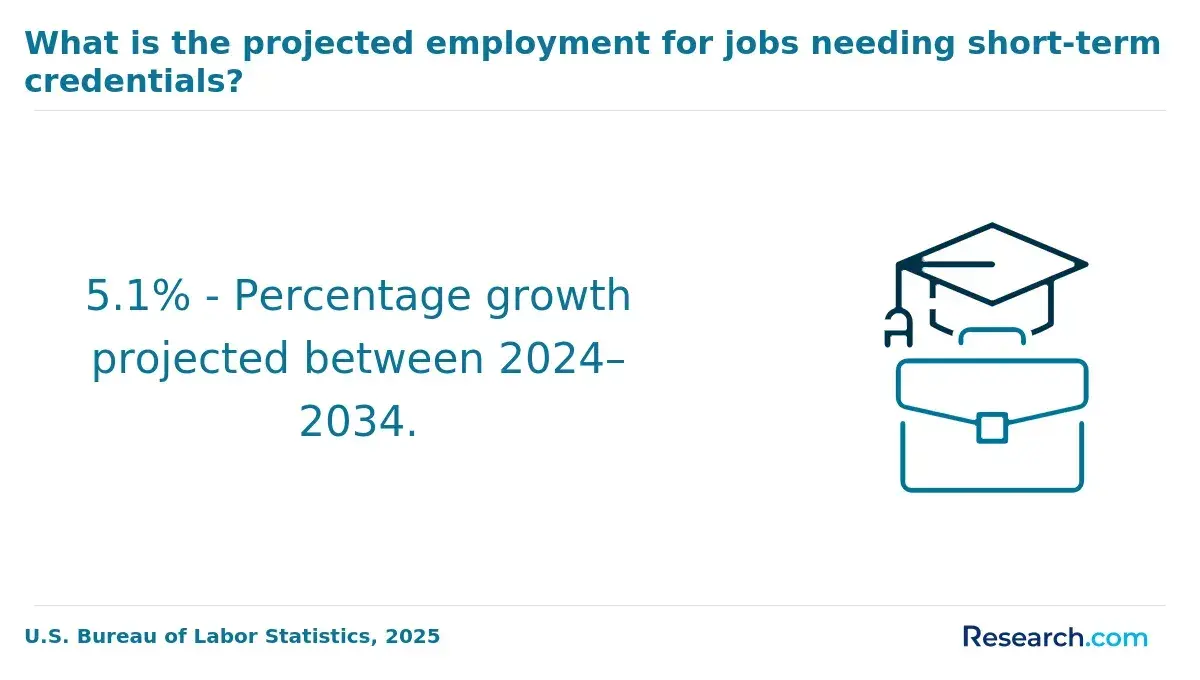
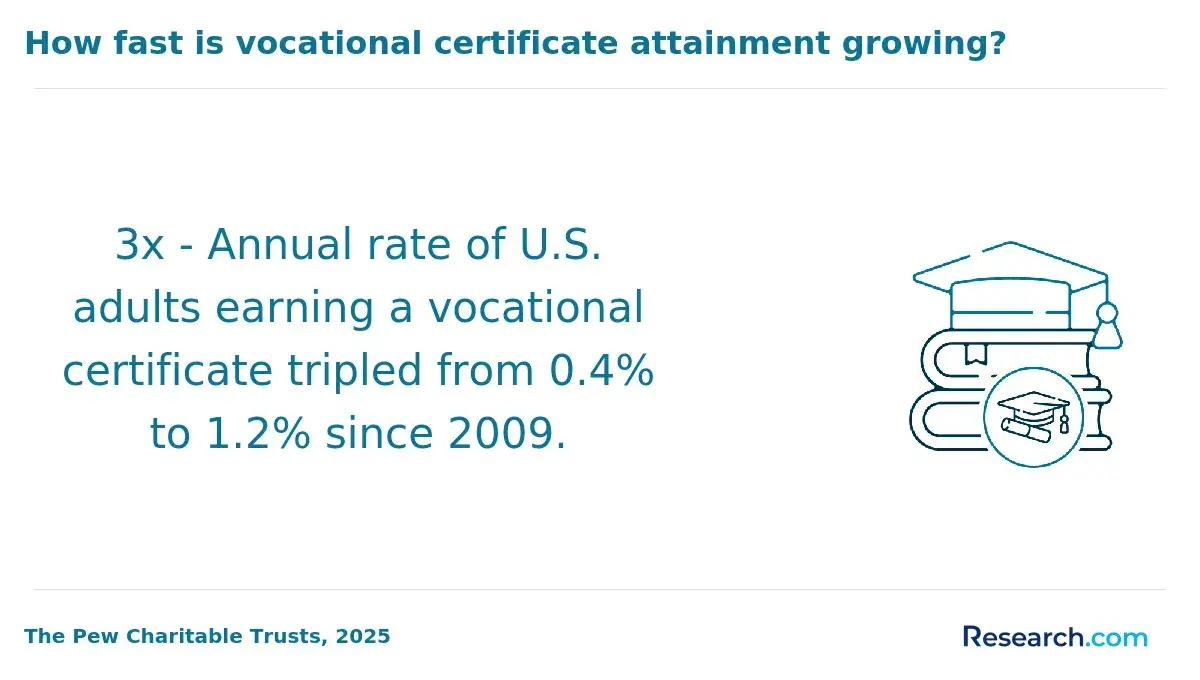
AI is changing what "entry-level ready" means. Many employers do not expect new graduates to be AI experts, but they increasingly value people who can use digital tools responsibly, verify outputs, protect data, and explain their thinking. If you need a fast way to signal job-ready skills, short credentials can help when they are tied to a real role; a guide to easy certifications to get may be useful if you choose credentials based on employer demand rather than convenience alone.
The most valuable skills for new graduates are the ones you can prove with examples. Use coursework, projects, jobs, leadership roles, or internships to show how you have used the following skill categories:
- Communication: Writing concise emails, presenting ideas, listening carefully, explaining technical information, and adjusting your message for different audiences.
- Problem-solving: Identifying the real issue, comparing options, using evidence, asking good questions, and learning from feedback.
- Digital fluency: Using spreadsheets, collaboration platforms, databases, AI tools, content systems, or field-specific software responsibly.
- Professional reliability: Meeting deadlines, showing up prepared, documenting work, following through, and escalating issues early.
- Data and analytical thinking: Interpreting numbers, spotting patterns, building simple reports, and understanding what data can and cannot prove.
- Adaptability: Learning new tools, handling changing priorities, and staying productive when instructions are incomplete.
A common mistake is listing skills without proof. "Leadership" is weak by itself; "led a five-person team that delivered a community outreach project two weeks early" is stronger because it shows context, action, and result.
How do internships improve post-graduation outcomes?
Internships improve post-graduation outcomes because they give employers evidence that you can apply classroom learning in a workplace. They also help you test career fit before committing to a full-time path. A student who learns during an internship that they dislike a certain role has gained valuable information before making a longer-term decision.
NACE research published in 2024 continues to show stronger job-offer outcomes for students with paid internship experience than for students with unpaid or no internships. That does not mean an internship guarantees a job, but it does show why paid, structured experience can be one of the highest-value activities before graduation.
If you are choosing between internship options, pay attention to the quality of the experience, not only the brand name. A strong internship should provide supervision, real tasks, feedback, and work samples you can discuss in interviews:
- Choose internships with defined responsibilities rather than vague promises of exposure.
- Ask whether interns receive mentorship, training, performance feedback, and opportunities to present work.
- Track your accomplishments during the internship so you can quantify results on your résumé later.
- Build relationships with supervisors and coworkers before the internship ends, not only when you need a reference.
- If you cannot access a formal internship, consider project-based work, research assistant roles, clinical hours, volunteer leadership, campus employment, or freelance assignments that produce measurable experience.
Unpaid internships require extra caution. They may be common in some fields, but they can create financial strain and may not always provide better outcomes than paid part-time work with transferable responsibilities. If an unpaid role offers little supervision, no portfolio value, and no clear learning goals, it may not be worth the opportunity cost.
How should you write a résumé for new graduates?
A new graduate résumé should show potential through evidence. Since you may not have years of full-time experience, the résumé should highlight internships, projects, coursework, campus leadership, part-time jobs, research, volunteer work, and technical tools that match the role.
Most new graduates should keep the résumé to one page unless they have substantial research, publications, military experience, or technical project work that justifies more space. The goal is not to include everything you have done; it is to make the employer quickly see why you fit this job.
Use this structure when building your résumé, then adjust the order based on the role:
- Place your name, phone, professional email, city and state, LinkedIn profile, and portfolio link if relevant at the top.
- Add a short skills section with role-specific tools, languages, platforms, lab methods, software, or certifications.
- List education with degree, institution, graduation date or expected date, relevant honors, and selected coursework only when it strengthens your fit.
- Describe experience using action verbs, context, and results, including internships, jobs, assistantships, projects, and leadership roles.
- Include academic or independent projects when they demonstrate job-relevant abilities such as analysis, coding, design, writing, research, or presentation.
- Tailor bullet points to the job description by emphasizing the responsibilities and outcomes most relevant to that employer.
Strong résumé bullets are specific but honest. Avoid exaggerated claims, hidden keywords, dense formatting, and responsibilities copied directly from job postings. Applicant tracking systems can read many standard résumés, but humans still make hiring decisions, so clarity matters more than tricks.
The table below contrasts weak résumé choices with stronger alternatives. Use it to revise your résumé before sending applications:
| Weak Choice | Stronger Alternative | Why It Works Better |
| Responsible for social media | Created weekly social media posts and tracked engagement trends for a campus organization | Shows the work performed and adds evidence of measurement. |
| Good communication skills | Presented research findings to a class of 35 students and answered audience questions | Demonstrates communication through a specific situation. |
| Helped customers | Resolved customer questions during peak weekend shifts while maintaining accurate transaction records | Connects service, pace, and reliability. |
| Worked on data project | Cleaned survey data in Excel and summarized findings in a dashboard for a final research project | Names tools and outputs that employers can understand. |
How do networking and career fairs help new graduates?
Networking and career fairs help new graduates access information that job boards cannot provide. They can clarify what employers actually need, reveal roles you may not have considered, and create relationships that make your application more visible.
Networking does not mean asking strangers for jobs. It means having professional conversations, learning from people in the field, and following up respectfully. Career fairs work best when you prepare before attending rather than walking in hoping something happens.
Use these steps to make networking and career fairs more productive:
- Research participating employers and choose a short list of priority organizations before the event.
- Prepare a 30-second introduction that includes your degree, target role, relevant experience, and one reason you are interested in the employer.
- Bring or upload a clean résumé, but focus the conversation on fit, questions, and next steps rather than simply handing over paper.
- Ask specific questions about entry-level hiring, training, timelines, required skills, and what makes applicants stand out.
- Send a follow-up message within 24 to 48 hours that references the conversation and thanks the person for their time.
- Maintain a simple contact list so you can reconnect later with updates, questions, or appreciation.
Common red flags include sending mass messages, asking for referrals before building rapport, failing to research the employer, or using networking only when desperate. A better habit is to schedule a few informational conversations each month, even after you get a job, because your network becomes more valuable over time.
How do you budget for life after graduation?
Budgeting after graduation means translating your new income and obligations into a plan you can actually live with. It is common for new graduates to underestimate moving costs, work clothing, transportation, health insurance, taxes, and the time between starting a job and receiving the first paycheck.
Student loans are a major planning issue. For federal loans first disbursed in the 2024-2025 academic year, undergraduate Direct Loans carry a 6.53% fixed interest rate, while graduate Direct Unsubsidized Loans carry an 8.08% fixed interest rate.
This makes it important to compare the cost of more schooling with expected career value; if graduate school is part of your plan, researching the cheapest masters degree options can help you reduce debt before you enroll.
Build your first post-graduation budget around fixed costs, flexible costs, savings, and debt. The exact amounts will vary by city and income, but the categories below are the ones most new graduates should review before signing a lease or accepting an offer:
- Housing: Rent, utilities, renter's insurance, deposits, moving costs, furniture, and whether roommates are necessary.
- Transportation: Car payment, fuel, insurance, maintenance, parking, public transit, rideshare, or relocation costs.
- Food and essentials: Groceries, household supplies, phone, internet, prescriptions, and personal care.
- Insurance and healthcare: Employer coverage premiums, out-of-pocket costs, dental or vision coverage, and the timing of any transition off a family plan.
- Debt: Federal or private student loans, credit cards, payment start dates, interest rates, and repayment plan options.
- Savings: Emergency fund, retirement contributions if available, relocation reserves, and short-term goals such as certification exams or professional clothing.
A common mistake is comparing salaries without adjusting for cost of living and benefits. A slightly lower salary with affordable health insurance, retirement matching, paid training, and a short commute may be better than a higher salary in a costly city with weak benefits.
The table below summarizes budget trade-offs that often affect new graduates. It can help you evaluate whether a decision is financially sustainable:
| Choice | Potential Advantage | Potential Trade-Off |
| Living with family temporarily | Can lower expenses and help build savings faster | May limit location flexibility or independence |
| Relocating for a job | May provide better industry access or higher pay | Requires moving costs, deposits, and a support-system reset |
| Taking a lower-paid training role | Can build credentials, experience, or a promotion path | May be difficult if loan payments or rent are high |
| Starting graduate school immediately | May be necessary for licensed or specialized careers | Can add debt and delay full-time earnings if the goal is unclear |
When should you consider graduate school after college?
You should consider graduate school after college when the degree is clearly connected to a career requirement, advancement path, licensure, or specialized skill that you cannot gain as efficiently through work experience or a certificate. You should be cautious if your main reason is avoiding the job market, delaying decisions, or assuming another degree will automatically improve outcomes.
Graduate school can make sense for fields such as counseling, social work, physical therapy, speech-language pathology, higher education administration, data science, public policy, engineering specialization, business leadership, and some teaching or healthcare roles.
However, program quality, accreditation, cost, time, and work experience all affect value. If speed matters and the field does not require a longer clinical or research pathway, one-year online master's programs may be worth comparing with traditional full-time and part-time options.
Before enrolling, answer these questions in writing. They can help you separate a strategic graduate-school decision from an emotional one:
- Is the graduate degree required, preferred, or optional for the job I want?
- Does the program have the accreditation or approval needed for licensure, certification, or employer recognition in my field?
- What is the full cost, including tuition, fees, books, technology, travel, lost income, and loan interest?
- Will I study full time, part time, online, hybrid, or on campus, and how will that affect work and finances?
- What outcomes data does the school provide, such as completion rates, licensure pass rates, employment patterns, or alumni roles?
- Could I reach the same goal through employer training, a certificate, portfolio work, or one to three years of experience first?
Graduate school is often most valuable when it solves a specific barrier. It is riskier when the goal is vague. If you do not know which role you want, working first can help you make a better graduate-school choice later and may lead to employer tuition assistance.
How do you stay on track during the first year after graduation?
The first year after graduation is a foundation year. Your goal is not to have everything figured out; it is to build habits, relationships, and evidence that move you toward better options. Career growth usually comes from steady improvement, not one perfect first job.
Create a simple review system for your first year. Every month, check whether your work, money, skills, and well-being are moving in the right direction:
- Review your job-search or career goals monthly and adjust based on interviews, feedback, market demand, and what you are learning about yourself.
- Keep a running accomplishments document with projects, metrics, positive feedback, tools learned, and problems solved.
- Schedule regular skill-building time for software, writing, analysis, public speaking, technical practice, or industry knowledge.
- Meet mentors, alumni, supervisors, or peers regularly so you do not make career decisions in isolation.
- Revisit your budget after your first few paychecks and update it when loan payments, benefits, rent, or transportation costs change.
- Protect your health by building routines for sleep, exercise, social connection, and time away from work or job searching.
Lifelong learning matters at every age, not only right after college. Graduates supporting parents, returning learners, and older adults in the family may also benefit from flexible learning resources such as open university free courses for over 60s, especially when exploring new interests or digital skills without committing to a full degree.
The most important red flag in the first year is stagnation. If you are not learning, not earning enough to meet basic needs, not building transferable skills, and not moving toward a clearer goal, it may be time to change teams, employers, location, credentials, or strategy.
Other Things You Should Know About
Start with a structured weekly plan: apply to targeted roles, contact alumni or professional connections, revise your résumé based on job descriptions, and practice interviews. Also consider temporary work, internships, fellowships, or project-based roles that build relevant experience while you continue searching.
Work first if you are unsure about your career direction or if experience can help you qualify for better roles. Go straight to graduate school when the degree is required for licensure, entry, or advancement in your chosen field and you understand the full cost and expected outcome.
There is no single amount that fits everyone, but you should plan for deposits, moving costs, first-month expenses, transportation, food, insurance, and an emergency cushion. If your income is uncertain, delaying a move or choosing roommates can reduce financial pressure.
Timelines vary by field, location, experience, and hiring season. Many graduates need several months of consistent searching, especially for competitive roles. If you are not getting responses, review your résumé, target roles, networking approach, and interview preparation rather than only increasing application volume.
References
- How To Stay on Top of Your Work in First Year https://www.ivoryresearch.com/blog/how-to-stay-on-top-of-your-work-in-first-year/
- Should You Go to Grad School Right after Undergrad? https://www.princetonreview.com/grad-school-advice/should-you-go-to-grad-school-right-after-undergrad
- How to Find a Job After Graduation: A Guide for Recent College Graduates - UNCF https://uncf.org/the-latest/how-to-find-a-job-after-graduation-a-guide-for-recent-college-graduates
- How to Create a Post-Grad Budget - Braven https://braven.org/2019/05/how-to-create-a-post-grad-budget/
- Best Career Options After Graduation: Top High-Paying Paths https://www.flashfirejobs.com/blog/best-career-options-after-graduation
- I have a degree, now what? https://targetjobs.co.uk/careers-advice/career-ideas/i-have-degree-now-what
- Life After Graduation: A Beginner’s Guide https://collegelife.co/magazine/life-after-graduation-guide
- 4 tips for managing money after graduating college https://www.citizensbank.com/learning/managing-money-for-recent-college-graduates.aspx
- Navigating Career Fairs: Tips for Making the Most of Networking Season - Gravity IT Resources https://www.gravityitresources.com/tips-for-navigating-career-fairs/
- How to Build Your Financial Life After Graduation https://www.comerica.com/insights/personal/assorted-finance/how-to-build-your-financial-life-after-graduation.html