2027 How to Build Experience Before Graduation

Co-Founder and Chief Data Scientist
Graduating with a degree but little experience can make the job search harder than it needs to be. BLS 2024 data show workers age 25 and older with a bachelor's degree had median weekly earnings of $1,543, but employers still look for proof that students can apply what they learned.
This guide is for college students, career changers, and adult learners who want stronger resumes before graduation. You'll learn which experience-building options matter most and how to choose the right mix for your goals.
Key Things You Should Know
- Start with experience that produces evidence: a completed project, supervisor reference, portfolio sample, measurable result, publication, certification, or leadership outcome.
- BLS 2024 data show bachelor's degree holders had median weekly earnings of $1,543, but degree value is strongest when paired with marketable skills and proof of workplace readiness.
- The best pre-graduation strategy usually combines one career-aligned role, one skill-building project, and one networking channel rather than trying every opportunity at once.
What are the most effective ways to build meaningful experience before graduation?
The most effective way to build experience before graduation is to choose activities that simulate real work, create visible proof of your skills, and connect directly to the roles you plan to pursue. "Experience" does not have to mean a full-time job; it can include internships, undergraduate research, freelance work, practicum courses, student leadership, volunteer work, capstone projects, clinical hours, lab work, or supervised part-time roles.
Use the table below to compare common experience-building options by what they prove to employers. The strongest choice is usually the one that matches your target field and gives you something concrete to discuss in interviews.
| Experience type | Best fit | What it proves to employers | Main limitation |
| Internship | Students targeting competitive entry-level roles | Workplace readiness, industry exposure, communication, deadlines | Can be competitive or unpaid in some fields |
| Co-op | Engineering, business, technology, healthcare-adjacent, and applied programs | Longer-term job responsibility and deeper technical skill | May extend time to graduation |
| Part-time job | Students who need income while studying | Reliability, customer service, teamwork, time management | May need extra effort to connect duties to career goals |
| Research or lab work | Students considering graduate school, science, policy, analytics, or academic careers | Analysis, documentation, problem-solving, data interpretation | Often requires faculty relationships and persistence |
| Portfolio project | Design, writing, marketing, data, software, media, and business students | Applied skill and independent execution | Quality matters more than quantity |
| Campus leadership | Students seeking management, education, nonprofit, communications, or business roles | Initiative, planning, budgeting, conflict resolution | Needs measurable outcomes to stand out |
The best strategy is to work backward from your target job posting. If most postings ask for Excel, Python, patient interaction, classroom observation, writing samples, sales experience, lab protocols, or public speaking, prioritize activities that let you practice and document those exact requirements.
If you are still choosing a major or considering an accelerated path, comparing fast online degrees that pay well can help you connect academic choices with career-aligned experience opportunities earlier.
How can internships, co-ops, and part-time jobs strengthen my resume while in school?
Internships, co-ops, and part-time jobs strengthen your resume because they show that you can perform in real environments, not just complete coursework. Employers often use these experiences as evidence of professionalism, coachability, reliability, and readiness for entry-level responsibilities.
The difference between a weak work experience and a strong one is not always the job title. It is how clearly you can connect your duties to business, technical, clinical, creative, or service outcomes. A cashier role can support a business resume if you track sales, train new staff, resolve customer issues, or manage closing procedures; a campus IT help desk role can support a technology resume if you document tickets resolved, systems used, and troubleshooting patterns.
To make a school-year job or internship more valuable, focus on the type of evidence you can collect before the role ends:
- Ask your supervisor which outcomes matter most, such as response time, customer satisfaction, accuracy, sales volume, event attendance, or project completion.
- Keep a weekly record of responsibilities, tools used, problems solved, and measurable results so you do not have to reconstruct details months later.
- Volunteer for one stretch assignment, such as preparing a report, leading a shift, improving a process, mentoring a new worker, or presenting findings.
- Request feedback before the midpoint of the role so you have time to improve and earn a stronger reference.
- Save non-confidential samples of your work, such as public-facing flyers, dashboards with private data removed, training materials, or project summaries.
Co-ops can be especially valuable because they often place students in longer work rotations with greater responsibility. The trade-off is that a co-op may delay graduation or require careful financial planning, so it makes the most sense when the work experience is directly tied to your intended career path.
What types of projects, portfolios, and research experiences impress employers the most?
The projects that impress employers most are specific, complete, relevant, and easy to evaluate. A strong project does not need to be famous or complex; it needs to show a real problem, your role, the tools or methods you used, the result, and what you learned.
Employers and graduate programs tend to value projects that mirror the work of the field. For example, a marketing student might analyze campaign performance, a computer science student might build a working application, a psychology student might assist with data coding under faculty supervision, and an education student might design a lesson plan with reflection on student learning.
Before adding a project to your resume or portfolio, make sure it answers these questions clearly:
- What problem, question, client need, or user need did the project address?
- What was your individual contribution if the work was completed by a team?
- Which tools, methods, frameworks, datasets, equipment, or standards did you use?
- What changed because of the project, even if the result was small or experimental?
- What would you improve if you had more time, data, resources, or feedback?
Research experience is especially useful if you are considering graduate school, healthcare, public policy, data analysis, laboratory science, or academic careers. It can show that you understand evidence, documentation, ethical procedures, and uncertainty. If your research cannot be shared publicly, create a short plain-language summary that explains the research question, your tasks, and the skills developed without revealing restricted information.
A common mistake is building a portfolio with too many unfinished or low-quality samples. Three polished examples with context are usually more persuasive than ten disconnected files with no explanation.
How can volunteering, campus leadership, and student clubs develop career-ready skills?
Volunteering, campus leadership, and student clubs can build career-ready skills when you treat them as structured work, not just extracurricular participation. These activities are especially useful for students who cannot take an unpaid internship or who need flexible ways to gain leadership, communication, event planning, mentoring, fundraising, budgeting, or community engagement experience.
The key is to choose roles with responsibility. Being a member of a club is less powerful than managing a budget, coordinating volunteers, leading recruitment, organizing an event, writing a newsletter, running social media, conducting outreach, or presenting results to stakeholders.
Look for opportunities that let you practice skills employers can recognize:
- Leadership roles that require planning, delegation, conflict resolution, and accountability.
- Volunteer roles that involve direct service, documentation, client communication, or logistics.
- Student organization roles that include budgeting, fundraising, marketing, operations, or training.
- Peer mentoring or tutoring roles that show communication, patience, subject knowledge, and reliability.
- Competition teams, case competitions, debate, model government, robotics, or entrepreneurship clubs that produce visible outcomes.
For adult learners, parents, and students with limited time on campus, flexible online programs and student support models can make experience-building more realistic. If family responsibilities are a major factor, reviewing college programs for moms can help identify formats designed around scheduling constraints.
How do online learning, certificates, and microcredentials help me gain experience faster?
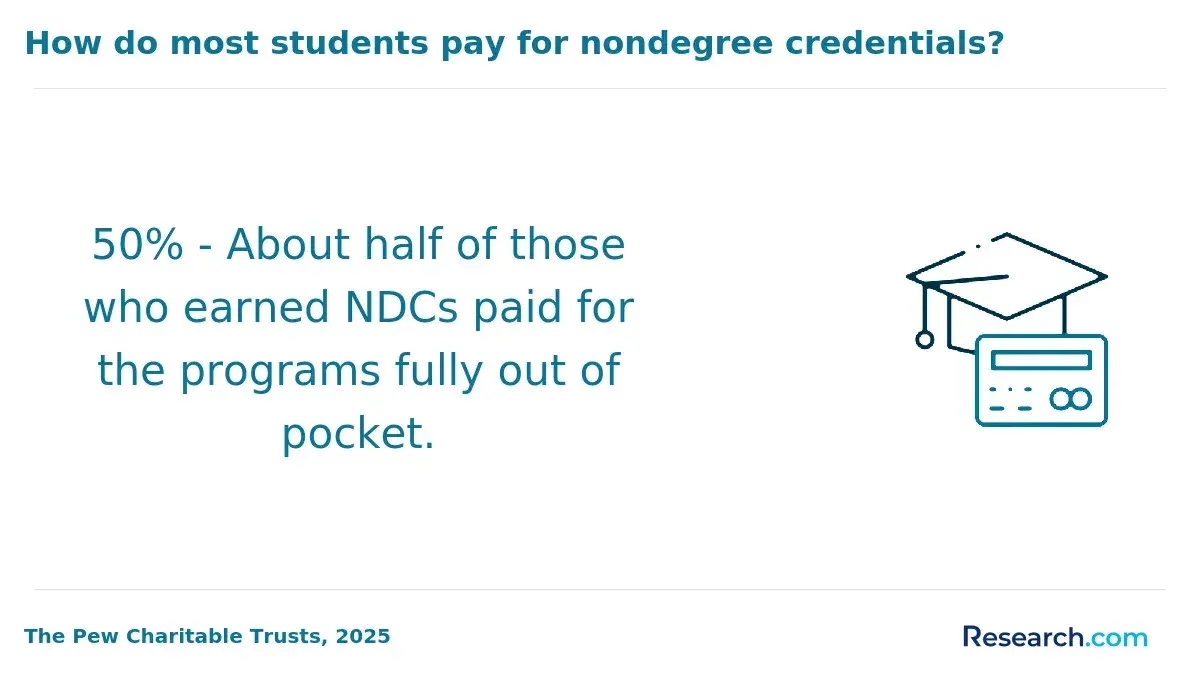
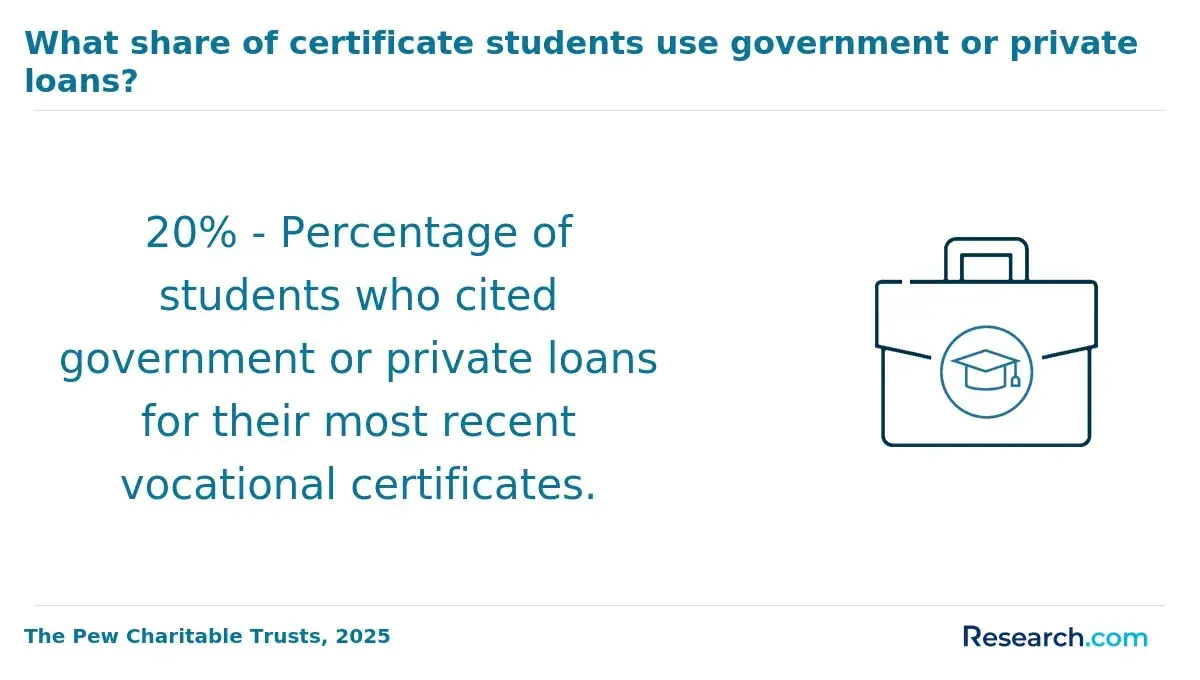
Online learning, certificates, and microcredentials can help you gain experience faster by filling skill gaps that your degree program may not cover in time. They are most useful when they teach a tool, method, or workflow that appears in job descriptions, such as data visualization, bookkeeping software, project management, coding, digital marketing analytics, cloud platforms, medical terminology, or instructional design tools.
A certificate is not a replacement for a degree when a role requires a specific credential, licensure pathway, or accredited program. However, it can make your experience more credible when paired with a project. For example, a data analytics certificate becomes stronger if you also publish a clean dashboard, explain your dataset, and summarize your findings.
Use this comparison to understand when different learning formats make sense. The goal is not to collect credentials endlessly, but to choose the shortest credible path to a demonstrable skill.
| Learning option | Best use | What to verify | Resume value |
| Short online course | Learning one tool or concept quickly | Course quality, hands-on assignments, current software versions | Moderate unless paired with a project |
| Professional certificate | Building job-relevant skills in a structured sequence | Employer recognition, assessment rigor, portfolio outputs | Strong when aligned with target postings |
| Industry certification | Meeting a recognized technical or professional standard | Exam requirements, renewal rules, employer demand | Can be strong in IT, healthcare, finance, and project-based fields |
| Microcredential or digital badge | Documenting a focused competency | Issuer credibility and assessment method | Useful as supporting evidence, not a standalone substitute |
Be cautious of expensive credentials that make broad salary promises, do not include assessments, or are not recognized by employers in your field. If your academic record has made admission planning more complicated, exploring an online college with no GPA requirements may help you compare more flexible pathways while you continue building experience.
What networking strategies should students use to connect with professionals before graduating?
Networking before graduation is not about asking strangers for jobs. It is about learning how a field works, building professional familiarity, and creating opportunities for advice, referrals, mentorship, and informational interviews. The earlier you start, the less pressure each conversation carries.
A practical student networking plan should include a mix of low-pressure and high-value conversations. Start with people who already have a reason to respond: alumni, professors, teaching assistants, internship supervisors, club speakers, family contacts, local employers, and professionals who attended campus events.
Use this sequence to make outreach less awkward and more productive:
- Identify one target role or industry so your outreach feels focused rather than random.
- Find three professionals whose career paths are relevant to your interests.
- Send a short message asking for 15 minutes of advice, not a job.
- Prepare three questions about skills, hiring expectations, entry-level roles, or mistakes to avoid.
- After the conversation, send a thank-you note and mention one specific insight you found useful.
- Follow up later with a brief update if you used their advice, completed a project, or applied for a related role.
AI and automation are changing networking as well. Recruiters increasingly use digital profiles, keyword searches, and applicant tracking systems to identify candidates, so your online presence should reinforce the same skills and experiences you discuss in conversations.
How can I leverage career services, advisors, and alumni networks at my college?
Career services, academic advisors, faculty mentors, and alumni networks can save you time because they already understand your school's programs, employer relationships, internship cycles, and common student barriers. Many students wait until senior year to use these resources, but they are most valuable when used early enough to shape course selection, experience planning, and application timing.
Career services can help with resumes, mock interviews, job boards, career fairs, employer information sessions, internship searches, and salary negotiation basics. Academic advisors can help you sequence courses so you qualify for practicums, labs, fieldwork, study abroad, clinical placements, or capstone projects at the right time. Faculty can point you toward research, teaching assistant roles, conferences, and graduate school preparation.
Before meeting with campus support staff, bring specific questions so the conversation leads to action:
- Which internships, practicums, labs, or field experiences do students in my major commonly complete?
- Which employers have hired students from this program recently?
- What technical skills or software should I learn before applying?
- Are there alumni who agreed to speak with current students?
- Which courses include projects that can become portfolio samples?
- What deadlines should I know for internships, scholarships, clinical placements, or research assistantships?
If you are reconsidering your academic path because the workload, timeline, or prerequisites do not match your life, comparing easy bachelor degrees can help you understand which programs may be more manageable while still requiring serious academic effort.
How do I balance coursework, experience-building activities, and part-time work without burnout?
Balancing coursework, experience-building, and paid work requires treating your time like a limited resource. The goal is not to do more than everyone else; it is to choose the right activities at the right intensity and stop before your grades, health, relationships, or finances become unstable.
A strong experience plan should account for credit load, commute time, work hours, caregiving responsibilities, sleep, and recovery. Students who are already working many hours may benefit more from making their current job resume-relevant than adding an unpaid internship on top of everything else.
Use these guardrails to reduce overload while still making progress:
- Choose one primary career-building activity per term, such as an internship, research role, leadership position, or major portfolio project.
- Block study time first, then add work and experience activities around your most demanding courses.
- Use semester breaks for short projects, job shadowing, informational interviews, or certification study.
- Set a stop rule, such as dropping a low-value activity if your grades fall, sleep becomes irregular, or work hours become unmanageable.
- Tell supervisors and project teammates your realistic availability before deadlines become a problem.
A common red flag is saying yes to activities only because they "look good." If an activity does not build a skill, produce evidence, connect you with people, provide income, or support your well-being, it may not deserve space in your schedule.
How should I document and translate my college experiences into a strong resume and LinkedIn?
Documenting your experience is just as important as gaining it. Many students complete valuable work but describe it in vague language, such as "helped with events" or "worked on a team project." Strong resumes and LinkedIn profiles translate activities into responsibilities, tools, outcomes, and skills that employers can recognize quickly.
Keep a simple experience log throughout college. Include dates, role titles, supervisors, tools used, deliverables, results, feedback, and links to non-confidential work samples. This habit makes it easier to build resumes for internships, graduate school, scholarships, and entry-level jobs.
The table below shows how different student experiences can become stronger resume evidence. Use it to recognize which details are worth saving while the experience is still fresh.
| College experience | Weak description | Stronger evidence to document | Where it can appear |
| Group project | Worked on a class presentation | Role, research method, tools used, final recommendation, presentation audience | Resume project section, portfolio, LinkedIn featured item |
| Part-time job | Helped customers | Volume handled, systems used, training duties, service improvements | Experience section |
| Student club | Participated in meetings | Events organized, budget managed, members recruited, partnerships created | Leadership section |
| Research assistantship | Assisted professor | Data tasks, lab procedures, literature review duties, poster or publication support | Research section, graduate school CV |
| Volunteer role | Volunteered weekly | Population served, hours, responsibilities, outcomes, training completed | Experience or community service section |
On LinkedIn, use your headline to combine your student status with your target area, such as "Marketing Student Interested in Consumer Insights" or "Computer Science Student Building Web Applications." Your About section should briefly state what you are studying, what skills you are building, and what opportunities you are seeking.
One of the biggest mistakes is waiting until graduation to write everything down. By then, you may forget numbers, tools, names, and outcomes that would have made your resume much stronger.
How can early experience in college improve my salary potential and job outlook after graduation?
Early experience can improve your salary potential and job outlook by helping you compete for stronger entry-level roles, negotiate with better evidence, and avoid graduating with a resume that relies only on coursework. It does not guarantee a specific salary, but it can make your qualifications easier for employers to evaluate.
BLS 2024 education data show that workers age 25 and older with a bachelor's degree had a 2.5% unemployment rate, compared with 4.2% for workers whose highest credential was a high school diploma. This does not mean every major or job has the same outcome, but it shows why combining a degree with work-ready experience can be a stronger labor market strategy than relying on either one alone.
Experience also helps you test whether a career fits before you invest more time or money. A student interested in healthcare may discover through volunteering that patient interaction is energizing or stressful. A business student may learn through an internship that they prefer analytics over sales. A computer science student may use projects to decide between software engineering, cybersecurity, or data roles.
The salary impact depends heavily on field, location, employer, technical skill level, licensure requirements, and the quality of your experience. If compensation is a major factor in your planning, reviewing highest paying careers can help you compare degree-to-career pathways with realistic expectations.
For the best return on your college experience, aim to graduate with three things: a credential, a record of applied work, and a network of people who can speak to your growth. That combination gives you more options than a degree alone.
Other Things You Should Know About
Start in your first year if possible, even with small steps such as joining a career-related club, attending employer events, volunteering, or completing a beginner project. By sophomore year, try to add a role or project that connects more directly to your target field.
Look for paid internships, on-campus jobs, federal work-study roles, part-time jobs with transferable skills, project-based courses, research assistantships, and volunteer roles with flexible hours. You can also make your current job more resume-relevant by tracking outcomes, tools, training duties, and leadership responsibilities.
It depends on the field and employer. Some roles, scholarships, and graduate programs use GPA as an important screening factor, while many entry-level employers also look closely at internships, projects, technical skills, and references. A strong application usually shows both academic reliability and applied experience.
There is no universal number, but a strong goal is to graduate with at least one career-aligned work or research experience, one polished project or portfolio sample, and a few professional contacts who know your work. Quality and relevance matter more than collecting many unrelated activities.
References
- From Skills to Success: How Micro-Credentials Are Shaping the Future of Work - ICDL Global https://icdl.org/how-micro-credentials-are-shaping-the-future-of-work/
- Micro Credentials Overview https://www.icagile.com/micro-credentials-overview
- How does a college degree improve graduates’ employment and earnings potential? - APLU https://www.aplu.org/our-work/4-policy-and-advocacy/publicuvalues/employment-earnings/
- Processim Labs— Processim Labs Blog: Insights, Tips & Industry Trends https://www.processimlabs.com/blog/how-student-organizations-build-community-and-career-readiness
- How to Balance Part-Time Study and Full-Time Work: 5 Practical Tips https://www.lemon8-app.com/@psbacademy/7522681112146264583
- 3 Remarkable Services College Alumni Can Access Through Career Services https://cdbusiness.ksu.edu/blog/2025/03/21/3-remarkable-services-college-alumni-can-access-through-career-services/
- How to best prepare for your early career after graduating https://www.eventusrecruitmentgroup.com/advice/preparing-for-your-early-career-after-graduating/
- What Makes a “Good” Project Experience on Your Resume | Kabel - Job Platform https://kabel.my/students-graduates/career-advice/what-makes-a-good-project-experience-on-your-resume/
- 10 Essential Networking Tips for Students to Help Build Strong Connections - Luxury Student Homes https://www.luxurystudenthomes.co.uk/networking-tips-for-students/