2027 What Can You Do With a Business Degree?

Co-Founder and Chief Data Scientist
A business degree can open doors in finance, marketing, operations, analytics, human resources, entrepreneurship, and management, but the right path depends on your goals and budget. The U.S. Bureau of Labor Statistics reports that business and financial occupations had a May 2024 median annual wage of $80,920, well above the median for all occupations.
This guide is for students, career changers, and working adults comparing degree options. You will learn which business degrees fit different careers, what they cost, how online programs compare, and how to evaluate return on investment.
Key Things You Should Know
- A business degree can lead to roles in accounting, finance, marketing, analytics, logistics, HR, sales, consulting, and management. BLS data shows business and financial occupations had a May 2024 median wage of $80,920.
- College Board's 2024 data lists average published tuition and fees at $11,610 for in-state public four-year colleges and $43,350 for private nonprofit four-year colleges, before aid.
- Certificates and associate degrees can support entry-level work, bachelor's degrees fit most business career tracks, and MBAs or specialized master's degrees are usually most useful for advancement or career switching.
What can you do with a business degree across different industries and job roles?
A business degree is a broad credential that teaches how organizations make decisions, manage money, market products, lead teams, analyze data, and improve operations. Because nearly every industry needs these functions, business majors can work in corporations, banks, hospitals, government agencies, startups, nonprofits, insurance companies, tech firms, and consulting organizations.
The most useful way to think about business careers is by function, not just industry. The table below compares common business career areas, what people in those roles usually do, and who each path tends to fit best.
| Business career area | Common roles | Typical responsibilities | Best fit for students who like |
| Accounting and audit | Staff accountant, auditor, tax associate, accounting analyst | Prepare financial statements, review records, support tax filings, check compliance | Detail, rules, accuracy, financial documentation |
| Finance | Financial analyst, credit analyst, investment analyst, financial planning associate | Evaluate budgets, forecast performance, analyze investments, support financing decisions | Numbers, markets, risk, strategy |
| Marketing | Marketing coordinator, brand specialist, market research analyst, digital marketing associate | Study customers, plan campaigns, analyze competitors, measure campaign performance | Creativity, consumer behavior, communication, analytics |
| Operations and supply chain | Operations analyst, logistics coordinator, procurement specialist, supply chain analyst | Improve processes, manage vendors, coordinate inventory, reduce delays and costs | Systems, problem-solving, efficiency, planning |
| Human resources | HR specialist, recruiter, benefits coordinator, training coordinator | Recruit employees, support benefits, manage employee records, coordinate training | People, workplace policy, communication, conflict resolution |
| Business analytics | Business analyst, data analyst, operations research analyst | Use data to identify trends, improve decisions, build dashboards, explain findings | Data, technology, statistics, decision-making |
| Management and consulting | Management trainee, project coordinator, consultant, general manager | Lead teams, manage projects, evaluate performance, recommend improvements | Leadership, strategy, communication, cross-functional work |
Business graduates are also increasingly expected to understand technology. AI tools now support forecasting, customer segmentation, financial modeling, résumé screening, workflow automation, and data visualization. That does not remove the need for business judgment; it raises the value of graduates who can interpret data, ask good questions, communicate clearly, and use technology responsibly.
A business degree may not be necessary for every business-related job. If your goal is a fast career pivot into a narrower skill area, such as bookkeeping, project coordination, payroll, digital marketing, or sales support, some jobs that only require a certificate may be worth comparing before committing to a full degree.
What types of business degrees are available, and which level is right for you?
Business degrees are available from short undergraduate credentials through doctoral study. The right level depends on your current education, target role, timeline, and whether you need a broad foundation or advanced specialization.
The comparison below shows how each degree level usually fits into a business career path. Requirements vary by school, but this framework can help you avoid overpaying for a credential that is either too limited or more advanced than you need.
| Degree level | Typical length | Common program names | Best for | Limitations to consider |
| Certificate | A few months to one year | Business administration, bookkeeping, project management, digital marketing, entrepreneurship | Skill-building, career exploration, résumé enhancement | May not meet degree requirements for analyst, management, or accounting roles |
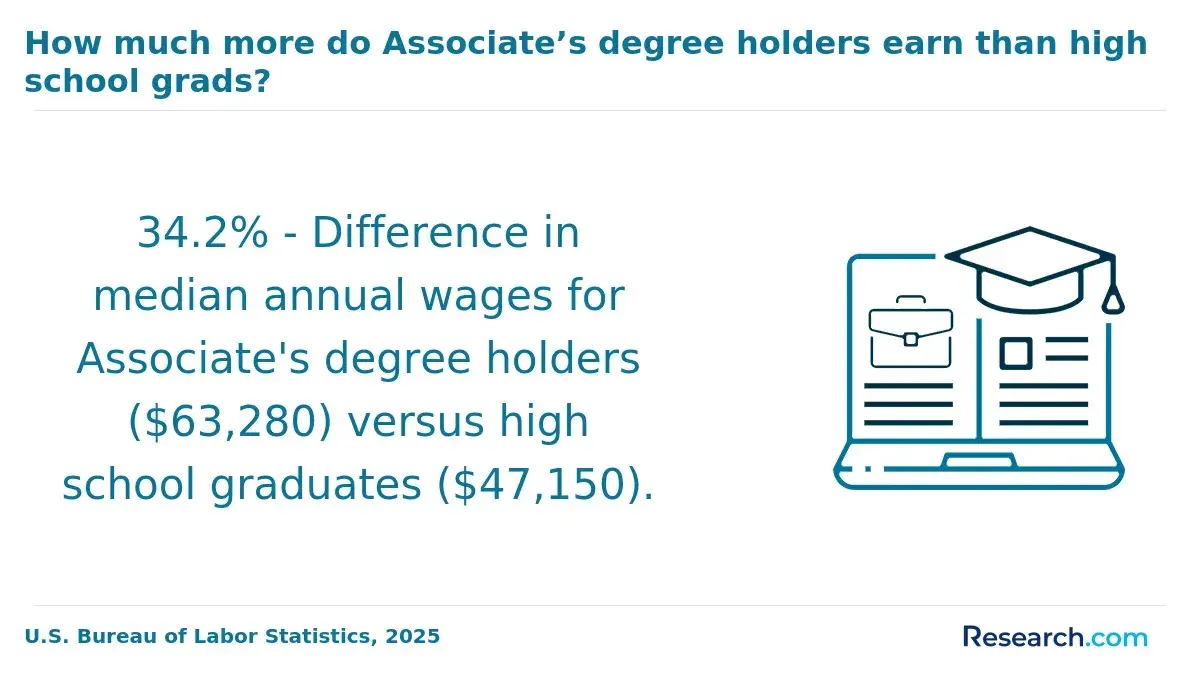
| Associate degree | About two years full time | Associate of Science in Business, Associate of Applied Science in Business Administration | Entry-level office, sales, support, or transfer pathways | Often less competitive than a bachelor's degree for corporate analyst tracks |
| Bachelor's degree | About four years full time, less with transfer or acceleration | BSBA, BBA, BS in Accounting, BS in Finance, BS in Marketing | Most business career paths, graduate school preparation, management-track roles | ROI depends heavily on cost, internship access, career services, and concentration |
| Master's degree | One to three years depending on format | MBA, MS in Finance, MS in Business Analytics, MS in Management, Master of Accounting | Career advancement, specialization, leadership, career switching | Often most valuable after you have work experience or a clear career target |
| Doctorate | Three to seven years | DBA, PhD in Business, PhD in Management | Research, teaching, executive consulting, senior applied leadership | Usually unnecessary for most corporate business roles |
A bachelor's degree is the standard choice if you want flexibility. It can qualify you for many entry-level business analyst, finance, marketing, HR, operations, and management-trainee positions. If you already have college credits, accelerated and transfer-friendly options, including 2-year bachelor degree programs, can shorten your time to completion, but you should verify credit transfer policies before enrolling.
A master's degree makes more sense when it solves a specific problem. You need a credential for promotion, want to move into analytics or finance, need CPA education credits, or are using an MBA to change industries. If you are early in your career and unsure of your direction, gaining work experience before graduate school can make the degree more strategic.
What are the most in-demand and highest-paying jobs you can get with a business degree?
The most in-demand and highest-paying business jobs tend to combine business knowledge with analytics, financial decision-making, technology, regulatory knowledge, or leadership responsibility. Entry-level roles usually pay less than the medians below, while experienced professionals in high-cost metro areas or specialized industries may earn more.
The table below summarizes selected business-related occupations using BLS May 2024 median annual wage data and BLS 2023-2033 employment projections published in 2024. Use these figures as labor-market benchmarks, not salary promises.
| Occupation | Relevant business degree path | May 2024 median annual wage | Projected growth, 2023-2033 | Why it can be attractive |
| Financial manager | Finance, accounting, business administration, MBA | $161,700 | 17% | High responsibility for budgets, risk, reporting, and strategy |
| Marketing manager | Marketing, business administration, analytics, MBA | $159,660 | 8% | Combines strategy, customer insight, brand management, and revenue growth |
| Management analyst | Business administration, management, analytics, MBA | $101,190 | 11% | Consulting and process-improvement roles often reward analytical communication |
| Financial analyst | Finance, economics, accounting, business analytics | $101,910 | 9% | Strong fit for students who enjoy forecasting, markets, and investment decisions |
| Operations research analyst | Business analytics, operations, statistics, management science | $91,290 | 23% | Fast-growing path for students comfortable with quantitative modeling |
| Accountant or auditor | Accounting, business administration with accounting concentration | $81,680 | 6% | Stable path with clear advancement options, especially for CPA-track students |
| Logistician | Supply chain management, operations, business analytics | $80,880 | 19% | Demand is tied to resilient supply chains, inventory planning, and distribution |
| Market research analyst | Marketing, business analytics, statistics | $76,950 | 8% | Good fit for students who want a blend of customer research and data analysis |
| Human resources specialist | Human resource management, business administration, organizational leadership | $72,910 | 8% | Offers a people-focused route into recruiting, benefits, compliance, and training |
For many students, the strongest early-career strategy is to pair a business major with evidence of job-ready skills. Internships, Excel and data visualization projects, accounting software experience, CRM exposure, case competitions, and portfolio-ready analytics work can make a general business degree more marketable.
Do not choose a major based only on the highest median wage. Higher-paying paths often require more quantitative skill, longer experience, industry knowledge, or credentials. For example, financial manager roles usually require years of experience, and accounting leadership roles may strongly favor CPA licensure.
What concentrations or specializations can you choose in a business degree program?
Business concentrations help you turn a broad degree into a clearer career signal. A general business administration major can be useful, but employers often look for coursework, internships, and projects that match the function you want to enter.
The table below explains common business specializations and the career goals they support. If you are undecided, choose a concentration that builds transferable skills rather than one that only sounds interesting.
| Concentration | What you study | Career paths it supports | Good choice if you want |
| Accounting | Financial reporting, audit, taxation, accounting systems, managerial accounting | Accountant, auditor, tax associate, controller pathway | A structured field with credential pathways and clear technical standards |
| Finance | Corporate finance, investments, risk, valuation, financial modeling | Financial analyst, credit analyst, investment operations, financial planning | A numbers-heavy path tied to capital decisions and business performance |
| Marketing | Consumer behavior, market research, branding, digital marketing, campaign analytics | Marketing coordinator, market research analyst, brand associate, growth marketing | A mix of creativity, customer insight, and measurable results |
| Business analytics | Statistics, databases, dashboards, predictive modeling, decision analytics | Business analyst, data analyst, operations analyst, analytics consultant | A technology-forward business role without becoming a full software engineer |
| Supply chain management | Procurement, logistics, inventory, operations, global supply networks | Logistics coordinator, supply chain analyst, procurement specialist | Work that improves how products, services, and materials move |
| Human resource management | Recruiting, employment law, compensation, training, employee relations | HR specialist, recruiter, benefits coordinator, training specialist | A people-centered business career with policy and compliance responsibilities |
| Entrepreneurship | Business planning, venture finance, innovation, small business management | Founder, business development associate, startup operations, family business manager | Building or growing ventures, especially when paired with industry experience |
| International business | Global strategy, trade, cross-cultural management, international finance | Global operations, export/import coordination, international market research | Business roles involving global suppliers, customers, or markets |
If you are unsure, business analytics, accounting, finance, and supply chain often provide more technical signals than a broad management concentration. However, management can be a strong fit when combined with leadership experience, project work, sales results, military experience, or industry-specific knowledge.
A common mistake is choosing a concentration based only on personality labels, such as "I like people, so I'll choose HR" or "I'm creative, so I'll choose marketing." Instead, review job descriptions in your target area and check which software, projects, internships, and technical skills appear repeatedly.
What classes and skills do business degree programs typically include?
Business degree programs typically combine core business courses, general education, electives, and experiential learning. The goal is to help students understand how organizations operate while building analytical, communication, and decision-making skills.
Most undergraduate business programs include a core sequence similar to the one below. The exact names vary by school, but these subjects form the foundation for many business careers.
- Financial accounting and managerial accounting, which teach how organizations record, interpret, and use financial information.
- Business statistics and analytics, which help students evaluate data, understand uncertainty, and make evidence-based recommendations.
- Microeconomics and macroeconomics, which explain markets, incentives, pricing, employment, inflation, and economic policy.
- Finance, which covers capital budgeting, valuation, risk, financing decisions, and financial planning.
- Marketing, which focuses on customers, segmentation, branding, pricing, promotion, and market research.
- Operations and supply chain management, which examine process design, quality, logistics, procurement, and efficiency.
- Management and organizational behavior, which cover leadership, teams, motivation, workplace culture, and change management.
- Business law and ethics, which introduce contracts, liability, compliance, governance, and responsible decision-making.
- Information systems, which explore how businesses use software, databases, cybersecurity practices, and digital tools.
Skills matter as much as course titles. Employers often expect business graduates to turn information into decisions and communicate those decisions clearly. That means you should graduate with examples of your work, not only a transcript.
The most valuable skills to build during a business degree include the following:
- Data literacy, including spreadsheets, dashboards, basic statistics, and the ability to explain what the numbers mean.
- Financial reasoning, including budgeting, cost analysis, forecasting, and understanding profitability.
- Written and verbal communication, especially concise emails, presentations, reports, and stakeholder updates.
- Problem-solving, including defining the issue, comparing options, recommending action, and measuring results.
- Technology fluency, including Excel, Power BI or Tableau, accounting systems, CRM platforms, project management tools, and responsible AI use.
- Collaboration and leadership, including managing conflict, planning work, and contributing in cross-functional teams.
To make the degree more practical, look for programs that include internships, capstone projects, simulations, consulting projects, case competitions, student investment funds, entrepreneurship labs, or employer-sponsored assignments. These experiences can help you explain your value in interviews.
How do online business degree programs compare with on-campus options?
Online and on-campus business degrees can lead to similar academic credentials when they come from accredited institutions, but the experience can be very different. The best choice depends on your schedule, learning style, networking needs, and need for flexibility.
The table below compares online and on-campus business programs across decision factors that matter for working adults, traditional students, and career changers.
| Factor | Online business degree | On-campus business degree | Decision point |
| Schedule | Often asynchronous or evening-friendly | Usually follows fixed class times | Online is stronger for working adults and caregivers |
| Networking | May rely on virtual events, discussion boards, alumni platforms, and regional meetups | More spontaneous access to clubs, events, faculty, and peers | Campus may be better if you want a highly social college experience |
| Internships | May require students to find local or remote opportunities | Often tied to campus recruiting and regional employers | Ask both formats how internship placement actually works |
| Learning style | Requires self-direction, time management, and comfort with digital tools | Provides more face-to-face structure and immediate classroom interaction | Choose the format that matches how you stay accountable |
| Cost | May reduce housing, commuting, and relocation costs | May include higher living and campus-related expenses | Compare total cost, not tuition alone |
| Program pace | May offer accelerated, part-time, or competency-based options | Often follows semester or quarter pacing | Flexible pacing can help experienced students move faster |
Online business degrees work best for students who are disciplined, comfortable communicating in writing, and able to protect weekly study time. They can also be practical for adults who want to keep working while earning a credential.
Competency-based programs are a growing option for students who already have business experience and want to progress by demonstrating mastery rather than simply sitting through a fixed number of weeks. If that model interests you, compare policies at the best competency-based colleges and ask how assessments, faculty support, and employer recognition work.
On-campus programs may be better if you want a residential experience, frequent in-person networking, campus recruiting, or access to specialized facilities. Hybrid programs can offer a middle ground, especially for students who want some face-to-face support without commuting every day.
How long does it take to earn a business degree, and what does it cost?
The time and cost of a business degree depend on degree level, school type, transfer credits, enrollment pace, residency status, delivery format, and financial aid. A lower sticker price does not always mean a lower net cost, and a faster program is not always cheaper if it charges by term or has strict pacing requirements.
College Board's 2024 Trends in College Pricing data reported average published tuition and fees of $11,610 for in-state students at public four-year institutions and $43,350 at private nonprofit four-year institutions for the 2024-2025 academic year. Because many students receive grants or scholarships, you should compare net price, not just advertised tuition.
The table below summarizes typical timelines and cost drivers. It is designed to help you identify which questions to ask before enrolling.
| Program type | Typical completion time | Main cost drivers | Ways students may reduce cost |
| Business certificate | A few months to one year | Program length, software fees, exam fees, whether credits apply to a degree | Employer tuition benefits, community college options, stackable credentials |
| Associate degree in business | About two years full time | Local tuition, books, fees, transferability | Community college, transfer pathways, in-district tuition |
| Bachelor's degree in business | About four years full time; shorter with transfer credits | Residency status, school type, living costs, online fees, credit requirements | Transfer credits, prior learning assessment, scholarships, public institutions |
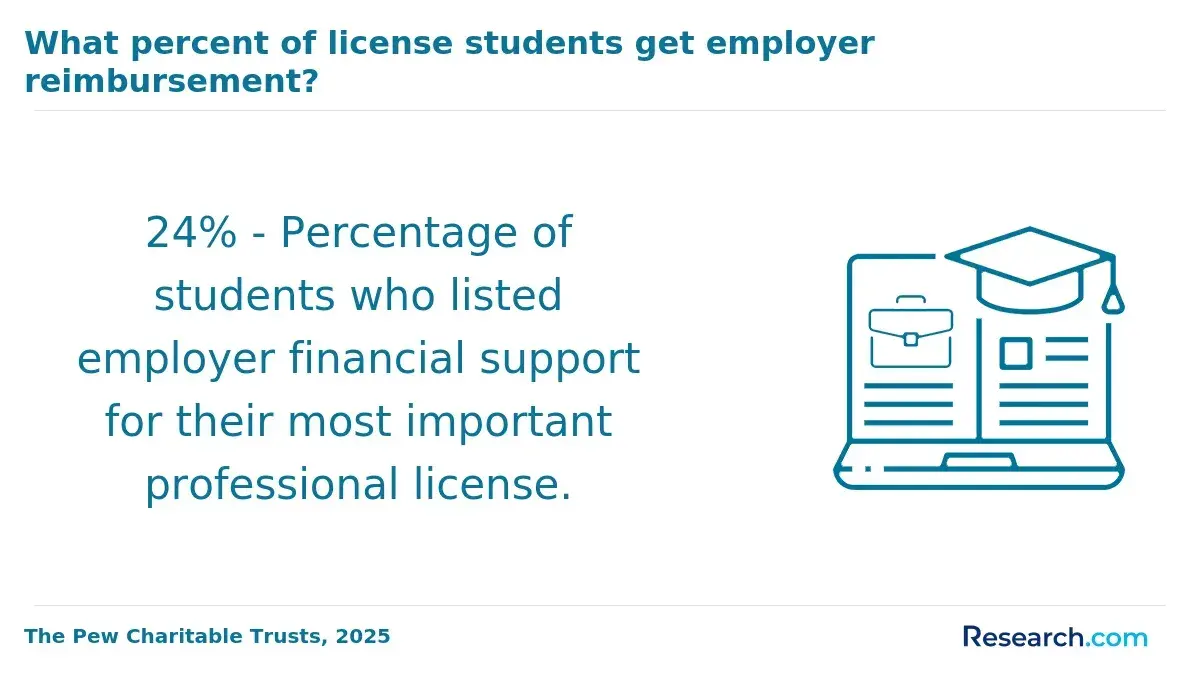
| MBA or specialized master's | One to three years | Program reputation, cohort model, travel requirements, employer sponsorship | Part-time study, employer reimbursement, public universities, targeted scholarships |
| Doctoral business degree | Three to seven years | Research requirements, residency, dissertation support, opportunity cost | Assistantships, employer support, funded PhD routes where available |
Before choosing a program, calculate total cost of attendance. Include tuition, mandatory fees, books, software, exam fees, commuting, housing, childcare, lost work hours, and interest if you borrow. Then compare that cost with the career path you are targeting, not with a vague idea that "business pays well."
If flexibility and cost control are your main concerns, self-paced programs can be worth exploring. Start by comparing options such as the cheapest self-paced online college choices, but verify accreditation, credit transfer, faculty support, and whether the pacing model fits your work habits.
To reduce avoidable costs, take these steps before enrolling:
- Ask for a written transfer-credit evaluation before you commit.
- Compare net price after grants and scholarships, not only tuition.
- Confirm whether prior learning, military training, professional certifications, or work experience can count for credit.
- Check whether your employer offers tuition assistance or reimbursement.
- Avoid borrowing for living costs unless you have reviewed the monthly repayment impact.
How can you choose an accredited, reputable business degree program in the U.S.?
Accreditation is one of the most important quality checks for a business degree. In the U.S., institutional accreditation affects federal financial aid eligibility, transfer credit, graduate school admission, and employer confidence. Programmatic business accreditation can add another layer of assurance, especially for business schools with strong academic and employer networks.
For business programs, you may see programmatic accreditation from AACSB, ACBSP, or IACBE. AACSB is often associated with research-intensive business schools, while ACBSP and IACBE also accredit many teaching-focused and professionally oriented programs. None of these automatically makes a program right for you, but they can indicate that the business curriculum and outcomes have been externally reviewed.
Use the following checklist when comparing business degree programs. These questions help you move beyond rankings and marketing language:
- Is the institution accredited by an agency recognized by the U.S. Department of Education or the Council for Higher Education Accreditation?
- Does the business school or business program have AACSB, ACBSP, or IACBE accreditation, and does that matter for your target employers or graduate plans?
- What are the program's graduation, retention, transfer, and job-placement indicators?
- How many credits are required, and how many of your prior credits will transfer?
- Are internships, capstones, employer projects, or career coaching built into the program?
- What software, analytics tools, and business platforms will you actually learn?
- Who teaches the courses, and what access will you have to faculty or advisors?
- What is the total cost after fees, books, technology charges, and expected living expenses?
- Does the curriculum align with your target path, such as CPA preparation, finance, analytics, HR, or supply chain?
Red flags include pressure to enroll immediately, unclear accreditation claims, vague career outcomes, unusually high fees that are not disclosed early, poor transfer policies, and programs that cannot explain how students get internships or career support. Also be cautious about relying only on national rankings; a lower-ranked program with strong local employer ties, lower net cost, and better scheduling may be the smarter choice.
If your goal is accounting licensure, financial advising, insurance, real estate, or another regulated field, confirm state-specific education requirements before choosing courses. Business degrees are flexible, but licensure rules are not identical across states or occupations.
What is the salary outlook and job growth for business majors in key fields?
The salary outlook for business majors is strongest when the degree is connected to a specific function, measurable skills, and relevant experience. A general business degree can be useful, but the labor market tends to reward graduates who can analyze financial data, manage projects, improve processes, understand customers, or lead teams.
BLS data shows that business and financial occupations had a May 2024 median annual wage of $80,920. That figure is a useful benchmark, but it includes many occupations and experience levels, so entry-level graduates should expect outcomes to vary by role, location, employer, industry, and internships.
The table below connects major business fields with salary context and growth indicators. It can help you decide which career paths may offer the strongest fit for your interests and risk tolerance.
| Field | Common entry or early-career roles | Salary outlook | Growth outlook | How to strengthen your prospects |
| Accounting | Staff accountant, audit associate, tax associate | Accountants and auditors had a May 2024 median wage of $81,680 | BLS projected 6% growth from 2023-2033 | Plan for CPA eligibility early and complete accounting internships |
| Finance | Financial analyst, credit analyst, treasury analyst | Financial analysts had a May 2024 median wage of $101,910 | BLS projected 9% growth from 2023-2033 | Build financial modeling, valuation, Excel, and presentation skills |
| Analytics | Business analyst, data analyst, operations analyst | Operations research analysts had a May 2024 median wage of $91,290 | BLS projected 23% growth from 2023-2033 | Learn SQL, statistics, dashboards, and applied business problem-solving |
| Marketing | Marketing coordinator, digital marketing associate, market research analyst | Market research analysts had a May 2024 median wage of $76,950 | BLS projected 8% growth from 2023-2033 | Create campaign, research, analytics, and content samples |
| Supply chain | Logistics coordinator, procurement analyst, inventory planner | Logisticians had a May 2024 median wage of $80,880 | BLS projected 19% growth from 2023-2033 | Study operations systems, forecasting, procurement, and process improvement |
| Human resources | Recruiting coordinator, HR assistant, benefits specialist | Human resources specialists had a May 2024 median wage of $72,910 | BLS projected 8% growth from 2023-2033 | Learn employment law basics, HR systems, recruiting metrics, and communication |
The biggest trend affecting business majors is the shift from purely administrative work toward data-supported decision-making. AI and automation can handle routine reports, basic forecasts, and repetitive workflows, but employers still need people who can judge data quality, understand customers, manage trade-offs, and explain decisions to stakeholders.
To improve your salary potential, choose internships and projects that match your target role. For example, a finance student should graduate with financial models, a marketing student should show campaign metrics or research projects, and an analytics student should have dashboards or case studies that demonstrate business impact.
What licenses, certifications, or graduate degrees can advance a business career?
Licenses, certifications, and graduate degrees can help business professionals move into specialized or senior roles. They are not equally valuable for every path, so the best choice depends on your field, experience level, and whether employers in your target market ask for the credential.
The table below summarizes common credentials and when they may be worth pursuing. Always verify current exam, education, and experience rules with the issuing organization or state board.
| Credential or degree | Best aligned fields | When it may help | Important caution |
| CPA | Accounting, audit, tax, controllership | Useful for public accounting, senior accounting, audit, and many controller-track roles | Education and licensing rules vary by state |
| CMA | Corporate accounting, management accounting, finance operations | Helpful for budgeting, internal reporting, cost management, and corporate finance support | Best for corporate roles rather than public accounting licensure |
| CFA | Investment analysis, asset management, equity research, portfolio analysis | Valuable for finance professionals focused on investments and securities analysis | Requires major exam preparation and is not necessary for all finance jobs |
| SHRM-CP or PHR | Human resources | Can support advancement in recruiting, HR operations, employee relations, and compliance | Experience requirements and employer preferences vary |
| CAPM or PMP | Project management, operations, consulting, technology business roles | Useful when your work involves coordinating projects, budgets, teams, and deadlines | PMP requires professional project-management experience |
| Google Analytics, HubSpot, or digital marketing certifications | Marketing, ecommerce, growth marketing | Helpful for entry-level marketing candidates who need practical tool experience | Best when paired with campaign samples or measurable projects |
| MBA | Management, consulting, finance, entrepreneurship, leadership | Can help with advancement, career switching, or broader leadership preparation | ROI depends heavily on cost, reputation, network, experience, and career goals |
| Specialized master's degree | Accounting, finance, business analytics, supply chain, management | Useful when you need deeper technical preparation than a general MBA provides | Less flexible than an MBA if you are unsure of your career direction |
Graduate school can be a smart move, but it should not be automatic. If you are considering an MBA or specialized master's degree mainly because you are unsure what to do next, work experience, a targeted certificate, or a lower-cost skill pathway may be better first steps. If you want a less demanding graduate option, compare carefully rather than assuming all the easiest master's degrees provide the same career value.
Use this sequence to decide whether a credential is worth it:
- Find 20 to 30 job postings for the role you want and note which credentials appear repeatedly.
- Check whether the credential is required, preferred, or simply nice to have.
- Estimate total cost, exam time, renewal requirements, and opportunity cost.
- Ask professionals in the field whether the credential helped them get interviews, promotions, or higher-responsibility work.
- Choose the credential only if it supports a clear next role, not because it looks impressive in general.
Other Things You Should Know About Career Planning
A business degree can be worth it if it connects to a clear career path, has reasonable net cost, offers internships or applied projects, and builds marketable skills such as finance, analytics, accounting, marketing, or operations. It may be less worthwhile if you choose an expensive program without checking outcomes, accreditation, and total borrowing.
There is no single best option for everyone. Accounting is strong for structured credential paths, finance fits students who enjoy analysis and markets, business analytics is useful for data-focused roles, marketing fits customer and campaign work, and supply chain supports operations and logistics careers.
Yes, some business roles are accessible through experience, certificates, military training, sales results, technical skills, or an unrelated degree. However, a business degree can make it easier to qualify for analyst, accounting, finance, management-track, and graduate-level opportunities.
Usually, an MBA is more valuable after you have work experience and a clearer career goal. Some early-career master's programs can make sense, but many MBA students benefit more when they can connect coursework to real management, finance, operations, or industry experience.
References
- Career Outlook for Business Administration| University of Bridgeport https://www.bridgeport.edu/news/career-outlook-for-business-administration/
- Is an Online Business Degree Program Right for You? https://www.allbusinessschools.com/blog/getting-a-business-degree-online/
- How Long Does It Take to Get a Business Degree? https://www.scu.edu/business/blog/admissions/how-long-does-it-take-to-get-a-business-degree/
- Ten Types of Business Degree Specializations | AIU https://www.aiuniv.edu/degrees/business/articles/10-types-of-business-degree-specializations-you-can-pursue
- How Long to Earn a Business Degree? | DeVry University https://www.devry.edu/blog/how-long-does-it-take-to-earn-a-business-degree.html