2027 Careers in Sustainability: Career Guide for Students and Graduates

Co-Founder and Chief Data Scientist
Choosing a sustainability career means deciding how you want to solve environmental, business, and community problems for a living. The timing is strong: the U. S. Bureau of Labor Statistics projects solar photovoltaic installers and wind turbine service technicians to grow 42% and 50%, respectively, from 2024 to 2034. This guide is for students, recent graduates, and career changers comparing degrees, skills, costs, certifications, salaries, and entry-level roles so they can choose a practical path with realistic expectations.
Key Things You Should Know
- Sustainability careers span corporate ESG, environmental science, renewable energy, urban planning, conservation, environmental engineering, supply chain, and climate risk; the best path depends on whether you prefer fieldwork, analytics, policy, engineering, or business strategy.
- Pay varies widely by occupation: BLS May 2024 median wages include $80,060 for environmental scientists and specialists, $104,170 for environmental engineers, and $48,800 for solar photovoltaic installers, so degree level and technical skills matter.
- Students should verify accreditation, compare total program cost, build project experience, and choose certifications only after matching them to a target role; a sustainability degree alone is rarely enough without applied skills.
What are the most common sustainability careers for students and recent graduates?
Sustainability careers focus on helping organizations reduce environmental harm, comply with regulations, manage climate-related risks, use resources efficiently, and improve long-term social and economic outcomes. For students and recent graduates, the most common entry points fall into three broad tracks: science and compliance, business and reporting, and clean-energy or infrastructure implementation.
The table below compares common early-career sustainability roles by what workers typically do and who each path fits best. Use it to narrow your options before choosing a major, internship, or certificate.
| Career path | Typical responsibilities | Good fit for students who like | Common entry-level titles |
| Environmental scientist or specialist | Collect environmental samples, analyze pollution data, prepare reports, support regulatory compliance, and assess site conditions. | Science, fieldwork, lab work, and environmental regulations. | Environmental technician, environmental specialist, compliance assistant. |
| Corporate sustainability or ESG analyst | Track emissions, energy use, waste, supply chain data, and sustainability performance for internal reporting and public disclosures. | Business, data analysis, writing, metrics, and stakeholder communication. | Sustainability coordinator, ESG analyst, sustainability reporting associate. |
| Renewable energy specialist | Support solar, wind, battery, or energy-efficiency projects through site analysis, permitting, operations, or project coordination. | Technology, construction, energy systems, and project management. | Solar project assistant, energy analyst, wind technician trainee. |
| Environmental engineer | Design systems for water, wastewater, pollution control, remediation, and environmental protection. | Math, engineering design, infrastructure, and problem-solving. | Junior environmental engineer, water resources engineer, remediation engineer. |
| Urban or environmental planner | Evaluate land use, transportation, climate resilience, zoning, conservation, and community development projects. | Policy, maps, public meetings, community impact, and long-range planning. | Planning assistant, GIS technician, resilience planning associate. |
| Conservation or natural resources technician | Monitor ecosystems, support habitat restoration, collect field data, and assist conservation programs. | Outdoor work, ecology, wildlife, forestry, and public lands. | Conservation technician, field technician, restoration assistant. |
For many graduates, the smartest first job is not necessarily the one with the word "sustainability" in the title. Roles in data analytics, facilities, procurement, environmental health and safety, GIS, project coordination, and operations can become sustainability careers when they involve energy, emissions, waste, compliance, resilience, or resource management.
What degrees and majors prepare you best for a career in sustainability?
The best degree for a sustainability career depends on the type of work you want to do. Sustainability is interdisciplinary, but employers usually hire for a concrete skill set: environmental sampling, engineering design, carbon accounting, data analysis, policy writing, GIS mapping, project management, or regulatory compliance.
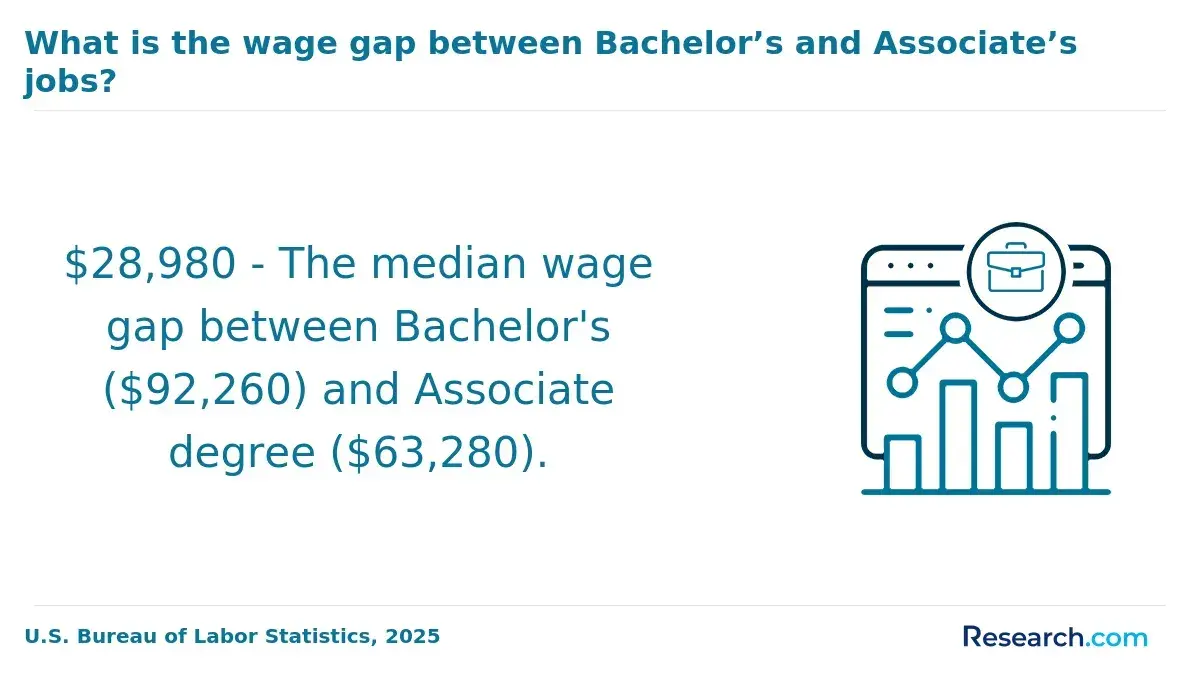
Students who want a low-cost first credential can start with an associate's degree in environmental science, natural resources, energy technology, GIS, or a related field, then transfer into a bachelor's program if their target roles require it. This route can be especially practical for students testing the field before committing to a four-year degree.
The table below shows how common majors connect to sustainability career goals. The key is to choose a program that teaches marketable methods, not just broad environmental awareness.
| Degree or major | Best for | Typical career direction | Important consideration |
| Environmental science | Students who want science-based environmental work. | Environmental specialist, compliance analyst, field scientist, conservation technician. | Look for lab, field, and data-analysis requirements. |
| Sustainability studies | Students who want an interdisciplinary mix of environment, business, policy, and society. | Sustainability coordinator, ESG associate, climate program assistant. | Pair it with analytics, business, GIS, or policy experience to avoid being too general. |
| Environmental engineering | Students strong in math and science who want technical design work. | Environmental engineer, water resources engineer, remediation engineer. | ABET accreditation is important for engineering licensure pathways. |
| Business, finance, or accounting with sustainability coursework | Students interested in ESG reporting, corporate strategy, risk, or supply chains. | ESG analyst, sustainability reporting associate, responsible sourcing analyst. | Build skills in data systems, accounting concepts, and climate disclosure frameworks. |
| Urban planning, public policy, or geography | Students interested in cities, infrastructure, climate adaptation, and land use. | Planning assistant, resilience analyst, GIS technician. | GIS and policy writing are especially useful. |
| Renewable energy, energy management, or engineering technology | Students interested in clean-energy deployment and operations. | Energy analyst, solar project coordinator, wind technician, energy auditor. | Hands-on labs, safety training, and employer partnerships matter. |
A sustainability studies major can be a good choice if you want flexibility, but it is less ideal if you need a direct license-based pathway such as professional engineering. If you already know you want environmental engineering, water systems, or energy infrastructure design, a technical degree is usually the safer investment.
What is the salary potential and typical pay range in sustainability jobs?
Sustainability salaries vary because the field includes technicians, scientists, analysts, engineers, managers, planners, and skilled trades. A job title alone does not determine pay; region, employer type, degree level, technical skill, field experience, and industry all influence compensation.
The table below uses BLS May 2024 median wage data for U.S. occupations that commonly overlap with sustainability work. These figures are benchmarks, not promises of individual earnings.
| Occupation aligned with sustainability | Median annual wage, May 2024 | What the figure means for students |
| Environmental scientists and specialists | $80,060 | A bachelor's degree is common, and field, lab, regulatory, and analytical skills can improve competitiveness. |
| Environmental engineers | $104,170 | Engineering roles generally pay more because they require advanced math, design training, and often a licensure pathway. |
| Urban and regional planners | $83,720 | Planning roles often value graduate education, GIS ability, public communication, and policy knowledge. |
| Occupational health and safety specialists | $81,140 | Environmental health and safety can be a practical sustainability-adjacent path in manufacturing, construction, utilities, and government. |
| Solar photovoltaic installers | $48,800 | Some clean-energy roles can be entered through technical training rather than a four-year degree, though pay may rise with experience and supervisory responsibility. |
| Wind turbine service technicians | $62,580 | This path is more hands-on and location-dependent, often requiring technical training, safety preparation, and comfort with heights. |
For students comparing return on investment, the main question is not "Do sustainability jobs pay well?" but "Which sustainability role am I preparing for?" A lower-cost certificate may be enough for a technician role, while engineering, planning, and senior ESG jobs may require a bachelor's or master's degree plus specialized experience.
What education, skills, and experience are required for entry-level sustainability roles?
Entry-level sustainability roles usually require a mix of education, technical skills, and evidence that you can apply concepts to real problems. Employers often prefer candidates who can work with data, communicate clearly, understand environmental systems, and complete projects under deadlines.
Before applying, students should build a portfolio of practical experience. The following steps can help turn coursework into job-ready evidence:
- Choose a target role first, such as ESG analyst, environmental technician, energy analyst, or planner, because each requires different preparation.
- Complete at least one applied project, such as a greenhouse gas inventory, energy audit, GIS map, environmental sampling report, or sustainability dashboard.
- Learn the software used in your target area, such as Excel, Power BI, Tableau, ArcGIS, R, Python, AutoCAD, or emissions-accounting platforms.
- Use internships, campus sustainability offices, local governments, nonprofits, labs, utilities, or consulting firms to gain supervised experience.
- Translate your experience into measurable resume bullets, such as reducing waste, analyzing utility data, mapping flood exposure, or preparing compliance documentation.
The table below summarizes typical expectations by entry-level path. It can help you identify gaps before you graduate.
| Entry-level path | Common education expectation | Skills that matter most | Experience that strengthens applications |
| Environmental technician | Associate or bachelor's degree in environmental science, biology, chemistry, or related field. | Sampling, lab procedures, safety, documentation, basic statistics. | Fieldwork, lab assistant work, OSHA-related training, internships. |
| Sustainability coordinator | Bachelor's degree in sustainability, business, environmental studies, or public administration. | Data tracking, writing, stakeholder coordination, project management. | Campus sustainability projects, reporting projects, nonprofit or municipal experience. |
| ESG or climate data analyst | Bachelor's degree in business, finance, analytics, environmental studies, or related field. | Excel, data visualization, carbon accounting basics, reporting frameworks. | Emissions inventory, dashboard, supply chain analysis, finance or accounting exposure. |
| Energy analyst | Bachelor's degree or technical training in energy, engineering technology, facilities, or analytics. | Utility data analysis, energy modeling basics, building systems, spreadsheets. | Energy audit, facilities internship, renewable project support. |
| Junior environmental engineer | ABET-accredited engineering bachelor's degree is commonly expected. | Engineering design, math, CAD, water or air systems, technical reporting. | Engineering internship, capstone design, Engineer in Training preparation. |
Soft skills are also important because sustainability work often requires persuading people who do not report to you. Strong candidates can explain technical findings to nontechnical audiences, manage conflicting priorities, and connect environmental goals to cost, risk, compliance, or public benefit.
How do sustainability degree programs differ between online and campus formats?
Online and campus sustainability programs can both lead to good outcomes, but they serve different students. The better format depends on your schedule, budget, learning style, need for lab or fieldwork, and access to internships.
Students who need maximum flexibility may also compare sustainability with other easy degrees to get online, but they should be careful: "easy" should not mean weak career preparation. For sustainability, the program should still include applied projects, data tools, and faculty feedback.
The table below compares online and campus formats based on factors that affect learning quality and career readiness.
| Factor | Online sustainability program | Campus sustainability program |
| Best for | Working adults, transfer students, parents, military students, and learners far from campus. | Students who want face-to-face labs, fieldwork, research groups, and campus-based recruiting. |
| Field and lab access | May use local field assignments, virtual labs, short residencies, or transfer lab credits. | Usually easier access to labs, field stations, equipment, and faculty-led research. |
| Networking | Requires more intentional outreach through virtual events, alumni networks, and internships. | Often easier through clubs, faculty, local employers, and campus sustainability offices. |
| Scheduling | Often more flexible, especially asynchronous courses. | More structured, with set class times and in-person requirements. |
| Career fit | Strong for sustainability management, ESG reporting, policy, analytics, and working professionals. | Strong for environmental science, engineering, conservation, planning studios, and lab-heavy paths. |
Online programs are not automatically lower quality, and campus programs are not automatically better. The red flag is a program that promises sustainability career outcomes but offers no fieldwork option, internship support, data tools, capstone project, or clear connection to target jobs.
What courses and specializations are included in sustainability and environmental programs?
Sustainability and environmental programs usually combine natural science, social science, business, policy, and quantitative methods. The strongest programs help students move from broad concern about environmental issues to specific professional capabilities.
The table below shows common courses and specializations. Use it to check whether a program matches the job you want after graduation.
| Course or specialization area | What students learn | Career relevance |
| Environmental science and ecology | Ecosystems, pollution, water, soil, biodiversity, and environmental monitoring. | Useful for environmental science, conservation, compliance, and field roles. |
| Climate science and adaptation | Climate systems, risk, resilience, mitigation, and adaptation planning. | Useful for climate analyst, resilience planning, and public-sector roles. |
| Energy systems and efficiency | Renewable energy, buildings, energy audits, grid basics, and efficiency strategies. | Useful for energy analyst, facilities, renewable energy, and consulting roles. |
| ESG and sustainability reporting | Metrics, disclosures, materiality, stakeholder reporting, and corporate accountability. | Useful for corporate sustainability, ESG analyst, finance, and supply chain roles. |
| GIS and spatial analysis | Mapping, land-use analysis, environmental exposure, and spatial data interpretation. | Useful for planning, conservation, climate risk, and environmental consulting. |
| Environmental law and policy | Regulations, permitting, environmental justice, public administration, and compliance. | Useful for government, compliance, advocacy, and policy roles. |
| Statistics, data analytics, and modeling | Data cleaning, visualization, forecasting, and quantitative decision-making. | Useful across ESG, climate analytics, energy, planning, and research roles. |
Students considering advanced research, university teaching, or high-level technical specialization may eventually compare master's and doctoral routes. If time-to-completion is a major concern, reviewing shortest PhD programs can help you understand how accelerated doctoral formats differ from traditional research-intensive pathways, although sustainability doctorates still require serious research preparation.
Specializations are most valuable when they produce evidence you can show employers. A GIS specialization should lead to maps and spatial analyses; an ESG specialization should produce reporting samples or emissions calculations; an energy specialization should include audits, modeling, or project evaluation.
How long do sustainability degree programs take, and what do they cost to complete?
Sustainability program length and cost depend on degree level, enrollment status, transfer credits, residency, and whether the program is public, private nonprofit, or private for-profit. Students should compare total cost, not just tuition, because fees, books, equipment, commuting, housing, and lost work time can change the real price.
College Board's 2024 Trends in College Pricing reported average published tuition and fees of $4,050 for public two-year in-district colleges, $11,610 for public four-year in-state colleges, and $43,350 for private nonprofit four-year colleges for the 2024-25 academic year. These are sticker prices before financial aid, but they show why transfer pathways and public options can significantly affect ROI.
The table below summarizes common timelines and cost considerations by credential type. Use it to match your budget and career goal before applying.
| Credential | Typical full-time length | Best for | Cost considerations |
| Certificate | A few months to one year | Adding a focused skill such as ESG reporting, GIS, energy auditing, or environmental compliance. | Usually lower cost than a degree, but may not replace degree requirements for professional roles. |
| Associate degree | About two years | Environmental technician, energy technician, transfer preparation, or career exploration. | Often lower tuition at community colleges; confirm transfer agreements before enrolling. |
| Bachelor's degree | About four years | Most entry-level professional sustainability, environmental science, planning support, and analyst roles. | Costs vary widely; internships and applied projects can improve the value of the degree. |
| Master's degree | One to two years | Career changers, planners, analysts, managers, policy specialists, and students seeking advancement. | Can be worthwhile when it adds technical specialization or access to higher-level roles. |
| Doctoral degree | Often four or more years | Research, university teaching, advanced modeling, policy research, or specialized scientific work. | Funding, assistantships, and research fit are critical because opportunity cost can be high. |
Students balancing speed and affordability should consider transfer credits, prior learning assessment, employer tuition assistance, public institutions, part-time enrollment, and carefully selected certificates. Older adults and returning learners who want a shorter academic commitment may also compare one-year degree programs for seniors with certificates or transfer-friendly sustainability programs.
A faster program is not always the better deal. If an accelerated program lacks internships, labs, faculty support, or employer recognition, it may save time but weaken your job search.
What is the job outlook and industry demand for sustainability professionals in the U.S.?
Demand for sustainability professionals is shaped by clean-energy investment, climate resilience planning, environmental regulation, infrastructure needs, investor expectations, and corporate risk management. The strongest growth is not evenly distributed across every sustainability title, so students should look at occupation-specific data rather than relying on broad claims about "green jobs."
BLS projections for 2024 to 2034 show especially strong demand in clean-energy trades, with wind turbine service technicians projected to grow 50% and solar photovoltaic installers projected to grow 42%. For students, this means some of the fastest-growing sustainability-related jobs may require technical training and safety skills rather than a traditional environmental studies degree.
The table below summarizes where demand is coming from and what students should do to position themselves well.
| Demand area | Why employers need workers | How students can prepare |
| Clean energy | Solar, wind, storage, electrification, and energy-efficiency projects need installers, technicians, analysts, and project coordinators. | Build energy systems knowledge, safety awareness, utility-data skills, and project experience. |
| Corporate sustainability and ESG | Companies track emissions, supply chain risk, waste, energy, and sustainability performance for investors, customers, and internal decisions. | Learn carbon accounting, data analysis, reporting frameworks, and business communication. |
| Environmental compliance | Organizations must manage air, water, waste, hazardous materials, and permitting obligations. | Study environmental regulations, sampling methods, technical writing, and safety procedures. |
| Climate resilience and planning | Communities need plans for heat, flooding, infrastructure vulnerability, land use, and emergency preparedness. | Develop GIS, policy analysis, community engagement, and planning skills. |
| Water and infrastructure | Utilities, engineering firms, and governments need workers for water quality, wastewater, stormwater, and remediation projects. | Consider engineering, environmental science, hydrology, or public works-related coursework. |
AI and automation are changing sustainability work, especially data cleaning, reporting, satellite monitoring, modeling, and document review. Rather than replacing the need for professionals, these tools raise the value of workers who can verify data quality, interpret results, understand regulations, and explain trade-offs to decision-makers.
Students should also watch regulatory uncertainty. For example, climate disclosure rules and ESG reporting expectations can change through court decisions, federal policy, state rules, and investor requirements. That makes adaptable skills, such as data analysis, accounting literacy, environmental compliance, and project management, more durable than memorizing one framework.
Are there certifications or licenses needed for specific sustainability career paths?
Not every sustainability job requires certification or licensure, but credentials can help when they match a specific role. The mistake is collecting certificates before knowing whether employers in your target path value them.
Students comparing short, career-focused credentials may find it useful to review quick certifications that pay well, then narrow the list to credentials that support sustainability, energy, safety, analytics, or compliance goals. A certificate should strengthen your job case, not substitute for required education or experience.
The table below lists common credentials associated with sustainability career paths. Requirements and recognition can vary by employer, state, and industry.
| Credential or license | Most relevant for | How to think about it |
| LEED Green Associate or LEED AP | Green building, architecture, construction, facilities, and real estate sustainability. | Useful if you want to work with building performance, sustainable design, or construction projects. |
| WELL AP | Healthy buildings, workplace wellness, real estate, and facilities. | Best when paired with building, design, facilities, or occupational health interests. |
| Envision Sustainability Professional | Infrastructure, civil engineering, transportation, water, and public works. | More relevant for infrastructure sustainability than general corporate sustainability. |
| ISSP Sustainability Excellence Associate or Professional | General sustainability management and strategy. | Can support credibility, especially for career changers, but employers may still prioritize experience. |
| GIS certificates | Planning, conservation, climate risk, environmental consulting, and natural resources. | Valuable when it produces a portfolio of maps and spatial analyses. |
| Engineer in Training and Professional Engineer license | Environmental, civil, water resources, and related engineering roles. | Important for engineers who want to sign off on engineering work; state requirements vary. |
| OSHA safety training or HAZWOPER training | Environmental fieldwork, hazardous waste, remediation, and industrial settings. | Often useful for field roles, but the needed training level depends on job duties and employer requirements. |
Licensure is most important in engineering and some specialized environmental work. If your target role involves regulated professional practice, confirm requirements with the state licensing board or employer before enrolling in a program or paying for a credential.
How can you evaluate and choose an accredited, reputable sustainability program?
Choosing a sustainability program requires more than scanning rankings or picking the school with the greenest marketing. A reputable program should be accredited, transparent about costs, clear about career outcomes, and strong in the skills your target role requires.
Use the following steps to evaluate programs before you apply or enroll:
- Confirm institutional accreditation through a recognized accreditor and, for engineering programs, check whether the relevant program has ABET accreditation.
- Match the curriculum to a target career path, such as ESG analytics, environmental science, renewable energy, planning, conservation, or engineering.
- Ask whether the program includes internships, capstones, labs, fieldwork, GIS, data analytics, or employer-sponsored projects.
- Compare total cost after grants, scholarships, transfer credits, fees, living expenses, and expected time to completion.
- Review faculty expertise, employer partnerships, alumni outcomes, and career services rather than relying only on sustainability branding.
- Ask admissions staff how online students access labs, field assignments, research opportunities, and career support if you are considering distance learning.
The table below highlights common red flags and better alternatives. It is designed to help you avoid expensive mistakes before committing to a program.
| Red flag | Why it matters | Better alternative |
| No clear accreditation information | Accreditation affects credit transfer, financial aid eligibility, employer trust, and graduate school options. | Choose a school that clearly lists recognized institutional accreditation and programmatic accreditation when relevant. |
| Curriculum is mostly broad theory | Employers usually want applied skills, not only general knowledge of sustainability concepts. | Look for data analysis, GIS, reporting, fieldwork, energy, policy, engineering, or compliance coursework. |
| No internship or capstone requirement | Students may graduate without evidence of job-ready experience. | Prioritize programs with applied projects, employer partnerships, labs, or community-based work. |
| Salary claims sound guaranteed | Pay depends on occupation, region, employer, experience, and degree level. | Use BLS data and school-reported outcomes carefully, and ask how outcomes were measured. |
| Online program has no plan for field or lab learning | Some sustainability roles require hands-on environmental or technical experience. | Ask about local field assignments, short residencies, transfer labs, or internship substitutions. |
| Program does not align with licensure goals | Engineering and some regulated roles may require specific educational pathways. | Verify licensure requirements before enrolling, especially for engineering, safety, or specialized compliance roles. |
The best program is the one that connects your preferred type of sustainability work with credible education, practical experience, manageable cost, and realistic job preparation. If a school cannot explain how its curriculum leads to specific skills and roles, keep comparing options.
Other Things You Should Know About
Yes, if you choose a specific path and build practical skills. Sustainability can lead to careers in environmental science, ESG reporting, renewable energy, planning, engineering, conservation, and compliance, but broad interest alone is not enough. Employers usually look for data, science, policy, technical, or project experience.
No. Many professionals enter through environmental science, engineering, business, public policy, geography, data analytics, urban planning, or energy technology. A sustainability degree can be useful, but it should include applied projects and skills that match the job you want.
The easiest entry point depends on your background. Students with science coursework may start as environmental technicians, business students may pursue sustainability coordinator roles, and technically trained students may enter solar, energy, or field operations. Internships and project experience make entry easier.
They can be worth it when they support a clear career goal, such as LEED for green buildings, GIS for planning or conservation, or carbon accounting for ESG reporting. They are less useful if you collect credentials without gaining experience or understanding employer requirements.
References
- How much can earn in sustainability and environmental roles https://talentnation.com.au/how-much-you-can-earn-in-sustainability-and-environmental-roles/
- What Skills Power US Sustainability Careers? Part 2 https://cse-net.org/what-skills-power-us-sustainability-careers-part-2/
- The 11 Highest-Paying Careers in Sustainability https://www.sustainabilitydegrees.com/blog/highest-paying-careers-in-sustainability/
- Sustainability and ESG Courses and Degrees | US, UK, Europe, Free UN Options https://enable.green/news/top-10-sustainability-esg-courses-degrees-us-uk-europe/
- Best Courses and Degrees for a Career in Sustainability https://dcoil.org/blogs/best-courses-and-degrees-for-a-career-in-sustainability/
- Navigating the Sustainable Certification Process: A Step-by-Step Guide https://ugreen.io/navigating-the-sustainable-certification-process-a-step-by-step-guide/
- Careers in Sustainability https://www.princetonreview.com/college-advice/green-guide/careers-in-sustainability
- Master's degree program (part-time) - Sustainability Assessment and Resource Management https://www.hcw.ac.at/en/studies/study-programs/sustainability-assessment-and-resource-management
- 64 sustainability certifications to advance your career in 2025 | Trellis https://trellis.net/article/64-sustainability-certifications-to-advance-your-career-in-2025/
- The Top 15 Sustainability Certifications https://www.transformacy.com/articles/the-top-15-sustainability-certifications