2027 Trade School Careers List: Career Guide for Students and Graduates

Co-Founder and Chief Data Scientist
Choosing a trade school career means weighing pay, job stability, training time, licensing, and the kind of work you want to do every day. Recent BLS May 2024 wage data shows electricians had a median pay of $62,350, above the $49,500 median for all occupations, making skilled trades a practical alternative to longer degree paths.
This guide is for students, graduates, career changers, and families comparing options. You will learn which trades are growing, what training costs, how licensing works, and how to choose a program that fits your goals.
Key Things You Should Know
- Trade school careers can lead to licensed, hands-on roles in construction, healthcare, transportation, aviation, manufacturing, energy, and technical services, often with programs lasting months to two years instead of four years.
- High-earning trade paths vary by state and experience, but BLS May 2024 data shows several skilled roles with median pay above $75,000, including elevator installers, power-line installers, aircraft mechanics, and diagnostic medical sonographers.
- Demand is strongest where trades align with infrastructure repair, clean energy, healthcare access, and building maintenance; BLS 2023-2033 projections published in 2024 show especially fast growth for solar photovoltaic installers and wind turbine service technicians.
What are the most in-demand trade school careers and industries today?
Trade school careers are occupations that usually require career-focused training, technical skills, apprenticeships, certificates, diplomas, associate degrees, industry credentials, or state licenses rather than a traditional bachelor's degree. The best choice depends on whether you want physical fieldwork, patient care, shop-based technical work, equipment operation, or inspection and repair.
The table below summarizes major in-demand trade career clusters and the type of student each one tends to fit. Use it as a starting point before comparing programs, licensing rules, and local employer demand:
| Career area | Common roles | What the work is like | Best fit for students who want |
| Electrical and construction trades | Electrician, plumber, HVAC technician, welder, carpenter | Install, maintain, inspect, and repair building systems, structures, pipes, wiring, equipment, and fixtures | Hands-on work, problem solving, apprenticeships, and clear licensing pathways |
| Healthcare technical trades | Dental hygienist, radiologic technologist, medical assistant, surgical technologist, licensed practical nurse | Support patient care, imaging, procedures, clinical records, and basic health services | Stable healthcare demand, structured credentials, and patient-facing work |
| Transportation and aviation | Aircraft mechanic, automotive technician, diesel technician, commercial driver, marine mechanic | Diagnose, repair, maintain, and test vehicles, aircraft, engines, and transportation systems | Mechanical systems, troubleshooting, shop environments, and equipment technology |
| Energy and utilities | Power-line installer, wind turbine technician, solar installer, power plant operator | Build, operate, and maintain energy infrastructure, renewable systems, grids, and field equipment | Outdoor work, safety-focused training, travel, and high-demand infrastructure roles |
| Manufacturing and industrial technology | CNC machinist, industrial maintenance technician, mechatronics technician, welder, robotics technician | Operate, program, repair, and improve production machinery, automated systems, and industrial equipment | Technology-driven skilled work without necessarily pursuing a four-year engineering degree |
Current demand is shaped by several forces: an aging skilled workforce, infrastructure investment, electrification, healthcare access needs, supply-chain modernization, and employers' growing use of automation. Automation is not eliminating most trade careers; it is changing them.
For example, HVAC technicians increasingly work with smart controls, welders may use robotic welding systems, and manufacturing technicians often need basic programming, sensor, and diagnostic skills.
The most practical way to choose among in-demand trades is to compare the daily work, training requirements, physical demands, and licensing rules in your state. A high-demand occupation is only a good choice if you can see yourself doing the work safely and consistently.
How do trade school programs work compared with traditional four-year degrees?
Trade school programs are built around job preparation. Instead of spending four years on broad general education and major coursework, students usually focus on a specific occupation, tool set, code requirement, clinical skill, or technical credential. Some programs are school-based, some are apprenticeship-based, and some combine classroom instruction with paid work.
This comparison shows how trade school differs from a traditional bachelor's degree. The right option depends on whether your target job requires a license, a degree, an apprenticeship, or employer-recognized technical certification:
| Path | Typical length | Main credential | Best for | Key trade-off |
| Certificate or diploma | A few months to about one year | School certificate, industry certification, or exam preparation | Students who want fast entry into a specific role such as HVAC assistant, medical assistant, welding trainee, or pharmacy technician | Fast and focused, but may not transfer easily into a degree |
| Associate degree | About two years full time | Associate of applied science or associate degree in a technical field | Students pursuing healthcare imaging, dental hygiene, aviation maintenance, industrial technology, or advancement-ready technical roles | More time and cost, but often stronger academic depth and employer recognition |
| Registered apprenticeship | Often three to five years | Apprenticeship completion, journey-level status, and possible license eligibility | Electricians, plumbers, pipefitters, lineworkers, and some construction trades | Paid training, but entry can be competitive and schedules are demanding |
| Bachelor's degree | About four years full time | Bachelor's degree | Students targeting engineering, construction management, healthcare administration, business leadership, or roles requiring a degree | Broader career mobility, but higher time commitment and cost |
Short programs make sense when the occupation clearly accepts a certificate, when the school has strong employer relationships, and when you understand whether the credential qualifies you for licensing or certification exams.
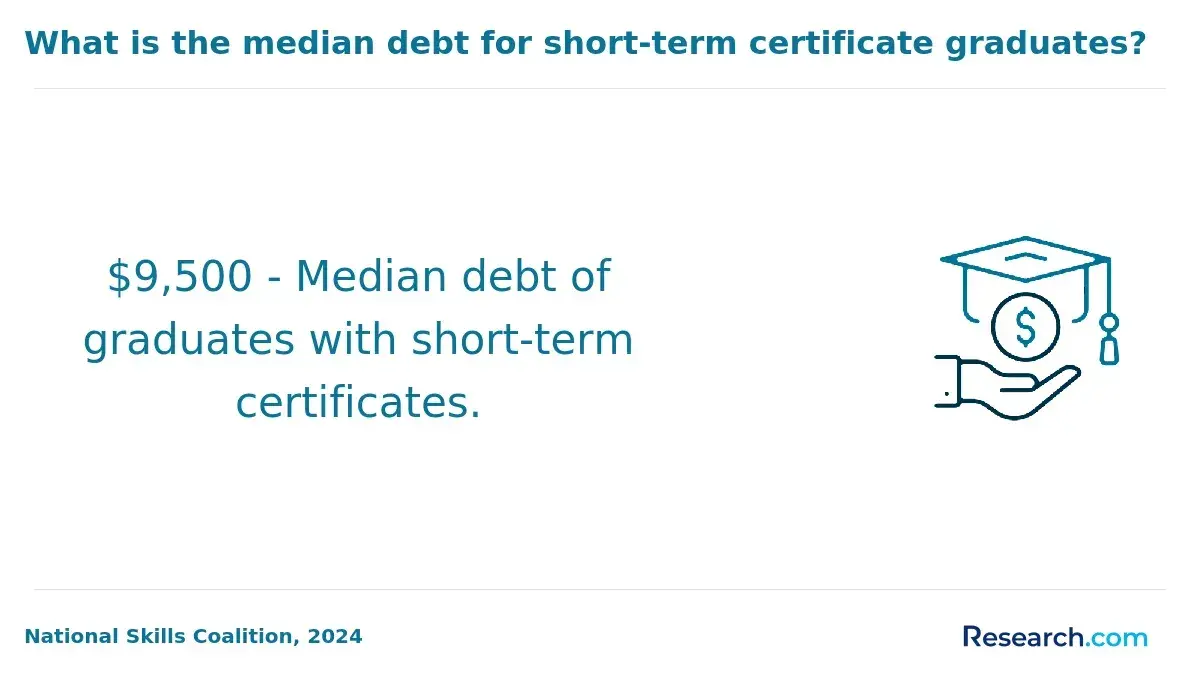
Very short credentials can be useful for adding a narrow skill, and students comparing fast options may also look at 4 week certificate programs online when the goal is quick, non-licensure skill building rather than entry into a regulated trade.
A four-year degree may be the better investment if you want management, engineering, teaching, public administration, or professional roles that require broader academic preparation. For many students, the smartest route is not "trade school versus college" but "which credential gets me to the exact job I want with the least wasted time and cost?"
What education, skills, and licensing do common trade careers typically require?
Requirements for trade careers vary widely. Some roles can be entered with a short certificate and employer training, while others require a state license, clinical hours, national exam, FAA-approved training, or a multi-year apprenticeship. Always verify rules with your state licensing board and the school before enrolling.
The table below outlines typical requirements for common trade careers. These are general U.S. patterns, not universal rules, because state boards, employers, unions, and industry certifying bodies can set different standards:
| Career | Typical education path | Licensing or certification considerations | Core skills |
| Electrician | Trade school pre-apprenticeship, apprenticeship, or technical college coursework | Most states require licensing; journey-level status usually requires supervised work hours and an exam | Electrical code, wiring, safety, math, troubleshooting, blueprint reading |
| HVAC technician | Certificate, diploma, associate degree, or apprenticeship | EPA Section 608 certification is required for technicians who handle refrigerants; state licensing may also apply | Refrigeration, airflow, controls, diagnostics, customer service, safety |
| Welder | Certificate, diploma, apprenticeship, or employer training | Employer or industry certifications may be required for specific processes, materials, or job sites | Blueprint reading, metallurgy basics, precision, hand-eye coordination, inspection |
| Dental hygienist | Accredited associate degree is common | State licensure is required; programs generally need appropriate dental accreditation for licensure eligibility | Patient care, oral health assessment, radiography, infection control, communication |
| Radiologic technologist | Accredited associate degree or hospital-based program | State licensure and national certification may be required depending on the state and employer | Imaging equipment, anatomy, radiation safety, patient positioning, clinical judgment |
| Aircraft mechanic | FAA-approved aviation maintenance technician school or qualifying experience | FAA Airframe and Powerplant certification is commonly required by employers | Aircraft systems, inspection, documentation, precision repair, safety compliance |
Beyond technical knowledge, employers often screen for durable skills that affect safety, reliability, and customer trust. These skills can influence hiring even when two applicants have the same certificate:
- Safety discipline: Following procedures, using protective equipment, and stopping unsafe work are essential in construction, healthcare, aviation, utilities, and manufacturing.
- Diagnostic thinking: Many trades require identifying the root cause of a problem, not just replacing parts or repeating steps.
- Math and measurement: Fractions, load calculations, pressure readings, dosage basics, tolerances, and electrical formulas appear in many programs.
- Communication: Technicians must explain problems to clients, document work, coordinate with teams, and ask clear questions.
- Digital tool use: Modern trades increasingly use diagnostic software, electronic records, building automation systems, CAD tools, scanners, and mobile work orders.
A common mistake is choosing a program because it sounds job-ready without confirming exam eligibility. If the career is regulated, ask the school in writing whether graduates qualify for the relevant license, certification exam, clinical placement, or apprenticeship credit in your state.
Which trade school careers offer the highest salaries and earning growth potential?
The highest-paying trade school careers usually share one or more features: specialized risk, strict licensing, technical complexity, union pathways, travel demands, emergency response, or responsibility for expensive systems. Salaries also vary by region, overtime, shift differentials, seniority, and whether workers are self-employed.
The following table uses BLS May 2024 median wage data to give a grounded salary comparison. Median pay is not a guarantee; it is a midpoint across workers in the occupation, including different experience levels and locations:
| Career | Median annual pay, BLS May 2024 | Why earning growth can be strong |
| Elevator and escalator installers and repairers | $106,580 | Specialized equipment, safety regulation, apprenticeship training, and limited qualified labor pools |
| Power-line installers and repairers | $92,560 | Utility infrastructure demand, storm response, overtime potential, and high-risk field conditions |
| Diagnostic medical sonographers | $89,340 | Specialized imaging skills, healthcare demand, and opportunities to specialize by anatomy or setting |
| Aircraft mechanics and service technicians | $79,140 | FAA certification, aviation safety requirements, and employer demand for precise maintenance skills |
| Radiologic technologists and technicians | $78,980 | Clinical credentialing, imaging technology, and pathways into advanced modalities |
| Electricians | $62,350 | Licensure, construction demand, maintenance work, and specialization in industrial, solar, controls, or commercial systems |
Career growth is not only about the first job after graduation. Many skilled workers raise earnings by moving into supervisory roles, union journey status, inspection, estimating, contracting, operations management, or teaching.
Workers who later move from the field into leadership may compare targeted credentials, including 1-year masters programs, when they already have experience and want to transition into management, training, or technical administration.
Students should be careful with salary claims from schools or ads. A strong trade program should discuss local employer demand, completion rates, exam pass rates, placement support, and realistic entry-level pay rather than highlighting only top earners.
What is the job outlook and long-term demand for major trade professions?
Long-term demand for trade professions depends on replacement needs, infrastructure spending, healthcare use, energy transition, housing and commercial construction, manufacturing modernization, and regional population growth.
BLS 2023-2033 employment projections, published in 2024, are useful for comparing national direction, but they should be combined with local job postings and state labor data.
The table below highlights projected demand patterns for several major trade professions. Use the projection as a signal, then verify whether employers in your area are actively hiring apprentices, trainees, or newly credentialed graduates:
| Occupation | BLS projected employment change, 2023-2033 | What it means for students |
| Solar photovoltaic installers | 48% growth | Very fast national growth, but opportunities can be concentrated in states and employers with active solar markets |
| Wind turbine service technicians | 60% growth | Extremely fast growth, but jobs may require travel, heights, remote sites, and comfort with mechanical and electrical systems |
| Medical assistants | 15% growth | Strong entry-level healthcare demand, but pay and responsibilities vary by clinic, credential, and state scope-of-practice rules |
| Electricians | 11% growth | Above-average demand supported by construction, maintenance, electrification, and renewable energy work |
| HVAC mechanics and installers | 9% growth | Demand is supported by building maintenance, climate control needs, and more complex energy-efficient systems |
| Plumbers, pipefitters, and steamfitters | 6% growth | Steady demand tied to construction, renovation, industrial systems, and repair work |
Fast growth does not always mean easy hiring. A small occupation can grow quickly but have fewer total openings than a larger, slower-growing field. For example, electrician openings may be more common in many local markets than wind technician openings, even though wind has a higher projected growth rate nationally.
Technology is also changing the outlook. Building automation, electric vehicle infrastructure, heat pumps, smart grids, telehealth, digital imaging, robotics, and predictive maintenance are increasing the value of workers who can combine hands-on skills with digital diagnostics.
Students who want stronger long-term resilience should choose programs that teach current equipment rather than outdated tools only.
How long do trade school programs usually take, and what do they cost to complete?
Trade school program length depends on the occupation and credential. Some certificates take one term, many diplomas take under a year, associate degrees often take about two years, and apprenticeships can take several years because they combine paid work with classroom instruction.
Cost also varies by school type, equipment fees, tools, uniforms, testing fees, books, transportation, clinical requirements, and whether the program is eligible for federal financial aid.
College Board's 2024 pricing data reported average published tuition and fees of $4,050 for in-district students at public two-year colleges for 2024-25, which gives students a useful benchmark when comparing community college-based trade programs with private career schools.
This table summarizes common cost and time patterns. Treat these as comparison categories rather than fixed prices, because local tuition and program-specific fees can change the total significantly:
| Program type | Common timeline | Typical cost drivers | Best when |
| Short certificate | Several weeks to one year | Tuition, books, certification exam fees, tools, lab supplies | You need an entry-level credential or add-on skill and the occupation does not require a longer degree |
| Diploma program | About six to eighteen months | Shop fees, uniforms, equipment, testing, transportation, safety gear | You want concentrated training in welding, HVAC, automotive, medical assisting, or similar fields |
| Associate degree | About two years full time | Tuition by credit, general education courses, clinical fees, imaging labs, program insurance | The career requires or strongly favors a degree, such as dental hygiene, radiography, or aviation maintenance technology |
| Apprenticeship | Often three to five years | Application costs, union or program fees, tools, transportation, and unpaid classroom time in some models | You want paid work-based training and can commit to a longer path toward journey-level status |
Students comparing cost should look beyond tuition. A low-tuition program can become expensive if it requires major tool purchases, long commuting, unpaid clinical hours, or repeated certification fees.
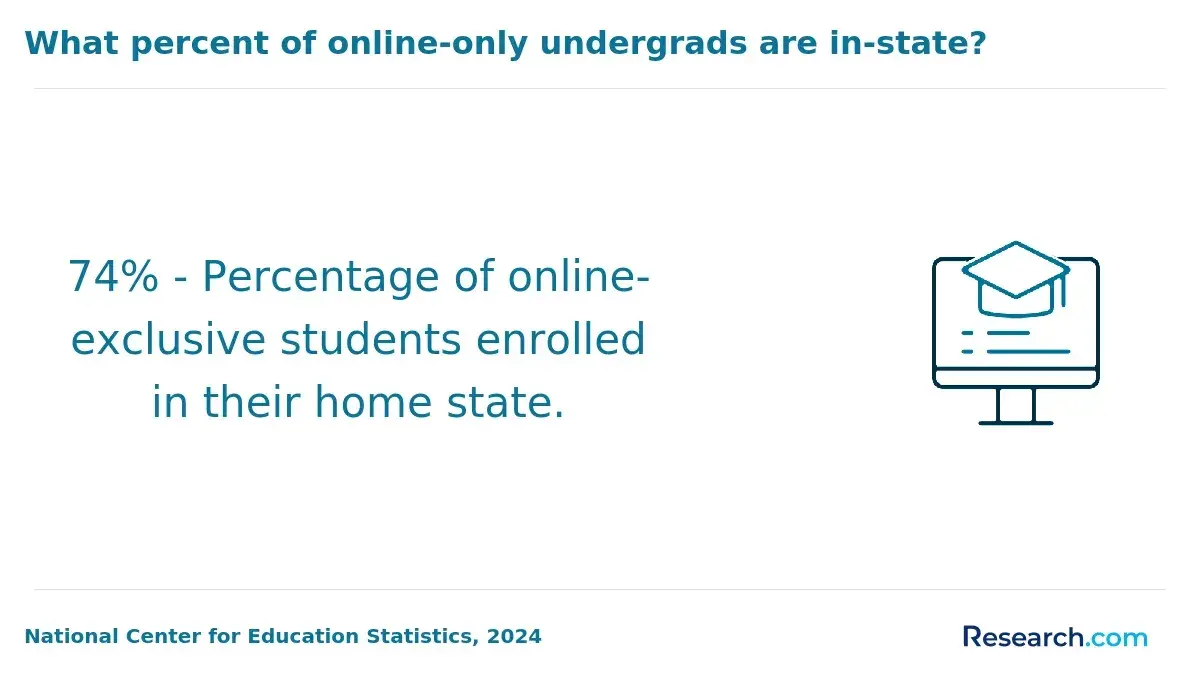
Students who are also considering broader online degree options may compare affordability resources such as cheap online colleges, especially if their long-term goal includes management or a bachelor's-completion pathway.
Before enrolling, ask the financial aid office and program director for a full cost sheet. It should include tuition, fees, books, tools, uniforms, background checks, drug screening, exam fees, licensing fees, transportation, parking, and any required equipment.
What trade school career paths can be started through online or hybrid training programs?
Some trade school career paths can begin online, but most hands-on trades cannot be completed fully online. Online and hybrid formats work best for theory, code study, safety, anatomy, medical terminology, blueprint reading, business courses, computer-aided design, exam preparation, and administrative healthcare training. They are weaker for skills that require supervised labs, clinical practice, shop equipment, or field safety checks.
The table below shows which trade-related programs are usually more suitable for online or hybrid learning. This helps students avoid enrolling in an online program that cannot actually prepare them for the hands-on or licensing requirements of the job:
| Program area | Online suitability | What usually must happen in person |
| Medical billing and coding | Strong | Certification exams may be remote or testing-center based, depending on the credential |
| Pharmacy technician | Moderate to strong | Externships, state registration steps, or lab simulations may be required |
| HVAC theory | Moderate | Refrigerant handling, brazing, diagnostics, and equipment labs need supervised practice |
| Electrical code or pre-apprenticeship coursework | Moderate | Wiring labs, conduit bending, safety demonstrations, and apprenticeship work hours are in person |
| CAD, drafting, and CNC programming basics | Strong for software foundations | Machine operation, shop safety, and production labs may be required for manufacturing roles |
| Radiography, sonography, and dental hygiene | Limited for full preparation | Clinical placements, imaging labs, patient care, and accredited program requirements are essential |
Hybrid training can be a good fit for working adults, military-affiliated students, parents, and students who live far from campus. Learners with service obligations or relocation concerns may also compare an online military college if they need flexible academic support, credit for prior learning, or military-friendly advising alongside a technical career plan.
When evaluating online trade training, focus on outcomes rather than convenience alone. Ask whether the program includes supervised labs, local clinical placements, employer partnerships, licensure preparation, and equipment access. If the school cannot explain how hands-on competencies are verified, that is a red flag.
How can students compare accredited trade schools and verify program quality and credentials?
Accreditation and credential verification protect students from wasting time and money on programs that employers, licensing boards, or certification agencies may not recognize. The right accreditation depends on the occupation: a school can be institutionally accredited, while a specific healthcare, aviation, dental, or technical program may also need programmatic approval.
Use this step-by-step process before signing an enrollment agreement. It is especially important for licensed trades, healthcare programs, aviation maintenance, and programs advertising high placement outcomes:
- Confirm institutional accreditation through a recognized accreditor and make sure the accreditation applies to the campus or online division you plan to attend.
- Check whether the specific program has required programmatic accreditation or approval, such as CODA for dental hygiene, aviation maintenance approval for FAA pathways, or relevant healthcare program accreditation where required.
- Verify state licensing eligibility by contacting the state board or agency directly, not only relying on admissions materials.
- Ask for recent completion rates, certification exam pass rates, job placement definitions, and the time period used to calculate outcomes.
- Review total program cost in writing, including tools, uniforms, exam fees, background checks, clinical fees, and retake policies.
- Talk with local employers, unions, apprenticeship programs, or workforce boards to see whether they recognize the school's credential.
- Read the refund policy, transfer credit policy, attendance rules, and leave-of-absence rules before paying a deposit.
Common red flags include guaranteed job promises, pressure to enroll immediately, vague accreditation language, missing licensure disclosures, unusually high salary claims, no local employer relationships, and refusal to provide outcome data. A reputable program should be able to explain exactly how its training connects to employment, certification, licensing, or apprenticeship progression.
What does the typical curriculum look like for leading trade school programs?
Trade school curricula are intentionally practical. Students usually learn safety, tools, regulations, jobsite behavior, technical math, documentation, and occupation-specific procedures before moving into labs, shops, simulations, clinical placements, or supervised fieldwork.
The table below shows what students commonly study in leading trade programs. Curriculum details vary by school, but strong programs should align coursework with employer expectations and licensing or certification standards:
| Program | Common classroom topics | Common hands-on components |
| Electrician training | Electrical theory, National Electrical Code, circuits, blueprint reading, load calculations, safety | Wiring, conduit bending, panel work, troubleshooting, controls, jobsite safety practice |
| HVAC technology | Thermodynamics, refrigeration cycles, electrical controls, airflow, heat pumps, EPA rules | System charging, diagnostics, brazing, ductwork, gauges, meters, equipment service |
| Welding | Blueprint reading, metallurgy basics, welding symbols, safety, inspection standards | SMAW, GMAW, GTAW, FCAW, cutting, fitting, positioning, destructive or visual testing |
| Automotive or diesel technology | Engine systems, braking, electrical systems, emissions, diagnostics, service documentation | Scan tools, engine repair, drivetrains, preventive maintenance, live vehicle labs |
| Radiologic technology | Anatomy, imaging procedures, radiation protection, patient care, pathology | Clinical rotations, patient positioning, imaging equipment operation, quality control |
| Dental hygiene | Oral anatomy, periodontology, radiography, pharmacology, infection control | Patient assessment, scaling, polishing, radiographs, clinical documentation |
| Mechatronics or industrial maintenance | Mechanical systems, hydraulics, pneumatics, PLC basics, sensors, motors | Equipment troubleshooting, robotics cells, preventive maintenance, wiring, controls labs |
Good curricula also teach professionalism. Attendance, punctuality, documentation, tool care, safety compliance, and teamwork are often treated as employability skills because employers depend on technicians who can be trusted in real work settings.
Students should ask how often equipment is updated. A program using current diagnostic platforms, digital controls, imaging systems, energy-efficient equipment, or automation tools may provide better preparation than one built mainly around outdated machines.
How can graduates advance, specialize, or change careers within skilled trades fields?
Trade careers do not have to stay entry-level. Many graduates advance by gaining licenses, journey-level status, specialty certifications, leadership experience, inspection credentials, contractor licenses, or business skills. Others use trade experience as a foundation for safety management, estimating, teaching, technical sales, operations, healthcare administration, or entrepreneurship.
Common advancement pathways include moving from helper to technician, technician to lead, lead to supervisor, and supervisor to manager or business owner. In healthcare trades, advancement may involve specializing in advanced imaging, completing bridge programs, or moving into education and administration.
In industrial trades, advancement often comes through controls, robotics, reliability maintenance, or maintenance management.
Use these steps to build a long-term career plan after graduation. They help you avoid getting stuck in the first role that hires you:
- Identify the next credential that has real market value, such as a journey license, EPA certification, ASE certification, FAA Airframe and Powerplant credential, advanced imaging certification, or specialty welding qualification.
- Track your work hours, supervised experience, procedures, projects, and equipment exposure because many licenses and promotions require documented experience.
- Choose employers that train workers on newer systems, not only repetitive entry-level tasks.
- Learn the business side of the trade, including estimating, scheduling, safety compliance, inventory, customer communication, and documentation.
- Build digital skills in diagnostics, work-order software, CAD, building automation, electronic health records, PLCs, or analytics depending on your field.
- Reassess every two to three years whether your next move should be specialization, supervision, self-employment, teaching, or a related degree.
Some experienced trade professionals later pursue flexible college pathways to move into management or technical leadership. For example, workers who already have strong field experience may consider a competency-based master's if they want to progress based on demonstrated skills while balancing work and study.
The main mistake to avoid is assuming the first credential is the final credential. Skilled trades reward continuous learning because codes, equipment, safety rules, energy systems, medical technology, and employer expectations keep changing.
Other Things You Should Know About
They can be worth it when the program is accredited or properly approved, the credential matches a real occupation, total cost is manageable, and local employers recognize the training. The strongest return usually comes from programs tied to licensure, apprenticeships, clinical credentials, or high-demand technical skills.
Pay varies by state and experience, but BLS May 2024 data shows elevator and escalator installers and repairers, power-line installers and repairers, diagnostic medical sonographers, aircraft mechanics, and radiologic technologists among higher-paying trade-related occupations.
Some trade-related programs can be completed mostly online, especially medical billing and coding, software-based drafting, exam preparation, and theory courses. Hands-on trades such as electrical, HVAC, welding, aviation maintenance, radiography, and dental hygiene usually require in-person labs, clinical placements, apprenticeships, or supervised practice.
Some do and some do not. Electricians, plumbers, dental hygienists, radiologic technologists, practical nurses, and aircraft mechanics often face state, federal, or industry credential requirements. Always verify licensing rules in the state where you plan to work before enrolling.
References
- The Most In-Demand Skilled Trade Jobs by Industry | SST https://superiorskilledtrades.com/the-most-in-demand-skilled-trade-jobs-of-2026/
- Highest Paying Trade Jobs Without a Degree | SkillPointe https://skillpointe.com/news-and-advice/24-highest-paying-trade-jobs-no-bachelors-degree-required
- What Are In-Demand Trade School Careers? | Pennco Tech https://www.penncotech.edu/what-trade-school-careers-are-most-in-demand/
- How Long is Trade School for an Electrician? The Comprehensive Guide - CET https://cetweb.edu/blog/how-long-is-trade-school-for-an-electrician-the-comprehensive-guide
- Trade School Accreditation | Everything You Should Know https://www.trade-schools.net/articles/accreditation
- Trade Schools Overview | ACT https://www.act.org/content/act/en/students-and-parents/career-planning/career-planning-resources/trade-schools.html
- Top Highest-paying Trade School Careers Explained https://tidewatertechtrades.edu/blog/highest-paying-trade-school-careers/
- Top Online Trade Schools for 2024 | Start Your Career Path https://www.educationconnection.com/online-trade-schools/
- Trade school: A comprehensive guide https://www.collegeessayguy.com/blog/trade-school-guide
- Trade School vs College: What You Need to Know - Tlingit & Haida https://tlingitandhaida.gov/news/trade-school-vs-college-what-you-need-to-know/