2027 How to Align Your Major With Your Career Goals

Co-Founder and Chief Data Scientist
Choosing a major is really a career investment decision: the wrong fit can cost time, money, and momentum. BLS data shows workers with a bachelor's degree had median weekly earnings of $1,543 in 2024, but outcomes still vary widely by field, location, experience, and credentials.
This guide is for high school students, transfer students, adult learners, and anyone reconsidering a degree path. You will learn how to define career goals, compare majors, evaluate program quality, use salary and job outlook data, and choose a path that fits your budget, timeline, and work style.
Key Things You Should Know
- Start with target roles, not just favorite subjects. Compare daily responsibilities, required credentials, work environment, advancement paths, and whether the major teaches the skills employers expect.
- College Board reported 2024-25 published tuition and fees of $11,610 for in-state public four-year colleges and $43,350 for private nonprofit four-year colleges, before grants and aid.
- BLS reported 2024 median weekly earnings of $1,543 for bachelor's degree holders, but the career value of a major depends on occupation, region, internships, licensing, portfolio quality, and experience.
How do you define clear career goals before choosing or changing your major?
Clear career goals give your major a purpose. A career goal is not just a job title; it is a practical description of the work you want to do, the problems you want to solve, the income range you need, the credential level required, and the lifestyle trade-offs you are willing to accept.
Before choosing or changing your major, define your goal at three levels: near-term entry roles, mid-career advancement options, and long-term specialization. This prevents you from choosing a major because it sounds interesting but does not connect to actual hiring requirements.
Use this sequence to turn a broad interest into a decision-ready career direction:
- Write down three target roles, such as financial analyst, elementary teacher, UX designer, registered nurse, data analyst, or marketing coordinator.
- For each role, identify common tasks, required education, preferred skills, licensing rules, and typical entry-level titles.
- Rank your nonnegotiables, including salary needs, remote-work potential, schedule stability, public service goals, travel, physical demands, and tolerance for graduate school.
- Compare the majors that most directly prepare you for those roles, then identify which courses, internships, certificates, or portfolios would close remaining gaps.
- Test the goal by interviewing professionals, reviewing job postings, and completing one low-risk experience, such as a short course, volunteer project, job shadow, or introductory class.
The table below summarizes the main goal-setting dimensions to clarify before you commit to a major. It helps you separate personal preference from career requirements.
| Career goal dimension | What it clarifies | Why it matters for choosing a major |
| Target role | The specific job family you are aiming for | Some majors map directly to roles, while others require internships, certifications, or graduate study |
| Credential level | Whether the field expects an associate, bachelor's, master's, doctoral, license, or certificate | Choosing too little or too much education can affect cost, timeline, and eligibility |
| Work setting | Office, clinic, school, lab, field site, remote, hybrid, or travel-heavy environment | A major may lead to roles with very different daily work conditions |
| Income target | The compensation range needed to support your life and debt level | Salary potential should be compared with total program cost and time out of the workforce |
| Advancement path | How people move from entry-level work to leadership or specialization | Some majors offer strong entry options, while others pay off after licensure or graduate education |
A common mistake is choosing a major based only on identity, such as "I am good at science" or "I like helping people." A better approach is to translate that interest into a role, then confirm which major is the shortest credible route to that role.
How can you systematically match potential majors to specific career paths?
Matching majors to careers works best when you reverse-engineer the job market. Instead of asking, "What can I do with this major?" ask, "What major, experiences, and credentials do people in my target role commonly have?"
Start with job postings, professional association guidance, alumni profiles, occupational databases, and school outcome reports. Look for repeated patterns in degree requirements, software tools, technical skills, writing expectations, quantitative skills, and licensing language.
The table below compares common career goals with majors that often support them. It is not a rulebook; it is a starting point for checking whether your preferred major aligns with real hiring signals:
| Career goal | Majors commonly aligned with the goal | What to verify before enrolling |
| Business analyst or operations analyst | Business analytics, information systems, statistics, economics, supply chain management | Coursework in databases, Excel, SQL, statistics, visualization, and process improvement |
| Teacher | Elementary education, secondary education, special education, subject-area education | State-approved teacher preparation, student teaching, and licensure exam alignment |
| Registered nurse | Nursing | State board approval, clinical placements, NCLEX preparation, and program outcomes |
| Software developer | Computer science, software engineering, information technology | Programming depth, projects, algorithms, internships, GitHub portfolio, and employer recruiting |
| Clinical psychologist or professor | Psychology followed by graduate study | Research experience, graduate prerequisites, licensure requirements, and doctoral expectations |
| Financial planner or analyst | Finance, accounting, economics, business administration | Quantitative coursework, internships, licensing or certification relevance, and employer pipelines |
Some goals require education beyond a bachelor's degree. If your long-term plan involves academic research, advanced clinical practice, or senior scholarly leadership, compare graduate pathways early, including flexible PhD programs online, so you understand prerequisites before choosing undergraduate electives.
A strong major-career match usually has three signs: required courses overlap with job skills, the program offers relevant experiential learning, and graduates can show evidence of career outcomes. A weak match often depends on vague promises such as "this major teaches critical thinking" without showing how students enter specific roles.
What factors should you weigh when choosing between online and campus programs for your major?
Online and campus programs can both align well with career goals, but they serve different needs. The right format depends on your target field, schedule, learning style, need for hands-on training, access to internships, and whether the program satisfies licensure or accreditation rules.
The table below highlights practical trade-offs. Use it to decide whether delivery format supports the way you need to learn and the way your target industry hires:
| Factor | Online program may fit when | Campus program may fit when |
| Schedule | You work, care for family, or need asynchronous coursework | You can attend classes at set times and benefit from a structured routine |
| Hands-on learning | The major is lecture-, writing-, coding-, or project-based, or local placements are available | The major requires labs, studios, clinicals, equipment, or frequent in-person practice |
| Networking | You can build connections through virtual events, alumni groups, online projects, and local internships | You want daily access to faculty, peer groups, student organizations, and campus recruiters |
| Cost control | You can avoid relocation, commuting, housing, or lost work hours | You receive strong campus-based aid or need facilities that justify the added cost |
| Career services | The school offers remote advising, employer events, interview prep, and internship support | The school has strong local employer pipelines and in-person recruiting for your field |
If speed is a major factor, compare whether an accelerated degree program truly shortens time to completion or simply increases course intensity. Faster is useful when it reduces opportunity cost, but it can backfire if it limits internships, clinical readiness, or portfolio quality.
Online programs are often strongest for self-directed learners who can manage deadlines and communicate proactively. Campus programs may be stronger for students who need high-touch support, lab access, studio critique, clinical supervision, or immediate peer accountability.
Red flags include online programs that do not clearly disclose accreditation, placement requirements, licensure eligibility, technology fees, faculty access, or how exams and projects are evaluated. For campus programs, watch for high costs without clear career services, weak internship access, or outdated facilities in hands-on majors.
How do accreditation and program quality impact your major's long-term career value?
Accreditation is one of the most important quality checks because it affects credit transfer, financial aid eligibility, graduate school admission, employer recognition, and licensure in regulated fields. Institutional accreditation reviews the school as a whole, while programmatic accreditation evaluates specific programs such as nursing, education, business, engineering, counseling, public health, or social work.
Program quality also includes curriculum relevance, faculty expertise, student support, internship access, clinical or field placement quality, career services, graduation outcomes, and employer relationships. Accreditation tells you the program meets a recognized baseline; it does not automatically mean it is the best fit for your goals.
Use the following checks before applying or accepting admission:
- Confirm institutional accreditation through a recognized accreditor and make sure the school is eligible for federal financial aid if you plan to use it.
- Check whether your specific major needs programmatic accreditation for licensure, certification, graduate admission, or employer acceptance.
- Ask whether online, branch campus, accelerated, and transfer pathways carry the same accreditation status as the main program.
- Review required fieldwork, clinicals, labs, practicums, capstones, or internships, because these experiences often determine career readiness.
- Request outcome data that is specific to the program, such as licensure pass rates, job placement information, graduation rates, and graduate school acceptance patterns.
A major can lose long-term value if the program is poorly aligned with employer standards. For example, a cybersecurity program without current lab environments, cloud coursework, and hands-on security tools may be less useful than a program that requires students to demonstrate applied technical competence.
The most common mistake is assuming a school's overall reputation applies equally to every major. A university may be strong in business but weak in teacher preparation, or excellent in nursing but limited in computer science internship access. Evaluate the major, not just the institution.
What admission, program length, and cost considerations affect aligning a major with career plans?
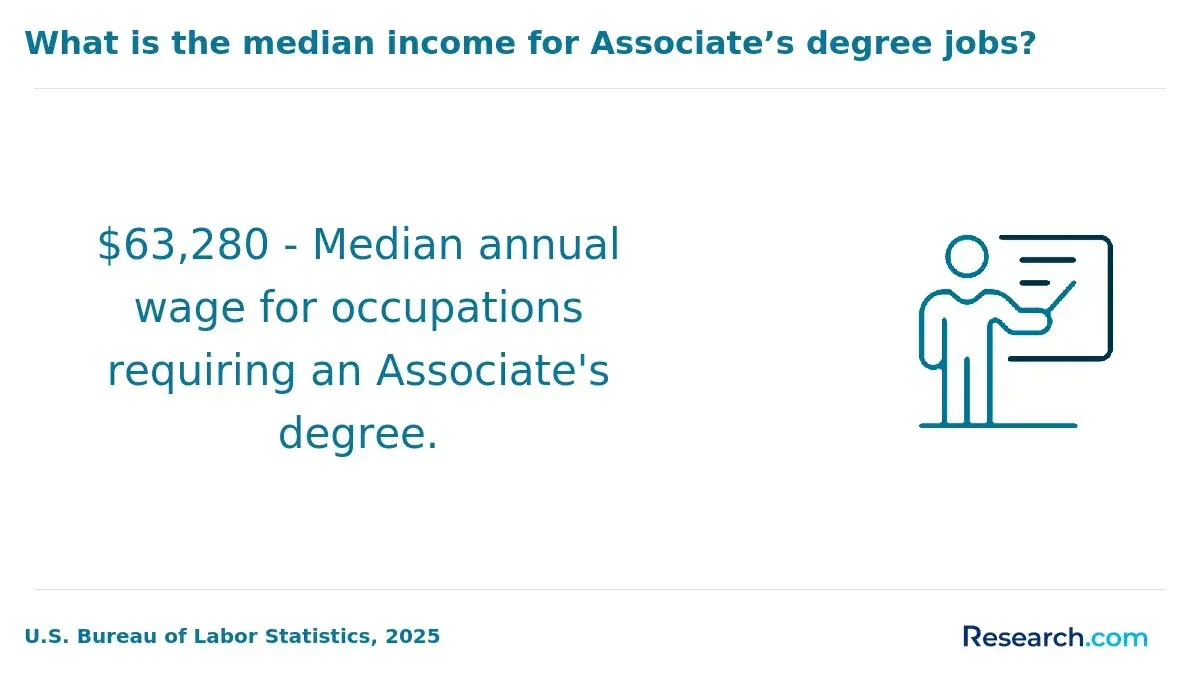
Admission requirements, program length, and total cost can change whether a major is realistic for your career plan. A strong match is not only academically appropriate; it must also fit your timeline, finances, transfer status, and life responsibilities.
College Board reported 2024-25 published tuition and fees of $11,610 for in-state students at public four-year colleges and $43,350 at private nonprofit four-year colleges. Because those are sticker prices before grants and scholarships, your real comparison should focus on net price, debt, completion time, and whether the major leads to the role you want.
When comparing costs, look beyond tuition. These categories often affect the true price of a major:
- Tuition and mandatory fees, including online course fees, lab fees, technology fees, and graduation fees.
- Books, software, equipment, uniforms, testing fees, background checks, immunizations, travel, and certification exams.
- Housing, commuting, parking, childcare, internet access, and lost income if you reduce work hours.
- Financial aid limits, scholarship renewal rules, employer tuition assistance, military benefits, and whether summer courses are covered.
- Extra semesters caused by prerequisites, course sequencing, failed courses, limited clinical placements, or credits that do not transfer.
The table below compares common program pathways by timeline and decision fit. It can help you choose a route that matches both career urgency and credential expectations.
| Pathway | Typical fit | Main trade-off |
| Certificate | Skill upgrade, career pivot, or entry into a technical support role | May not replace a degree for roles that require one |
| Associate degree | Entry-level technical careers, transfer preparation, or lower-cost first credential | Some occupations require a bachelor's degree for advancement |
| Bachelor's degree | Professional entry in business, technology, education, health, social science, and many management tracks | Higher cost and longer timeline than shorter credentials |
| Master's degree | Specialization, licensure, leadership, or career change after a bachelor's degree | ROI depends heavily on field, employer, and whether the credential is required |
| Doctoral or professional degree | Advanced clinical practice, research, academia, law, medicine, or executive specialization | Longer time commitment and higher opportunity cost |
Students seeking a fast first credential may compare an associate degree in 6 months online, but speed should be checked against accreditation, transferability, and whether the credential actually qualifies you for your target role. A short program that does not meet employer or licensing expectations can cost more in the long run.
Before enrolling, ask admissions advisors for a degree map showing every required course by term. If key courses are offered only once a year, your "two-year" or "four-year" plan may take longer than advertised.
How can you use labor market data to evaluate salary potential and job outlook by major?
Labor market data helps you test whether a major supports realistic employment goals. It should not be used as a guarantee, but it can reveal whether your target field is growing, stable, highly competitive, region-specific, or dependent on advanced credentials.
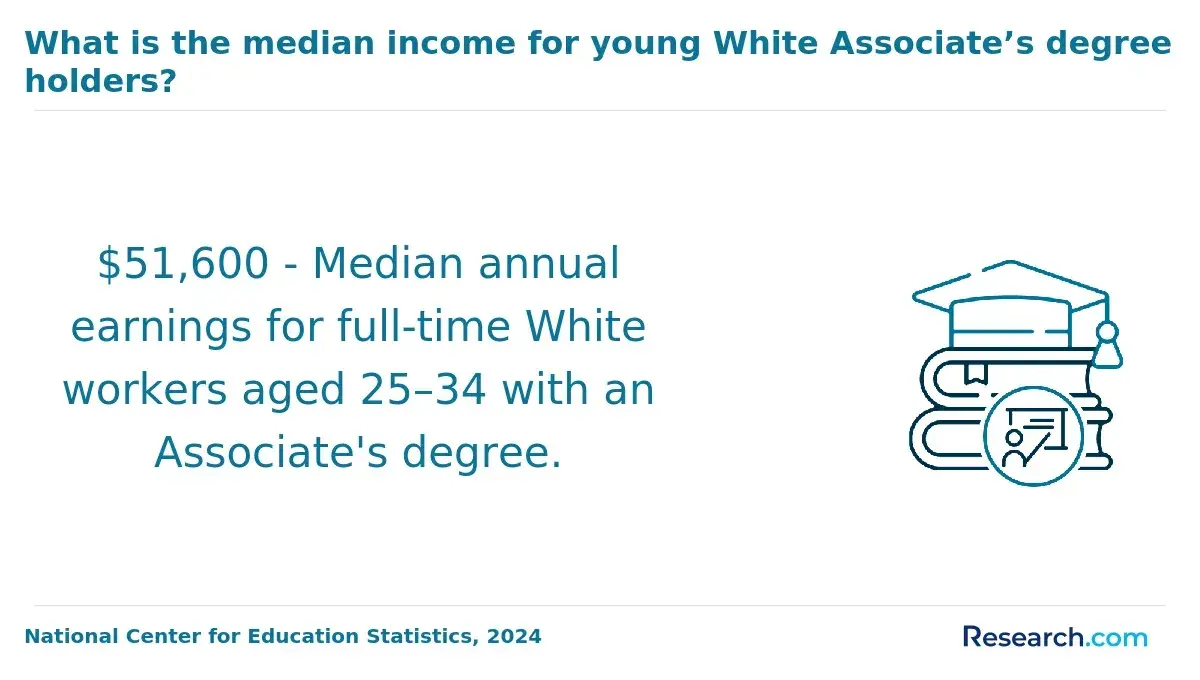
BLS reported a 2024 median annual wage of $49,500 across all U.S. occupations. Use that as a general benchmark, then compare occupations connected to your major by median wage, projected growth, education level, and local demand.
The table below shows how different majors can lead to different labor market profiles. The point is not to chase the highest number, but to understand whether the occupational path matches your risk tolerance, interests, and education budget:
| Major area | Common career direction | Labor market factor to examine |
| Computer science or information systems | Software, data, cybersecurity, systems, or IT roles | Portfolio strength, technical interviews, internships, and regional tech hiring |
| Nursing or allied health | Clinical patient care, health administration, or specialized practice | Licensure, clinical placement quality, shift work expectations, and local healthcare demand |
| Accounting or finance | Audit, tax, corporate finance, banking, analysis, or planning | Internships, CPA or finance credentials, quantitative skills, and employer recruiting cycles |
| Education | Teaching, curriculum, special education, or administration | State licensure, subject-area shortages, district pay scales, and student teaching quality |
| Psychology or sociology | Human services, research support, HR, counseling preparation, or graduate study | Whether the desired role requires graduate education or supervised licensure |
| Communications or marketing | Content, public relations, digital marketing, sales enablement, or media | Portfolio evidence, analytics tools, internships, and industry specialization |
If salary is a major part of your decision, review fields associated with a highest paying degree, then compare those options with your aptitude, tolerance for quantitative coursework, licensing requirements, and willingness to work in competitive roles. High earning potential matters most when it is paired with completion likelihood and genuine career fit.
Use labor data carefully. National averages can hide local differences, entry-level pay can differ sharply from mid-career pay, and job growth projections do not tell you how easy it will be for a new graduate to get hired. For the best picture, combine BLS data with local job postings, alumni outcomes, internship availability, and employer conversations.
What skills, coursework, and experiential learning best connect your major to target roles?
A major connects to a career through skills, not just course titles. Employers increasingly look for evidence that students can solve problems, communicate clearly, use relevant tools, work in teams, and apply knowledge in real settings.
AI and automation make this connection even more important. Majors that teach only routine tasks may become less durable, while majors that combine domain knowledge with data literacy, ethical reasoning, communication, and adaptable technical skills can support more resilient career paths.
To make your major career-ready, build a skill plan alongside your degree plan:
- Identify five to eight skills that appear repeatedly in job postings for your target roles, including software, methods, communication expectations, technical tools, and industry knowledge.
- Match each skill to a course, project, internship, lab, practicum, portfolio item, student organization, or certificate.
- Choose electives that close gaps instead of filling credits randomly, especially in writing, statistics, data tools, coding, design, finance, research methods, or public speaking.
- Complete at least one experience that produces evidence of work, such as a case study, capstone, clinical evaluation, teaching portfolio, GitHub repository, research poster, campaign plan, or client project.
- Ask faculty, career advisors, or industry mentors to review your resume and portfolio before your final year, not after graduation.
The table below summarizes types of experiential learning and what they signal to employers or graduate programs:
| Experience type | Best for | What it demonstrates |
| Internship | Business, technology, communications, engineering, public policy, and many social science paths | Workplace readiness, supervision, applied skills, and professional references |
| Clinical or practicum | Health, counseling, social work, education, and allied health programs | Hands-on competence in supervised settings and readiness for regulated practice |
| Research project | STEM, psychology, economics, public health, humanities, and graduate school preparation | Analytical thinking, methods knowledge, writing, and faculty mentorship |
| Portfolio or capstone | Design, marketing, computer science, data analytics, media, and applied business fields | Visible proof of skills, problem-solving process, and project completion |
| Student leadership | Management, nonprofit, education, public service, and communications paths | Coordination, accountability, communication, and initiative |
A common mistake is waiting until senior year to think about employability. By then, it may be too late to add internships, prerequisites, portfolio pieces, or licensure-aligned fieldwork without extending your degree.
How do licensing and certification requirements shape your choice of major in regulated fields?
Licensing and certification rules can determine whether a major qualifies you for the career you want. Regulated fields often require not only a degree, but also specific accreditation, supervised hours, exams, background checks, clinical placements, or state approval.
This is especially important for students considering online programs, out-of-state schools, transfer pathways, or career changes. A program may be academically legitimate but still fail to meet your state's requirements for a specific license.
The table below shows examples of fields where licensing or certification should shape your major choice early:
| Field | Why the major matters | What to verify |
| Nursing | Graduates typically need eligibility for the NCLEX and state board approval | State approval, clinical placements, accreditation, and exam preparation outcomes |
| Teaching | Public school teaching usually requires a state-approved educator preparation program | Certification area, student teaching, testing requirements, and reciprocity rules |
| Social work | Licensed roles may require a CSWE-accredited degree and supervised practice | Programmatic accreditation, field placements, and state licensing pathway |
| Counseling or psychology | Independent clinical practice usually requires graduate education and supervised hours | Degree level, state board rules, practicum hours, and exam requirements |
| Accounting | CPA eligibility commonly depends on accounting credits, total credits, and state board rules | Course distribution, credit totals, exam eligibility, and state-specific requirements |
| Engineering | Some roles value or require ABET-accredited preparation for licensure pathways | Programmatic accreditation, FE exam preparation, and professional licensure relevance |
Before choosing a major in a regulated field, complete these checks:
- Find the licensing board for the state where you plan to work, not just the state where the school is located.
- Confirm whether the exact program, delivery format, and campus location meet that board's education requirements.
- Ask the school to provide written licensure disclosures for your state and intended credential.
- Check whether field placements can be completed near you if you study online or relocate during the program.
- Verify whether certification is optional, preferred, or required for entry-level employment in your target role.
The biggest red flag is vague language such as "prepares students for careers in healthcare" or "may meet licensure requirements." In regulated fields, you need precise confirmation of eligibility before you enroll.
How should transfer credits, prior learning, and flexible scheduling influence adult learners' major decisions?
Adult learners often have different constraints than traditional first-time students. Prior college credits, military training, professional certifications, workplace learning, family responsibilities, and full-time employment can all change which major is the smartest fit.
Transfer credit policies can reduce time and cost, but only if the credits apply to your major requirements rather than just general electives. A student with many unused credits may still need several semesters if the new major has strict prerequisites or sequenced courses.
Flexible formats can also change the equation. Some competency-based universities allow students to progress by demonstrating mastery, which may help experienced adults move faster in fields where they already have strong skills. However, this format requires self-direction and may not fit students who need weekly live instruction.
Adult learners should compare majors using these practical criteria:
- How many previous credits apply directly to the major, not just to free electives.
- Whether courses are offered evenings, weekends, asynchronously, in short terms, or year-round.
- Whether the program accepts prior learning assessment, military credit, professional certifications, or portfolio-based credit.
- Whether internships, clinicals, labs, or student teaching can be completed around work obligations.
- Whether employer tuition assistance requires a specific major, minimum grade, repayment agreement, or approved school.
- Whether the program's pace is realistic given work, family, health, and commuting responsibilities.
The table below compares flexible options adult learners commonly encounter. It can help you identify which structure reduces barriers without weakening career preparation:
| Option | Best fit | Potential limitation |
| Generous transfer-credit program | Students with previous college coursework | Credits may not satisfy major prerequisites |
| Prior learning assessment | Students with documented work, military, or professional training | Assessment rules vary widely by school and major |
| Asynchronous online program | Working adults needing schedule control | Requires strong time management and self-teaching habits |
| Evening or hybrid program | Students who want structure without full-time campus attendance | May still require commuting or fixed class times |
| Competency-based program | Experienced learners who can demonstrate mastery quickly | May be challenging for learners who need frequent live instruction |
A common mistake is choosing the fastest-looking major instead of the most transferable one. If you may later pursue a bachelor's, graduate school, licensure, or employer reimbursement, confirm that credits and credentials will still be recognized.
What strategies help you periodically reassess and realign your major with evolving career goals?
Career goals change as industries evolve, personal priorities shift, and students learn more about their strengths. Realignment is not failure; it is a normal part of making a major more useful.
The best approach is to reassess at planned checkpoints rather than waiting until you feel stuck. Review your major after introductory courses, after the first internship or field experience, before declaring a concentration, and before taking on major-specific debt.
Use this reassessment process each term or at least once per academic year:
- Compare your current major requirements with the job postings you would apply to within the next 12 to 24 months.
- Review your grades, energy level, and interest in major courses, especially the advanced courses that represent the actual work of the field.
- Meet with an academic advisor and a career advisor, because one may know curriculum rules while the other understands hiring expectations.
- Calculate the cost of staying, switching, adding a minor, choosing a certificate, or delaying graduation.
- Identify whether a small adjustment, such as electives, internships, research, or a concentration, can solve the mismatch without changing majors.
- Make a written decision with a deadline, required actions, and a backup plan if admission, licensing, or transfer rules change.
Sometimes realignment means moving from a broad major to a specialized one, such as from biology to medical laboratory science. Other times it means keeping the major but adding employable evidence, such as analytics projects for an economics student or classroom experience for an English student considering teaching.
Red flags that your major may need realignment include avoiding required courses, discovering that target jobs require a different credential, needing a salary range the field rarely supports at entry level, or realizing that required licensure does not match your location or timeline.
Other Things You Should Know About
Start with three target roles, then work backward to the education, skills, credentials, and experience those roles require. Choose the major that gives you the most direct, affordable, and realistic path to those requirements.
You need both fit and financial realism. A high-paying field may not be worth it if you dislike the work or are unlikely to finish the program, while a passion-driven major should still be evaluated for job options, debt, and skill-building opportunities.
No, but timing matters. Changing early can improve alignment, while changing late may add cost and delay graduation. Before switching, compare remaining credits, career outcomes, transfer rules, and whether a minor, certificate, or internship could solve the mismatch.
No major guarantees employment. Look for strong alignment between coursework and job postings, relevant internships or clinical placements, accreditation, career services, alumni outcomes, portfolio opportunities, and local demand in your target field.
References
- How Accreditation Affects the Quality and Recognition of a Master’s Degree https://www.idsnews.com/article/2026/04/sponsored-how-accreditation-affects-the-quality-and-recogintion-04092026
- How to Choose a College Major: Career-Focused Tips https://beal.edu/how-to-choose-a-college-major/
- The Missing Link: Adult Learners and the Transfer Process https://www.cael.org/resouces/pathways-blog/the-missing-link-adult-learners-and-the-transfer-process
- How to Choose the Right Online College https://www.straighterline.com/blog/goodie-how-to-choose-the-right-online-college
- Career Outcomes & Labor Market Intelligence | Mapademics https://www.mapademics.com/solutions/career-outcomes-labor-market
- Build Your Career with a Goal-Oriented Development Plan – Step by Step https://sundancecollege.com/blog/goal-oriented-career-development-plan-guide/
- How to Build Career Pathways for Success in 2026 - ICMS https://www.icms.edu.au/degree-discovery/how-to-build-career-pathways-success/
- How Experiential Learning in College Could Launch Your Career | The Princeton Review https://www.princetonreview.com/college-advice/experiential-learning-benefits
- Experiential Learning: Helping Students Connect Classroom to Career https://utsa.screenstepslive.com/a/1928057-experiential-learning-helping-students-connect-classroom-to-career
- 10 Strategies to Realign Your Career Goals Regularly - Emerald Isle Manpower https://emeraldislemanpower.com/10-strategies-to-realign-your-career-goals-regularly/