2027 What IS Hirevue: Role, Skills, Salary, and Career Path

Co-Founder and Chief Data Scientist
Hiring teams increasingly rely on digital interviews, structured assessments, and AI-supported recruiting tools, so job seekers and HR professionals need to understand where HireVue fits. The U.S. Bureau of Labor Statistics projects human resources specialist employment to grow 6% from 2024 to 2034, which makes HR technology fluency more valuable.
This guide is for students, career changers, recruiters, and HR support professionals who want to understand HireVue-related roles, skills, education options, salaries, and advancement paths before choosing a training or degree route.
Key Things You Should Know
- HireVue is not usually a standalone career title; it is a digital interviewing and assessment platform used by recruiters, HR specialists, campus hiring teams, and talent operations staff.
- The closest U.S. salary benchmark is human resources specialist work, with a BLS median annual wage of $72,910 in May 2024; more technical paths such as data science can pay substantially more.
- The strongest preparation combines HR fundamentals, interviewing ethics, applicant tracking systems, data literacy, accessibility awareness, and practical experience supporting candidates and hiring managers.
What is HireVue and how is it used in modern hiring and recruiting?
HireVue is a hiring technology platform used for digital interviews, structured assessments, scheduling, candidate engagement, and recruiting workflow support. Employers may use it for one-way video interviews, live virtual interviews, skills-based assessments, or early screening steps before a recruiter or hiring manager makes a decision.
For candidates, a HireVue interview often means answering pre-set questions on camera within a time limit. For employers, the value is consistency: every applicant for the same role can receive the same questions, evaluation criteria, and workflow.
That structure can help large employers manage high-volume hiring, especially for internships, sales roles, customer support jobs, operations roles, and early-career corporate positions.
It is important to separate the platform from the people who use it. A "HireVue specialist" is usually an HR technology, recruiting coordination, talent acquisition, or HR operations professional whose work includes configuring, supporting, auditing, or interpreting activity inside a platform like HireVue.
The role may also involve other systems such as applicant tracking systems, HR information systems, calendar automation tools, assessment vendors, and reporting dashboards.
The current trend is not simply "more video interviews." Employers are under pressure to make digital hiring faster, more structured, more accessible, and more compliant. That means professionals who understand both recruiting and technology can be valuable because they can help teams use automation without creating a poor candidate experience or introducing avoidable bias.
What does a HireVue interview specialist do and where do they work?
A HireVue-oriented role sits at the intersection of recruiting, HR operations, technology support, and candidate experience. Some people focus on day-to-day interview coordination, while others manage system configuration, analytics, compliance documentation, or process improvement.
The table below shows common job titles that may include HireVue or similar digital interviewing responsibilities:
| Role title | How HireVue may fit | Typical work environment |
| Recruiting coordinator | Schedules interviews, sends candidate instructions, monitors completion, troubleshoots access issues | Corporate HR, staffing firms, universities, healthcare systems |
| Talent acquisition specialist | Uses digital interviews to screen candidates, standardize evaluations, and move applicants through the funnel | Mid-size and large employers, high-volume hiring teams |
| HR technology specialist | Configures recruiting tools, manages integrations, tests workflows, supports users, and documents processes | HR operations teams, shared services, HR tech vendors |
| Candidate experience specialist | Improves communication, accessibility, support scripts, and feedback loops for digital interview users | Enterprise recruiting teams, campus recruiting, customer-facing HR teams |
| Talent analytics analyst | Analyzes hiring funnel data, completion rates, time-to-interview, assessment use, and process bottlenecks | People analytics, workforce planning, HR strategy teams |
Day-to-day work can vary widely, but the most common responsibilities cluster around candidate support, recruiter enablement, workflow quality, and data accuracy.
These responsibilities matter because a poorly configured digital interview can create delays, confusion, accessibility problems, or inconsistent evaluation practices:
- Building and testing interview templates, question sets, rating guides, and candidate communications.
- Helping applicants resolve login, camera, microphone, deadline, or scheduling problems.
- Training recruiters and hiring managers to use structured scoring and avoid irrelevant evaluation criteria.
- Monitoring completion rates, interview status, and workflow bottlenecks in recruiting dashboards.
- Coordinating with legal, compliance, diversity, accessibility, and IT teams when digital assessments affect hiring decisions.
What education, training, and technical skills are needed for HireVue-related careers?
Most HireVue-related careers do not require a degree specifically in digital interviewing. Employers usually look for a mix of HR knowledge, communication ability, technology comfort, data discipline, and judgment. A bachelor's degree in human resources, business, psychology, communications, information systems, or data analytics is common, but some support and coordination roles are accessible with an associate degree, certificate, or relevant administrative experience.
The most useful skills fall into four categories. Building strength across these areas helps you qualify for more than one role, which is important because employers may use different job titles for similar HR technology work:
- Recruiting and HR fundamentals: Job requisitions, applicant tracking systems, structured interviews, selection criteria, candidate communication, equal employment opportunity basics, and confidentiality
- Technology and workflow skills: Platform configuration, user support, testing, documentation, permissions, integrations, calendar tools, and troubleshooting
- Data and reporting skills: Spreadsheet analysis, dashboards, hiring funnel metrics, data quality checks, survey interpretation, and basic people analytics concepts
- Professional judgment: Accessibility awareness, bias risk recognition, privacy-minded communication, stakeholder management, and ethical use of AI-supported tools
For technical roles, you may also benefit from learning SQL, business intelligence software, HRIS administration, API concepts, and data visualization. For recruiter-facing roles, communication, empathy, and process discipline can matter more than coding because you will often be the person translating technology into a usable hiring experience.
Certifications can help, but they are usually not mandatory for entry-level roles. HR credentials from recognized professional associations, HR analytics certificates, project management training, and vendor-specific platform training can strengthen a resume when paired with practical experience.
Are HireVue and similar digital interviewing roles entry-level, and how do you qualify?
Some HireVue-related jobs are entry-level, especially recruiting coordinator, HR assistant, talent acquisition assistant, candidate support, and HR operations associate roles. More advanced jobs, such as HR technology analyst or talent analytics analyst, usually require deeper systems experience, reporting skills, or prior HR exposure.
If you are starting with limited experience, the smartest approach is to qualify for a broader HR technology or recruiting operations role rather than waiting for a job posting that names HireVue specifically. If you need a shorter academic path first, a quickest associates degree option in business, HR support, or information technology can be a practical bridge, especially if it includes internships or transfer pathways.
A good entry plan should show employers that you can support people, manage details, and learn systems quickly. These steps are useful because they convert a general interest in HR tech into evidence a hiring manager can verify:
- Learn the basics of recruiting workflows, including requisitions, screening, interviews, offer stages, and candidate status updates.
- Build spreadsheet confidence by practicing filters, pivot tables, data validation, basic charts, and error checks on sample hiring data.
- Get hands-on exposure to HR or recruiting tools through internships, campus employment, volunteer hiring committees, staffing agencies, or administrative roles.
- Create a short portfolio item, such as a candidate communication template, workflow checklist, interview scorecard, or dashboard mockup.
- Apply for roles that mention applicant tracking systems, interview scheduling, HR operations, recruiting coordination, candidate experience, or HR technology support.
Common entry-level mistakes include overstating AI expertise, focusing only on video interview tips, or ignoring the compliance and accessibility side of digital hiring. Employers do not just need someone who can click through a platform; they need someone who can help the hiring process run fairly, accurately, and professionally.
What degree programs and certificates best prepare you for HireVue-focused roles?
The best program depends on whether you want to work closer to recruiting, HR systems, analytics, or organizational strategy. A human resources or business degree is often the most direct route for recruiting roles, while information systems or data analytics may be better for HR technology and people analytics roles.
Cost should be part of the decision. College Board reported average published tuition and fees of $11,610 for in-state students at public four-year institutions and $43,350 at private nonprofit four-year institutions for 2024-2025.
Those figures do not include all living costs, but they show why comparing total cost, transfer credit, employer tuition benefits, and completion time matters before enrolling.
The table below compares common education paths and the career situations where each tends to make sense. It is not a ranking; the best choice is the one that matches your target role, budget, timeline, and prior credits:
| Education option | Best fit | Typical advantage | Potential limitation |
| Associate degree in business, HR, or IT | Entry-level HR assistant, recruiting coordinator, administrative support | Lower cost and faster entry into the workforce | May not meet bachelor's-preferred requirements for larger employers |
| Bachelor's in human resources or business | Recruiting, talent acquisition, HR operations | Direct alignment with HR roles and employer expectations | May need extra analytics or systems coursework for technical roles |
| Bachelor's in psychology or communications | Candidate experience, interviewing, employer branding, campus recruiting | Strong people, communication, and behavior foundation | Should be paired with HR law, analytics, or business coursework |
| Bachelor's in information systems or data analytics | HR technology, people analytics, systems administration | Stronger technical and reporting preparation | May need HR-specific learning to understand hiring context |
| Graduate certificate or master's in HR, analytics, or organizational development | Career changers and professionals targeting leadership or analyst roles | Can deepen specialization without starting over | ROI depends heavily on employer demand and prior work experience |
Be careful about choosing programs only because they appear simple or fast. Lists of easy degrees can help you understand workload differences, but your final choice should still match the skills employers ask for in HR technology, recruiting operations, or analytics job postings.
Certificates make the most sense when they fill a specific gap. For example, an HR graduate may need analytics training, while an IT graduate may need HR law, recruiting, and employee selection coursework. A certificate is less useful if it repeats what you already know or comes from a provider that employers in your target market do not recognize.
How do online vs campus programs compare for careers in digital interviewing technology?
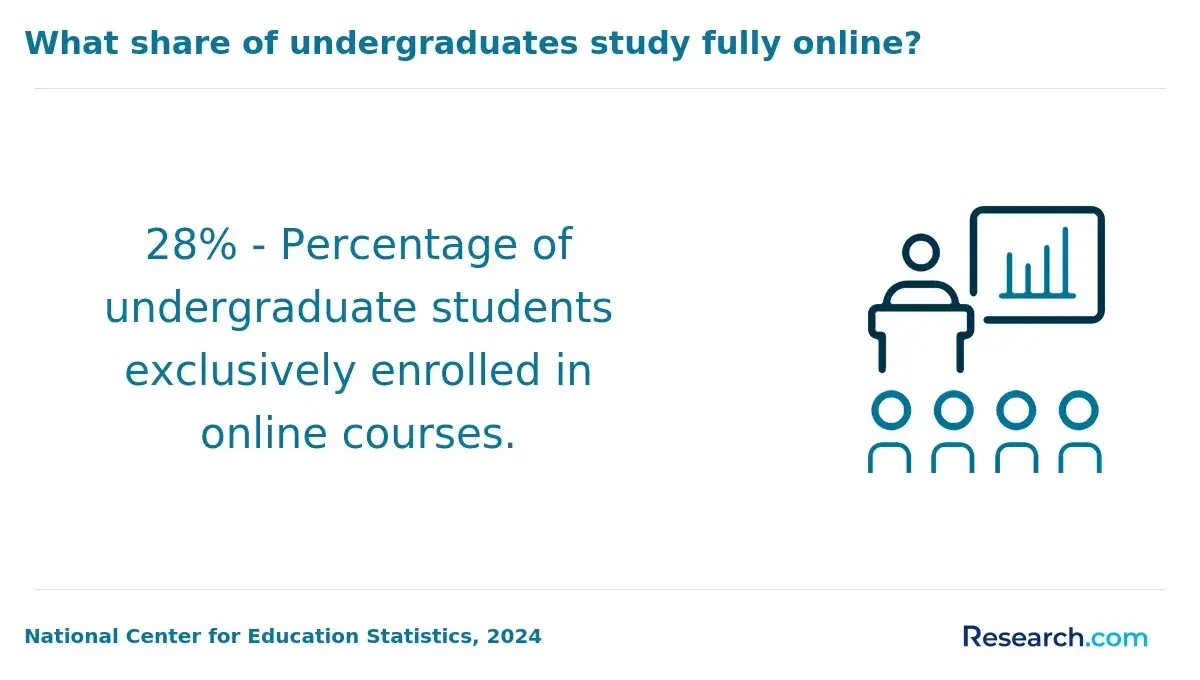
Online and campus programs can both prepare you for HireVue-related careers. The better format depends on how you learn, whether you need flexibility, and how much access you want to internships, labs, employer events, or local recruiting networks.
Digital interviewing and HR technology work often fits remote or hybrid environments, so online learning can be a natural match if the program includes applied projects, live collaboration, and career support. Students comparing online degrees for remote jobs should look for programs that teach communication, data tools, and virtual team workflows rather than assuming any online degree automatically leads to remote work.
The table below summarizes the main trade-offs. Use it to decide which format supports your schedule and career goal, not just which option is more convenient:
| Factor | Online program | Campus program |
| Schedule fit | Often better for working adults, caregivers, and students outside commuting distance | Often better for students who want a fixed schedule and in-person structure |
| Networking | Can be strong if the program offers live sessions, alumni access, and virtual career events | Can be easier through campus recruiting, clubs, faculty relationships, and local employers |
| Applied technology practice | Works well when courses include cloud tools, dashboards, simulations, and group projects | Works well when labs, workshops, and in-person projects are available |
| Internship access | Depends on school partnerships and student location | May be stronger when the campus has regional employer relationships |
| Best for | Career changers, remote learners, working HR assistants, and self-directed students | Traditional students, students seeking campus recruiting, and learners who prefer face-to-face support |
Before choosing an online program, ask whether you will complete real HR data projects, practice structured interviewing, receive career coaching, and have access to internships or employer projects. Before choosing a campus program, ask whether the curriculum actually includes modern HR technology rather than only traditional HR administration.
What are typical salaries and total compensation for HireVue-oriented positions?
There is no official BLS category for "HireVue specialist," so salary estimates should be based on the broader occupation and the level of technical responsibility. A recruiting coordinator who supports digital interviews will usually be paid differently from an HR technology analyst or people analytics professional who manages systems and reports.
The table below uses May 2024 BLS median annual wage data for U.S. occupations that commonly overlap with HireVue-related work. Treat these as labor-market benchmarks, not promises for a specific job offer:
| Occupation proxy | How it connects to HireVue-related work | May 2024 median annual wage |
| Human resources specialists | Recruiting, screening, candidate communication, interview coordination, and HR process support | $72,910 |
| Computer support specialists | Platform support, user troubleshooting, help desk escalation, and technical documentation | $61,550 |
| Training and development specialists | Recruiter training, hiring manager enablement, process documentation, and adoption support | $65,850 |
| Data scientists | Advanced talent analytics, predictive modeling, hiring funnel analysis, and workforce data projects | $112,590 |
| Human resources managers | Recruiting strategy, HR technology oversight, vendor management, and compliance leadership | $140,030 |
Total compensation can include bonus eligibility, stock awards, retirement contributions, health benefits, paid leave, tuition reimbursement, remote-work flexibility, and professional development funding. In HR tech and analytics roles, the value of training budgets can be meaningful because platforms, regulations, and employer expectations change quickly.
Salary varies by region, industry, employer size, remote status, and technical depth. A healthcare system hiring a recruiting coordinator, a staffing agency hiring a high-volume recruiter, and a technology company hiring a people analytics analyst may all mention digital interviewing but offer very different compensation packages.
What is the job outlook for professionals working with HireVue and AI hiring tools?
The outlook is strongest for professionals who combine HR judgment with technology and data skills. Employers continue to use digital workflows because they need speed, consistency, documentation, and candidate tracking, but they also need people who can manage quality, accessibility, and compliance concerns.
BLS projects employment for human resources specialists to grow 6% from 2024 to 2034. For readers, that suggests steady demand for HR roles, but the best opportunities may go to candidates who can use modern recruiting systems rather than relying only on general administrative skills.
AI hiring tools also create new responsibilities. Organizations are paying closer attention to whether automated assessments are job-related, explainable, accessible, and monitored for adverse impact. Professionals who understand structured interviewing, data governance, and responsible AI use may be better positioned than those who treat automation as a simple shortcut.
The fastest-growing adjacent path is analytics. BLS projects data scientist employment to grow 34% from 2024 to 2034, which is much faster than average. That does not mean every HR professional should become a data scientist, but it does show why hiring teams value people who can interpret data, question model outputs, and connect metrics to business decisions.
One limitation to keep in mind is that employer adoption varies. Some organizations use advanced assessment tools, while others use basic video scheduling or no digital interviewing platform at all. To reduce risk, build transferable skills in HR systems, analytics, interviewing, compliance, and communication rather than tying your career identity to a single vendor.
How can you advance from HireVue support roles into broader HR or talent analytics careers?
A HireVue support or recruiting coordination role can be a strong starting point because it exposes you to candidates, recruiters, hiring managers, workflow data, and system pain points. Advancement usually comes from moving beyond task completion into process improvement, reporting, stakeholder training, and decision support.
If your goal is management, HR strategy, or analytics leadership, a graduate credential can help when it is paired with relevant work experience. Comparing a fastest masters degree online can be useful for working professionals, but speed should not outweigh accreditation, curriculum quality, employer recognition, or applied analytics opportunities.
A practical advancement path often looks like this. The steps are not mandatory, but they show how to turn platform familiarity into broader career capital:
- Start in recruiting coordination, HR support, staffing, campus recruiting, or candidate experience to learn the hiring workflow.
- Become the team's reliable system user by documenting issues, testing templates, improving candidate instructions, and training peers.
- Add reporting skills by tracking completion rates, time-to-interview, no-show patterns, recruiter workload, and process bottlenecks.
- Lead small improvements, such as standardizing interview scorecards, simplifying candidate communications, or creating dashboard summaries for hiring managers.
- Move toward HR technology analyst, talent acquisition specialist, people operations analyst, HR project manager, or talent analytics roles.
Common advancement mistakes include staying too vendor-specific, ignoring business context, and treating metrics as neutral without checking data quality. Strong HR tech professionals can explain what the data means, where it may be incomplete, and what decision it should or should not support.
How do you choose reputable, accredited programs aligned with HireVue and HR tech careers?
Program choice matters because HR technology careers reward practical, credible preparation. Accreditation helps confirm that an institution meets recognized academic standards, but it does not automatically mean a program is the best fit for your career goal. You still need to inspect curriculum, outcomes, employer connections, faculty experience, and applied learning.
Use the following checklist before enrolling. These questions help you avoid common red flags such as vague career promises, weak transfer policies, limited employer connections, or programs that teach outdated HR practices:
- Confirm institutional accreditation through the U.S. Department of Education or the Council for Higher Education Accreditation database.
- Review the curriculum for HR law, recruiting, workforce analytics, information systems, data visualization, organizational behavior, and ethics.
- Ask whether courses include applied projects using spreadsheets, dashboards, HR case studies, interview rubrics, or simulated recruiting workflows.
- Compare total cost, not just tuition, including fees, books, technology requirements, residency costs, and time away from work.
- Check transfer credit rules, prior learning credit, internship support, career coaching, alumni outcomes, and employer partnerships.
- Be cautious of programs that promise specific salaries, guarantee remote jobs, or claim that one certificate alone will qualify you for advanced analytics roles.
Advanced research or faculty careers may require doctoral study, but most HireVue-related recruiting and HR technology roles do not. If you are comparing PhD programs, make sure the degree is truly necessary for your target role and that the research focus aligns with workforce analytics, organizational psychology, HR technology, or labor studies.
The best program is usually the one that gives you a credible credential, practical projects, a manageable cost, and direct alignment with job postings you would actually apply for. Before committing, collect five to ten target job descriptions and verify that the program teaches the skills those employers repeatedly request.
Other Things You Should Know About
HireVue is a digital interviewing and assessment platform. Some employers may use AI-supported features or structured assessments, while others may use it mainly for video interviews, scheduling, and workflow management. The exact experience depends on how the employer configures the process.
Learning HireVue alone is usually not enough. Employers typically want broader recruiting, HR operations, candidate support, data, or systems skills. Treat platform knowledge as one useful skill within a larger HR technology toolkit.
Most recruiting coordinator and talent acquisition roles do not require coding. Analytics or HR technology roles may prefer SQL, reporting tools, data visualization, or systems integration knowledge, especially at mid-level and senior levels.
Good first roles include recruiting coordinator, HR assistant, staffing coordinator, candidate experience associate, HR operations assistant, or talent acquisition support specialist. These jobs help you learn hiring workflows, candidate communication, and recruiting systems.
References
- HireVue: 2025 Technical Deep Dive into AI Hiring, Features, and Critical Compliance - Best AI HR Source https://bestaihrsource.com/talent-acquisition/hirevue-overview-features-breakdown
- Employer Attitudes on Traditional Degrees vs. Online Degrees https://mrinetwork.com/career-resources/employer-attitudes-on-traditional-degrees-vs-online-degrees/
- Which HR Certifications Matter Most for Careers Today? https://zabeelinstitute.ae/blog/hr-certifications-for-careers/
- What Is HireVue? | Definition from TechTarget https://www.techtarget.com/searchhrsoftware/definition/HireVue
- Top 10 HireVue Alternatives & Competitors - PMaps https://www.pmapstest.com/alternatives/hirevue-competitors
- Top 11 HireVue Alternatives, Ranked | Blog | Hivemind https://hivemind.hr/blog/hirevue-alternatives
- 7 Good Certifications for Jobs to Boost Your Career in 2025 | Mindmesh Academy https://www.mindmeshacademy.com/blog/articles/good-certifications-for-jobs
- Essential qualifications and skills for successful recruiters https://www.intervue.io/blog/qualifications-of-recruiters-key-skills-for-successful-talent-acquisition
- 9 Best Recruiting Certifications & Certificate Programs for 2026 https://www.aihr.com/blog/recruiting-certifications/