2027 Final Career Planning Checklist Before Graduation

Co-Founder and Chief Data Scientist
Your last semester is when career planning becomes real: applications, offers, debt decisions, relocation, and sometimes graduate school choices all arrive at once. The U.S. Bureau of Labor Statistics reported a $49,500 median annual wage across all occupations in May 2024, which makes comparing career paths, credentials, and offers more than a formality.
This guide is for soon-to-graduate students who want practical next steps, not vague advice. You will learn how to turn your degree, experience, and goals into a realistic post-graduation plan.
Key Things You Should Know
- Employer recruiting cycles often move months ahead of graduation, and waiting until after finals can mean missing early-career openings, internships-to-hire conversions, and campus recruiting deadlines.
- The BLS May 2024 all-occupation median wage was $49,500, so compare your target role against field-specific pay, required credentials, location, and advancement potential rather than relying on broad salary averages.
- Confirm requirements before accepting an offer or enrolling in more school. Licensing, certification, background checks, portfolio expectations, and student loan repayment terms can change the real value and timeline of your first career move.
What key career decisions should you finalize in your last semester before graduation?
The key career decisions to finalize in your last semester are your target role, backup role, preferred work setting, location flexibility, and whether you need more education before entering the market. A strong career plan is not a single dream job; it is a ranked set of realistic options matched to your skills, constraints, and evidence from the labor market.
If you are still unsure whether your major points toward a viable career path, compare your interests against good majors in college and the kinds of roles they commonly support. The goal is not to restart your education plan at the last minute, but to translate your academic background into marketable job families.
The table below summarizes the final-semester decisions that have the biggest effect on your first year after graduation. Use it to identify which choices need a firm answer now and which can stay flexible.
| Decision to finalize | Why it matters before graduation | Best-fit direction | Risk if ignored |
| Primary target role | Shapes your resume, networking, portfolio, and interview preparation | Choose one role family, such as analyst, teacher, lab assistant, developer, designer, or coordinator | Applications look unfocused and generic |
| Backup role | Keeps your search moving if the first-choice market is competitive | Select a role using similar skills but with broader openings | You lose time after graduation without a practical alternative |
| Location flexibility | Salary, licensing, cost of living, and job availability vary widely by region | Rank locations as ideal, acceptable, or not feasible | An attractive salary may not cover relocation or living costs |
| Work format | Remote, hybrid, field-based, and on-site jobs require different evidence of readiness | Match your portfolio, communication style, and technology skills to the format | You apply for roles without proving you can work in that environment |
| Further education need | Some careers require graduate degrees, licenses, or supervised experience | Separate required credentials from optional credentials | You may overpay for school or enter an ineligible career track |
A useful final decision is a "career thesis" you can say in one sentence: "I am targeting entry-level data analyst roles in healthcare or insurance, ideally hybrid, and my backup path is operations coordinator." That statement gives your job search direction while leaving room for opportunity.
Before graduation, avoid these common mistakes because they create avoidable delays:
- Applying to every job with the same resume instead of tailoring around one target role family.
- Choosing a career based only on prestige without checking day-to-day tasks, schedule, licensing, or entry-level requirements.
- Assuming your major automatically qualifies you for a job title without checking skills, software, certifications, and employer expectations.
- Rejecting backup roles too quickly even when they build transferable experience for the same long-term goal.
How do you build and polish a job-ready resume, cover letter, and portfolio before graduating?
A job-ready resume, cover letter, and portfolio should prove three things quickly: what you can do, where you have done it, and why your experience fits the role. For new graduates, employers often read academic projects, internships, campus work, volunteer roles, and part-time jobs as evidence of professional readiness.
Build your application materials in this order so each piece reinforces the others:
- Write a master resume that includes every project, job, internship, award, tool, course, and leadership role worth tracking.
- Create a one-page targeted resume for each role family, using keywords from job descriptions without copying entire phrases unnaturally.
- Turn class projects into accomplishment bullets by naming the problem, method, tool, and outcome.
- Draft a flexible cover letter template with a customizable opening paragraph, two evidence-based body paragraphs, and a concise closing.
- Build or update a portfolio with three to six strong samples that show process, not just final results.
- Ask a career counselor, faculty member, supervisor, or industry contact to review the final version before you apply widely.
Strong resume bullets are specific but honest. Instead of "Helped with marketing," use "Analyzed student engagement survey responses and summarized findings for a campus outreach campaign." If you have numbers from your own work, include them; if you do not, avoid inventing metrics and emphasize scope, tools, audience, or deliverables.
The table below shows how to turn common student experiences into employer-facing evidence. This is useful if you worry that you do not have enough "real" experience yet.
| Student experience | How employers may interpret it | Best evidence to show |
| Capstone or research project | Problem-solving, analysis, writing, presentation, and independence | Project brief, slides, code, literature review, prototype, or final report |
| Part-time job | Reliability, customer service, conflict resolution, scheduling, and accountability | Promotion, training responsibility, process improvement, or customer-facing accomplishments |
| Campus leadership | Teamwork, planning, budgeting, communication, and event execution | Event plans, membership growth, budget responsibility, or stakeholder communication |
| Internship | Applied skills, workplace judgment, and industry exposure | Supervisor feedback, project outcomes, tools used, and final deliverables |
| Volunteer work | Mission fit, initiative, empathy, and community engagement | Service hours, populations served, programs supported, or responsibilities handled |
For portfolios, quality matters more than volume. Include a short note for each sample explaining the assignment or business problem, your role, the tools used, constraints, and what you would improve next time. This helps employers evaluate your thinking, not just the finished product.
When and how should you start your job search, networking, and use career services before graduation?
You should start your job search, networking, and career services use before graduation, ideally early enough to revise your materials, attend employer events, and complete several rounds of applications before finals. National Association of Colleges and Employers survey reporting for the 2024-2025 recruiting cycle showed employers expected stronger new-graduate hiring than the prior class, but that does not mean every field or location will be easy to enter.
Your timeline should match how your target industry hires. Some large employers recruit months ahead, while nonprofits, small businesses, schools, healthcare facilities, and public agencies may hire closer to the actual start date.
| Timeframe | Best focus | Why it matters |
| Early final semester | Career services appointment, resume review, target-role list, and LinkedIn update | Builds a foundation before deadlines and exams compete for attention |
| Middle of final semester | Applications, informational interviews, employer events, and alumni outreach | Creates momentum and helps you learn what employers actually value |
| Final weeks before graduation | Interview practice, reference confirmation, offer review, and backup applications | Prevents rushed decisions when offers, exams, and moving plans overlap |
| First 60 days after graduation | Daily search routine, targeted networking, and skill-gap fixes | Keeps the search structured if you graduate without an accepted offer |
Career services can help with more than resume formatting. Ask for employer introductions, mock interviews, salary negotiation guidance, alumni contacts, internship-to-job strategies, and access to job boards that are not visible to the general public.
Use this networking sequence to make outreach manageable:
- Make a list of 20 people, including alumni, professors, supervisors, classmates, family contacts, and professionals in your target field.
- Send a short message asking for advice, not a job, and mention one specific reason you contacted them.
- Prepare three questions about role expectations, hiring timelines, and recommended skills.
- Send a thank-you note within 24 hours and include one specific takeaway from the conversation.
- Follow up later only when you have a meaningful update, such as applying for a role they recommended or completing a relevant project.
A common mistake is spending all search time on public job boards. Job boards are useful, but referrals, campus recruiting, alumni conversations, professional associations, and faculty recommendations can uncover roles earlier and help you understand what makes a strong applicant.
What steps should you take to compare salary potential, benefits, and job offers in your target field?
To compare salary potential, benefits, and job offers, look beyond the headline salary. The BLS May 2024 median annual wage for all occupations was $49,500, which gives you a baseline, but your decision should also account for role requirements, local cost of living, benefits, schedule, training, and promotion path.
The table below separates the parts of an offer that affect real value. This helps you avoid overvaluing a slightly higher salary while missing hidden costs or stronger long-term benefits.
| Offer component | What to compare | Why it affects your decision |
| Base salary or hourly pay | Annualized pay, pay frequency, overtime eligibility, and expected hours | Determines immediate income but may not reflect workload or growth |
| Health benefits | Premiums, deductibles, coverage start date, and provider network | A lower salary with strong benefits may be worth more than it first appears |
| Retirement plan | Employer match, vesting schedule, and eligibility date | Early retirement contributions can compound over time |
| Paid time off | Vacation, sick leave, holidays, and leave policies | Time off affects burnout risk and work-life balance |
| Training and advancement | Mentorship, tuition support, certifications, and promotion criteria | Can accelerate movement into higher-responsibility roles |
| Location and commute | Rent, transportation, parking, relocation, and required travel | High living costs can erase a salary advantage |
Use a simple comparison process before accepting an offer:
- Calculate monthly take-home pay after estimated taxes, insurance premiums, retirement contributions, and required deductions.
- Estimate fixed costs in the job location, including rent, utilities, transportation, groceries, loan payments, and professional expenses.
- Compare the role against at least one salary source for your occupation, location, and experience level.
- Ask the employer to clarify unclear benefits in writing before you accept.
- Consider negotiation if your evidence supports it, especially for start date, relocation support, professional development, or salary.
Do not treat median salary data as a promise. Entry-level pay can fall below the median, especially in competitive cities or fields where the median includes experienced workers. Instead, use salary data to identify whether an offer is reasonable, whether negotiation is appropriate, and whether the career path has room for future growth.
How can you verify licensing, certification, and background check requirements for your chosen career?
Licensing, certification, and background check requirements should be verified before you accept a role, relocate, or pay for additional training. These requirements can vary by state, employer, occupation, population served, and work setting, so advice from a friend in another state may not apply to you.
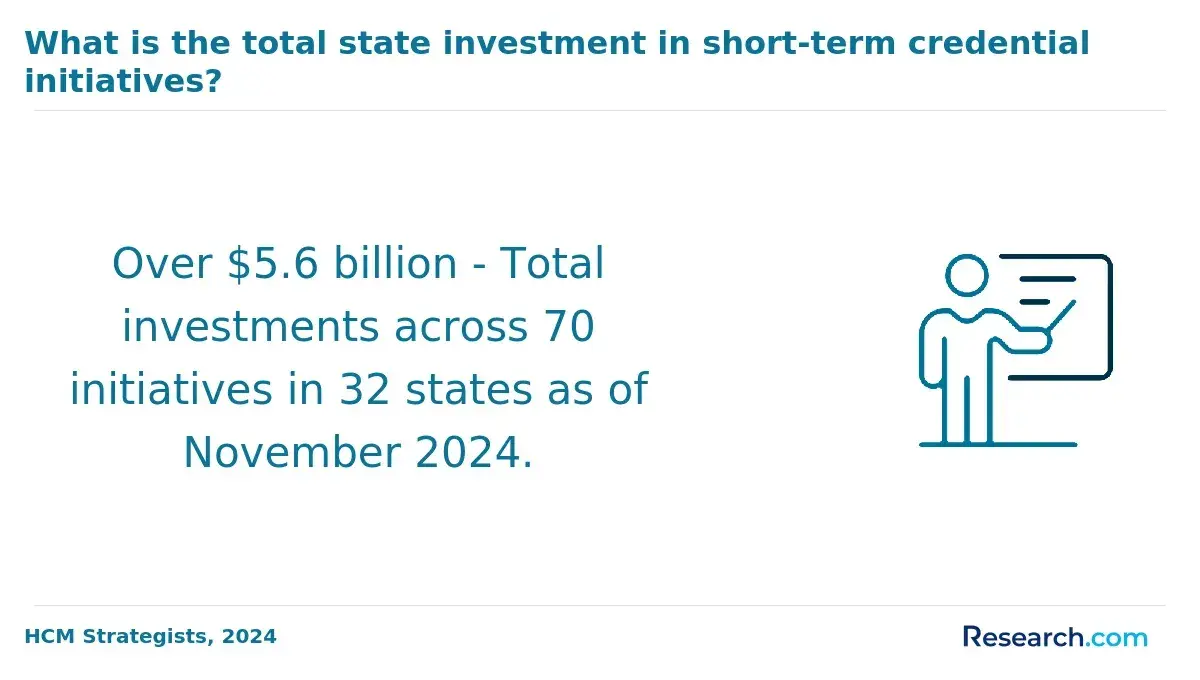
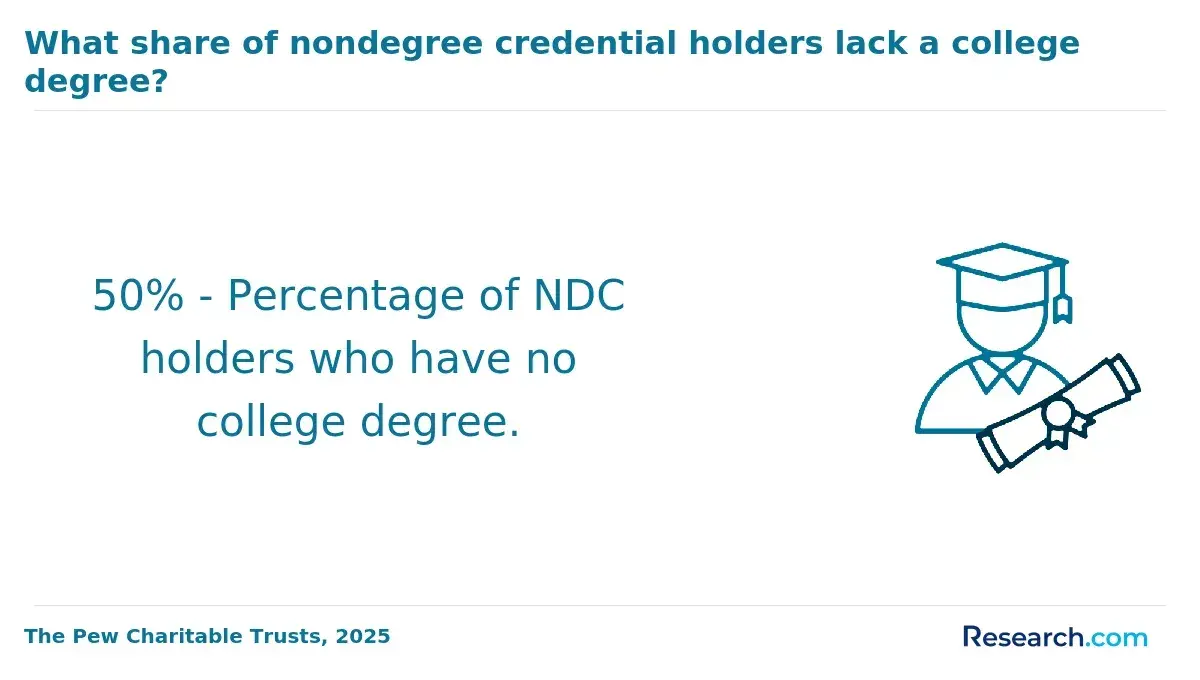
If your desired field requires a credential but not a full graduate degree, compare short-term options carefully. Some accelerated career programs can be useful, but only if they meet employer, state, or certification-board requirements. The fastest program is not the best choice if it leaves you ineligible for the license or exam you need.
The table below identifies common requirement categories by career area. It is not a substitute for a licensing board, but it shows where you should pay close attention.
| Career area | Common requirement to verify | Why verification matters |
| Teaching | State certification, exams, student teaching, and background checks | Requirements differ by state and school type |
| Nursing and allied health | Accredited program completion, clinical hours, licensure exams, and immunization records | Employers may require both licensure and clinical clearance |
| Accounting and finance | CPA eligibility, credit-hour rules, exams, and employer compliance checks | Degree completion alone may not satisfy professional credential standards |
| Social services and counseling support | Background checks, supervised hours, state registration, and graduate-degree requirements for advanced roles | Direct-service roles often involve vulnerable populations |
| Information technology | Security clearances, vendor certifications, portfolio evidence, or background screening | Requirements vary widely by employer, contract, and data sensitivity |
Take these steps before making a commitment:
- Identify the exact job title you want, not just the industry.
- Find the official state licensing board or recognized certifying body for that occupation.
- Confirm education, exam, supervised-hour, age, residency, and background check requirements.
- Ask employers whether the credential is required at hiring or can be completed after starting.
- Save written documentation of requirements because rules, deadlines, and approved programs can change.
Be cautious if a school, bootcamp, or certificate provider says a program "prepares you for" a credential but does not clearly state whether it satisfies eligibility requirements. Preparation and eligibility are not the same thing.
What is the best way to decide between entering the workforce and enrolling in graduate school?
The best way to decide between entering the workforce and enrolling in graduate school is to compare the requirement, opportunity cost, debt, and timing for your specific career goal. Graduate school makes sense when it is required for licensure, meaningfully improves access to your target role, or is funded enough to reduce financial risk. It is weaker as a default choice when you are using it mainly to avoid uncertainty.
If your goal can be reached with a shorter credential, transfer-friendly pathway, or lower-cost program, compare alternatives such as certificates, employer training, or online associate degree programs before committing to graduate tuition. A shorter option may be enough for technical, healthcare support, administrative, or career-change goals, depending on the field.
Federal Direct Unsubsidized Loans for graduate and professional students carry a 7.94% interest rate for the 2025-2026 award year. That rate matters because graduate debt can grow quickly if you borrow for tuition and living expenses without a clear return path.
The table below compares when work, graduate school, or a shorter credential is likely to fit best. Use it as a decision filter, not as a universal rule.
| Option | When it makes sense | When to be cautious |
| Enter the workforce | Your target field hires bachelor's graduates, you need income, or experience is valued more than another degree | You may need a plan to close skill gaps while working |
| Enroll in graduate school | The career requires it for licensure, advancement, or specialized professional practice | Debt risk rises if outcomes are unclear or the program lacks strong placement support |
| Pursue a certificate or short program | You need a specific technical skill, exam preparation, or career bridge | Some certificates have limited value if employers do not recognize them |
| Work first, study later | You want to test a field, earn employer tuition support, or clarify specialization | Returning to school later requires discipline and schedule planning |
Ask these questions before choosing graduate school:
- Is the degree legally required for my target role, or is it only preferred?
- What percentage of coursework directly supports the work I want to do?
- How much will I borrow, and what would the estimated monthly payment look like?
- Does the program publish placement, licensure pass, internship, or assistantship information?
- Could I reach the same goal through experience, employer training, or a shorter credential?
A common red flag is applying to graduate programs before you can name the jobs the degree is supposed to unlock. If the program is not tied to a specific career path, pause and gather more information before taking on debt.
How do you research industry demand, job outlook, and growth opportunities in your chosen field?
Researching industry demand means looking at more than whether a field sounds popular. You need to know whether employers are hiring entry-level candidates, what skills appear repeatedly in postings, whether AI or automation is changing the work, and whether advancement requires additional credentials.
For students who value flexibility, compare career paths connected to online degrees for remote jobs, but remember that remote hiring is often skills-based and competitive. A remote-friendly degree can help, but employers still expect proof of communication, time management, software fluency, and independent problem-solving.
Use labor-market sources in layers. National projections show broad direction, state data shows regional demand, job postings show current employer language, and informational interviews reveal what the job is like day to day.
BLS 2024-2034 projections are especially useful for comparing long-term occupational outlook, but they should be paired with local research because openings vary by city and industry.
The table below explains the main types of career-demand evidence and how to interpret them. This helps you avoid relying on one misleading signal, such as a viral article about a "hot" field.
| Evidence source | What it tells you | Limitation to remember |
| Federal occupational data | Median pay, education requirements, projected growth, and typical duties | National averages may not reflect your city or entry-level pay |
| State labor-market data | Regional openings, local industries, and area-specific wage ranges | May lag behind fast-moving employer demand |
| Job postings | Current tools, certifications, keywords, and hiring preferences | Postings can be aspirational and may list more requirements than truly needed |
| Professional associations | Credential trends, conferences, ethics, and field-specific expectations | Some information may focus on established professionals rather than new graduates |
| Informational interviews | Realistic insight into workload, culture, hiring, and advancement | One person's experience may not represent the whole field |
To evaluate whether a field is a smart target, look for repeated evidence across sources. If postings, alumni conversations, and official data all point to demand for similar skills, you can build your resume and portfolio around those skills with more confidence.
Current trends to consider include AI-supported workflows, employer preference for demonstrable skills, growth in healthcare and technical roles, and continued competition for fully remote entry-level jobs. The practical takeaway is simple: do not just say you are adaptable; show examples of how you used tools, learned systems, evaluated information, and completed work with limited supervision.
What should you do to strengthen your professional online presence and LinkedIn profile before graduation?
Your professional online presence should make it easy for employers, alumni, recruiters, and faculty contacts to understand what you are targeting and why you are credible. A polished LinkedIn profile is not a replacement for a resume, but it can support networking, referrals, and recruiter searches.
Update your LinkedIn profile in a sequence so it reads like a coherent professional story:
- Use a clear photo, accurate name, current school, expected graduation status, and location preferences.
- Write a headline that names your target role or field instead of only saying "student."
- Create an About section that summarizes your skills, experience, interests, and career direction in plain language.
- Add experience entries for internships, jobs, research, leadership, and major projects with accomplishment-based bullets.
- List relevant skills, software, lab techniques, languages, certifications, or methods that appear in target job postings.
- Request recommendations from supervisors, professors, or project leads who can describe your work habits and strengths.
A strong graduate headline might read: "Economics senior seeking entry-level data analyst roles | Excel, SQL, survey research, and policy analysis." This is more useful than "Recent graduate looking for opportunities" because it gives people a specific way to help you.
Before applying widely, audit your public presence. Search your name, review privacy settings, remove content that conflicts with your professional goals, and make sure your resume, LinkedIn, portfolio, and email signature use consistent information.
Common mistakes include treating LinkedIn as a copy-paste version of your resume, leaving the profile inactive, using vague career language, or connecting with people without a message. A short, personalized note is more effective than a blank connection request because it explains context and starts a conversation.
How can you leverage internships, campus experience, and references to improve early career outcomes?
Internships, campus work, research, leadership, athletics, service, and part-time jobs can all improve early career outcomes when you translate them into evidence employers understand. The key is to connect each experience to skills the role requires, such as communication, analysis, reliability, technical ability, judgment, teamwork, or client service.
Use your existing experience strategically before graduation:
- Ask internship supervisors whether full-time roles, contract projects, referrals, or recommendation letters are available.
- Convert campus jobs into professional evidence by documenting responsibilities, systems used, people served, and improvements made.
- Ask faculty who know your work well if they can serve as references, and give them your resume and target job description.
- Turn capstones, lab work, studio projects, or research into portfolio samples with a short explanation of your role.
- Contact alumni from clubs, departments, teams, or scholarship programs and ask for advice about breaking into the field.
References should be chosen for relevance and credibility, not just friendliness. A strong reference can describe your work quality, reliability, learning speed, communication, and response to feedback. Always ask permission before listing someone, confirm their preferred contact information, and brief them on the jobs you are pursuing.
The biggest mistake is underselling nontraditional experience. A retail job can show customer service and conflict resolution; a lab assistant role can show precision and documentation; a student organization role can show planning and stakeholder communication. Your task is to frame the experience honestly in the language of the employer's needs.
What financial planning steps should you complete for student loans, relocation, and early career budgeting?
Financial planning before graduation should cover student loans, emergency savings, relocation costs, benefit enrollment, taxes, and the first three months of working life. A job offer can look strong until you subtract rent deposits, commuting costs, loan payments, professional clothing, licensing fees, and delayed first paychecks.
If you are considering more education while working, compare tuition, accreditation, schedule flexibility, transfer policies, and student support among the top online colleges. The lowest sticker price is not always the best value if credits do not transfer, the program lacks accreditation needed for your goal, or the schedule prevents you from staying employed.
Federal student loan borrowers should know their servicer, repayment plan options, grace period timing, interest rate, and estimated monthly payment before graduation. For 2025-2026, the federal undergraduate Direct Subsidized and Unsubsidized Loan interest rate is 6.39%, so even modest borrowing deserves a repayment plan instead of last-minute guessing.
Build a first-year budget around these categories:
- Loan repayment: servicer account access, repayment plan, due date, autopay decision, and forgiveness eligibility if relevant.
- Relocation: application fees, deposits, moving costs, temporary housing, furniture, transportation, and utility setup.
- Work startup costs: commuting, professional clothing, tools, software, licensing fees, exam fees, and unpaid training time.
- Emergency savings: a starter cushion for medical costs, car repair, job delays, or unexpected housing expenses.
- Benefits decisions: health insurance, retirement contributions, disability coverage, life insurance, and flexible spending accounts if offered.
The table below shows financial red flags that new graduates often miss when comparing jobs or education choices. Use it to pressure-test your plan before committing.
| Red flag | Why it matters | Better approach |
| Accepting a job without estimating take-home pay | Gross salary does not show taxes, premiums, deductions, or cost of living | Create a monthly budget before signing |
| Moving without a cash cushion | Deposits and first-month costs often arrive before the first paycheck | Estimate relocation costs and ask about start-date flexibility or support |
| Ignoring loan servicer messages | Missed deadlines can lead to confusion, late payments, or poor plan selection | Log in, update contact information, and confirm repayment details |
| Choosing school without total-cost comparison | Fees, books, technology, transportation, and lost work hours affect affordability | Compare full cost of attendance and likely borrowing |
| Counting on rapid promotion | Raises and promotions depend on performance, openings, and employer policy | Budget around current confirmed compensation |
Your financial goal before graduation is not perfection. It is visibility. When you know what you owe, what you need to earn, and what costs arrive first, you can make career decisions with fewer surprises.
Other Things You Should Know About Career Planning
Start during your final semester, and earlier if your field uses structured campus recruiting. Large companies, government programs, and competitive internships-to-hire pipelines may recruit months ahead, while smaller employers may hire closer to the start date.
Treat the search like a structured project. Set weekly application, networking, and skill-building goals; keep using career services if alumni access is available; ask for referrals; and consider short-term roles that build relevant experience.
Go right away if the degree is required for your target career, strongly improves access to the role, or comes with funding that reduces debt risk. If you are unsure about your career direction, working first can help you avoid paying for a program that does not match your goals.
Prepare three to five references, including supervisors, faculty members, internship managers, or project leads who know your work well. Ask permission first, share your resume and target roles, and keep them updated when you reach interview stages.
References
- 5 Tips to Improve Your LinkedIn Presence - Pierpont Communications - PR + Marketing https://www.piercom.com/insight/5-tips-to-improve-your-linkedin-presence/
- How to research your target job sector — Jobs On Toast https://www.jobsontoast.com/blog/how-to-research-your-target-job-sector
- Student professionalism and online presence – tips on making your LinkedIn profile stand out to employers https://socialmediaforlearning.com/2025/09/22/student-professionalism-and-online-presence-tips-on-making-your-linkedin-profile-stand-out-to-employers/
- How Do Professional License Checks Work? https://www.backgroundchecks.com/verifications/how-do-professional-license-checks-work
- Education, Employment, & Professional License Verifications - Accurate https://www.accurate.com/employment-screening/verifications/
- Professional License Verification https://www.justifacts.com/professional-license-verification
- Steps to Take Before College Graduation https://www.mefa.org/article/steps-to-take-before-college-graduation/
- License Verification | Shield Screening https://www.shieldscreening.com/background-check/different-type/professional-license-verification/