2027 Doctor Kaise Bane: Career Guide for Students and Graduates

Co-Founder and Chief Data Scientist
Doctor kaise bane is really a planning question: which subjects, exams, degrees, costs, and licenses lead to a physician career? In the U. S., the path is competitive and expensive, but demand remains steady: the Bureau of Labor Statistics reports physicians and surgeons had a May 2024 median wage of at least $239,200. This guide is for high school students, college students, graduates, and career changers who want a clear roadmap. You will learn the steps, timelines, costs, admissions strategy, and career trade-offs before committing.
Key Things You Should Know
- Becoming a U.S. physician usually takes 11 to 15 years after high school: 4 years of college, 4 years of medical school, and 3 to 7 years of residency or fellowship.
- Admissions are highly competitive: AAMC data for the 2024 entering cycle shows more than 52,000 applicants competed for roughly 23,000 medical school seats.
- The financial commitment is significant, but physician pay is also high; BLS May 2024 data places the median annual wage for physicians and surgeons at $239,200 or higher, depending on specialty and setting.
What is the path to becoming a doctor?
In the U.S., "doctor" usually means a licensed physician who has completed an MD or DO degree, passed medical licensing exams, and finished residency training. The path is longer than many careers because physicians are legally responsible for diagnosing illness, prescribing treatment, performing procedures, and making decisions that can directly affect patient safety.
The basic route is sequential: build a strong science foundation, gain clinical exposure, apply to medical school, complete supervised training, and earn state licensure. If you are asking "doctor kaise bane" as a first-generation student or international-family student in the U.S., the biggest thing to understand is that medical school is a graduate-level program, not a first degree after high school.
Here is the typical sequence most future physicians follow, and why each step matters.
- Complete high school with strong performance in biology, chemistry, math, and English because these subjects prepare you for college-level pre-med work.
- Earn a bachelor's degree while completing required pre-med courses, maintaining a competitive GPA, and gaining clinical, research, and service experience.
- Take the MCAT, which medical schools use with grades, activities, essays, and interviews to assess academic readiness.
- Apply to MD or DO medical schools through centralized application systems and submit school-specific secondary applications.
- Complete four years of medical school, including classroom science, simulation, clinical rotations, and specialty exploration.
- Match into and complete residency, where you train as a paid physician under supervision in a chosen specialty.
- Pass licensing exams, obtain a state medical license, and pursue board certification if required or expected in your specialty.
A practical way to decide whether this path fits you is to test your motivation before you apply. Shadow physicians, volunteer in hospitals or clinics, work as a medical assistant, or join patient-facing service programs. If you enjoy science but do not want years of high-stakes clinical training, consider related careers such as physician assistant, nurse practitioner, pharmacist, dentist, physical therapist, or clinical researcher.
What education do you need to become a doctor?
To become a physician in the U.S., you typically need a bachelor's degree, completion of medical school prerequisites, an MD or DO degree, residency training, and a state medical license. Your undergraduate major can vary, but your transcript must show that you can handle rigorous science coursework.
The table below compares common education stages so you can see what each one contributes to the final goal. This matters because students often confuse "pre-med" with a degree, when it is actually a set of requirements and preparation activities.
| Stage | Typical credential | Main purpose | Key decision for students |
| High school preparation | Diploma or equivalent | Build science, math, reading, and study foundations | Choose challenging courses without sacrificing grades and wellness |
| Undergraduate education | Bachelor's degree | Complete pre-med prerequisites and develop academic maturity | Select a major you can do well in while meeting science requirements |
| Medical school | MD or DO | Learn biomedical science, clinical reasoning, diagnosis, and patient care | Choose an accredited school that matches your goals, cost limits, and residency plans |
| Residency | Graduate medical education | Train in a specialty under supervision | Choose a specialty based on fit, competitiveness, lifestyle, and long-term demand |
| Licensure and certification | State medical license and possible board certification | Authorize independent practice and demonstrate specialty competence | Confirm state requirements early because rules vary by licensing board |
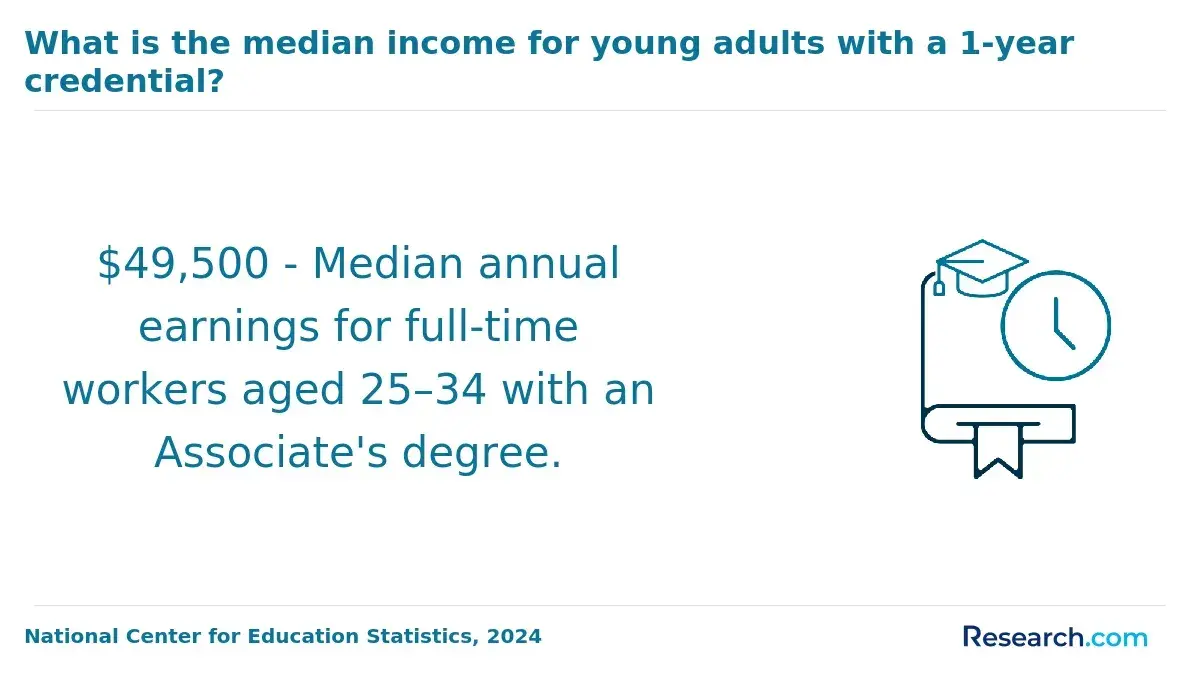
Students who are not ready for a bachelor's degree can start with community college, but they should plan carefully. An online associates degree may help some students begin college affordably, but future medical school applicants must make sure lab sciences, transfer credits, and prerequisite policies meet the expectations of their target universities and medical schools.
Common mistakes include choosing a college only because it has a "pre-med" label, ignoring advising quality, taking online lab prerequisites without checking medical school policies, or selecting a major that damages your GPA. A stronger strategy is to choose a school where you can access rigorous science courses, clinical opportunities, mentoring, research options, and honest academic advising.
What are the residency and licensing requirements?
Residency and licensing are the stages that turn a medical graduate into a practicing physician. Medical school teaches broad clinical knowledge, but residency provides specialty-specific training in real patient-care settings such as hospitals, clinics, emergency departments, operating rooms, and community health sites.
The 2024 Main Residency Match shows how large and structured this system is: the National Resident Matching Program reported more than 41,000 certified residency positions. For students, this means medical school choice, grades, exam performance, clinical evaluations, recommendation letters, and specialty strategy all affect the next step after graduation.
Licensing requirements vary by state, but most future physicians should expect the following milestones.
- Pass the required licensing exam sequence, usually USMLE for MD students and COMLEX-USA for DO students, with some DO students also taking USMLE depending on specialty plans.
- Graduate from an accredited medical school recognized by the relevant U.S. licensing and residency systems.
- Complete at least the minimum required postgraduate training, though most physicians complete a full residency before independent practice.
- Apply to a state medical board, submit background information, document training, and meet any state-specific rules.
- Pursue board certification in a specialty when it is required by employers, hospitals, insurers, or professional standards.
Residency length depends on specialty. Family medicine, internal medicine, and pediatrics are commonly three years. General surgery is usually five years. Neurosurgery, some surgical subspecialties, and combined pathways can take longer. Fellowship training adds more time for subspecialties such as cardiology, oncology, gastroenterology, pediatric surgery, or critical care.
Do not treat licensing as a final paperwork step. A student who has legal issues, academic professionalism concerns, exam failures, or an unaccredited educational background may face delays. Before choosing a school, verify accreditation, residency match outcomes, clinical rotation quality, and whether graduates are eligible for licensure in the states where you may want to practice.
Which pre-med majors and courses are required?
There is no required "pre-med major" in the U.S. Medical schools accept students from biology, chemistry, neuroscience, public health, engineering, psychology, humanities, and other fields as long as applicants complete the required prerequisite courses and demonstrate readiness for medical training.
The most important course categories are listed below because they commonly appear in medical school admissions requirements and MCAT preparation. Exact requirements vary by school, so students should check each target program before finalizing their schedule.
- General biology with lab, because it supports later study in physiology, genetics, microbiology, and disease mechanisms.
- General chemistry and organic chemistry with lab, because they prepare students for biochemistry, pharmacology, and molecular medicine.
- Physics with lab, because it supports concepts used in physiology, imaging, fluids, optics, and medical technology.
- Biochemistry, because it is heavily relevant to the MCAT and to understanding metabolism, genetics, and cellular function.
- Mathematics or statistics, because physicians must interpret research, risk, screening results, and evidence-based guidelines.
- English, writing, or communication-intensive courses, because strong physicians must explain complex information clearly to patients and care teams.
- Psychology and sociology, because they support behavioral health, social determinants of health, and MCAT preparation.
Your major should match both your strengths and your backup plan. Biology is common because it overlaps with prerequisites, but it is not automatically the best choice. Engineering may be useful for students interested in medical technology, orthopedics, radiology, or biomedical innovation, but it can be GPA-intensive. Humanities majors can stand out if the applicant also earns strong science grades.
If you need healthcare experience before committing to medical school, short workforce credentials can help you test patient-care fit. Some certificate programs that pay well may lead to roles such as medical assistant, phlebotomy technician, or health information support, but you should choose options that add meaningful exposure rather than distract from prerequisite grades.
AI and data tools are also changing pre-med preparation. Future doctors do not need to become software engineers, but students who understand statistics, ethics, clinical decision support, and data interpretation will be better prepared for modern practice. The best preparation combines human communication with scientific judgment.
How do medical school admissions work?
Medical school admissions are holistic, but not vague. Committees evaluate academic readiness, MCAT performance, clinical exposure, service, leadership, research, essays, interviews, professionalism, and mission fit. A strong applicant shows evidence that they understand medicine, can handle academic pressure, and can work respectfully with diverse patients.
AAMC data from the 2024 entering cycle shows more than 52,000 applicants for about 23,000 seats, so students should not rely on one strength alone. A high GPA with no clinical exposure, or impressive volunteering with weak science grades, can both create risk.
Use the following admissions checklist to build a more competitive and realistic application.
- Map prerequisites by school before senior year so you do not discover missing courses late.
- Protect your science GPA by taking rigorous courses at a pace you can manage well.
- Prepare for the MCAT only after completing core science and behavioral science content.
- Gain sustained clinical exposure so you can explain why you want direct patient-care responsibility.
- Include service work that shows humility, reliability, and commitment to communities, not just resume padding.
- Ask for recommendation letters from faculty and supervisors who know your work deeply.
- Apply to a balanced school list based on mission fit, academic range, location, cost, and residency outcomes.
- Prepare for interviews by practicing ethical reasoning, reflection, teamwork examples, and communication under pressure.
Career changers may need post-baccalaureate coursework or a special master's program if they lack prerequisites or need academic repair. Students comparing structured post-bacc options should evaluate cost, advising, linkage agreements, MCAT support, and outcomes. Some students also compare affordable master degree programs, but they should remember that not every master's degree strengthens a medical school application equally.
Red flags include applying before you are ready, choosing schools only by prestige, submitting generic essays, exaggerating clinical experience, or ignoring state residency advantages at public medical schools. A smart application is targeted, honest, and timed for your strongest evidence.
What is the difference between MD and DO programs?
MD and DO programs both train licensed physicians in the U.S. Graduates of either pathway can prescribe medication, practice medicine, enter residency, and pursue specialties. The main differences are history, philosophy, exam pathways, school distribution, and specialty match patterns.
The table below compares the two routes in practical terms. This helps applicants decide whether to apply MD-only, DO-only, or to both types of programs.
| Factor | MD programs | DO programs | What it means for applicants |
| Degree name | Doctor of Medicine | Doctor of Osteopathic Medicine | Both lead to physician licensure in the U.S. |
| Training focus | Conventional allopathic medical training | Medical training with osteopathic principles and, in many programs, osteopathic manipulative medicine | Choose based on fit, curriculum, clinical rotations, and career goals rather than initials alone |
| Licensing exams | USMLE sequence | COMLEX-USA sequence, with some students also taking USMLE | Exam planning may differ, especially for competitive specialties |
| Residency access | Eligible for the residency match | Eligible for the residency match | Both can match, but specialty competitiveness and program preferences should be researched carefully |
| Admissions strategy | Often more widely recognized by applicants | May be a strong fit for students aligned with primary care, community health, or osteopathic philosophy | Apply where your profile, goals, and values match the school's mission |
Neither option is automatically "better." MD programs may have stronger name recognition in some competitive academic specialties, while DO programs offer a legitimate physician pathway and may fit applicants who value whole-person care and community-oriented missions. The decision should be based on accreditation, match outcomes, clinical training sites, cost, board exam support, and your specialty interests.
A common mistake is treating DO as only a backup. If you apply to DO schools, you should understand osteopathic medicine and be able to explain why the approach fits you. Admissions committees can usually tell when applicants have not taken the pathway seriously.
How long does medical training take?
Medical training is long because physicians progress from classroom learning to supervised patient care to specialty-level responsibility. The shortest common route after high school is about 11 years, while highly specialized fields can take 15 years or more.
The table below summarizes typical timelines. Use it to plan finances, family decisions, opportunity cost, and career milestones realistically.
| Path stage | Typical length | What happens during this stage |
| Undergraduate degree | 4 years | Pre-med prerequisites, major coursework, MCAT preparation, clinical and service experience |
| Medical school | 4 years | Foundational science, organ systems, clinical skills, rotations, specialty selection, residency applications |
| Residency | 3 to 7 years | Paid supervised specialty training with increasing responsibility |
| Fellowship | 1 to 3 or more years | Optional subspecialty training after residency |
Full-time study is the norm because medical training is intensive and highly sequenced. Part-time undergraduate study can work before medical school, but part-time medical school is uncommon and may affect financial aid, course sequencing, and graduation timing. Students with caregiving, military, or work responsibilities should ask schools directly about flexibility, leave policies, and support services.
Some students interested in medicine also consider research doctorates, especially if they want to work in biomedical science, health policy, or academic research rather than patient care. Programs such as online PhD programs for working professionals may fit certain research or leadership goals, but they do not qualify someone to practice as a physician unless they also complete medical training and licensure.
Before committing, ask yourself whether you can sustain motivation through delayed earnings, frequent exams, demanding schedules, and emotional exposure to illness and death. The path can be rewarding, but it is not a good fit if your main motivation is status, family pressure, or income alone.
How much does medical school cost?
Medical school cost includes tuition, fees, health insurance, equipment, exams, travel for interviews or rotations, and living expenses. The total price varies widely by public versus private institution, in-state versus out-of-state status, city cost of living, scholarships, and family or personal financial support.
The BLS May 2024 wage data shows physicians often have high earning potential, but that does not erase debt risk. Students should compare total cost of attendance, not just tuition, because living costs and interest can significantly change the real financial burden.
The table below breaks down major cost drivers so you know what to compare when reviewing medical schools. It is especially useful because the cheapest tuition is not always the lowest total cost if living expenses, travel, or lost support are high.
| Cost factor | Why it matters | How to evaluate it |
| Tuition and fees | Usually the largest direct school charge | Compare annual tuition, expected increases, and in-state eligibility |
| Living expenses | Housing, food, transportation, and insurance vary by location | Review the school's cost of attendance and local housing market |
| Exam and application costs | MCAT, applications, secondary fees, licensing exams, and residency applications add up | Budget early and ask about fee assistance programs |
| Scholarships and grants | Gift aid reduces borrowing | Ask whether awards are need-based, merit-based, renewable, or tied to service |
| Loan terms and repayment | Interest and repayment plan choices affect long-term cost | Model monthly payments under federal repayment options before borrowing |
| Residency location | Residents are paid, but income is lower than attending physician pay | Consider cost of living and required relocation during training |
To reduce cost risk, apply strategically to in-state public schools, look for service scholarships, compare financial aid packages, and avoid borrowing the full approved amount if you do not need it. Students interested in primary care, underserved communities, military medicine, or public service should research repayment and scholarship programs carefully because eligibility rules can be strict.
Do not make the mistake of assuming a high future salary makes any debt manageable. Specialty choice, residency length, geographic location, family obligations, and repayment plan rules all affect return on investment. A financially smart student chooses an accredited school with strong outcomes at the lowest realistic net cost.
What doctor specialties offer the best career prospects?
The best specialty is not only the highest-paying one. Career prospects depend on demand, residency competitiveness, lifestyle, burnout risk, training length, geographic flexibility, and your tolerance for procedures, emergencies, continuity care, or complex diagnostics.
Several trends are shaping physician careers: an aging U.S. population, ongoing demand for primary care, growth in telehealth, wider use of AI-supported diagnostics and documentation, and team-based care models. These trends do not replace physicians, but they change which skills are valuable. Doctors who communicate well, use technology responsibly, and coordinate care across teams may be better positioned.
The table below compares selected specialties by career fit rather than ranking them as universally best. Use it to think about your personality, training tolerance, and long-term goals.
| Specialty area | Typical career strengths | Important trade-offs | Good fit for students who like |
| Family medicine | Broad demand, continuity care, community impact, shorter residency | Lower pay than many procedural specialties and heavy administrative work | Long-term patient relationships and whole-person care |
| Internal medicine | Flexible path to hospital medicine, primary care, or fellowships | Complex patients and possible additional years for subspecialty training | Diagnostic reasoning and adult medicine |
| Psychiatry | Strong mental health demand and telehealth compatibility | Emotional intensity and limited resources in some settings | Behavioral science, listening, and long-term treatment planning |
| Emergency medicine | High-acuity work, shift-based schedules, broad clinical exposure | Night shifts, burnout risk, and unpredictable patient volume | Fast decisions and acute care |
| Surgery | Procedural work, visible treatment impact, many subspecialty options | Long training, demanding hours, and high technical expectations | Hands-on problem solving and operating room environments |
| Radiology | Technology-heavy diagnostics and AI-adjacent work | Competitive training and less continuous patient interaction | Imaging, pattern recognition, and diagnostic systems |
Students with military backgrounds or service commitments may have additional pathways through military medicine, veterans' health, or healthcare leadership. If you are comparing education benefits before medical school, a military online college can be relevant for completing earlier coursework, but medical school and licensure requirements still need careful verification.
Avoid choosing a specialty based only on salary videos or social media. Instead, shadow physicians, review residency competitiveness, consider day-to-day tasks, and ask whether you would still choose the work during stressful weeks. The best specialty is the one where your abilities, values, health, and market realities align.
What salaries and job outlook can doctors expect?
Doctors can expect strong earnings compared with most occupations, but income varies substantially by specialty, employer, region, call schedule, payer mix, and years of experience. According to the Bureau of Labor Statistics, the median annual wage for physicians and surgeons was at least $239,200 in May 2024. This figure is useful for understanding broad earning potential, but it should not be treated as a promise for any individual graduate.
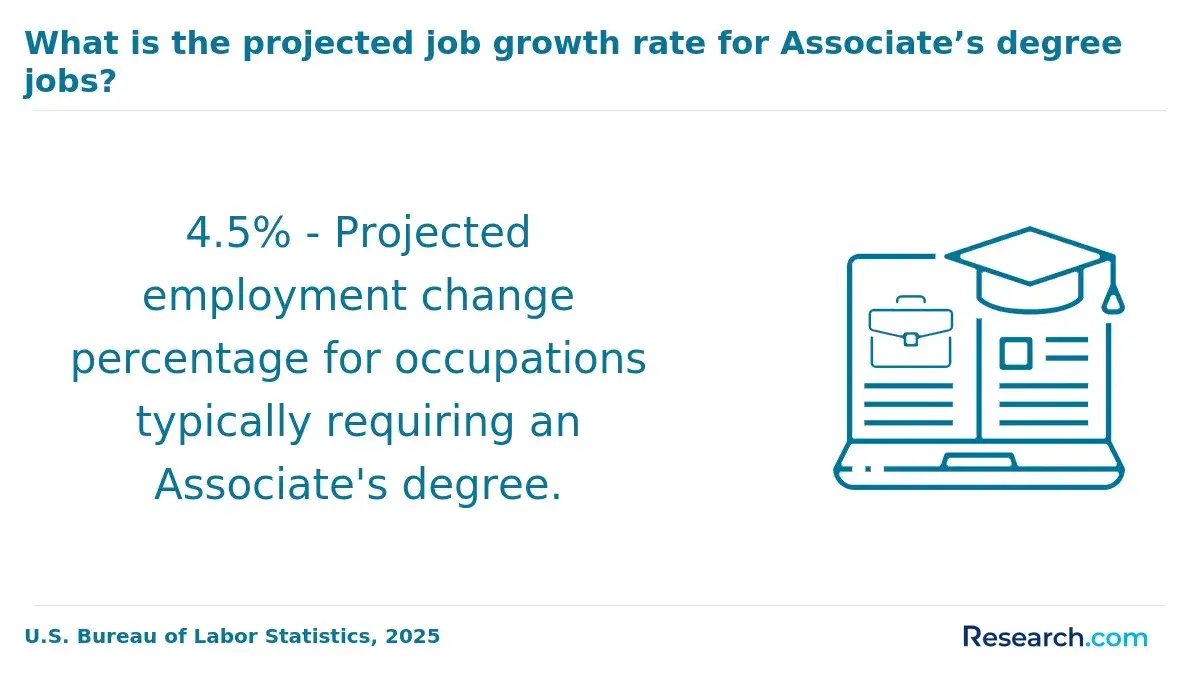
The job outlook is also generally stable. BLS projections published in 2024 estimate physician and surgeon employment will grow 4% from 2023 to 2033, about as fast as the average for all occupations. For students, that means the career remains viable, but specialty choice, location, and residency match success still matter.
Doctors work in many settings, and each setting changes the daily experience. Before choosing the path, understand the work environment you are aiming for.
- Hospitals often involve acute care, team-based rounds, procedures, night coverage, and complex patients.
- Outpatient clinics focus more on scheduled visits, prevention, chronic disease management, and long-term patient relationships.
- Academic medical centers combine patient care with teaching, research, and specialty services.
- Community health and public-sector settings may emphasize underserved populations, access barriers, and care coordination.
- Telehealth and hybrid care models can expand access, but physicians still need strong documentation, privacy, and clinical judgment skills.
AI is becoming more visible in medicine through documentation tools, imaging support, triage workflows, and clinical decision support. The realistic takeaway is not that AI will replace doctors broadly, but that physicians will increasingly need to evaluate AI outputs, protect patient privacy, and explain decisions clearly when technology is part of care.
This career is worth considering if you are comfortable with long training, scientific uncertainty, patient responsibility, and continuous learning. It may be a poor fit if you want quick entry into the workforce, dislike high-stakes exams, or prefer a predictable schedule early in your career.
Other Things You Should Know About
In the U.S., high school students should take biology, chemistry, physics, math, and strong writing courses. In college, you can choose any major, but you must complete medical school prerequisites.
Yes. Medical schools accept many majors if you complete required science courses, earn strong grades, score competitively on the MCAT, and show meaningful clinical and service experience.
It can be, but it depends on debt, specialty, school cost, residency length, location, and repayment choices. Compare total cost of attendance and expected training timeline before assuming the salary will offset everything.
The fastest common path is four years of college, four years of medical school, and a three-year residency, usually in fields such as family medicine, internal medicine, or pediatrics. Accelerated combined programs exist, but they are competitive and not right for every student.
References
- Pathways for international medical graduates | Medical Council of Canada https://mcc.ca/credentials-and-services/pathways-to-licensure/pathways-for-international-medical-graduates/
- How to become a doctor https://www.ama.com.au/resources/how-to-become-a-doctor
- Medical School Application Process - Step-by-Step Guide https://www.eppahealth.com/scribes-blog/medical-school-application-process/
- What Is a Medical Resident and How Long Is Residency? | MUA https://www.mua.edu/blog/what-is-a-medical-resident-and-how-long-is-the-residency
- Difference Between MD and DO https://www.webmd.com/a-to-z-guides/difference-between-md-and-do
- 2025 Doctor Job Outlook: Why Go Locum Tenens? https://www.bartonassociates.com/blog/physician-job-outlook-why-go-locum-tenens/
- How do I become a doctor in Canada? | CMA https://www.cma.ca/healthcare-for-real/how-do-i-become-doctor-canada
- How long does it take to become a doctor https://www.umhs-sk.org/blog/how-long-does-it-take-to-become-a-doctor
- Medical training pathway https://www.bma.org.uk/advice-and-support/studying-medicine/becoming-a-doctor/medical-training-pathway
- How Much is Medical School? The Price of the White Coat https://www.princetonreview.com/med-school-advice/how-much-is-medical-school