2027 Externship Meaning: Career Guide for Students and Graduates

Co-Founder and Chief Data Scientist
Choosing an externship can shape your first serious career decision, especially in fields where employers expect hands-on exposure before hiring. The U. S. Bureau of Labor Statistics reported a May 2024 median annual wage of $44,200 for medical assistants, a field where externships are commonly built into training. This guide is for students, career changers, and recent graduates who want to understand what externships involve, how they compare with internships, and how to evaluate whether a program or host site is worth their time, tuition, and effort.
Key Things You Should Know
- An externship is usually a short, structured learning experience focused on observation, supervised practice, and career exploration rather than long-term employment.
- Externships are most common in health care, legal, education, veterinary, business, technology, and career-training programs, but requirements vary by school, employer, state, and accreditor.
- Cost and payoff depend on the pathway: College Board data for 2024-25 placed average published tuition and fees at $4,050 for public two-year colleges, while BLS May 2024 salary data shows many externship-linked roles fall in the $40,000-$60,000 median wage range.
What does an externship mean in higher education and early career development?
An externship is a short-term experiential learning placement that lets a student or recent graduate observe professionals, practice selected tasks under supervision, and connect classroom learning to real workplace expectations. It is often arranged by a college, career school, bootcamp, professional program, or employer partnership.
The core meaning of externship is guided exposure. Unlike a regular class, an externship happens in a workplace or simulated professional environment. Unlike a full job, the student is there primarily to learn. In some programs, especially allied health and legal studies, the externship may be a required final step before completion. In others, it may be optional career exploration during a semester break.
Externships matter because employers increasingly value proof that candidates understand the realities of the job. For students, the value is not only a resume line. A good externship helps you test career fit, build references, learn workplace norms, and avoid investing further in a path that does not match your interests or strengths.
The term can mean different things across schools. A one-week job-shadowing externship in finance is very different from a 160-hour clinical externship in medical assisting. Before you enroll in a program or accept a placement, ask whether the externship is observational, hands-on, graded, required for completion, tied to certification, or simply recommended for career exposure.
How is an externship different from an internship or practicum for students?
Externships, internships, and practicums are all forms of experiential learning, but they serve different purposes. Understanding the distinction helps you choose the right opportunity and avoid assuming that every workplace placement carries the same academic or career value.
The table below compares the most common features students should verify before committing to a placement.
| Feature | Externship | Internship | Practicum |
| Main purpose | Career exposure, supervised observation, and limited practice | Applied work experience and contribution to projects | Supervised skill development tied closely to academic or licensure standards |
| Typical length | A few days to one academic term, depending on the field | Several weeks to several months | Usually embedded in a course or professional program |
| Common fields | Health care, law, business, veterinary, education, technology | Business, engineering, media, government, technology, nonprofits | Nursing, counseling, teaching, social work, clinical and allied health fields |
| Compensation | Often unpaid, especially when for academic credit or observation | May be paid or unpaid, depending on employer and role | Often unpaid because it is part of a required academic program |
| Best fit | Students deciding whether a career environment suits them | Students ready to perform work and build experience | Students in programs with formal competency or licensure expectations |
An externship makes the most sense when you need early confirmation that a workplace, population, or specialty is right for you. An internship is usually stronger when you want substantial work samples, measurable project results, or a pathway to a job offer. A practicum is typically less optional because it is built into a professional curriculum.
A common mistake is treating an unpaid externship as automatically less valuable than a paid internship. Pay matters, but so do supervision quality, relevance to your target role, academic credit, licensure alignment, and whether the host site lets you do meaningful learning rather than routine clerical work.
How do externships work for college students and recent graduates in the U.S.?
In the U.S., externships are usually coordinated through a school, department, career center, faculty member, or approved employer partner. Some students find their own host site, but many programs require school approval before hours can count toward graduation, certification, or course credit.
Most externships follow a predictable sequence. Knowing the process helps you plan around class schedules, transportation, background checks, and workplace availability.
- Confirm whether the externship is required, optional, credit-bearing, or connected to certification or licensure.
- Complete prerequisites such as core courses, lab competencies, immunizations, CPR training, background checks, drug screening, or professional conduct modules.
- Apply for placement through the school or propose a host site for approval.
- Review the learning agreement, expected hours, attendance rules, dress code, confidentiality policies, and evaluation method.
- Attend orientation and begin supervised workplace learning.
- Track hours, complete reflection assignments or competency checklists, and request feedback from the site supervisor.
- Submit final documentation to the school before the deadline so the experience appears correctly on your academic record.
Recent graduates may also pursue externships through alumni networks, hospitals, law firms, workforce development programs, or employer-sponsored returnship-style initiatives. These placements may not carry academic credit, but they can still help graduates transition into a new field or close an experience gap.
Students should also consider opportunity cost. If an externship is unpaid and requires commuting, uniforms, supplies, or reduced work hours, the real cost can be higher than tuition alone. The 2024-25 maximum federal Pell Grant of $7,395 can help eligible students reduce direct educational costs, but aid rules vary by enrollment status, institution, and program eligibility.
What degrees or training pathways most often lead to structured externship opportunities?
Externships are especially common in programs where students must learn how a professional setting operates before they can be considered job-ready. They appear in certificate, diploma, associate, bachelor's, and graduate pathways, though the structure and stakes differ by field.
The table below shows where externships most often fit and what students should look for in each pathway.
| Pathway | Common externship fields | What the externship usually proves | Best for |
| Certificate or diploma | Medical assisting, dental assisting, phlebotomy, pharmacy technology, coding, veterinary assisting | Readiness for entry-level tasks, professionalism, and basic workplace procedures | Students seeking faster entry into a defined occupation |
| Associate degree | Paralegal studies, allied health, early childhood education, veterinary technology, human services | Ability to apply technical coursework in a supervised workplace | Students who want a practical credential with transfer or advancement potential |
| Bachelor's degree | Business, communications, public health, education, technology, criminal justice | Career fit, professional communication, and applied project experience | Students exploring professional roles before graduation |
| Graduate program | Counseling, education, social work, public health, health administration, legal studies | Advanced applied competence, field exposure, or preparation for supervised practice | Career changers or professionals moving into specialized roles |
Shorter pathways can be attractive when they lead to a clearly defined job, but they are not automatically better. A certificate may be efficient for medical assisting or phlebotomy, while an associate degree may offer broader career mobility. Students comparing practical two-year options can use resources on easy associate degrees that pay well to think through the trade-off between speed, affordability, and labor-market value.
The strongest externship-linked programs usually publish clear details about required hours, approved sites, student insurance, supervision, evaluation, and what happens if a placement falls through. If a school advertises externships but cannot explain how placements are secured, that is a red flag.
How do online programs offer externships compared with traditional campus-based programs?
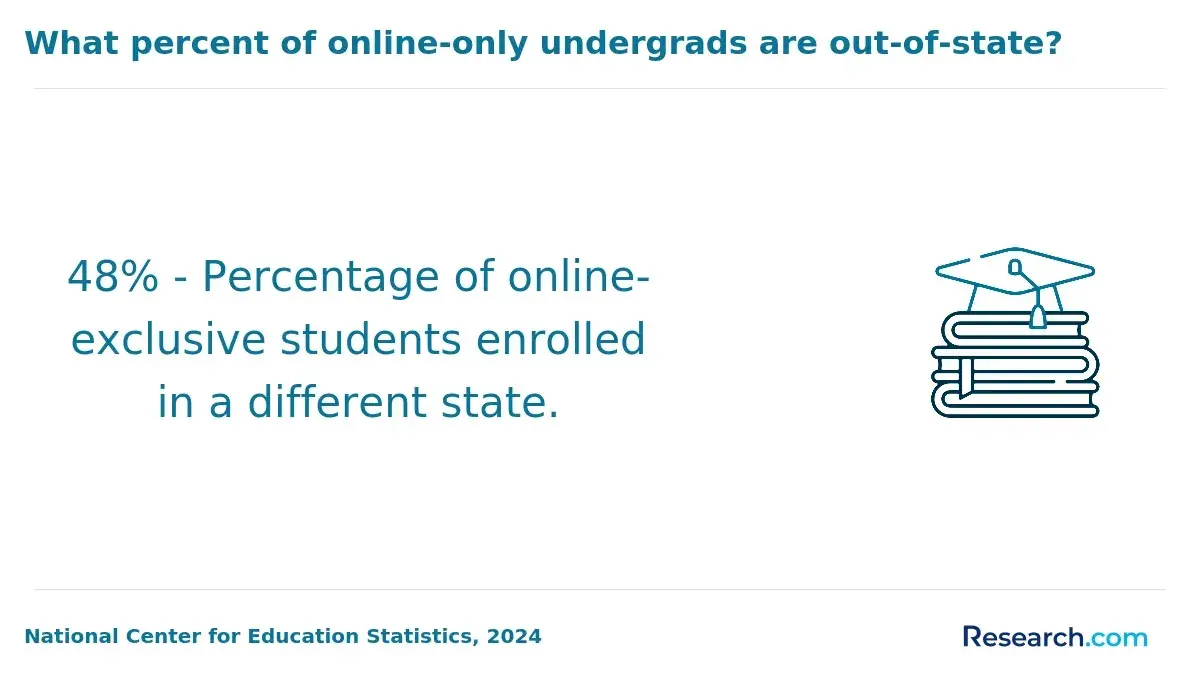
Online programs can include externships, but they must solve a practical challenge: the coursework may be remote, while the hands-on experience usually happens in person near the student. This is common in online allied health, education, counseling, public health, and applied business programs.
Campus-based programs may have long-standing local employer relationships, which can make placement coordination easier. Online programs may offer more scheduling flexibility and access to students outside a single region, but they require stronger communication about who finds and approves the site.
The table below summarizes the major differences that affect student experience and risk.
| Factor | Online program with externship | Campus-based program with externship |
| Placement location | Often arranged near the student, subject to school approval | Often arranged through local employer partnerships near campus |
| Flexibility | Usually stronger for working adults and students outside commuting distance | May be easier for students who can attend daytime labs and local placements |
| Student responsibility | May require the student to help identify a host site | School may have more direct placement control |
| Licensure risk | Higher if the student lives in a state where program approval differs | Lower locally, but still requires verification for state-regulated careers |
| Best fit | Self-directed students who can coordinate schedules and paperwork | Students who want face-to-face support and local site networks |
An online externship program can be a smart choice if the school has clear placement policies, state authorization, and qualified faculty oversight. It may be a poor fit if you need daily structure, cannot travel to a site, or live in a state where the program does not meet licensing or certification expectations.
Students considering broader online undergraduate options may also compare the easiest online bachelor degree pathways, but "easy" should not mean low-value. For externship-based careers, the better question is whether the program provides verified field access, relevant accreditation, and realistic career preparation.
What are typical admission, eligibility, and academic requirements to qualify for an externship?
Externship eligibility depends on the school, program level, field, and host organization. In many programs, students cannot begin an externship until they complete prerequisite courses and demonstrate basic professional readiness.
Requirements often exist to protect patients, clients, students, employers, and the extern. Before choosing a program, ask for the full externship checklist in writing rather than relying on a short admissions overview.
- Academic standing: Many programs require a minimum GPA, completion of core courses, and no unresolved academic or conduct violations.
- Skill prerequisites: Health care and technical programs may require lab competency sign-offs before students enter a real workplace.
- Compliance documents: Background checks, drug screening, immunization records, CPR certification, liability insurance, and confidentiality training may be required.
- Professional readiness: Students may need to follow dress codes, attendance policies, communication standards, and workplace conduct expectations.
- Scheduling availability: Some sites operate only during regular business hours, which can be difficult for students who work full time.
- Transportation and location: Programs may expect students to travel to approved sites, sometimes at their own expense.
Graduate students may face additional eligibility rules, especially in education, counseling, social work, public health, and health administration. If you are comparing accelerated graduate options, review whether a 1-year masters program includes enough supervised field experience for your intended career and whether that timeline is realistic alongside work or family responsibilities.
The most common mistake is assuming admission to a program automatically guarantees externship placement. Some schools guarantee support but not a specific site, shift, specialty, or location. Ask what happens if you fail a background check, cannot meet health requirements, or need accommodations at the host site.
What skills, responsibilities, and learning outcomes can you expect from an externship experience?
A strong externship should give you more than passive observation. The exact responsibilities depend on your field and legal limits, but the experience should help you understand the pace, communication style, ethics, documentation, and technology used in the profession.
These are the learning outcomes students should reasonably expect from a well-designed externship. They also provide a useful checklist for evaluating whether the placement is meaningful.
- Workplace awareness: Understanding daily routines, team roles, client or patient flow, and professional expectations.
- Technical familiarity: Practicing or observing tools, software, equipment, forms, or procedures used in the field.
- Communication skills: Learning how professionals speak with clients, patients, supervisors, coworkers, vendors, or families.
- Ethical judgment: Recognizing confidentiality, consent, safety, documentation, and boundary issues.
- Career clarity: Testing whether the work environment, stress level, schedule, and responsibilities fit your goals.
- Feedback readiness: Receiving supervisor input and using it to improve accuracy, confidence, and professionalism.
Technology is also changing externship expectations. In health care, students may encounter electronic health records and telehealth workflows. In legal and business settings, they may see document automation, customer relationship management systems, analytics tools, and AI-assisted research. Externs are not expected to be experts, but they should be ready to learn workplace software quickly and follow rules about privacy, data security, and acceptable technology use.
Not every externship allows hands-on work. For example, a student may observe procedures in a clinic but not perform them until the supervisor confirms competence and the site's policies allow it. That limitation does not make the externship useless, but it should be clear before the placement begins.
How do externships affect licensing, certification, and professional accreditation in regulated fields?
In regulated fields, an externship may be more than career exploration. It can be part of a program's required supervised experience, a condition for graduation, or a step toward certification eligibility. However, rules vary widely by occupation and state, so students should never assume one school's externship will satisfy every licensing board or employer requirement.
The table below explains how externships can connect to regulation in common fields and what students should verify before enrolling.
| Field | How externships may matter | What to verify |
| Medical assisting | Often included in accredited programs to build clinical and administrative readiness | Program accreditation, required hours, site supervision, and certification exam eligibility |
| Dental assisting | May support clinical exposure, radiography practice, or state-specific expanded function preparation | State dental board rules, radiology requirements, and approved program status |
| Pharmacy technology | May provide exposure to dispensing workflows, inventory, insurance processing, and safety protocols | State registration rules, certification requirements, and site restrictions |
| Education | Field placements and student teaching are often required for teacher preparation | State educator licensing rules and whether the placement meets supervised teaching requirements |
| Counseling and social work | Practicum or internship hours are usually more formal than short externships | Accreditation, supervision credentials, required direct-contact hours, and state board rules |
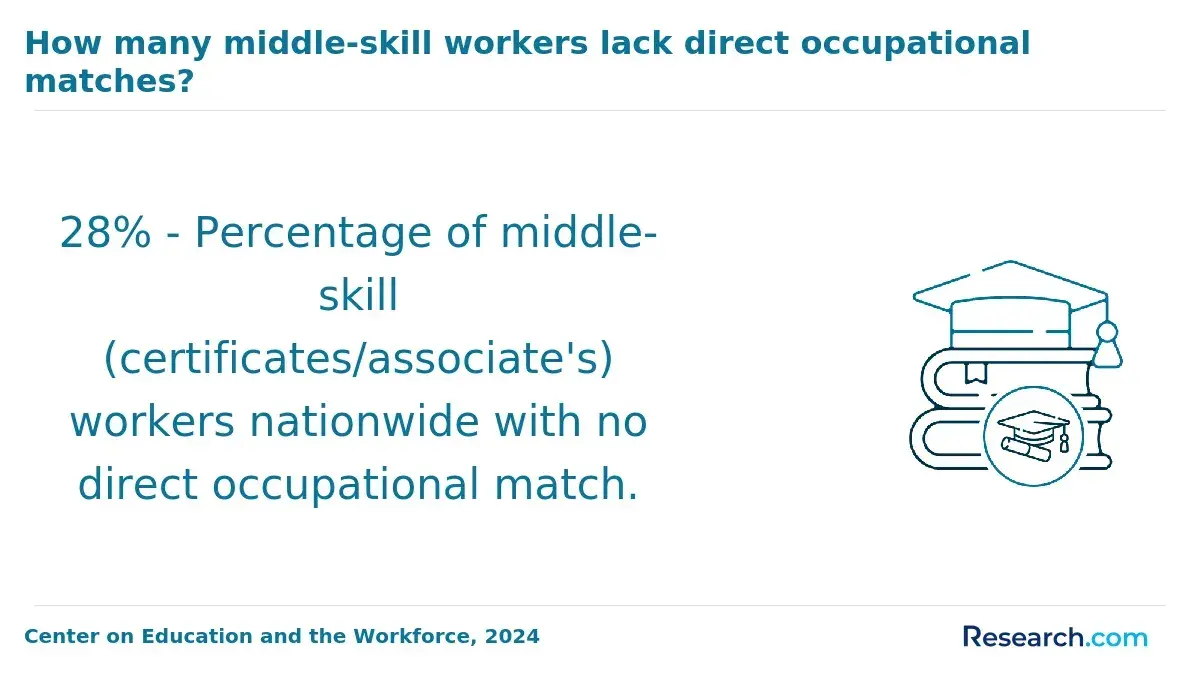
Accreditation matters because it can affect certification eligibility, transferability, financial aid access, and employer recognition. For example, allied health programs may need programmatic accreditation, not just institutional accreditation. A school can be institutionally accredited while a specific program lacks the programmatic approval required by a certification body.
Students should use externship claims carefully. A brochure may say "externship included," but that does not prove the placement meets state licensing standards. Confirm requirements with the school, the relevant licensing board, and the certification organization before you commit tuition or resign from a job to attend.
What careers, job roles, salaries, and advancement paths are supported by externship experience?
Externship experience supports entry into careers where employers want candidates to understand real work settings before being hired. It is not a salary guarantee, but it can help you build confidence, references, and field-specific language for interviews.
The table below uses BLS May 2024 median annual wage data for selected U.S. occupations where externships, clinical placements, fieldwork, or similar supervised experiences are common in training pathways. Use these figures as labor-market context, not as a promise of individual earnings.
| Career area | Common entry role | May 2024 median annual wage | How externship experience helps |
| Allied health | Medical assistant | $44,200 | Builds familiarity with patient intake, records, vitals, scheduling, and clinic workflow |
| Dental care | Dental assistant | $47,300 | Introduces chairside assisting, sterilization, radiography rules, and patient communication |
| Pharmacy | Pharmacy technician | $43,460 | Connects classroom knowledge to inventory, prescriptions, insurance, and safety procedures |
| Veterinary care | Veterinary technologist or technician | $45,980 | Provides exposure to animal handling, lab work, client interaction, and clinical support |
| Legal services | Paralegal or legal assistant | $61,010 | Helps students observe case management, filings, research, client communication, and confidentiality |
| Nursing and patient care | Registered nurse | $93,600 | Clinical rotations, rather than short externships, usually build supervised patient-care competence |
Advancement depends on the field. A medical assistant might move into office management, specialty clinics, nursing prerequisites, or health administration. A paralegal might specialize in litigation, compliance, intellectual property, or corporate law. A veterinary technician might pursue specialty certification or supervisory roles. In many cases, advancement requires additional credentials, licensure, or degrees beyond the externship.
Students thinking beyond entry-level roles should compare whether further education is likely to change their career ceiling. For some fields, one of the masters degrees that are worth it may support leadership, analytics, counseling, education, or administration roles, but the best choice depends on employer requirements and state rules.
The smarter question is not "Will an externship get me a job?" but "Does this externship connect to a credential, employer network, and career path that match my goals?" A short placement can be valuable when it fits into a larger plan; it is much weaker when it is disconnected from recognized training or real hiring demand.
How can students evaluate and choose reputable externship programs and host organizations?
A reputable externship should be structured, supervised, documented, and relevant to your intended career. The school and host organization should both be able to explain what you will learn, who will supervise you, how your performance will be evaluated, and what support exists if problems occur.
Use the following questions before enrolling in a program or accepting a placement. They are designed to uncover hidden costs, weak oversight, and mismatched expectations.
- Is the externship required for graduation, certification eligibility, licensure preparation, or only career exploration?
- How many hours are required, and can those hours be completed around work, caregiving, or transportation limits?
- Who is responsible for finding the host site: the school, the student, or both?
- Are host sites formally approved, and how often are they reviewed for quality and safety?
- What happens if a site cancels, a supervisor leaves, or the student needs a different placement?
- Are there extra costs for uniforms, background checks, health records, testing, parking, travel, or liability insurance?
- Will the externship meet state, certification, accreditation, or employer requirements in the location where you plan to work?
- Does the school publish completion, credentialing, job placement, or employer feedback data for the program?
Red flags include vague placement promises, pressure to enroll before you see externship policies, no written learning agreement, unclear supervision, sites unrelated to your career goal, and schools that imply licensure or employment is guaranteed. Another warning sign is a program that advertises "hands-on training" but cannot explain what tasks students are legally allowed to perform.
Advanced students should also distinguish externships from capstones, residencies, dissertations, and doctoral projects. If you are comparing practice-focused doctorates or advanced online formats, resources on doctoral programs without dissertation can help you understand how applied projects and supervised practice may replace traditional research requirements in some programs.
The best decision is the one that matches your career target, budget, schedule, and licensing environment. Before committing, verify accreditation, ask for placement policies in writing, speak with current students or graduates when possible, and compare total cost against the credential's role in your next career step.
Other Things You Should Know About
Many externships are unpaid because they are short, observational, or part of an academic program. Some employer-sponsored externships may offer stipends, but students should confirm compensation, transportation costs, and credit rules before accepting.
It can help, but it does not guarantee employment. A strong externship may lead to references, interview opportunities, or clearer career direction, especially if the host organization hires entry-level workers in that field.
Length varies by field and program. Some job-shadowing externships last a few days, while allied health or legal externships may require several weeks or a full academic term with documented hours.
No. An externship is valuable only if it is well supervised, relevant to your target career, and connected to recognized academic, certification, or employer standards. Always check accreditation, placement policies, costs, and state requirements.
References
- Externships: What Are They & How To Get One https://www.betterup.com/blog/externships
- A Comprehensive Evaluation of an Internship Program https://epess.net/index.php/epess/article/download/771/771
- What Is an Externship? How They Work & Why You Need One | Extern https://www.extern.com/post/what-is-an-externship
- Why diversify career paths for employee? https://www.neobrain.io/en/blog/what-are-career-paths
- Online Degree vs. Traditional: Choosing the Right Path https://beal.edu/online-degree-vs-traditional/
- Is there an externship requirement? https://knowledge.zollege.com/is-there-an-externship-requirement
- How to Get an Externship | Essential Steps for Beginners https://taggd.in/hr-glossary/externship/
- The problem of psychologist certification: A comparative analysis of international experience https://sppstudios.com.ua/en/journals/vol-30-no-1/the-problem-of-psychologist-certification-a-comparative-analysis-of-international-experience
- The Crucial Role of Internships in Career Development - Not Just Labcoats https://notjustlabcoats.co.uk/the-crucial-role-of-internships-in-career-development/
- What is an Externship? - Medquest https://medquestcollege.edu/what-is-an-externship/