2027 Best Jobs for Students Who Want Fast Career Growth

Co-Founder and Chief Data Scientist
Students choosing a job path now face a tough trade-off: earn income quickly or invest in training that leads to faster advancement. BLS employment projections published in 2024 show especially strong demand in healthcare support, technology, clean energy, and data-related roles.
This guide is for high school graduates, college students, career changers, and working learners who want practical options with upward mobility. You will learn which jobs grow fastest, what training they require, how salaries compare, and how to choose a program without overpaying or locking yourself into the wrong path.
Key Things You Should Know
- Fast-growth student jobs usually combine near-term entry access with a clear next credential, such as medical assistant to registered nurse, help desk technician to cybersecurity analyst, or bookkeeper to financial analyst.
- BLS 2024 wage data shows a wide payoff range: medical assistants had a median wage of $44,200, while information security analysts reached $124,910, so the best choice depends on training time, risk, and advancement path.
- The fastest-growing paths are not always four-year degrees first; certificates, apprenticeships, associate programs, and employer-paid training can be smarter starting points when they are accredited, transferable, and tied to real employer demand.
What are the best jobs for students that offer the fastest career growth?
The best jobs for students who want fast career growth are roles that let them start building experience early while moving toward higher-skill positions. The strongest options tend to be in technology, healthcare, business operations, skilled trades, clean energy, and education support because these fields have visible promotion ladders and ongoing employer demand.
Fast career growth does not only mean the highest starting salary. It means a role can realistically lead to better pay, more responsibility, or a specialized occupation within a few years if the student keeps building skills. The table below compares common student-friendly jobs by entry route, growth logic, and longer-term direction:
| Student-friendly job | Typical entry route | Why it can grow quickly | Possible next step |
| IT support specialist | Certificate, labs, campus help desk, or associate program | Employers value troubleshooting experience and security awareness | Systems administrator, cloud support, cybersecurity analyst |
| Medical assistant | Certificate, diploma, or associate-level training | Healthcare employers often promote workers who gain clinical and administrative skills | Licensed practical nurse, registered nurse, health services coordinator |
| Data analyst assistant | Spreadsheet, SQL, Python, statistics, or business coursework | Every industry needs workers who can turn operational data into decisions | Data analyst, business intelligence analyst, data scientist track |
| Paralegal or legal assistant | Certificate, associate, bachelor's coursework, or legal office experience | Strong writing, research, and case management skills transfer across law, compliance, and business roles | Compliance analyst, contract specialist, law school pathway |
| Bookkeeping or accounting assistant | Accounting coursework, QuickBooks skills, or part-time office work | Financial recordkeeping skills are portable across small businesses, nonprofits, and corporate teams | Staff accountant, payroll specialist, financial analyst track |
| Digital marketing assistant | Portfolio, internships, analytics tools, or business coursework | Students can show results through campaigns, content, SEO, and paid media metrics | Marketing analyst, SEO specialist, growth marketer |
| Teacher aide or tutor | Campus tutoring, child development coursework, or district requirements | Experience with instruction, assessment, and classroom technology supports advancement in education | Licensed teacher, instructional designer, student support specialist |
| Electrician apprentice or skilled trade helper | Apprenticeship, technical school, or employer training | Paid training and licensure pathways can lead to high-demand specialized work | Journeyman electrician, solar installer, project supervisor |
The smartest choice depends on how much training the student can afford, whether the field requires licensure, and whether the entry job builds evidence employers can verify. A campus help desk job, for example, is more career-building than unrelated hourly work if the student wants to enter IT because it creates technical examples for interviews.
Students should also consider how artificial intelligence is changing early-career work. AI can automate routine writing, scheduling, coding, and data cleanup, but it also increases demand for people who can use tools responsibly, check outputs, communicate with clients, and understand real-world workflows.
Which high-growth careers can students enter with minimal experience or training?
Students with minimal experience should look for careers where entry-level work is accepted as part of the training pathway. These roles usually reward reliability, communication, basic technical ability, and willingness to earn credentials while working.
The following options are often accessible without a completed bachelor's degree, though specific employers may set higher standards:
- IT support and help desk: Good for students who enjoy problem-solving, documentation, customer service, devices, networks, and security basics.
- Medical assistant or patient care technician: Strong fit for students considering nursing, allied health, public health, or healthcare administration.
- Bookkeeping, payroll, or accounting clerk: Useful for students pursuing accounting, finance, analytics, or business operations.
- Sales development representative: Fast-paced option for students with strong communication skills who want to enter business, software sales, account management, or entrepreneurship.
- Digital marketing assistant: Practical for students who can build a portfolio in content, analytics, email marketing, search optimization, or social media performance.
- Apprentice electrician or HVAC helper: A strong route for students who prefer hands-on work and want paid skill development instead of a traditional academic-first path.
Students who prefer short training before applying can compare online certificate programs that pay well when the credential is recognized by employers in the target field.
A minimal-experience job is most valuable when it teaches transferable skills. For example, a retail job can support a business career if the student tracks sales results, learns inventory systems, trains new hires, or moves into shift leadership instead of staying in basic task work.
Students should be cautious with "no experience, high income" claims. Legitimate entry-level roles normally explain the duties, pay structure, training period, and advancement criteria. Red flags include vague job descriptions, unpaid trial work, pressure to buy training from the employer, or compensation based only on recruitment.
What degrees or training programs lead to the fastest career advancement for students?
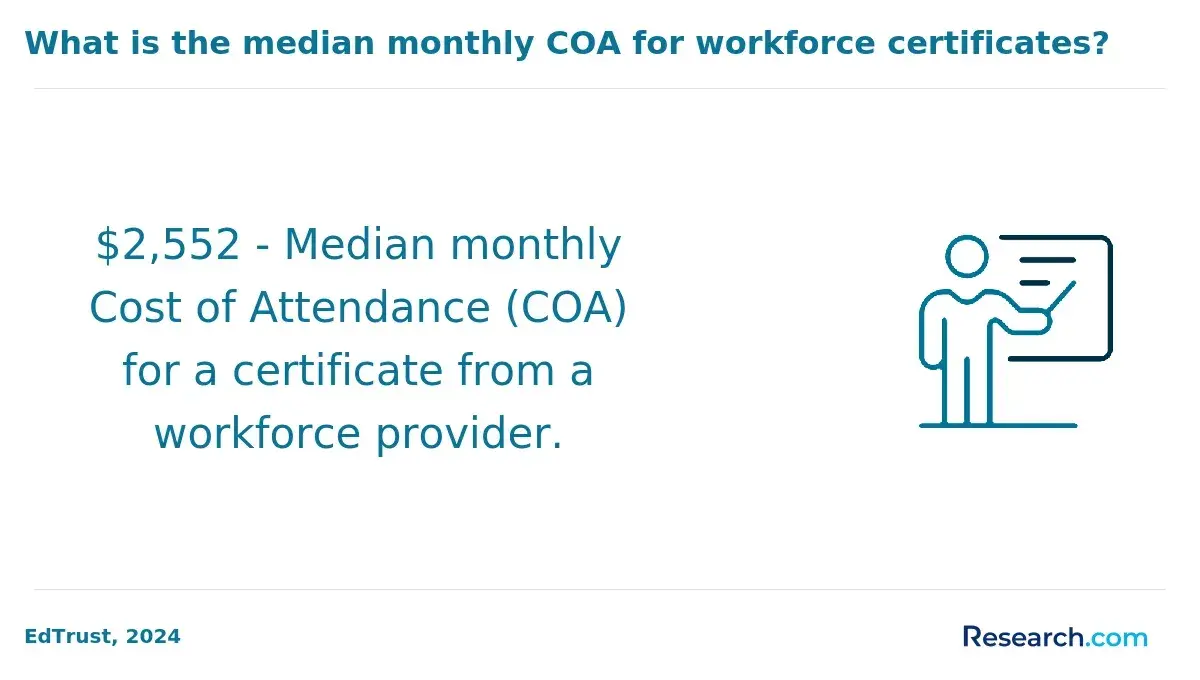
The fastest advancement usually comes from training that is short enough to complete, respected enough to matter, and stackable enough to support the next move. A stackable credential means the student can use earlier credits, certificates, or work experience toward a higher credential later.
Different education paths fit different goals. Students who want technical, healthcare, or business roles should compare whether a certificate, associate program, bachelor's degree, apprenticeship, or graduate credential matches the actual job requirements. Students exploring two-year routes can start by comparing associate degrees that align with healthcare, IT, business, or technical fields.
| Training path | Best fit | Typical advantage | Main limitation |
| Short certificate | Students who need fast entry into IT, healthcare support, bookkeeping, or digital tools | Lower time commitment and faster job search | May not be enough for licensed or advanced roles |
| Associate degree | Students seeking healthcare, technical, business, or transfer pathways | Can combine job preparation with transferable college credit | Quality and transfer value vary by school and agreement |
| Bachelor's degree | Students targeting engineering, analytics, nursing, business, education, or management tracks | Often opens broader advancement and internship access | Higher cost and longer time to completion |
| Apprenticeship | Students who want paid training in skilled trades or technical occupations | Earn-and-learn model with occupational progression | Availability depends on location, unions, and employers |
| Graduate degree | Students or workers moving into leadership, advanced healthcare, analytics, counseling, or specialized business roles | Can support promotion when the field requires advanced preparation | Not usually the best first step without clear career alignment |
Graduate education can accelerate advancement in some fields, but it should not be treated as a universal shortcut. For example, easy master's degrees may be attractive for working adults, but students should still verify whether the program's curriculum, accreditation, and employer recognition match the promotion they want.
The strongest training programs build both hard and soft skills. For fast-growth careers, students should prioritize communication, documentation, data literacy, ethical technology use, customer service, project coordination, and problem-solving because these skills make entry-level workers promotable.
How can students use part-time or campus jobs to build long-term career momentum?
Part-time and campus jobs can become career accelerators when students choose them strategically. The goal is not just to earn spending money; it is to collect experience, references, measurable accomplishments, and proof of workplace maturity.
Students should look for campus roles that mirror professional environments. A library technology desk, research assistant position, admissions office job, tutoring center role, lab assistantship, or student government finance role can all become relevant career evidence when connected to a target field.
- Choose a job tied to a career theme: Pick work that supports healthcare, technology, education, business, research, communications, or operations instead of choosing only by convenience.
- Ask for responsibilities that create proof: Examples include training peers, creating reports, managing schedules, documenting procedures, helping with software, or handling customer issues.
- Track measurable outcomes: Save numbers such as tickets resolved, events supported, students tutored, reports prepared, or process improvements completed.
- Build one supervisor reference each year: A strong reference who can describe reliability, judgment, and learning speed often matters as much as the job title.
- Convert the job into a portfolio story: Turn projects into resume bullets, interview examples, LinkedIn descriptions, or work samples when appropriate.
A common mistake is treating student work as separate from the future career. Even a food service or retail job can support rapid growth if the student moves into scheduling, training, inventory, customer escalation, or shift leadership and explains those responsibilities clearly on a resume.
Students should also use part-time jobs to test career fit. Someone who enjoys tutoring may discover interest in education, counseling, instructional design, or training. Someone who enjoys solving tech problems for classmates may be ready for IT support, cybersecurity, or systems administration.
What salary ranges and earning potential can fast-growth student careers offer over time?
Salary potential varies widely because "fast-growth student careers" include both quick-entry support roles and advanced professional roles. The most useful way to compare pay is to look at the entry job and the next realistic career step, not just the final high-salary occupation.
BLS May 2024 wage data gives students a reliable national benchmark, but it should be treated as a reference point rather than a personal forecast. Pay depends on region, employer, union status, experience, licensing, shift, industry, and whether the student continues training:
| Career path | Early role | Median wage for related advanced role, BLS May 2024 | What the number means |
| IT support to cybersecurity | Help desk or technical support | $124,910 for information security analysts | Strong upside, but usually requires technical experience, security knowledge, and ongoing certification or degree work |
| Medical assistant to nursing | Medical assistant or patient care technician | $93,600 for registered nurses | Healthcare support can be a stepping-stone, but licensure and accredited nursing education are required |
| Data assistant to analytics | Reporting assistant or junior analyst | $112,590 for data scientists | Higher pay usually requires statistics, programming, business context, and portfolio-quality projects |
| Bookkeeping to accounting | Bookkeeper or accounting clerk | $81,680 for accountants and auditors | Advancement often improves with accounting coursework, bachelor's preparation, and sometimes CPA eligibility |
| Paralegal to compliance or legal operations | Paralegal or legal assistant | $61,010 for paralegals and legal assistants | Growth may come from specialization in litigation, contracts, compliance, privacy, or corporate operations |
| Healthcare support to advanced practice | Clinical assistant or nursing track | $132,050 for nurse practitioners | High upside, but it requires RN preparation, graduate education, and state licensure |
Students should compare salary against time and cost. A lower-paid role that allows paid training and tuition assistance may be a better early move than a higher-paid role with no advancement path. The best early job is often the one that funds the next credential while building relevant experience.
It is also important to understand pay structure. Sales roles may include commissions, healthcare roles may include shift differentials, skilled trades may increase wages through apprenticeship levels, and technology roles may pay more for specialized skills such as cloud platforms, networking, or security operations.
How do online degree and certificate programs compare to campus options for rapid career growth?
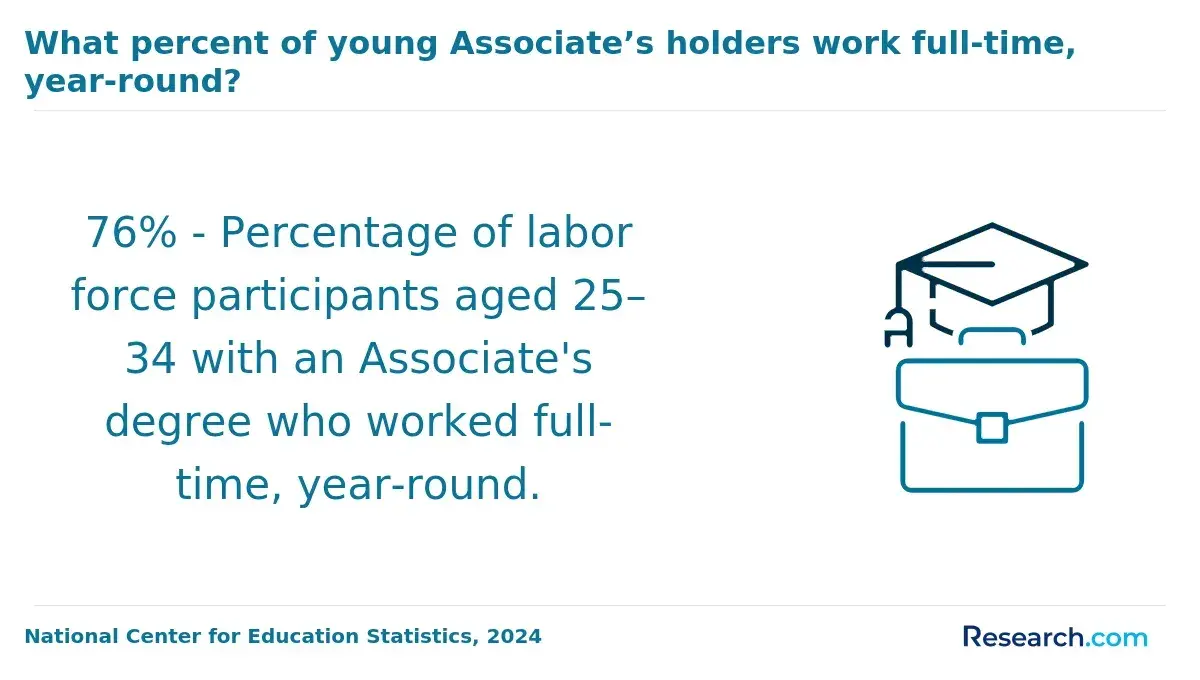
Online programs can support rapid career growth when they are legitimate, well-supported, and aligned with the student's target occupation. Campus programs can be stronger when the field requires labs, clinical placements, in-person equipment, local networking, or structured supervision.
The online-versus-campus decision should be based on learning style, schedule, career requirements, and access to hands-on experience. Students who need flexibility can compare the best online self-paced colleges, but they should still confirm accreditation, transfer policies, faculty access, and employer recognition before enrolling:
| Format | Best for | Strength | Risk to check |
| Fully online | Business, IT, analytics, education theory, general studies, and some health administration programs | Flexible scheduling for working students | May lack required clinical, lab, or supervised field components |
| Hybrid | Nursing prerequisites, allied health, teaching, technical programs, and lab-based fields | Balances flexibility with hands-on practice | Campus or placement requirements may be difficult for out-of-area students |
| On campus | Students needing structure, labs, equipment, local internships, or direct faculty access | Stronger in-person support and networking | Less flexible for students who work significant hours |
| Employer-sponsored training | Healthcare support, trades, technology operations, retail management, and logistics | Can reduce upfront education cost | Training may be narrow or not easily transferable |
Online learning is especially useful for students targeting remote-friendly careers. Those exploring long-term flexible work can compare degrees for remote jobs in fields such as computer science, business analytics, accounting, cybersecurity, digital marketing, and project management.
The biggest mistake is assuming online automatically means faster or easier. A credible online program still requires deadlines, exams, projects, advising, and verified learning outcomes. Students should ask how often courses are offered, whether credits transfer, and whether the program supports internships, portfolios, or certification preparation.
What accreditation, licensing, or certification requirements apply to popular fast-growth careers?
Accreditation, licensing, and certification requirements matter because they determine whether a credential will actually help the student get hired, transfer credits, qualify for aid, or sit for required exams. Requirements vary by occupation, state, and employer, so students should verify rules before enrolling.
Accreditation generally applies to schools and programs, licensure is legal permission to work in a regulated occupation, and certification is usually a professional credential showing competence in a specific skill or field. Confusing these terms can lead students to choose a program that looks convenient but does not qualify them for the job they want.
| Career area | Requirement to check | Why it matters | Common student mistake |
| Nursing and allied health | State approval, programmatic accreditation, clinical placement rules, and licensure exam eligibility | Graduates generally need approved education to qualify for licensure | Assuming any healthcare program qualifies for state licensing |
| Teaching | State educator preparation approval, student teaching requirements, and licensure exams | Public school teaching usually requires state certification | Choosing an out-of-state online program without checking local licensure rules |
| Cybersecurity and IT | Industry certifications, hands-on labs, and employer-recognized skills | Certifications can support entry, but experience and practical skills are still important | Collecting certificates without building projects or troubleshooting experience |
| Accounting | CPA education rules, credit-hour requirements, and state board standards | CPA eligibility varies by state and often requires more than a bachelor's degree | Waiting until senior year to check CPA course requirements |
| Skilled trades | Apprenticeship registration, state or local licensing, and supervised hours | Licensure may require documented work experience and exams | Taking a short course that does not count toward licensure hours |
| Paralegal and legal support | Employer preferences, ABA-approved options where relevant, and local market expectations | Licensing is not always required, but credential reputation can influence hiring | Assuming all paralegal certificates carry the same weight |
Before paying tuition, students should check the school's institutional accreditation, program-specific approval where applicable, state licensing board rules, exam pass rates when available, and whether the credential is accepted by local employers. This is especially important for healthcare, teaching, counseling, public safety, and skilled trades.
Certifications are most valuable when paired with experience. For example, an IT certification can help a student qualify for interviews, but a home lab, campus help desk job, internship, or documented project often makes the credential more convincing.
What are the typical program length, tuition costs, and financial aid options for fast-growth fields?
Program length and cost can change the return on investment dramatically. A short certificate may help a student enter the workforce quickly, while a degree may create broader advancement later. The best option is the one that fits the target job's requirements without adding unnecessary debt.
College Board's 2024 pricing data reported average published tuition and fees of $4,050 for public two-year in-district colleges, $11,610 for public four-year in-state colleges, and $43,350 for private nonprofit four-year colleges for the 2024-25 academic year.
These figures are useful for comparison, but students should calculate net price after grants, scholarships, transfer credit, employer aid, books, transportation, and lost work hours.
| Program type | Common length | Typical cost drivers | Best use case |
| Career certificate | A few months to about one year | Tuition, exam fees, tools, uniforms, software, or lab materials | Fast entry into healthcare support, IT, bookkeeping, trades, or digital skills |
| Associate degree | About two years full time | Tuition, general education courses, program fees, clinical or lab costs | Technical careers, transfer pathways, allied health, business, and IT foundations |
| Bachelor's degree | About four years full time | Tuition, housing, fees, books, internships, and time away from full-time work | Careers requiring broader education, licensure pathways, management, analytics, or professional roles |
| Apprenticeship | Often multi-year | Tools, transportation, union or program fees, and time commitment | Earn-and-learn skilled trade pathways with supervised hours |
| Graduate program | Often one to three years | Graduate tuition, fees, clinical placements, exam preparation, and reduced work hours | Advanced practice, leadership, counseling, analytics, education, or specialized business roles |
Students should use financial aid strategically. The maximum Federal Pell Grant for the 2024-25 award year was $7,395, which can substantially reduce out-of-pocket cost for eligible students, especially at community colleges and lower-cost public programs. However, aid eligibility depends on enrollment status, program eligibility, financial need, and satisfactory academic progress.
Before enrolling, students should request a written cost breakdown. That should include tuition, fees, books, equipment, certification exams, background checks, clinical fees, graduation fees, transportation, and any required unpaid fieldwork. A program that looks cheap upfront may cost more if credits do not transfer or if students must repeat prerequisites elsewhere.
What is the job outlook and employer demand for top fast-growth careers students pursue?
Employer demand is strongest where demographics, technology, regulation, infrastructure, and business operations create continuing labor needs. For students, the best signal is not a single growth number but a pattern: growing job postings, clear entry roles, recognized credentials, and multiple industries hiring for similar skills.
BLS projections published in 2024 showed especially rapid growth for several occupations students often build toward, including information security analysts at 33%, data scientists at 36%, nurse practitioners at 46%, and medical assistants at 15% over the 2023-33 period. These projections do not guarantee individual employment, but they show where national demand is expected to expand faster than average.
| High-demand field | What is driving demand | Student entry point | Long-term growth move |
| Cybersecurity | Cloud adoption, ransomware risk, privacy needs, and compliance requirements | Help desk, IT support, security internship, or networking coursework | Security analyst, incident response, cloud security, governance risk and compliance |
| Data and analytics | Organizations need better decisions from operational, customer, and financial data | Research assistant, reporting assistant, business coursework, analytics portfolio | Data analyst, business intelligence analyst, data scientist track |
| Healthcare | Aging population, chronic care needs, outpatient services, and staffing shortages | Medical assistant, patient care technician, pharmacy technician, CNA where appropriate | RN, imaging technologist, respiratory therapy, nurse practitioner pathway |
| Clean energy and skilled trades | Grid upgrades, construction demand, electrification, and energy efficiency projects | Apprenticeship, trade helper, technical certificate, facilities job | Licensed tradesperson, solar technician, project supervisor, energy auditor |
| Business operations | Need for efficient processes, compliance, finance, customer retention, and digital systems | Bookkeeping, office assistant, sales development, operations internship | Operations analyst, accountant, project coordinator, business analyst |
AI is changing employer expectations across these fields. Students who know how to use AI tools for drafting, coding assistance, data exploration, scheduling, or documentation can be more productive, but employers still need people who can verify accuracy, protect data, communicate with clients, and make judgment calls.
Students should monitor local demand, not just national trends. A healthcare pathway may be excellent in one region because of hospital systems and clinics, while a clean energy pathway may be stronger where local utilities, contractors, or state programs are expanding. Internship postings, apprenticeship openings, community college employer partners, and alumni outcomes are practical local signals.
How can students evaluate and choose reputable schools or programs for fast career growth?
Choosing a reputable school or program is one of the most important decisions students make if they want fast career growth. A strong program should connect training to real jobs, provide transparent outcomes, and avoid pushing students into unnecessary debt.
Students should evaluate programs in a sequence rather than relying on rankings or advertisements. The steps below help compare options based on career fit, quality, cost, and risk:
- Start with the target job: Look up job postings in your region and list the required degree, certifications, software, license, experience, and schedule expectations.
- Verify accreditation and approval: Check institutional accreditation and, for regulated fields, program approval from the relevant state board or accreditor.
- Ask about outcomes: Request graduation rates, licensure exam pass rates, job placement methods, internship access, employer partners, and typical time to completion.
- Compare total net cost: Include fees, books, equipment, exam costs, transportation, lost work time, and whether credits transfer.
- Check schedule realism: Confirm whether courses, labs, clinicals, internships, or apprenticeships fit your work and family obligations.
- Speak with current students or recent alumni: Ask whether advising, tutoring, career services, and faculty support are actually accessible.
- Avoid pressure tactics: Be cautious if admissions staff rush you to enroll, avoid written answers, downplay licensure rules, or refuse to provide cost details.
Common red flags include unclear accreditation, vague job placement claims, credits that rarely transfer, outdated equipment, limited faculty access, no employer partnerships, and promises of unusually high earnings. Strong programs are usually willing to explain limitations, not just benefits.
A good final test is simple: can you explain how the program leads to the first job, how that job leads to the next role, and what the total cost will be if you finish on time? If the answer is unclear, keep comparing before committing.
Other Things You Should Know About
There is no single best job for every student, but IT support, medical assistant, data assistant, bookkeeping, digital marketing, paralegal work, tutoring, and apprenticeships are strong options because they can lead to higher-skill roles with additional training.
Yes. Certificates, associate programs, apprenticeships, and employer training can lead to growth in healthcare support, IT, skilled trades, bookkeeping, and technical operations. A bachelor's degree may still be needed later for management, licensure, or specialized professional roles.
Online programs can be a good choice when they are accredited, respected by employers, and matched to the career goal. They are strongest for fields such as IT, business, analytics, and some education pathways, but healthcare and technical programs may require in-person labs or clinical placements.
Students should verify accreditation, check licensing rules, compare total cost, review job postings, ask about outcomes, and confirm that credits transfer. They should avoid programs that promise guaranteed salaries or pressure them to enroll quickly without written details.
References
- Increasing Financial Aid Isn’t the Solution to High College Costs https://cosm.aei.org/increasing-financial-aid-isnt-the-solution-to-high-college-costs/
- 10 in-demand careers for the future https://www.vu.edu.au/about-vu/news-events/vu-blog/10-in-demand-careers-for-the-future
- 5 In-Demand Degrees That Can Boost Your Career - Acquisition International https://www.acquisition-international.com/5-in-demand-degrees-that-can-boost-your-career/
- Why Work on Campus? https://www.callutheran.edu/students/employment/why-work.html
- How to Choose the Right Educational Path for Your Career Goals - SkillX Education https://skillxeducation.com/how-to-choose-the-right-educational-path-for-your-career-goals/
- How Online College Degree Programs Can Transform Your Life https://www.tuw.edu/school-news/online-degree-programs-transform-your-life/
- Best Career Options After Graduation: Top High-Paying Paths https://www.flashfirejobs.com/blog/best-career-options-after-graduation
- 15 High-Paying Jobs That’ll Be in Demand for Years to Come | The Muse https://www.themuse.com/advice/high-paying-jobs-in-demand-for-future
- The wage lifecycle is more complex than you think. https://www.adpresearch.com/research/the-wage-lifecycle-is-more-complex-than-you-think
- How Does Increasing Financial Aid Promote Student Economic Success? https://www.ihep.org/press/how-does-increasing-financial-aid-promote-student-economic-success/