2027 What Career Centers Actually Help With

Co-Founder and Chief Data Scientist
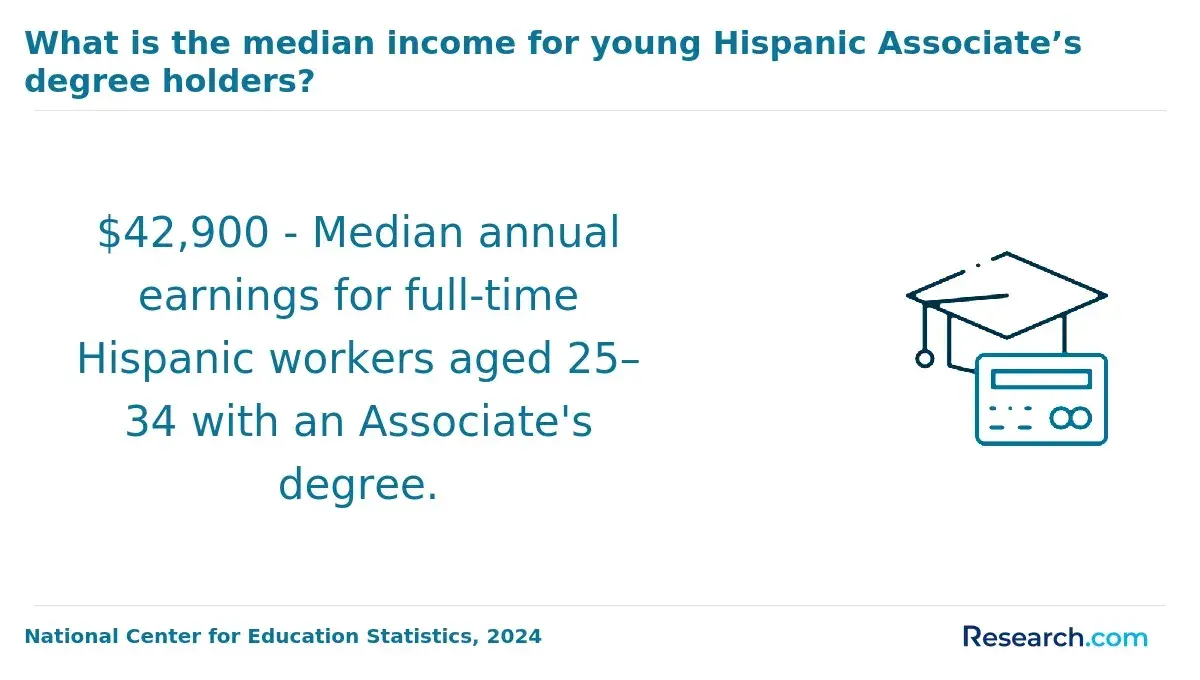
Choosing a major, finding an internship, or changing careers is harder when job titles, credentials, and employer expectations keep shifting. The U.S. Bureau of Labor Statistics reported a median annual wage of $49,500 for all occupations in May 2024, but earnings vary widely by field, location, and training.
Career centers help students, graduates, and job seekers turn that uncertainty into a plan. This guide explains what career centers actually do, when their services are most useful, and how to use them to make smarter education, job search, and career decisions.
Key Things You Should Know
- Career centers are not just resume offices; they typically help with career exploration, major selection, internships, job search strategy, interview preparation, employer connections, graduate school planning, and labor market research.
- BLS reported a $49,500 median annual wage for all U.S. occupations in May 2024, while College Board listed average published tuition and fees of $11,610 for in-state public four-year colleges in 2024-25, making credential choices financially important.
- The best results usually come from using a career center early and repeatedly, not only right before graduation or after a layoff.
What core services do college and community career centers typically provide?
A career center is a student or community support office that helps people connect education, skills, and work opportunities. College career centers usually serve current students and alumni, while community career centers, including many publicly funded workforce centers, often serve job seekers, workers, veterans, dislocated workers, and adults exploring training options.
The exact menu varies by school, county, funding source, and employer network, but most career centers combine advising, job search support, skill-building workshops, and employer access. The table below summarizes what you can reasonably expect and what each service is best used for.
| Service area | What it usually includes | Best fit for |
| Career advising | One-on-one meetings about interests, values, strengths, goals, and career options | Students choosing a major, undecided students, and adults considering a new direction |
| Resume and cover letter support | Document reviews, templates, targeted resume advice, and applicant tracking system guidance | Job seekers applying to internships, entry-level roles, promotions, or career-change positions |
| Job and internship search help | Search strategy, job boards, campus recruiting systems, employer leads, and application planning | Students and graduates who need a structured search instead of random applications |
| Interview preparation | Mock interviews, behavioral interview coaching, practice questions, and feedback | Applicants preparing for screening calls, panel interviews, technical interviews, or final rounds |
| Employer and alumni connections | Career fairs, networking events, information sessions, alumni panels, and recruiting events | People who need access to real hiring conversations and professional contacts |
| Labor market information | Salary ranges, occupational outlook, required skills, local hiring demand, and education requirements | Anyone comparing majors, credentials, industries, or relocation options |
A useful career center will not make the decision for you. Its job is to help you narrow choices, understand trade-offs, prepare stronger materials, and connect with opportunities that match your goals and qualifications.
How do career centers help you choose or change a major and career path?
Career centers help you move from vague interests to realistic options. Instead of asking, "What should I do with my life?" a good advisor helps you compare your interests, skills, preferred work environment, salary needs, academic strengths, and tolerance for additional training.
Major and career decisions are especially important because switching paths can affect time to completion and cost. College Board reported average published tuition and fees of $4,050 at public two-year in-district colleges in 2024-25, which can make starting with an associate degree online a practical option for some students who want a lower-cost entry point before committing to a bachelor's program.
Career advisors commonly use structured tools and conversations to help you compare options. These tools are most helpful when you treat them as evidence, not as a final answer:
- Interest and values assessments can identify work themes you may not have considered, such as helping, persuading, analyzing, building, or organizing.
- Skills inventories can show whether your strengths line up with writing-heavy, technical, analytical, creative, caregiving, or management-focused roles.
- Major-to-career maps can show common job titles, industries, and graduate school paths connected to a field of study.
- Informational interview planning can help you talk with alumni or professionals before changing majors or enrolling in a new program.
- Academic planning referrals can help you understand how a major change affects credits, prerequisites, graduation timeline, and financial aid.
A career center is especially valuable if you are torn between several reasonable paths. It can help you test assumptions before you spend more time and money on coursework that may not match your target career.
In what ways can a career center support your job and internship search?
Career centers help job seekers replace scattered applications with a focused search plan. That usually means identifying target roles, building a weekly application routine, finding employer contacts, tailoring materials, and tracking follow-up.
This matters because early career hiring can be uneven across industries. Employers may still hire, but they often expect candidates to show job-specific skills, relevant experience, and a clear reason for applying. A career center can help you translate class projects, part-time work, volunteer experience, military service, or caregiving experience into language employers understand.
Most job and internship search support falls into a few practical categories. Use these services in sequence if you are starting from scratch:
- Clarify your target roles by choosing two or three job titles that match your skills and education level.
- Review sample postings to identify repeated keywords, required tools, preferred credentials, and common responsibilities.
- Build a target employer list that includes large employers, local organizations, nonprofits, government agencies, startups, and campus recruiting partners.
- Create a tracking system for applications, contacts, deadlines, interviews, and follow-up dates.
- Meet with a career advisor after several weeks to adjust your search if you are not getting responses.
Career centers are also useful for hidden-market opportunities. Some employers contact colleges or workforce centers before posting broadly because they want candidates from a specific program, location, or skill group. That does not mean every opportunity is exclusive, but it can give prepared applicants a better path to real conversations.
How do career centers assist with resumes, cover letters, and professional branding?
Career centers help you present your experience in a way that fits the role you want, not just the role you already have. Resume support is often the most familiar service, but the best career centers go beyond grammar and formatting.
Good resume guidance focuses on relevance, evidence, and clarity. Instead of listing every duty, an advisor may help you identify accomplishments, quantify results when accurate, and connect your experience to the employer's needs. If you are a student, that may include class projects, labs, research, internships, campus leadership, work-study jobs, or community service.
Professional branding support can include several documents and platforms. The goal is consistency, so that your resume, cover letter, LinkedIn profile, portfolio, and interview answers all point toward the same career direction.
- Resume reviews help you target each application and avoid generic summaries that could apply to any job.
- Cover letter coaching helps you explain why you fit the role, especially when you are changing fields or have limited direct experience.
- LinkedIn profile reviews help you align your headline, summary, experience, skills, and activity with your target roles.
- Portfolio feedback can be useful for design, writing, technology, education, research, marketing, and project-based fields.
- Applicant tracking system guidance can help you use relevant keywords without stuffing or misrepresenting your background.
A common mistake is asking for a "perfect resume" before choosing a target job. A strong resume is specific to a role. If you are applying to both marketing assistant and data analyst roles, you may need different versions because the evidence employers look for is different.
What interview preparation and networking opportunities do career centers offer?
Interview preparation is one of the highest-value career center services because feedback is hard to get from employers. Many applicants only learn they were not selected, not why. A mock interview can reveal unclear answers, weak examples, nervous habits, or gaps in role knowledge before the real interview.
Career centers often prepare students and job seekers for several interview formats. Knowing the format helps you practice the right kind of response instead of memorizing generic answers.
| Interview or networking format | What it tests or builds | How a career center can help |
| Behavioral interview | Past actions, judgment, teamwork, communication, and problem-solving | Practice structured examples using situation, task, action, and result |
| Technical interview | Job-specific knowledge, tools, problem-solving, or portfolio quality | Refer you to faculty, labs, practice platforms, or industry-specific preparation resources |
| Case interview | Business reasoning, analytical structure, and communication under pressure | Provide practice cases, feedback, and group preparation opportunities |
| Career fair conversation | Concise self-introduction and ability to ask informed questions | Help you prepare an elevator pitch and employer-specific talking points |
| Informational interview | Career research and relationship-building | Help you write outreach messages and prepare questions for professionals |
Networking support is not about asking strangers for jobs. It is about learning how a field works, what employers value, and where opportunities may appear. Career centers may connect you with alumni, employer panels, mentorship programs, professional associations, or job shadowing options.
Before attending a networking event, prepare a short introduction, review the employer or speaker list, and choose a few thoughtful questions. That preparation helps you sound focused without seeming scripted.
How can a career center guide you on education, training, and certification options?
Career centers can help you decide whether you need a degree, certificate, license, bootcamp, apprenticeship, graduate program, or employer-sponsored training. This guidance is especially important because not every credential has the same value in the labor market, and some careers require state-specific licensure.
A career advisor should help you connect the credential to a specific goal. For adults who already have professional experience, a competency-based master's may be worth exploring if the program lets students progress by demonstrating mastery rather than simply completing seat time, but it should still be evaluated for accreditation, employer recognition, cost, and fit.
When comparing education and training options, ask the career center to help you separate required credentials from optional ones. These distinctions can prevent overpaying or underpreparing:
- A required license is mandatory for certain regulated roles, such as many teaching, nursing, counseling, and skilled trade occupations, and requirements vary by state.
- A degree may be expected for roles where employers use education as a screening factor or where the work requires broad academic preparation.
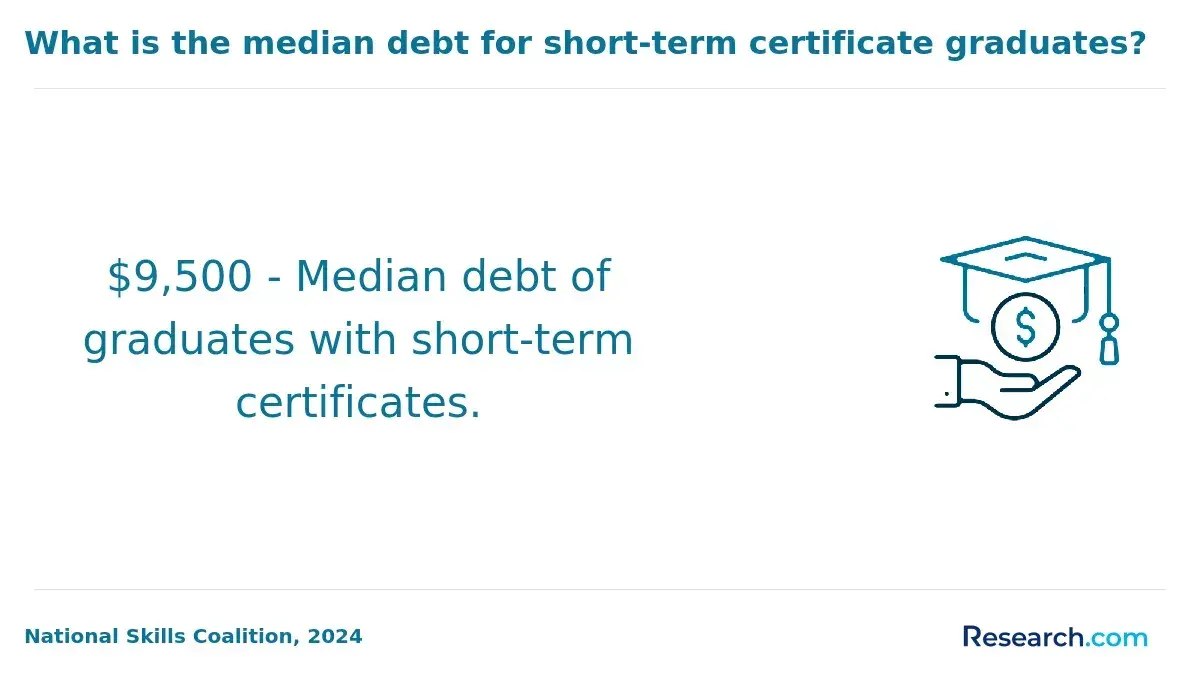
- A certificate may make sense when you need a focused skill set, such as bookkeeping software, project management fundamentals, data tools, or healthcare support skills.
- An apprenticeship may fit if you want paid, structured training in a trade or technical occupation.
- A short course or bootcamp may help when you already have a foundation and need a specific technical skill, but outcomes vary by provider and employer demand.
The biggest red flag is enrolling before confirming that the credential matches your target job postings. Bring real postings to your appointment and ask the advisor which qualifications appear consistently and which are merely preferred.
What labor market, salary, and job outlook information can career centers provide?
Career centers can help you interpret labor market data so you do not rely only on anecdotes, rankings, or social media claims. They may use BLS data, state workforce databases, employer surveys, alumni outcomes, local job postings, and salary tools to show how occupations differ by pay, growth, education level, and geography.
Salary information should be used as a planning tool, not a promise. For example, BLS reported a median annual wage of $49,500 for all U.S. occupations in May 2024, but the median for a specific role can be much higher or lower depending on industry, location, experience, credentials, and hours worked.
If a career path requires graduate education, comparing tuition options such as the cheapest online masters can help you think about return on investment more realistically.
The table below shows the types of labor market information a career center may help you interpret. Each data type answers a different decision question, so the strongest career decisions usually combine several of them.
| Information type | What it tells you | Key limitation |
| Median wage | The midpoint of pay for a role, with half of workers above and half below | Does not show entry-level pay or local cost of living by itself |
| Projected job growth | Whether employment in an occupation is expected to expand, shrink, or remain stable | National projections may not reflect your local market |
| Job posting analysis | Skills, tools, degrees, certifications, and experience employers are currently requesting | Postings can overstate requirements or duplicate the same opening |
| Alumni outcomes | Where graduates from a school or program have worked or continued their education | May be incomplete if response rates are low |
| State workforce data | Local demand, regional wage ranges, and high-growth sectors | May lag behind fast-changing employer needs |
Ask a career advisor to help you compare data from more than one source. If salary tools disagree, focus on ranges, local postings, and required qualifications rather than a single number.
How do career centers connect students with employers, alumni, and career fairs?
Career centers often serve as a bridge between job seekers and employers. Employers may use a college or community career center to promote internships, recruit entry-level candidates, attend fairs, host information sessions, or identify candidates with specific training.
Career fairs and employer events are most useful when you treat them as preparation and relationship-building, not just same-day job hunting. A brief conversation can help you learn what the employer values, which openings are realistic, and how to follow up professionally.
Career centers may offer several connection channels. Each one works differently, so choose the format that matches your readiness and goals.
- Career fairs work well when you have a polished resume, a short introduction, and a clear target industry or role.
- Employer information sessions are useful when you want to understand company culture, hiring timelines, and application requirements.
- On-campus or virtual recruiting can give students direct access to employers that already know the school's programs.
- Alumni networks can help you explore career paths, ask realistic questions, and identify skills that helped others transition into the field.
- Mentorship programs can provide longer-term guidance, especially for first-generation students, career changers, and students entering competitive fields.
A common mistake is attending an event without researching the employers. Review participating organizations, identify your top targets, prepare questions, and follow up within a reasonable time after the event. Career centers can often help you draft follow-up messages that sound professional and specific.
In what ways can a career center support career advancement and mid-career transitions?
Career centers are not only for traditional undergraduates. Alumni offices, graduate career services, workforce development centers, and community career centers can help adults pursue promotions, recover after layoffs, return to work, or move into a new field.
Mid-career support often starts with translating existing experience. Someone who has managed schedules, budgets, customers, compliance, or teams may have transferable skills even if their job title does not match the new field.
For professionals considering an online master, a career center can help compare whether graduate study is necessary for advancement or whether a certificate, internal promotion strategy, or employer-funded training would be more efficient.
Adults changing careers usually need more than resume edits. They need a transition plan that balances income, time, family obligations, training costs, and realistic entry points.
- Identify the target role and confirm whether it is a promotion, lateral move, or full career change.
- Compare your current skills with job postings to find gaps that are repeated across employers.
- Choose the lowest-risk way to test the new path, such as a project, volunteer role, freelance assignment, informational interview, or short course.
- Update your resume and professional profile to emphasize transferable achievements rather than old job titles only.
- Build a timeline that includes savings needs, training time, application cycles, and possible pay changes.
Technology and AI are also changing career advancement conversations. Career centers may help you identify which tasks in your field are being automated, which digital tools employers expect, and which human skills, such as judgment, communication, ethical reasoning, leadership, and client management, remain important.
How can you evaluate and make the most of your school's or local career center?
Not all career centers offer the same level of service. Some have large employer networks and specialized advisors; others have limited staffing but strong workshops or local workforce partnerships. Your goal is to evaluate the center honestly and use it strategically.
Start by checking whether the center understands your goal. If you are comparing accelerated graduate pathways, for example, ask how they help students evaluate outcomes, workload, and employer recognition for quick masters degrees online rather than assuming speed alone makes a program valuable.
Use your first appointment to gather specific information, not just encouragement. The best questions help you judge both the center's resources and your next steps.
- Which employers regularly recruit students or clients with my background?
- What job titles should I search for at my current education and experience level?
- What skills or credentials appear most often in postings for my target role?
- Do you have salary, placement, internship, or alumni outcome data for this program or field?
- Can you review my resume against a specific job posting instead of giving general feedback?
- Are there upcoming career fairs, alumni events, mock interviews, or employer sessions I should prioritize?
- What common mistakes do people in my situation make, and how can I avoid them?
Watch for red flags. A weak career center may offer only generic templates, avoid discussing outcomes, provide little knowledge of your field, or push every student toward the same advice. A stronger center will ask clarifying questions, use current labor market information, refer you to specialized resources when needed, and help you leave with concrete next steps.
To get the most value, schedule appointments early, bring real job postings, keep drafts of your materials, attend employer events before you urgently need a job, and follow up after each meeting. Career centers work best when you treat them as an ongoing career strategy partner rather than a last-minute editing service.
Other Things You Should Know About Career Planning
Career centers can improve your job search by helping you target roles, strengthen applications, practice interviews, and connect with employers. They do not guarantee a job, and results still depend on your qualifications, market conditions, effort, and timing.
Ideally, start in your first year or as soon as you enroll. Early visits can help you choose a major, find skill-building experiences, explore internships, and avoid waiting until graduation to build a resume.
Many colleges offer alumni access, but policies vary. Some provide lifetime services, while others limit appointments, job boards, or coaching after graduation. Check your school's alumni career services rules before assuming access.
Bring your resume draft, a few job postings, questions about your goals, and any transcript or program information that affects your options. The more specific your materials are, the more useful the advice will be.
References
- Better Jobs Information Benefits Everyone https://issues.org/better-jobs-information-benefits-everyone/
- 5 Ways Community Colleges Drive Workforce Development - Center for American Progress https://www.americanprogress.org/article/5-ways-community-colleges-drive-workforce-development/
- How to Choose the Right Career Training Program for Your Future https://ccitraining.edu/blog/choose-career-training-program/
- 7 Ways to Support Employee Career Development and Advancement https://www.financialprofessionals.org/training-resources/resources/articles/Details/7-ways-to-support-employee-career-development-and-advancement
- Four ways community colleges can improve career readiness | EAB https://eab.com/resources/blog/community-college-blog/four-ways-community-colleges-can-improve-career-readiness/
- 6 Best Career Counseling Certifications & How to Get Certified https://www.hiration.com/blog/career-counseling-certifications/
- Researching a Career https://www.monroecc.edu/depts/careercenter/career-exploration/researching-a-career/
- Career transition planning: Your complete guide https://skillpanel.com/blog/career-transition-planning/
- Career Options - Achievement Training https://achievementtraining.com/career-options/