2027 College Interview Questions: Career Guide for Students and Graduates

Co-Founder and Chief Data Scientist
College interviews can feel high-stakes because they turn an application file into a live conversation. Common App reported more than 1.4 million first-year applicants in the 2023-24 cycle, which means many students are competing in crowded pools where fit, maturity, and communication can matter. This guide is for high school seniors, transfer applicants, online learners, and recent graduates preparing for admissions conversations. You will learn what interviewers ask, how to answer clearly, what to research, and how to follow up so the interview supports your larger college decision.
Key Things You Should Know
- Most college interviews are evaluative, informational, or both; they usually assess fit, communication, motivation, and whether your academic goals match the program.
- Interviews rarely outweigh grades, rigor, essays, and test policies, but they can strengthen borderline or highly selective applications when they add specific evidence of readiness.
- Use current cost and outcome context when discussing plans: College Board listed average 2024-25 published tuition and fees at $11,610 for in-state public four-year colleges and $43,350 for private nonprofit four-year colleges.
What are college interview questions asking applicants?
College interview questions are prompts admissions officers, alumni interviewers, faculty members, or program directors use to understand the person behind the application. They are not usually trivia tests. They are designed to reveal how you think, what you value, how prepared you are for college-level work, and whether the institution can realistically support your goals.
Most questions fall into a few predictable categories. Knowing the purpose behind each category helps you answer with evidence instead of memorized lines.
| Question type | What the interviewer is really assessing | Strong response includes |
| Academic background | Curiosity, preparation, learning habits, and readiness for college coursework | A specific class, project, challenge, or intellectual interest |
| Major and career interests | Whether your goals connect to available programs and advising resources | A realistic interest, not necessarily a fixed lifetime plan |
| Campus or program fit | Whether you understand what makes the college different | References to curriculum, faculty focus, student support, research, internships, or community |
| Character and values | Maturity, self-awareness, collaboration, and resilience | A short story showing what you did, learned, or changed |
| Questions for the interviewer | Engagement and decision-making ability | Thoughtful questions that cannot be answered by a homepage scan |
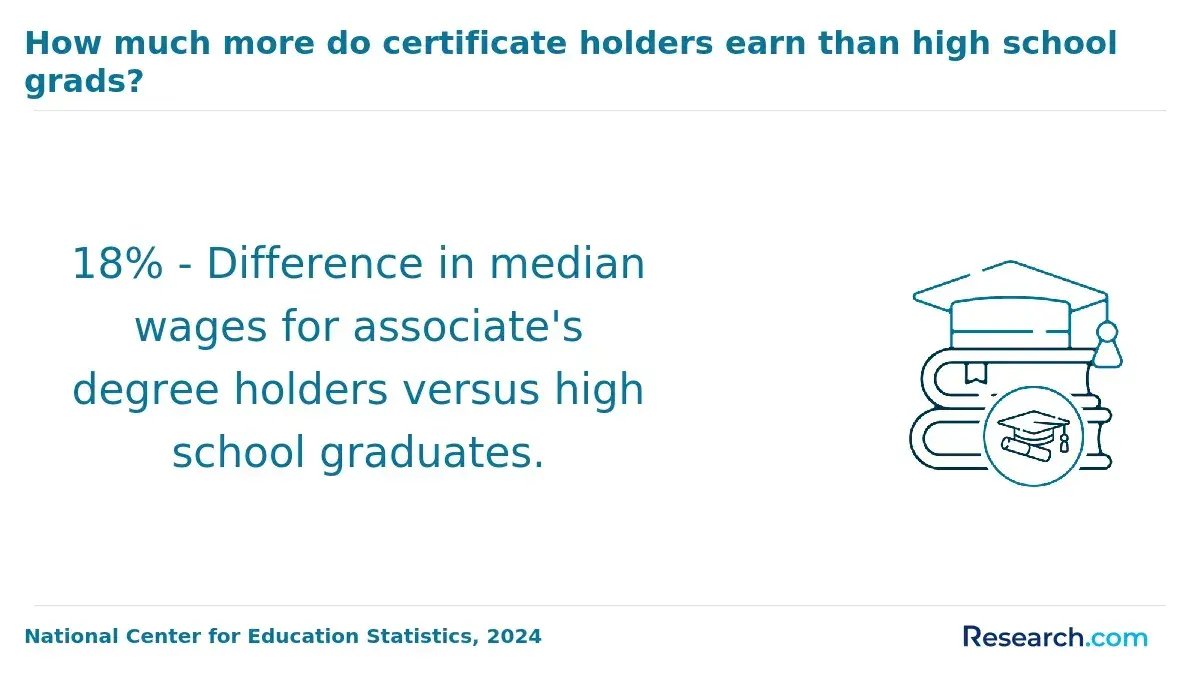
For students considering alternatives to a traditional four-year path, interviews may also explore whether a shorter, career-aligned credential is a better fit. If you are comparing college degrees with workforce credentials, reviewing certificate programs that pay well can help you discuss your options more confidently and avoid sounding as if you chose a path without comparing it to realistic alternatives.
How do college interviews affect admissions decisions?
College interviews usually support admissions decisions rather than determine them. At many institutions, the transcript, course rigor, essays, recommendations, activities, and institutional priorities carry more weight. Still, an interview can add context that an application cannot fully show, especially when the applicant has an unusual academic path, a compelling reason for choosing the school, or a growth story that deserves explanation.
The impact depends on the school and interview type. Highly selective colleges may use interviews to confirm fit and add qualitative insight, while many large public universities do not require interviews for general admission. Specialized programs in nursing, honors colleges, education, business, performing arts, or competitive scholarships may treat interviews more seriously because the program needs evidence of judgment, communication, ethics, or professional readiness.
Use this comparison to understand what an interview can and cannot do for your application.
| Interview situation | Likely role in admissions | What applicants should do |
| Optional alumni interview | Often adds a personal perspective but may not be a deciding factor | Accept it if offered, prepare seriously, and treat it as part of demonstrated interest |
| Required program interview | Can be an important screening tool for fit, professionalism, and readiness | Prepare examples tied to the major, clinical work, teaching, leadership, or portfolio |
| Scholarship interview | May influence funding decisions after academic eligibility is established | Connect achievements to impact, service, goals, and financial need when relevant |
| Transfer or adult learner interview | May clarify credits, goals, work experience, and persistence | Explain why the next program fits better than previous options |
A useful way to think about the interview is this: it may not rescue a weak academic record by itself, but it can make a strong or complex application easier to understand. It can also help you decide whether the college's advising, cost, culture, and academic structure match your needs.
What questions do colleges ask in interviews?
Most college interview questions are broad because interviewers want to hear how you organize your thoughts. You should prepare for common questions, but avoid scripting answers word for word. A rehearsed answer can sound less authentic than a concise story with a clear point.
The following questions are common across admissions, honors, scholarship, and program-specific interviews. Practice answering them with examples from school, work, service, family responsibilities, creative projects, or independent learning.
- Tell me about yourself beyond what is in your application.
- Why are you interested in this college or program?
- What academic subject has challenged or excited you the most?
- How did you handle a setback, conflict, or failure?
- What do you hope to contribute to the campus community?
- Which activity, job, or responsibility has shaped you most?
- What major are you considering, and why?
- How do you learn best when a course becomes difficult?
- What book, issue, project, or experience has changed your thinking?
- Where do you see yourself after college, and what support would help you get there?
Some questions are really testing decision quality. For example, "Why this college?" is not asking for flattery. It asks whether you compared options, understand trade-offs, and can explain why this school is worth the investment of time and money. This matters because the College Board's 2024-25 pricing data shows a wide gap between average public in-state and private nonprofit tuition. A strong answer should show that you have considered cost, fit, and outcomes rather than relying only on prestige.
How should students answer college interview questions?
Strong answers are specific, reflective, and connected to the college. You do not need a dramatic story. You need a clear example that shows how you think, what you learned, and why the experience matters for your next step.
A practical structure is the short story method: context, action, result, reflection. This keeps your answer focused and prevents rambling.
- Start with the situation in one sentence so the interviewer understands the context.
- Explain what you did, chose, built, studied, led, or changed.
- Describe the result without exaggerating or claiming credit for everything.
- End with what the experience taught you and how it connects to college.
For example, if asked about a challenge, avoid saying only, "I learned to work hard." A stronger answer might explain how you struggled in chemistry, changed your study method, attended help sessions, formed a peer review routine, and became more comfortable asking precise questions. The point is not perfection; it is evidence of college-ready behavior.
Several mistakes can weaken otherwise capable applicants. Watch for these red flags before the interview.
- Giving answers that could apply to any college, such as "great academics" or "nice campus," without naming a specific program feature.
- Overexplaining weaknesses without showing what changed afterward.
- Reciting a resume instead of telling one or two meaningful stories.
- Sounding fixed on a career plan while ignoring the college's advising, internships, or exploratory pathways.
- Asking questions that are answered clearly on the admissions page, such as the application deadline.
If you are not fully committed to a four-year timeline, be honest and thoughtful. Some students are comparing bachelor's programs with accelerated or competency-based options. Reading about the fastest degree to get online can help you frame questions about transfer credits, prior learning assessment, and whether speed or depth matters more for your goals.
What should applicants research before a college interview?
Research helps you move from generic enthusiasm to informed fit. Interviewers notice when an applicant can connect personal goals to specific opportunities. Good research also protects you from choosing a school that looks appealing but does not match your finances, learning style, or career path.
Before the interview, review the areas below and write one or two notes for each. You do not need to memorize the website; you need enough detail to ask better questions and explain your interest honestly.
- Academic structure, including majors, concentrations, general education requirements, advising, research options, and first-year seminars.
- Career support, including internships, employer partnerships, alumni mentoring, career coaching, licensure preparation, and graduate school advising.
- Student support, including tutoring, disability services, mental health resources, writing centers, commuter support, and veteran or adult learner services.
- Cost and aid, including net price calculators, merit scholarships, need-based aid, work-study, housing, fees, books, and transportation.
- Outcomes and fit, including retention, graduation rates, transfer policies, student organizations, campus culture, and location.
Cost research deserves special attention. Published tuition is not the same as your net price after grants and scholarships, but it is still a warning sign if a school is far beyond your budget. Students who need flexible schedules, lower tuition, or part-time pacing can compare the most affordable online colleges for working adults as part of a broader affordability check before committing to an interview-driven admissions process.
What questions should you ask a college interviewer?
The questions you ask can be as revealing as the answers you give. Good questions show that you are evaluating the college responsibly. They also help you decide whether the school is a strong fit academically, socially, and financially.
Choose questions that match the interviewer's role. Alumni can speak well about student experience and long-term value, while admissions officers can explain process and support. Faculty or program directors can discuss curriculum, research, internships, and professional preparation.
- What qualities help students succeed in this program beyond strong grades?
- How does advising work for students who are undecided or considering multiple majors?
- What do students often misunderstand about the academic workload here?
- How early can students access internships, research, clinical placements, or career coaching?
- What support is available if a student struggles in a gateway course?
- How does the college help students compare majors with career outcomes?
- What kinds of students tend to feel most at home on this campus?
- Are there recent changes to the curriculum, advising model, or student support services?
Avoid turning the interview into a list of questions about rankings or prestige. Those questions rarely help you make a better decision. Instead, ask about evidence of support: how students get help, how they build experience, and how the college responds when a student's first plan changes.
How do you prepare for online college program interviews?
Online college program interviews require the same substance as in-person interviews, plus extra attention to technology and time management. They are common for adult learners, transfer students, graduate pathway applicants, healthcare programs, education programs, and fully online degrees. The goal is to show readiness for independent learning, not just interest in convenience.
Prepare in two layers: your interview content and your virtual setup. A strong academic story can be undermined by preventable problems such as poor audio, late login, or distracting surroundings.
- Test your camera, microphone, internet connection, and platform login at least one day before the interview.
- Use a quiet space, neutral background, and device that can stay charged for the full meeting.
- Keep a one-page note sheet nearby with program details, questions, and two or three examples you may use.
- Practice looking at the camera when making key points, while still allowing natural eye movement.
- Prepare to explain how you manage deadlines, online discussions, group projects, and self-paced study.
- Ask how the program supports remote learners through advising, tutoring, library access, career services, and faculty communication.
Online applicants should also ask whether the program fits their life constraints. Full-time study can shorten the timeline, but part-time study may be more realistic for students balancing work, caregiving, or military responsibilities. Applicants with service backgrounds may want to compare military friendly online colleges before an interview so they can ask informed questions about transfer credits, benefits, deployment policies, and veteran support.
What admissions requirements do college interviews usually support?
College interviews usually sit beside other admissions requirements. They help the school interpret the application, but they do not replace required documents. Requirements vary by institution, program, applicant type, and state licensure pathway, so always verify details directly with the college.
The table below shows how interviews commonly connect to the rest of the admissions file. This can help you prepare examples that reinforce, rather than repeat, what the school already has.
| Requirement | What it shows | How the interview can support it |
| Transcript and course rigor | Academic preparation and performance over time | Explains learning habits, upward trends, or interest in challenging subjects |
| Essays or personal statement | Voice, motivation, values, and writing ability | Adds detail to a theme without repeating the essay word for word |
| Recommendation letters | How teachers, counselors, or supervisors view your readiness | Confirms examples of leadership, persistence, collaboration, or maturity |
| Activities, work, or service | Commitment, responsibility, and contribution outside class | Shows what the experience meant and what skills you built |
| Portfolio, audition, or program prerequisites | Technical readiness for specialized fields | Lets you explain process, goals, feedback, and future development |
| Financial aid and scholarship materials | Eligibility, need, merit, or mission fit | Helps scholarship committees understand impact and purpose |
Admissions requirements also relate to financial planning. The U.S. Department of Education's 2024-25 FAFSA cycle introduced a redesigned form and new aid calculation terminology, which made it especially important for families to check each college's aid instructions instead of assuming the process is identical everywhere. If cost or time is a major factor, applicants can also compare short certificate programs that pay well with degree options before deciding whether a college interview supports the right path.
How can you discuss major, career goals, and interests confidently?
You do not need to know your entire career path to answer confidently. Colleges expect many students to explore. What matters is that you can explain your current interests, how you have tested them, and what you hope to learn next.
Use a flexible answer that shows direction without sounding unrealistic. This is especially helpful if you are undecided, choosing between majors, or applying to a program with career outcomes that depend on licensure, graduate school, internships, or regional job markets.
- Name your current academic interest or two related fields you are considering.
- Explain what sparked the interest, such as a class, project, job, family experience, volunteer role, or problem you want to solve.
- Describe how the college can help you test the interest through coursework, advising, research, internships, labs, studios, fieldwork, or student organizations.
- Acknowledge what you still need to learn before committing to a specific career.
- Connect your goals to skills employers value, such as writing, analysis, teamwork, data use, ethical judgment, communication, or technical fluency.
Labor market context can strengthen your answer when used carefully. The U.S. Bureau of Labor Statistics reported 2024 median weekly earnings of $1,543 for workers age 25 and older with a bachelor's degree, compared with $930 for those with only a high school diploma. That difference does not mean every degree pays off equally, but it explains why applicants should connect majors to costs, skills, persistence, and career preparation instead of treating college as a generic credential.
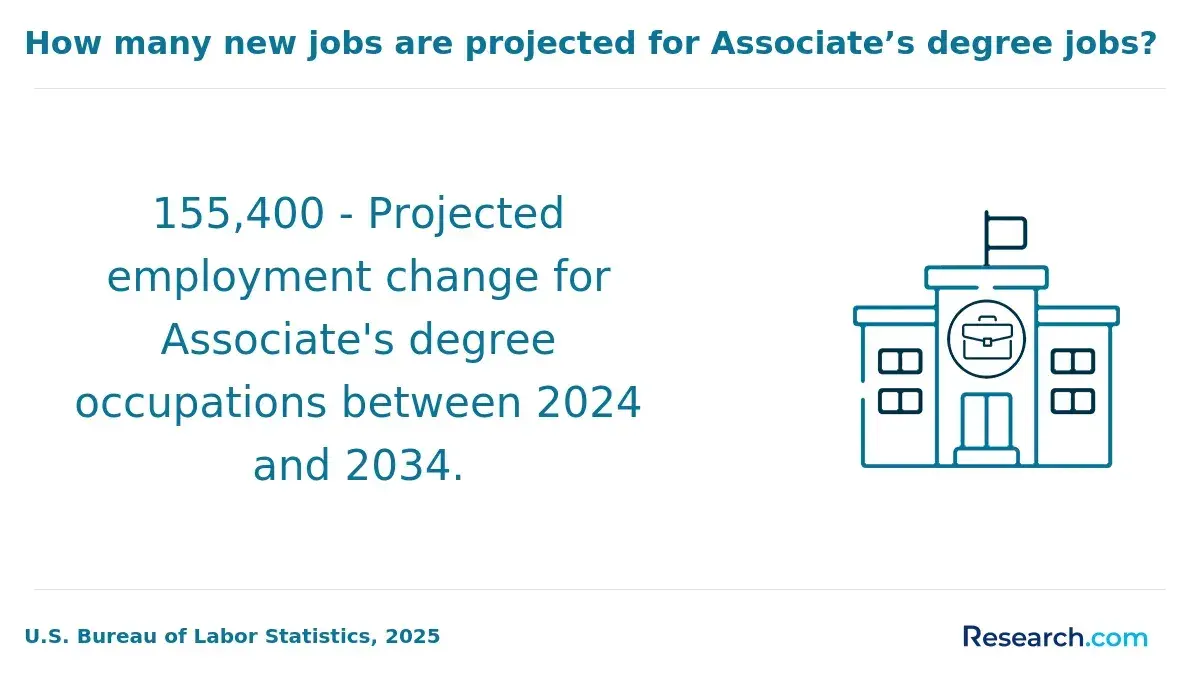
AI and automation also affect how students should discuss career goals. Rather than saying you want a major because it is "safe," talk about durable skills: problem framing, evidence-based decision-making, human communication, ethical judgment, and the ability to learn new tools. If you are comparing a degree with faster workforce training, reviewing certificate programs that pay well can help you ask whether a degree, certificate, or combined pathway makes the most sense for your target role.
How do you follow up after a college interview?
A good follow-up is brief, specific, and professional. It should thank the interviewer, mention one detail from the conversation, and reinforce your interest without adding pressure. Send it within 24 to 48 hours if you have the interviewer's email and the college allows direct contact.
Use the follow-up to show maturity, not to rewrite your application. Keep it concise and avoid attaching extra materials unless the interviewer requested them.
- Open with a clear thank-you and the date or context of the interview.
- Mention one specific topic you appreciated discussing, such as advising, a program feature, research, internships, or campus culture.
- Briefly connect that topic to your goals or decision-making process.
- Close with appreciation for the interviewer's time and any next steps they suggested.
A simple example is: "Thank you for speaking with me about the environmental studies program and first-year research opportunities. Our conversation helped me understand how students can connect classroom work with community-based projects, which is one reason the program remains a strong fit for my interests."
Do not send repeated messages asking whether you were admitted. If you forgot to mention something important, include only one short clarification if it genuinely affects the application. Otherwise, let the interview stand and focus on completing financial aid forms, comparing net prices, and meeting any remaining deadlines.
Other Things You Should Know About
Sometimes. Many colleges offer optional interviews, while some honors, scholarship, arts, healthcare, education, or selective programs require them. Always check the admissions page for your applicant type.
Choose neat, comfortable clothing that fits the setting. Business casual is usually appropriate. The goal is to look prepared without distracting from the conversation.
It can, especially if you are disrespectful, unprepared, dishonest, or unable to explain your interest. A slightly nervous interview is usually not a major problem if your answers are thoughtful.
Most last about 20 to 45 minutes, depending on the school, interviewer, and program. Plan extra time before and after so you are not rushed.
References
- How to Follow Up After a College Interview: What to Send, When, and Why It Matters https://www.deweysmart.com/resources/how-to-follow-up-after-a-college-interview
- 10 Smart College Interview Questions: Must-Ask Questions to Impress Your College Interviewer https://www.sparkadmissions.com/blog/college-interview-questions/
- How to Write a Thank You Email After a College Admissions Interview https://www.ivywise.com/blog/thank-you-email-after-interview/
- College Interview Questions | College Interview | College Interview Tips https://www.collegeadvisor.com/resources/top-10-college-interview-questions/
- How to Prepare for an Interview | Grow with Google https://grow.google/grow-your-career/articles/interview-tips/
- Career Goals: 17 Inspirational Examples for you in 2026 https://www.imd.org/blog/learning-and-development/career-goals/
- College Interview Tips and Strategies - The Ultimate Guide | College Essay Guy https://www.collegeessayguy.com/blog/college-interview
- Common College Interview Questions and How to Answer Them https://www.enderuncolleges.com/articles/common-college-interview-questions-and-how-to-answer-them/
- What are career goals? How to define yours with confidence - Blog https://getmarlee.com/blog/career-goals
- Here Are 20 Questions to Ask in Your University Interviews https://www.oxfordscholastica.com/blog/university-preparation-articles/here-are-20-questions-to-ask-in-your-university-interviews/