2027 Best Jobs for Communications Majors

Co-Founder and Chief Data Scientist
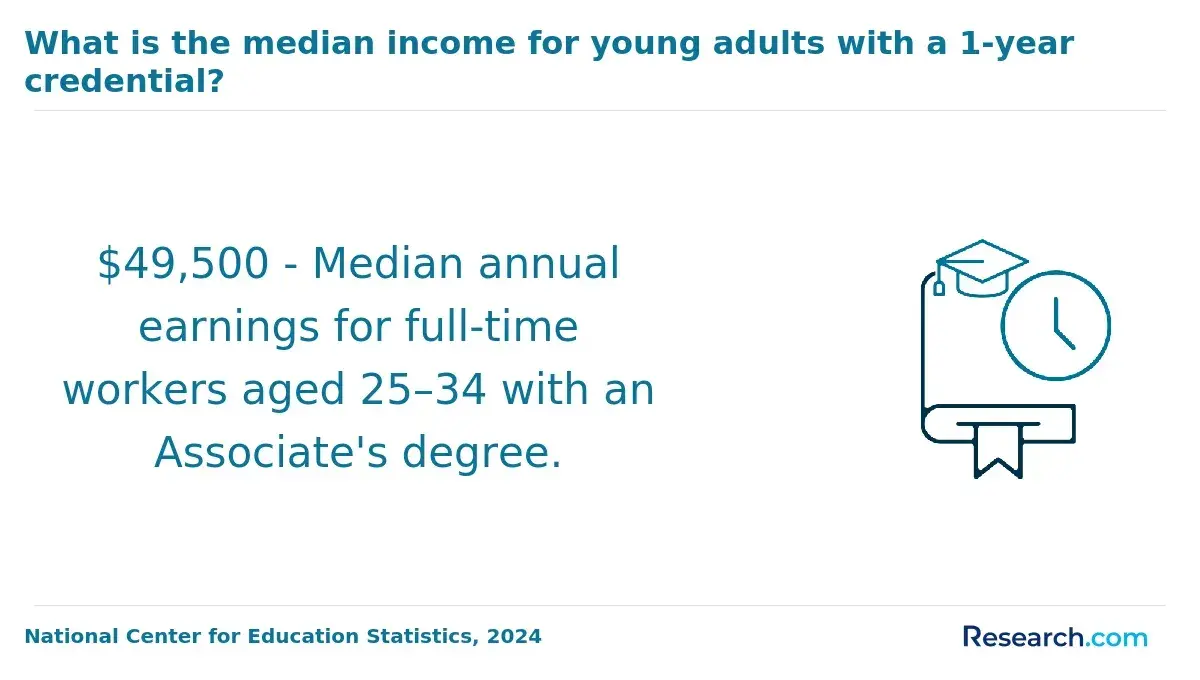
Choosing a communications major raises a practical question: which careers can turn strong writing, speaking, and audience strategy into stable work? The U.S. Bureau of Labor Statistics reports that media and communication occupations had a median annual wage of $70,300 in May 2024, higher than the $49,500 median for all occupations.
This guide is for students, career changers, and graduates comparing communications jobs. You will learn which roles fit different strengths, what they pay, what education they require, and how to choose a program that supports your goals.
Key Things You Should Know
- The strongest communications career paths usually combine writing and speaking ability with digital strategy, analytics, brand management, or technical subject-matter knowledge.
- BLS May 2024 data show a $70,300 median annual wage for media and communication occupations, but pay varies widely by role, industry, location, portfolio strength, and experience.
- The highest-paying communications-related roles are typically management or specialized roles, including advertising and marketing managers, public relations managers, and technical writers.
What are the best jobs for communications majors?
The best jobs for communications majors are not limited to journalism or public relations. A communications degree prepares students to create messages, understand audiences, manage reputation, explain complex information, and use media channels effectively. The most practical career choice depends on whether you prefer writing, strategy, public-facing work, data-informed marketing, internal corporate communication, or digital content production.
The table below compares strong job options for communications majors by fit, typical responsibilities, and why each role can be a smart path. Use it to narrow your search before comparing job postings or graduate outcomes from schools.
| Career | Best fit for | Common responsibilities | Why it can be a strong option |
| Public relations specialist | Students who like media relations, brand messaging, and reputation management | Write press releases, pitch reporters, prepare talking points, monitor public response | It connects writing, strategy, and stakeholder communication in many industries |
| Marketing communications specialist | Students interested in campaigns, customer behavior, and brand voice | Create email, web, social, and campaign content; coordinate messaging across channels | It can lead into brand, product marketing, or marketing management roles |
| Technical writer | Strong writers who can explain complex products, systems, or procedures | Develop manuals, knowledge-base articles, user guides, policy documents, and help content | It often pays more than general writing roles because it requires clarity plus technical understanding |
| Social media manager | Students who understand digital platforms, audience engagement, and short-form storytelling | Plan calendars, create posts, analyze engagement, manage community responses, coordinate campaigns | It is a visible entry point into digital strategy and brand management |
| Corporate communications specialist | Students who prefer internal communication, executive messaging, and organizational change | Draft announcements, intranet content, leadership messages, employee campaigns, and crisis updates | It is useful in large employers where clear internal messaging affects operations |
| Content strategist | Students who like writing, audience research, SEO, and content planning | Plan content topics, define voice, manage editorial calendars, review performance data | It blends communications with digital marketing and can support remote or hybrid work |
| Market research analyst | Students who enjoy audience insights, survey data, and decision support | Analyze customer behavior, market trends, campaign results, and competitive positioning | It is one of the more data-oriented paths for communications graduates |
| Fundraising or development communications specialist | Students drawn to nonprofits, universities, healthcare systems, or mission-driven work | Write donor appeals, impact reports, campaign materials, and stewardship content | It can lead to advancement, donor relations, or fundraising management |
The best first job is usually the one that builds a portfolio and measurable results. If you are still comparing flexible study options, broad online degree programs can help you understand how communications fits alongside business, marketing, and digital media majors.
Which communications jobs pay the highest salaries?
The highest salaries for communications majors tend to appear in roles that manage budgets, lead teams, influence revenue, or require specialized knowledge. Entry-level communications jobs may start below the national median for the occupation, while experienced professionals in management, technology, healthcare, finance, and professional services may earn more.
The table below uses BLS May 2024 median annual wage data for U.S. occupations that commonly align with communications training. These figures are national medians, not guarantees, so local labor markets and employer expectations matter.
| Role | Median annual wage, May 2024 | Salary context for communications majors |
| Advertising, promotions, and marketing managers | $159,660 | Often requires several years of campaign, analytics, brand, or product marketing experience |
| Public relations and fundraising managers | $138,520 | Usually requires proven media, stakeholder, crisis, fundraising, or executive communication experience |
| Technical writers | $91,670 | Strong option for graduates who can pair writing with software, engineering, healthcare, or compliance knowledge |
| Market research analysts | $76,950 | Best fit for communications majors who build quantitative, survey, and data visualization skills |
| Editors | $75,260 | Often requires portfolio depth, subject expertise, and experience managing content quality |
| Writers and authors | $72,270 | Income can vary significantly because freelance, staff, publishing, and corporate roles differ |
| Public relations specialists | $69,780 | Common direct path for communications majors, especially with internships and writing samples |
The practical takeaway is that "communications" becomes more valuable when attached to a business function. Graduates who can show campaign performance, audience growth, media placements, conversion improvements, executive-ready writing, or technical documentation samples usually have a stronger case for higher-paying roles.
What degree do communications jobs usually require?
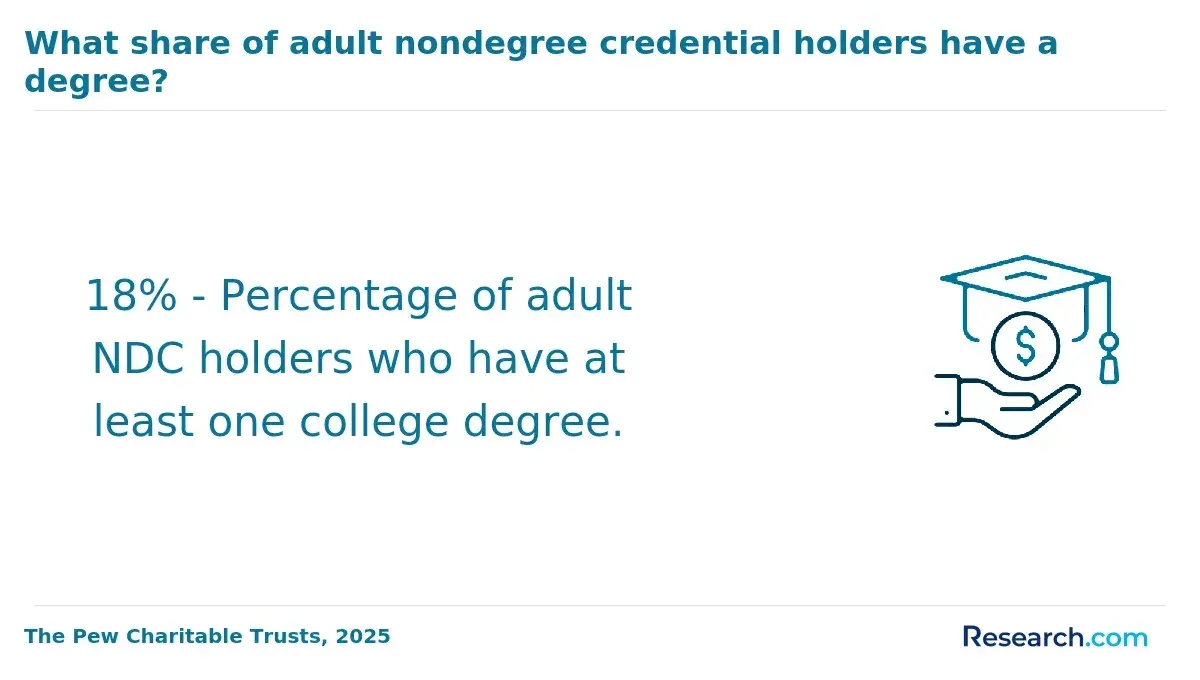
Most communications jobs ask for at least a bachelor's degree, especially for public relations, corporate communications, marketing communications, journalism, content strategy, and media roles. However, employers often evaluate candidates by portfolio quality, internships, writing samples, platform experience, and proof that they can communicate clearly under deadlines.
The table below summarizes common education levels and when each one makes sense. This can help you avoid overpaying for a credential that is not needed for your target role.
| Credential | Typical career use | When it makes sense | When it may not be enough |
| Certificate or short course | Social media tools, analytics, SEO, digital advertising, nonprofit fundraising, copywriting | You already have a degree or experience and need a targeted skill | You are applying to roles that screen for a bachelor's degree |
| Associate degree | Entry-level media support, transfer pathway, administrative communications roles | You want a lower-cost start before transferring to a bachelor's program | You want competitive PR, marketing, or corporate communications roles at larger employers |
| Bachelor's degree | Most communications, PR, marketing, media, and content roles | You want the standard credential for professional communications jobs | You need specialized graduate-level training for research, teaching, or senior policy roles |
| Master's degree | Strategic communication, health communication, political communication, organizational communication | You want leadership preparation, a career pivot, or deeper specialization | You lack practical experience or a portfolio, because the degree alone may not overcome that gap |
| Doctorate | Research, university teaching, advanced consulting, executive thought leadership | You want academic, research, or high-level expert roles | Your goal is an entry-level communications job where experience matters more |
For many students, the bachelor's degree is the main credential to compare. If cost is your biggest constraint, reviewing affordable online bachelor degree programs can help you evaluate lower-cost options while still checking accreditation, transfer policy, and career support.
What skills do employers want in communications graduates?
Employers want communications graduates who can write clearly, adapt messages to different audiences, and use digital tools without losing strategic judgment. AI has changed the field: employers increasingly value people who can prompt, edit, fact-check, personalize, and ethically use AI-generated drafts rather than simply produce basic content.
The skills below matter because they show whether a graduate can move from classroom assignments to real workplace outcomes. Build evidence for each skill through internships, class projects, freelance work, student media, campus organizations, or volunteer campaigns.
- Professional writing: press releases, executive messages, web copy, campaign emails, internal announcements, scripts, and concise reports.
- Audience analysis: adjusting tone, channel, timing, and evidence for customers, employees, donors, media, executives, or the public.
- Digital communication: social platforms, content management systems, email platforms, SEO basics, analytics dashboards, and visual storytelling tools.
- Research and measurement: interpreting surveys, media metrics, engagement data, sentiment, and campaign performance without overstating results.
- Presentation and facilitation: briefing teams, interviewing stakeholders, explaining recommendations, and handling feedback professionally.
- Crisis judgment: drafting timely messages, escalating sensitive issues, checking facts, and understanding reputational risk.
- AI literacy: using AI tools to brainstorm, summarize, repurpose, and edit content while protecting accuracy, privacy, and brand voice.
A common mistake is treating communications as only a "people skills" major. Interpersonal ability helps, but employers usually need evidence: a portfolio, analytics screenshots, writing samples, campaign briefs, media clips, or examples of before-and-after edits.
Which communications careers need certification or licensing?
Most communications careers do not require state licensing. Unlike nursing, teaching in public schools, law, or accounting, communications roles are usually governed by employer requirements rather than licensing boards. Still, targeted certifications can help graduates stand out when they match the job.
The table below explains which credentials may be useful, where they apply, and what to watch for before paying for them.
| Credential area | Useful for | Career value | Important caution |
| Google Analytics or digital analytics | Marketing communications, content strategy, social media, campaign reporting | Shows you can interpret audience and performance data | Tools change, so employers still expect current hands-on experience |
| Digital advertising platform certifications | Paid social, search advertising, media buying, growth marketing support | Helpful for roles connected to campaign execution and measurement | A certificate does not replace a portfolio of campaign work |
| HubSpot or marketing automation certifications | Email marketing, CRM-supported communication, inbound marketing | Useful for marketing communications roles at small and midsize employers | Platform-specific skills may not transfer perfectly to every employer |
| Accreditation in Public Relations | Experienced PR professionals pursuing leadership credibility | Can support advancement after several years in the field | Usually not necessary for entry-level PR roles |
| Fundraising certifications | Nonprofit development, donor communications, advancement offices | Can help if you move toward fundraising leadership | Experience with donors and campaigns is still central |
The smartest approach is to start with job postings. If multiple employers in your target city or industry ask for a specific tool, earn that credential and create a sample project that proves you can use it.
What coursework prepares students for communications careers?
Coursework matters because communications careers reward applied ability. A strong program should teach theory, but it should also require students to write, present, research audiences, edit media, analyze campaigns, and work with real deadlines.
Look for courses that build both message strategy and practical evidence for your portfolio. The strongest mix usually includes the following areas.
- Writing and editing: news writing, PR writing, copywriting, feature writing, editing, and professional style.
- Strategic communication: public relations, campaign planning, crisis communication, persuasion, and brand messaging.
- Digital media: social media strategy, multimedia production, content management, podcasting, video, and web communication.
- Research methods: survey design, audience analysis, media research, qualitative interviewing, and basic statistics.
- Business and marketing: consumer behavior, marketing principles, advertising, nonprofit communication, and sales communication.
- Specialized communication: health, political, science, technical, intercultural, or organizational communication.
- Experiential learning: internships, capstones, student agency work, campus media, client projects, or community campaigns.
If you are choosing electives, start with your target job title and work backward. A student aiming for technical writing should prioritize editing, information design, and a technical subject area, while a future PR specialist should prioritize media relations, campaign planning, and crisis communication.
Are online communications programs as strong as campus programs?
Online communications programs can be as strong as campus programs when they are properly accredited, taught by qualified faculty, and built around writing feedback, presentations, collaboration, internships, and portfolio development. The format is less important than whether the program helps you practice workplace communication repeatedly and receive detailed critique.
The table below compares online and campus formats by the factors that matter most for communications students. Use it to decide which learning environment fits your schedule, learning style, and career needs.
| Factor | Online communications program | Campus communications program |
| Flexibility | Often better for working adults, caregivers, and students far from campus | Usually better for students who want a fixed weekly schedule |
| Networking | Can be strong if the program has live sessions, alumni access, group projects, and internship support | Often easier for spontaneous networking, clubs, student media, and local events |
| Portfolio development | Strong when courses require publishable digital projects and instructor feedback | Strong when students can join campus media, agencies, and in-person production teams |
| Internship access | Depends on employer partnerships and whether students can complete internships locally or remotely | May be stronger when the campus is near media, nonprofit, government, or corporate employers |
| Best fit | Self-directed students who need flexibility and can build relationships intentionally | Students who want face-to-face coaching, campus activities, and local employer exposure |
Before enrolling online, ask whether presentations are live or recorded, how writing feedback is delivered, whether internships are required, and whether career services work with remote students. A high-quality online format should feel interactive, not like a set of readings with minimal instructor contact.
How long does a communications degree take to finish?
A bachelor's degree in communications typically takes about four years of full-time study, while an associate degree commonly takes about two years. Part-time students may need longer, and students with transfer credits, prior learning credit, summer enrollment, or heavier course loads may finish sooner.
The table below shows common timelines and the trade-offs behind each path. Faster is not always better if it reduces your ability to complete internships, build a portfolio, or manage costs.
| Path | Typical completion time | Best for | Main trade-off |
| Associate degree | About two years full time | Students seeking a lower-cost start or transfer route | May not qualify for many professional communications roles by itself |
| Bachelor's degree | About four years full time | Students pursuing PR, marketing communications, media, corporate communications, or content roles | Requires more time and cost than a certificate or associate pathway |
| Accelerated bachelor's pathway | Varies by transfer credits and course load | Motivated students with credits already earned or strong time-management skills | Can leave less time for internships, networking, and portfolio polishing |
| Master's degree | Often one to two years full time | Career changers or professionals seeking strategic specialization | May not improve outcomes without relevant experience |
| Doctorate | Often several years | Future researchers, professors, or advanced consultants | Not usually necessary for standard communications jobs |
If speed matters, compare whether a fast track program accepts transfer credits and still includes career-building experiences. A shorter timeline is valuable only if the credential remains credible and you graduate with work samples employers can evaluate.
What jobs can you get with a communications degree?
A communications degree can lead to jobs across business, media, government, healthcare, education, technology, entertainment, nonprofits, and professional services. The degree is broad, so graduates should choose a direction early and build proof of skill around that direction.
The table below groups common jobs by career stage. It can help you understand how entry-level roles can lead to more specialized or senior positions over time.
| Career stage | Possible job titles | How to become competitive |
| Entry level | Communications assistant, PR assistant, social media coordinator, marketing assistant, editorial assistant, content coordinator | Build writing samples, complete internships, learn content tools, and show reliability under deadlines |
| Early career | Public relations specialist, marketing communications specialist, copywriter, internal communications specialist, development communications specialist | Show measurable campaign work, audience insight, stakeholder management, and polished professional writing |
| Specialized path | Technical writer, content strategist, media relations specialist, crisis communications specialist, health communications specialist | Add subject-matter knowledge, analytics, industry vocabulary, and stronger portfolio examples |
| Management path | Communications manager, PR manager, content director, brand manager, marketing manager | Develop leadership, budgeting, cross-functional coordination, performance measurement, and executive communication skills |
Communications can also support remote-friendly careers, especially in content strategy, technical writing, social media, email marketing, and internal communications. If remote flexibility is a major goal, compare communications with other work from home degrees and look for programs that require digital collaboration, analytics, and portfolio-ready projects.
How do you choose a reputable communications program?
A reputable communications program should help you graduate with a recognized credential, a strong portfolio, relevant experience, and a clear understanding of career paths. Do not choose a school based only on a ranking, a low advertised tuition rate, or a promise that the degree will automatically lead to a specific job.
Cost deserves careful attention because published prices can vary widely before financial aid. College Board data published in 2024 list average published tuition and fees for 2024-25 at $11,610 for in-state students at public four-year colleges and $43,350 at private nonprofit four-year colleges, which means scholarships, transfer credits, living costs, and time to completion can significantly change the real price.
Use the following steps to compare programs before applying or enrolling. These checks reduce the risk of choosing a program that looks convenient but does not support your career goal.
- Confirm institutional accreditation through a recognized accreditor and verify that credits are likely to transfer if you may change schools.
- Review the curriculum for writing, research, digital media, strategic communication, analytics, and a required capstone or internship.
- Ask for examples of student portfolios, internship employers, student media opportunities, or client-based projects.
- Compare total cost, not just tuition, including fees, books, technology, commuting, housing, and the cost of taking longer to graduate.
- Check career services for communications-specific support such as portfolio reviews, mock interviews, alumni contacts, and internship placement help.
- Look at faculty backgrounds to see whether instructors have current professional, research, or industry experience in your area of interest.
- Ask how online students, transfer students, and working adults receive advising, networking opportunities, and writing feedback.
Common red flags include vague career outcome claims, limited writing feedback, no internship support, outdated digital media coursework, unclear transfer policies, and pressure to enroll quickly. Students considering advanced research, teaching, or executive-level communication study can also compare online PhD programs for working professionals, but doctoral study is usually unnecessary for entry-level communications careers.
Other Things You Should Know About
Communications can be a good major if you build practical skills in writing, digital media, analytics, and audience strategy. It is strongest for students who complete internships, create a portfolio, and connect the degree to a specific career path such as PR, marketing communications, technical writing, or corporate communications.
Common entry-level options include communications assistant, social media coordinator, marketing assistant, PR assistant, and content coordinator. These roles are more accessible when you have writing samples, internship experience, and familiarity with common digital tools.
Yes. Many communications majors work in marketing communications, content marketing, social media, email marketing, brand messaging, and campaign coordination. Students interested in marketing should add coursework or experience in consumer behavior, analytics, SEO, advertising, and campaign measurement.
Most entry-level and many mid-level communications jobs do not require a master's degree. A graduate degree may help for strategic communication leadership, career changes, specialized fields, or academic goals, but experience and portfolio quality often matter more for standard professional roles.
References
- How Long is a Master’s in Communication Program? Full-Time vs Part-Time https://www.mastersincommunications.com/faqs/length-of-masters-in-communication-programs
- Communications Specialist Certifications: Best Credentials to Advance Your Career | Teal https://www.tealhq.com/career-paths/communications-specialist-certifications
- Highest Paying Jobs You Can Get With a Communications Degree https://applybuddy.co.uk/highest-paying-jobs-you-can-get-with-a-communications-degree/
- Top Communication Skills Employers Seek From College Grads https://www.manpower.com.sg/en/insights/blogs/2021/03/top-communication-skills-employers-seek-from-college-grads
- Explore Careers And Jobs That Require A Professional License https://www.accreditedschoolsonline.org/resources/jobs-requiring-professional-license/
- How Long is an Online Master’s in Communication Program? https://www.onlineeducation.com/communication/faqs/how-long-to-earn-a-communications-masters-degree-online
- Top Skills Employers Look for in Mass Communication Graduates https://urbeuniversity.edu/blog/top-skills-employers-look-for-in-mass-communication-graduates
- What are communication skills and how do I improve them? https://targetjobs.co.uk/careers-advice/skills-for-getting-a-job/what-are-communication-skills-and-how-do-i-improve-them
- 6 benefits of a master's in health care management https://www.unfc.ca/blog/must-have-workplace-communication-skills-for-graduates
- How Long Does it Take to Earn a Communications Degree Online? - Best Communications Degrees https://www.bestcommunicationsdegrees.com/faq/how-long-does-it-take-to-earn-a-communications-degree-online/