2027 How Long Does IT Take to Become a Paralegal: Career Guide for Students and Graduates

Co-Founder and Chief Data Scientist
Becoming a paralegal is often one of the fastest ways to enter the legal field without attending law school, but the timeline depends on your education, schedule, and local job market.
The U.S. Bureau of Labor Statistics reported a May 2024 median annual wage of $61,010 for paralegals and legal assistants, making the role attractive for students and career changers. This guide explains training options, program length, costs, certifications, online study, and job outcomes so you can choose the most practical route.
Key Things You Should Know
- Most students can become job-ready in about 6 months to 2 years; a post-baccalaureate certificate is usually the fastest route, while an associate degree typically takes 2 years and a bachelor's degree usually takes 4 years.
- Paralegals generally do not need a license, but optional credentials from organizations such as NALA, NFPA, or NALS can strengthen applications, especially when paired with internship or law-office experience.
- The BLS reported a May 2024 median wage of $61,010 for paralegals and legal assistants, but pay varies by location, employer type, legal specialty, education, and experience.
How long does it take to become a paralegal from start to first job?
The shortest realistic path from starting training to landing a first paralegal job is usually 6 to 12 months for students who already have a college degree and complete a focused paralegal certificate. Students starting without college credit commonly need about 18 months to 2 years if they choose an associate degree, while a bachelor's path may take 4 years before full-time entry-level employment.
The timeline is not just classroom time. Employers often want writing ability, legal research skills, familiarity with litigation procedures, and some proof that you can work in a legal environment. That is why internships, legal assistant jobs, clinics, or volunteer work can shorten the job search even if the academic program itself is not accelerated.
The table below summarizes common routes from first enrollment to first job. Use it to compare how quickly each path can work and what trade-offs come with speed:
| Starting point | Common education route | Typical time in school | Likely time to first job | Best fit |
| Already has a bachelor's degree | Post-baccalaureate paralegal certificate | 6 to 12 months | 6 to 15 months with active job search | Career changers who want the fastest legal-support credential |
| Some college but no degree | Certificate or associate degree with transfer credits | 9 months to 2 years | 1 to 2 years depending on credit transfer and internship access | Students who want to use prior credits and avoid starting over |
| No college experience | Associate degree in paralegal studies | About 2 years full time | 2 to 3 years if studying part time or working while enrolled | Entry-level students who want both general education and legal training |
| Wants broader advancement options | Bachelor's degree with paralegal, legal studies, or pre-law focus | About 4 years full time | 4 years or longer if part time | Students considering law school, compliance, management, or specialized legal roles |
To move faster, choose a program with built-in internship placement, evening or online courses, strong local law-firm relationships, and career services that help with resumes and interview preparation. Avoid enrolling only because a program is short; a very fast program without legal research, writing, ethics, and practical assignments may not prepare you well for employer expectations.
What education and training do you need to qualify as a paralegal?
A paralegal is a trained legal professional who assists attorneys with research, drafting, case organization, discovery, client communication, trial preparation, and document management. Paralegals cannot give legal advice, represent clients in court, set legal fees, or perform tasks reserved for licensed attorneys.
The education you need depends on your background and target employer. Many law firms prefer candidates with a paralegal certificate, associate degree, bachelor's degree, or a bachelor's degree plus a paralegal certificate.
Government agencies, corporate legal departments, and larger firms may be more selective, especially for roles involving litigation, compliance, intellectual property, immigration, or eDiscovery.
Paralegal training is much shorter than becoming an attorney or pursuing long academic routes such as PhD programs online, which is why it appeals to students who want legal work without committing to years of graduate study.
For most students, the practical qualification package includes education, experience, and demonstrable skills. A strong entry-level profile usually includes the following:
- A paralegal certificate or degree from an accredited institution, preferably with law-specific coursework and practical assignments.
- Coursework in legal research, legal writing, civil litigation, contracts, ethics, and law-office technology.
- An internship, externship, legal assistant job, court volunteer role, or clinic experience that shows workplace readiness.
- A resume portfolio with writing samples, research memos, document drafting examples, and software or eDiscovery experience when available.
- Professional references from instructors, internship supervisors, attorneys, or legal-services managers.
A certificate may be enough if you already have a degree or relevant administrative experience. An associate degree may be better if you are starting college for the first time. A bachelor's degree may make sense if you want broader legal, business, compliance, or law-school options later.
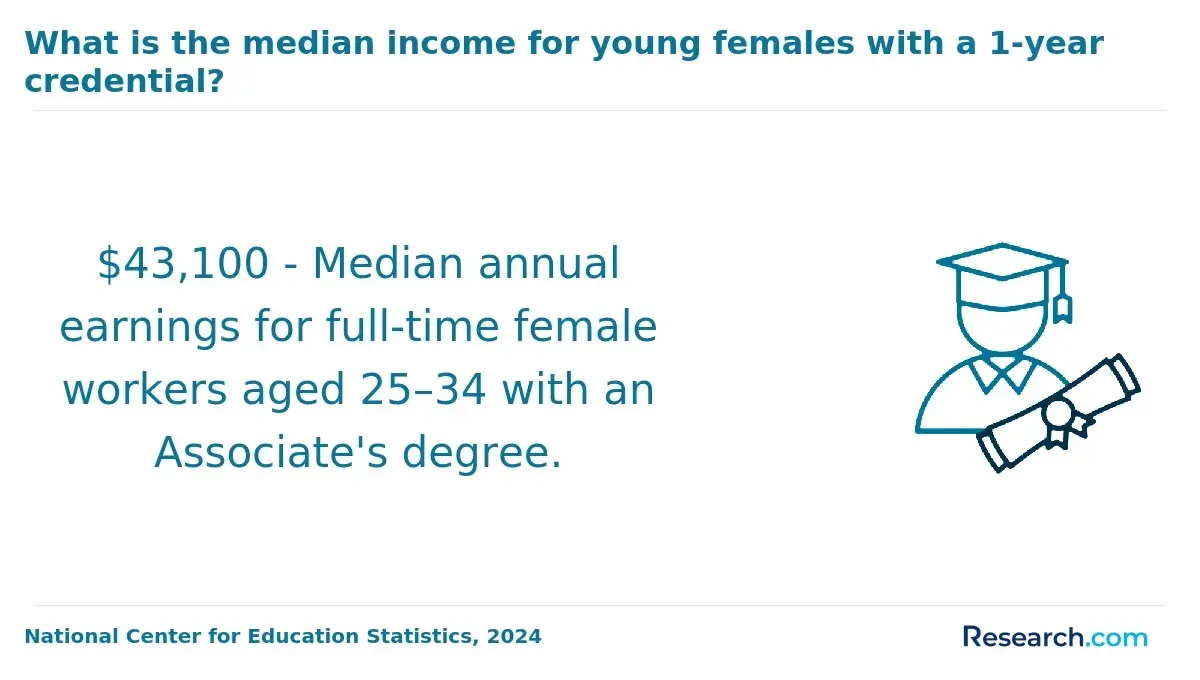
How do certificate, associate, and bachelor's paralegal programs differ in length?
Certificate, associate, and bachelor's programs differ mainly in length, depth, transferability, and career flexibility. The right choice depends on whether you already have college credit, how quickly you need to work, and whether you want the paralegal role to be a long-term career or a stepping-stone to another legal profession.
The comparison below shows how each credential usually works. It is most useful if you are deciding whether speed, cost, or long-term flexibility matters most:
| Program type | Typical length | Common admission level | Main advantage | Main limitation |
| Paralegal certificate | Several months to 1 year | High school diploma for some programs; bachelor's degree for post-baccalaureate programs | Fastest focused legal training | May provide fewer general education credits or transfer options |
| Associate degree in paralegal studies | About 2 years full time | High school diploma or GED | Combines legal courses with general education and may support transfer | Takes longer than a certificate |
| Bachelor's degree in legal studies or related field | About 4 years full time | High school diploma or transfer admission | Broader career flexibility and stronger fit for some corporate or government roles | Higher total time and cost than shorter credentials |
| Bachelor's degree plus paralegal certificate | 4 years plus several months, unless certificate is embedded | Bachelor's degree or concurrent enrollment | Strong option for career changers and competitive markets | May duplicate coursework if not planned carefully |
If you are comparing paralegal associate programs with other associates degrees online, pay close attention to whether the program includes legal-specific assignments rather than only general criminal justice or business courses.
Choose a certificate if you already have a degree and need targeted training quickly. Choose an associate degree if you need a college credential and want an affordable entry point. Choose a bachelor's route if you want more mobility into compliance, legal operations, human resources, public administration, or law school later.
Are online paralegal programs as reputable as campus-based options?
Online paralegal programs can be reputable when they are offered by accredited institutions, provide rigorous legal coursework, and include meaningful interaction with instructors. Employers usually care less about whether the classes were online and more about whether the school is credible, the curriculum is practical, and the student can write, research, organize case materials, and use legal technology.
Many adult learners compare paralegal programs with other 2-year online degrees because the format can reduce commuting time and make it easier to study while working. The trade-off is that online students must be more proactive about internships, networking, and local employer connections.
The table below compares online and campus-based study factors that matter most for paralegal students. Use it to identify which format fits your schedule and learning style:
| Factor | Online program | Campus-based program | Decision point |
| Schedule flexibility | Often stronger, especially for working adults | More fixed class times | Online may fit better if you work or have caregiving responsibilities |
| Networking | Depends on virtual events, alumni access, and local internship support | Often easier through local law-firm ties and campus events | Campus may help if you need structured professional connections |
| Skill development | Can be strong if courses include drafting, research databases, and feedback | Can provide more face-to-face practice and immediate instructor access | Review sample syllabi before assuming one format is better |
| Employer perception | Usually acceptable when the institution is accredited and respected | Often familiar to local employers | Local reputation can matter more than delivery format |
| Internship access | May require more student initiative | May be embedded through nearby firms, courts, or agencies | Ask how the school helps online students find placements |
Before choosing an online program, confirm whether the institution is accredited, whether the paralegal program has American Bar Association approval if that matters to your target employers, and whether online students receive the same career services as campus students. A common mistake is choosing the cheapest online option without checking transfer policies, internship support, or legal-writing feedback.
What coursework and skills are taught in accredited paralegal studies programs?
Accredited paralegal studies programs teach the legal concepts, procedures, ethics, and workplace skills needed to support attorneys responsibly. Institutional accreditation matters because it affects financial aid eligibility, transfer credit, and employer confidence. ABA approval is a separate program-level recognition that some employers value, but it is not the same thing as institutional accreditation.
Strong programs combine theory with applied legal work. The courses below are common because they map closely to day-to-day paralegal responsibilities:
- Legal research and writing, including case law, statutes, legal memoranda, and citation formats.
- Civil litigation and procedure, including pleadings, discovery, motions, trial preparation, and case timelines.
- Contracts, torts, criminal law, family law, real estate law, business organizations, or other specialty areas.
- Legal ethics, confidentiality, unauthorized practice of law rules, conflicts of interest, and professional responsibility.
- Law-office technology, document management, e-filing, spreadsheet use, legal databases, and eDiscovery tools.
- Client communication, interviewing, fact investigation, calendaring, file organization, and teamwork with attorneys.
Technology is changing the work. AI-assisted research, document review platforms, and automated form tools can speed up routine tasks, but they also increase the need for accuracy, source checking, confidentiality awareness, and attorney supervision. A good paralegal program should teach students how to use technology without treating AI outputs as legal advice or verified authority.
When reviewing curricula, look for graded writing assignments, practical drafting exercises, legal database training, and instructor feedback. A program that relies mostly on multiple-choice quizzes may be easier to complete, but it may not build the writing and analysis skills employers test during hiring.
Do paralegals need certification or licensing, and how do you obtain it?
In most U.S. jurisdictions, paralegals are not licensed in the same way attorneys are. They work under attorney supervision and must avoid unauthorized practice of law. However, some states have specific rules about who may use the title "paralegal," what education or continuing education is expected, or how legal document preparers and limited legal service providers are regulated.
Certification is usually optional, but it can help show professional competence. It is especially useful for candidates who are changing careers, applying to competitive firms, or trying to move into specialized legal work.
The table below outlines common national certification options. Requirements can change, so students should verify eligibility, exam rules, and renewal requirements directly with the certifying organization before applying:
| Credential type | Organization | Typical audience | How it may help |
| Certified Paralegal or Advanced Certified Paralegal | NALA | Paralegals who meet education or experience requirements | Signals broad professional knowledge and can support specialization |
| Paralegal CORE Competency Exam or Registered Paralegal | NFPA | Entry-level through experienced paralegals | Can validate core competency or advanced professional experience |
| Professional Paralegal | NALS | Legal professionals seeking a national credential | May support advancement in law-office and legal-support roles |
| State or local specialty credentials | State bars, courts, or professional associations | Paralegals in jurisdictions with local standards or specialty practice areas | Can align training with local employer expectations |
A practical path is to finish your education first, gain experience through an internship or entry-level role, and then choose a certification that matches your career direction. Do not pay for a certification prep course before confirming that you meet eligibility rules and that employers in your area recognize the credential.
What are typical admission requirements for paralegal certificates and degrees?
Admission requirements vary by school and credential level, but most paralegal programs look for evidence that you can handle college-level reading, writing, organization, and professional communication. Because legal work is detail-heavy, admissions teams may also value prior office, customer service, government, compliance, or administrative experience.
Older learners and retirees sometimes explore paralegal education as a second-career option, alongside broader resources on college degrees for seniors. For these students, flexible scheduling, transfer credits, and career services may matter as much as admissions selectivity.
Common admission requirements include the following. Review them early so you can avoid delays caused by missing transcripts or placement requirements:
- High school diploma, GED, or equivalent for associate degree and many undergraduate certificate programs.
- Official transcripts from high school and any colleges previously attended.
- Minimum GPA requirements for some certificate, transfer, or bachelor's-completion programs.
- Placement testing or proof of college-level English and writing readiness when required.
- Resume, personal statement, or writing sample for some post-baccalaureate certificates.
- Background check or professional conduct review for internships, court placements, or legal clinic participation.
Students with prior college credit should ask whether credits transfer into the program, whether legal specialty courses must be taken at the institution, and whether transfer credits reduce tuition or only reduce elective requirements. A common mistake is assuming that "transfer-friendly" means every previous course will apply directly to the credential.
How much do paralegal programs cost, and what financial aid is available?
Paralegal program costs vary widely because students may choose community colleges, public universities, private nonprofit institutions, private career schools, or online programs. The most reliable comparison is not sticker price alone; it is total net cost after grants, scholarships, transfer credits, fees, books, technology, commuting, and lost work time.
For national context, College Board's 2024-25 tuition and fee averages show why program type matters:
- Public two-year in-district tuition and fees averaged $4,050.
- Public four-year in-state tuition and fees averaged $11,610.
- Public four-year out-of-state tuition and fees averaged $30,780.
- Private nonprofit four-year tuition and fees averaged $43,350.
These figures are not paralegal-program prices, but they help explain the cost trade-off. A community-college associate or certificate may be far less expensive than a four-year private route, while a bachelor's degree may offer broader career flexibility if you can use transfer credits or scholarships.
The table below lists cost items students often overlook. Use it to compare total attendance cost, not just tuition:
| Cost factor | Why it matters | What to check |
| Tuition and mandatory fees | These are the largest visible costs and vary by institution type and residency status | Per-credit rate, program length, registration fees, and online course fees |
| Books and legal research access | Legal textbooks and database tools can add meaningful costs | Whether database access is included in tuition or billed separately |
| Technology | Online and hybrid programs may require reliable hardware, software, and internet | Computer requirements, proctoring fees, and document software expectations |
| Internship expenses | Unpaid or low-paid placements can affect work hours and transportation costs | Placement location, schedule flexibility, and whether paid internships are available |
| Transfer credit policy | Accepted credits can shorten time and reduce cost | Maximum transferable credits and whether legal courses must be completed in residence |
Financial aid may include federal grants, federal student loans, state grants, institutional scholarships, employer tuition assistance, military education benefits, and payment plans. The maximum Federal Pell Grant for the 2024-25 award year was $7,395, but eligibility depends on financial need, enrollment intensity, and program participation in federal aid.
Before enrolling, complete the FAFSA if the school participates in federal aid, ask for a written cost breakdown, and compare graduation requirements across programs. Avoid schools that pressure you to enroll immediately, refuse to disclose total costs, or cannot clearly explain whether their credits transfer.
What entry-level jobs, salaries, and career paths are available for paralegals?
Entry-level paralegals and legal assistants work in law firms, corporate legal departments, courts, government agencies, insurance companies, banks, real estate offices, nonprofits, and legal aid organizations. The work is usually detail-intensive and deadline-driven, so strong organization and writing skills matter as much as the credential itself.
The BLS reported a May 2024 median annual wage of $61,010 for paralegals and legal assistants. That figure is a midpoint, not a guarantee; salaries can be higher or lower depending on metro area, specialty, employer size, overtime expectations, education, experience, and whether the role is closer to administrative legal support or substantive paralegal work.
The table below shows common entry-level and advancement roles. It can help you see how a first paralegal job may lead to specialized legal, compliance, or operations positions:
| Role | Typical responsibilities | Common next step |
| Legal assistant | Scheduling, file management, client communication, document preparation, and attorney support | Paralegal, litigation assistant, or practice-area coordinator |
| Entry-level paralegal | Legal research, drafting, discovery support, case organization, and deadline tracking | Senior paralegal or specialty paralegal |
| Litigation paralegal | Pleadings, discovery, trial binders, deposition preparation, e-filing, and case management | Senior litigation paralegal, trial support specialist, or eDiscovery specialist |
| Corporate paralegal | Entity formation, board materials, contracts, compliance files, and regulatory documents | Compliance analyst, legal operations specialist, or corporate governance role |
| Immigration, family law, real estate, or estate planning paralegal | Practice-specific forms, client intake, filings, records, and case tracking | Specialized senior paralegal or case manager |
Current labor-market expectations are shifting toward technology fluency. Employers increasingly value candidates who can use document management systems, e-filing portals, spreadsheets, legal research databases, and eDiscovery platforms. AI tools may automate some repetitive drafting and review tasks, but paralegals who can verify sources, protect confidential information, and manage complex workflows remain valuable.
The smartest way to prepare for entry-level hiring is to build evidence of practical ability. Students can do this through internships, mock case files, writing samples, legal technology training, and targeted applications to practice areas that match their coursework.
How can you choose a reputable, accredited paralegal program that fits your goals?
A reputable paralegal program should match your career goal, budget, schedule, and local employer expectations. Accreditation and curriculum quality matter more than marketing claims, rankings, or promises of a quick job.
Some students searching broadly for easy associate-level options may even come across resources such as Barbados Community College comparisons, but U.S. paralegal students should focus on whether a program is recognized by U.S. employers, eligible for appropriate financial aid, and aligned with state rules and local hiring needs.
Use the following checklist before enrolling. These steps help reduce the risk of choosing a program that is fast but not useful:
- Verify institutional accreditation through recognized U.S. accreditation sources and confirm whether the program is eligible for federal financial aid if you need it.
- Check whether the paralegal program has ABA approval if your target employers prefer or require it.
- Review the curriculum for legal research, legal writing, ethics, civil litigation, technology, and practical drafting assignments.
- Ask how online, evening, or part-time students access internships, career services, legal databases, and instructor feedback.
- Request a written estimate of total cost, including fees, books, technology, and any internship-related expenses.
- Ask for employment support details, such as resume help, mock interviews, employer connections, alumni outcomes, and local placement relationships.
- Confirm transfer-credit rules if you plan to continue from a certificate to an associate or bachelor's degree later.
- Speak with admissions and, if possible, a program director or instructor before committing.
Red flags include vague accreditation language, pressure-based enrollment tactics, no clear legal specialty coursework, limited writing assignments, weak career services, and unrealistic salary promises. A good program should be transparent about requirements, limitations, costs, and outcomes.
If your goal is the fastest route, a reputable certificate with internship access may be best. If your goal is affordability and a college credential, an associate degree may offer the strongest balance. If your goal is long-term mobility into compliance, legal operations, government, or law school, a bachelor's degree may be worth the extra time.
Other Things You Should Know About
Yes, some employers hire legal assistants or entry-level paralegals without a degree, especially if the candidate has strong office, writing, or legal experience. However, a certificate or degree usually improves competitiveness and may be preferred for substantive paralegal work.
A paralegal certificate can be worth it if you already have a degree or need focused legal training quickly. It is less useful if the program lacks accreditation, practical writing assignments, internship support, or local employer recognition.
The fastest common route is a post-baccalaureate paralegal certificate, which may take several months to 1 year. Students without prior college credit may need longer because they often benefit from an associate degree or broader foundational coursework.
Paralegals may attend hearings, trials, depositions, or client meetings to support attorneys, organize documents, and track case details. They do not represent clients in court or provide legal advice unless a specific jurisdiction authorizes a limited legal role under separate rules.
References
- How To Choose The Right Paralegal Program Fast https://www.paralegalinst.com/common-mistakes-when-choosing-paralegal-schools
- How to Choose an Online Paralegal Studies Program | Campus https://campus.edu/blog/paralegal/how-to-choose-online-paralegal-program
- How to become a Paralegal - Salary, Qualifications, Skills & Reviews – SEEK https://au.seek.com/career-advice/role/paralegal
- The Difference Between a Paralegal Certification and Degree | Bryan University Online© https://bryanuniversity.edu/faq/the-difference-between-a-paralegal-certification-and-degree/
- Financial Aid - Paralegal College | Center for Advanced Legal Studies https://paralegal.edu/financial-aid/
- How To Get Student Loans for Paralegal School (2026 Guide) https://www.credible.com/student-loans/student-loans-for-paralegal-school
- Starting a Paralegal Career Without a Paralegal Certificate https://paralegal-bootcamp.com/starting-a-paralegal-career-without-a-paralegal-certificate/
- How to become a paralegal - a guide from NALP https://www.nationalparalegals.co.uk/how-to-become-a-paralegal/
- What do paralegals do? | University of Law https://www.law.ac.uk/employability/career-finder/paralegal/