2027 Careers That Value Communication Skills

Co-Founder and Chief Data Scientist
Choosing a career built around communication means deciding where your strengths in writing, speaking, listening, persuasion, and relationship-building can create the most value. The U. S. Bureau of Labor Statistics projects total employment to grow 3.1% from 2024 to 2034, but communication-heavy roles vary widely in pay, education requirements, and stability.
This guide is for students, career changers, and working adults comparing practical paths. You'll learn which careers fit different goals, what credentials matter, how salaries compare, and how to choose a program without overpaying or picking the wrong track.
Key Things You Should Know
- Communication skills support careers in healthcare, business, law, education, media, technology, and public service, but the strongest paths usually pair communication with a second domain such as analytics, clinical training, compliance, sales, or leadership.
- Recent BLS wage data shows a wide salary range: interpreters and translators had a median annual wage of $59,440 in May 2024, while marketing managers had a median annual wage of $161,030.
- The best education route depends on the target role: certificates can support entry-level media, sales, and marketing work, while licensed careers such as speech-language pathology typically require graduate education and state licensure.
What are the best careers for people with strong communication skills today?
The best careers for people with strong communication skills are not limited to public relations or media. Employers value communication most when it helps solve a business, clinical, legal, educational, or technical problem. That means the strongest career choices usually combine communication with decision-making, subject-matter expertise, emotional intelligence, and measurable outcomes.
For career planning, it helps to separate "communication-first" roles from "communication-plus" roles. Communication-first roles make writing, speaking, messaging, or audience engagement the central job function. Communication-plus roles use communication as a core advantage in a field such as healthcare, management, law, technology, or sales.
The table below compares strong options by the kind of communication they use most and the type of person likely to thrive in each role.
| Career path | Communication focus | Typical responsibilities | Best fit for |
| Public relations specialist | Media relations, brand messaging, crisis communication | Write press materials, pitch stories, manage public-facing messages, coordinate campaigns | People who write clearly, respond well under pressure, and enjoy reputation management |
| Technical writer | Clear written explanation of complex information | Create manuals, user guides, help content, policy documents, and product documentation | Detail-oriented writers who can translate technical topics for nonexperts |
| Marketing manager | Persuasion, audience strategy, campaign leadership | Plan marketing campaigns, oversee messaging, analyze customer behavior, manage teams or vendors | Strategic communicators who also like data, branding, and revenue goals |
| Human resources specialist | Employee communication, interviewing, conflict resolution | Recruit candidates, explain policies, support employee relations, coordinate benefits or training | People who are organized, diplomatic, and comfortable handling sensitive conversations |
| Speech-language pathologist | Clinical communication assessment and therapy | Evaluate and treat speech, language, voice, fluency, and swallowing disorders | People who want a licensed healthcare or education role with direct client impact |
| Management analyst | Business communication and executive recommendations | Interview stakeholders, analyze processes, write reports, present improvement plans | Problem-solvers who can turn research into persuasive recommendations |
| Sales manager | Negotiation, coaching, customer communication | Set sales goals, train teams, manage client relationships, analyze performance | Goal-oriented communicators who can motivate teams and handle pressure |
| Lawyer or mediator | Argumentation, negotiation, advocacy, careful writing | Advise clients, draft documents, negotiate, present cases, resolve disputes | People comfortable with reading, reasoning, conflict, and high-stakes communication |
For many readers, the smartest choice is not simply the job with the highest salary. It is the role where your communication style matches the daily work. If you enjoy public speaking but dislike detailed writing, training, sales, or management may fit better than technical writing. If you prefer structured one-on-one communication, HR, counseling-adjacent roles, academic advising, or speech-language pathology may be stronger options.
Which degree programs develop the communication skills employers value most?
Degree programs that develop valuable communication skills usually teach more than public speaking. The strongest programs train students to research audiences, write for different purposes, analyze information, work across cultures, present evidence, use digital tools, and handle conflict professionally.
Students who want a faster or lower-cost start may compare certificates and associate pathways before committing to a bachelor's degree. For example, some associate degree online programs can help working adults build foundational writing, business, and digital communication skills before transferring into a longer program.
The table below summarizes common education options and when each one makes the most sense.
| Program type | Typical length | Skills emphasized | Best for | Limitations to consider |
| Certificate in communication, digital marketing, UX writing, or public relations | A few months to 1 year | Applied writing, campaign tools, social media, presentation basics, portfolio projects | Career changers, entry-level applicants, or professionals adding a targeted skill | May not satisfy degree preferences for management, clinical, or advanced roles |
| Associate degree in communication, business, media, or liberal arts | About 2 years full time | Writing, speech, general education, workplace communication, introductory media or business courses | Students seeking an affordable starting point or transfer pathway | Career options may be more limited without a bachelor's degree or work experience |
| Bachelor's degree in communication, journalism, marketing, English, public relations, or business | About 4 years full time | Research, persuasive writing, strategic communication, media production, analytics, ethics | Students targeting PR, marketing, HR, media, corporate communication, or nonprofit roles | Outcomes depend heavily on internships, portfolio quality, and specialization |
| Master's degree in communication, business, public administration, counseling-related fields, or speech-language pathology | About 1 to 3 years | Advanced analysis, leadership communication, clinical or professional specialization, research | Professionals seeking advancement, licensure, or specialized leadership roles | Higher cost and opportunity cost require careful ROI review |
| Doctoral degree in communication, education, psychology, or related fields | Often 3 or more years | Research design, theory, teaching, advanced leadership, publication-quality writing | People pursuing academia, research, executive consulting, or senior policy roles | Not necessary for most communication careers outside research or higher education |
A communication-focused degree is usually worth considering if it includes applied projects, internship access, employer-relevant tools, and room to specialize. A general degree with no portfolio, no internship support, and no career alignment can be a weaker investment, even if the course titles sound relevant.
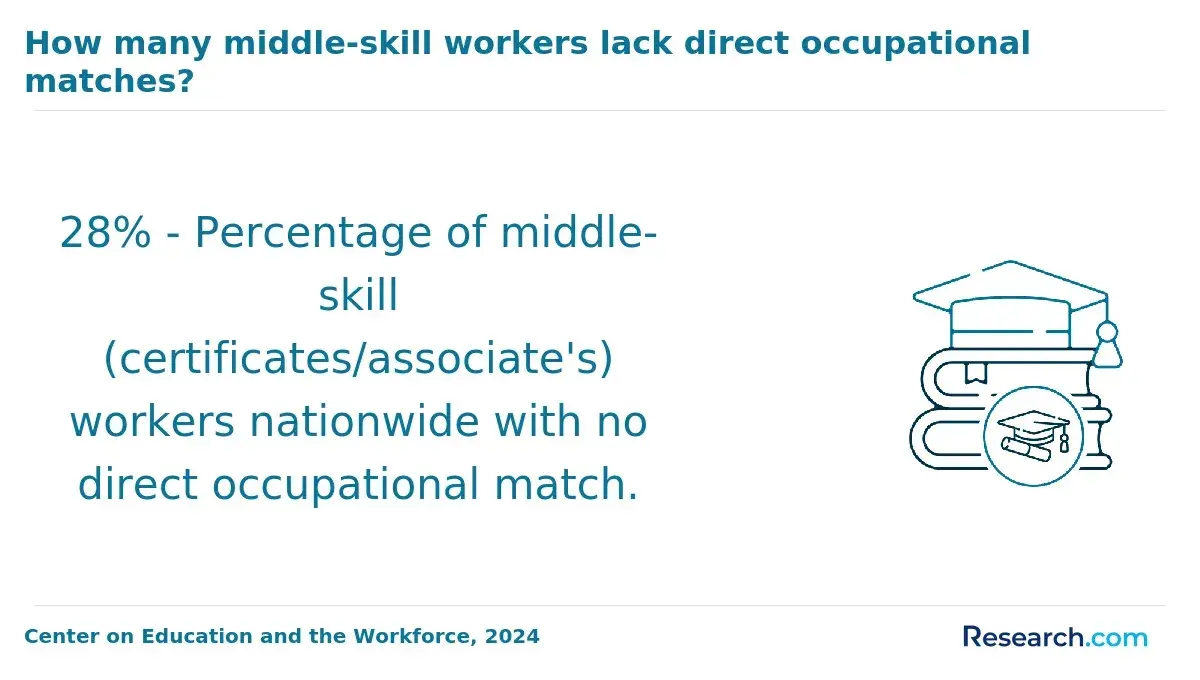
What jobs can you get with a communication-focused degree or certificate?
A communication-focused degree or certificate can lead to roles across media, business, healthcare, education, technology, government, and nonprofit organizations. The key is to translate broad skills into a job-specific value proposition. Employers rarely hire someone just because they are "a good communicator"; they hire people who can write client-ready materials, manage stakeholders, train employees, simplify technical content, support customers, or influence audiences.
Common job options fall into several practical categories. These categories help you identify whether you need a portfolio, a credential, an internship, or additional technical training.
- Writing and content roles: content writer, copywriter, technical writer, grant writer, editor, proposal writer, UX writer, and documentation specialist.
- Marketing and public-facing roles: public relations assistant, social media specialist, marketing coordinator, brand strategist, community manager, and communications specialist.
- People operations roles: recruiter, HR coordinator, employee relations assistant, training coordinator, onboarding specialist, and internal communications associate.
- Client and revenue roles: account coordinator, sales representative, customer success associate, admissions counselor, fundraising associate, and business development representative.
- Education, healthcare, and public service roles: academic advisor, patient advocate, health communication specialist, nonprofit program coordinator, interpreter, and speech-language pathology assistant where allowed by state rules.
Entry-level communication jobs often require proof of skill more than a long list of credentials. A student applying for a marketing coordinator role, for instance, may be more competitive with campaign samples, analytics experience, and internship references than with coursework alone. For clinical or regulated roles, however, education and licensure requirements matter much more.
Advancement usually comes from specialization. A communications specialist who learns analytics may move into marketing strategy. A technical writer who learns software development workflows may move into product documentation management. An HR coordinator who strengthens interviewing, compliance, and employee relations skills may move into HR specialist or HR business partner roles.
How do salaries compare in careers that heavily rely on communication skills?
Salaries in communication-intensive careers vary because the labor market pays for both communication skill and the complexity of the domain. Roles connected to management, healthcare, law, analytics, and technical products generally pay more than entry-level content or general support roles. May 2024 BLS wage data is useful because it shows national medians, but actual pay can vary by location, employer size, experience, industry, and performance-based compensation.
The table below compares selected U.S. communication-heavy roles using BLS median annual wage data from May 2024. Use these figures as a benchmark, not a guarantee of what any individual worker will earn.
| Occupation | Median annual wage, May 2024 | Why communication matters | Salary context |
| Interpreters and translators | $59,440 | Convert spoken, signed, or written communication across languages | Pay can depend heavily on language pair, certification, setting, and specialization |
| Training and development specialists | $65,850 | Teach employees, create learning materials, and explain workplace processes | Corporate, healthcare, and technology employers may reward instructional design skills |
| Public relations specialists | $69,780 | Shape organizational messages and manage public or media communication | Agency, corporate, government, and nonprofit roles can differ widely in pace and pay |
| Human resources specialists | $72,910 | Interview candidates, explain policies, and support employee communication | Experience with compliance, benefits, recruiting systems, or employee relations can improve mobility |
| Market research analysts and marketing specialists | $76,950 | Translate audience data into marketing strategy and customer insights | Analytics and business skills can strengthen earning potential |
| Technical writers | $91,670 | Explain complex technical information clearly for users, employees, or customers | Technology, engineering, cybersecurity, and medical device knowledge can be valuable |
| Speech-language pathologists | $95,410 | Assess and treat communication and swallowing disorders | Requires graduate education and licensure, but demand is supported by healthcare and education needs |
| Medical and health services managers | $117,960 | Communicate across clinical, administrative, regulatory, and patient-facing teams | Usually requires healthcare knowledge and management experience |
| Sales managers | $138,060 | Coach sales teams, negotiate goals, and manage client-facing strategy | Compensation may include bonuses or commissions depending on employer |
| Marketing managers | $161,030 | Lead brand, campaign, audience, and revenue communication strategy | Typically requires experience, measurable results, and leadership ability |
The salary pattern is clear: communication becomes more financially powerful when it is attached to scarce expertise. If you are comparing programs, ask whether the curriculum helps you build a marketable combination, such as communication plus data analysis, healthcare, software, sales, instructional design, public policy, or leadership.
What is the job outlook for communication-intensive roles across major industries?
The job outlook for communication-intensive roles is mixed. AI tools are changing writing, translation, marketing, and customer communication, but they are also increasing demand for people who can verify information, manage human relationships, interpret context, and communicate ethically. Roles that require judgment, trust, persuasion, clinical interaction, or cross-functional leadership are generally harder to reduce to simple automation.
BLS employment projections for 2024 to 2034 show why career choice matters. Some communication-heavy occupations are projected to grow faster than the overall U.S. employment rate of 3.1%, while others may grow more slowly because of automation, outsourcing, or limited industry expansion.
| Occupation | Projected employment growth, 2024 to 2034 | What the outlook means for career planning |
| Medical and health services managers | 23% | Healthcare organizations need leaders who can coordinate teams, explain policy, and manage operations |
| Speech-language pathologists | 15% | Demand is supported by schools, healthcare facilities, aging populations, and early intervention needs |
| Market research analysts and marketing specialists | 7% | Employers continue to need audience insights, but applicants benefit from analytics and research skills |
| Public relations specialists | 5% | Organizations still need reputation management, crisis communication, and stakeholder messaging |
| Technical writers | 4% | Complex products and regulated industries still need clear documentation, even as AI changes workflows |
| Lawyers | 4% | Demand is steady, but education costs and licensing requirements make ROI especially important |
| Interpreters and translators | 2% | Human expertise remains important in legal, medical, and high-context settings, but technology affects routine work |
Technology is not a reason to avoid communication careers. It is a reason to become more specialized. Employers increasingly expect candidates to use digital tools, collaborate remotely, write for multiple channels, interpret data, and understand AI-assisted workflows. A candidate who can use AI responsibly while maintaining accuracy, tone, empathy, and judgment may be more competitive than one who relies on communication talent alone.
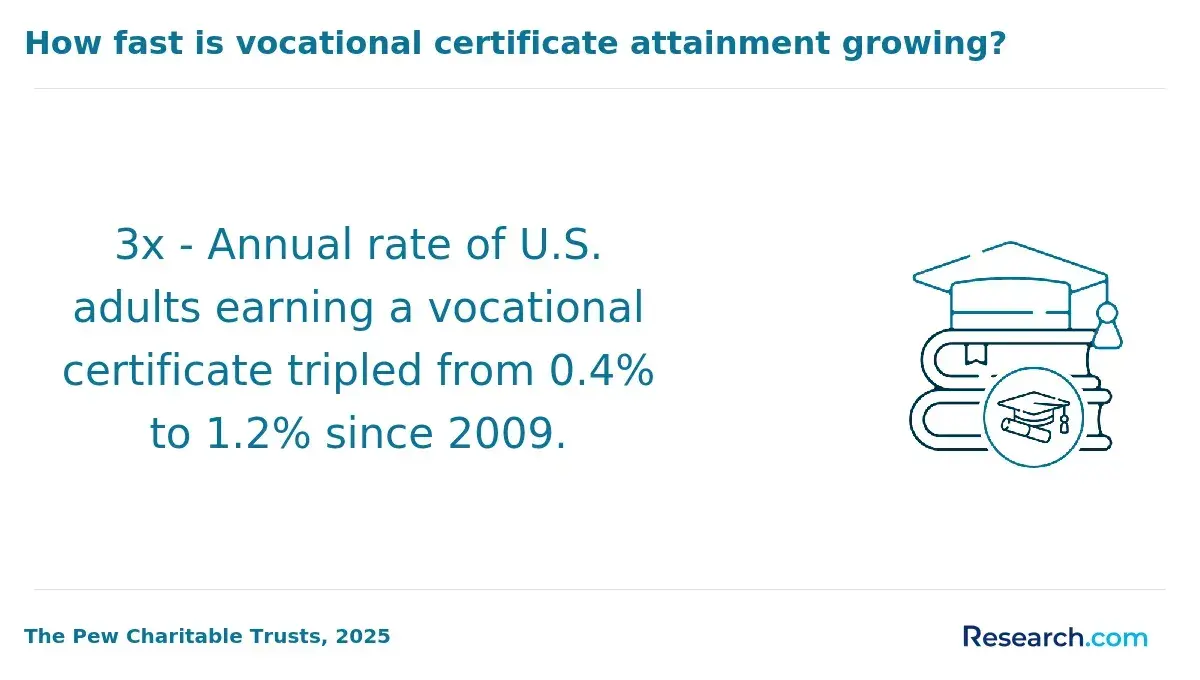
What education, licenses, or certifications do top communication careers require?
Education requirements depend heavily on the career. Some communication roles are portfolio-driven, while others are license-driven. Before enrolling in a program, identify the credential required for the job you want, not just the subject you enjoy studying.
Advanced research, university teaching, and senior consulting roles may require doctoral study, and some working adults compare flexible online PhD options when they already have graduate preparation and a clear academic or leadership goal.
The table below shows how requirements differ across common communication-intensive careers.
| Career | Common education requirement | License or certification considerations | What to verify before enrolling |
| Public relations specialist | Bachelor's degree in public relations, communication, journalism, marketing, or related field is common | Voluntary credentials may help experienced professionals but are not usually required for entry-level jobs | Internship access, writing portfolio requirements, media relations training, and alumni outcomes |
| Technical writer | Bachelor's degree in English, communication, technical communication, engineering, computer science, or related field is common | Tool-specific certificates can help, especially in software documentation or regulated industries | Whether the program teaches documentation tools, structured writing, usability, and technical collaboration |
| Human resources specialist | Bachelor's degree in HR, business, psychology, communication, or related field is common | Professional HR certifications are often experience-based and may support advancement | Coverage of employment law, recruiting systems, conflict resolution, benefits, and workplace ethics |
| Marketing manager | Bachelor's degree plus experience; MBA or master's degree may help for leadership roles | Platform and analytics certificates may strengthen practical skills | Whether coursework includes analytics, campaign measurement, consumer behavior, and leadership projects |
| Speech-language pathologist | Master's degree in speech-language pathology is typically required | State licensure is generally required; clinical fellowship and national certification may also matter | Program accreditation, clinical placement support, state licensure alignment, and exam preparation |
| Interpreter or translator | Education varies; bachelor's degree is common for many professional roles | Court, medical, or conference interpreting may require specialized certification or testing | Language proficiency standards, practice settings, ethics training, and certification preparation |
| Lawyer | Juris Doctor from an accredited law school is typically required | Bar admission is required to practice law and varies by state | Bar passage rates, employment outcomes, cost of attendance, and state licensing rules |
A common mistake is assuming that a communication degree automatically qualifies you for every communication-heavy job. It does not. Clinical, legal, teaching, counseling, and some interpreting roles may have state-specific or employer-specific requirements. Always check the rules for your intended state and occupation before committing to a program.
How do online communication-related programs compare to campus-based options?
Online and campus-based communication-related programs can both be effective, but they serve different learners. Communication is highly practice-based, so the quality of feedback, live interaction, group work, portfolio assignments, and internship support matters more than the delivery format alone.
Students comparing flexible programs should look beyond convenience and check whether the school is accredited, transparent about costs, and able to support career goals. Comparing the most reputable online universities can be a useful starting point, especially for adults who need remote coursework and recognizable institutional quality.
The table below compares online and campus options across factors that affect learning quality, cost, and career outcomes.
| Factor | Online programs | Campus-based programs | Decision guidance |
| Flexibility | Often better for working adults, parents, military learners, and students outside commuting range | More structured schedule with set class times and in-person expectations | Choose online if schedule control is essential; choose campus if structure helps you stay engaged |
| Practice and feedback | Can be strong if courses include video presentations, peer review, live sessions, and instructor feedback | Often easier to practice speeches, interviews, and group projects in person | Ask how speaking, writing, and collaboration are assessed in the format you choose |
| Networking | May rely on virtual events, discussion boards, alumni networks, and remote internships | May offer easier access to campus media, student organizations, faculty, and local employers | Choose the format that gives you realistic access to people in your target field |
| Cost structure | May reduce commuting and housing costs, though technology and distance-learning fees can apply | May involve commuting, housing, parking, or campus fees | Compare total cost of attendance, not tuition alone |
| Clinical or field placements | Possible, but placement availability depends on the program and location | May have established local placement relationships | For licensure-track programs, confirm placement support before enrolling |
Online programs can be a strong choice for writing, marketing, public relations, HR, and business communication if they include substantial projects and instructor feedback. Campus programs may be better for students who want daily in-person practice, campus media experience, debate, theater, student government, or local internship pipelines.
What core courses and skills are taught in communication-focused college programs?
Communication-focused college programs typically combine theory, applied writing, speaking practice, research, ethics, and digital media. The best programs do not treat communication as a soft skill only. They teach students how to adapt messages to audiences, use evidence, manage conflict, and communicate across channels.
The table below shows common courses and the career-ready skills they should help students build.
| Common course | Skills developed | Career value |
| Public speaking | Presentation structure, delivery, audience analysis, visual support | Useful for sales, training, leadership, teaching, advocacy, and interviews |
| Professional writing | Clear emails, reports, proposals, memos, editing, tone control | Important in nearly every office, client-facing, and management role |
| Interpersonal communication | Listening, empathy, feedback, conflict management, relationship-building | Valuable for HR, healthcare, advising, management, and customer success |
| Research methods | Survey design, interviewing, data interpretation, evidence-based recommendations | Supports market research, consulting, public policy, and graduate study |
| Strategic communication | Campaign planning, stakeholder messaging, persuasion, brand consistency | Useful for PR, marketing, nonprofit communication, and corporate roles |
| Digital media production | Content planning, social platforms, multimedia storytelling, audience engagement | Helpful for media, marketing, community management, and communications teams |
| Communication ethics and law | Privacy, accuracy, transparency, copyright awareness, responsible messaging | Important for public-facing, regulated, and high-trust work |
| Organizational communication | Internal messaging, culture, change communication, leadership communication | Supports HR, management, operations, and employee engagement roles |
Students should leave a strong program with work samples, not just grades. Before graduation or certificate completion, try to build a portfolio that shows how you communicate in realistic professional situations.
- Writing samples: press releases, policy briefs, technical instructions, grant narratives, blog posts, executive summaries, or campaign copy.
- Presentation samples: recorded speeches, training modules, sales pitches, webinar slides, or conference-style presentations.
- Research samples: audience analysis, survey reports, interview summaries, usability findings, or market research briefs.
- Digital samples: social media calendars, email campaigns, web content, video scripts, podcast plans, or analytics reports.
- Collaboration evidence: team project reflections, client feedback, internship evaluations, or supervisor recommendations.
A useful program will make these artifacts part of the coursework. If a program is mostly quizzes and discussion posts with little feedback on real communication products, it may not do enough to help you compete for applied roles.
How can you choose an accredited, reputable program that builds strong communication skills?
Choosing a reputable program requires more than reading rankings or choosing the lowest tuition. Accreditation, curriculum fit, transfer policy, career support, faculty experience, and total cost all matter. This is especially important for online students, who may compare schools across states and delivery models.
If application costs are a concern, researching online schools no application fee may help you compare options without spending money before you have verified quality, accreditation, and fit.
Use the following steps to narrow your choices before applying. Each step is designed to reduce the risk of paying for a program that does not match your career goal.
- Confirm institutional accreditation: Check that the college or university is accredited by an agency recognized by the U.S. Department of Education or the Council for Higher Education Accreditation.
- Check program-specific requirements: For licensure-track fields such as speech-language pathology, verify the program's accreditation, clinical placement support, and state licensure alignment.
- Match the curriculum to the job: A future technical writer should see documentation and usability coursework, while a future PR professional should see media writing, campaigns, and crisis communication.
- Review portfolio and internship opportunities: Look for courses that produce work samples and programs with employer, alumni, or practicum connections.
- Compare total cost: Include tuition, fees, books, technology, travel, residency requirements, lost work time, and any placement-related expenses.
- Ask about transfer credits: If you have prior college credit, military learning, professional training, or an associate degree, confirm how much will apply before enrolling.
- Evaluate career outcomes carefully: Ask for role-specific outcomes, not just broad employment claims or average salaries across unrelated majors.
There are also red flags worth taking seriously. Be cautious if a school pressures you to enroll immediately, will not clearly disclose total costs, makes salary promises, lacks recognized accreditation, has weak student support, or cannot explain how online students complete internships, labs, presentations, or clinical requirements.
How can you build and showcase communication skills if you're changing careers?
Career changers can build communication skills without starting from zero. Many people already have transferable experience from customer service, teaching, military service, administration, caregiving, sales, hospitality, or volunteer leadership. The challenge is to turn that experience into evidence employers recognize.
Adults balancing work and school may prefer flexible enrollment calendars, and comparing online schools with multiple start dates can help if waiting for a traditional semester would slow down a planned transition.
A practical career-change plan should focus on proof, not vague claims. The steps below can help you move from "I'm good with people" to a credible job application.
- Pick a target role first: Choose a specific direction such as technical writing, HR, marketing, training, public relations, customer success, or healthcare communication.
- Audit your transferable experience: Identify examples where you wrote instructions, handled conflict, trained coworkers, persuaded clients, interviewed people, or presented information.
- Fill one skill gap at a time: Add targeted training in analytics, content strategy, documentation tools, employment law, instructional design, CRM software, or healthcare terminology depending on the role.
- Create job-specific samples: Build a short portfolio with work products similar to what employers request, even if they come from class projects, volunteer work, or personal case studies.
- Get feedback from the field: Ask professionals, instructors, mentors, or supervisors to critique your writing, presentation style, resume, and portfolio.
- Translate your resume: Replace generic phrases with outcomes, audiences, tools, and communication contexts, such as "trained 12 new staff members" or "rewrote customer instructions to reduce repeated questions."
- Start with bridge roles if needed: Customer success, recruiting coordination, marketing assistant, administrative communication, and training support roles can create a path into more specialized positions.
The most common mistake for career changers is over-enrolling before testing the field. Before committing to a full degree, review job postings, conduct informational interviews, try a short course, and build a sample project. If employers in your target role consistently ask for a bachelor's degree, graduate degree, license, or specific software skill, then formal education may be a better investment.
Other Things You Should Know About
Strong options include public relations, marketing, technical writing, human resources, sales, training and development, management consulting, interpreting, speech-language pathology, and law. The best fit depends on whether you prefer writing, speaking, persuasion, teaching, counseling, analysis, or leadership.
Some do, especially when communication is combined with management, healthcare, technology, law, analytics, or sales. General entry-level communication roles may pay less, so specialization, experience, portfolio quality, and industry choice matter.
A communication degree can be worth it if the program builds practical skills, includes portfolio projects, offers internships, and aligns with a clear career goal. It may be less valuable if it is too general, lacks career support, or does not help you build evidence of job-ready skills.
AI is changing communication work, especially routine writing, translation, and content production. However, roles that require judgment, trust, ethics, strategy, empathy, negotiation, clinical care, or stakeholder management still depend heavily on human communication skills.
References
- How Better Communication Skills Can Help You Make More Money - Club Toastmasters ASC http://asctoastmasters.ca/en/how-better-communication-skills-can-help-you-make-more-money/
- What Kind of Jobs Can You Get With a Communications Degree? https://www.belmont.edu/stories/articles/2025/what-kind-of-jobs-can-you-get-with-a-communications-degree.html
- Explore Careers And Jobs That Require A Professional License https://www.accreditedschoolsonline.org/resources/jobs-requiring-professional-license/
- Communication Skills that will advance your career https://dcmlearning.ie/blog/communication-skills-that-will-advance-your-career.html
- Communications Degree | Communications Major https://www.collegeadvisor.com/resources/communications-degree/
- Jobs for people with good communication skills in 2026 https://www.mployee.me/blog/top-communication-skills-jobs-india
- 18 Jobs That Need Good Communication Skills to Succeed https://lead-academy.org/blog/good-communication-skills/
- Effective communication skills for career success https://careers.intuitive.com/en/employee-stories/career-growth-advice/effective-communication-skills-for-career-success/
- 10 Communication Degrees to Launch a High-Paying Career https://www.upes.ac.in/blog/liberal-studies/types-of-communication-degree-courses
- What Can You Do With a Communications Degree? 10 Careers Paths | Extern https://www.extern.com/post/what-can-you-do-with-a-communications-degree